
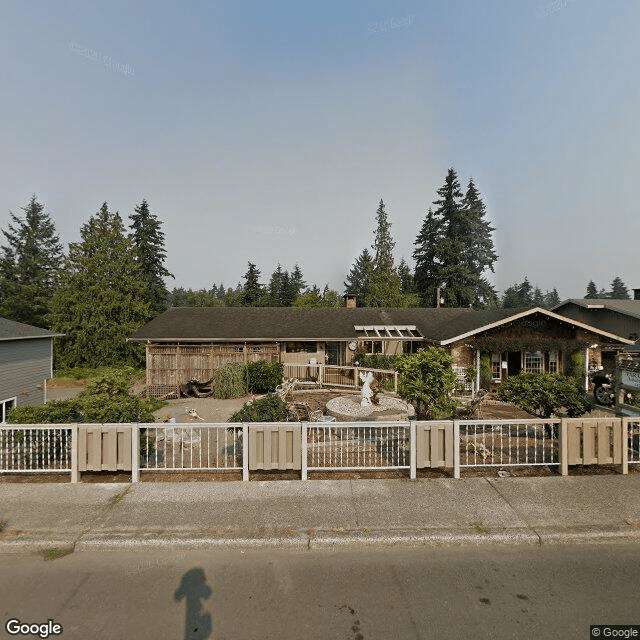
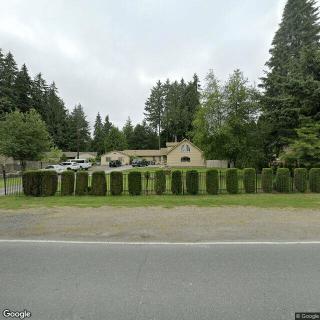
5005 Colby Ave, Everett, WA 98203
To contact a resident: (425) 303-3300
For more information about senior living options: (866) 208-4318
Paradise Island Adult Family Homes Costs & Pricing
Paradise Island Adult Family Homes offers competitive pricing for its private and semi-private room options, both set at $5,250 per month. This rate is notably higher than the averages in Snohomish County, where similar private accommodations typically cost around $4,834 and semi-private options are priced at approximately $4,320. When compared to the broader state averages in Washington - $4,772 for private rooms and $4,267 for semi-private - the costs at Paradise Island reflect a premium that may be associated with enhanced services or amenities. Overall, while Paradise Island's rates exceed local and state benchmarks, potential residents may find value in the quality of care and personalized attention offered within their community.
| Floor plans | Paradise Island Adult Family Homes | Snohomish County | Washington |
|---|---|---|---|
| Semi-Private | $5,250 | $4,320 | $4,272 |
| Private | $5,250 | $4,834 | $4,774 |
Senior living communities with a similar price nearby
-
from +$750 / mo
Home Away From Home LLC
$6,000 to $7,000 / month8.1 miles away -
from +$750 / mo
Elderly Home Care
$6,000 to $8,000 / month14.8 miles away -
from +$500 / mo

Fieldstone Rolling Bay and Fieldstone Memory Care
$5,750 to $8,895 / month24.3 miles away -
from -$250 / mo
AA Residential Care
$5,000 / month14.3 miles away -
from +$750 / mo
Sunny Side Adult Family Home
$6,000 / month5.3 miles away
Overall Review of Paradise Island Adult Family Homes
Pros
 Dori and Sammy are a very caring team that has cared for a client's mother for several years.
- The client's mother has been very happy there, and it provides the client with peace of mind knowing she is being cared for.
- The reviewer would recommend them again.
- The reviewer highly recommends the facility and the personal care provided in a small home environment.
- It is a great place for a mother.
- The staff are kind and caring, and it feels like a family.
- Communication is great, the environment is clean, and the staff are professional and attentive to the mother's needs.
Cons
 None detected in the provided reviews.
Review
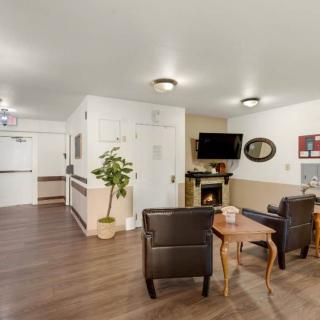
Paradise Island Adult Family Homes in Everett, WA is best suited for families seeking a small, home-like setting where a loved one receives exceptionally personal, attentive care from a stable, compassionate team. The model relies on a family-style atmosphere rather than a large campus, with Dori and Sammy identified as the core caregivers who have supported a resident for years. For seniors who value direct caregiver relationships, consistent communication, and a sense of belonging, where caregivers know names, routines, and preferences, this community delivers peace of mind that comes from genuine daily attention.
Those weighing options should consider alternatives if the care needs extend beyond what a single-family home arrangement can reliably provide. Individuals requiring frequent skilled nursing, complex medical management, or dementia care with specialized programming may be better served by larger assisted living settings or memory-care facilities that offer on-site nursing staff and a broader slate of clinical services. The trade-off for Paradise Island’s intimate scale is fewer on-site specialists and a more limited menu of structured activities. Families chasing robust clinical oversight, extensive social programming, or comprehensive transportation options may find a bigger facility a more fitting match.
The most persuasive advantages here are the human elements: a caring team, a clean and orderly environment, and communication that feels proactive rather than reactive. Reviews describe Dori and Sammy as genuinely kind, with staff who treat residents like family and respond to needs promptly. This creates trust and reduces the worry that often accompanies senior care transitions. The emphasis on personal care in a small setting translates into fewer impersonally managed moments and more steady, predictable daily routines, benefits that resonate with families seeking consistency and comfort in a home atmosphere.
On balance, the potential drawbacks are manageable for the right resident. The small footprint means fewer specialized supports in-house, so families should confirm the availability of assistance with medications, mobility aids, and emergency responses, and gauge whether additional outside services will be necessary to meet ongoing medical requirements. The best-fit resident is one who thrives on routine, values direct contact with a familiar care pair, and does not demand a broad spectrum of high-intensity programs. For someone who wants more structured programming or a broader medical support network, the main cons may feel more pronounced.
For families evaluating Paradise Island, a purposeful visit is essential. Observe how staff interact with residents, note the cleanliness and orderliness of common areas, and ask for a transparent discussion about daily schedules, care plans, and how emergencies are handled after hours. Inquire about staffing ratios, how memory-related needs would be addressed, and what the transition plan looks like if a higher level of care becomes necessary. These steps will reveal whether the small-home magic translates into scalable, dependable care for a specific loved one.
In the end, Paradise Island Adult Family Homes stands out as a compelling choice for seniors who prize warmth, personalized attention, and a true sense of family oversight. It is a strong, practical option for families prioritizing consistent, compassionate caregiving within a clean, intimate setting. If a loved one requires more intensive medical services, broader programming, or extensive clinical resources, exploring alternatives remains prudent. For those aligned with a homey, one-on-one care philosophy, this community offers a confident path, supported by a dependable team and a clear emphasis on daily quality of life.
 Board and Care Home
 Cats allowed
 Dogs allowed
 Activities on-site
 Bath tubs
 Beautician on-site
 Devotional services on-site
 Indoor common areas
 Outdoor common areas
 Private
 Respite or short term stays offered
 Wheelchair accessible showers
 Ambulatory care
 Diabetic care
 High acuity care
 Incontinence care
 Medication management
 Meals provided

 A Comprehensive Exploration of Common Misunderstandings about Powers of Attorney
 Senior Move Management: Understanding the Role, Value, and Associated Costs
 Weight Training for Seniors: Building Strength and Vitality