

304 E 3rd Street, Cle Elum, WA 98922
To contact a resident: (509) 674-4006
For more information about senior living options: (866) 208-4318
Belair House Adult Family Homes, Inc. Costs & Pricing
Belair House Adult Family Homes, Inc. offers competitive pricing for its accommodations, with both private rooms and studios priced at $3,500 per month. This aligns closely with the average cost in Kittitas County, which stands at $3,500 for a private room and slightly lower at $3,000 for a studio. In comparison to the broader Washington state averages, Belair House provides significant value; the state-wide costs are considerably higher, reaching $4,772 for a private room and $4,126 for a studio. This positioning not only underscores Belair House's commitment to affordability but also highlights its dedication to providing quality care in an accessible setting.
| Floor plans | Belair House Adult Family Homes, Inc. | Kittitas County | Washington |
|---|---|---|---|
| Private | $3,500 | $3,500 | $4,774 |
| Studio | $3,500 | $3,000 | $4,128 |
Overall Review of Belair House Adult Family Homes, Inc.
Pros
 The facility is one of the best adult family homes the reviewer has seen.
- The facility is a true blessing to the community.
- The care provided is amazing and compassionate in a home setting.
- The home provides autonomy, dignity, and excellent care to residents.
- Residents' quality of life is the best it can be because of the amazing staff.
Review
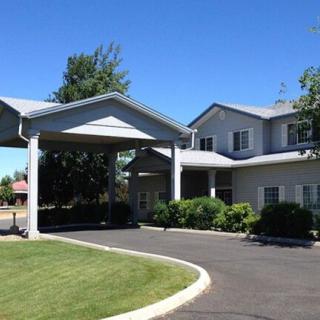
Belair House Adult Family Homes in Cle Elum, WA is best suited for seniors who want a warm, home-like living arrangement without sacrificing reliable, compassionate support. The community prioritizes daily life as a series of personal interactions rather than impersonal routines, delivering care in a setting that feels more like an extended family residence than a medical facility. Residents can maintain a sense of autonomy and dignity while receiving help with activities of daily living. For families seeking a place where caregivers know residents by name and respond with genuine attentiveness, this option emerges as a practical, steady choice.
Those whose loved ones require extensive medical oversight or specialized memory support may want to consider alternatives. A setting designed to feel like a private home can be less equipped for high-acuity needs, complex wound care, or frequent hospital-level interventions. If memory care requires a structured, dementia-focused program with robust clinical oversight, or if needs include a wide array of on-site therapies and activities typically found in larger communities, a bigger facility with a broader care continuum might be a better fit. Geography matters too; those living far from major medical centers should assess access to urgent care and specialist services.
The strongest positives in this community center on the human touch. The care environment feels genuinely compassionate, with caregivers who approach residents with patience, respect, and attentiveness. The home-like atmosphere supports autonomy, letting residents participate in daily routines and decision-making to the extent possible. Quality of life benefits flow from staff who are consistently engaged, respectful, and responsive, creating a sense of safety and belonging that reduces agitation and stress. In short, the daily experience emphasizes dignity and warmth, which can translate into steadier mood, better sleep, and a clearer sense of purpose for residents.
However, the intimate, small-scale model carries inherent trade-offs. The most evident gaps for some families may involve medical resources and specialized programming. A home setting tends to rely on a smaller staff pool, which can affect access to certain therapies or round-the-clock clinical oversight. Fewer on-site amenities and structured activities might also be noticeable compared with larger communities that boast extensive activity calendars, salon services, or in-house therapy teams. Location can magnify these gaps; a rural or semi-rural setting may require longer trips for visits to doctors or hospitals.
These trade-offs can be offset by leveraging the very strengths this home delivers. The personalized attention and close-knit environment foster trust and familiarity, making caregivers highly responsive to evolving preferences and routines. When staff continuity exists, residents experience consistent caregiving rhythms, reduced confusion, and smoother transitions between activities and care tasks. The intimate setting often translates into clearer communication with families, rapid adjustment to changing needs, and a sense of neighborhood stability that improves overall well-being. For families prioritizing meaningful connections and a dignified, low-stress daily life, these advantages frequently outweigh the absence of a broad-service footprint.
For families evaluating options, practical steps matter as much as sentiment. Begin with an in-person visit to observe caregiver interactions, ask to meet the care team, and note how residents are engaged throughout a typical day. Inquire about care planning: how needs are assessed, how plans are updated, and who approves changes. Clarify the level of medical oversight, the availability of specialists, and whether memory care support is an option if cognitive needs evolve. Request performance indicators such as staffing ratios during day and night shifts, and seek references from current families. With clear expectations and a firsthand feel for the living environment, a confident, well-informed decision can be made about whether Belair House best aligns with the residentā€™s values and medical requirements.
 Board and Care Home
 Memory Care
 Private

 Understanding Medicaid Coverage for Assisted Living: A Comprehensive Guide
 How and When Medicaid May Cover Assisted Living Costs
 A Detailed Exploration of Assisted Living Medicaid Waivers Across the United States