For more information about senior living options: (866) 208-4318
4.7 from 25 reviews
5 stars
23
4 stars
0
3 stars
0
2 stars
0
1 stars
2
ICare Costs & Pricing
ICare offers a competitive pricing structure for its services, particularly when compared to the average costs in King County and across Washington State. For both private rooms and studio accommodations, ICare's monthly rate stands at $5,800, which is notably higher than King County's average of $5,034 for private rooms and $4,464 for studios. However, when considering statewide averages, ICare's rates also exceed those of Washington State as a whole - $4,772 for private rooms and $4,126 for studios. This positions ICare at the upper end of the market but may reflect added value in terms of quality care or specialized amenities that justify the higher costs for potential residents seeking top-tier services.
Floor plans
ICare
King County
Washington
Studio
$5,800
$4,464
$4,128
Private
$5,800
$5,034
$4,774
Memory care communities with a similar price nearby
Residents consistently describe responsive, personalized care from the staff and provider.
Across the reviews, residents say the staff and provider listen closely and make appointments feel personal rather than rushed. Several people call out quick replies and follow-through when issues come up, including for care planning and check-ins. Multiple reviews also emphasize feeling supported and comfortable sharing mental health concerns.
common2 reviews mention this
Free rides help with Spravato
The clinic offers free rides for Spravato treatment sessions.
Two residents specifically mention feeling supported by free transportation for Spravato appointments. They describe it as a practical help that makes it easier to stay consistent with treatment.
caveat2 reviews mention this
Care varies around medication decisions
A couple of reviews raise concerns about medication decisions and attention to history.
Two reviewers express strong dissatisfaction with how medication was recommended, including claims that they felt unheard or that the provider did not review their history before prescribing. These concerns focus on medication outcomes and what the reviewers felt was inadequate discussion.
common2 reviews mention this
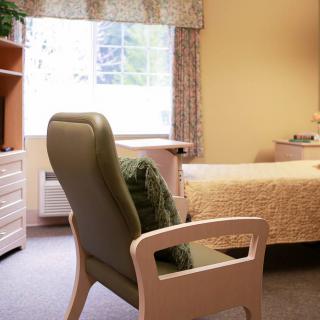
Office feels calm and welcoming
Multiple residents describe a calm, non-intimidating office environment.
Residents mention the office as calming and not intimidating, which helps them feel more at ease coming in for care. One review also describes the clinic as clean and modern, adding to that comfort level.
How we summarize
Counts show how many written reviews mention each theme; a review can touch several themes, and only frequently mentioned themes are displayed.
Features
Types of Care
Board and Care Home
Memory Care
Amenities
Private
Transportation
Seattle-Tacoma International (8 miles away)
Nearby Places of Interest
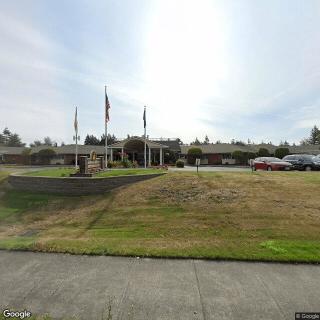
This part of Auburn, Washington offers a variety of amenities and services that may be appealing to seniors. There are several pharmacies nearby for easy access to medications, as well as reputable physicians and hospitals for medical care. The area also features a selection of parks for outdoor recreation and leisurely walks, along with restaurants offering diverse dining options. Additionally, there are cafes for socializing and relaxation, theaters for entertainment, and places of worship for spiritual support. With convenient transportation options available and a range of healthcare facilities in close proximity, this area may provide a comfortable and convenient living environment for seniors.
Pharmacies
Walgreens (2.1 miles)
Walgreens (2.1 miles)
Angel Pharmacy (2.9 miles)
A&H Pharmaceutical Service (3.1 miles)
Rite Aid (3.1 miles)
Walgreens (3.5 miles)
Rite Aid (3.5 miles)
Parks
Steel Lake Park (2.3 miles)
Green View Park (3.7 miles)
French Lake Off-Leash Dog Park (3.9 miles)
Lea Hill Park (4 miles)
Saltwater State Park (4.1 miles)
Springwood Park (4.2 miles)
Johnson Pit #30, Earthworks Park (5 miles)
Physicians
Molen Oral & Facial Surgery (2.4 miles)
UW Medicine - Valley Women’s Health (2.4 miles)
Federal Way Dental (2.8 miles)
Lateef J Harper MD | Kaiser Permanente (3.8 miles)
ICare offers a competitive pricing structure for its services, particularly when compared to the average costs in King County and across Washington State. For both private rooms and studio accommodations, ICare's monthly rate stands at $5,800, which is notably higher than King County's average of $5,034 for private rooms and $4,464 for studios. However, when considering statewide averages, ICare's rates also exceed those of Washington State as a whole - $4,772 for private rooms and $4,126 for studios. This positions ICare at the upper end of the market but may reflect added value in terms of quality care or specialized amenities that justify the higher costs for potential residents seeking top-tier services.
The guide on holistic dementia care outlines the complexity of dementia and stresses the need for individualized caregiver strategies that include medical treatment, psychological support, and environmental adaptations, while emphasizing early detection, various therapeutic options, and caregiver support to enhance quality of life and maintain dignity.
"Memory Care Pathways: A Holistic Guide to Dementia Support" outlines the complexities of dementia and its various types, emphasizing early detection, patient-centered care strategies, caregiver support, and long-term care options while addressing legal and financial considerations to enhance the quality of life for individuals with dementia and their families.
Sundown syndrome, or sundowning, is a phenomenon in dementia patients characterized by increased confusion and agitation during late afternoon and evening, influenced by factors like disrupted circadian rhythms and fatigue. Effective caregiver strategies include establishing routines and managing environmental light while addressing caregiver stress through support services.
Get PricingAsk A QuestionSchedule A TourContact Senior Advisor
By clicking submit, you agree to our Partner's Terms of Use. You
also consent to receive calls and texts, which may be autodialed, from our Partner. Your consent is not a condition to
using our Partner's service. Please visit our Partner's Privacy Policy for information about their privacy practices.


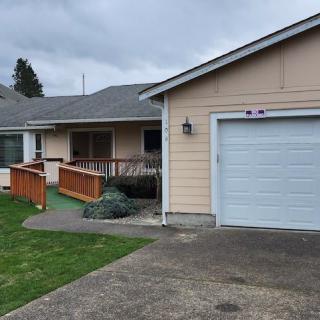
 Board and Care Home
 Memory Care
 Private
 Seattle-Tacoma International (8 miles away)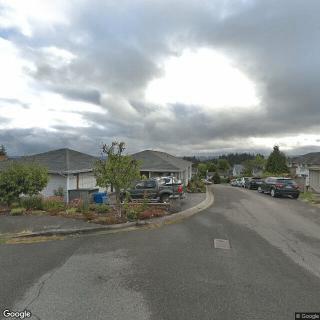
 High-acuity memory care with medication management; private rooms with private bathrooms.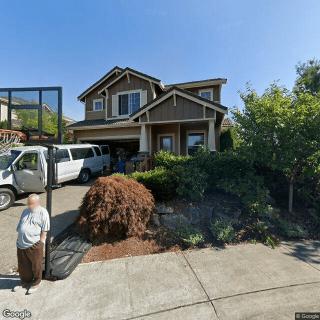
 A Holistic Dementia Care Guide: Effective Strategies for Memory Support
 Memory Care Pathways: A Holistic Guide to Dementia Support
 Comprehending Evening Confusion in Dementia: Causes, Manifestations, and Support