Cinco Ranch Alzheimer's Special Care Center Costs & Pricing
Cinco Ranch Alzheimer's Special Care Center offers specialized care tailored to individuals with Alzheimer's and other forms of dementia, reflected in its pricing structure. The monthly costs for residents at this center are notably higher than the average rates in both Harris County and the broader state of Texas. For instance, a semi-private room is priced at $5,275, significantly above the county's average of $3,518 and the statewide average of $3,680. Studio residences come in at $6,600, while one-bedroom options reach $8,800 - both well over local and state averages that hover around $4,021 to $4,027 for studios and approximately $3,761 for one-bedroom accommodations. This premium reflects the specialized services provided by Cinco Ranch aimed at ensuring a safe and engaging environment for residents dealing with complex cognitive challenges.
Floor plans
Cinco Ranch Alzheimer's Special Care Center
Harris County
Texas
Semi-Private
$5,275
$3,518
$3,680
Studio
$6,600
$4,021
$3,758
1 Bedroom
$8,800
$4,027
$3,761
Memory care communities with a similar price nearby
Overall Review of Cinco Ranch Alzheimer's Special Care Center
common78 reviews mention this
Caregivers are consistently praised
Residents’ families frequently describe caregivers as kind, attentive, and supportive.
Many reviewers say the staff shows warmth and genuine concern for residents, with frequent mentions of kindness, patience, and being helpful. Several comments also describe feeling confident that staff knows the residents and responds when support is needed. A smaller set of reviews raises concerns about supervision and whether care needs were consistently met, but the majority of feedback emphasizes attentive caregiving.
common46 reviews mention this
Activities keep residents engaged
Daily activities are a major theme, with residents described as engaged most of the day.
Reviewers commonly mention that residents are kept active through scheduled activities and programs, sometimes describing frequent engagement and quick adjustments when someone’s attention changes. The activity mix described in reviews aligns with what the community offers on-site and in the form of outings, devotional and educational options, and regular events. Overall, families often connect the activity schedule to a more comfortable, home-like routine.
common28 reviews mention this
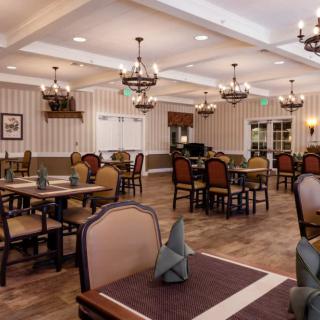
Dining is varied and restaurant-style
Dining stands out for variety, with reviewers also referencing special diets.
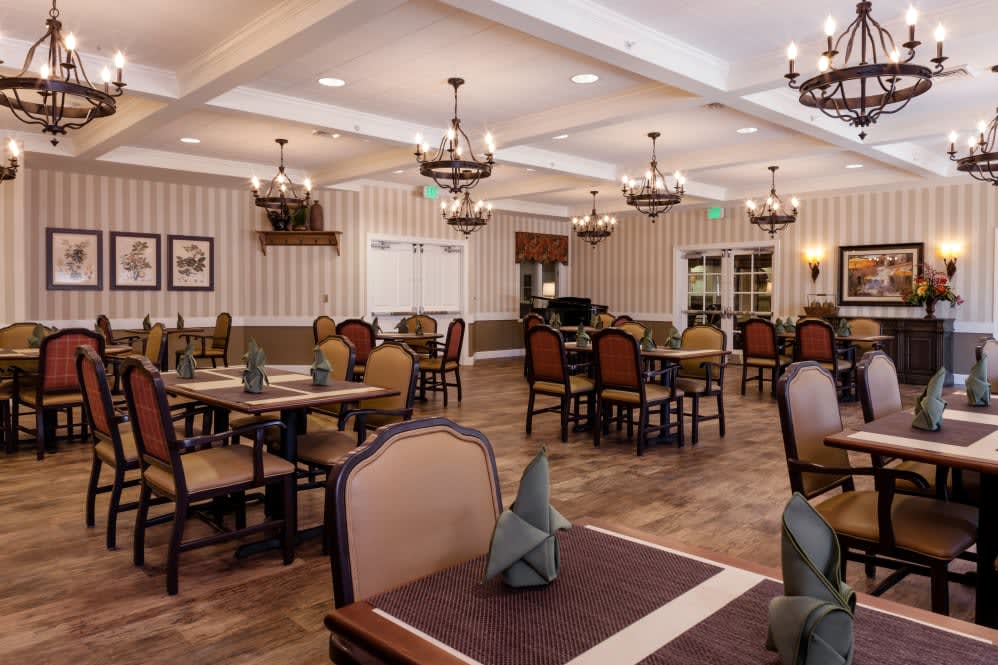
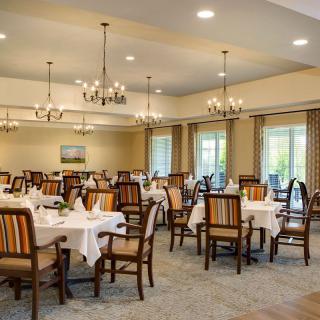
Several reviewers describe meals as good, nutritious, and enjoyable, and they frequently pair dining with the overall day-to-day experience. Many also mention snacks, hydration, and the sense that food quality is taken seriously. This lines up with the community offering restaurant-style dining plus special dining options and diet-focused meals, including gluten-free and low/no-sodium choices.
common34 reviews mention this
Facility cleanliness and upkeep
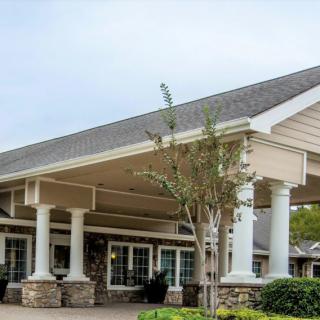
The building’s cleanliness and well-kept appearance are repeatedly mentioned in reviews.
A consistent theme is that the facility looks clean, maintained, and welcoming, including comments about residents and common areas being well kept. Reviewers also reference welcoming building impressions during visits and tours. One review provides a strong counterpoint about hygiene and bathing concerns, but most feedback highlights cleanliness and upkeep.
caveat10 reviews mention this
Pricing runs above local benchmarks
Pricing is commonly described as expensive compared with other options.
Some reviewers directly call out cost as a drawback, including comparisons to other facilities they considered. The listing’s pricing also indicates rent that sits well above county and state benchmarks across unit types. Taken together, affordability is a clear pressure point for families weighing alternatives.
How we summarize
Counts show how many written reviews mention each theme; a review can touch several themes, and only frequently mentioned themes are displayed.
Features
Types of Care
Memory Care
Amenities
Activities off-site
Activities on-site
Air-conditioning
Beautician on-site
Devotional services on-site
Garden view
Ground floor units
Handicap accessible
Indoor common areas
Outdoor common areas
Private bathrooms
Respite or short term stays offered
Wheelchair accessible showers
Wi-Fi/high-speed internet available
Care Services
Ambulatory care
Diabetic care
High acuity care
Incontinence care
Medication management
Dining
Gluten-free
Guest meals
Kosher
Low / no sodium
Meals provided
No Sugar
Organic
Professional chef
Restaurant style dining
Room service
Special dining programs
Vegan
Vegetarian
Activities
Art classes
Catholic services
Cooking classes
Day trips and outings
Devotional activities on-site
Educational speakers / life long learning
Happy hour
Karaoke
Live dance or theater performances
Live musical performances
Live well programs
Visiting chaplain or priest
Videos
Nearby Places of Interest
Located in Katy, Texas, this area offers a variety of amenities within close proximity. With multiple Starbucks cafes, restaurants such as McDonald's and Taco Bell, and pharmacies like Kroger Pharmacy and Walgreens nearby, residents have easy access to everyday conveniences. For medical needs, there are several physicians' offices within a short drive, including Cinco Ranch | Kelsey-Seybold Clinic and Texas Children's Pediatrics Cinco Ranch. Places of worship such as Redeemer Community Church and Second Baptist Church provide spiritual support for residents. Additionally, entertainment options include theaters like Cinemark and Regal Grand Parkway ScreenX & RPX, while Memorial Hermann Katy Hospital ensures quality healthcare services are readily available. Overall, this part of Katy offers a convenient location with essential amenities for seniors looking to settle in the area.
Cafes
Starbucks (1.1 miles)
Starbucks (3 miles)
Starbucks (3.6 miles)
The Alley (4.3 miles)
Shipley Do-Nuts (5 miles)
Starbucks (5.1 miles)
Starbucks (5.4 miles)
Restaurants
McDonald's (1.2 miles)
Bahama Buck's (1.3 miles)
Bar Louie - Katy (2.4 miles)
Taco Bell (2.5 miles)
Whataburger (2.5 miles)
LaCenterra at Cinco Ranch (2.5 miles)
Pho Saigon (2.5 miles)
Pharmacies
Kroger Pharmacy (1.2 miles)
Walgreens (1.3 miles)
CVS Pharmacy (1.8 miles)
CVS Pharmacy (2.4 miles)
CVS Pharmacy (2.4 miles)
Walgreens (2.8 miles)
Walgreens (3.1 miles)
Physicians
Cinco Ranch | Kelsey-Seybold Clinic (2.5 miles)
Texas Children's Pediatrics Cinco Ranch (2.6 miles)
Cinco Family Medicine (2.6 miles)
Mann Eye Institute (2.8 miles)
Southwest Asthma & Allergy Associates (2.8 miles)
Katy Family Physicians (3.4 miles)
Texas Dermatology (3.5 miles)
Places of Worship
Redeemer Community Church (2.8 miles)
Second Baptist Church, West SecondKids (3.3 miles)
Cinco Ranch Alzheimer's Special Care Center offers specialized care tailored to individuals with Alzheimer's and other forms of dementia, reflected in its pricing structure. The monthly costs for residents at this center are notably higher than the average rates in both Harris County and the broader state of Texas. For instance, a semi-private room is priced at $5,275, significantly above the county's average of $3,518 and the statewide average of $3,680. Studio residences come in at $6,600, while one-bedroom options reach $8,800 - both well over local and state averages that hover around $4,021 to $4,027 for studios and approximately $3,761 for one-bedroom accommodations. This premium reflects the specialized services provided by Cinco Ranch aimed at ensuring a safe and engaging environment for residents dealing with complex cognitive challenges.
Medication management at Cinco Ranch Alzheimer's Special Care Center ensures that residents receive their prescribed medications accurately and on schedule, which is crucial for maintaining cognitive function and overall health in individuals with dementia or Alzheimer's disease. This systematic approach reduces the risk of medication errors and provides peace of mind for families. Incontinence care addresses a common challenge faced by many residents, offering dignity and comfort while minimizing potential distress or embarrassment. By providing tailored assistance that respects personal needs, the center fosters a supportive environment where residents feel secure, allowing them to focus on their well-being and enhancing their quality of life.
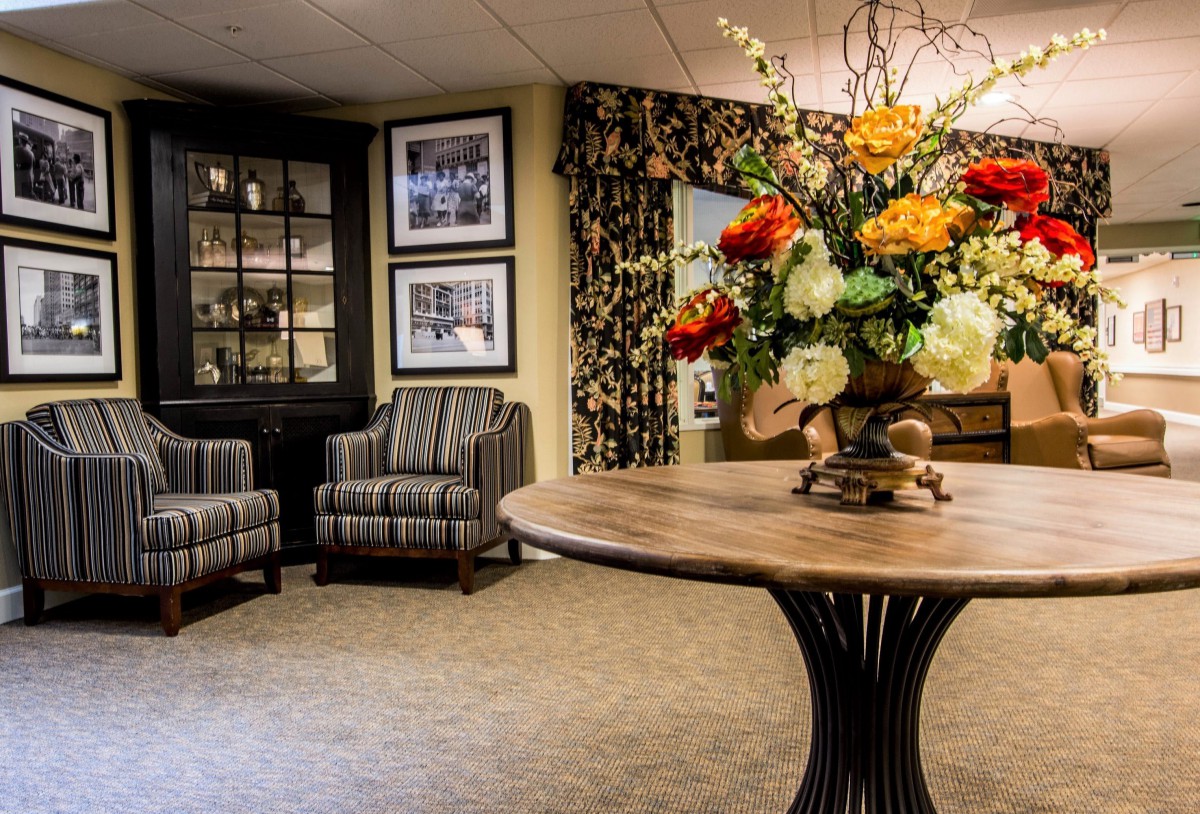
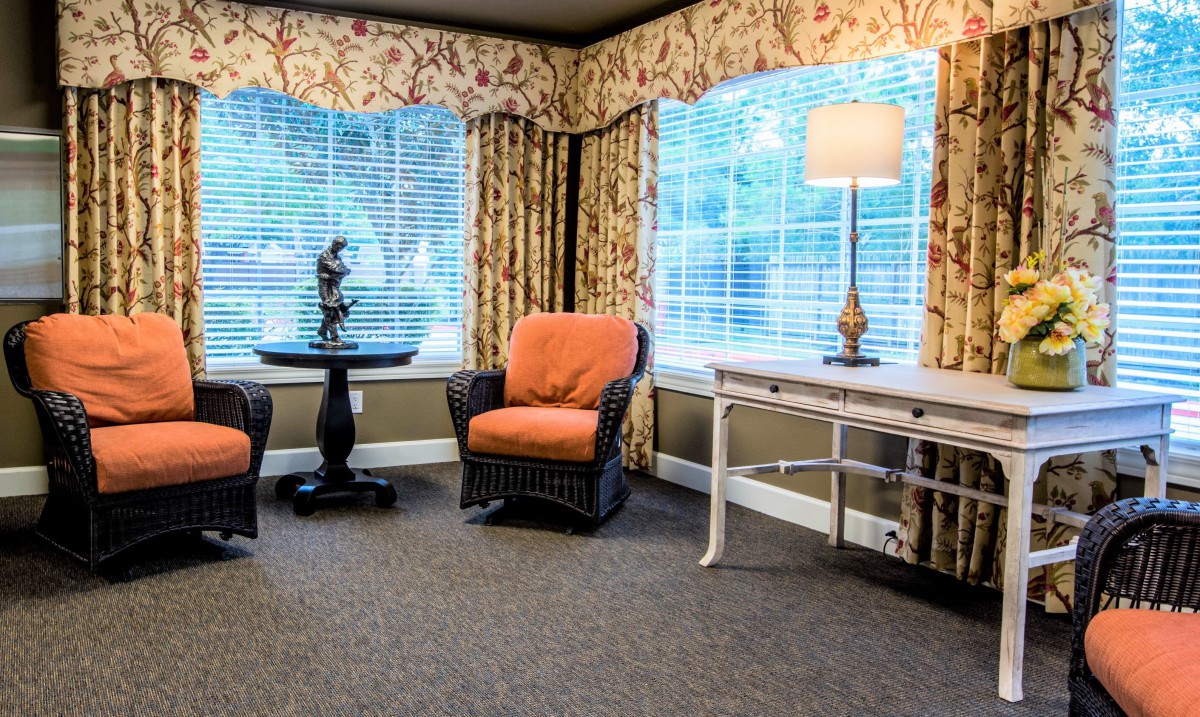
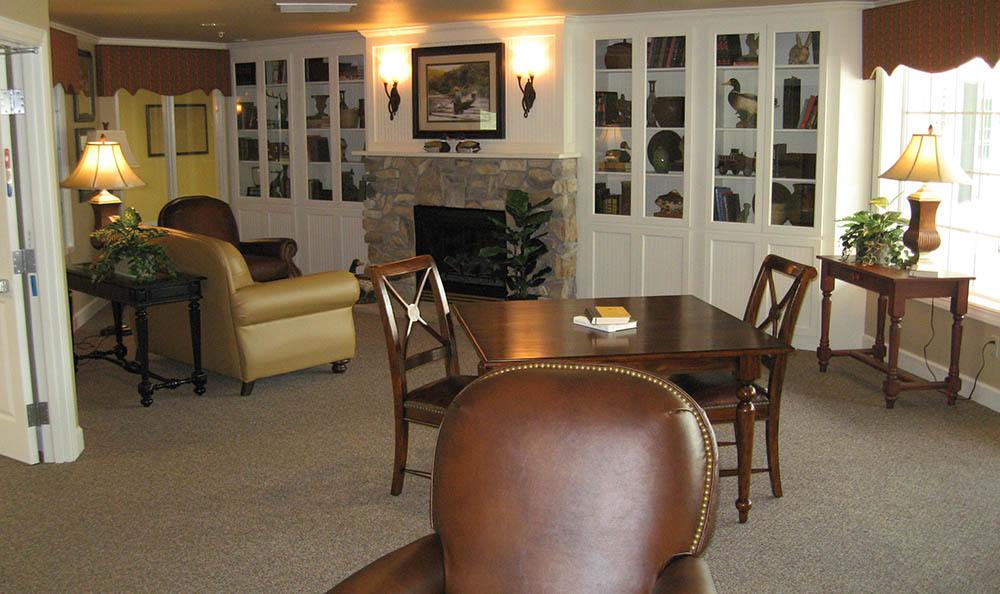
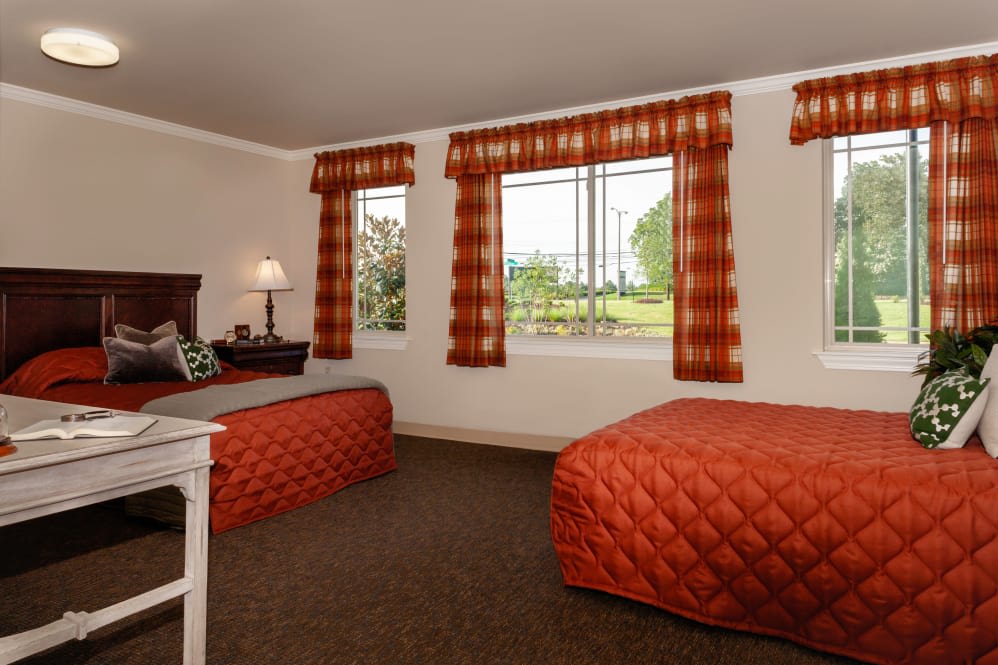
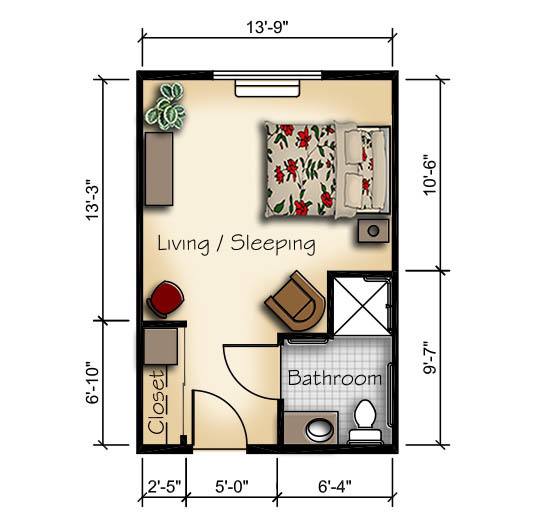
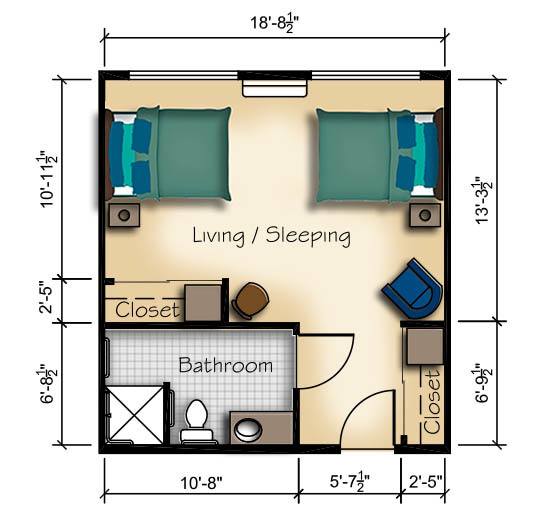
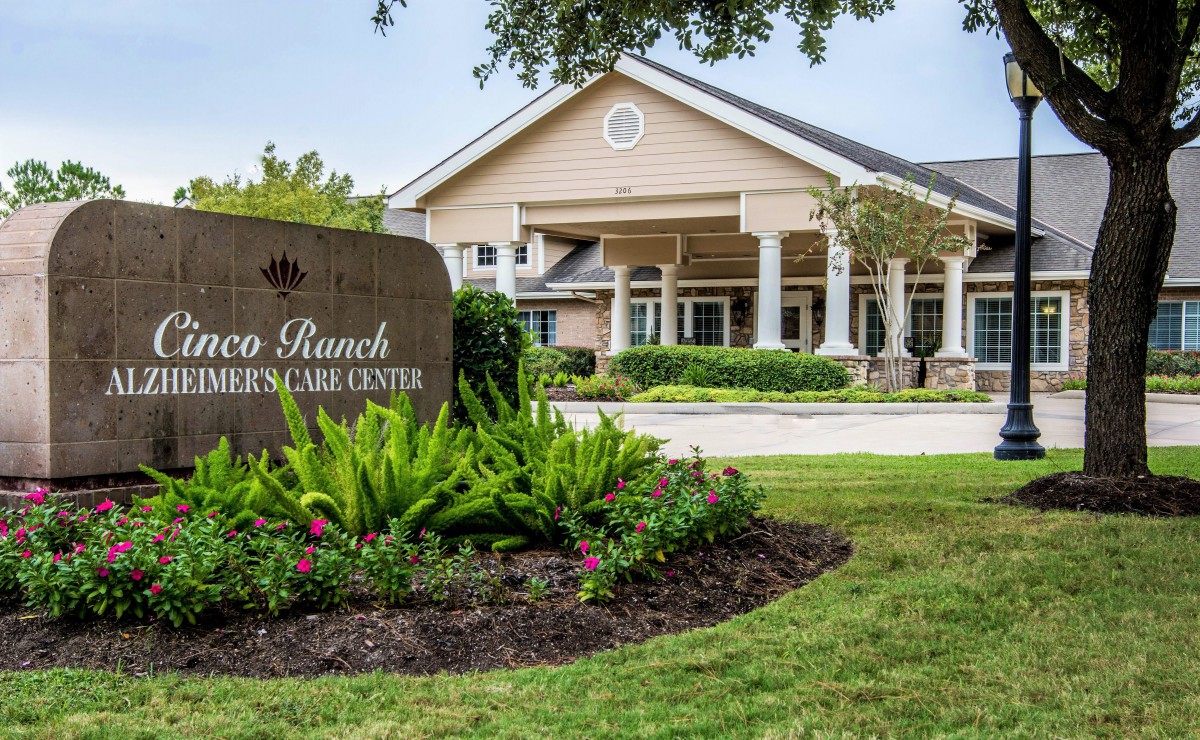
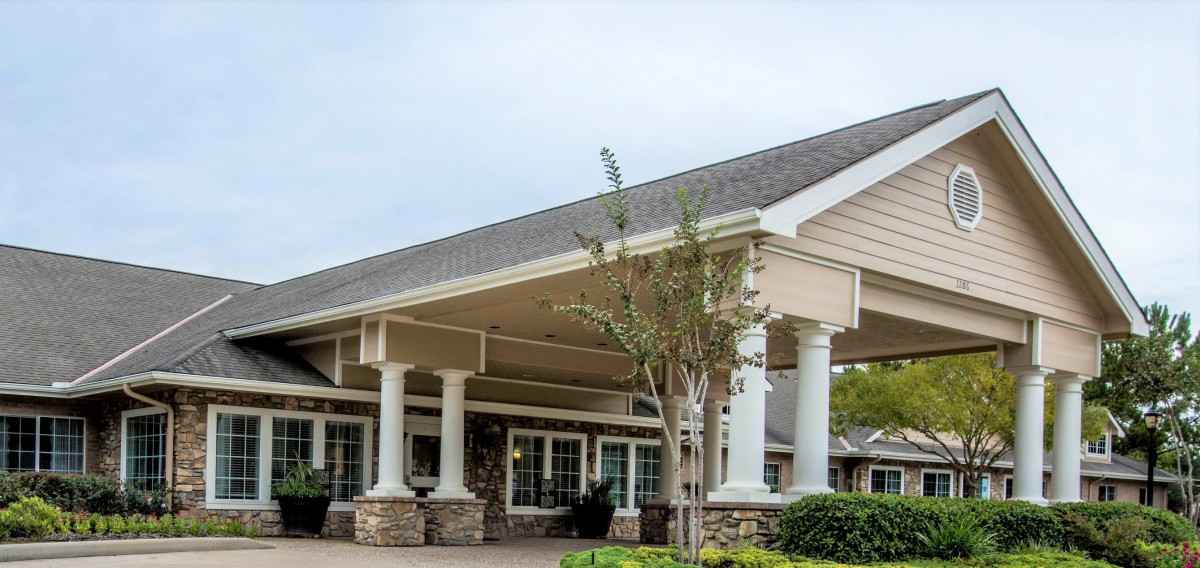
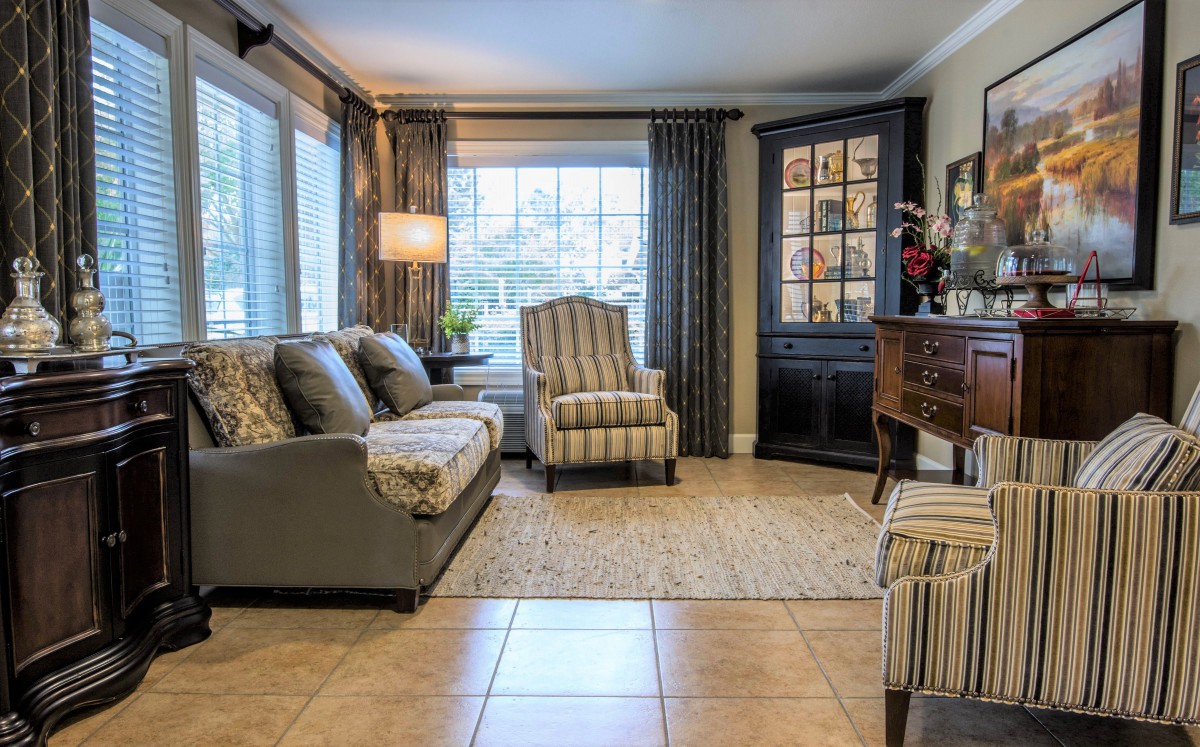
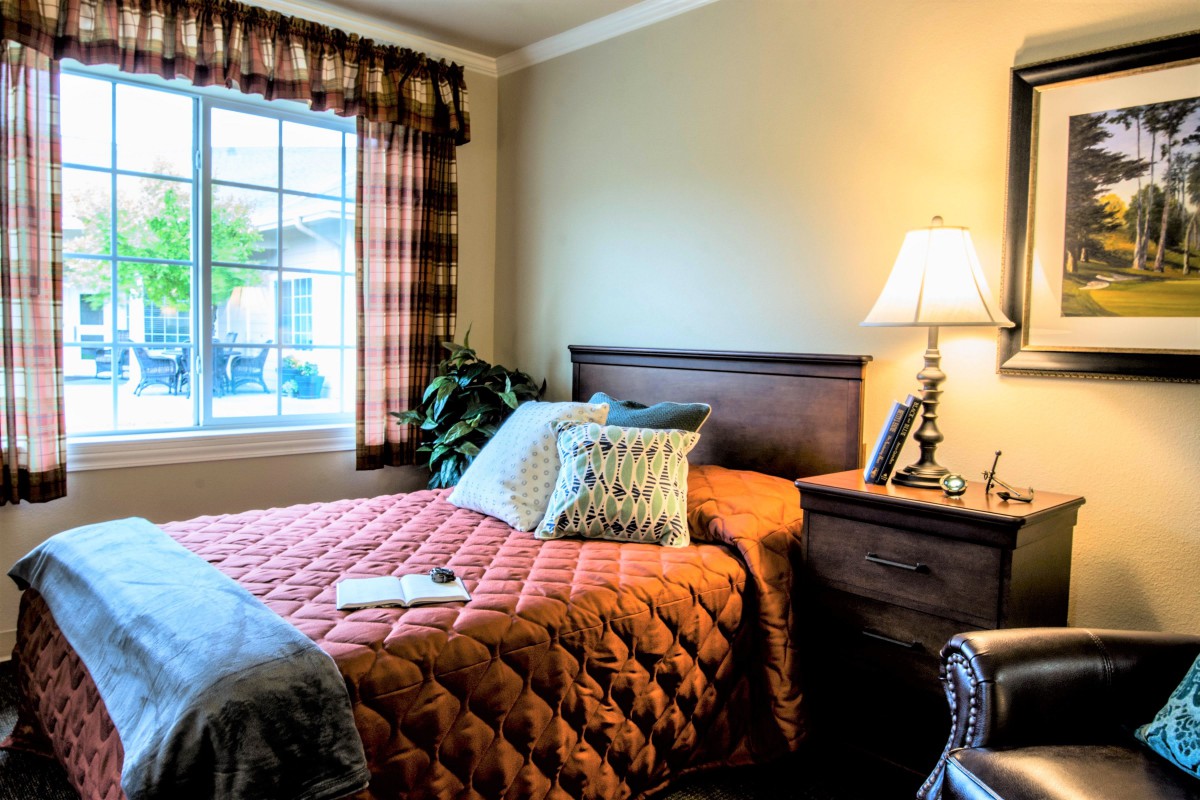
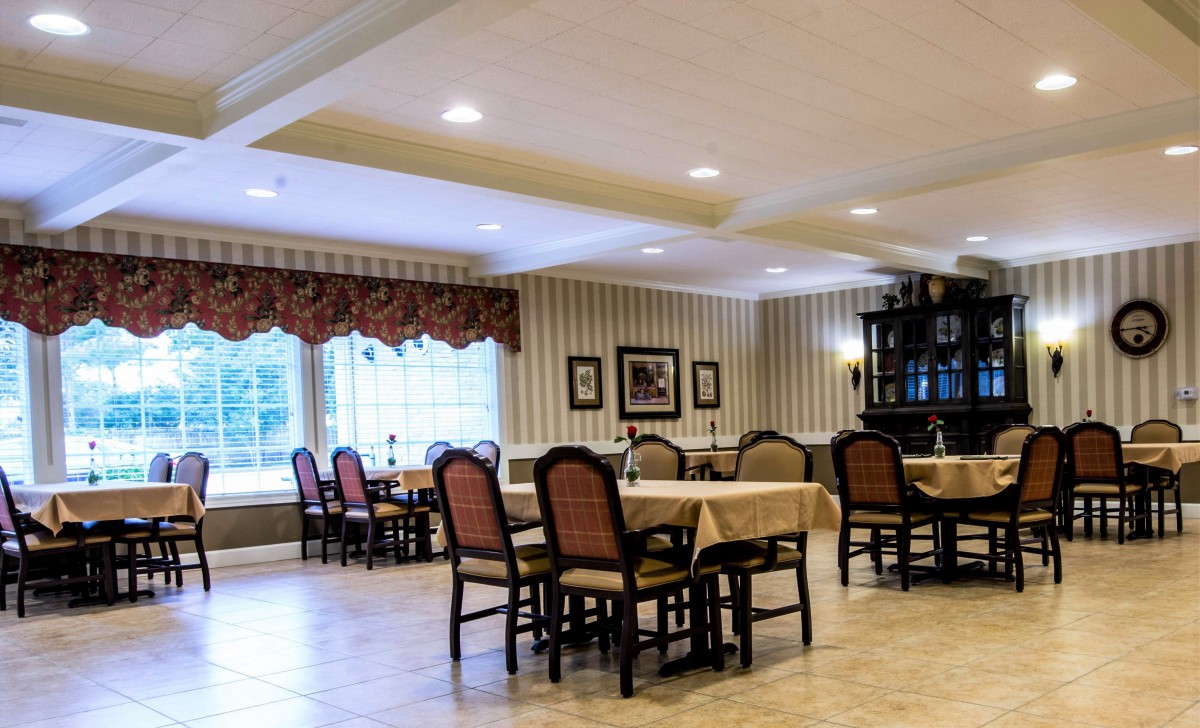
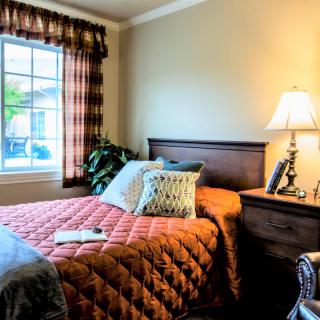
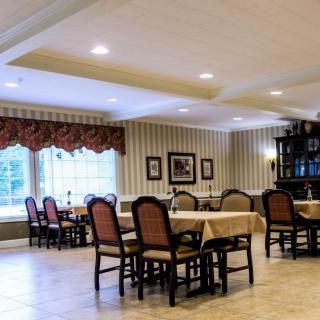
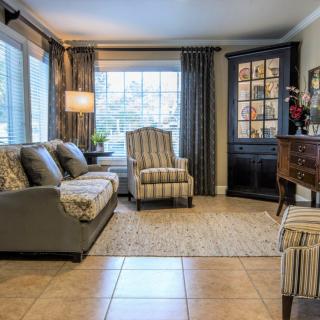
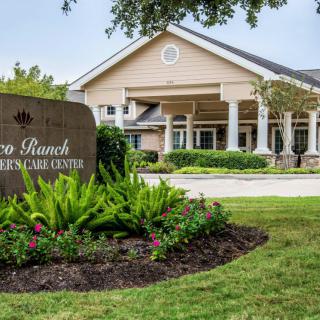
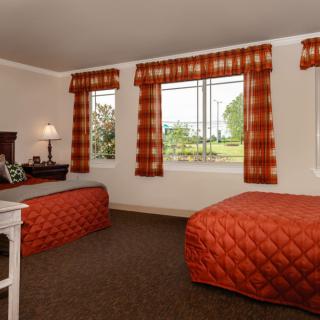
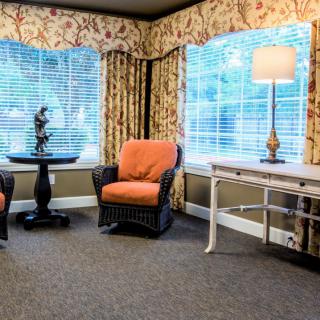
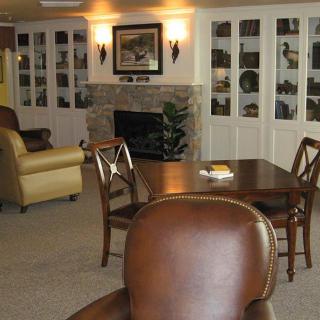
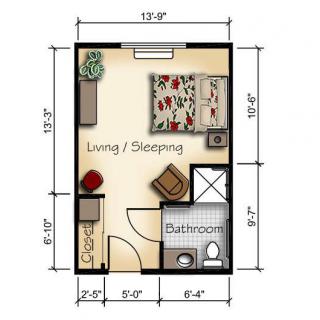
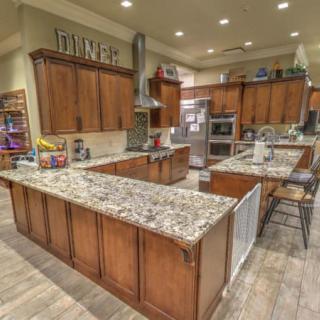
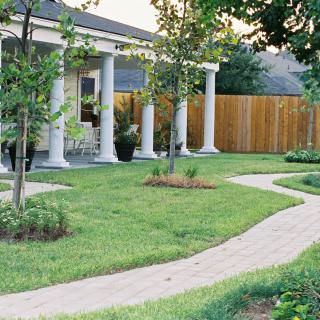
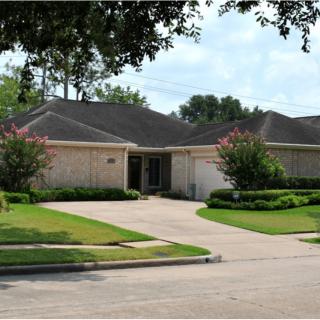
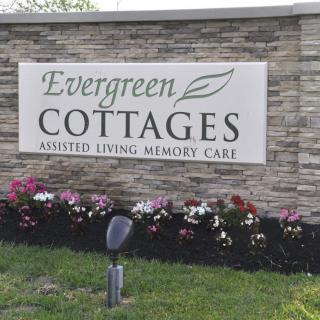
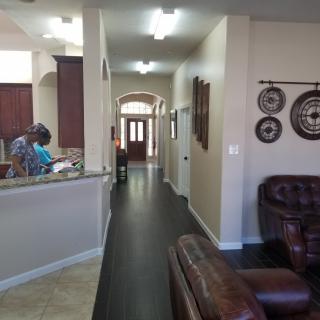
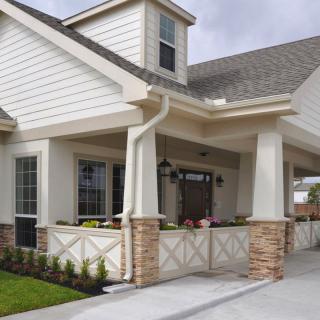
Cinco Ranch Alzheimer's Special Care Center on seniors.fyi includes 13 photos including images showing interior, windows, floor plan, bedroom, dining, decor, living room, building, and more.
Nearby Communities
Cinco Ranch Alzheimer’s Special Care Center
Katy, TX
4.8 from 77 reviews
Comfy Home
Katy, TX
4.9 from 9 reviews
Personalized care with 24-hour supervision and diabetes-friendly meals in a cozy, furnished setting.
Comfy Home-Cinco Ranch
Katy, TX
4.7 from 20 reviews
$3,800 to $4,800 / month
Friendly, attentive staff and a clean, home-like environment.
Sunrise Of Cinco Ranch
Katy, TX
4.6 from 158 reviews
$5,340 to $7,170 / month
Friendly staff and a warm, engaging environment with diverse dining and activities.
Autumn Grove Katy
Katy, TX
5 from 15 reviews
Fully furnished board-and-care with 24/7 supervision, daily living assistance, diabetes-friendly meals, and transportation to medical appointments.
Agape Heritage Home
Katy, TX
4.2 from 22 reviews
$3,000 to $3,500 / month
Caring, attentive staff with personalized care and engaging activities.
Evergreen Cottages Magnolia
Katy, TX
4.8 from 27 reviews
$4,695 to $5,695 / month
Warm, welcoming community with attentive staff and engaging activities.
The Delaney at Parkway Lakes
Richmond, TX
4.5 from 200 reviews
$3,499 to $4,860 / month
Friendly staff and a warm, community-focused atmosphere.
SYNERGY Home Care of Katy, TX
Houston, TX
4.9 from 126 reviews
Strong ownership and responsive management with reliable caregivers and flexible backup support.
VA nursing homes, or Community Living Centers (CLCs), offer tailored long-term care for veterans, featuring medical attention and rehabilitation in a supportive environment. The guide covers facility types, eligibility criteria, financial assistance options, quality of care standards, and alternatives to full-time nursing home placement.
At-home dementia care expenses vary widely based on care levels, location, and caregiver expertise, with monthly costs for home health aides exceeding $4,500 and specialized care potentially surpassing $100,000 annually. While families favor in-home care for its comfort and personalized attention, they must consider financial planning and the challenges of caregiver fatigue.
The article discusses the late stages of dementia, detailing the progression from mild to severe impairment and highlighting key characteristics such as profound cognitive decline and dependency in daily activities. It emphasizes care strategies focused on comfort and dignity, the importance of advance directives, and the emotional support needed for family caregivers facing this challenging journey.
Cinco Ranch Alzheimer's Special Care Center photos
×
Interior
Decor
Living Room
Building
Architecture
Bedroom
Windows
Dining
Fireplace
Floor Plan
Lounge
Interior
Decor
Bedroom
Dining
Living Room
Landscaping and Nursing Home
Windows
Floor Plan and Studio Apartment
Building and Entrance
Architecture and Exterior
Lighting
Chandelier
Fireplace
Lounge
Rug
Get PricingAsk A QuestionSchedule A TourContact Senior Advisor
By clicking submit, you agree to our Partner's Terms of Use. You
also consent to receive calls and texts, which may be autodialed, from our Partner. Your consent is not a condition to
using our Partner's service. Please visit our Partner's Privacy Policy for information about their privacy practices.


 Memory Care
 Activities off-site
 Air-conditioning
 Beautician on-site
 Devotional services on-site
 Garden view
 Ground floor units
 Handicap accessible
 Indoor common areas
 Outdoor common areas
 Private bathrooms
 Respite or short term stays offered
 Wheelchair accessible showers
 Wi-Fi/high-speed internet available
 Ambulatory care
 Diabetic care
 High acuity care
 Incontinence care
 Medication management
 Gluten-free
 Art classes
 Catholic services
 Cooking classes
 Day trips and outings
 Educational speakers / life long learning
 Happy hour
 Karaoke
 Live dance or theater performances
 Live musical performances
 Live well programs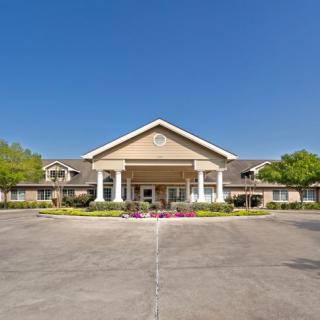

 Personalized care with 24-hour supervision and diabetes-friendly meals in a cozy, furnished setting.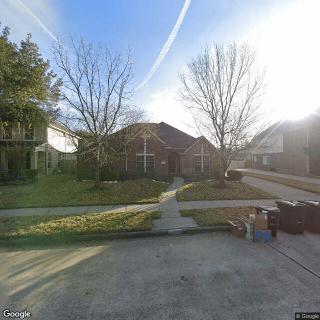
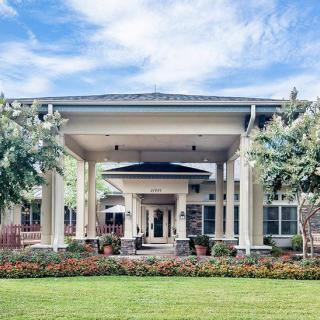
 Comprehensive Guide to VA Nursing Homes: A Crucial Long-Term Care Resource for Veterans
 Estimating the Expenses of At-Home Dementia Care: A Detailed Exploration
 Comprehensive Insights on the Late Stages of Dementia: What to Expect and How to Provide Care