
21803 Oak Park Trails Drive, Katy, TX 77450
For more information about senior living options: (866) 208-4318
Overall Review of Autumn Grove Katy
Pros
 The staff are incredible—always happy, smiling, and compassionate toward each resident.
- The facility offers a home-like, small environment that supports each resident's dignity and joy.
- The garden and outdoor spaces are lovely and provide a peaceful place for visits.
- The staff focus on residents as individuals, engaging them in activities they enjoy.
- The director and caregivers demonstrate an obvious passion for their work and care.
- The community maintains a clean, safe, and welcoming atmosphere with attentive medical oversight.
- Residents experience meaningful activities, music, and social events that enrich daily life.
- Families feel confident that their loved ones are well cared for and respected.
Cons
 None detected in the provided reviews.
Review
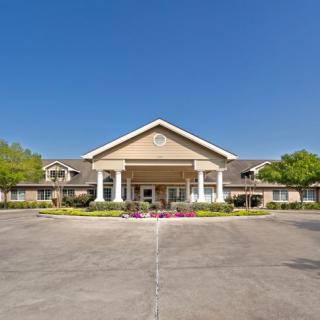
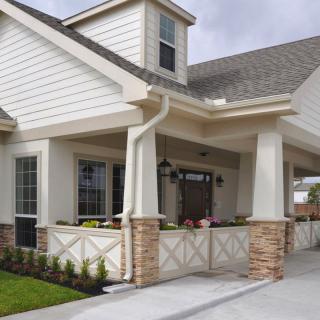
Autumn Grove Katy is best suited for families prioritizing a small, home-like memory-care environment where dementia-focused care is the centerpiece. The community operates as a intimate cottage setting with around 16 residents, delivering one-on-one attention that many families find far more meaningful than what a larger campus can provide. The garden spaces, patios, and walkable paths create a calm, soothing backdrop that supports residents’ routines and gentle engagement. For loved ones who benefit from patient, staff-led interaction, predictable days, and activities tailored to cognitive needs, this is a standout option that feels more like a carefully tended home than a clinical facility.
Those who may want to consider alternatives include families seeking a busier social calendar, more expansive medical capabilities, or a larger community with broader amenities. While Autumn Grove Katy excels in individualized care and a warm atmosphere, it is naturally limited by its size. For residents who require frequent hospital-level oversight, more intensive therapy schedules, or a greater variety of on-site services, a bigger assisted living or memory-care campus could offer the scale and breadth needed. Likewise, if a more downtown-like social scene, weekend excursions, or off-site activities are priorities, other communities may better meet those expectations.
The strongest advantages are hard to overlook: staff who genuinely care, a director whose passion shows in daily operations, and a structure that treats residents as individuals. The staff’s warmth, patience, and attentiveness translate into reliable hydration, nutrition, and medication management, with meaningful activities that align with each resident’s interests. The small size enables frequent interaction with caregivers and nurses, and the presence of a nurse practitioner on site several days a week adds a reassuring layer of medical oversight. Residents enjoy a true home atmosphere, complete with quiet common spaces, private rooms, and a garden that becomes part of daily life, strolling, birdwatching, and porch moments that reinforce dignity and joy.
Concurrently, the core cons are not overt but worth weighing: the intimate footprint means fewer simultaneous activities and a more limited social spectrum than larger campuses. The upside is a consistent, engaged staff; the downside is that some families might miss the breadth of classes, clubs, and on-campus providers you find elsewhere. Yet these potential drawbacks are largely offset by the exceptional staff-to-resident attention, the dedicated leadership, and the integrated care approach that keeps residents safe and connected to things they enjoy. For dementia care specifically, the emphasis on training, patience, and individualized programs tends to mitigate the limitations that come with a smaller community.
Families evaluating this community should lean into concrete questions and observations. How deep is the team’s expertise with dementia behaviors, and what does the care plan look like on a weekly basis? What is the actual staff-to-resident ratio during peak hours, and how stable is the caregiving team month to month? Inquire about the on-site medical support, who is available when, and how external providers coordinate with the team. Inspect the living spaces for cleanliness, scent, and order; walk the garden and the path network; note whether private rooms feel personal and uncluttered. And listen for the tone of daily interactions, do residents smile readily, and do caregivers describe their work with genuine pride and warmth?
In practical terms, Autumn Grove Katy is a highly compelling choice for dementia care that honors comfort, routine, and personal dignity. It excels where many families fear a loss of small-town attention and compassion in senior living: consistent caregivers, a nurturing director, and an environment that feels like home. The trade-off is a leaning toward a more intimate community with fewer high-traffic activities and a more limited service menu than larger facilities. For families whose priorities are a safe, loving, village-like setting with strong clinical oversight and highly engaged staff, this community delivers decisively. For those needing a broader social scene or deeper on-site medical breadth, it remains prudent to compare larger campuses, but Autumn Grove Katy stands out as a well-run, heart-led option in the Katy area.
 16 resident community capacity
 Assisted Living
 Board and Care Home
 Cable or satellite TV
 Dining room
 Fully furnished
 Garden
 Housekeeping services
 Move-in coordination
 Outdoor space
 Telephone
 Wi-Fi/high-speed internet available
 24-hour supervision
 Activities of daily living assistance
 Assistance with bathing
 Assistance with dressing
 Assistance with transfers
 Diabetes diet
 Meal preparation and service
 Medication management
 Special dietary restrictions
 Transportation arrangement (medical)
 Transportation to doctors appointments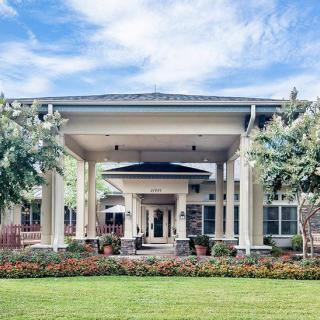



 A Detailed Exploration of Assisted Living Medicaid Waivers Across the United States
 Comprehensive Residential Support and Assisted Living Solutions for Individuals with Disabilities
 Comprehensive Supportive Living Arrangements for Adults with Disabilities