
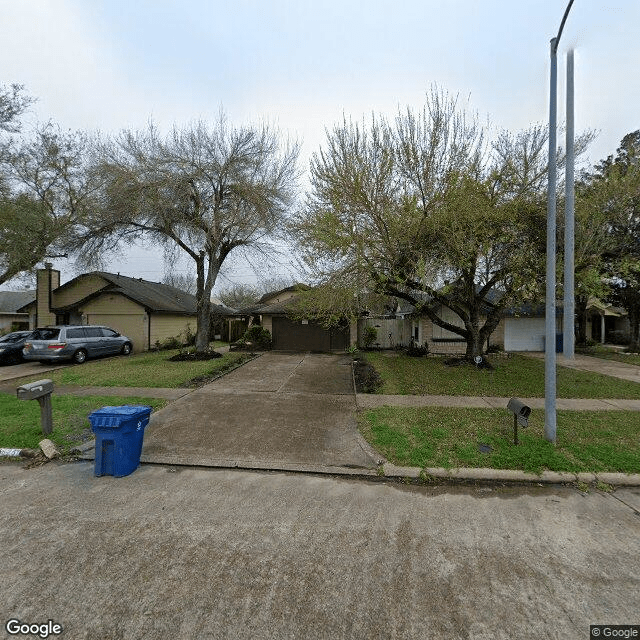
16251 Barborossa Dr, Houston, TX 77083
To contact a resident: (281) 762-3381
For more information about senior living options: (866) 208-4318
Faith Assisted Living #2 Costs & Pricing
Faith Assisted Living #2 offers competitive pricing for its residents compared to the broader market in Harris County and the state of Texas. For those seeking a semi-private room, the monthly fee at Faith is $2,750, which is significantly lower than the county average of $3,518 and the state average of $3,680. Private rooms are offered at $3,000, again providing a more affordable option than the Harris County rate of $3,784 and the state's average of $4,096. Additionally, studio apartments are priced at $3,000 as well; while this matches the private room fee at Faith Assisted Living #2, it remains below the county's higher average of $4,021 but slightly above Texas's average of $3,758. Overall, Faith Assisted Living #2 presents a cost-effective choice for families considering quality care in a supportive environment.
| Floor plans | Faith Assisted Living #2 | Harris County | Texas |
|---|---|---|---|
| Semi-Private | $2,750 | $3,518 | $3,680 |
| Private | $3,000 | $3,784 | $4,096 |
| Studio | $3,000 | $4,021 | $3,758 |
Memory care communities with a similar price nearby
-
from -$250 / mo
Northgate Assisted Living
$2,500 to $3,000 / month24.5 miles away -
About the same

Wenzy’s Place Boarding and Personal Care Home
$2,800 / month17.5 miles away -
from +$100 / mo

The Gardens of Bellaire
$2,850 to $3,211 / month13.0 miles away -
About the same
Apex Oaks at Cypress Assisted Living and Memory Care
$2,795 to $3,995 / month17.2 miles away -
from +$250 / mo
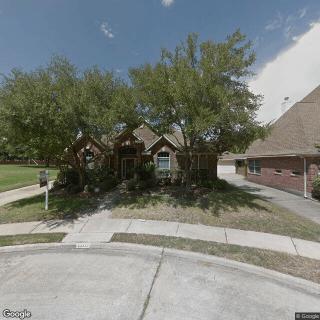
Bethel Place
$3,000 to $3,300 / month6.9 miles away
Overall Review of Faith Assisted Living #2
Pros
 The staff is wonderful.
- Vanessa and Debo treat clients with dignity and respect.
- Faith Personal Home Care is a Godsend to families seeking care.
- The company sees the clients as people and puts worries at ease.
- The father has not been this healthy in years thanks to Faith Personal Home Care.
- The facility has a home-like touch and feels private.
- The staff is caring, consistent, and long-term.
- They cook home-cooked meals and provide snacks according to physician orders.
- The facility smells good and is very clean.
- The care includes visits from physicians, social workers, therapists, and home health, making it comprehensive.
- People would highly recommend Faith Personal Home Care.
Cons
 They believe Faith has nothing to do with anything.
- They advised against bringing a loved one to these five locations.
- They were fined for breaking the law.
- They couldn’t believe the things they heard and saw after only a couple of visits.
- They claim these kinds of places go under the radar, not anymore.
- The staff were very rude and dismissive.
Review
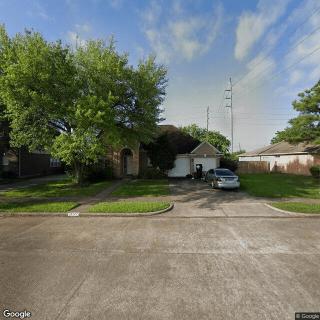
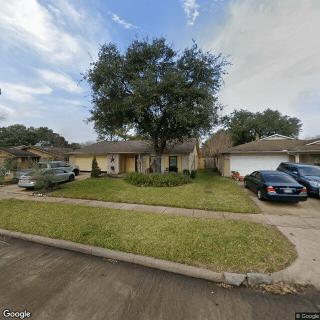
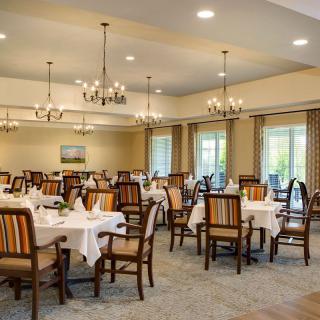
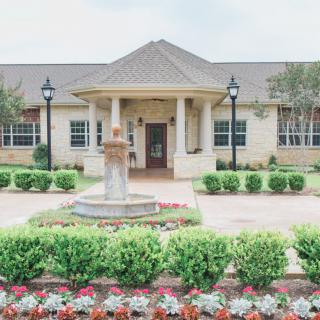
Faith Assisted Living #2 in Houston is best suited for families seeking a small, home‑like environment where residents can receive hands-on, personal attention from long‑tenured staff. It works best for seniors who prize dignity, privacy, and home-cooked meals, and who welcome on‑site access to physicians, therapists, and home health visits. The setting appeals to families who prefer a less clinical vibe and who want staff to engage residents in daily activities and social routines. That said, this community is not a one‑size‑fits‑all option, and the balance of care quality appears uneven across experiences. Prospective families should be prepared to weigh strong warmth and engagement against questions about governance and consistency.
On the plus side, the strongest voices describe a genuinely caring culture. When staff stay consistent and treat residents like part of a household, the atmosphere can feel nurturing rather than institutional. Several accounts praise the availability and kindness of caregivers, and point to a homey, private feel that contrasts with traditional large facilities. The cooking, snacks aligned with physician orders, and the overall cleanliness contribute to a sense of comfort and routine. For families navigating dementia or memory‑care transitions, the testimonials emphasize engagement, dignity, and regular contact with medical and social‑work professionals, which can be turning points in preserving health and mood.
However, the downsides cannot be ignored. One potent thread from the reviews paints a stark warning: confrontations with staff, a perception of rude or dismissive behavior, and broader concerns about safety and legality. A message of “don’t bring your loved one here” paired with claims of fines and legal risk casts a long shadow over the community’s appeal. Add to that descriptions of inconsistency or misalignment with expectations, and the picture becomes muddled: good days and bad days, with staff attitudes and governance issues driving the bottom line. The branding ambiguity, references to Faith Personal Home Care in some posts, also signals potential inconsistencies in service levels across related entities.
That combination matters most for families weighing alternatives. For those who demand a consistently high level of governance, transparent incident handling, and a track record that survives scrutiny, alternatives may be prudent. If a memory‑care emphasis or a stricter caregiver‑to‑resident ratio is essential, or if staff stability and professional boundaries must be unquestioned, exploring other communities with verifiable inspection histories and robust oversight is wise. Prospective residents with a low tolerance for variance in staff demeanor or for branding ambiguity should consider other options before committing.
Yet the pros can still offset notable cons when due diligence is thorough. The home‑like ambience, ongoing engagement, and the willingness of caregivers to tailor routines to physician orders and resident preferences can translate into meaningful quality of life gains. Families should insist on meeting the administrator, requesting a clear outline of care plans, and observing interactions during tours. It is essential to review state inspection reports, ask for current staffing ratios, and request concrete examples of how concerns are addressed and resolved. A trial period, if feasible, could reveal whether the day‑to‑day reality matches what the strongest reviews describe.
In the end, Faith Assisted Living #2 is a viable option for a subset of families: those who prize warmth, privacy, consistent staff engagement, and on‑site health oversight, and who can tolerate the possibility of uneven experiences or governance questions. For others, especially those prioritizing strict regulatory transparency, aggressive risk mitigation, or highly structured memory‑care programs, alternatives with clearer track records may serve better. The prudent move is a disciplined due‑diligence process: schedule multiple visits, meet frontline caregivers and the administrator, review the full care plan, request recent inspection and incident reports, and speak with current residents and families. If the answers align with expectations, this community can be a comforting home; if not, alternatives should be pursued without hesitation.
 Board and Care Home
 Memory Care
 Activities on-site
 Devotional services on-site
 Indoor common areas
 Outdoor common areas
 Private
 William P X (24 miles away)
 Ambulatory care
 Diabetic care
 Incontinence care
 Medication management
 Meals provided
 Stretching classes


 Comprehensive Insights on the Late Stages of Dementia: What to Expect and How to Provide Care
 Medications Associated with Dementia Risk: A Comprehensive Overview
 Guiding Your Journey: Understanding Power of Attorney for Elderly Parents