
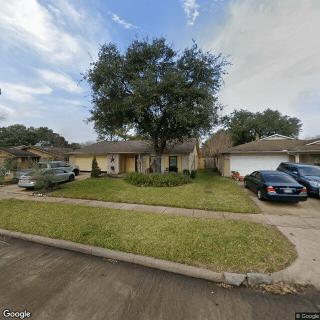
16251 Barbarossa Drive, Houston, TX 77083
For more information about senior living options: (866) 208-4318
Overall Review of Faith Personal Home Care 2
Pros
 The staff at Faith Personal Home Care are wonderful, attentive, and keep residents engaged in activities.
- Residents are treated with dignity and respect by the Faith Personal Home Care team.
- Families describe Faith Personal Home Care as a godsend for elderly care, with unlimited love and care.
- Faith Assisted Living has an at-home feel, a private atmosphere, and clean, welcoming facilities with home-cooked meals.
- The care team is caring, consistent, and long-term, with physicians, social workers, therapists, and home health visits.
- The facilities feel like a home away from home, with friendly staff and a welcoming environment.
- Reviewers would highly recommend Faith Personal Home Care and Faith Assisted Living.
Cons
 They claimed that the word Faith has nothing to do with anything.
- They advised not to bring a loved one to these five locations.
- They stated that the places were fined for breaking the law.
- They couldn't believe what they heard and saw after only a couple of visits.
- They felt these kinds of places had been under the radar, not anymore.
- The staff were very rude and dismissive.
Review
Faith Personal Home Care 2 in Houston is best suited for families seeking a tightly knit, home-like environment where seniors receive highly personalized attention, warmth, and ongoing engagement. This community appeals to those who value dignity, daily interactions, and a feel of “being cared for in a home” rather than a conventional, institutional setting. It is especially appropriate for residents who thrive on intimate supervision, regular activities, and a staff presence that feels more like family than a distant care team. For families chasing a highly structured campus with extensive on-site medical services, this may not be the first choice.
On the flip side, certain situations point toward alternatives. Families with seniors who need robust, around-the-clock nursing oversight or highly specialized memory care may find this setting insufficient. If a track record of formal regulatory compliance and transparent inspection history is non-negotiable, or if a large, multi-wing facility with standardized protocols is preferred, exploring other options is prudent. Also, those who require a consistently formal, clearly documented care plan with strict staffing ratios may want to compare with communities that emphasize larger scale operations and standardized processes.
The strongest positives here revolve around the human touch. Several reviewers describe staff as caring, persistent in meeting both physical and mental health needs, and dedicated to treating residents with genuine respect and dignity. The homey interior and the impression of a private, comfortable space stand out, with comments praising home-cooked meals, personal attention, and a sense that residents are not simply “in a facility” but in a cared-for environment. When families observe consistent, long-tenured staff and a culture that prioritizes engagement and social connection, the decision to place a loved one here becomes compelling, especially for those who fear impersonal care and routine oversight.
However, no review set is without friction. A notably harsh critique highlights concerns about safety and governance, suggesting alleged legal or regulatory red flags. That caution deserves serious attention, not dismissal. Another line of feedback points to interactions that felt rude or dismissive. Taken together, these tensions create a meaningful risk signal: the warmth and hominess that define the community’s strengths can be undermined if governance, communication, and responsiveness falter. The key is that the pros do offset risk only when the operation demonstrates transparent licensing, proactive safety practices, and consistently respectful communication.
For families weighing this option, the practical path is clear. Visit and observe the daily routine; request a candid tour of how medical and personal care needs are coordinated; ask for licensing details, recent survey results, and a direct contact for inquiries. Meet several caregivers to gauge consistency and communication style, and press for a concrete activity calendar that shows how residents stay engaged. If possible, speak with current residents or family members about responsiveness to concerns and how carers handle medical shifts or emergencies. Use these conversations to determine whether the heart of the community aligns with safety and governance expectations.
Bottom line: Faith Personal Home Care 2 offers a compelling, emotionally resonant living choice for seniors who prize a home atmosphere, personal warmth, and active engagement over formal institutional structure. It earns its strongest credibility from staff dedication and a sense of individualized care that resonates with families seeking dignity and daily connection. The potential drawbacks, questions about regulatory safeguarding and occasional perception of dismissiveness, mean this option should be pursued with targeted diligence. For the right family, the trade-off is worthwhile; for others, a more regulated, larger-scale environment may deliver the consistency and medical oversight that certain loved ones require.
 6 resident community capacity
 Assisted Living
 Board and Care Home
 Cable or satellite TV
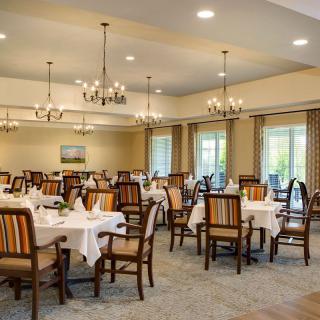
 Dining room
 Fully furnished
 Garden
 Housekeeping services
 Move-in coordination
 Outdoor space
 Telephone
 Wi-Fi/high-speed internet available
 William P X (24 miles away)
 24-hour supervision
 Activities of daily living assistance
 Assistance with bathing
 Assistance with dressing
 Assistance with transfers
 Diabetes diet
 Meal preparation and service
 Medication management
 Special dietary restrictions
 Transportation arrangement (medical)
 Transportation to doctors appointments





 A Detailed Exploration of Assisted Living Medicaid Waivers Across the United States
 Comprehensive Residential Support and Assisted Living Solutions for Individuals with Disabilities
 Comprehensive Supportive Living Arrangements for Adults with Disabilities