Oxford Glen Memory Care Grand Prairie Costs & Pricing
Oxford Glen Memory Care in Grand Prairie offers a range of housing options designed to cater to the unique needs of its residents. For those opting for semi-private rooms, the cost is set at $4,395 per month, which is notably higher than both the Tarrant County average of $3,889 and the broader Texas average of $3,680. Alternatively, studio accommodations are available at a monthly rate of $5,495, surpassing the Tarrant County average of $3,659 and slightly exceeding the state average of $3,758. This pricing reflects Oxford Glen's commitment to providing specialized memory care services in a supportive environment, where personalized attention and quality of life enhancements take precedence. While costs may be above local averages, they can often be justified by the comprehensive care and community amenities offered to enhance residents' well-being.
Floor plans
Oxford Glen Memory Care Grand Prairie
Tarrant County
Texas
Semi-Private
$4,395
$3,889
$3,680
Studio
$5,495
$3,659
$3,758
Memory care communities with a similar price nearby
Overall Review of Oxford Glen Memory Care Grand Prairie
common58 reviews mention this
Staff care and responsiveness stand out
Many reviewers describe the staff as caring, attentive, and supportive.
Across the reviews, families and visitors repeatedly describe staff who treat residents with compassion and treat them like family. Several people mention frequent help with day-to-day needs and staying engaged with residents, including follow-through when help is needed. A few reviews also complain about lack of communication or follow-through, but those are outweighed by the many accounts of warmth and responsiveness.
differentiator24 reviews mention this
Memory care routines feel structured
Residents benefit from memory-focused routines and activity programming.
Multiple reviews describe residents staying engaged through daily routines, social time, and events, rather than being left idle. Reviewers also comment on the facility layout and setup for memory impairment, including “homes”/clusters and common spaces designed around resident living. One reviewer with dementia experience specifically credits the way staff support comfort and keeping residents participating.
common26 reviews mention this
Meals and dining draw repeated praise
Meal quality is a frequent highlight, with residents seen enjoying food.
Food comes up often, with multiple reviewers describing meals as excellent or plentiful and noting that residents are eating well. Several reviews connect dining to the overall home-like feel of daily life, with dining rooms and kitchen-style spaces described as familiar. The community also offers a range of dining options and dietary programs, including low/no sodium and other special dining programs mentioned as part of the dining experience.
common31 reviews mention this
Clean, home-like environment is noted
Reviewers commonly describe the community as clean and welcoming.
Many reviews emphasize cleanliness and a welcoming atmosphere, describing it as well maintained, clean, and comfortable. Families often pair this with an overall “home” feel, including common areas designed for relaxed gathering. A smaller set of reviews raise concerns about care outcomes and hygiene during specific time periods, which contrasts with the majority of positive cleanliness accounts.
caveat5 reviews mention this
Cost concerns and refund delays appear
Some families felt the pricing and billing timelines were difficult.
While many reviews are positive overall, there are recurring complaints about money matters. One family describes difficulty getting a refund after a loved one passed, with delays and a partial refund decision tied to belongings left in the room. Another reviewer mentions the price being more than they wanted to spend, despite liking the staff during the tour.
common2 reviews mention this
Nearby hospitals and pharmacies are close
Family access to common services appears convenient nearby.
The location includes nearby medical and pharmacy options that can matter for families visiting regularly. Nearby points include an ER and hospital and several pharmacy and retail stops within a few miles.
How we summarize
Counts show how many written reviews mention each theme; a review can touch several themes, and only frequently mentioned themes are displayed.
Features
Types of Care
Memory Care
Pets
Cats allowed
Dogs allowed
Amenities
Activities off-site
Activities on-site
Air-conditioning
Beautician on-site
Ground floor units
Handicap accessible
Indoor common areas
Outdoor common areas
Respite or short term stays offered
Wheelchair accessible showers
Wi-Fi/high-speed internet available
Transportation
Dallas Love (20 miles away)
Dallas-Fort Worth International (20 miles away)
Care Services
Ambulatory care
Diabetic care
High acuity care
Incontinence care
Medication management
Dining
Anytime dining
Guest meals
Kosher
Low / no sodium
Meals provided
No Sugar
Professional chef
Special dining programs
Vegan
Activities
Art classes
Brain fitness
Catholic services
Day trips and outings
Devotional activities on-site
Gardening club
Happy hour
Live dance or theater performances
Live musical performances
Trivia games
Visiting chaplain or priest
Yoga / chair yoga
Nearby Places of Interest
This part of Grand Prairie, Texas offers convenient access to several hospitals, pharmacies, restaurants, physicians, parks, places of worship, cafes, and theaters. With multiple healthcare facilities nearby such as ER at Grand Prairie and Methodist Mansfield Medical Center, seniors can feel assured in their medical needs. The abundance of dining options including Chick-Fil-A, Whataburger, and Salata provide a range of choices for meals. Additionally, the proximity to parks like Webb Community Park and Elmer W. Oliver Nature Park offers opportunities for outdoor activities and relaxation. Places of worship such as Walnut Ridge Baptist Church and Mansfield Bible Church cater to spiritual needs. Cafes like Panera Bread and Starbucks offer cozy spots for socializing or enjoying a coffee break. And entertainment options such as Cinemark and AMC The Parks At Arlington 18 ensure plenty of opportunities for leisure activities. Overall, this area provides a well-rounded environment for senior living with easy access to essential services and amenities.
Oxford Glen Memory Care in Grand Prairie offers a range of housing options designed to cater to the unique needs of its residents. For those opting for semi-private rooms, the cost is set at $4,395 per month, which is notably higher than both the Tarrant County average of $3,889 and the broader Texas average of $3,680. Alternatively, studio accommodations are available at a monthly rate of $5,495, surpassing the Tarrant County average of $3,659 and slightly exceeding the state average of $3,758. This pricing reflects Oxford Glen's commitment to providing specialized memory care services in a supportive environment, where personalized attention and quality of life enhancements take precedence. While costs may be above local averages, they can often be justified by the comprehensive care and community amenities offered to enhance residents' well-being.
Oxford Glen Memory Care Grand Prairie's comprehensive approach to memory care includes essential features such as medication management, incontinence care, and brain fitness programs. Medication management ensures that residents receive their prescriptions accurately and on time, reducing confusion and potential health complications that can arise from missed or incorrect dosages. Incontinence care provides dignity and comfort for residents by addressing a sensitive issue with respect and professionalism, allowing them to focus on their well-being rather than worry about personal hygiene concerns. Additionally, brain fitness activities are designed to stimulate cognitive function through engaging exercises tailored to each resident's capabilities, which can help slow the progression of dementia symptoms while enhancing overall quality of life. Together, these features create a nurturing environment that promotes health and dignity for individuals facing the challenges of memory loss.
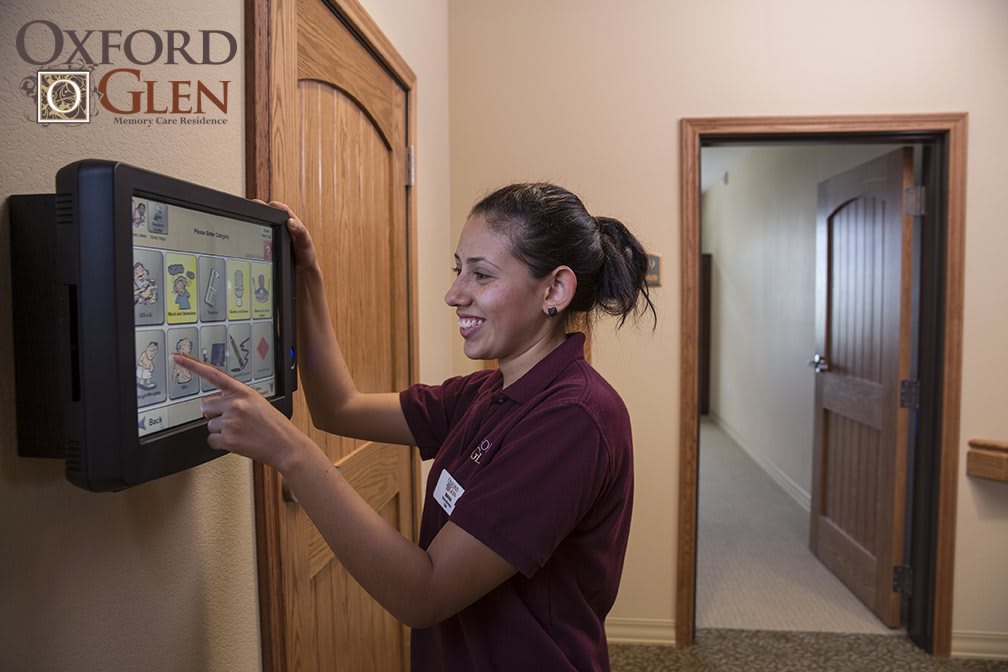
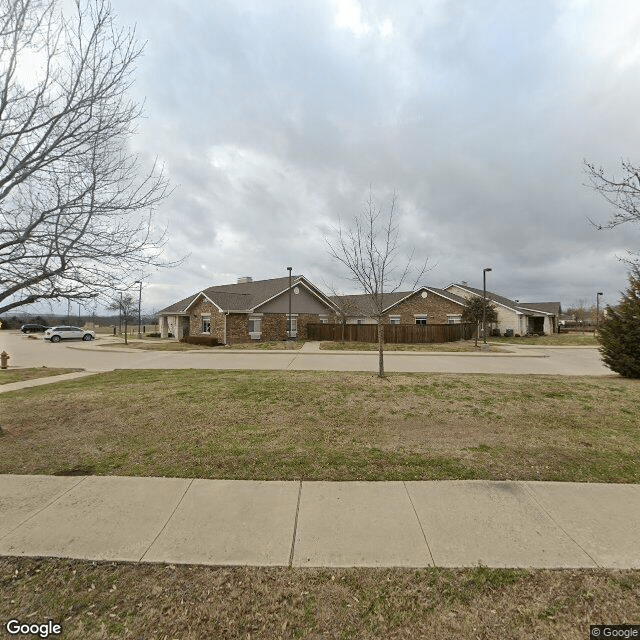
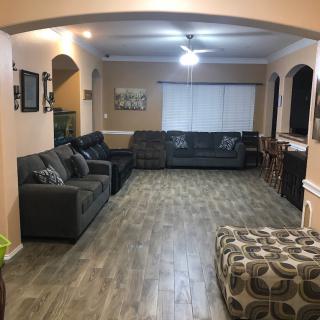
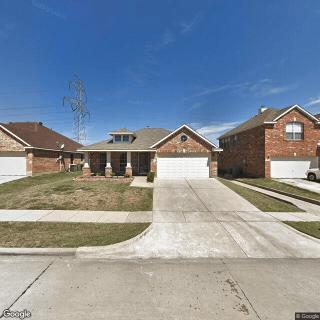
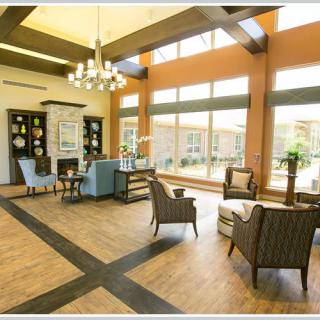
Oxford Glen Memory Care Grand Prairie on seniors.fyi includes 5 photos including images showing building, architecture, clouds, interior, living room, chandelier, fireplace, decor, and more.
Nearby Communities
Oxford Glen At Grand Prairie
Grand Prairie, TX
4.5 from 59 reviews
Engaging activities with friendly, attentive staff in a clean, social environment.
Gilgal Home Assisted Living
Grand Prairie, TX
5 from 5 reviews
$4,000 / month
Small, intimate 7-bed community with fully furnished accommodations and comprehensive services (24-hour supervision, medication management, meals, housekeeping, move-in coordination, and medical transportation).
Abby's Place
Grand Prairie, TX
4.8 from 57 reviews
$4,500 to $7,000 / month
Compassionate, personalized care in a clean, home-like setting with a Christian atmosphere.
Still Management
Grand Prairie, TX
3 from 2 reviews
Fully furnished apartments with 24-hour supervision, meals, housekeeping, transportation, and activities.
I To I Quality Home Care Service
Arlington, TX
Prime location with abundant nearby amenities.
Good Times Assisted Living
Grand Prairie, TX
4 from 6 reviews
$2,000 to $3,000 / month
Budget-friendly option with friendly staff and a clean, happy community; accessible design and organized policies.
The Pavilion At Creekwood
Mansfield, TX
3 from 111 reviews
$2,800 / month
Strong rehabilitation services in a modern, well-maintained setting.
The Orchard at Arlington Highlands
Arlington, TX
4.5 from 79 reviews
$1,705 to $2,263 / month
Active 55+ community with extensive amenities, strong management, and secure, well-kept facilities.
Highlands Village Senior Living of Mansfield
Mansfield, TX
5 from 58 reviews
$3,400 to $4,695 / month
Warm, welcoming environment with compassionate staff and personalized care.
Alzheimer’s disease is a progressive neurological disorder that significantly impacts memory and cognitive functions, accounting for 60-80% of dementia cases, with early diagnosis being crucial yet challenging. It involves brain changes like beta-amyloid plaques and tau tangles, influenced by genetic and lifestyle factors, and while there is no cure, symptom management and support for caregivers are essential.
Dementia, influenced by aging and certain medications, may be exacerbated by drug classes such as anticholinergics, benzodiazepines, and antipsychotics, which are associated with cognitive impairment. Regular medication reviews by healthcare professionals are crucial for older adults to manage risks and optimize cognitive health.
Dementia often results in disrupted sleep patterns, leading to excessive daytime sleeping due to factors like brain damage affecting circadian rhythms, medication side effects, and lack of structure in daily activities. Caregivers must monitor these changes closely, as oversleeping can increase risks such as malnutrition or dehydration, and provide necessary support and routines to enhance patient engagement and well-being.
Interior, Decor, Living Room, Television, Chandelier, Fireplace, and Lights
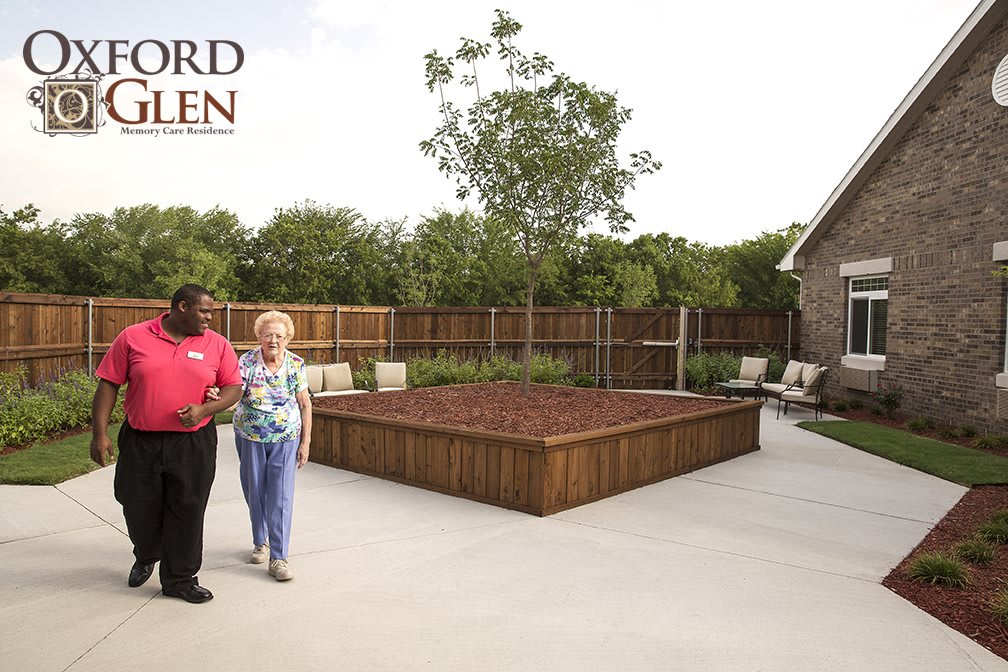
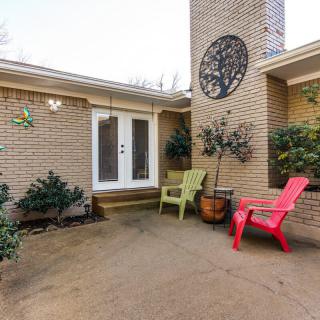
Landscaping, Garden, Outdoor, and Courtyard
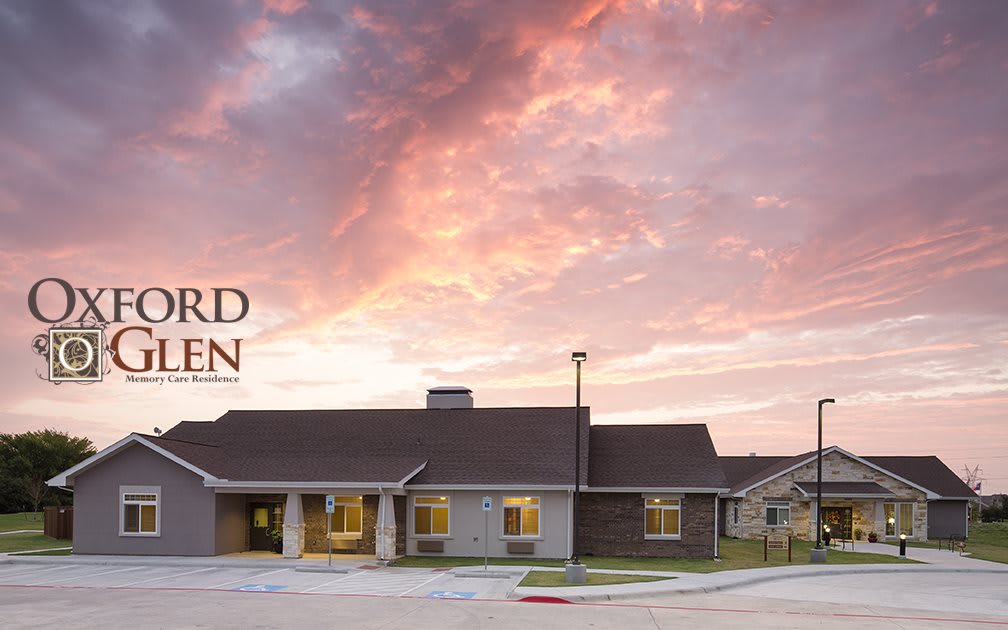
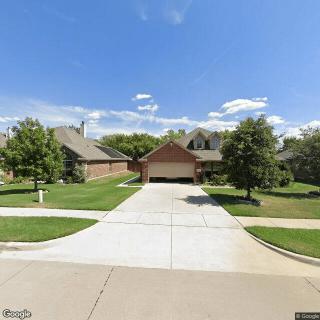
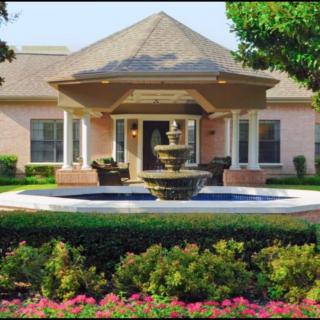
Building, Architecture, and Clouds
Office
Get PricingAsk A QuestionSchedule A TourContact Senior Advisor
By clicking submit, you agree to our Partner's Terms of Use. You
also consent to receive calls and texts, which may be autodialed, from our Partner. Your consent is not a condition to
using our Partner's service. Please visit our Partner's Privacy Policy for information about their privacy practices.



 Memory Care
 Cats allowed
 Dogs allowed
 Activities off-site
 Air-conditioning
 Beautician on-site
 Ground floor units
 Handicap accessible
 Indoor common areas
 Outdoor common areas
 Respite or short term stays offered
 Wheelchair accessible showers
 Wi-Fi/high-speed internet available
 Dallas Love (20 miles away)
 Ambulatory care
 Diabetic care
 High acuity care
 Incontinence care
 Medication management
 Anytime dining
 Art classes
 Brain fitness
 Catholic services
 Day trips and outings
 Devotional activities on-site
 Gardening club
 Happy hour
 Live dance or theater performances
 Live musical performances
 Trivia games
 Yoga / chair yoga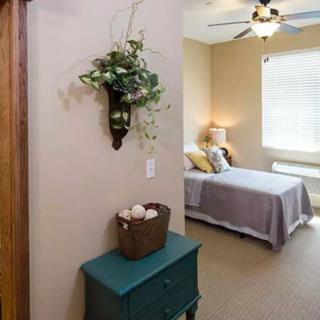
 Engaging activities with friendly, attentive staff in a clean, social environment.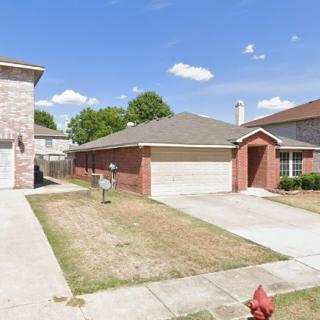


 Illuminating Insights About Alzheimer's Disease: Ten Crucial Realities
 A Thorough Discussion of Medications Potentially Linked to Dementia Risk
 Why Do Dementia Patients Sleep So Much? Understanding Oversleeping, Stages, and Care Approaches