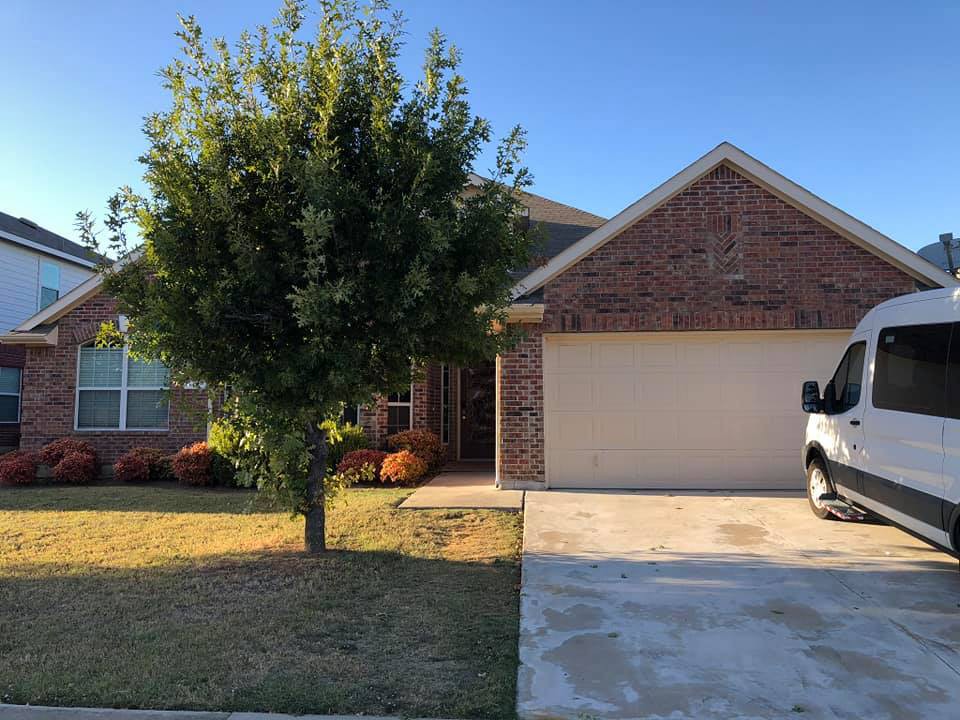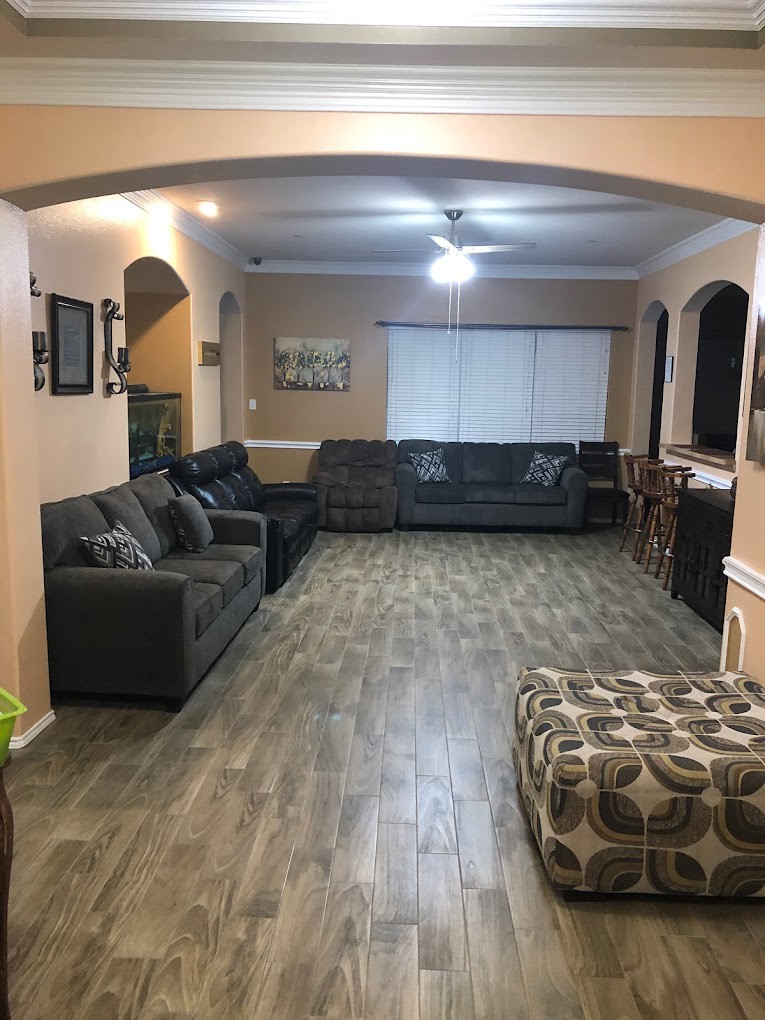
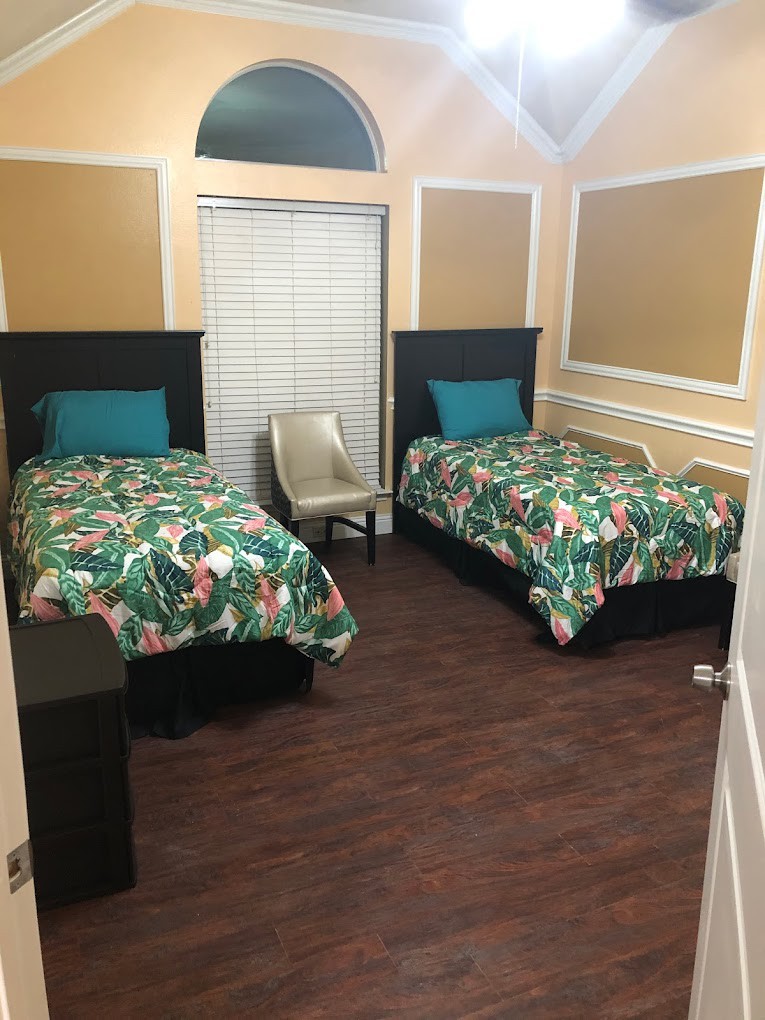


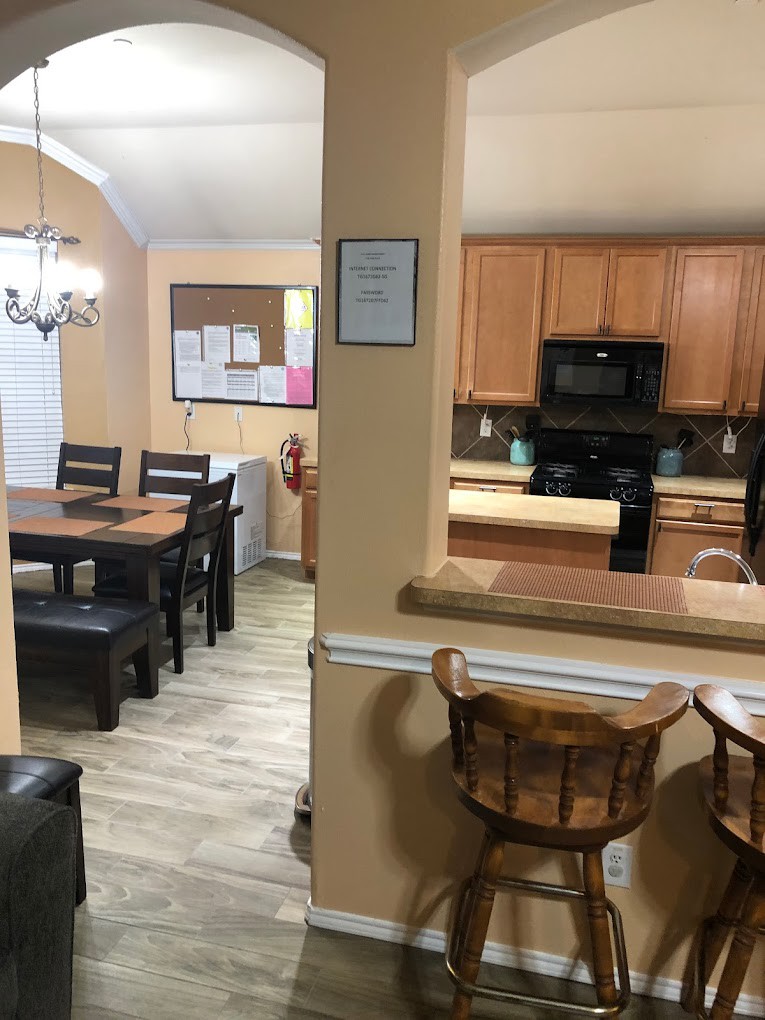


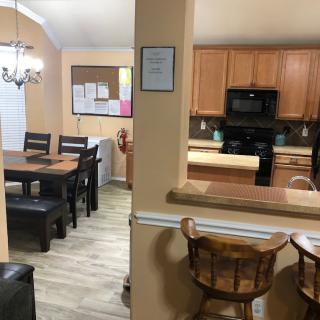


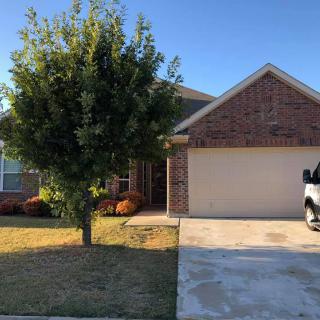
2768 Park Place Drive, Grand Prairie, TX 75052
For more information about senior living options: (866) 208-4318
Overall Review of Still Management
Pros
 They have had an awesome experience living there for the last six months.
- The staff at the facility is helpful and will assist with any needs.
- The staff makes residents feel like family.
- The care and understanding shown create a loving, supportive environment.
- They have regained their independence and plan to return home.
Cons
 The reviewer states there was no help with neurological problems or any real assisted living provided.
- The owner accused the reviewer of stealing without discussing it and left them on the street with their belongings.
- The owner allegedly violated licensing and refused to return any money, causing financial problems.
- The reviewer does not recommend this facility or its group homes.
- The caregivers were on their phones all day, did not communicate with residents, did not provide help, and made residents do their own dishes and housework.
Review
This community in Grand Prairie is best suited for seniors who want a warm, home-like atmosphere and can function with light to moderate assistance. It rewards residents who value personal attention and a sense of belonging delivered by staff who feel more like family than distant caregivers. The strongest fit appears to be individuals in a recovery or transition phase, those who no longer need constant medical intervention but still benefit from companionship, help with errands, and gentle daily reminders. The setting is less appropriate for residents with high-acuity medical needs, 24/7 nursing oversight requirements, or complex dementia care. In short, warmth, accessibility, and interpersonal connection define the appeal, but care needs must stay within a modest band to preserve practicality.
Alternatives should be considered for cases where reliability, formal protections, and predictable governance matter more than a homelike vibe. This facility is not ideal for loved ones requiring steady nursing care, continuous medical monitoring, or specialized memory-support services. A recent review suggesting a brief, troubled stay, including a claim of abrupt discharge and disputes over licensing, illustrates the risk of inconsistent oversight. For residents with cognitive or psychiatric challenges, or families that insist on transparent resident rights, clear financial protections, and well-established escalation paths, options with longer track records and stricter regulatory compliance are worth exploring.
The strongest positives point to a genuine, person-centered environment when care staff are engaged. Where present, the team is described as helpful, approachable, and even affectionate, creating a sense of family and belonging. For residents who can accept help without feeling burdensome, the atmosphere can support recovery, independence, and a successful transition back to home life. When these strengths are consistently realized, they substantially enhance daily life, reduce anxiety, and foster social connection, offsetting some concerns about limited medical oversight. The caveat is that warmth alone cannot substitute for formal, reliable care protocols, and the best outcomes hinge on steady staffing and clear expectations.
The most serious concerns come from reports of disengaged caregiving practices, communication gaps, and unstable management. One review alleges caregivers spent time on phones rather than assisting residents, with tasks left unfinished and routines neglected. Even more troubling are accusations of an abrupt, unaffiliated discharge and financial-mgmt tensions tied to licensing questions. Taken together, these claims point to governance and accountability gaps that can erode trust, compromise safety, and undermine the resident-rights framework essential in any assisted-living arrangement. While these are singular accounts and require verification, they cannot be dismissed when evaluating risk versus reward.
Practically, families evaluating this community should insist on concrete, verifiable assurances before making a commitment. Request up-to-date licensing documents, staffing schedules, and a written plan of care that identifies who provides what services and when. Observe a shift in operation to verify responsiveness, speak with multiple staff members across different roles, and interview current residents about daily routines and incident reporting. Clarify the policy on move-outs, refunds, and transitions to higher levels of care, and probe how medical or behavioral crises would be handled. A close look at governance, staffing stability, and resident-rights protections will determine whether the warm, homey environment can reliably translate into steady, safe care, or if alternatives with stronger clinical oversight offer a better match.
Bottom line: Still Managementā€™s Grand Prairie community can deliver a compelling, compassionate experience for seniors who prioritize companionship and flexible, light-duty assistance. That warmth is real and can drive meaningful quality of life improvements when care needs align. However, the negative experiences described, possible disengagement, communication breakdowns, and governance concerns, create legitimate red flags for anyone whose loved one requires dependable medical oversight, consistent care delivery, or robust resident protections. For families valuing a high-touch, homey setting with moderate needs, a careful, in-person evaluation is warranted. For those needing strong clinical supervision, formal risk controls, or airtight discharge protections, it may be wiser to pursue alternatives with demonstrable, ongoing compliance and clearer accountability.
 10 resident community capacity
 Assisted Living
 Cable or satellite TV
 Dining room
 Fully furnished
 Garden
 Housekeeping services
 Move-in coordination
 Outdoor space
 Telephone
 Wi-Fi/high-speed internet available
 Dallas-Fort Worth International (18 miles away)
 24-hour supervision
 Activities of daily living assistance
 Assistance with bathing
 Assistance with dressing
 Assistance with transfers
 Diabetes diet
 Meal preparation and service
 Medication management
 Special dietary restrictions
 Transportation arrangement (medical)
 Transportation to doctors appointments






 Funding and Affording Assisted Living: A Thorough Overview
 Assisted Living Expenses and Long-Term Care Insurance: A Comprehensive Exploration
 Securing Financial Support for Assisted Living: A Comprehensive Overview