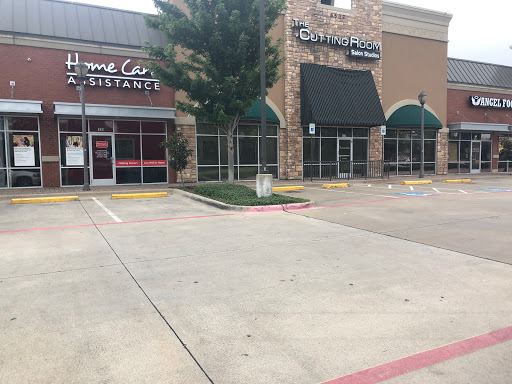
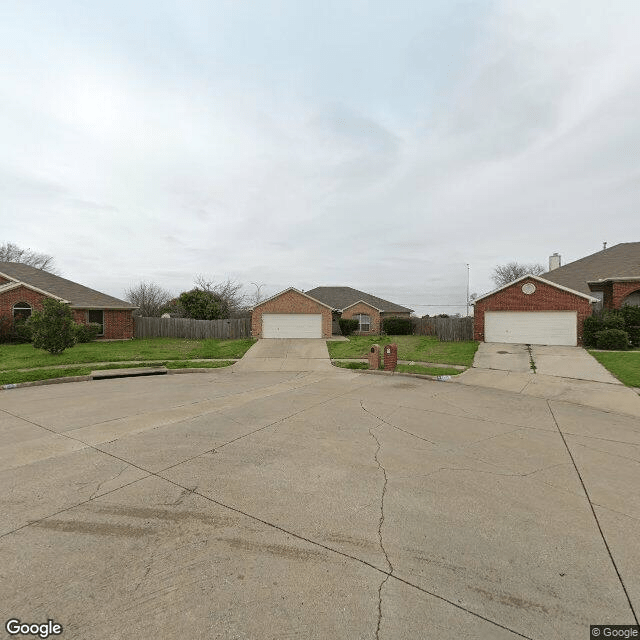
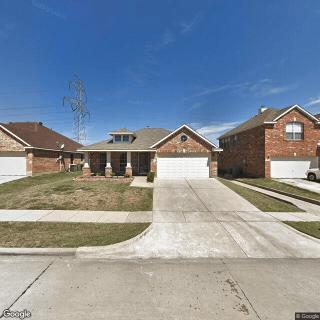
2133 Postwood Lane, Arlington, TX 76018
For more information about senior living options: (866) 208-4318
24 Hours Home Care Costs & Pricing
When evaluating the costs for 24-hour home care, it's important to consider the pricing dynamics within Tarrant County and the broader Texas market. For semi-private accommodations, Tarrant County rates average $3,889 per month, which is notably higher than the $2,800 monthly cost for home care. In contrast, private rooms in the county are priced at approximately $3,704, still less than the $3,000 home care fee. Overall, while 24-hour home care presents a competitive option against local facility costs, it highlights an interesting trend where in-home services may offer more affordability compared to traditional residential care settings within the region.
| Floor plans | 24 Hours Home Care | Tarrant County | Texas |
|---|---|---|---|
| Semi-Private | $2,800 | $3,889 | $3,680 |
| Private | $3,000 | $3,704 | $4,096 |
Assisted Living communities with a similar price nearby
-
from +$550 / mo
Sparks Assisted Living
$3,350 to $4,250 / month12.3 miles away -
from +$200 / mo
Professional Care Facility 3
$3,000 to $4,000 / month13.2 miles away -
from -$300 / mo
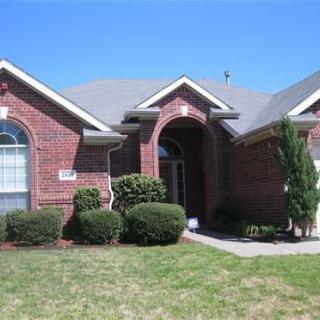
Halo Residential Care Homes
$2,500 to $3,000 / month1.1 miles away -
from +$200 / mo
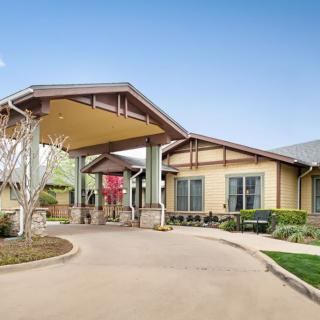
Sunrise of Fort Worth
$3,000 to $4,500 / month20.4 miles away -
from +$200 / mo
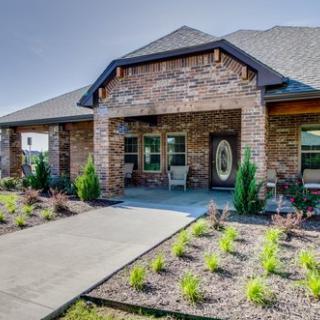
Mayberry Gardens Assisted Living & Memory Care
$3,000 / month4.1 miles away
Overall Review of 24 Hours Home Care
Pros
 The home is beautiful and neat.
- The owner is an experienced RN.
- The caregivers are well trained.
- They provide one-on-one care to residents.
- They provide excellent service from the start.
- They come highly recommended.
- They reassure families and take good care of loved ones.
- They deliver thorough care from meals to medications, personal hygiene, and clean rooms.
- They are exceptional, considerate, and willing to accommodate requests.
- Kay is attentive.
- Kay monitors meals and blood sugar well, and the resident's health has improved.
- The facility is RN-owned and operated.
Cons
 The price was a little high.
- The language barrier is the only concern.
Review
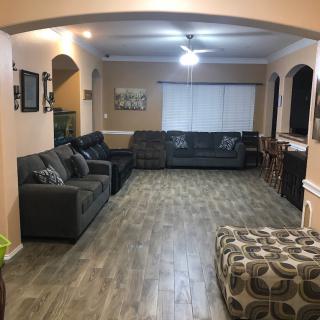
This Arlington community is best suited for families seeking highly individualized, medically guided support for an elder who needs daily oversight, precise medication management, and a clean, home-like setting. The ownership is an experienced registered nurse who leads a team of caregivers delivering one-on-one attention rather than a rotating staff model. The emphasis is on creating a personal routine, with safety, dignity, and consistent monitoring at the center of every day. It is especially well matched for residents whose care demands include close medical supervision, routine meals and hygiene assistance, and a reassuring, hands-on approach from a clinician-led operation.
Those contemplating alternatives should consider budget realities and desired atmosphere. The strongest selling point here is the clinical leadership and individualized attention, but the price is noted as higher than some peers. Families seeking a more expansive, resort-like environment with abundant social programming may prefer a larger community with broader amenities. For residents who require robust language support beyond what is available, or who prefer a more openly non-clinical setting, it may be prudent to compare other homes that emphasize language accessibility, diverse staffing, or a softer, less medical ambiance.
The core advantages, one-on-one care, highly trained caregivers, and close nursing oversight, form a compelling counterweight to the price premium. Residents benefit from continuous, personalized attention across daily tasks, including meals, medication administration, and personal hygiene, with staff who are described as capable and conscientious. The home itself presents as neat and attractive, reinforcing dignity and comfort. An RN-owned operation signals consistent clinical judgment and a readiness to adjust care plans quickly, which reduces family anxiety and fosters steady progress in daily functioning.
Operational strength further shows up in the practical details that families notice and value. The nurse who stands out in several accounts demonstrates attentiveness to nutrition, blood sugar management, and overall health monitoring, translating into observable improvements in the residentā€™s condition. Caregivers are praised for reliability, responsiveness, and a collaborative approach, responding to family requests and adapting routines to fit individual needs. The combination of medical oversight with daily, hands-on support creates a predictable, stable environment where small health changes are caught early and addressed without disruption.
The main drawbacks, chiefly cost and a couple of logistical caveats, do not erase the substantial benefits but require mindful weighing. The price point can be a meaningful barrier for some families, especially when comparing against facilities with lower monthly costs. The language barrier is noted as a concern for those who require care teams fluent in a broader range of languages, which could affect communication about subtle changes in condition or preferences. The somewhat clinical aesthetic may deter residents who prize a warmer, more village-like feel; however, this is offset by clear medical competence, meticulous cleanliness, and a culture of professional accountability.
Bottom line: this community rises to meet families who prioritize medically informed, one-on-one care delivered in a respectful, home-like setting, with the reassurance that a registered nurse is actively guiding day-to-day decisions. It is a strong choice for seniors who need reliable medication management, diabetes monitoring, and intimate attention from a clinician-led team, and for families that place a premium on peace of mind over a lower price tag or a more expansive social program. Prospective movers should schedule a tour and come prepared to discuss care plans, staffing ratios, and any language needs, then compare with alternatives that offer broader amenities or more flexible pricing. The right match will be evident for those who want measured, professional care anchored by real clinical expertise.
 4 resident community capacity
 Assisted Living
 Board and Care Home
 Activities on-site
 Air-conditioning
 Cable or satellite TV
 Devotional services on-site
 Dining room
 Fully furnished
 Garden
 Handicap accessible
 Housekeeping services
 Indoor common areas
 Move-in coordination
 Outdoor space
 Private
 Private bathrooms
 Respite or short term stays offered
 Telephone
 Wheelchair accessible showers
 Wi-Fi/high-speed internet available
 Dallas-Fort Worth International (17 miles away)
 24-hour supervision
 Ambulatory care
 Assistance with bathing
 Assistance with dressing
 Assistance with transfers
 Diabetes diet
 Diabetic care
 High acuity care
 Incontinence care
 Meal preparation and service
 Medication management
 Special dietary restrictions
 Transportation arrangement (medical)
 Transportation to doctors appointments
 Art classes
 Birthday parties
 Live well programs



 Comprehensive Supportive Living Arrangements for Adults with Disabilities
 Funding and Affording Assisted Living: A Thorough Overview
 Assisted Living Expenses and Long-Term Care Insurance: A Comprehensive Exploration