415 Pace Street, Mc Minnville, TN 37110
For more information about senior living options: (866) 208-4318
Raintree Manor Costs & Pricing
At Raintree Manor, the costs for accommodations reflect a commitment to quality care and services. For a semi-private room, residents can expect to pay $4,950 per month, which is notably higher than the average in Warren County at $3,360 and the statewide average of $3,162. Similarly, the monthly fee for a private room at Raintree Manor is set at $5,250, surpassing both local and state averages of $4,875 and $3,696 respectively. While these costs are above those in the surrounding area and across Tennessee, they may represent an investment in enhanced amenities or specialized care that Raintree Manor offers its residents.
| Floor plans | Raintree Manor | Warren County | Tennessee |
|---|---|---|---|
| Semi-Private | $4,950 | $3,360 | $3,162 |
| Private | $5,250 | $4,875 | $3,696 |
Overall Review of Raintree Manor
Pros
 Rain Tree provided loving care that was way beyond expectations.
- The staff offered support that exceeded the family's expectations.
- Every staff member went out of their way to make the family comfortable.
- The care and kindness shown were comforting during a difficult time.
Review
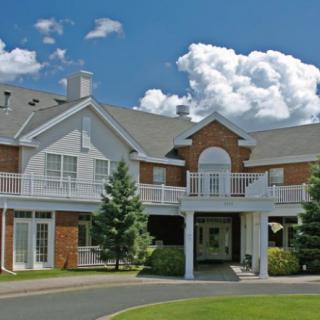
Raintree Manor in McMinnville, Tennessee is best suited for families seeking deeply personal, compassionate end-of-life and bereavement support. The lone account attached to the community highlights a staff culture that treats every family member with warmth and respect, delivering care that feels anchored in genuine humanity rather than routine protocol. The reviewer notes that the support and loving care extended far beyond expectations, with every staff member going out of their way to ease the pain of loss and make the process more bearable. For a resident who requires sensitive, hands-on attention during advanced illness or transition, this community presents a clear fit.
That said, the evidence base is narrow. With only one favorable account, there is limited visibility into how care quality holds up across shifts, days, and changing care needs. Families weighing options should not assume a uniform experience; instead, they should verify consistency by talking to multiple staff members, touring the facility at different times, and requesting recent caregiver-to-resident ratios. Alternatives may offer broader programming, more assertive medical oversight, or greater availability of independent living and memory-care supports. The decision should hinge on what matters most: peaceful, compassionate presence versus breadth of nonclinical amenities.
The strongest pro at Raintree Manor is the demonstrated willingness of staff to go beyond basic duties. That level of attentiveness directly counters a common concern in elder care: the fear of impersonal or transactional treatment during difficult times. In practice, the care team’s emphasis on comfort, reassurance, and easing the family’s burden can transform a stressful experience into something more tolerable. However, because the only detailed account centers on end-of-life support, it remains unclear how this culture translates to day-to-day routines, meal quality, recreation, and medical coordination. The offset to these unknowns is substantial if the family’s priority is meaningful, compassionate presence.
When evaluating options, schedule a line-by-line assessment of what is included in care plans. Ask about how medical oversight is coordinated, how frequently care conferences occur, whether palliative or hospice services are readily available on-site, and how bereavement support is structured for families after a loss. Observe the ambience during visits: whether staff remember names, how promptly concerns are addressed, and whether the environment feels serene rather than rushed. Check meal service, activity options, and opportunities for resident engagement. Clarify visitation policies and whether there is a dedicated family liaison who can translate care changes into plain language for relatives.
A practical decision framework pits Raintree Manor’s demonstrated warmth against communities that offer more robust day-to-day programming or broader service lines. If independence is still desired, or if a resident needs a higher level of medical or rehabilitative services, alternatives with larger staff teams and more diverse activity calendars may prove better. For families prioritizing a culture of compassion, dignity in transition, and minimal caregiver turnover, Raintree Manor’s singular strength can be decisive. The key is to verify alignment on expectations: the scope of medical support, the timetable of family updates, and the availability of bereavement resources.
In sum, Raintree Manor stands out for families who value humanitarian care during advanced illness and the bereavement period. The powerful narrative of staff going the extra mile is not just heartwarming; it addresses core needs that often determine peace of mind for everyone involved. Potential clients should proceed with targeted questions and a few campus visits to confirm consistency and to rule out any gaps in routine care or programming. For those who can prioritize compassionate presence and a sensitive, family-centered approach, this community deserves serious consideration as a viable, even preferred, option.
 140 resident community capacity
 Memory Care
 Skilled Nursing Facility
 Activities on-site
 Air-conditioning
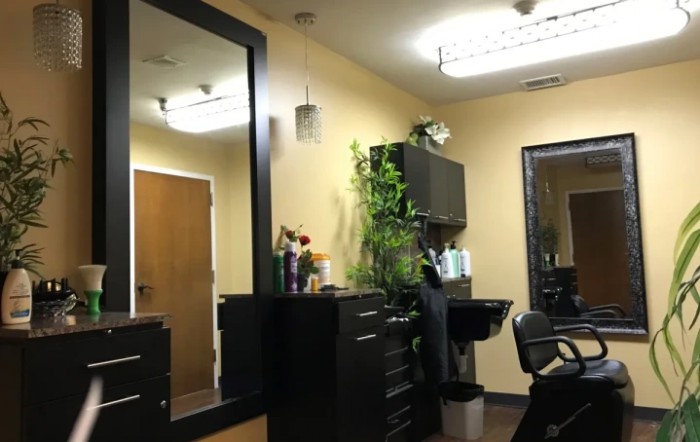
 Beautician on-site
 Cable or satellite TV
 Computer center
 Devotional services on-site
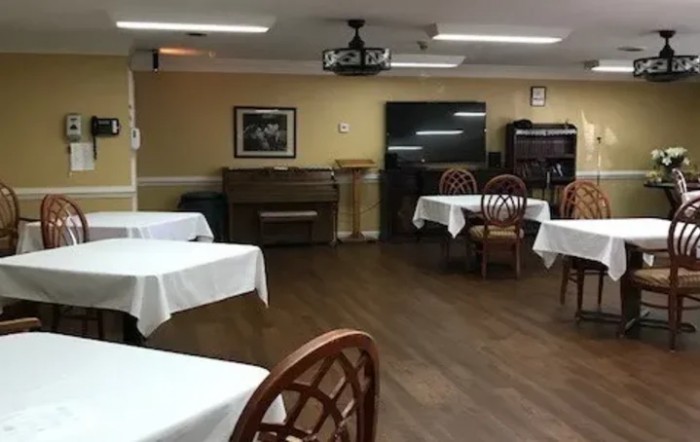
 Dining room
 Fitness room
 Fully furnished
 Gaming room
 Garden
 Housekeeping services
 Indoor common areas
 Kitchenette
 Move-in coordination
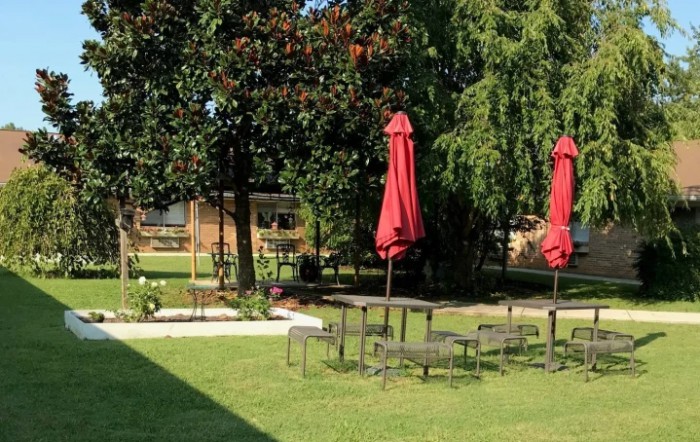
 Outdoor common areas
 Private
 Private bathrooms
 Restaurant-style dining
 Small library
 Swimming pool / hot tub
 Telephone
 Wellness center
 Wheelchair accessible showers
 Wi-Fi/high-speed internet available
 Community operated transportation
 12-16 hour nursing
 24-hour call system
 Assistance with bathing
 Assistance with dressing
 Assistance with transfers
 Diabetes diet
 High acuity care
 Incontinence care
 Medication management
 Mental wellness program
 Special dietary restrictions
 Concierge services
 Planned day trips






 How to Communicate with a Loved One Living with Dementia: 10 Supportive Strategies
 Comprehensive Guide to VA Nursing Homes: A Crucial Long-Term Care Resource for Veterans
 Estimating the Expenses of At-Home Dementia Care: A Detailed Exploration