
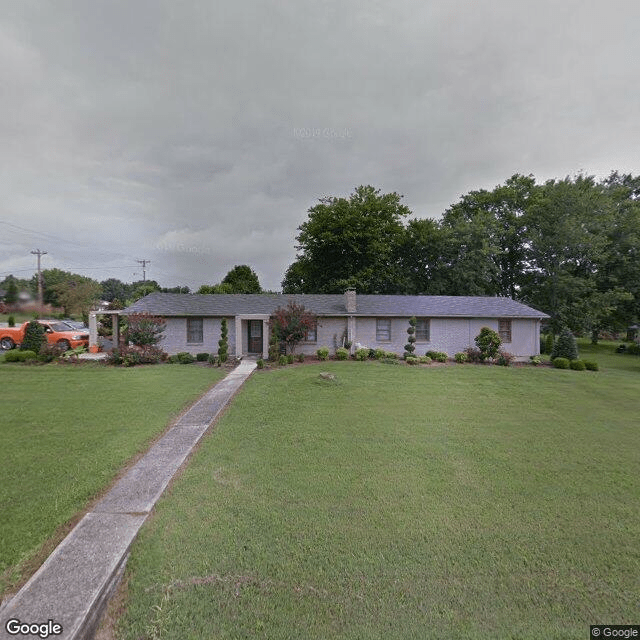
348 Margo Ln, McMinnville, TN 37110
To contact a resident: (931) 473-7262
For more information about senior living options: (866) 208-4318
Overall Review of Kay's Boarding Home
Pros
 The facility is clean and well-maintained.
- The staff are friendly and caring.
- The sister seems happy and willing to help other patients.
- Adam is highly regarded by residents; he is spoken of positively.
- The meals are appealing, with lunches that smelled and looked good.
- The rooms are clean and well-kept, even though they are small.
- The caregivers took good care of their mother, providing peace of mind for the family.
Cons
 Pam is described as either a hateful person or burnt out, and she is said to be making the residents miserable.
- Pam should take a break, suggesting she dislikes her job and negatively affects the residents.
- The staff told her they wouldn’t visit because they would lie about coming.
- There aren’t many activities going on, possibly due to limited space.
- Rooms are really small and two residents share a room.
- Kay Knight is described as a troublemaker who dispenses narcotics without prescriptions and steals them from people.
Review
Kay’s Boarding Home in McMinnville is best suited for families seeking a compact, home-like environment where cleanliness, reliable meals, and genuine warmth from caregivers are the top priorities, and where residents have relatively basic daily-care needs. The facility operates with two residents per room and a straightforward, clean layout that keeps supervision manageable without the aroma of a hospital corridor. For families that must balance limited visit windows with a need for tangible daily support, Kay’s offers a practical, no-fruss option that can feel like a small, personal residence more than a large care complex. It rewards those who value a calm, predictable routine over extensive programming or private space.
That said, several clear red flags warrant careful consideration before choosing this community. The most important is the uneven quality of staffing, as described by multiple reviewers who noted good care from some workers and distressing behavior from others. One resident recounted encounters with a staff member who seemed burned out or unkind, and another described a pattern of verbal and emotional issues from a particular employee. More troubling still is a specific, unverified accusation reported by a reviewer: a staff member allegedly mishandled prescription narcotics and engaged in theft. Coupled with reports that residents felt talked about or scrutinized, these concerns push families to weigh safety, trust, and accountability against the setting’s modest size and price.
On the positive side, the facility earns value points for cleanliness and attentiveness from certain staff members. The building itself is described as clean, and meals are highlighted as appealing, lunches “smelled and looked really good.” There are stories of residents who feel cared for, and at least one staffer (Adam) is singled out positively, with residents and families noting his kindness and reliability. For families who can tolerate variability in staff demeanor and who prioritize a clean, well-maintained environment with decent meals and approachable caregivers, Kay’s can deliver a reassuring baseline of daily life that some residents clearly appreciate.
However, the main drawbacks are nontrivial and can materially affect the resident experience. The two-person room arrangement, while common in smaller facilities, limits privacy and may feel cramped for longer-term stays. Activity offerings appear limited, likely a consequence of space constraints, which can lead to hesitancy about social engagement for residents who crave structured programming. The combination of inconsistent staff performance, reported resident discomfort with certain interactions, and the potential for serious misconduct allegations creates a risk profile that families must weigh against the perceived warmth and cleanliness. When care needs rise or social stimulation is prioritized, Kay’s may fall short relative to larger, more resourced communities.
From a decision-making perspective, use Kay’s if the priority is a low-key, intimate setting where routines are predictable, the living spaces are clean, and meals are satisfactory, with a willingness to accept variability in staff experience and limited programming. Ask hard questions about staffing structure, turnover, and how complaints are handled; request specifics on who oversees medication safety and how incidents are investigated; and seek a transparent plan for resident engagement and activities, especially for quieter or more mobile residents. If distance to family is a persistent issue, verify what communication and visitation support the home can realistically offer and whether transportation assistance is available or practical.
In the end, Kay’s Boarding Home serves as a pragmatic choice for families with modest care needs who prize cleanliness, dependable meals, and a small, home-like setting over expansive activity calendars or highly regulated clinical oversight. It is less suitable for residents requiring consistent, high-quality supervision, strong safeguarding against staff misconduct, or robust social programming. Alternatives should be on the table for anyone prioritizing rigorous staffing reliability, larger private accommodations, or a wider array of engaging activities. A careful, in-person assessment, focusing on current staffing, resident interactions, and the facility’s response to concerns, will determine whether Kay’s can meet expectations or if another option would better align with long-term goals and peace of mind.
 Board and Care Home





 Recognizing the Journey: Understanding and Navigating Anticipatory Grief
 Encouraging Participation in Adult Day Care: A Guide to Supporting a Hesitant Parent
 Comprehensive Exploration of Living Wills and Other Advance Directives