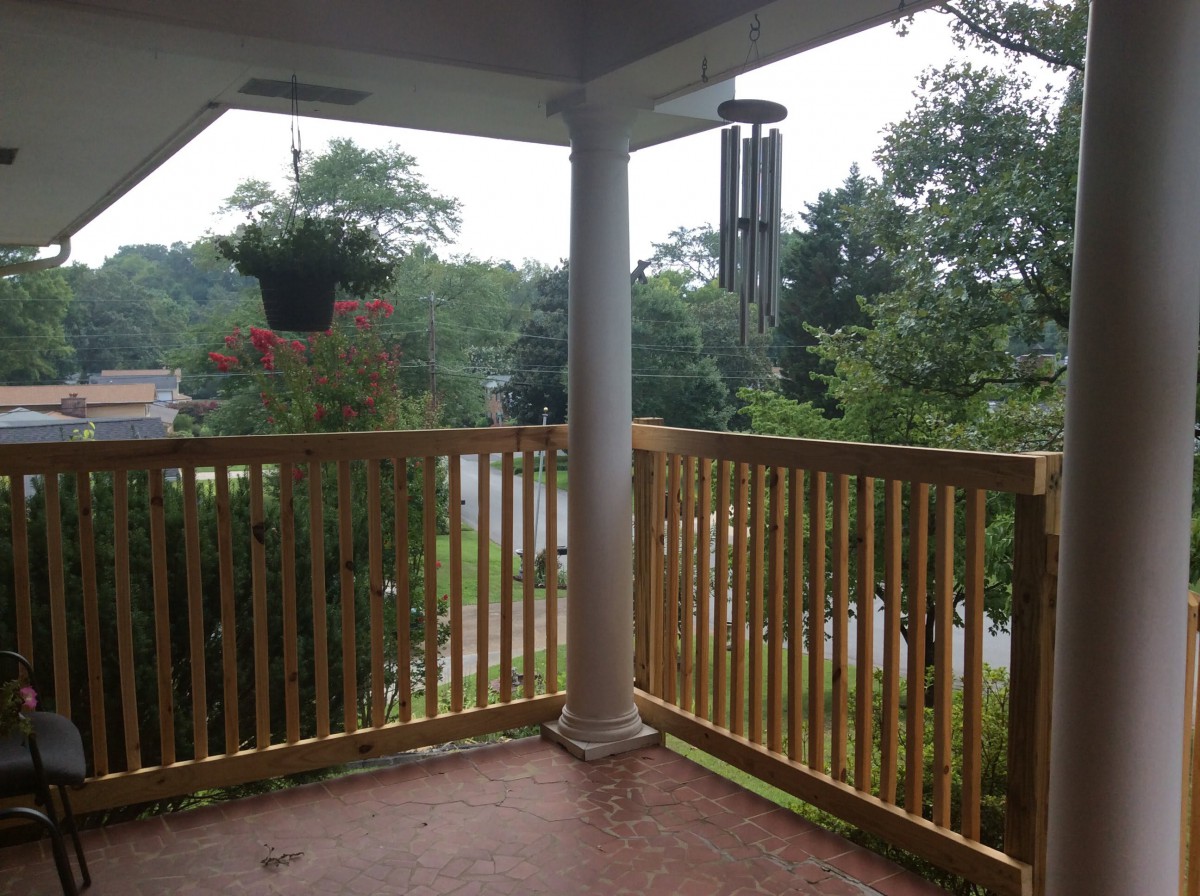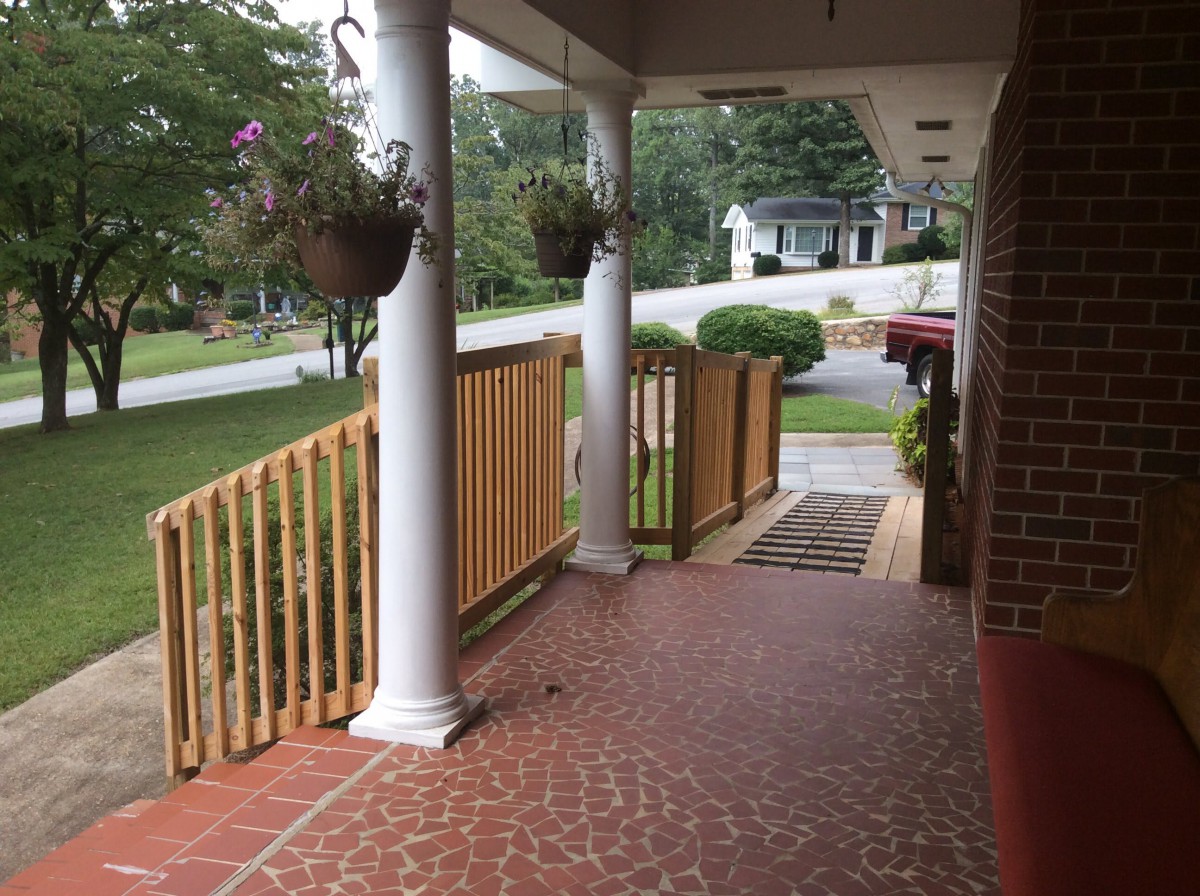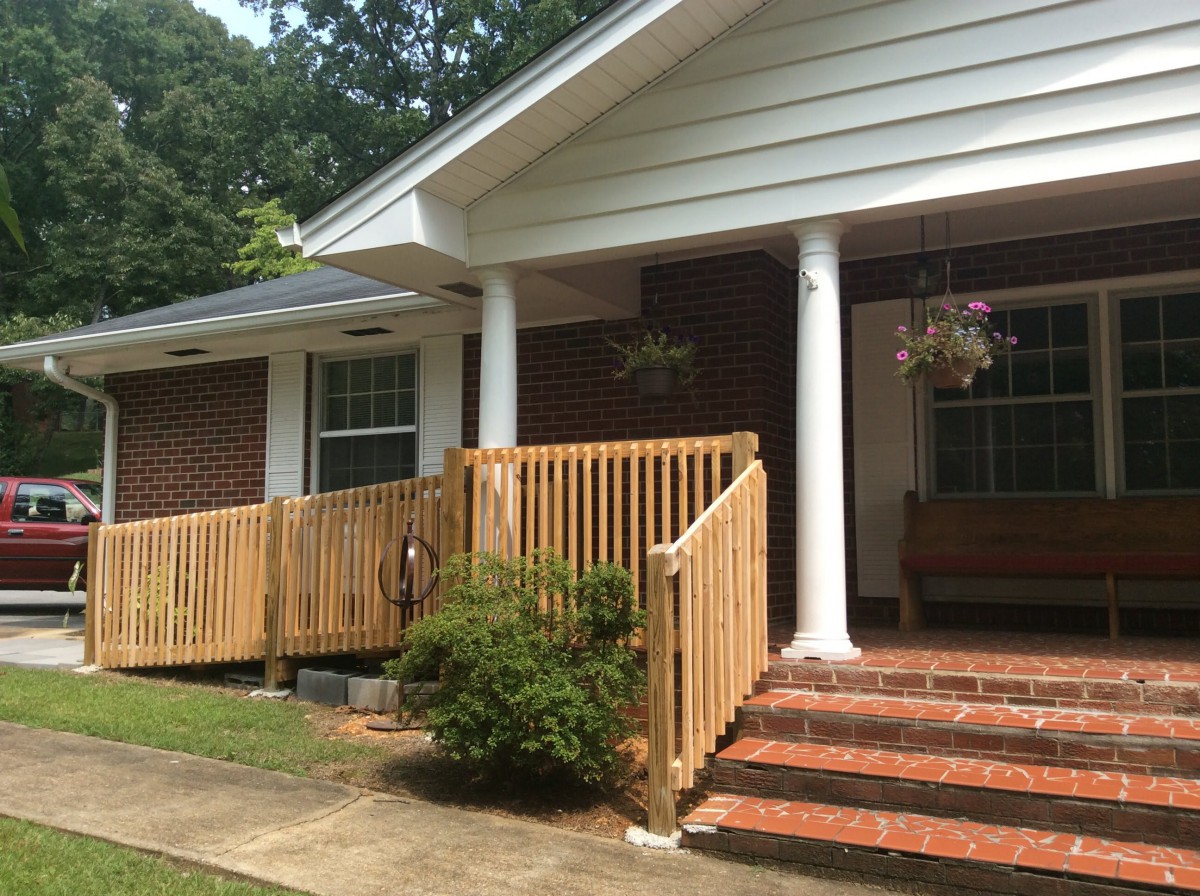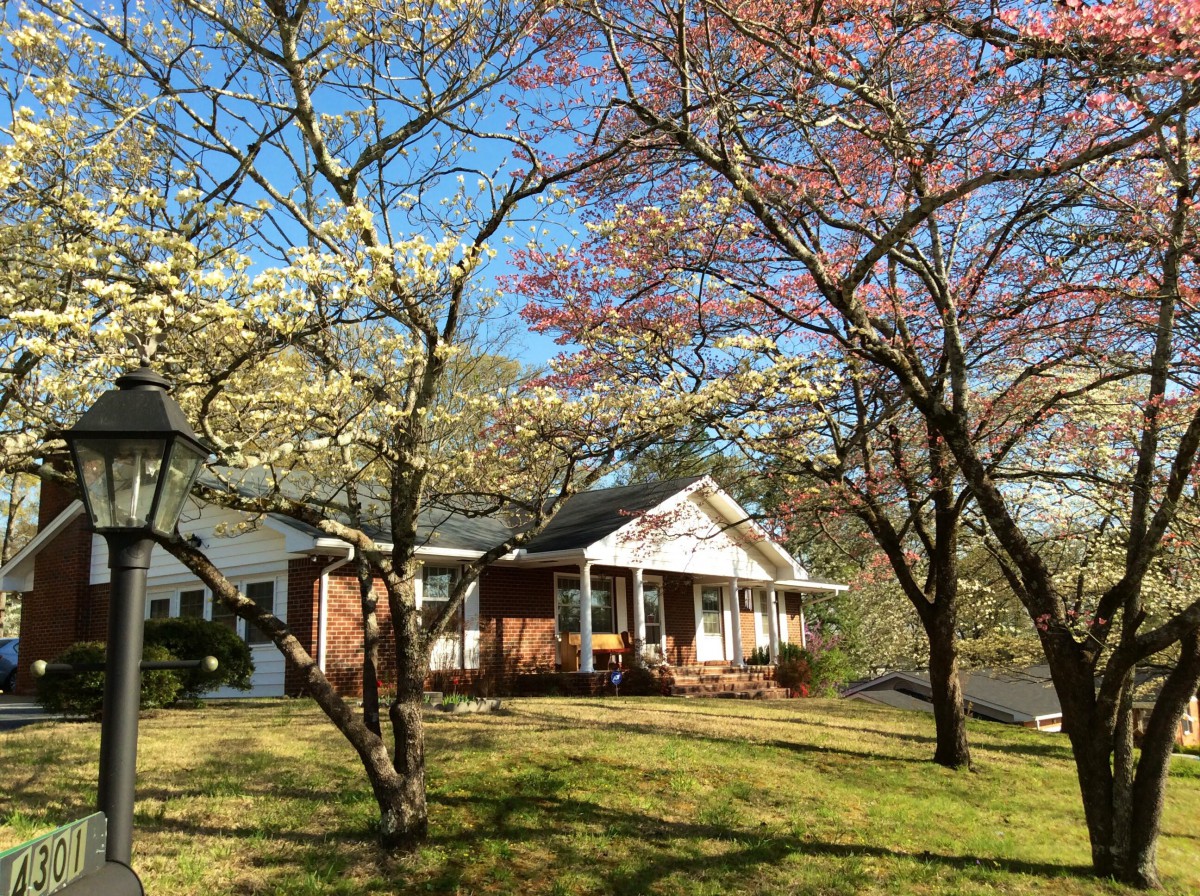
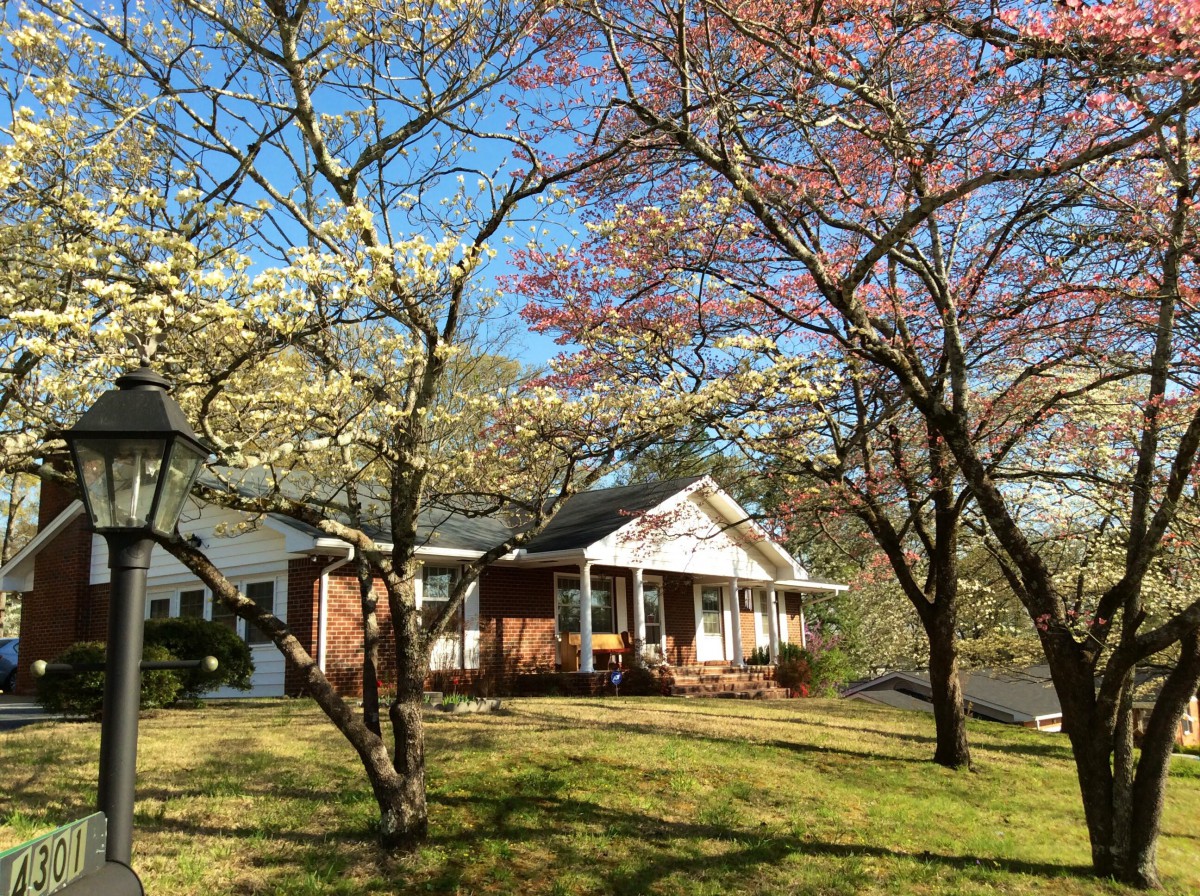




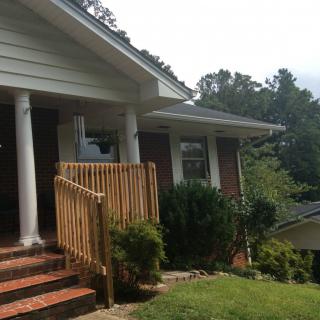
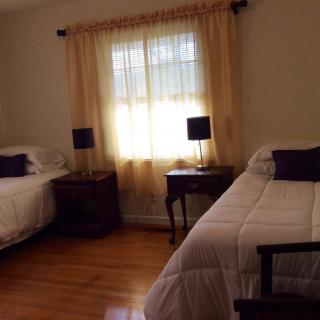
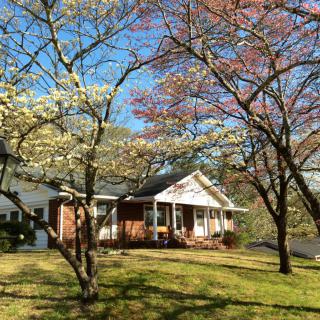
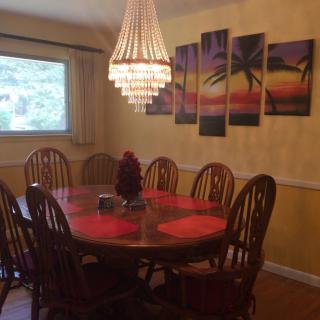
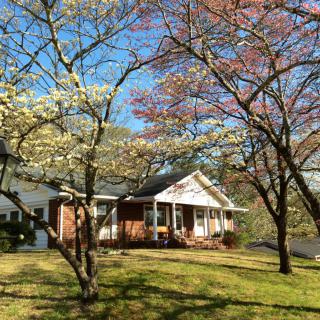
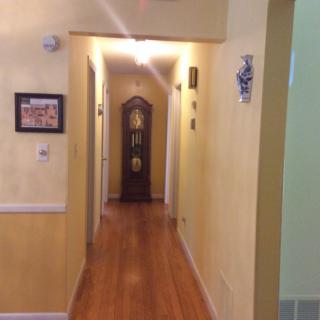
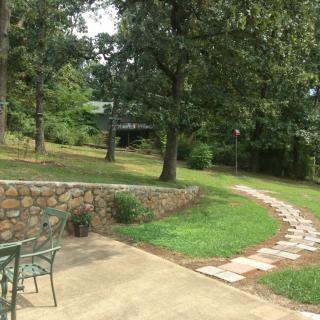

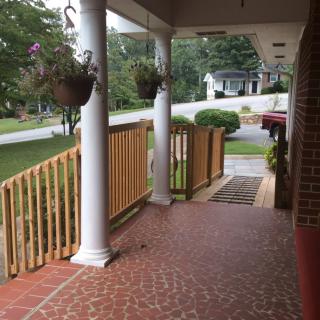
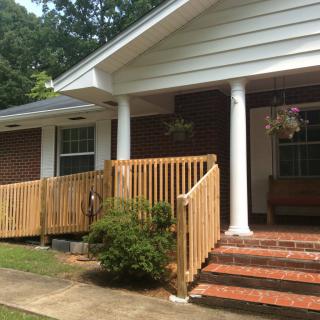
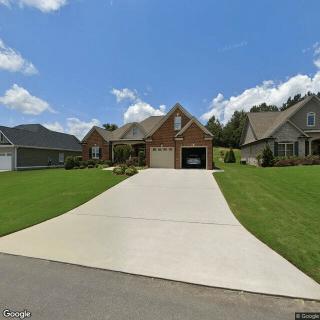
4840 Mapleleaf Dr NW, Cleveland, TN 37312
To contact a resident: (423) 304-5512
For more information about senior living options: (866) 208-4318
Memory Lane at Forest Plaza Costs & Pricing
Memory Lane at Forest Plaza offers competitive pricing for its various accommodation options, which stand out favorably against both Bradley County and broader Tennessee averages. For instance, the semi-private rooms are available at $2,000 per month, significantly lower than the county's average of $2,500 and the state's average of $3,162. Studio and 1-bedroom units are also priced attractively at $3,000 each, positioning them below both local and state averages - particularly notable given that similar units in Bradley County can reach as high as $4,101. Even private rooms are competitively priced at $3,000, aligning directly with the county but still under the statewide average of $3,696. Overall, Memory Lane at Forest Plaza provides an appealing choice for those seeking quality care without excessive financial burden.
| Floor plans | Memory Lane at Forest Plaza | Bradley County | Tennessee |
|---|---|---|---|
| Semi-Private | $2,000 | $2,500 | $3,162 |
| Studio | $3,000 | $3,511 | $3,485 |
| 1 Bedroom | $3,000 | $4,101 | $3,592 |
| Private | $3,000 | $3,000 | $3,696 |
Memory care communities with a similar price nearby
-
from -$326 / mo
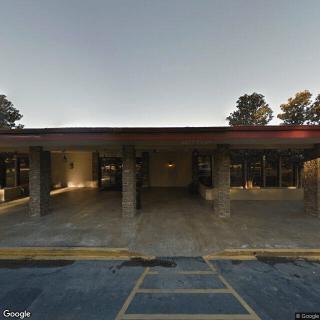
Health Center At Standifer Place
$1,674 to $3,000 / month19.1 miles away
Overall Review of Memory Lane at Forest Plaza
Pros
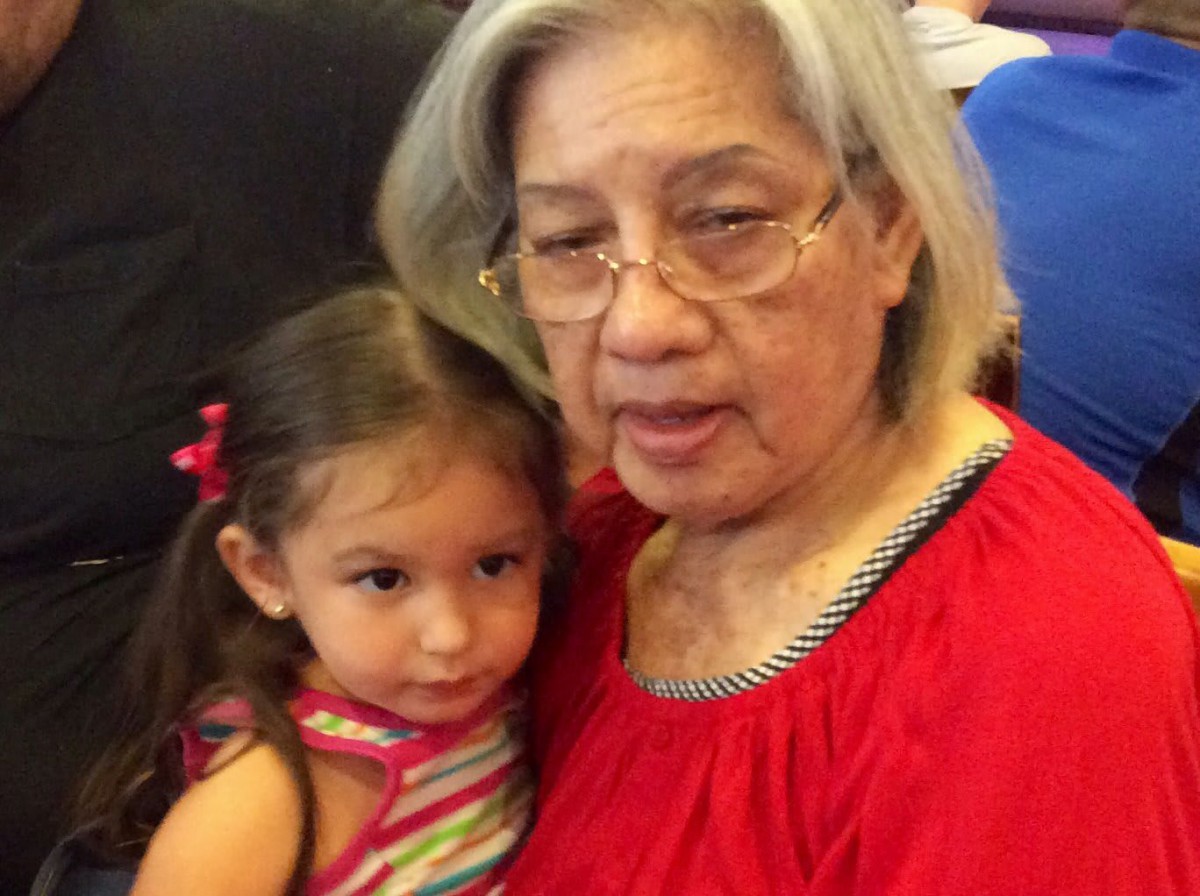
 Memory Lane is described as an answer to prayer, providing peace of mind to families.
- The staff at Memory Lane are friendly and give each resident individualized attention.
- The employees who live on-site ensure there are always caregivers on-hand.
- Memory Lane offers a variety of activities and outings, with delicious meals.
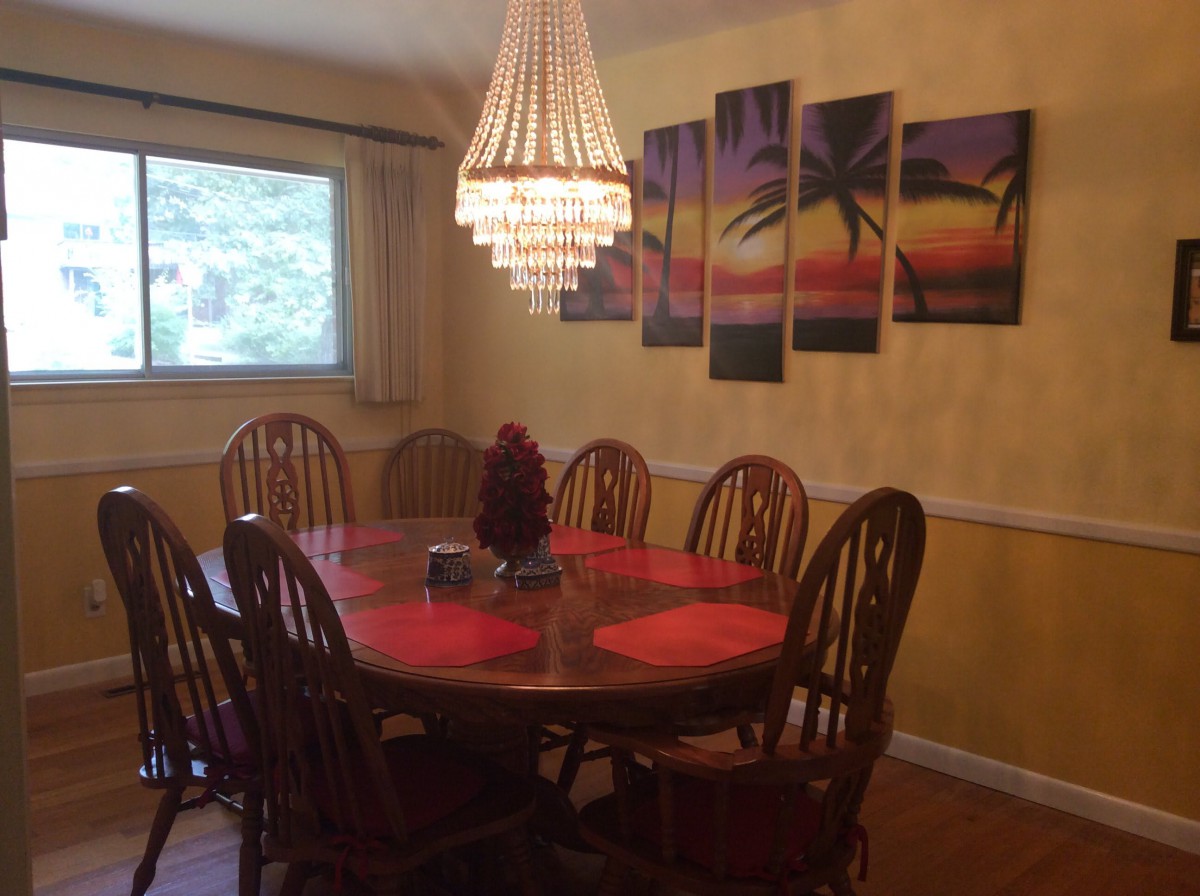
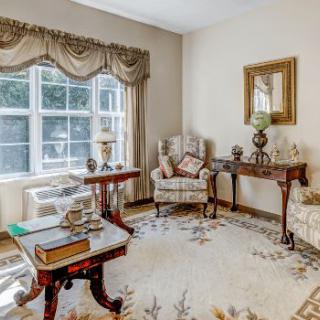
- Residents enjoy home-cooked food and a smaller, home-like setting.
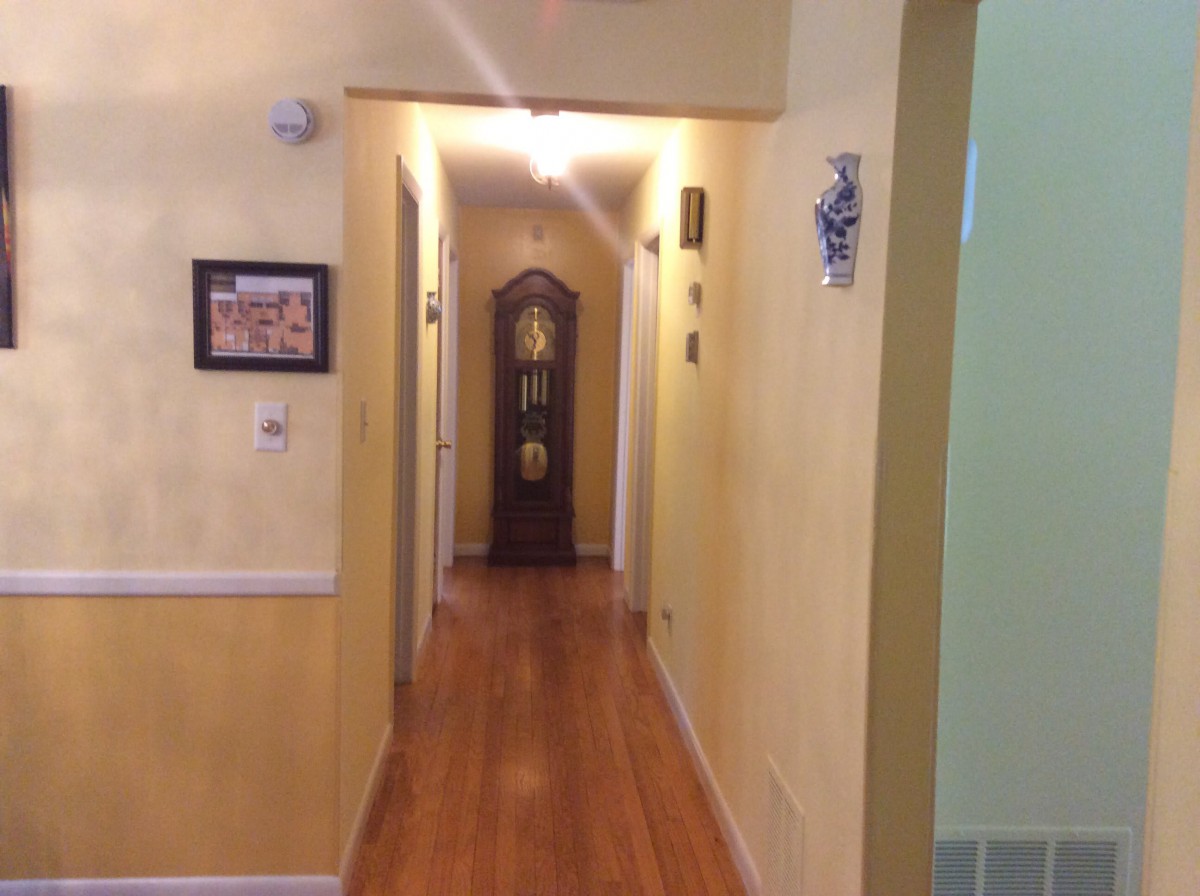
- The home-like environment makes the adjustment easier, leaving residents comfortable and content.
- Residents bond quickly with the staff and other residents at Memory Lane.
- Memory Lane provides real home-like care with one-to-one attention and live-in caregivers.
Review
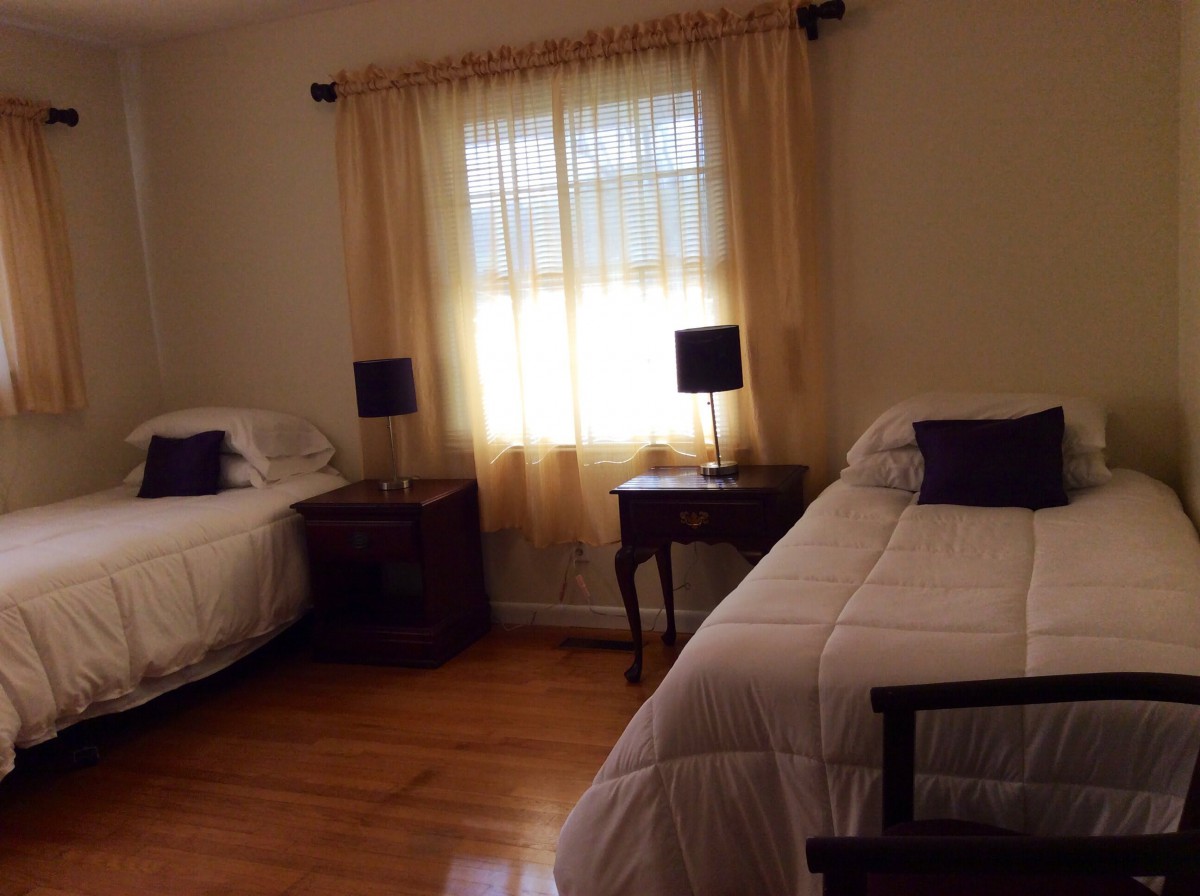
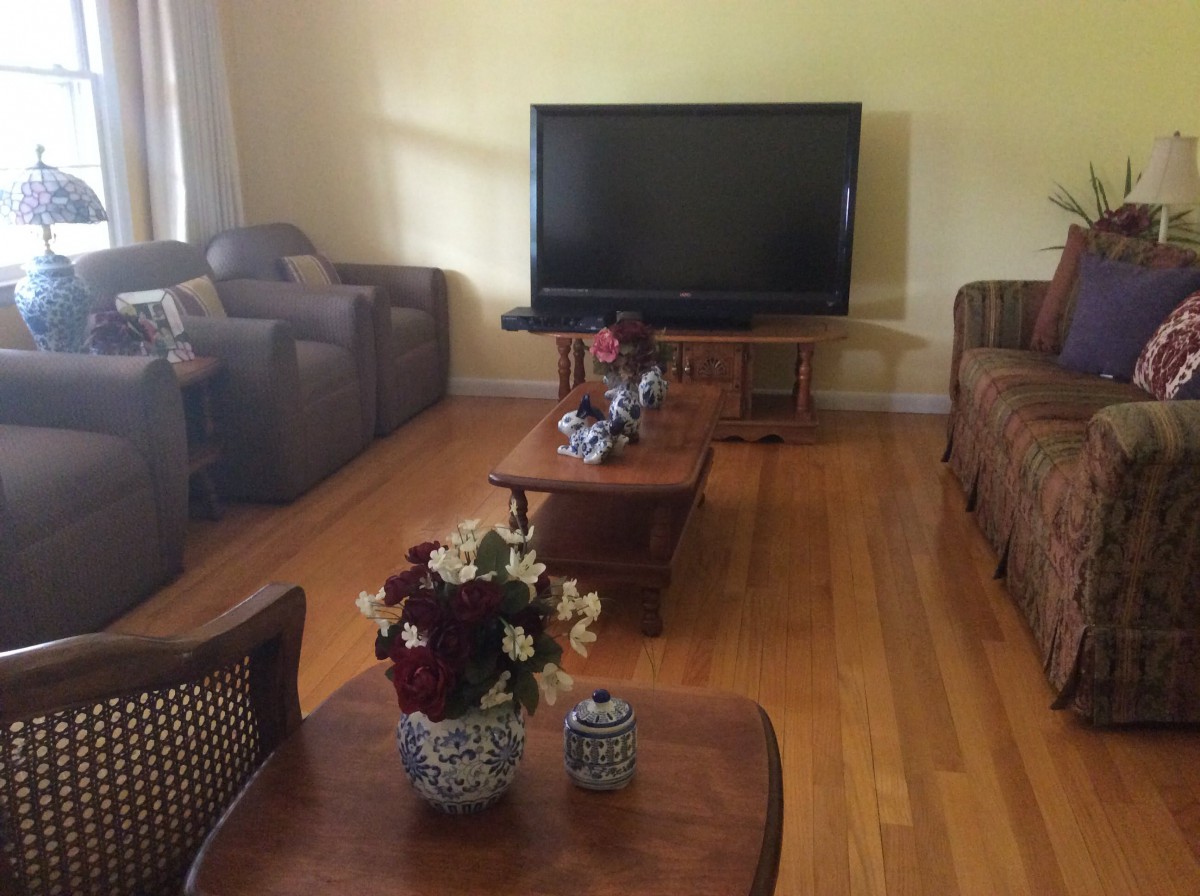
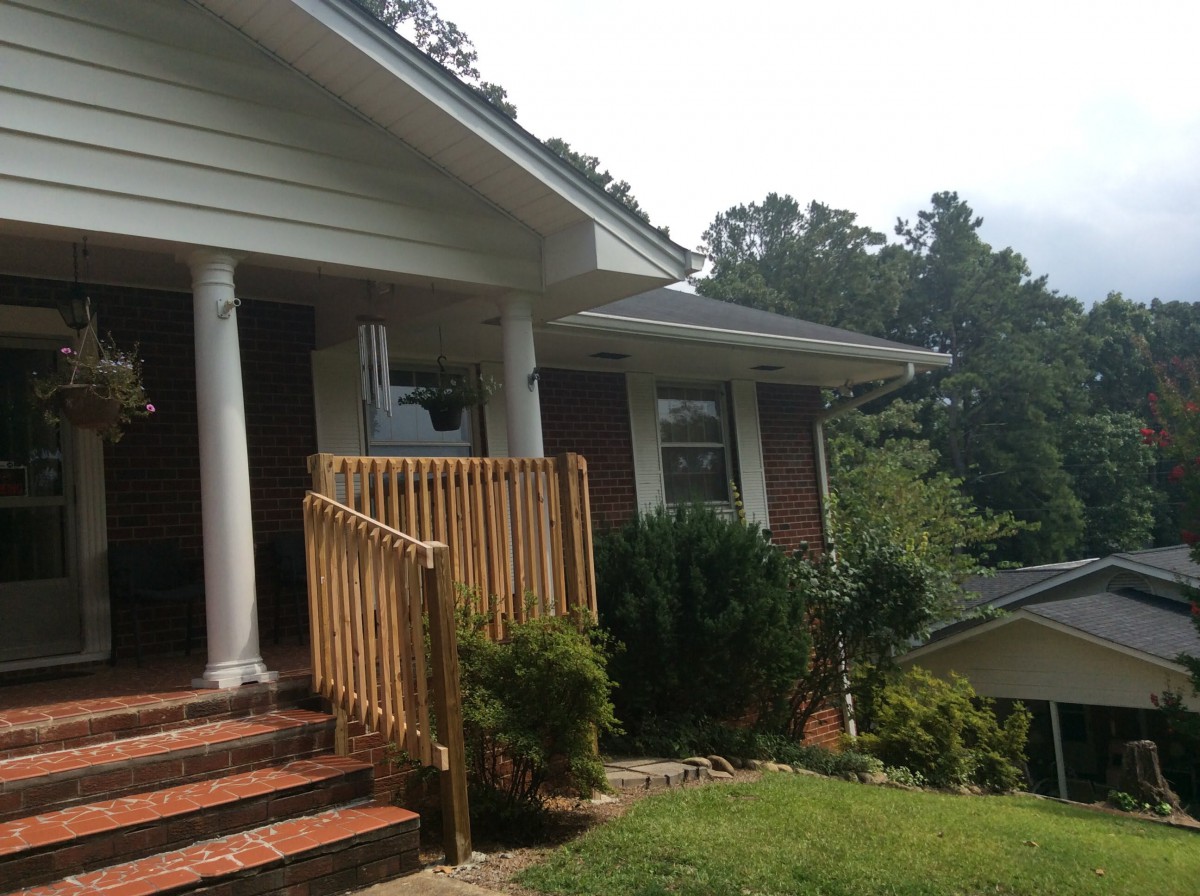
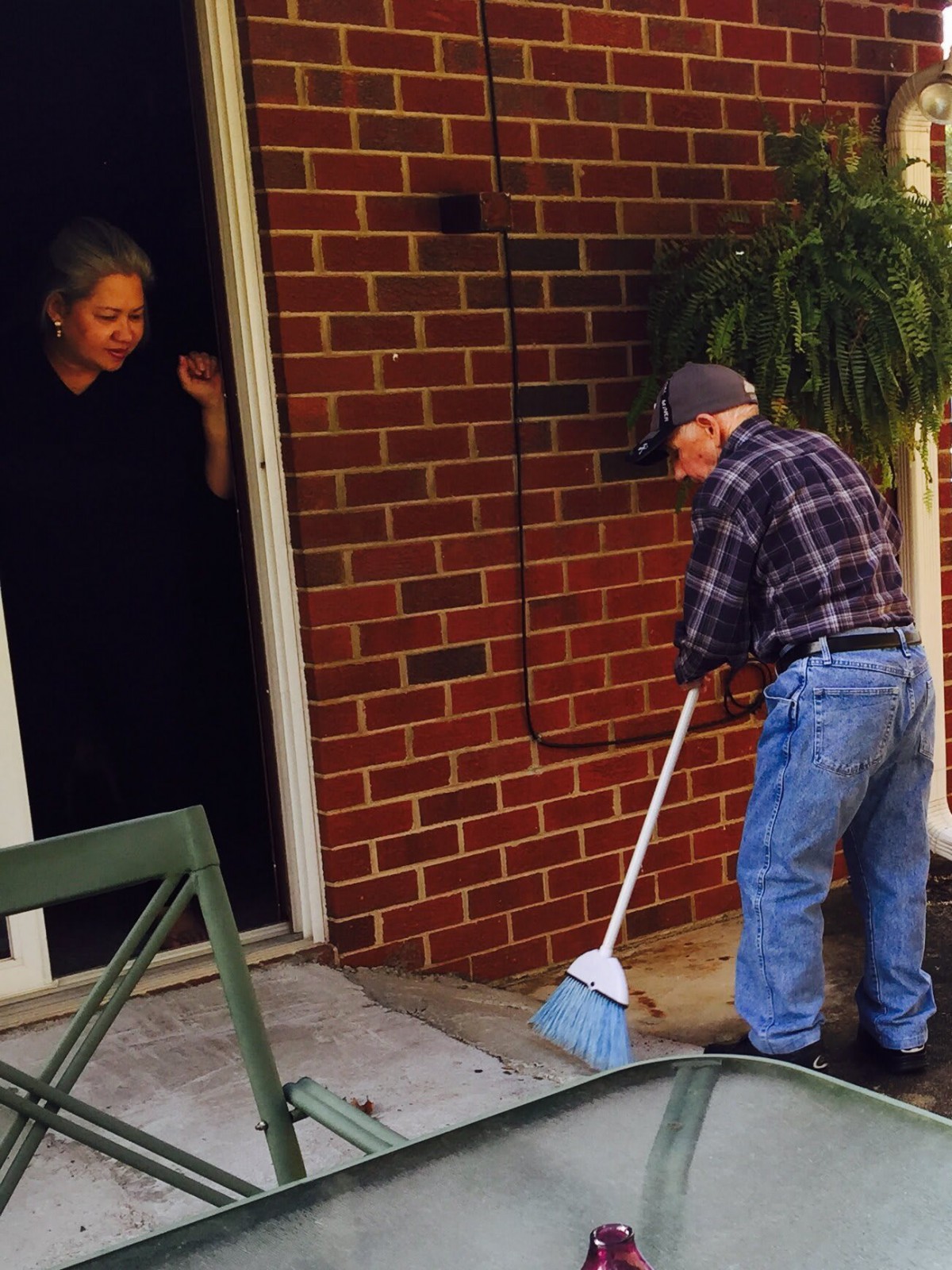
Memory Lane at Forest Plaza in Cleveland, TN is best suited for families seeking a warm, home-like memory-care setting where residents receive very hands-on, personalized attention. The reviews consistently highlight a smaller, intimately staffed environment in which caregivers live on-site and stay highly available. This arrangement translates into abundant one-on-one contact, easy access to staff when concerns arise, and a seamless, less institutional feel that many families find comforting during the transition to memory care.
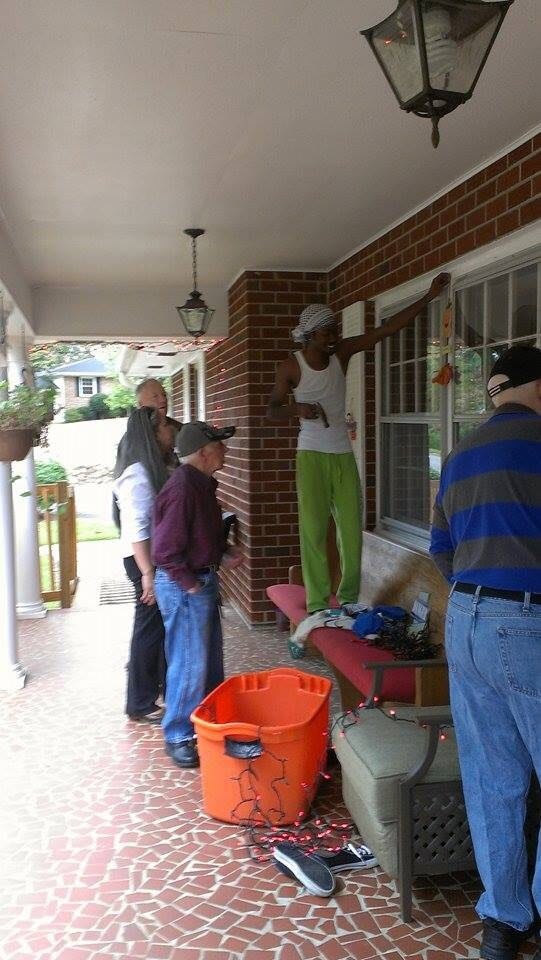
The standout strengths here are person-centered care and daily life that feels like home. Staff are repeatedly described as genuinely friendly, attentive, and engaged with each resident. The on-site presence of caregivers, living in the facility, means there is always someone nearby to assist, monitor, and interact. Families note a full slate of activities and outings, which helps residents stay engaged and social. Food receives particular praise, with many accounts of home-cooked meals that improve eating and enjoyment. The combination of personalized attention, meaningful interaction, and enjoyable meals creates a powerful sense of well-being for residents.
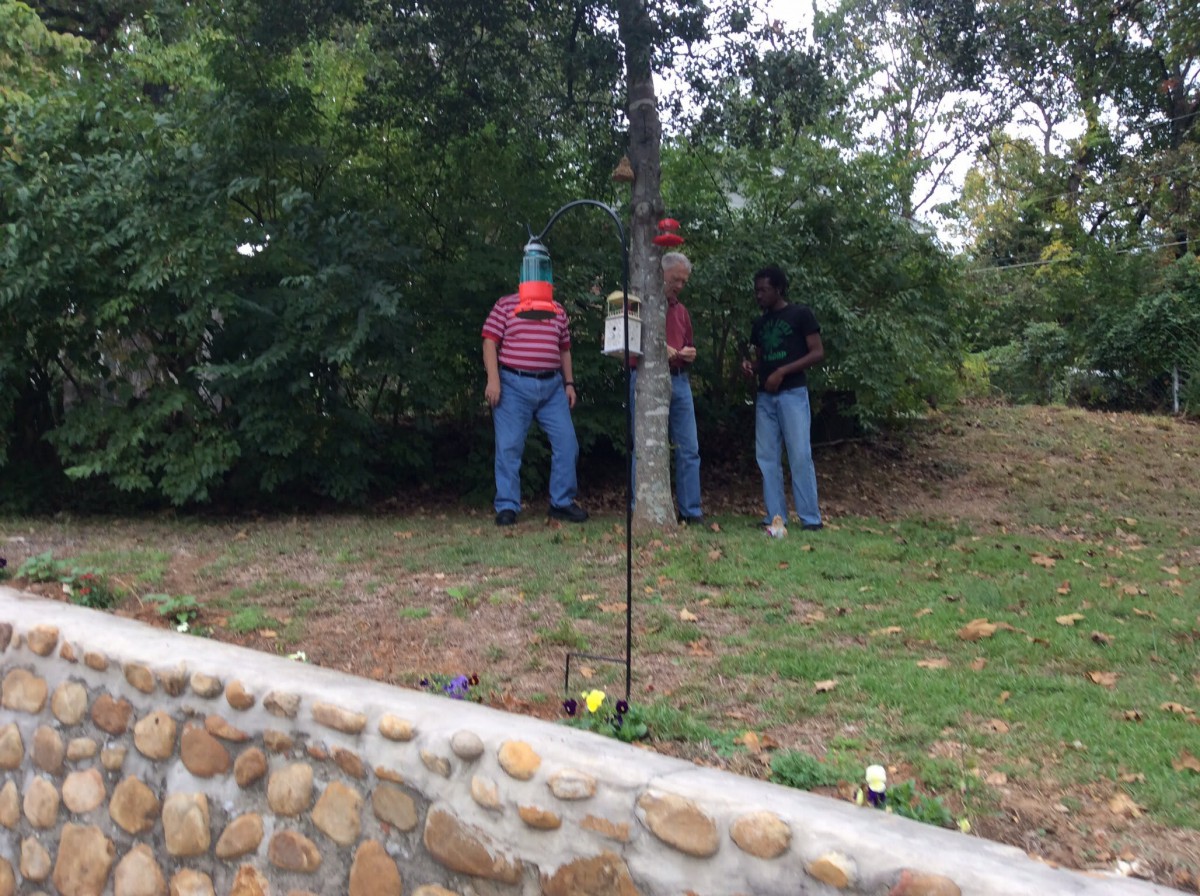
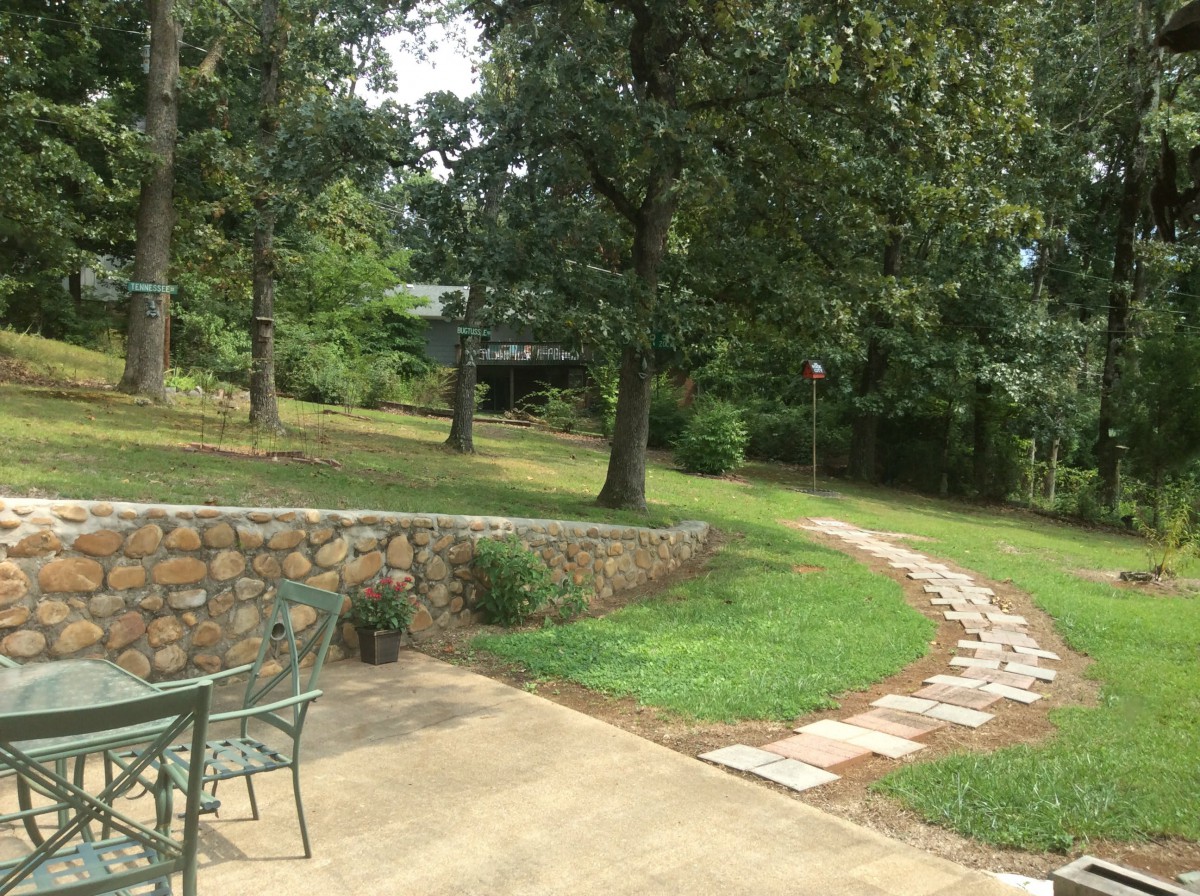
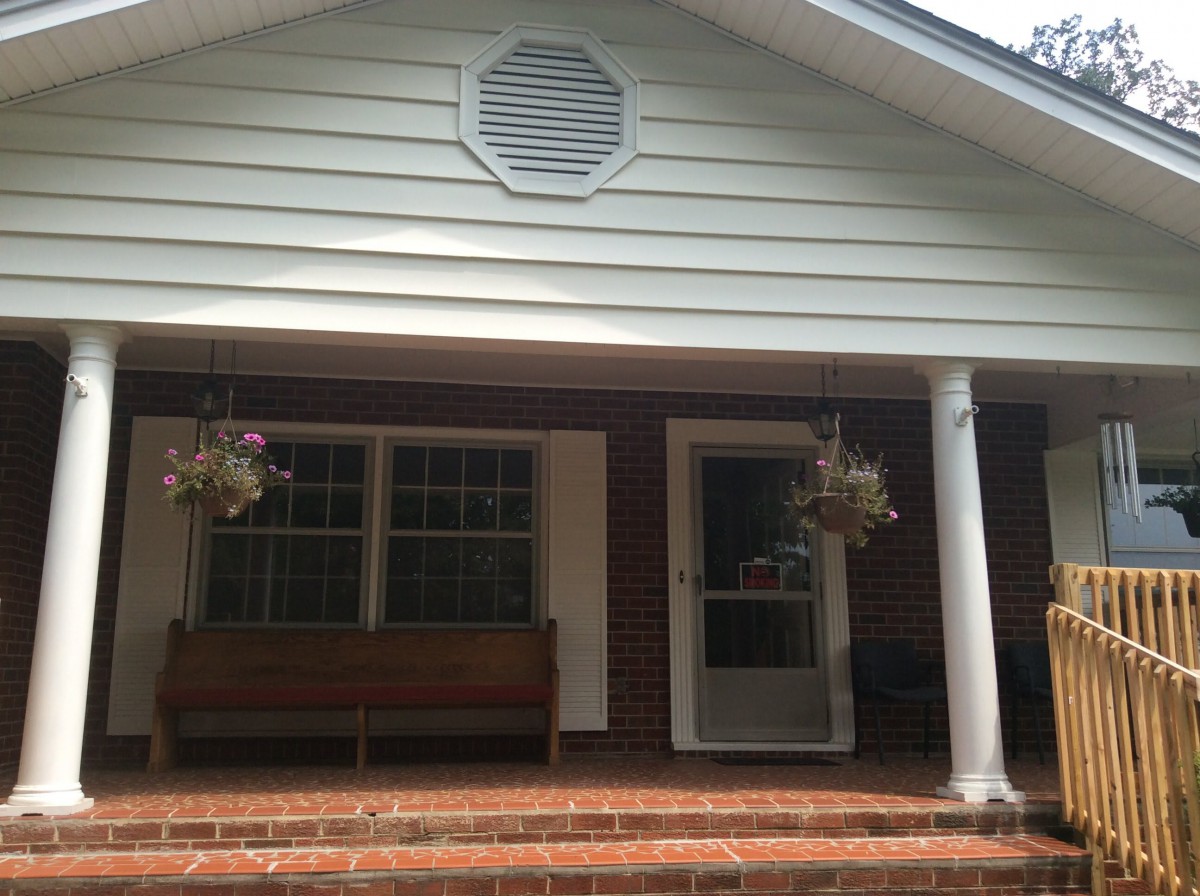
Another key advantage is the home-like setting that supports smooth adjustment for both residents and their families. Reviews emphasize how quickly residents settle, bond with staff and peers, and regain a sense of comfort and contentment. The ability to go outside when desired, the safe and clean environment, and the intimate size of the community all contribute to a feeling of security and control. In practice, families describe their loved ones as more relaxed and engaged, with caregivers forming a trusted, almost familial rapport, an outcome that validates the decision to prioritize this type of atmosphere.
From a decision-making perspective, it’s important to acknowledge who may want alternatives. Memory Lane’s model excels for those who prize a tight-knit, one-to-one care approach and a genuinely homelike daily routine. However, the same intimate footprint may not suit every situation. Families needing a broader menu of medical services, more extensive on-site therapy programs, or a large campus with a wider array of specialized equipment might find the offerings here comparatively modest. For residents with complex clinical needs or those who require highly structured, hospital-like programming, exploring larger communities could be prudent.
Despite these caveats, the pros substantially offset the potential drawbacks for the right resident. The constant on-site presence and the “real home” feeling diminish anxiety for families and deliver measurable peace of mind. The one-to-one, live-in caregiver model reduces the sense of detachment and helps maintain routines that support memory care. The social fabric, bonding with staff and neighbors, participating in activities, and enjoying dependable, tasty meals, appears to translate into better mood, appetite, and willingness to engage, which are core objectives in memory-care placement.
For families weighing Memory Lane against other options, the decisive question is whether a small, highly personale environment aligns with the resident’s needs and the family’s expectations for medical oversight and program breadth. If the priority is true home ambiance, highly available staff, and genuine personal connections, with clear evidence that residents thrive, Memory Lane is compelling. If instead the emphasis is on a larger campus with vast clinical resources or a wider spectrum of specialty services, it will be wise to compare alternatives. In any case, engaging directly with the care team, visiting with a critical eye on daily routines, and asking for a trial-by-day glimpse into caregiver-resident interactions will illuminate the fit. The bottom line: Memory Lane stands out for families seeking peace of mind through intimate, attentive, home-like memory care, while those needing more extensive medical infrastructure should scrutinize alternatives before committing.
 Board and Care Home
 Memory Care
 Activities off-site
 Bath tubs
 Beautician on-site
 Devotional services off-site
 Indoor common areas
 Outdoor common areas
 Private
 Respite or short term stays offered
 Lovell (23 miles away)
 Ambulatory care
 Diabetic care
 High acuity care
 Incontinence care
 Medication management
 Kosher
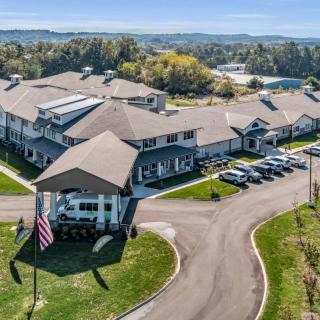
 When to Transition from Assisted Living to Memory Care: Key Indicators, Steps, and Finding the Right Community
 Understanding the Distinctions: Assisted Living and Memory Care Explained
 How to Communicate with a Loved One Living with Dementia: 10 Supportive Strategies