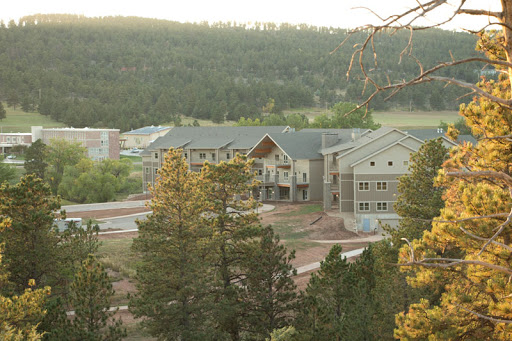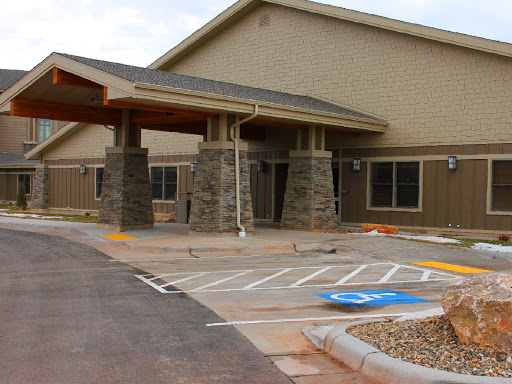

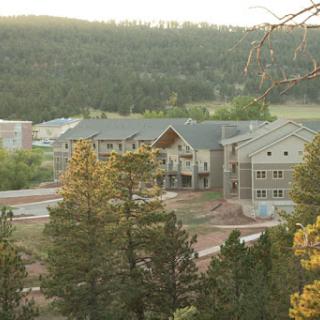
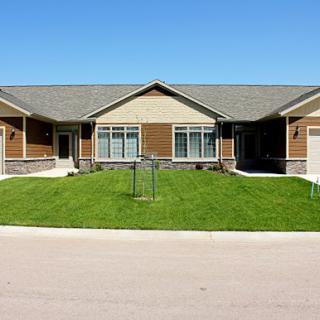

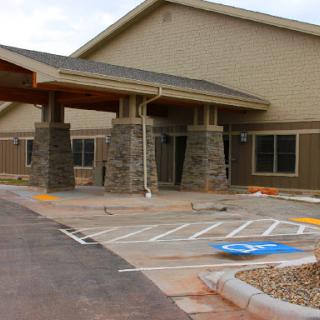

4825 Jericho Way, Rapid City, SD 57702
For more information about senior living options: (866) 208-4318
Overall Review of Good Samaritan Society - St Martin Village
Pros
 The experience at Good Samaritan Society - St Martin Village was positive.
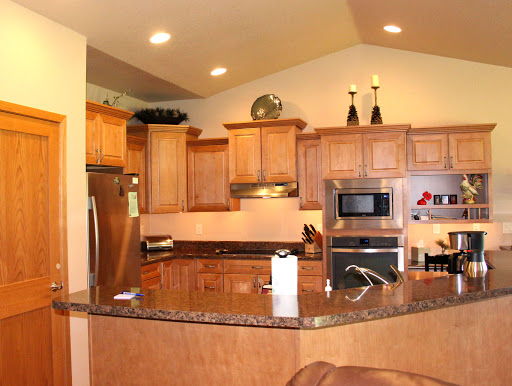
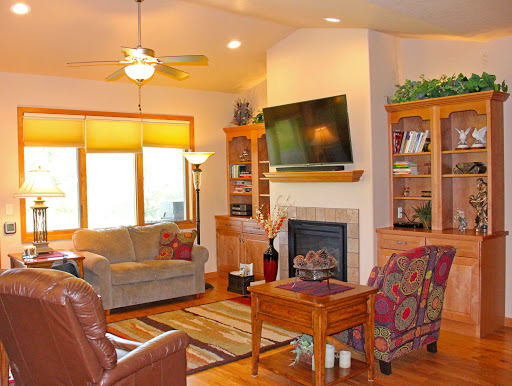
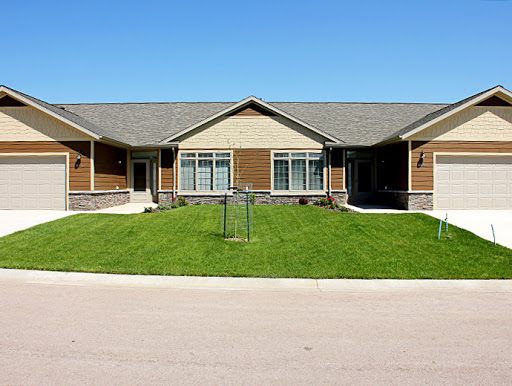
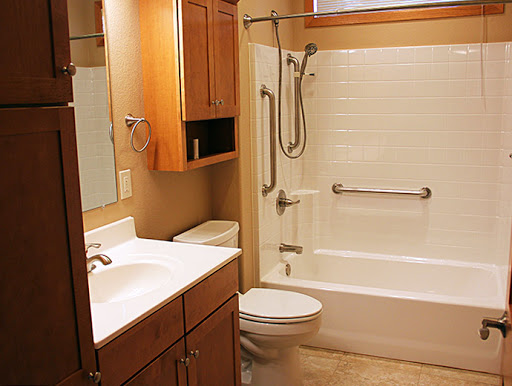
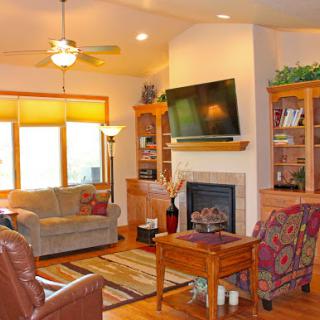
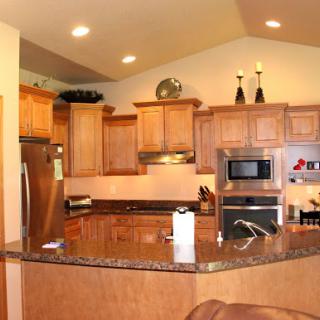
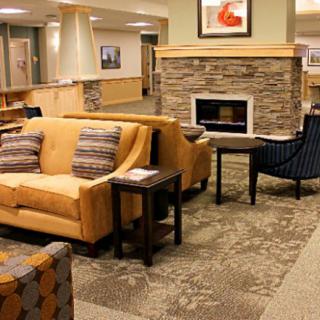
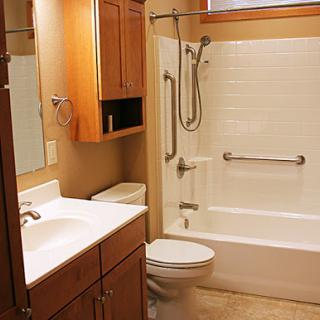
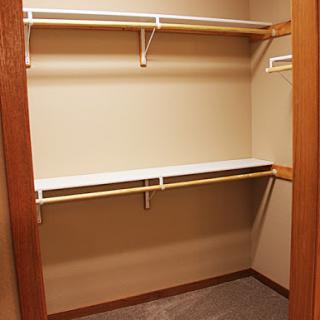
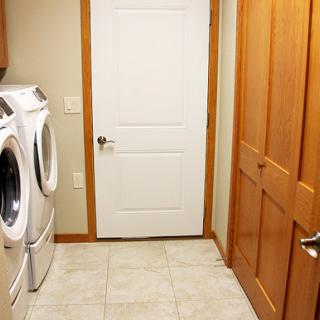
- The apartments looked very good.
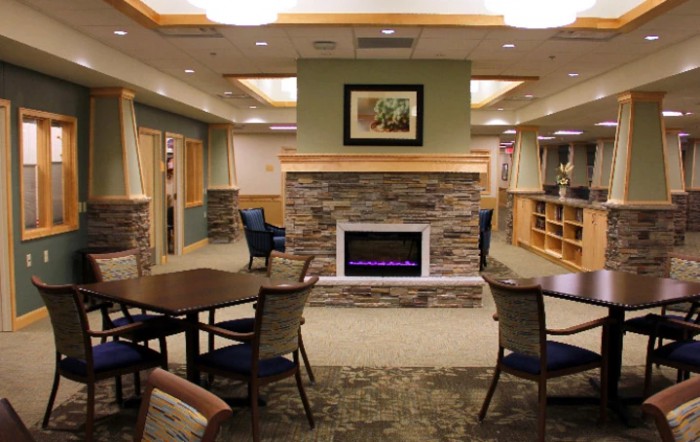
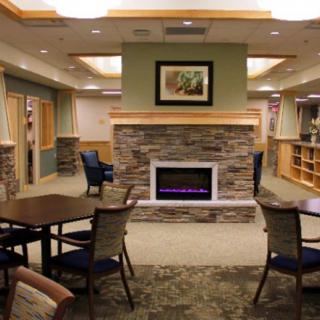
- The dining area looked lovely.
- The community offered exercises and other activities.
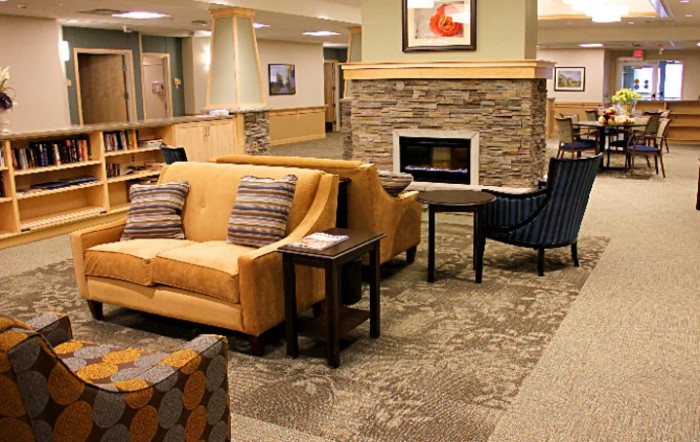
- It had a very attractive and inviting atmosphere.
- It was a wonderful community in every way, from the people to the atmosphere.
- The people encountered were friendly and knowledgeable.
- The community chosen for a loved one was closer to their neighborhood.
Cons
 Their meals could probably be better.
- It was expensive.
- It was just not practical for them.
Review
Good Samaritan Society - St Martin Village in Rapid City is best suited for seniors who prize a polished, social, and activity-rich living environment and who are prepared to invest in a high-quality, home-like setting. The apartments come across as attractive and well-appointed, and the dining area complements a calendar built around accessible exercises and engaging activities. The atmosphere is described as inviting, with staff characterized as friendly and knowledgeable. For residents who want routine social engagement, a comfortable, well-managed home base, and a sense of community, this village delivers a compelling, go-to option.
Those on tighter budgets or seeking the most cost-efficient choice may want to consider alternatives. The reviews repeatedly flag price as a major hurdle, noting the community is expensive and not always practical for families balancing fixed incomes. For households where every dollar must stretch further, other options may offer more affordable housing and simpler financial commitments. Additionally, for people who expect three meals a day or who prioritize a broader dining program, St Martin Village’s two-meal model could feel limiting. A preference for a larger or more balanced gender mix, or a location that’s even closer to family or neighborhoods, may push decision-makers toward closer or more cost-conscious communities.
On balance, the strongest positives center on housing quality and social life. The apartments and dining area are consistently described as appealing, and the overall environment supports ongoing engagement through organized activities and a robust social calendar. Those elements create real value: a reliable routine, opportunities to connect with peers, and the reassurance that staff are attentive and capable. Those benefits do not evaporate because of cost; they provide a quality-of-life offset that appeals to families prioritizing atmosphere and community cohesion over bare-bones affordability.
However, the price remains the most consequential hurdle. Affordability concerns temper the enthusiasm, especially when weighed against the option set that emphasizes lower cost or broader dining flexibility. The two-meal-per-day approach, while potentially budgeting-friendly, also signals less culinary variety and fewer daily dining occasions, which can disappoint appetite-driven residents or those accustomed to three meals and a wider menu. In short, the dining model complements the upscale ambience in some ways but does not fully compensate for the financial strain or for those who expect richer meal options.
The practical takeaway for decision-makers centers on alignment of priorities. If the priority is a refined, engaging environment with a built-in social engine and proximity to a neighborhood feel, St Martin Village stands up well and warrants serious consideration, provided the budget matches the premium. If cost containment, robust dining variety, or a larger, more diverse resident mix are non-negotiables, it makes sense to survey alternatives that balance price with programming and proximity. The community’s strengths, ambiance, activity options, and responsive staff, are compelling, but they must be weighed against the financial and dining expectations that drive each family’s choice.
Bottom line: St Martin Village delivers a polished, activity-forward lifestyle with attentive staff and an inviting setting, making it a solid pick for seniors who value ambiance and a strong social rhythm and can justify the premium. It is not the right fit for those prioritizing cost savings, extensive dining variety, or closer proximity to home. For families navigating budget constraints or a stricter dining plan, exploring alternatives that harmonize price, meal structure, and location will usually yield a more practical fit. Where affordability aligns with these preferences, the community represents a compelling, well-executed option that delivers genuine quality of life and community connection.
 30 resident community capacity
 Board and Care Home
 Continuing Care Retirement Community (CCRC)
 Memory Care
 Skilled Nursing Facility
 Beauty salon
 Cable or satellite TV
 Dining room
 Fully furnished
 Garden
 Housekeeping services
 Kitchenette
 Move-in coordination
 Outdoor space
 Restaurant-style dining
 Small library
 Telephone
 Wi-Fi/high-speed internet available
 Rapid City Regional (13 miles away)
 24-hour call system
 Activities of daily living assistance
 Assistance with bathing
 Assistance with dressing
 Assistance with transfers
 Diabetes diet
 Medication management
 Mental wellness program
 Special dietary restrictions





 Five Subtle Dementia Indicators to Observe: An In-Depth Guide to Understanding “Does My Mom Have Dementia?”
 Dementia, Paranoia, and Caregiver Guidance: Understanding the Connection
 Engaging Memory Care Activities That Enhance Quality of Life