


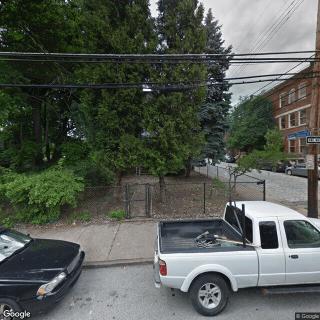
2465 Sunset Ave, Pittsburgh, PA 15212
To contact a resident: (412) 323-8040
For more information about senior living options: (866) 208-4318
Overall Review of Personal Care Home
Pros
 Mrs Norton’s services are outstanding, kind, and considerate, offering individualized care.
- The care provided by Mrs Norton and her staff is outstanding.
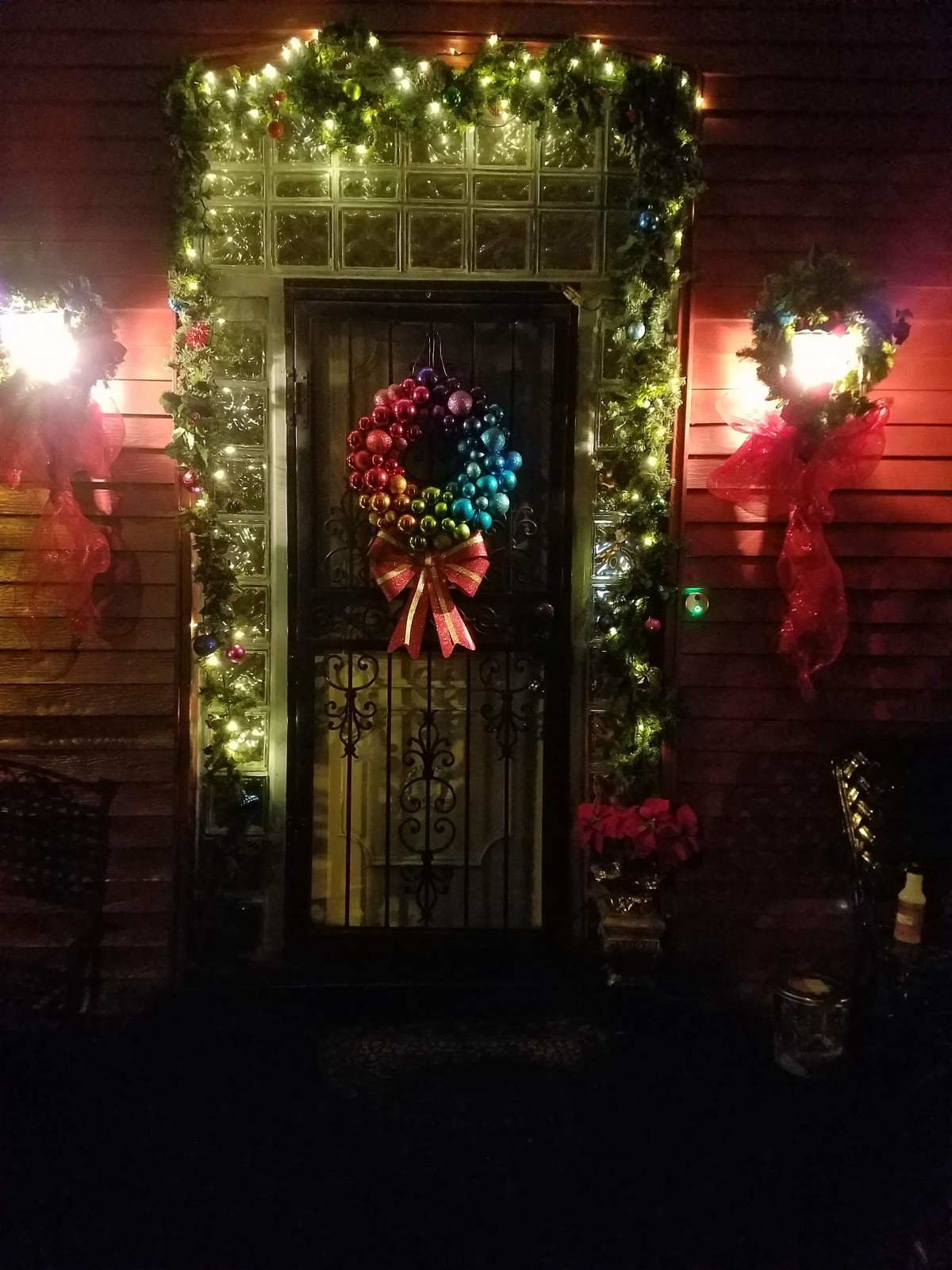
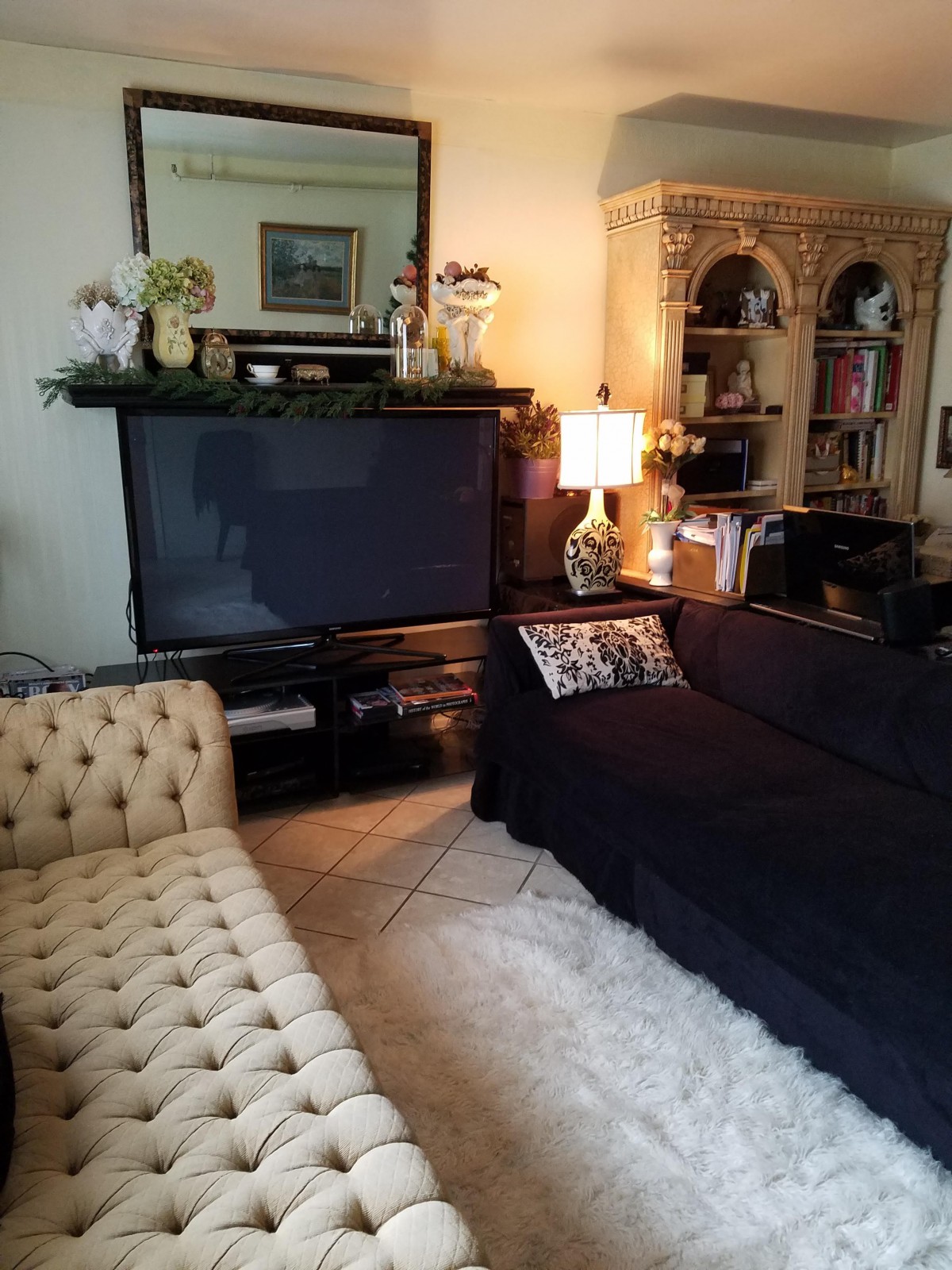
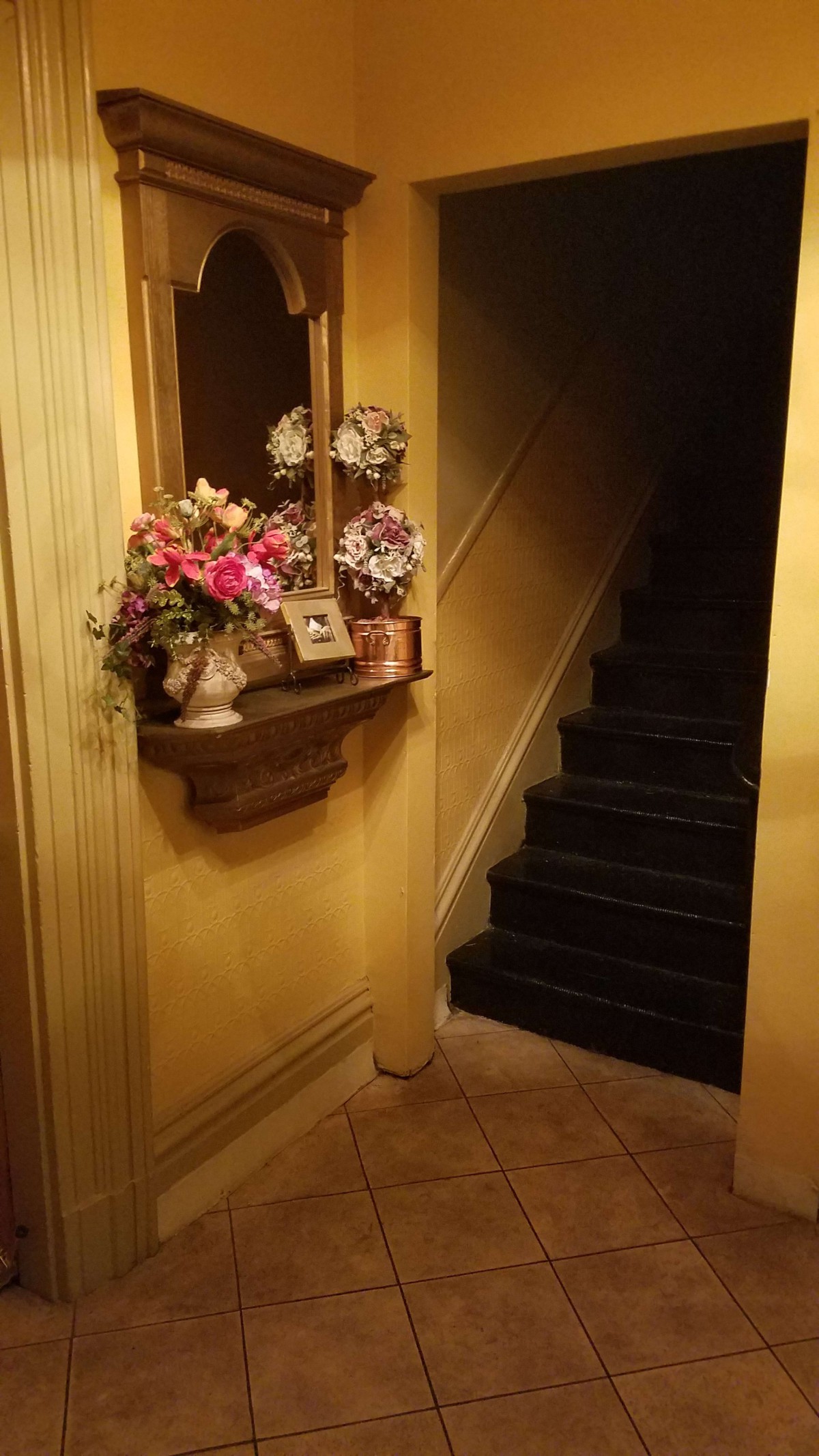
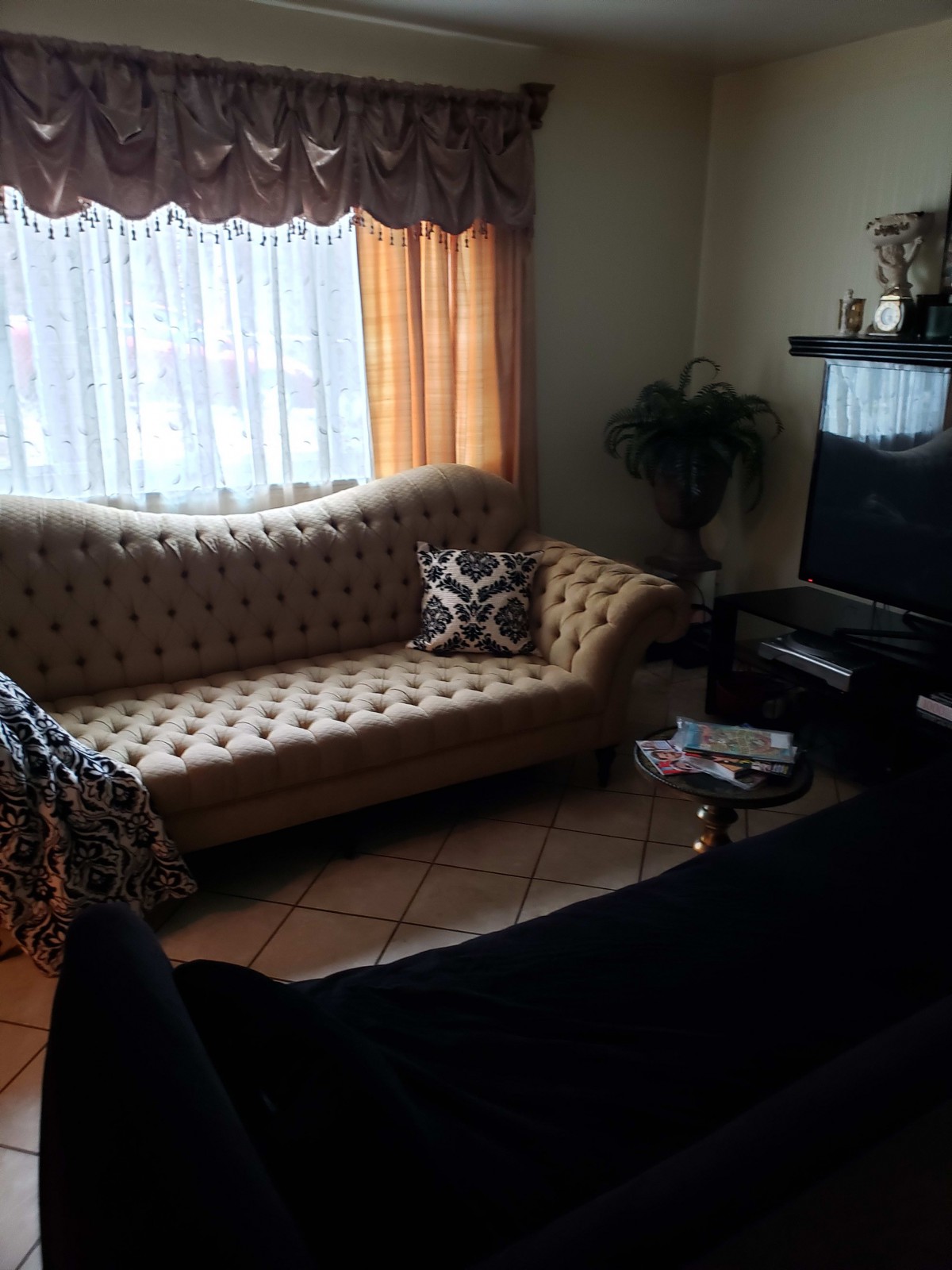
- Horton's Personal Care Home is a caring and compassionate home with a family-style environment and healthy meals.
- The resident's health has improved tremendously under Horton's care.
- Mrs Horton is a pleasure to work with and provides outstanding care in a clean, safe environment.
- Horton's Personal Care Home is highly recommended for its concern for clients and focus on healthy living.
- The proprietor is a nurse with 35 years of experience, and she and her family and staff are trained, certified, and bonded to care for up to eight patients in a cozy residential home.
- The care team is described as professional, caring, and patient.
Cons
 None found — the reviews are all positive.
Review
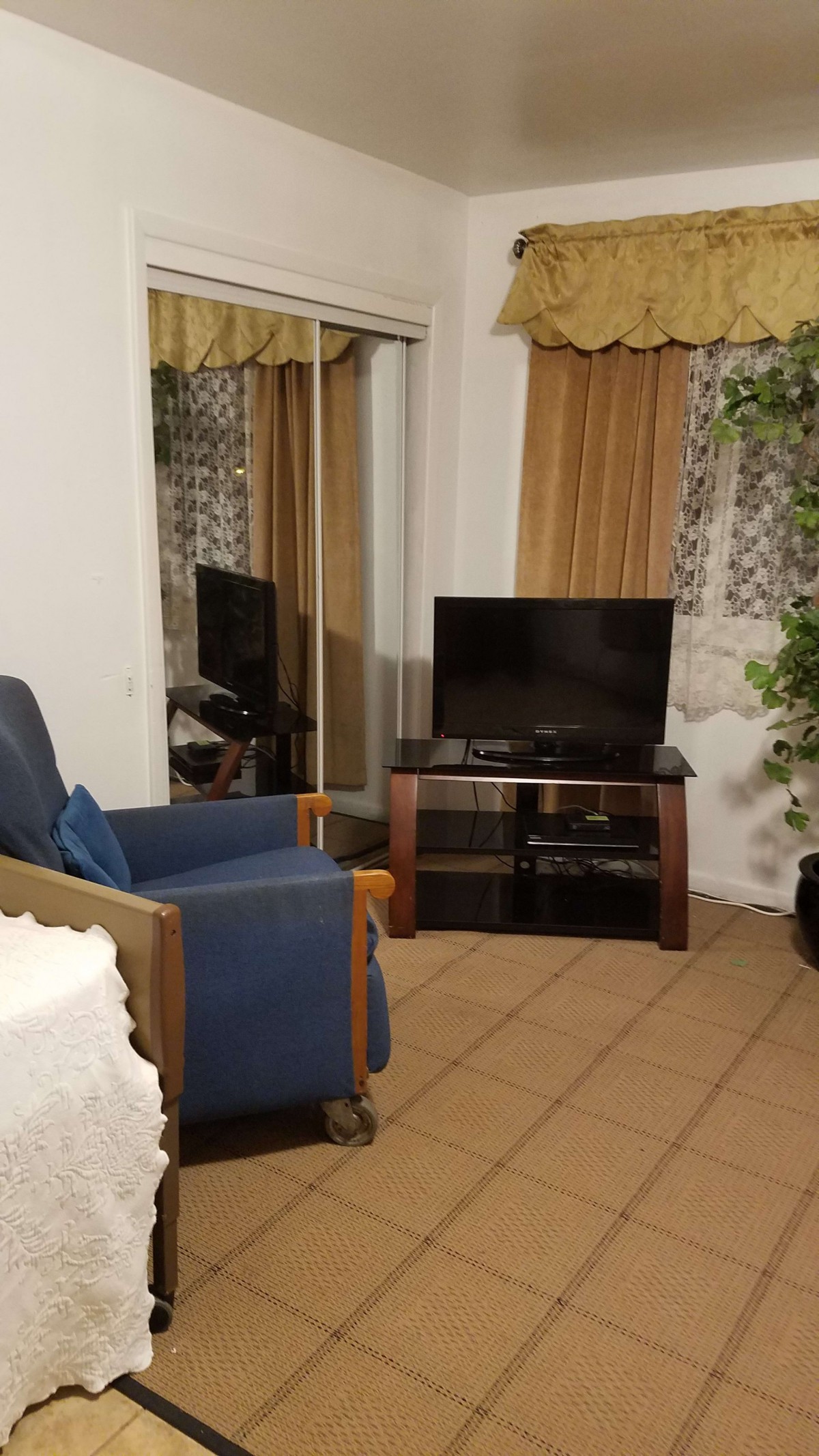
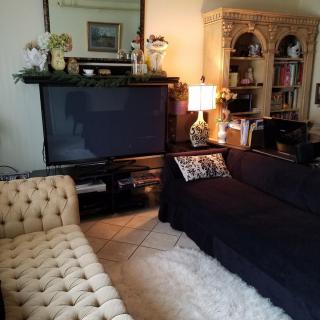
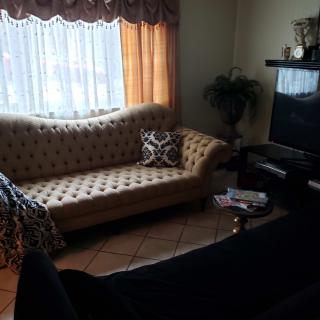
This community is best suited for older adults who need hands-on, compassionate supervision in a small, home-like setting. Hortons Personal Care Home in Pittsburgh operates as a cozy eight-resident residence led by a nurse-practitioner-owner, with trained and bonded staff who deliver highly individualized care. The emphasis is on warmth, nutrition, and practical support that feels like family care, not institutional medicine. Families repeatedly note marked improvements in health and well-being when a loved one transitions here, particularly after a disabling stroke. The setting itself, clean, safe, and comfortably intimate, creates the kind of daily rhythm that supports recovery and stability without the clinical distance of larger facilities.
Care needs focused on substantial personal attention. This is where Hortons shines: outstanding, compassionate care, with a strong emphasis on individualized plans and attentive staff responsiveness. The proprietor’s nursing background, more than three decades of experience, translates into on-site medical judgment and a proactive approach to health, meals, and daily routines. Reviews repeatedly call out the caring nature of the team, the clean and safe environment, and the strength of the house’s nutrition-focused meal plan. That combination often translates into tangible gains for residents recovering from illness or managing ongoing disabilities, delivered in a setting that feels quieter and easier to navigate than typical assisted living campuses.
Pros and the main advantages are especially powerful for people who prioritize personal connection and straightforward medical oversight over a broad catalog of on-site services. The small home model fosters closer relationships with staff and fellow residents, enabling quicker problem-solving and more consistent communication with family members. The nurse-led leadership provides reassurance that medical concerns, ranging from medications to rehabilitation exercises, will be addressed with competence and immediacy. Families also value the health-forward meal program and the emphasis on healthy living for elders and those with disabilities, which supports daily energy, recovery, and long-term vitality in a non-institutional atmosphere.
Yet there are clear boundaries to what Hortons can offer relative to larger or more medically intensive communities. The eight-bed capacity means limited availability and a naturally smaller pool of programming or social opportunities compared with bigger assisted living campuses. For residents with complex medical needs requiring round-the-clock skilled nursing, or for those who require specialized memory care with structured dementia programs, alternatives that provide broader clinical resources will be more appropriate. These constraints are not hidden in the narrative here; they simply reflect the trade-off for the intimate, home-like environment and direct-access medical oversight that comes with a small, proprietor-led home.
In practical terms, this means Hortons is a strong match for families seeking a bridge between home and a higher-acuity facility. It excels for residents who need supervision, assistance with daily activities, rehab-oriented support after hospitalization or stroke, and a stable routine delivered with genuine warmth. The care plan is personalized, meals are nutritious, and the living atmosphere supports a sense of peace and safety that is often hard to sustain in larger settings. The trade-off is a more limited menu of activities and services, plus the reality that a move to a bigger community may eventually be needed if medical complexity advances.
The decisive recommendation is clear: Hortons Personal Care Home is a compelling choice for seniors who value individualized, nurse-guided attention in a small, family-style environment, especially for post-stroke recovery, ongoing supervision, and respite care where the human touch matters most. Those who require extensive 24/7 skilled nursing, highly specialized memory care, or a wider range of on-site professional services should consider larger facilities or dedicated memory-care communities. For families weighing options, a visit to the home to observe care routines, meet the proprietor, and discuss specific health needs will illuminate how the strengths here align with the resident’s goals.
 Board and Care Home
 Day Program
 Memory Care
 Bath tubs
 Cable or satellite TV
 Computer center
 Garden
 Housekeeping services
 Indoor common areas
 Laundry
 Outdoor common areas
 Resident parking
 Respite or short term stays offered
 VA Benefits Consultation
 Wi-Fi/high-speed internet available
 Pittsburgh International (12 miles away)
 Transportation & parking
 Ambulatory care
 Assistance with bathing
 Diabetic care
 Incontinence care
 Meal preparation and service
 Medication management
 Walking wheelchair assistance
 BBQs or picnics
 Birthday parties
 Fitness programs
 Games
Games English





 Dementia, Paranoia, and Caregiver Guidance: Understanding the Connection
 Engaging Memory Care Activities That Enhance Quality of Life
 When to Transition from Assisted Living to Memory Care: Key Indicators, Steps, and Finding the Right Community