
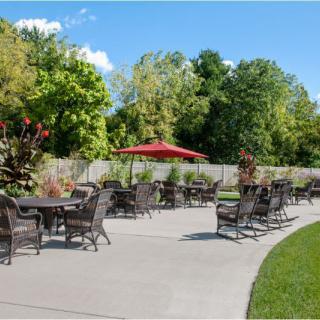
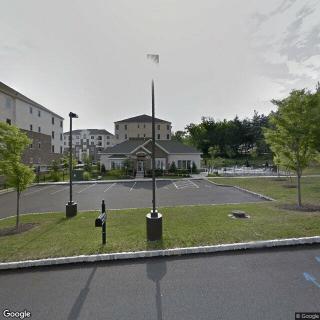
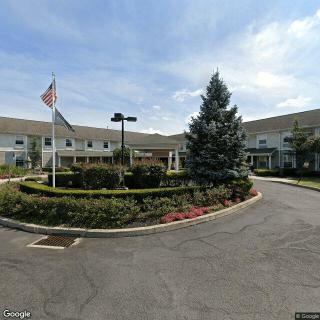
1424 Dreshertown Road, Dresher, PA 19025
For more information about senior living options: (866) 208-4318
Overall Review of Woodland Creek Memory Care
Pros
 The overall tour experience was good.
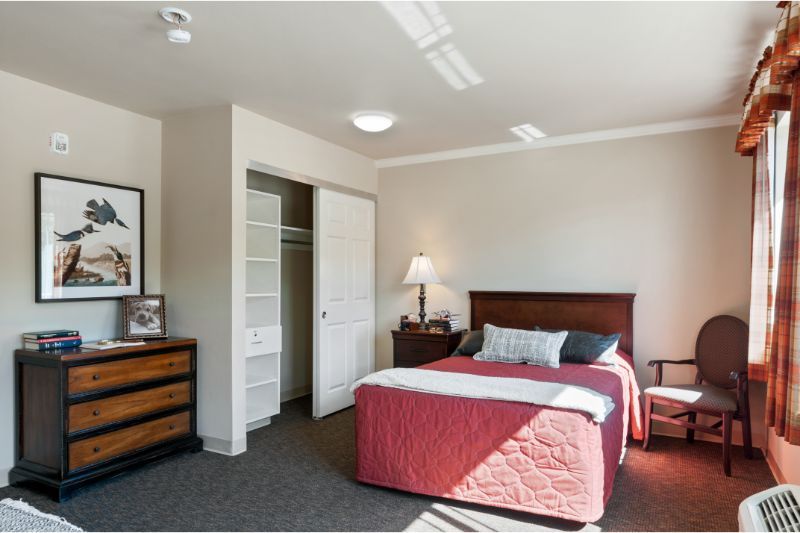
- The bedrooms include motion-detection technology for monitoring movement at night, which was appreciated.
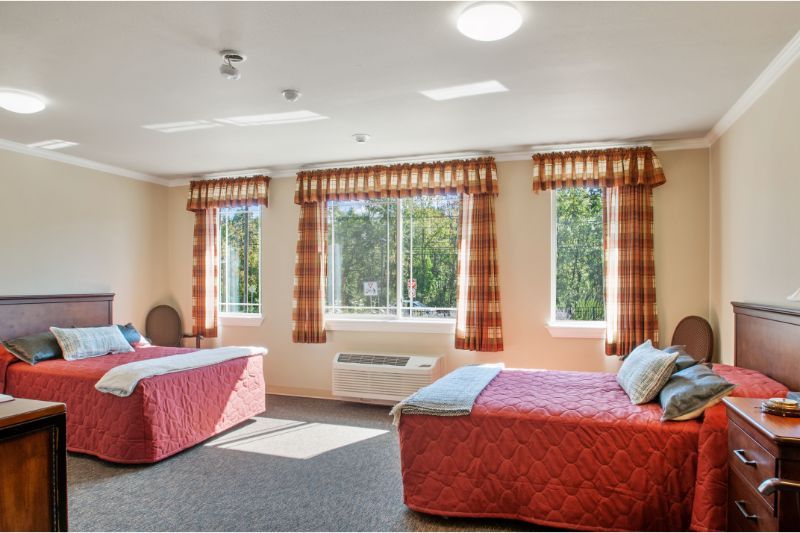
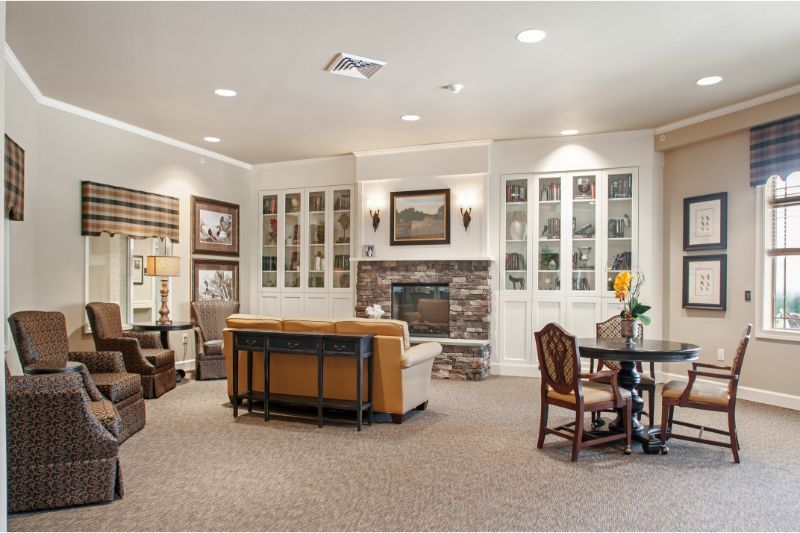
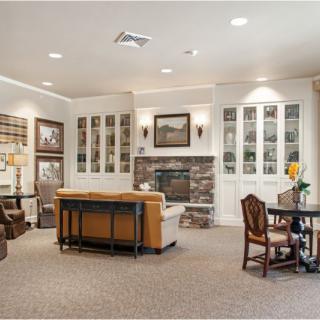
- The space felt welcoming and home-like.
- The tour guide was very good and provided thorough information.
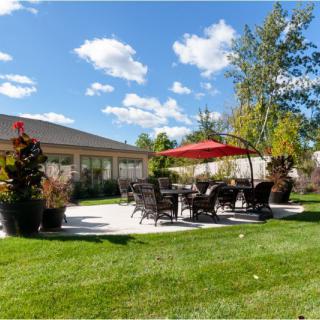
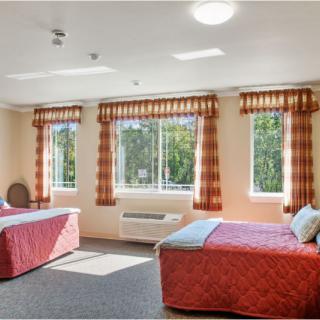
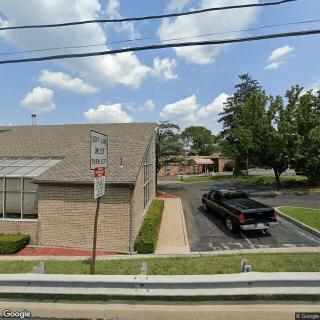
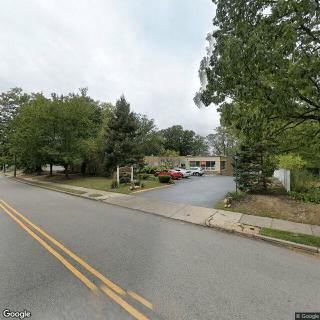
- The facility is beautiful and well-appointed, with spacious memory care rooms.
- The safety features, such as pull cords and fall sensors, contribute to resident safety.
- The aides-to-residents ratio is favorable and the staff are caring.
- The staff has been outstanding.
Cons
 The reviewer was not impressed with the communication.
- The staff did not appear to have enough training in memory care.
- The facility had not been there as long as some other places.
- The staff did not know how to assist a dementia patient with showering.
- Providing showers twice a week was not acceptable for a senior citizen who may wet themselves daily.
- The care was not 24 hours and there was no one-on-one assistance.
- The reviewers decided not to proceed with Woodland Creek.
Review
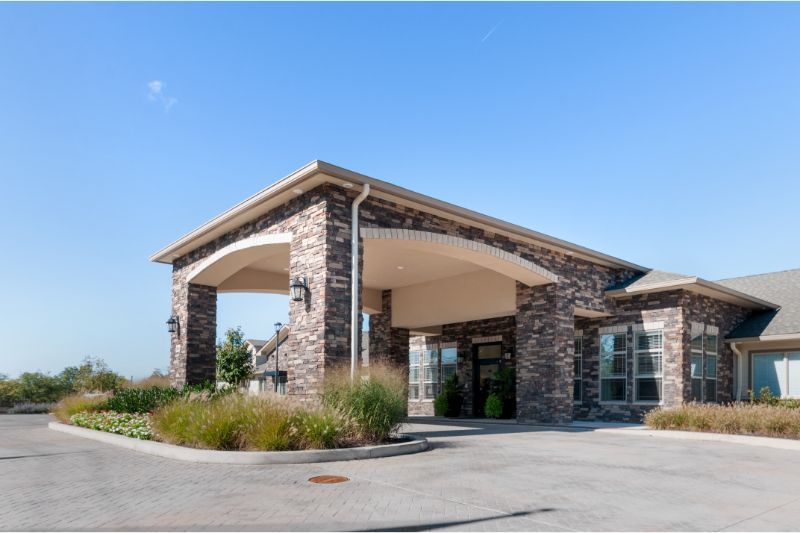
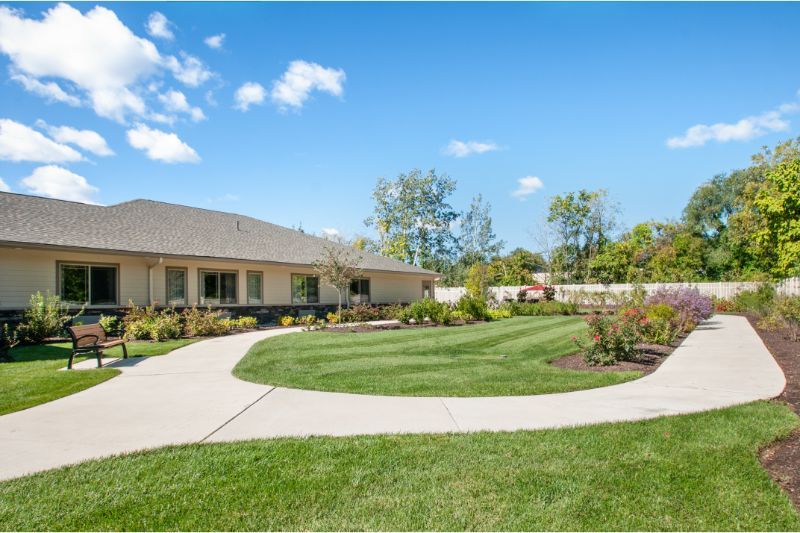
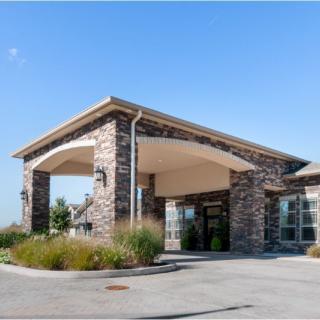
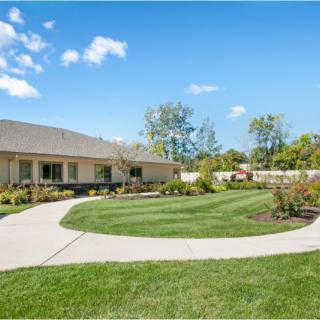
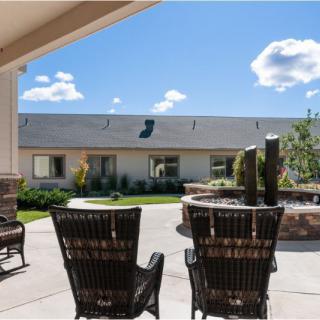
Woodland Creek Memory Care in Dresher, PA is best suited for families seeking a modern, single‑story memory‑care environment where safety, accessibility, and a home‑like vibe take priority. The community is especially well‑suited for residents who need memory‑specific programming in a calm, compact setting that is easy to navigate for wheelchair users and walkers. It appeals to families who value a contemporary, well‑maintained atmosphere with bright dining areas, clean common spaces, and a design that feels both welcoming and secure. Those who want robust, on‑site health and support services, without layering in a broader continuum of care, will likely feel confident here. It is not the ideal fit for those whose priority is intense, round‑the‑clock personal assistance with every daily task.
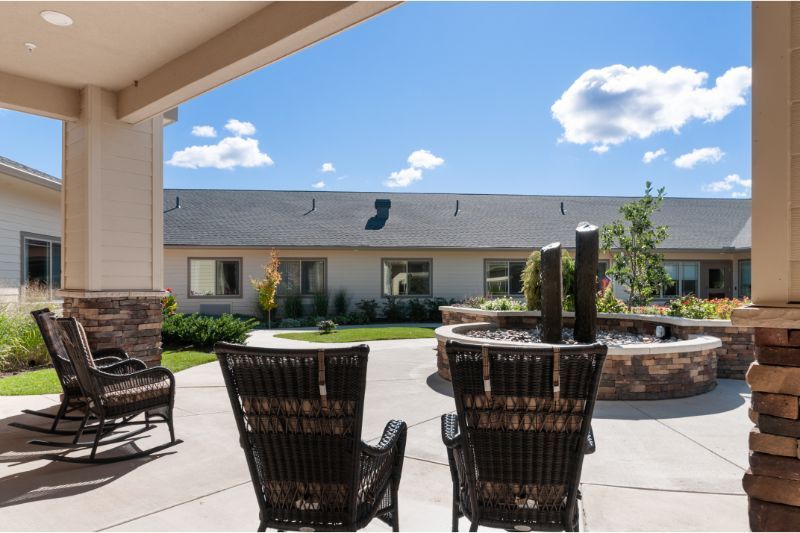
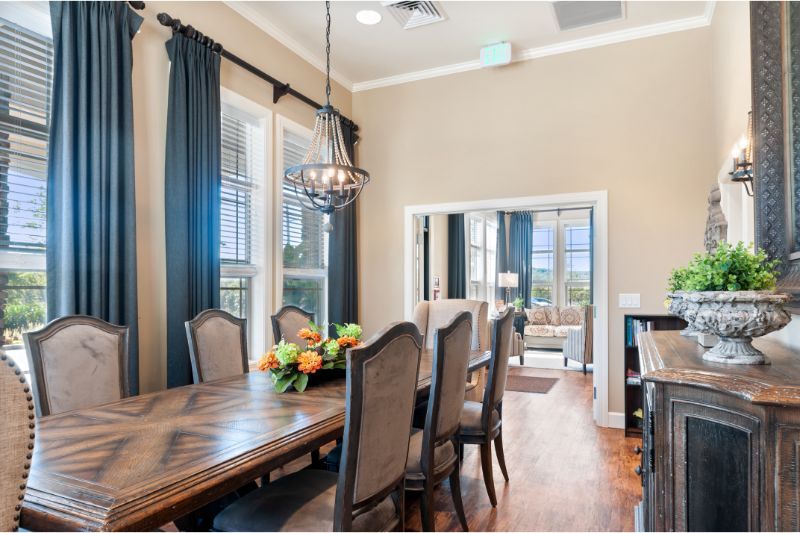
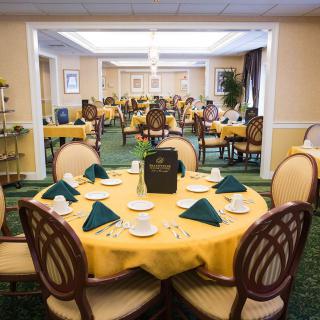
The strongest positives center on safety, space, and care tone. The one‑floor design reduces wandering risk, and memory‑care rooms are notably spacious to accommodate adaptive equipment. Safety features are plentiful: pull cords, motion sensors, and front‑desk alerts keyed to incidents like falls, plus automatic lights in bathrooms that help visibility. The environment generally reads as warm and home‑like, with a bright, inviting dining area and a calm rhythm that many families associate with a dignified memory‑care setting. In addition, on‑site amenities, such as a comprehensive activity repertoire, a dedicated room for sensory engagement, and a dining program that residents appear to enjoy, support meaningful daily engagement. The caregiving staff, at least in part, earns high marks for attentiveness and compassion, and the tour experience itself is noted as strong.
Yet, the reality is more nuanced on the staffing and daily‑care front. Several reviews flag uneven training in memory‑care specifics, raising questions about how consistently staff can guide a resident through routine activities, certainly shower routines and getting up safely when confusion arises. A recurring concern is that daily, hands‑on assistance may not be as intensive as some families expect for advanced memory impairment, with references to limited shower frequency and reliance on motion lighting rather than guaranteed staff support. The community operates without 24‑hour one‑on‑one care, and the financial commitment is substantial, including a sizeable deposit and monthly costs that approach or exceed seven thousand dollars. For families balancing budget with care intensity, these factors become pivotal points of comparison.
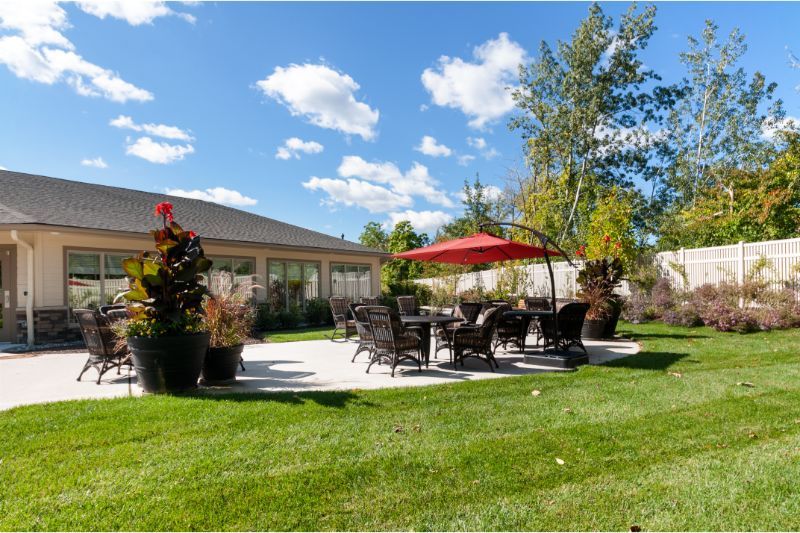
Nevertheless, the favorable elements can meaningfully offset these limitations for the right match. The combination of modern, well‑maintained facilities and strong safety infrastructure reduces certain caregiving stresses by creating a secure framework within which staff can operate. The on‑site health professionals, ranging from routine medical oversight to specialty visits by podiatrists, vision specialists, and dental care, minimize the need for frequent external appointments, a clear convenience for families seeking fewer logistics. Transportation services support independence for social outings and medical appointments, while structured programming and the sensory spa room offer options to calm or stimulate residents according to their needs. In short, Woodland Creek delivers on the core expectations of a memory‑care setting: safety, comfort, and a sense of everyday normalcy within a professional care environment.
Those who should seriously consider alternatives are families prioritizing unwavering daily hands‑on support and transparent, all‑in staffing commitments. If 24/7 personal attention, especially for routine activities like bathing, dressing, or early‑morning assistance, remains non‑negotiable, it may be prudent to explore communities with higher staff‑to‑resident ratios or explicit, published care plans that guarantee daily reinforcement of daily living tasks. Cost sensitivity is another critical lens: the upfront deposit and ongoing monthly rate can be a deal breaker if the perceived care value does not clearly align with those expenses. In such cases, evaluating other memory‑care providers or nearby communities that emphasize higher intensive care, clearer daily routines, or more predictable service levels is advised.
In the end, Woodland Creek Memory Care stands out as a compelling option for families seeking a modern, safety‑forward memory‑care environment that feels like a genuine home. It excels in design, safety features, and on‑site convenience, with a caregiving tone that can be very caring. The decision hinges on aligning expectations with reality: the facility delivers substantial peace of mind in structure and atmosphere, but it requires acceptance of potential gaps in 24/7 hands‑on care and a higher price point. Prospective families should request a candid discussion about daily routines, shower and personal‑care protocols, staff coverage after hours, and a transparent, detailed view of the day‑in‑the‑life schedule. A careful, visit‑driven due diligence will reveal whether Woodland Creek’s strengths match the resident’s needs and the family’s budget.
 1-bedroom apartments
 Memory Care
 Skilled Nursing Facility
 Beautician on-site
 Cable or satellite TV
 Cafe
Cafe Computer center
 Dining room
 Financing advice
 Fully furnished
 Garden
 Guest parking
 Housekeeping services
 Kitchenette
 Located close to restaurants
 Located close to shopping centers
 Move-in coordination
 Outdoor space
 Party space
 Respite or short term stays offered
 Security gate
 Spa
Spa Telephone
 Wi-Fi/high-speed internet available
 Philadelphia International (19 miles away)
 24-hour call system
 Activities of daily living assistance
 Assistance with bathing
 Assistance with dressing
 Assistance with transfers
 Companion care
 Diabetes diet
 Meal preparation and service
 Medication management
 Mental wellness program
 Special dietary restrictions
 Transportation arrangement (medical)
 Transportation to doctors appointments
 Arts and crafts
 Book club
 Cooking club
 Educational speakers / life long learning
 Fitness programs
 Games
Games Live musical performances
 Religious services
 Wii bowling


 Delving into the Inner World of Dementia: Insights into Thoughts and Awareness
 Five Subtle Dementia Indicators to Observe: An In-Depth Guide to Understanding “Does My Mom Have Dementia?”
 Dementia, Paranoia, and Caregiver Guidance: Understanding the Connection