For more information about senior living options: (866) 208-4318
2.7 from 114 reviews
5 stars
38
4 stars
10
3 stars
6
2 stars
4
1 stars
56
Golden LivingCenter - West Shore Costs & Pricing
Golden LivingCenter - West Shore presents a distinct pricing structure for its services compared to the regional and state averages. For semi-private rooms, the cost is $5,175 per month, significantly higher than both York County's average of $3,483 and Pennsylvania's state average of $3,542. Similarly, in private room accommodations, Golden LivingCenter charges $5,434 monthly, which exceeds York County's average of $4,937 and Pennsylvania's statewide figure of $4,890. These costs reflect the facility's commitment to providing quality care and amenities that may justify the higher prices when compared to local norms.
Floor plans
Golden LivingCenter - West Shore
York County
Pennsylvania
Semi-Private
$5,175
$3,483
$3,542
Private
$5,434
$4,937
$4,890
Skilled Nursing Facilities with a similar price nearby
Overall Review of Golden LivingCenter - West Shore
caveat2 reviews mention this
Care quality draws sharp split
Residents and families describe widely inconsistent daily care and follow-through.
Several residents and families report neglect-related problems such as missed needs, poor assistance, and concerns about medical or wound management. Others include accounts of attentive, responsive care, including help with therapy and everyday support. Because the experiences vary so much across reviews, the care process is a major consideration for families evaluating fit.
caveat2 reviews mention this
Cleanliness and odors are criticized
Many reviews mention cleanliness issues and unpleasant odors in the building.
A recurring concern is the facility smelling of urine and being dirty, with examples involving soiled areas and dirty linens noted by visitors. A smaller set of reviews says the building is clean and well maintained, suggesting conditions may not feel consistent across visits or units. Overall, cleanliness is a prominent worry in the feedback.
caveat2 reviews mention this
Family communication is a concern
Multiple reviews say it can be hard to reach staff or get timely updates.
Some families describe unanswered phones, long delays, or no return calls when trying to coordinate care or get information. Others mention communication working better, including quick responses and guidance during transitions. Still, the communication gap is strong enough in the reviews that it stands out as a recurring concern.
common2 reviews mention this
Therapy is a frequent bright spot
Rehabilitation and therapy are often described positively in the reviews.
Several reviewers describe therapy teams as helpful and consistent, including support related to physical recovery and exercises. Other reviews also reference residents getting therapy, and at least one contrasts attention received after transfer elsewhere. Even with mixed feedback overall, therapy quality appears frequently enough to be seen as a key strength by many families.
common2 reviews mention this
Staff kindness shows up in reviews
Many reviews mention staff being friendly, helpful, and respectful.
Positive reviews highlight front-desk and on-floor staff as kind and attentive, including staff who answer questions and support family visits. At the same time, there are many negative reports describing rudeness, inattentiveness, and residents being left unattended. The review pattern suggests staff interactions can vary significantly, but kindness is still a commonly noted theme.
caveat2 reviews mention this
Pricing runs above typical benchmarks
Pricing is positioned above county and state benchmarks in the listings provided.
The available pricing information places costs above county and state reference levels, including different figures for private and semi-private arrangements. Reviews mention a broad range of concerns about care value, from people saying care is excellent to others saying it is unacceptable. Families may want to weigh the review mix against the higher pricing shown for the available units.
How we summarize
Counts show how many written reviews mention each theme; a review can touch several themes, and only frequently mentioned themes are displayed.
Features
Types of Care
Memory Care
Skilled Nursing Facility
Pets
Cats allowed
Dogs allowed
Amenities
Private
Transportation
Harrisburg International (9 miles away)
Nearby Places of Interest
Physicians
Lemoyne Primary Care (0.1 miles)
Penn State Health Camp Hill Outpatient Center Cardiothoracic Surgery (0.2 miles)
Charan's Family Medicine (0.2 miles)
Pennsylvania Retina Specialists, PC (0.2 miles)
Pennsylvania Gastroenterology (0.2 miles)
Jackson Siegelbaum Gastroenterology (0.3 miles)
Dr. James F. Rich, MD (0.4 miles)
Hospitals
Grandview Surgery & Laser Center (0.1 miles)
Holy Spirit Hospital- Medical Arts Building (0.2 miles)
Penn State Health Holy Spirit Outpatient Center Urgent Care (0.4 miles)
Golden LivingCenter - West Shore presents a distinct pricing structure for its services compared to the regional and state averages. For semi-private rooms, the cost is $5,175 per month, significantly higher than both York County's average of $3,483 and Pennsylvania's state average of $3,542. Similarly, in private room accommodations, Golden LivingCenter charges $5,434 monthly, which exceeds York County's average of $4,937 and Pennsylvania's statewide figure of $4,890. These costs reflect the facility's commitment to providing quality care and amenities that may justify the higher prices when compared to local norms.
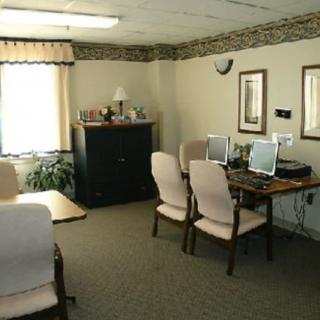
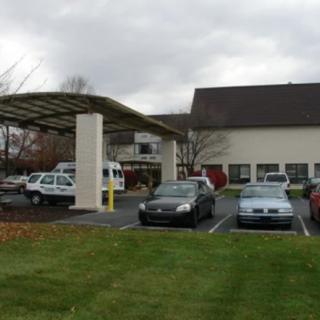
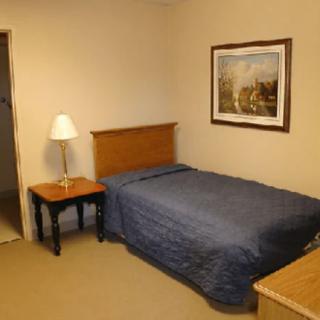
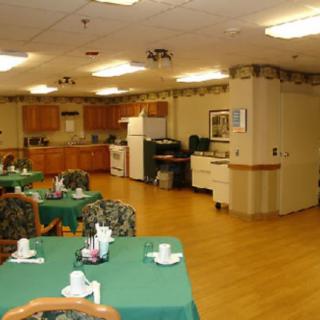
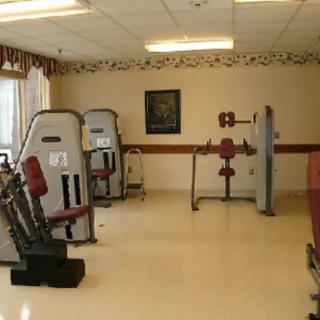
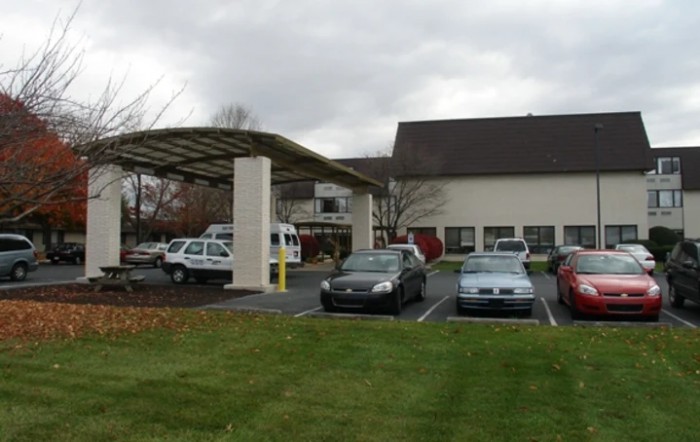
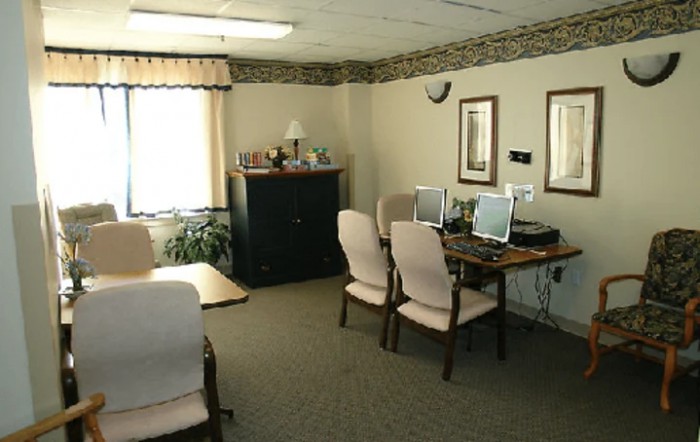
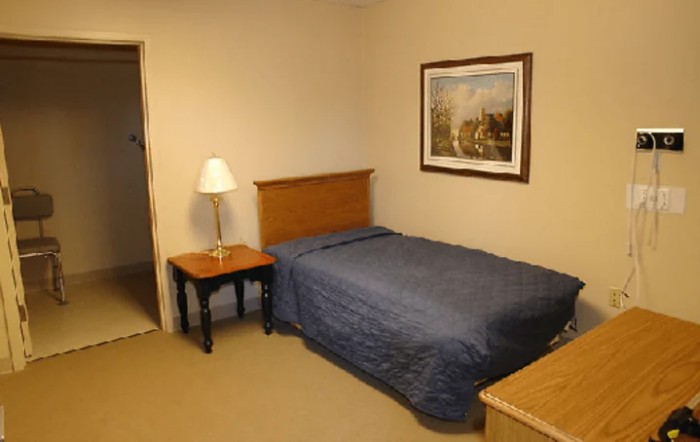
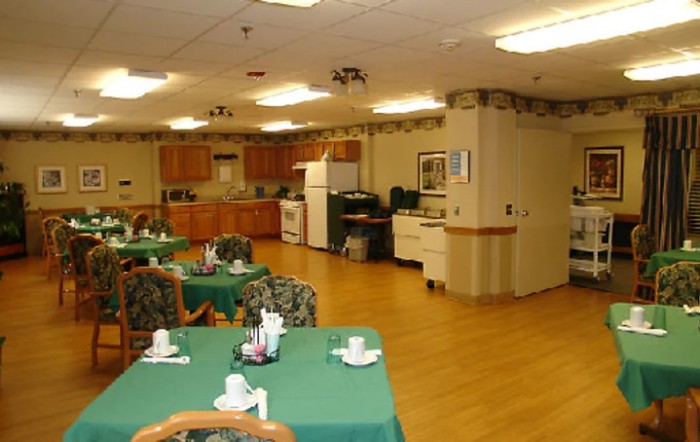
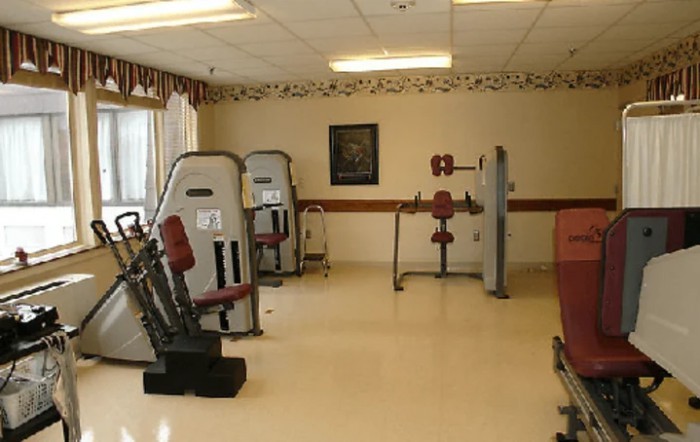
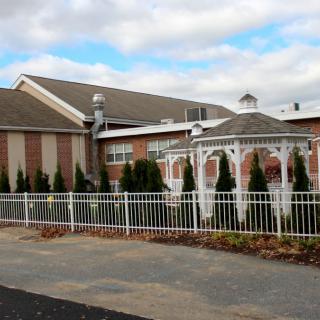
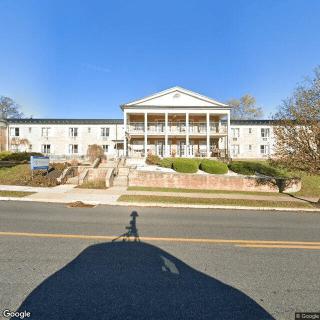
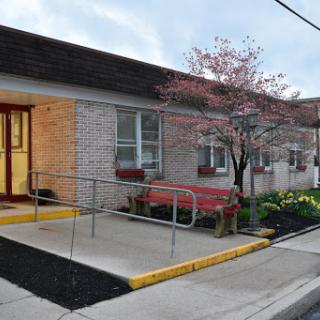
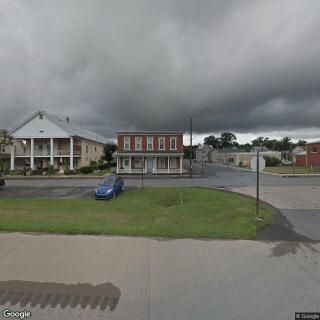
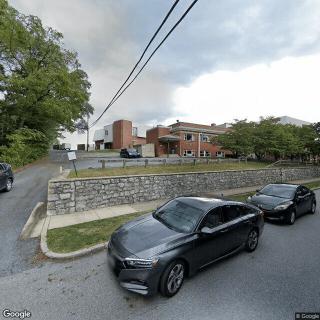
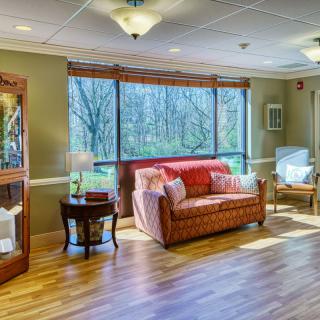
Golden LivingCenter - West Shore on seniors.fyi includes 5 photos including images showing interior, bedroom, building, parking, grass, office, computers, windows, and more.
Nearby Communities
Golden Living Community Blue Ridge
Camp Hill, PA
3 from 2 reviews
$1,790 to $3,118 / month
Competitive pricing with semi-private and studio options plus comprehensive care and on-site amenities.
Susquehanna View Apartments
Camp Hill, PA
4.2 from 15 reviews
Specialized diabetes care and engaging activities with indoor common areas.
Gardens At Camp Hill
Camp Hill, PA
3.2 from 69 reviews
$4,754 to $5,580 / month
Caring staff with positive resident interactions and family-friendly updates (video chats).
Artis Senior Living Of West Shore
Lemoyne, PA
4.6 from 63 reviews
Strong memory-care focus with attentive staff, engaging activities, a clean, welcoming environment, and solid family communication.
Holiday Essex House
Lemoyne, PA
4.4 from 149 reviews
$2,439 to $4,319 / month
Caring staff with engaging activities and on-site services.
ProMedica Camp Hill
Camp Hill, PA
4.3 from 100 reviews
Round-the-clock diabetic care with social/activities options.
Presbyterian Apartments Inc
Harrisburg, PA
5 from 1 review
Diabetes care with on-site activities and strong nearby amenities (pharmacies, physicians, hospitals).
The Woods at Cedar Run
Camp Hill, PA
4.2 from 115 reviews
$2,495 to $5,250 / month
Caring staff with engaging activities on a well-kept campus.
Homeland Center
Harrisburg, PA
3 from 18 reviews
Positive experiences in other sections; some areas described as lovely.
Medicaid coverage for assisted living varies by state and is primarily available to low-income individuals, with eligibility dependent on strict income and asset limits. Some states offer HCBS waivers for specific services in assisted living, but families must generally cover room and board costs, and should verify facility acceptance of Medicaid while considering potential waiting lists.
Medicaid waivers for assisted living services provide vital support for seniors and individuals with disabilities in need of long-term care, with varying state-specific eligibility criteria and benefits. These waivers cover personal care and case management but often do not fully cover room and board, leading to waiting lists for many applicants.
The article compares assisted living and skilled nursing facilities, detailing their differing levels of assistance, medical support, cost structures, and day-to-day experiences. It emphasizes that assisted living is for those needing help with daily activities while maintaining independence, whereas skilled nursing facilities provide intensive medical care with 24-hour staff supervision.
Get PricingAsk A QuestionSchedule A TourContact Senior Advisor
By clicking submit, you agree to our Partner's Terms of Use. You
also consent to receive calls and texts, which may be autodialed, from our Partner. Your consent is not a condition to
using our Partner's service. Please visit our Partner's Privacy Policy for information about their privacy practices.


 Memory Care
 Skilled Nursing Facility
 Cats allowed
 Dogs allowed
 Private
 Harrisburg International (9 miles away)
 Competitive pricing with semi-private and studio options plus comprehensive care and on-site amenities.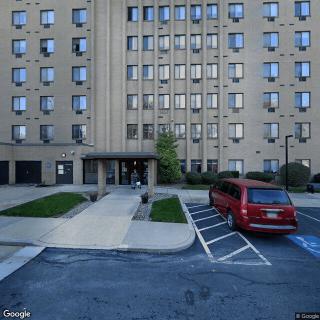

 How and When Medicaid May Cover Assisted Living Costs
 A Detailed Exploration of Assisted Living Medicaid Waivers Across the United States
 Exploring the Contrasts Between Assisted Living and Skilled Nursing