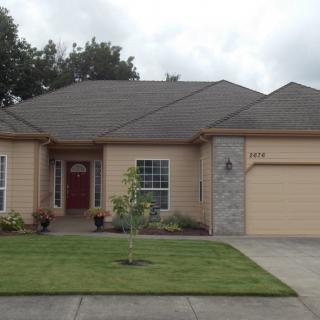
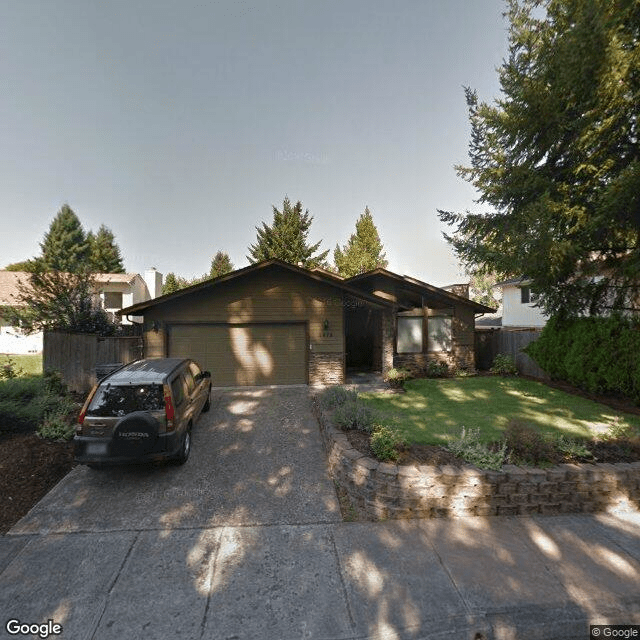
1475 Sandstone Ct. S, Salem, OR 97306
To contact a resident: (503) 551-6679
For more information about senior living options: (866) 208-4318
Skyline Manor Care Home Costs & Pricing
Skyline Manor Care Home offers competitive pricing for its accommodations, particularly when compared to the broader market in Marion County and the state of Oregon. For a one-bedroom unit, residents pay just $1,200 per month, a significant contrast to the county average of $4,001 and the state average of $3,904. Additionally, for private rooms, Skyline maintains a monthly rate of $3,500, which is slightly below both Marion County's rate of $3,564 and Oregon's statewide average of $3,424. This positions Skyline Manor Care Home as an attractive option for those seeking quality care without the burden of excessive costs, ultimately making it an appealing choice for prospective residents and their families.
| Floor plans | Skyline Manor Care Home | Marion County | Oregon |
|---|---|---|---|
| 1 Bedroom | $1,200 | $4,001 | $3,904 |
| Private | $3,500 | $3,564 | $3,424 |
Memory care communities with a similar price nearby
-
About the same
Dallas Retirement Village
$1,225 to $1,595 / month12.8 miles away -
About the same
Valley View II Manor Care Home
$1,200 to $4,000 / month4.1 miles away
Overall Review of Skyline Manor Care Home
Pros
 Skylibe Manor Care Home has only five residents, which makes the care more personal and individualized.
- The staff are proficient, professional, empathetic, and proactive.
- The care givers are exceptional, and Skyline Manor is remarkable.
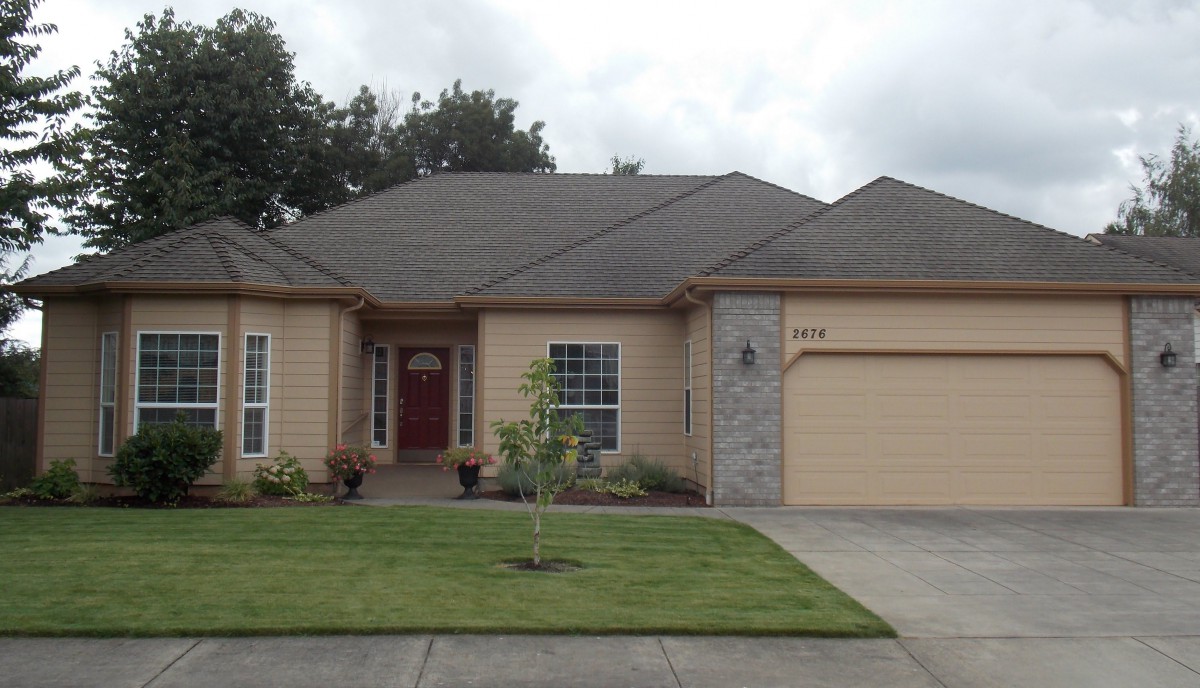
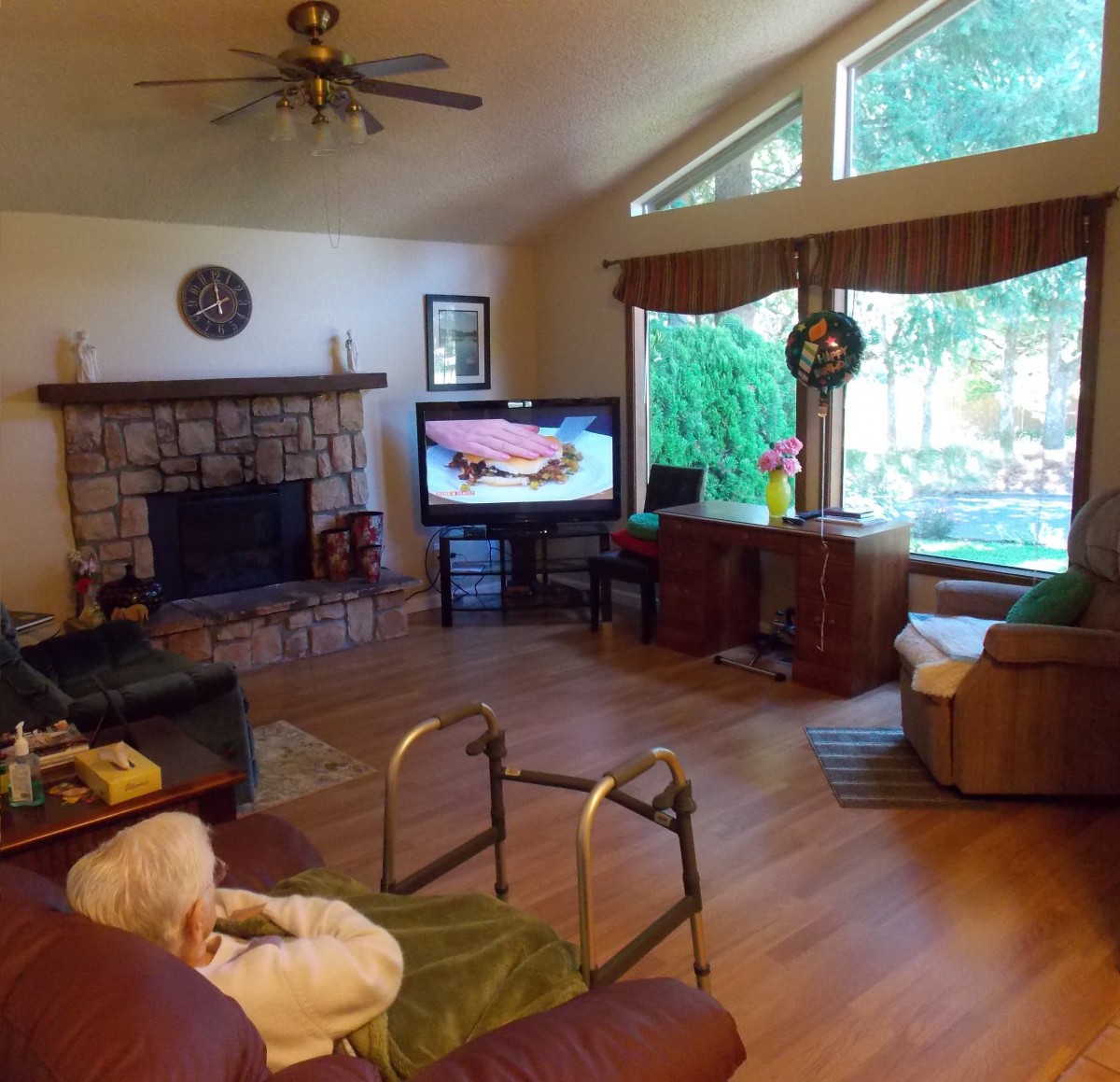
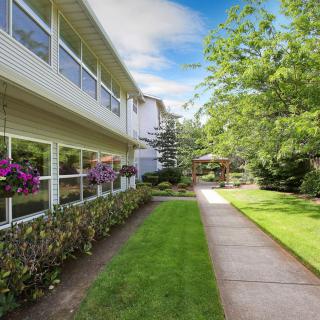
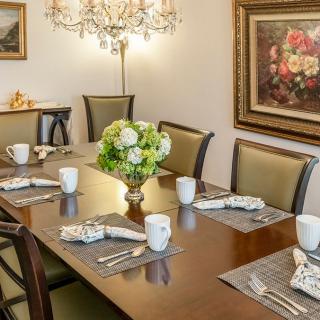
- It is a very nice, clean environment with great scenery.
- There are lots of activities for residents, and the meals and dining service are excellent.
- A resident’s mom is content and settling in very well, with the staff and owner exceeding expectations.
Cons
 The parent was not happy with what they saw in the community.
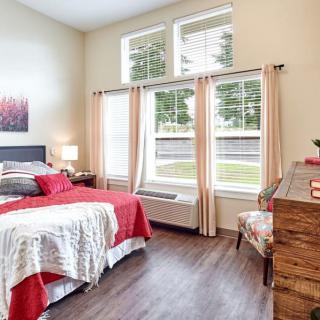
- The room shown did not feel like the right one.
- The residents there are further along with their dementia and Alzheimer’s.
- The parent knew they would not be happy there.
- The reviewer would prefer more activities.
Review
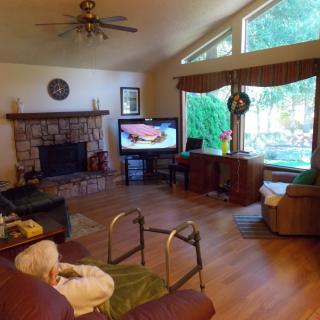
Skyline Manor Care Home in Salem is best suited for seniors who want a genuinely small, home-like setting where care is intimate, highly personalized, and built on steady, open communication. With only five residents, the community delivers a level of attention that larger facilities struggle to match, translating into caregivers who know each resident’s routines, preferences, and needs. It is an especially good fit for families seeking predictable daily life, dependable meals, a clean and pleasant environment, and staff who are readily available and responsive. This option resonates for those who value a calm, manageable pace and direct access to caregivers, but families should be aware that its ultra-small scale may not meet every resident’s desire for expansive programming or broad memory-care services.
The strongest positives center on the personal touch that comes from low resident counts. Staff are described as proficient, professional, empathetic, and proactive, delivering care that feels tailored and urgent when needed. The setting is consistently clean and visually appealing, with nice scenery that supports a sense of well-being. Dining stands out as a meaningful strength, with meals and service frequently highlighted as excellent. There are activities available that provide meaningful engagement, and communication with the team is noted as open and straightforward. Taken together, these factors create a dependable, low-stress environment where families can feel confident about daily supervision and quality of life.
Still, a few caveats deserve attention. One family recounted a room presentation that didn’t feel right, underscoring how even in a small home-like setting, first impressions of space matter to comfort and privacy. Another concern centers on the resident mix, with some individuals appearing to be further along with dementia or Alzheimer’s. For families prioritizing highly structured memory-care programming or intensive behavioral support, this could be a meaningful misalignment. A review also notes a desire for more activities, suggesting that while the schedule is adequate, it may not satisfy every resident’s appetite for stimulation. In short, this community leans toward a calm, intimate lifestyle rather than a facility with broad, campus-wide programming.
Yet the core strengths often offset these drawbacks. The intimate footprint enables rapid adaptation to changing needs, while the consistently open communication reduces the risk of misalignment between resident and program. The combination of attentive caregivers, excellent meals, and a comfortable ambience creates a reliable home-like atmosphere that minimizes the disruption commonly seen in transitions. Ownership appears engaged and responsive, a factor cited by families as elevating the experience beyond ordinary expectations. For residents who thrive on routine, personal attention, and a sense of belonging, these elements deliver substantial value and reassurance.
For families weighing options, Skyline Manor represents a compelling middle ground: intimate care with high-touch staff rather than a sprawling campus with dense programming. Those seeking extensive daily activity calendars, robust social programming, or specialized memory-care wings may find larger facilities more suitable. If a resident’s needs include frequent structured cognitive activities or broader opportunities for social engagement, alternatives with a bigger footprint could be preferable. The decision should hinge on balancing the comfort of a small, well-staffed home with the desired level of programming, activity variety, and memory-care resources.
Practical next steps counsel a targeted visit focused on space, staff interactions, and memory-care needs. Prospective families should observe how caregivers engage with residents, confirm room configurations align with personal preferences, and discuss daily routines, safety measures, and emergency response. Inquire about respite or trial-stay possibilities to experience the environment without long-term commitment, and clarify pricing and what is included. Skyline Manor offers a well-run, dependable option for families who prize personal attention, a calm atmosphere, and consistent caregiver deployment; it is less fitting for those requiring expansive activity calendars or highly specialized, campus-wide memory-care services. For the right match, the care feels genuinely home-like, with all the clarity and trust that come from a small, well-led community.
 Board and Care Home
 Memory Care
 Activities off-site
 Air-conditioning
 Cable or satellite TV
 Devotional services off-site
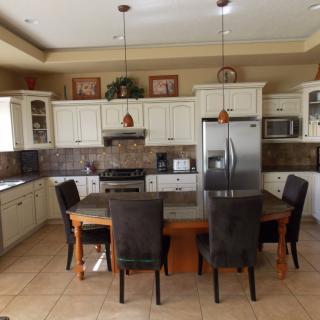
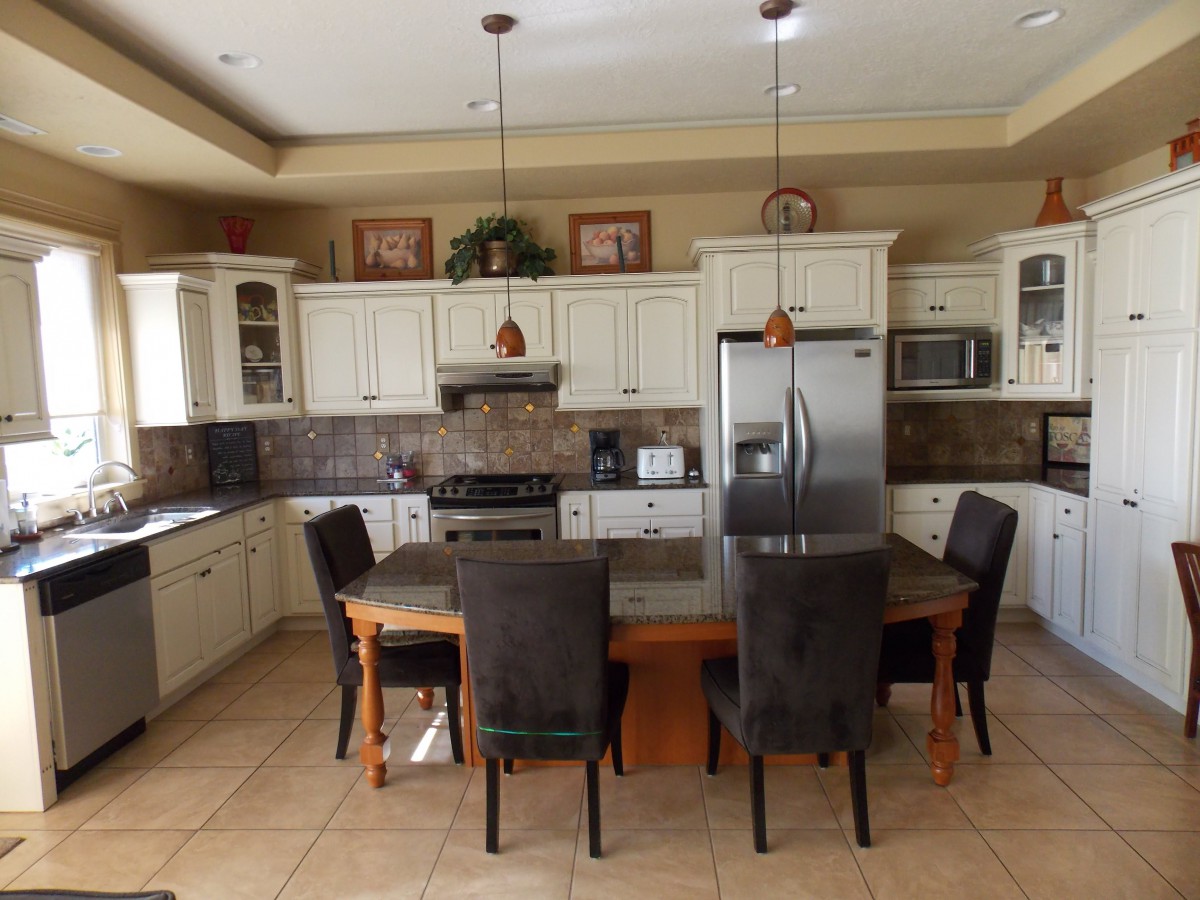
 Full kitchen
 Indoor common areas
 Outdoor common areas
 Private
 Private bathrooms
 Respite or short term stays offered
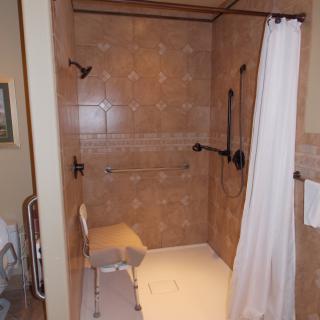
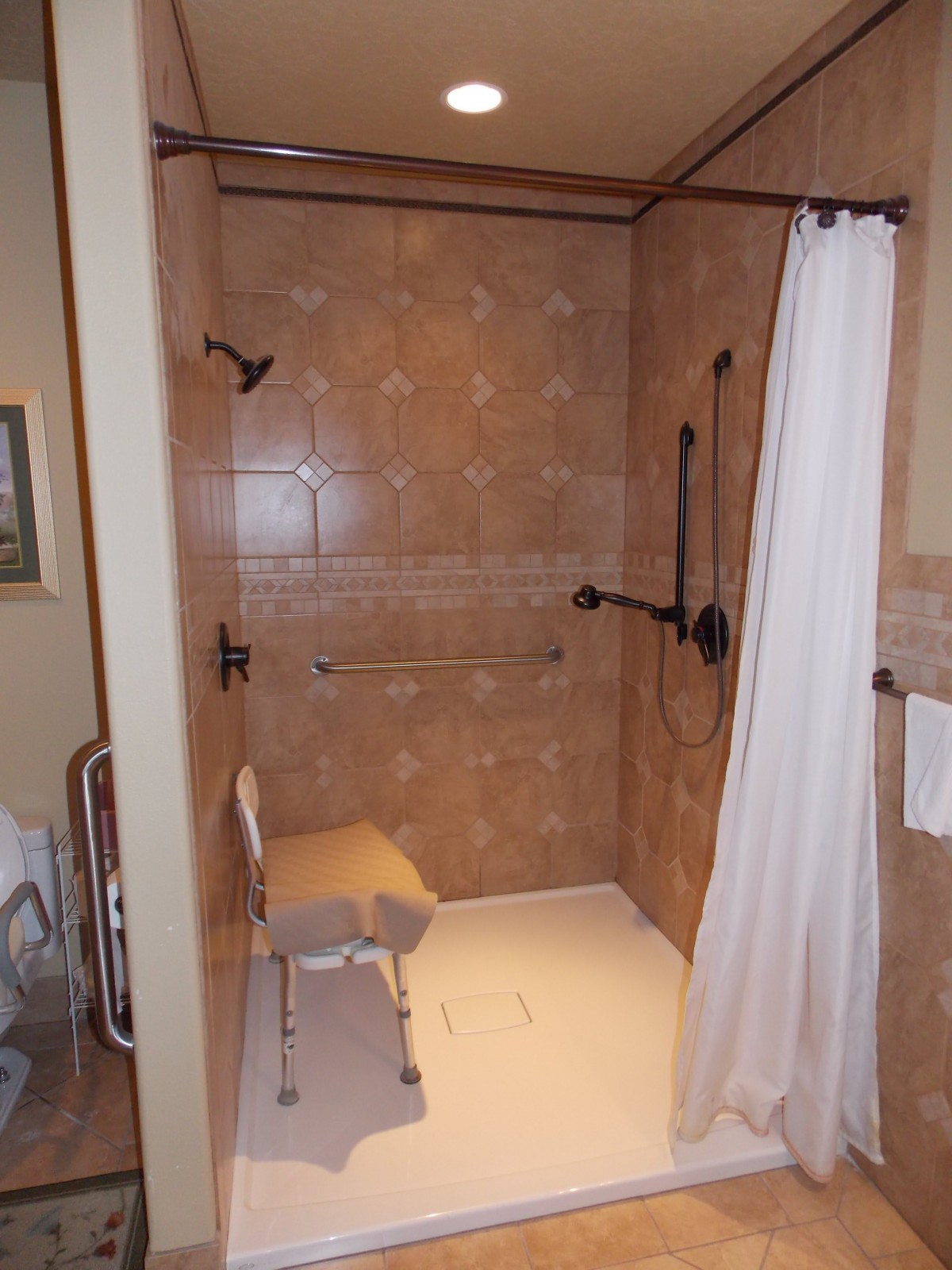
 Wheelchair accessible showers
 Wi-Fi/high-speed internet available
 Ambulatory care
 Diabetic care
 High acuity care
 Incontinence care
 Medication management
 Kosher
 Art classes
 Brain fitness
 Cooking classes
 Day trips and outings
 Karaoke
 Live musical performances
 Stretching classes
 Visiting chaplain or priest


 Dementia Behaviors: In-Depth Understanding and Effective Coping Strategies
 5 Early Indicators of Dementia and What You Can Do
 8 Important Indicators That Memory Care May Be Necessary