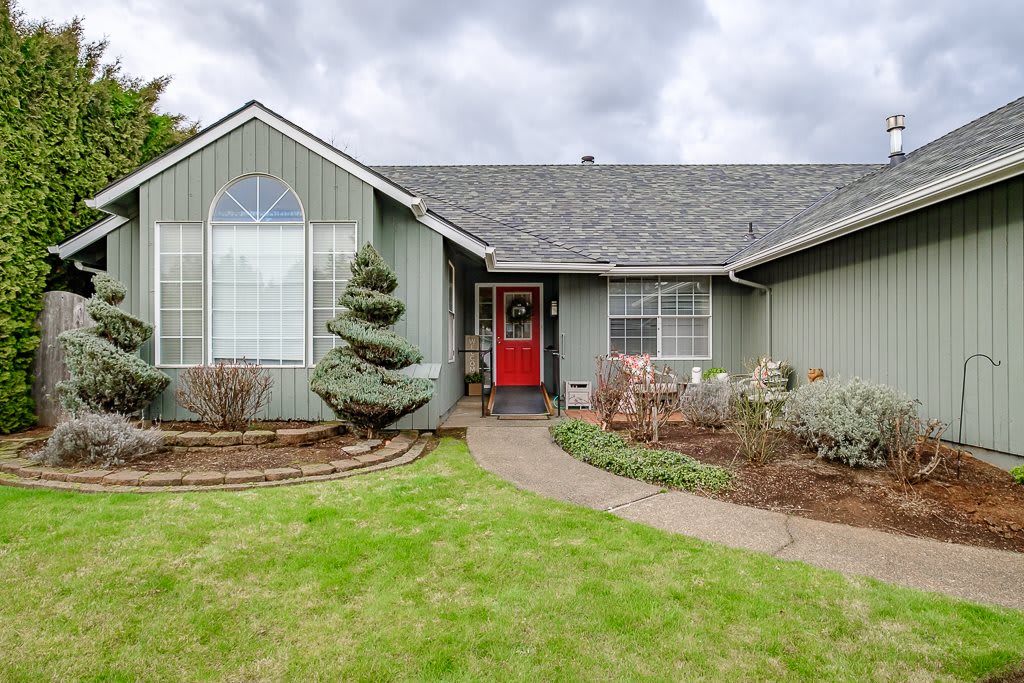


2207 Juliet Ct South, Salem, OR 97302
To contact a resident: (503) 371-3618
For more information about senior living options: (866) 208-4318
Juliet Costs & Pricing
Juliet's housing costs reflect a higher price point compared to both Marion County and the broader state of Oregon. For a private room, Juliet incurs a monthly expense of $4,100, which exceeds the county average of $3,564 and the state average of $3,424. Similarly, her studio apartment is listed at $4,300, positioning it above the county's average of $3,836 and slightly above the state's average of $3,815. Lastly, the cost for a one-bedroom unit stands at $4,500, again surpassing both Marion County's rate of $4,001 and Oregon's statewide figure of $3,904. This consistent trend suggests that Juliet is paying a premium for her accommodations compared to regional competitors.
| Floor plans | Juliet | Marion County | Oregon |
|---|---|---|---|
| Private | $4,100 | $3,564 | $3,424 |
| Studio | $4,300 | $3,836 | $3,815 |
| 1 Bedroom | $4,500 | $4,001 | $3,904 |
Memory care communities with a similar price nearby
-
from -$600 / mo
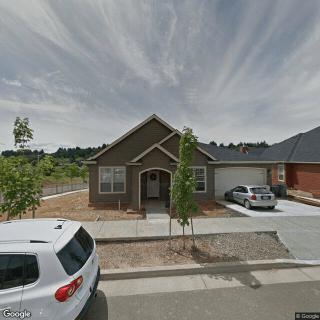
Avery Rose
$3,500 / month21.6 miles away -
from +$460 / mo
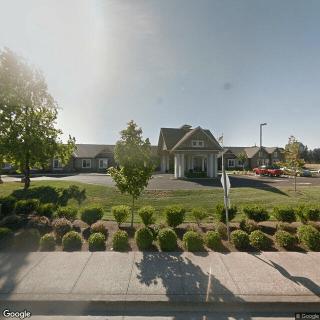
Heartwood Place Memory Care
$4,560 to $4,980 / month21.4 miles away -
from -$800 / mo

Harmony House of Salem
$3,300 to $3,550 / month7.5 miles away -
from -$170 / mo
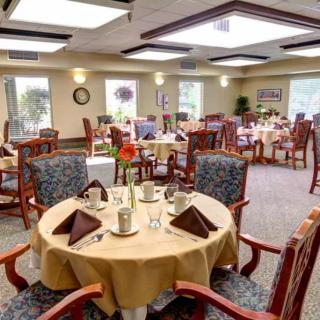
Silver Creek Senior Living
$3,930 to $5,730 / month20.6 miles away -
from +$550 / mo

Coral Springs RCF
$4,650 / month6.7 miles away
Overall Review of Juliet
Pros
 The gal is very nice and friendly.
- The mom likes her.
- They are very responsive to residents.
- They have done a good job with mom's weekly toenail care and hygiene.
- The staff are warm and friendly.
- They make residents feel welcome.
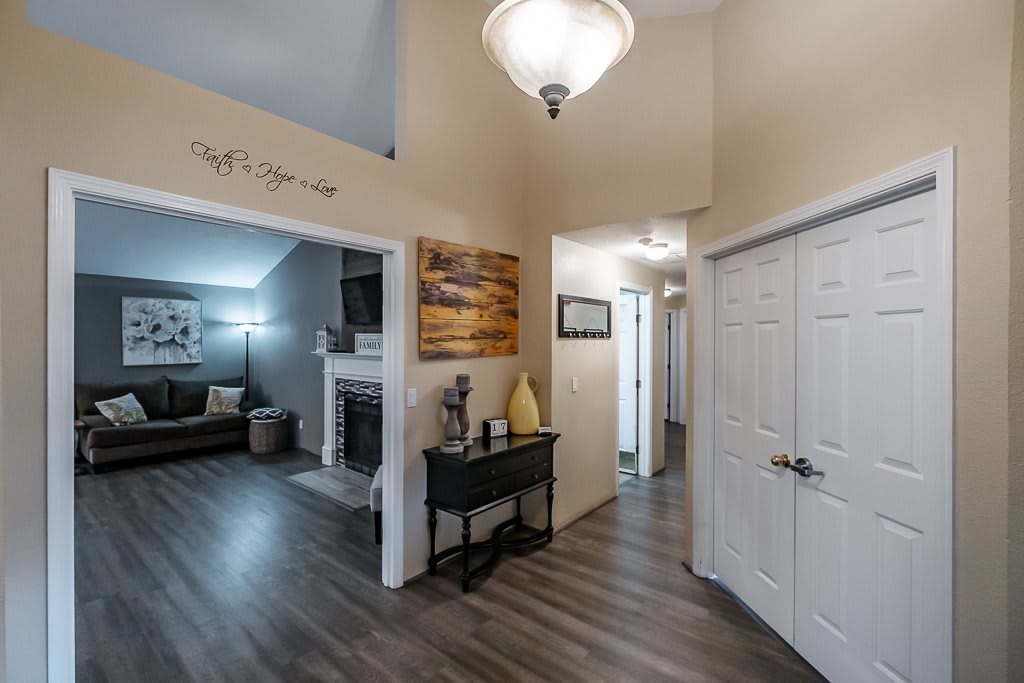
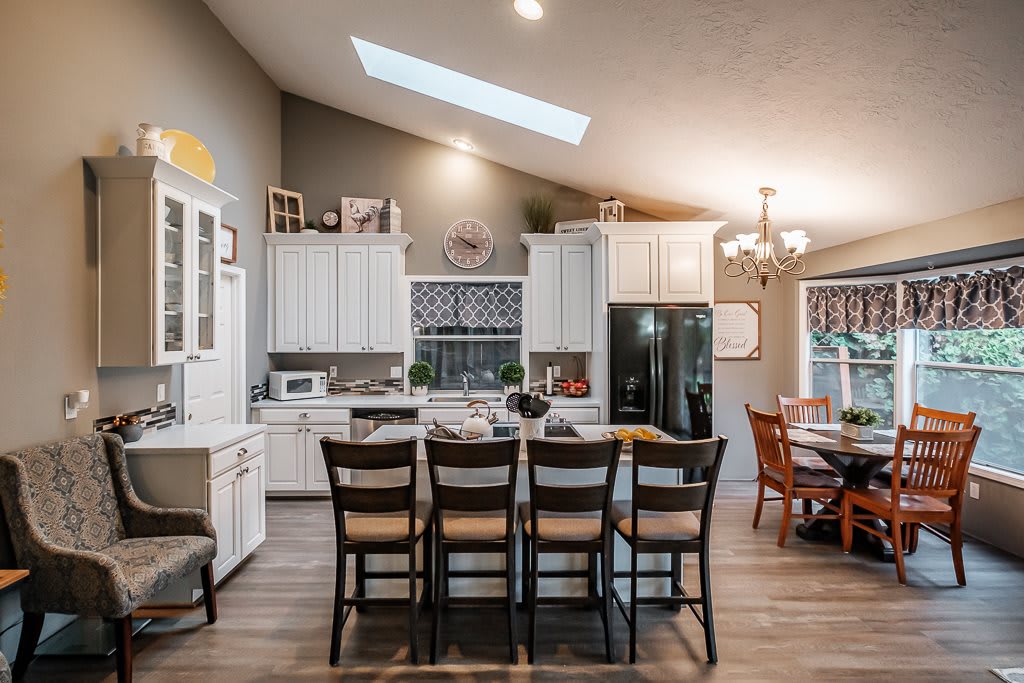
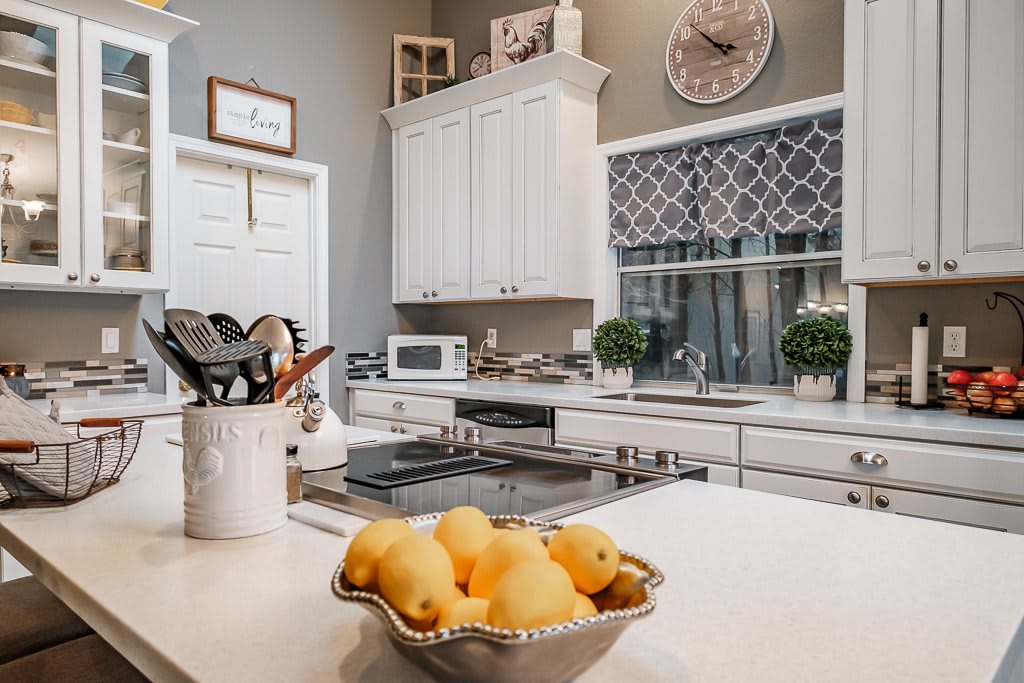
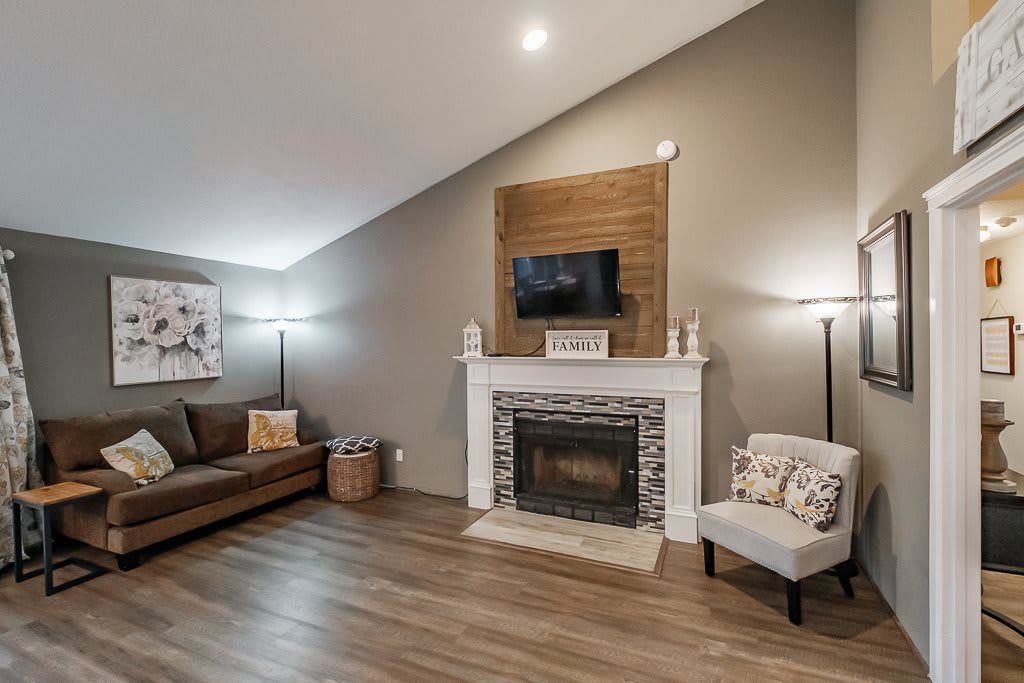
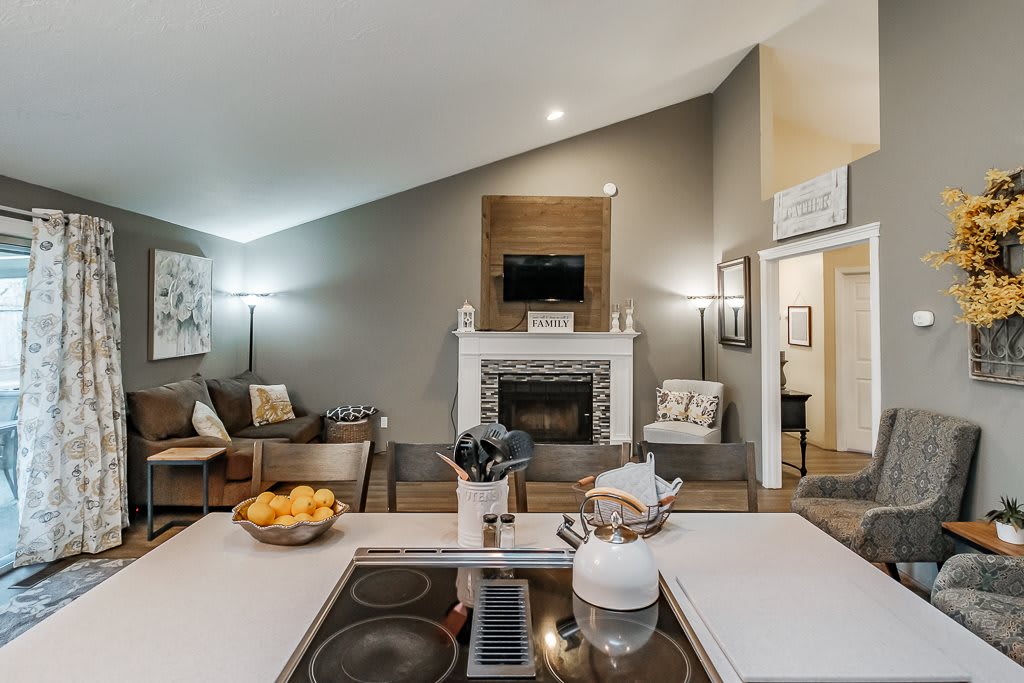
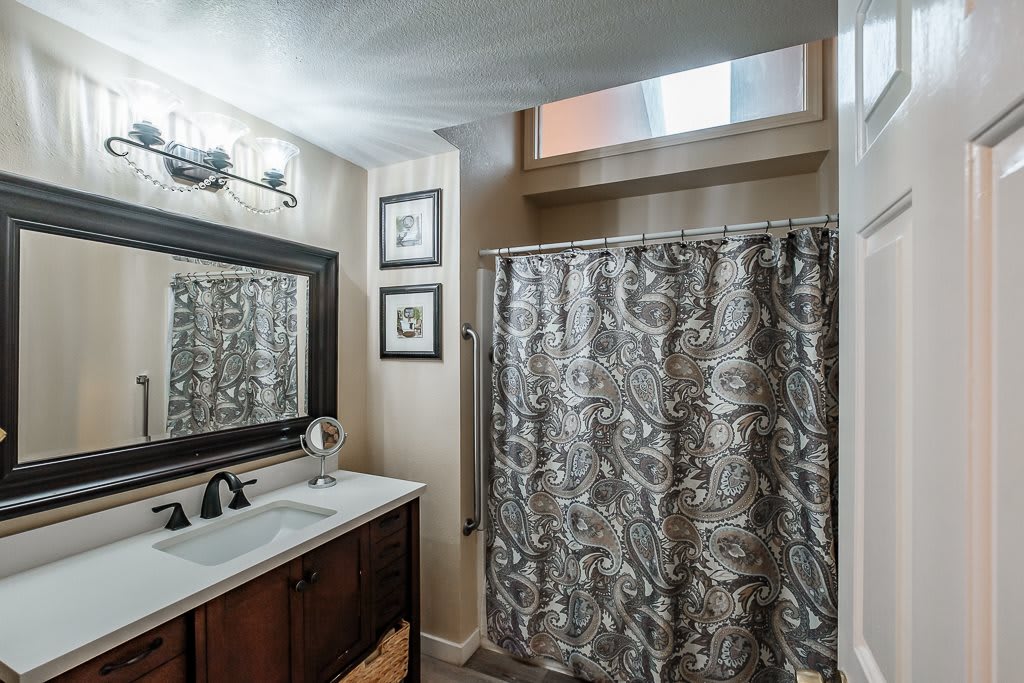
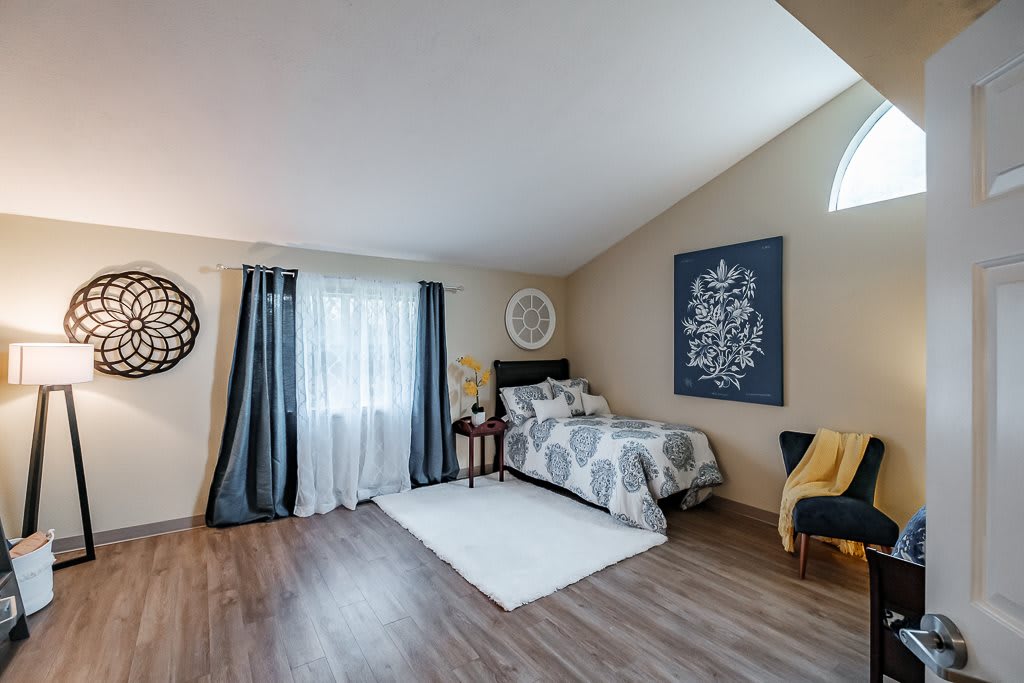
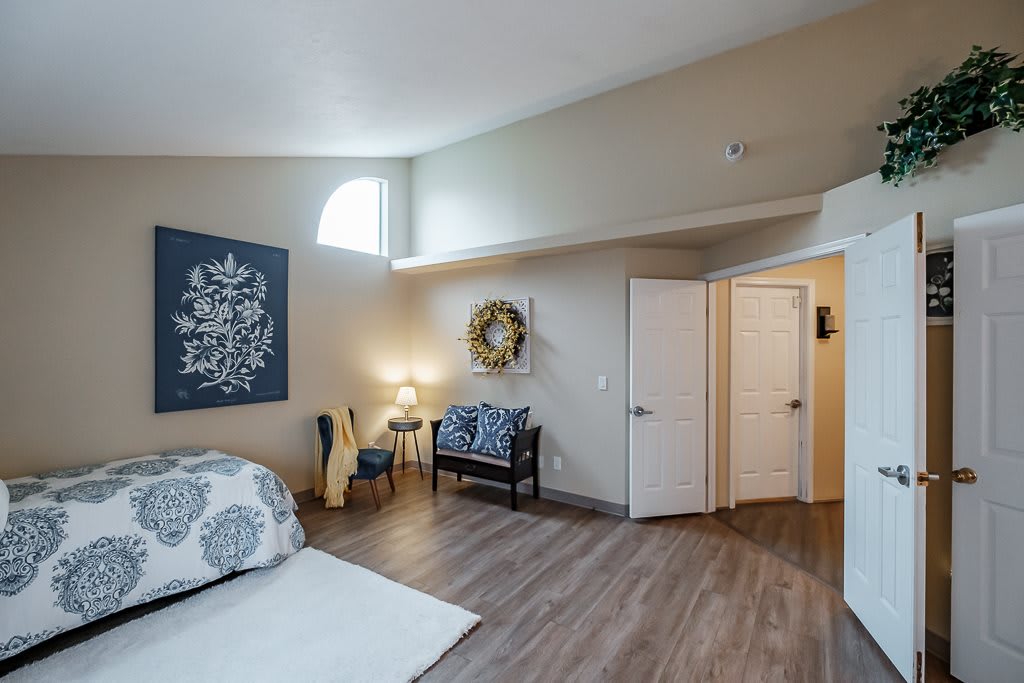
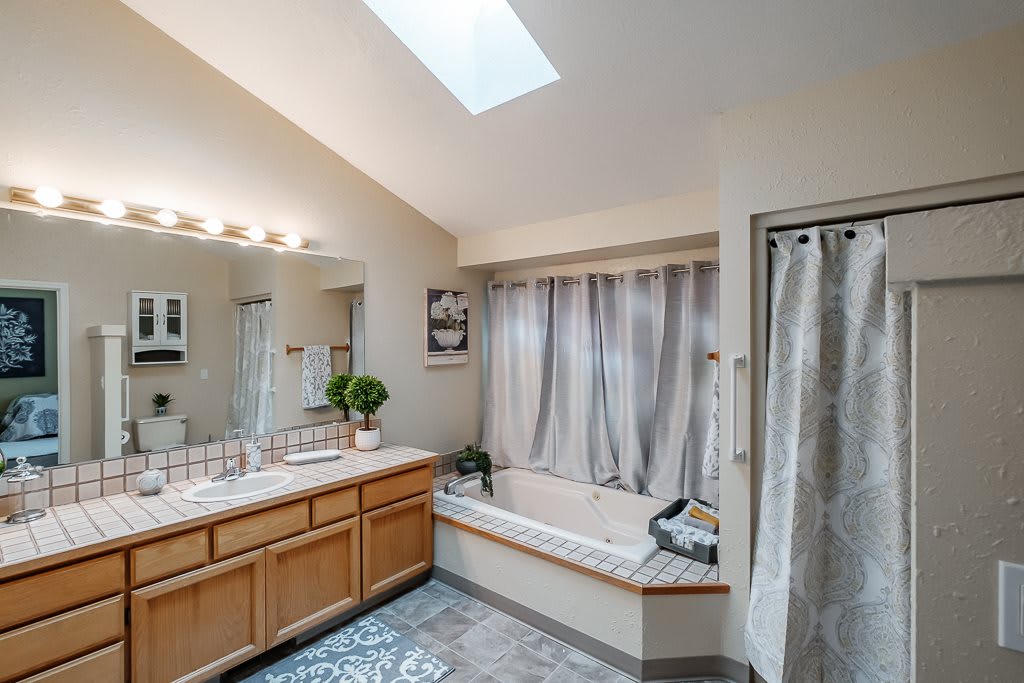
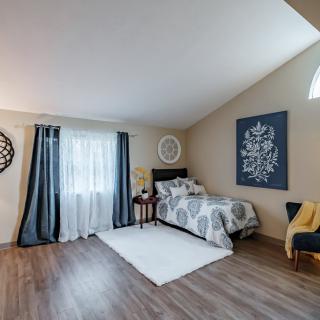
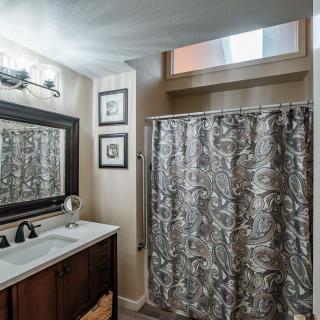
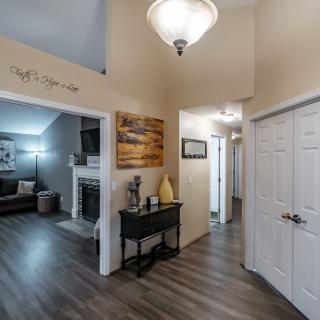
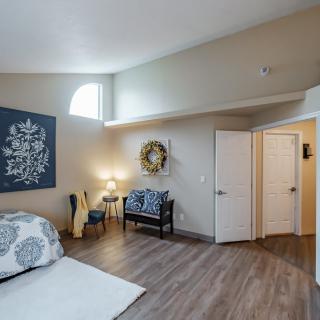
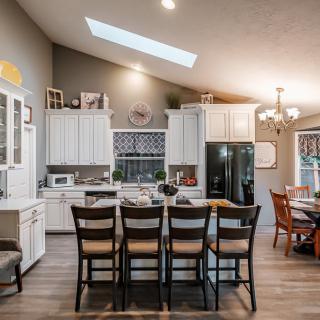
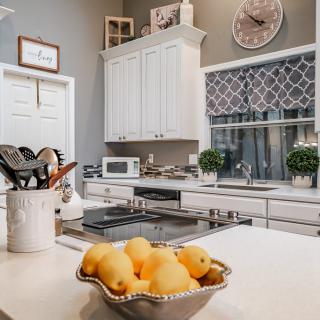
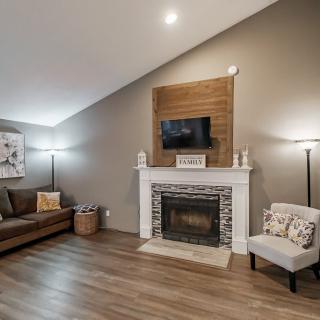
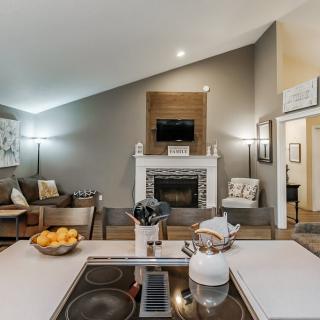
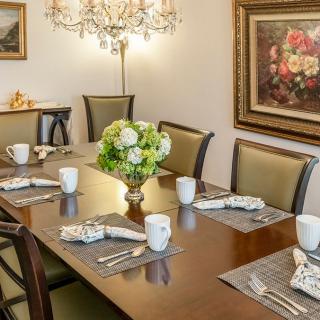
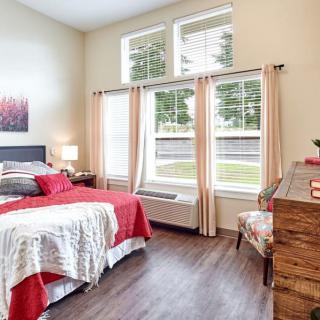
- The houses are nice with clean, cheerful rooms.
- The environment feels homey.
Cons
 The parent was not happy with what they saw in the community.
- The room that was shown did not feel like the right one.
- The residents here are further along with their dementia and Alzheimer's.
- The parent knew they would not be happy here.
- The particular house they were in, due to its foster-type setup, the food could be improved.
- The gal is very nice and friendly, and the mom liked her, but she didn't think the gal could cook.
Review
Juliet in Salem is best suited for families seeking a warm, home-like senior living option where staff deliver personable, attentive care in a nonclinical setting. The small-house, foster-style vibe resonates with residents who want daily life to feel neighborly and comfortable, with approachable staff and a relaxed pace. It works well for seniors who are largely independent or only moderately dependent, and who do not require highly structured memory-care programming from day one.
Those evaluating Juliet should consider alternatives if a relative needs robust memory support or a highly predictable safety and dining program. One review notes that some residents appear further along in dementia, signaling a potential mismatch for families seeking intensive cognitive care oversight. Room placement also matters; if a particular layout or location within a building is non-negotiable, the community may not always align with those expectations.
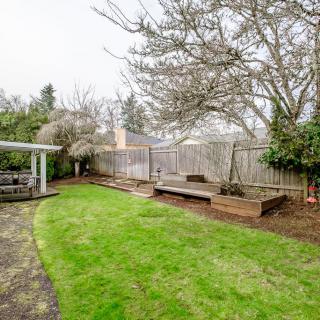
The strongest assets are the warmth of the staff and the homey, cheerful living spaces. Residents and families repeatedly describe a welcoming atmosphere, with clean rooms and pleasant, lived-in houses. Staff responsiveness stands out, with examples of addressing concerns promptly and delivering practical care tasks like weekly hygiene support. These strengths foster real day-to-day comfort and a sense of belonging, which can offset modest gaps in management or dining quality and help residents feel valued and seen.
Yet some signals warrant caution. Food quality emerges as a potential weakness in at least one account, suggesting that cooking capability and meal variety may not meet every family’s standards. The foster-style model is charming, but for families accustomed to a more formal dining program, the informality may feel insufficient. A non-working front-door alarm, though subsequently fixed, serves as a reminder that even well-intentioned operations can present reliability gaps; ongoing safety dependability matters for residents with higher care needs.
To evaluate fit, prospective residents should tour multiple rooms and request to observe mealtime routines and daily activity cadence. Inquire about memory-support capacity and staff training for cognitive care, even if Juliet isn’t marketed as a memory-care community, and verify whether a pathway to formal memory care exists within or nearby. Discuss programming, transportation options, and opportunities for meaningful social engagement, since a homey setting loses its appeal if engagement fades. When comparing with alternatives, prioritize clear care plans, consistent dining quality, and defined safety systems to understand where compromises occur.
Overall, Juliet presents a practical, comforting option for families prioritizing warmth, accessibility, and responsive care in a home-like environment. The main caveat centers on potential mismatches for residents with advanced memory impairment and for those who require consistently high-quality meals and formalized safety features. For families needing structured cognitive support or a polished dining program, exploring alternatives with dedicated memory-care units and standardized programming is prudent. For others, Juliet can be a reassuring, worthwhile fit, provided the room choice, meal expectations, and safety considerations align with the resident’s needs.
 Board and Care Home
 Memory Care
 Activities on-site
 Indoor common areas
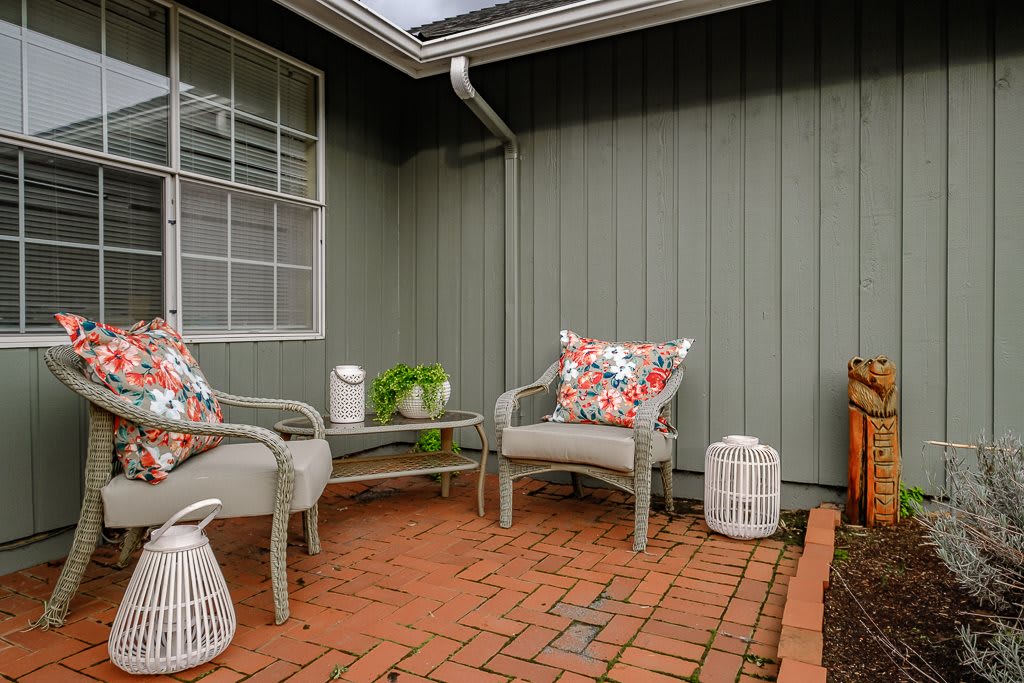
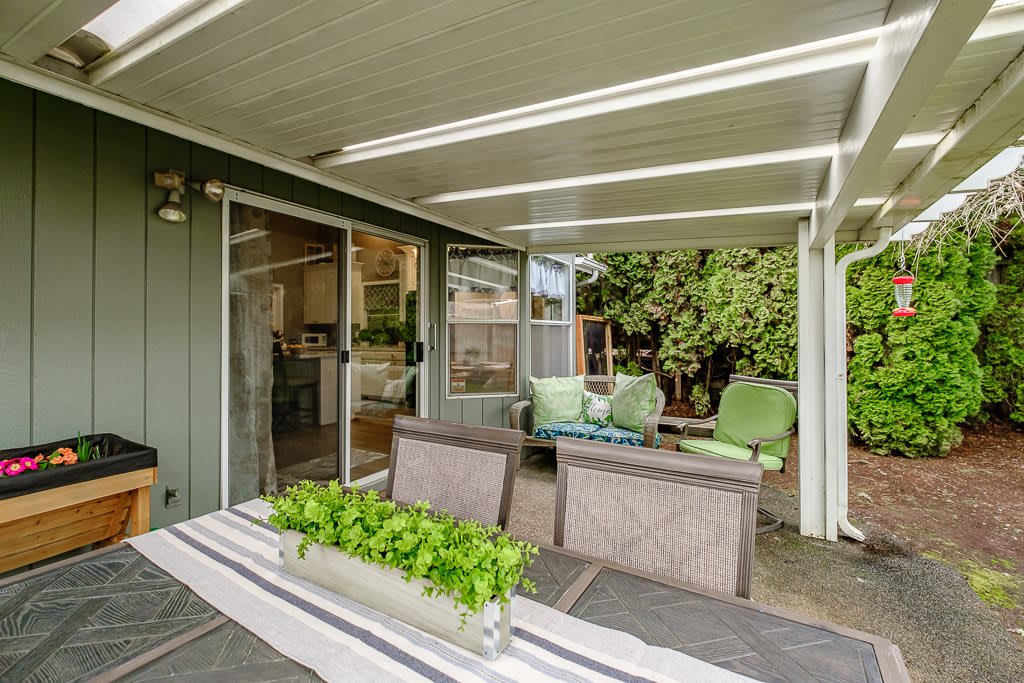
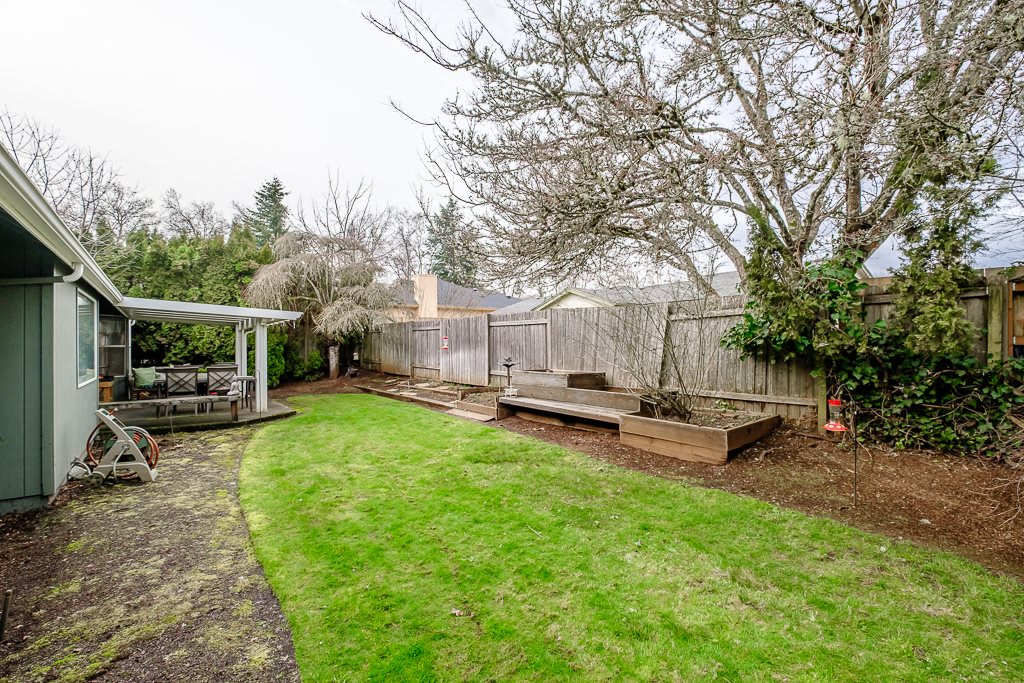
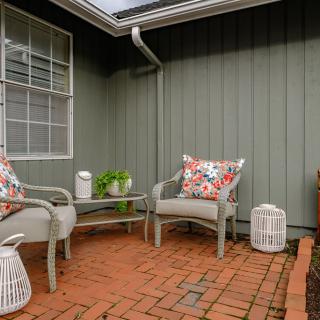
 Outdoor common areas
 Private
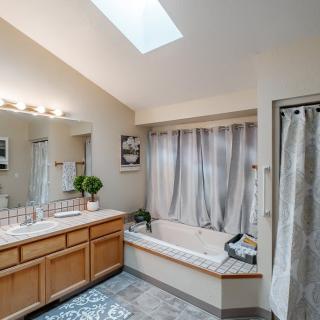
 Private bathrooms
 Wheelchair accessible showers
 Ambulatory care
 Diabetic care
 High acuity care
 Incontinence care
 Medication management
 Meals provided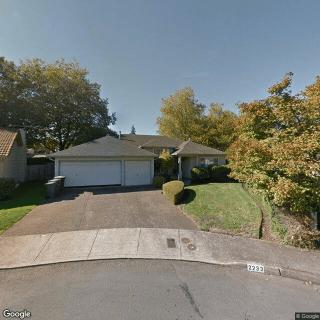






 Illuminating Insights About Alzheimer's Disease: Ten Crucial Realities
 A Thorough Discussion of Medications Potentially Linked to Dementia Risk
 Why Do Dementia Patients Sleep So Much? Understanding Oversleeping, Stages, and Care Approaches