
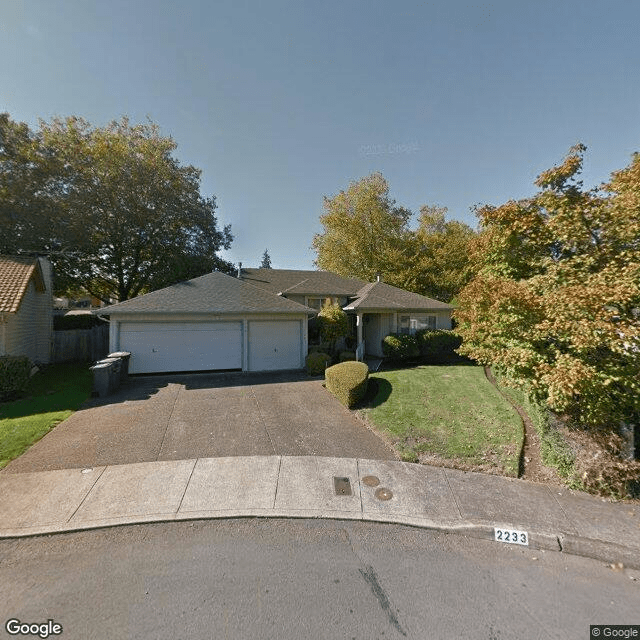
2233 Juneau Ct. South, Salem, OR 97302
To contact a resident: (503) 798-5610
For more information about senior living options: (866) 208-4318
Premier Care Homes Costs & Pricing
Premier Care Homes offers competitive pricing for its residents, with monthly costs for private rooms and one-bedroom accommodations set at $3,500. This rate positions Premier Care Homes slightly below the average cost in Marion County, which stands at $3,564 for private rooms and $4,001 for one-bedroom units. When compared to the state average in Oregon - $3,424 for private rooms and $3,904 for one-bedroom homes - it's clear that Premier Care Homes provides a valuable option that balances quality care with affordability. This makes it an attractive choice for individuals seeking comfortable living arrangements without exceeding their budget.
| Floor plans | Premier Care Homes | Marion County | Oregon |
|---|---|---|---|
| Private | $3,500 | $3,564 | $3,424 |
| 1 Bedroom | $3,500 | $4,001 | $3,904 |
Memory care communities with a similar price nearby
-
About the same
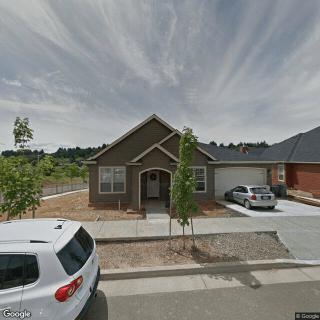
Avery Rose
$3,500 / month21.7 miles away -
from -$200 / mo
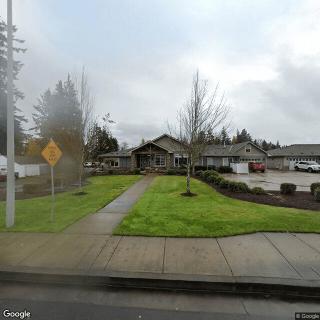
Harmony House of Salem
$3,300 to $3,550 / month7.5 miles away -
from -$585 / mo
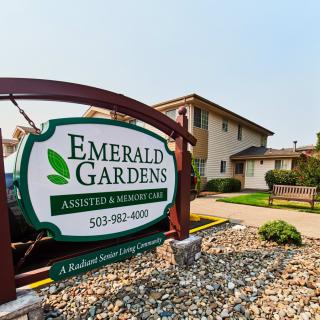
Emerald Gardens of Woodburn
$2,915 to $4,160 / month20.8 miles away -
from +$430 / mo
Silver Creek Senior Living
$3,930 to $5,730 / month20.5 miles away -
About the same
Emerald Gardens
$3,500 to $4,200 / month20.8 miles away
Overall Review of Premier Care Homes
Pros
 They have very nice rooms.
- The staff was nice as well.
Cons
 The facility provides nothing in the way of stimulation for residents.
- Residents are left sitting in front of the TV, sometimes in wheelchairs, without activity.
- The only meal observed was macaroni and cheese, with a desire for more variety.
Review
Premier Care Homes in Salem, Oregon is best suited for seniors who prize comfortable, well-kept living spaces and consistently kind, approachable staff over an energetic calendar of activities. The setting is a quiet, home-like atmosphere where personal attention and predictable routines take priority. It serves residents who value dignity, privacy, and straightforward support, with the expectation that stimulation and program variety will be modest rather than central. In short, this community works well for an elder who wants a serene environment, reliable caregiving, and nice rooms, with the understanding that engagement opportunities are limited.
Families should consider alternatives if a resident craves structured activities, frequent social programming, and a varied, restaurant-quality meal plan. The current feedback highlights minimal stimulation and only one observed meal option, which can be a mismatch for seniors who rely on programming to maintain mood, cognition, and routine. For someone who thrives on enrichment, art, music, exercise classes, outdoor time, and regular outings, this community may feel restrictive. Residents with higher medical or memory-care needs may require a setting with more specialized staff, closer supervision, and activity cues that promote engagement throughout the day.
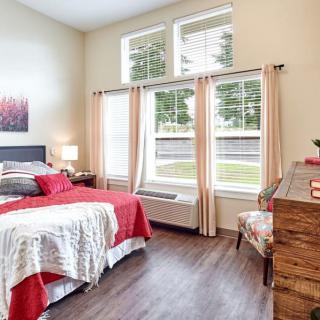
On the upside, the rooms are described as very nice, reflecting attention to detail and comfort that supports independence and dignity. The staff are consistently pleasant and approachable, which matters greatly for daily reassurance, safety checks, and timely assistance. In a setting where emotional warmth and neighborly quiet reduce anxiety, such relational stability becomes a meaningful asset. Without crowded common spaces or chaotic schedules, residents may enjoy a sense of calm and personal space. For families, that combination of quality accommodation and reliable caregiving often translates into predictable days and fewer management concerns.
The primary drawback is a notable shortage of meaningful engagement opportunities. The absence of structured activities, social programming, or purposeful ways to pass the day can leave residents sitting in front of a television with limited interaction. For cognitive or mood benefits, this can be a real miss. The meals described are limited in variety, with a single homemade macaroni and cheese example cited; if dietary variety, appealing choices, and appetizing options matter, this will be a visible gap. The combination of passive days and repetitive meals can erode satisfaction over time, particularly for seniors who desire stimulation, conversation, and culinary diversity.
Whether the positives offset the negatives depends on resident priorities. The high-quality rooms and warm staff can compensate for a subdued activity calendar when caregiving quality and home-like comfort are paramount. For a resident who tends to sleep or watch TV, this may be enough; the safety and familiarity can reduce agitation and confusion. However, for anyone who relies on regular social contact, goal-oriented activities, or a varied diet to sustain mood and appetite, the disadvantages are likely to dominate. In practical terms, Premier Care Homes offers a solid baseline of comfort and care but falls short on engagement, a critical variable for long-term satisfaction.
Prospective families should verify current activity programming, demand a sample weekly schedule, and request a trial visit to observe interaction quality and appetite patterns. Ask about memory-care options, dining menus, and any plans to expand enrichment offerings. In Salem, if a resident requires more dynamic engagement or broader meal variety, exploring nearby communities with stronger activity calendars or dedicated memory-care wings would be prudent. For a senior who values a serene, respectful environment and is content with limited programming, Premier Care Homes can be a wise, low-stress choice; for those who expect ongoing cognitive and social stimulation, alternatives deserve serious consideration.
 Board and Care Home
 Memory Care
 Activities off-site
 Bath tubs
 Beautician on-site
 Indoor common areas
 Outdoor common areas
 Private
 Private bathrooms
 Respite or short term stays offered
 Wheelchair accessible showers
 Ambulatory care
 Diabetic care
 High acuity care
 Incontinence care
 Medication management
 Meals provided
 BBQs or picnics
 Birthday parties



 8 Key Indicators That Suggest It May Be Time to Transition from Assisted Living to Skilled Nursing Care
 Nourishing the Mind: Essential Dietary Approaches for Dementia
 Understanding Dementia Behaviors: Practical Insights and Strategies for Caregivers