Pacific Gardens Alzheimer's Special Care Center Costs & Pricing
Pacific Gardens Alzheimer's Special Care Center offers a range of monthly costs that reflect its commitment to specialized care in a supportive environment. For semi-private rooms, residents can expect to pay between $5,242 and $6,275, which significantly exceeds the average costs in Multnomah County at $4,011 and across Oregon at approximately $4,457. Those opting for private accommodations will find the rates set at $6,290 - again notably higher than the local average of $3,227 and the state average of $3,424. Lastly, residents choosing studio rooms can anticipate costs around $6,814, compared to lower averages in the county and state of $3,455 and $3,815 respectively. While these prices are elevated relative to local and state averages, they reflect Pacific Gardens' tailored approach to memory care for those living with Alzheimer's disease.
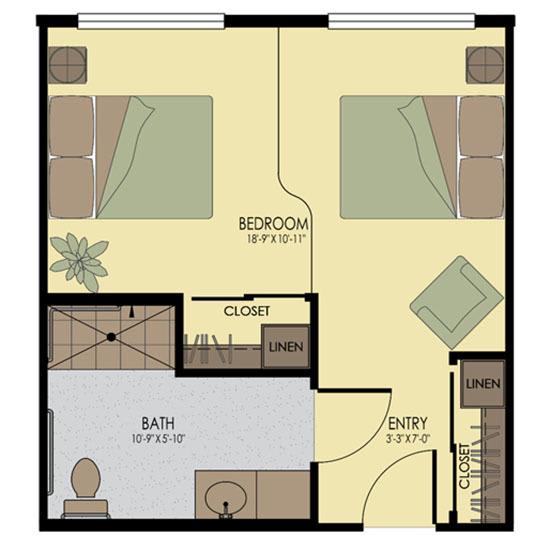
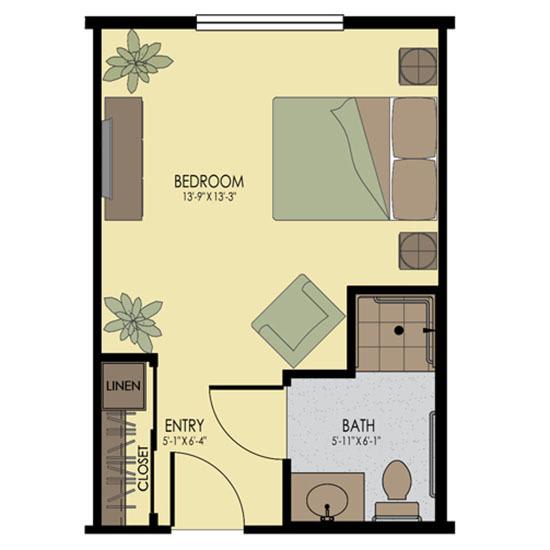
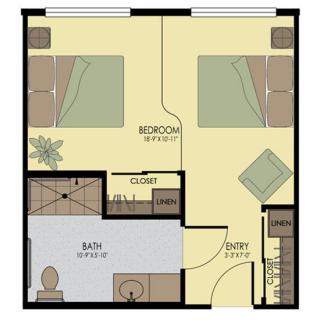
Floor plans
Pacific Gardens Alzheimer's Special Care Center
Multnomah County
Oregon
Semi-Private
$5,242 to $6,275
$4,011
$4,457
Private
$6,290
$3,227
$3,424
Studio
$6,814
$3,455
$3,815
Memory care communities with a similar price nearby
Overall Review of Pacific Gardens Alzheimer's Special Care Center
common20 reviews mention this
Staff responsiveness and care changes
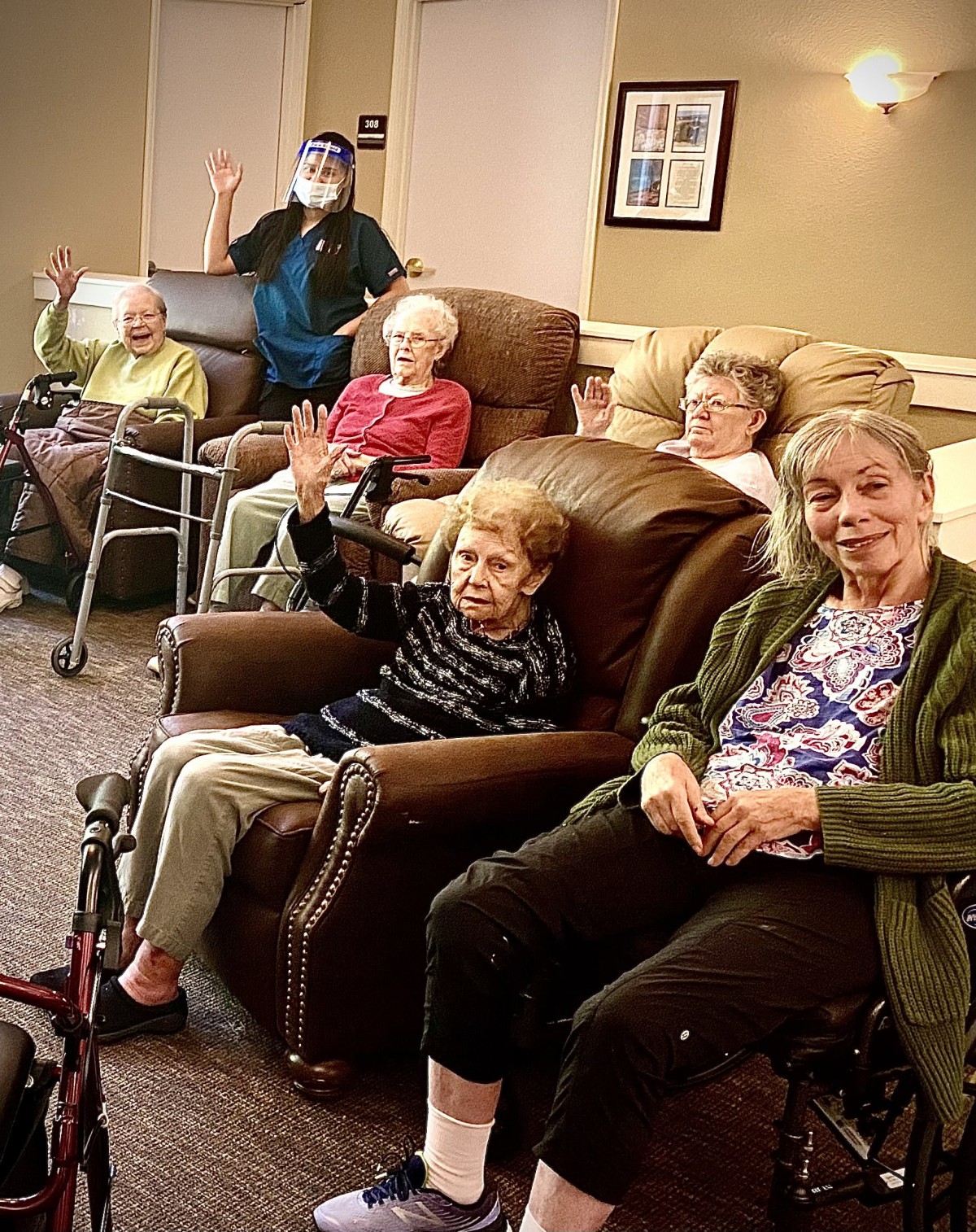
Residents and families describe staff as more engaged after recent changes at the community.
Many reviewers say staff feel more responsive than before, citing quicker answers to questions and more frequent communication with families. Multiple reviews also describe a shift toward a happier atmosphere, with staff interacting more and bringing more energy into daily life. A few negative reviews directly contradict that, alleging insufficient supervision, untrained memory care, and serious misconduct, so resident experiences vary widely.
common6 reviews mention this
Food quality and diet concerns
Food stands out in reviews, with some praising meals and others reporting problems with diet or meal support.
Several reviewers say the food is good and enjoyable, including one who called the meals especially strong and another who shared that their loved one seemed to enjoy events and outings tied to food. At the same time, some families report food issues such as meals being cold or reliance on supplements, and one reviewer alleges diet restrictions were not followed despite a medical condition. Overall, dining is a clear point of contrast between positive expectations and serious concerns raised by other families.
common6 reviews mention this
Activities feel more lively
Residents are described as spending more time in engaging activities.
Reviews frequently describe the community as being more active than before, including regular events and moments like group games and social gatherings. Some families say staff bring residents out for outings, and others mention the return of joy and laughter in the last few weeks or months. In contrast, at least one reviewer criticizes the lack of entertainment and says activities and chair use were not enough to keep residents engaged.
caveat7 reviews mention this
Security, wandering, and safety risks
Safety is a major divide in the reviews, especially around supervision and wandering risk.
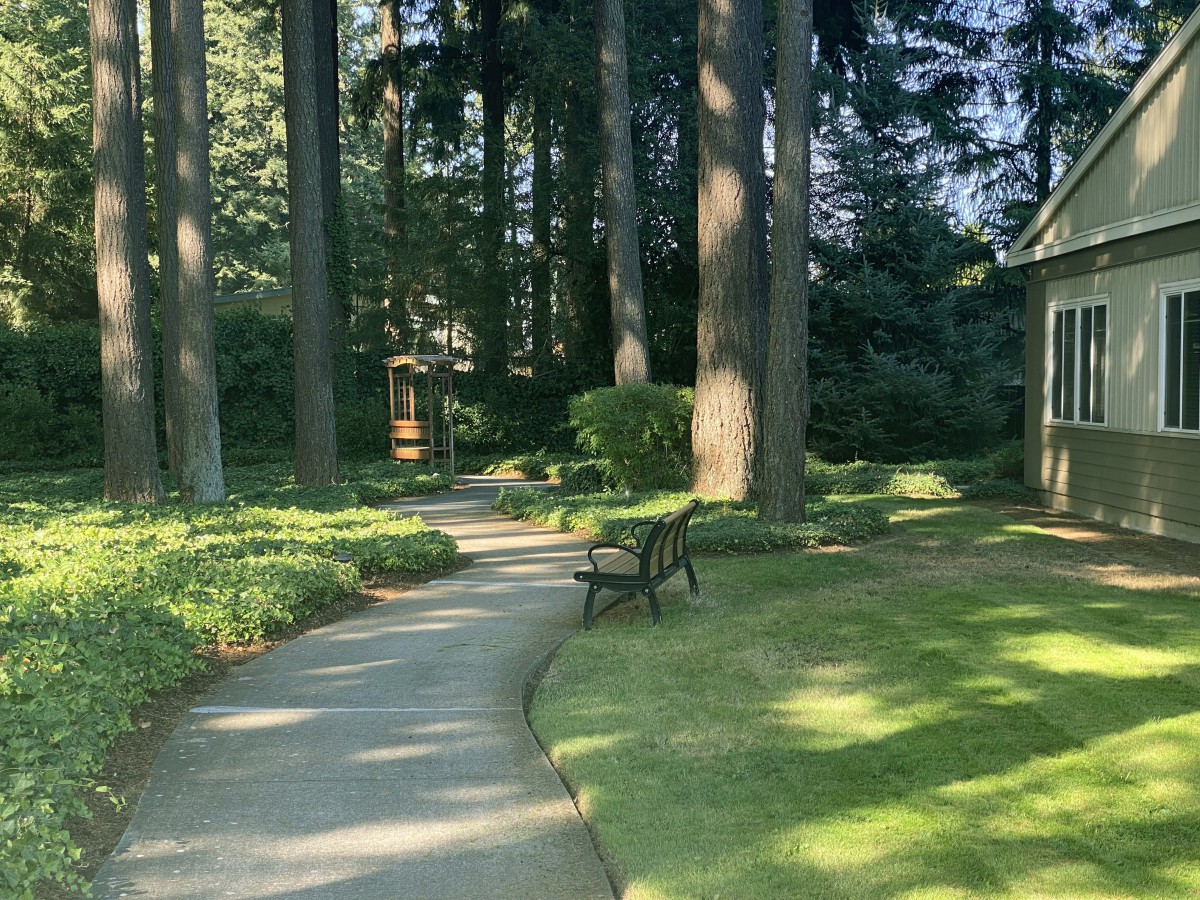
A few reviewers highlight safety positives, including praise for a secure outdoor space that residents can enjoy. Other reviews raise significant concerns, from reports of residents getting left unsupervised and wandering access to accounts of serious incidents and injuries. One reviewer also describes their loved one as being kept safe, warm, and fed during a short stay, but overall the safety theme ranges from reassurance to urgent alarm.
caveat3 reviews mention this
Medication support and medication concerns
Medication handling is both praised as supported and criticized as unsafe.
Some families say medical staff are present when needed and supportive during end-of-life needs, and other reviews describe care teams and med aides as part of the daily support. However, multiple negative reviews accuse the community of medication-related problems, including wrong dosing and allegations about medication technicians before administering medications. This makes medication management a key point where reviewer experiences diverge sharply.
How we summarize
Counts show how many written reviews mention each theme; a review can touch several themes, and only frequently mentioned themes are displayed.
Features
Types of Care
Memory Care
Amenities
Activities off-site
Activities on-site
Air-conditioning
Beautician on-site
Devotional services off-site
Devotional services on-site
Garden view
Ground floor units
Handicap accessible
Indoor common areas
Outdoor common areas
Respite or short term stays offered
Wheelchair accessible showers
Wi-Fi/high-speed internet available
Transportation
Portland International (7 miles away)
Care Services
Diabetic care
High acuity care
Incontinence care
Medication management
Dining
Gluten-free
Guest meals
Kosher
Low / no sodium
Meals provided
No Sugar
Professional chef
Room service
Vegan
Vegetarian
Activities
Art classes
Catholic services
Day trips and outings
Devotional activities on-site
Educational speakers / life long learning
Happy hour
Karaoke
Live dance or theater performances
Live musical performances
Live well programs
Visiting chaplain or priest
Videos
Nearby Places of Interest
Located in the vibrant city of Portland, Oregon, this area offers a variety of amenities and services that cater to the needs of seniors. With multiple pharmacies such as Rite Aid and Walgreens within close proximity, accessing medication and healthcare supplies is convenient. In addition, there are reputable physicians' offices nearby for medical care, including Rockwood Medical Offices and Eye Health Northwest. For dining options, seniors can enjoy a mix of cuisines at restaurants like Taqueria Queretaro and Jazzy Bagels. The presence of cafes like Dutch Bros Coffee and Starbucks provide cozy spots for socializing or enjoying a cup of coffee. With parks like Gresham Main City Park and hospitals such as Adventist Medical Center nearby, residents can maintain an active lifestyle while having access to essential healthcare facilities. Furthermore, the ease of transportation with TriMet Hollywood/NE 42nd Ave Transit Center and proximity to Portland International Airport ensures convenient travel options for seniors looking to explore beyond the neighborhood.
Pharmacies
Rite Aid (0.4 miles)
Rite Aid (1.5 miles)
Walgreens (2.5 miles)
Walgreens (2.5 miles)
Walgreens (2.5 miles)
Herbalist Farmer (2.6 miles)
Rite Aid (3.1 miles)
Physicians
Rockwood Medical Offices (1.3 miles)
Dr. Steven Clark & Associates (2.7 miles)
Jon Wesley Crew (3.2 miles)
Eye Health Northwest (3.3 miles)
Eastside Periodontics (3.4 miles)
Buckman Christy R MD MD (3.4 miles)
Adventist Medical Pavilion (3.7 miles)
Restaurants
Taqueria Queretaro (2.5 miles)
Jazzy Bagels (3.3 miles)
Heidi's Restaurant And Bakery (3.4 miles)
Subway (3.8 miles)
Edgefield Concerts On The Lawn (3.9 miles)
Long John Silver's (3.9 miles)
Del Taco (4.1 miles)
Cafes
Dutch Bros Coffee (2.7 miles)
Starbucks (3.6 miles)
Black Rock Coffee Bar (3.7 miles)
Panera Bread (4.2 miles)
Starbucks (4.9 miles)
Dutch Bros. Coffee (5.7 miles)
Common Grounds Coffee House (6.5 miles)
Places of Worship
East Hill Kid City (3.1 miles)
St Henry Catholic Church (3.1 miles)
St Rose Catholic Church (6 miles)
Parks
Gresham Main City Park (3.3 miles)
Tsuru Island (3.3 miles)
Imagination Station (3.9 miles)
Lents Park (4.9 miles)
Heritage Park (5.1 miles)
Mt. Tabor Park - Off Leash Area (5.2 miles)
Happy Valley Park (5.4 miles)
Hospitals
Adventist Medical Center (3.7 miles)
Legacy Mount Hood Medical Center (3.8 miles)
Theaters
Century 16 Eastport Plaza (4.9 miles)
Hollywood Theatre (6.6 miles)
Transportation
TriMet Hollywood/NE 42nd Ave Transit Center (6.6 miles)
Portland Airport Rental Car Center (6.7 miles)
Concourse E (6.7 miles)
Portland International Airport (PDX) (6.8 miles)
Concourse C (6.8 miles)
TSA Checkpoint A/B/C - Portland International Airport (6.8 miles)
Pacific Gardens Alzheimer's Special Care Center offers a range of monthly costs that reflect its commitment to specialized care in a supportive environment. For semi-private rooms, residents can expect to pay between $5,242 and $6,275, which significantly exceeds the average costs in Multnomah County at $4,011 and across Oregon at approximately $4,457. Those opting for private accommodations will find the rates set at $6,290 - again notably higher than the local average of $3,227 and the state average of $3,424. Lastly, residents choosing studio rooms can anticipate costs around $6,814, compared to lower averages in the county and state of $3,455 and $3,815 respectively. While these prices are elevated relative to local and state averages, they reflect Pacific Gardens' tailored approach to memory care for those living with Alzheimer's disease.
Effective medication management is crucial in Alzheimer's care as it ensures residents receive the appropriate medications at the correct times, minimizing confusion and potential adverse effects. This structured approach helps maintain cognitive function and manage behavioral symptoms associated with dementia. Incontinence care is equally vital, providing dignity and comfort to residents by addressing one of the more challenging aspects of aging and cognitive decline. By offering discreet and respectful support in this area, caregivers help alleviate anxiety for both residents and their families, fostering an environment where individuals feel safe, respected, and able to focus on meaningful interactions rather than potential discomfort or embarrassment. Together, these features enhance overall well-being and quality of life for those living with Alzheimer's or dementia.
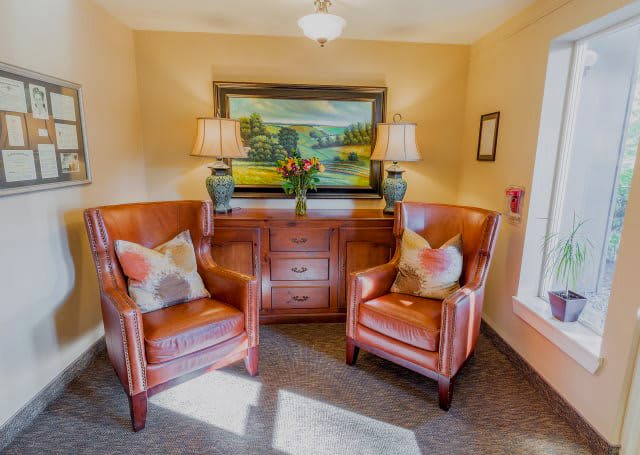
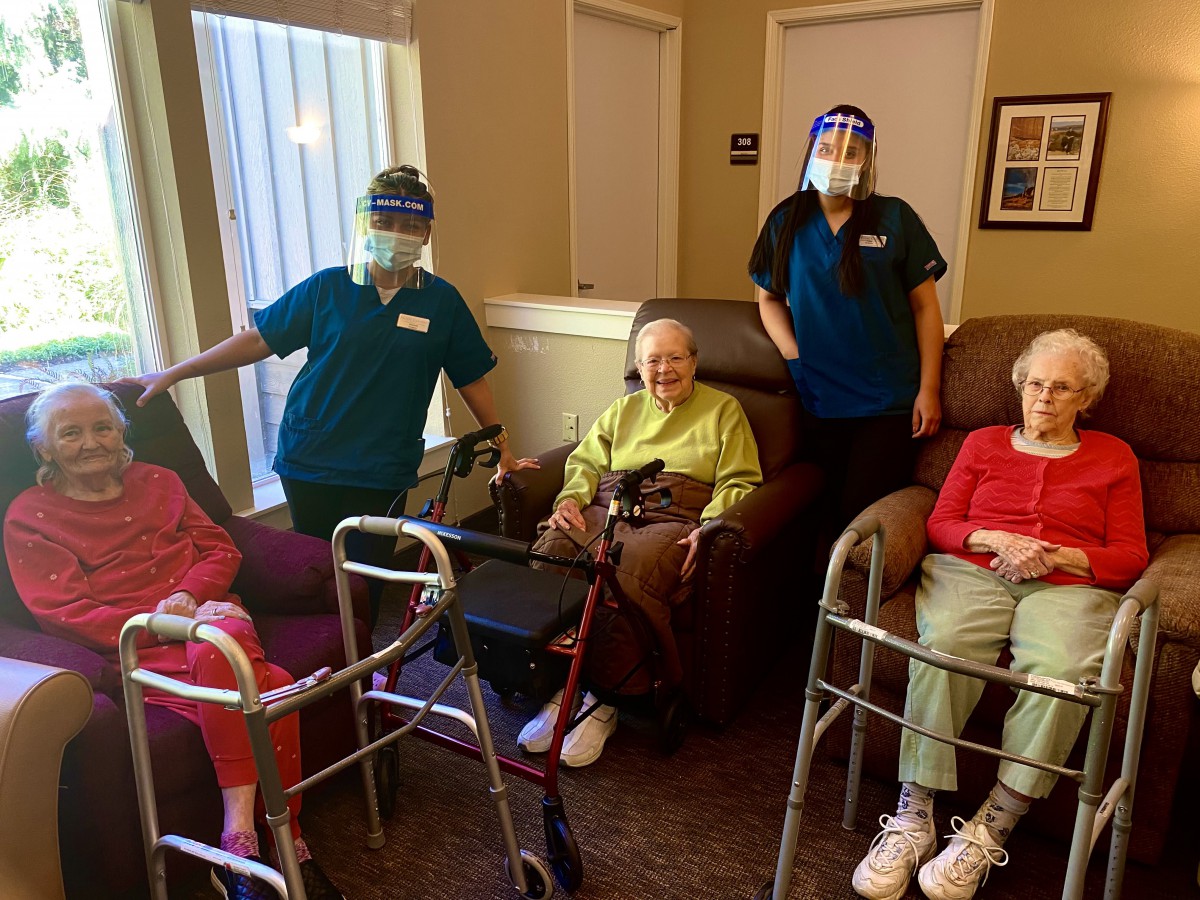
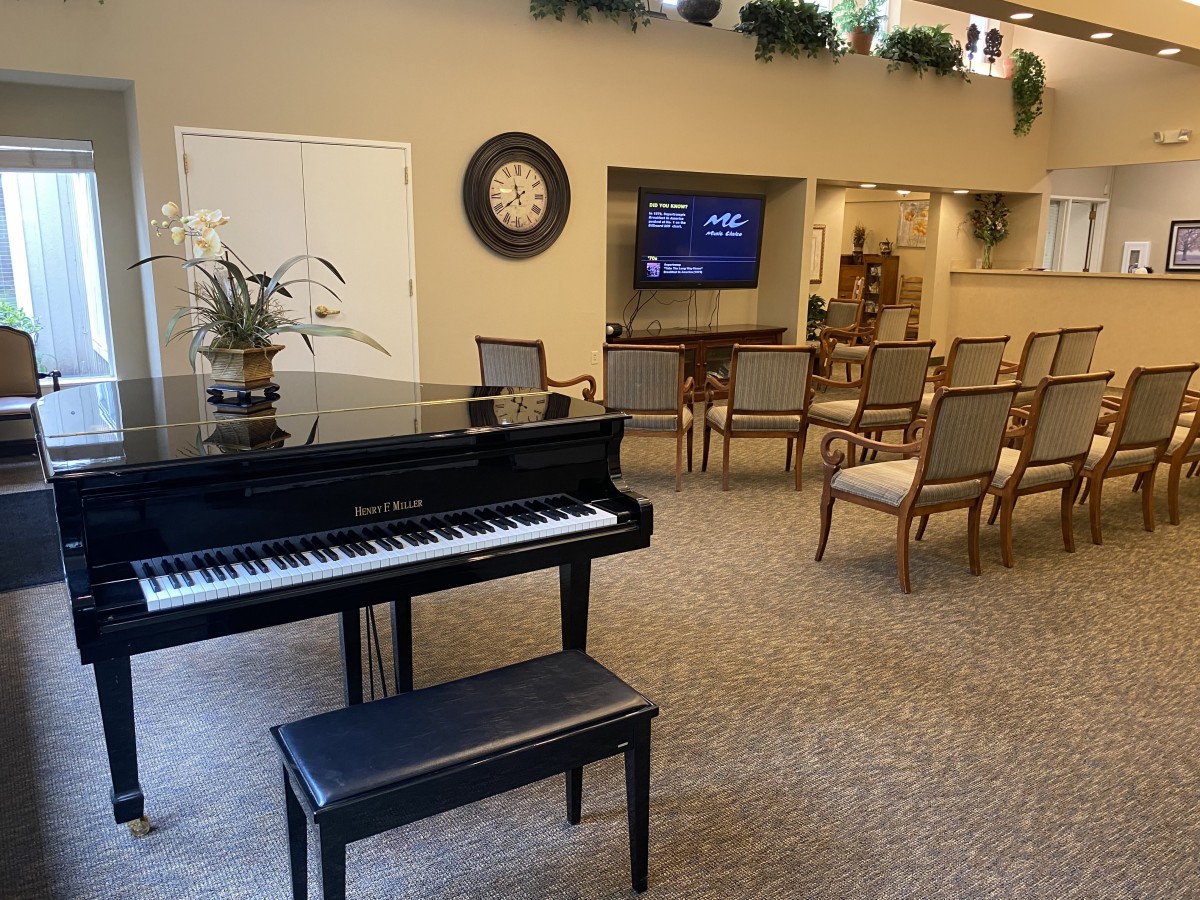
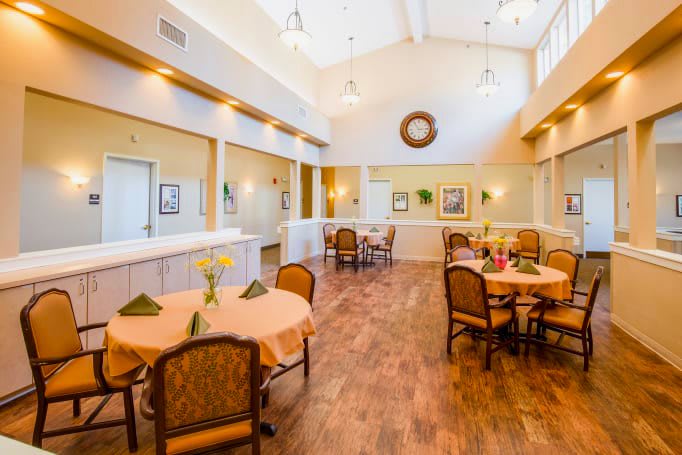
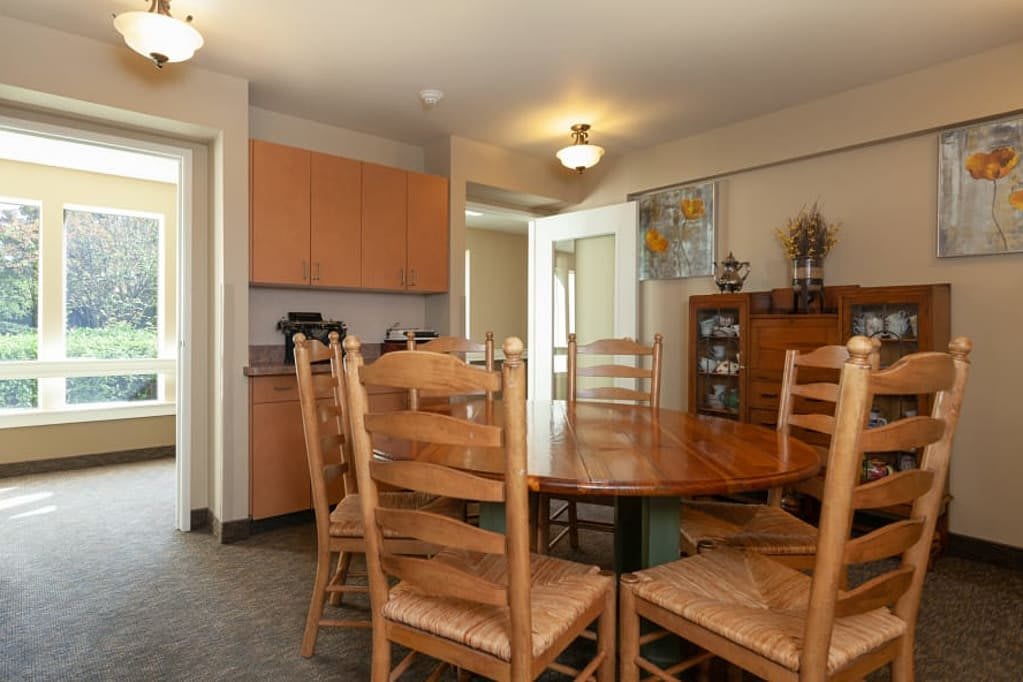
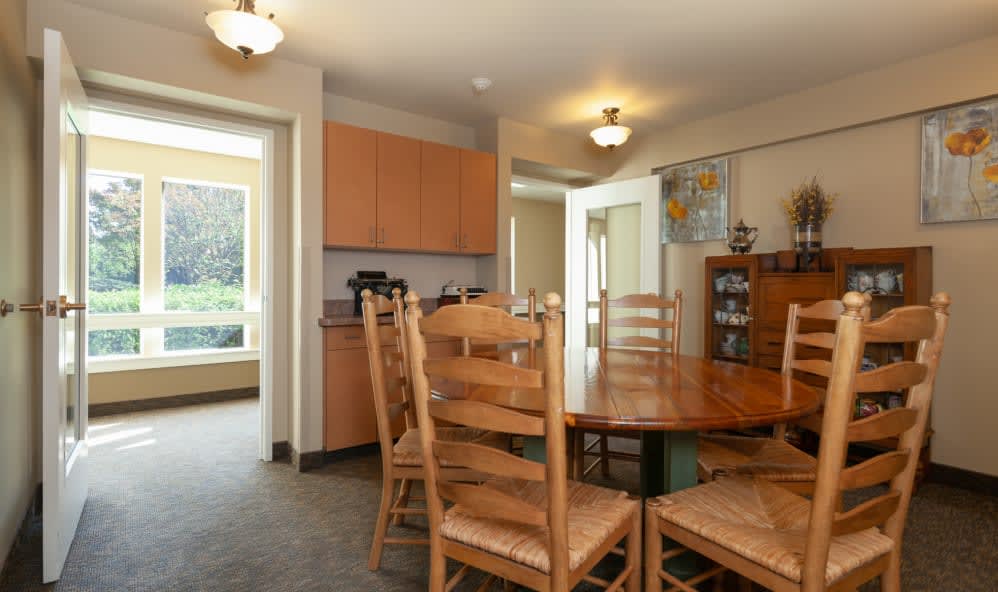
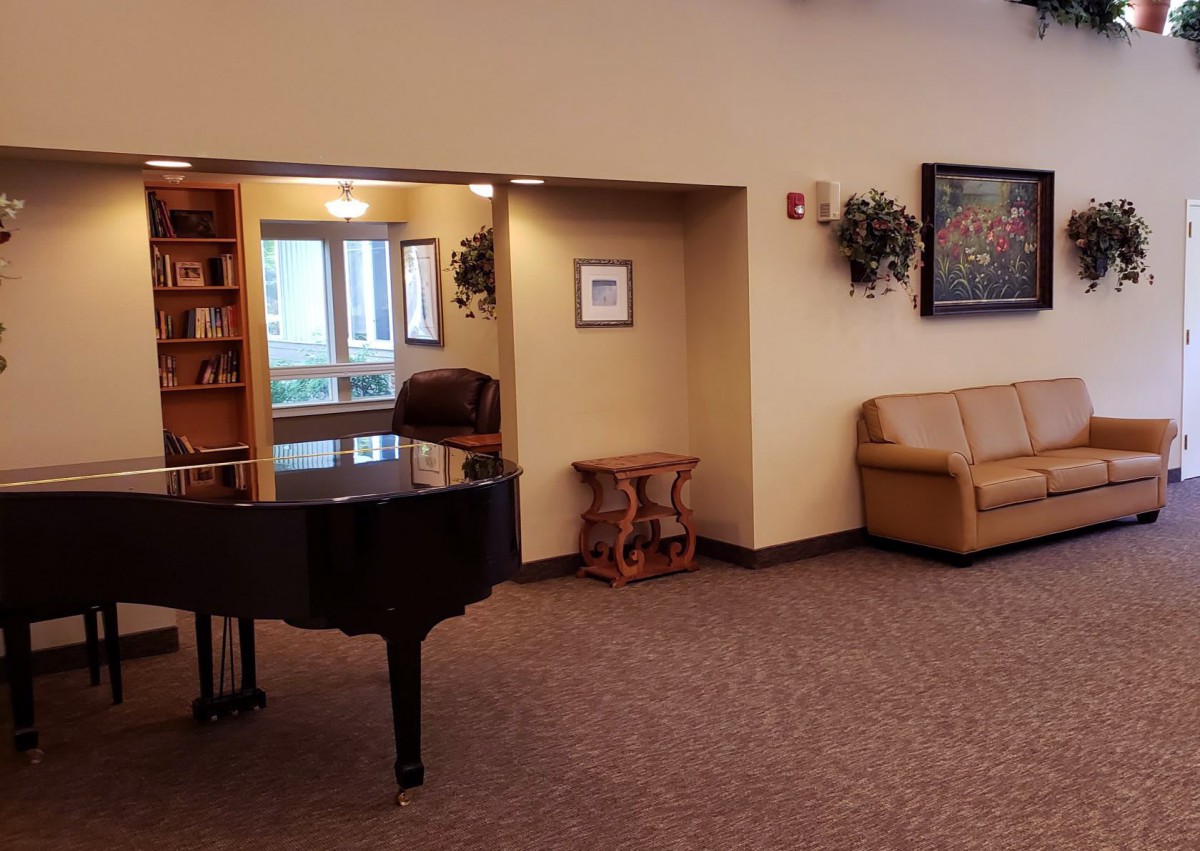
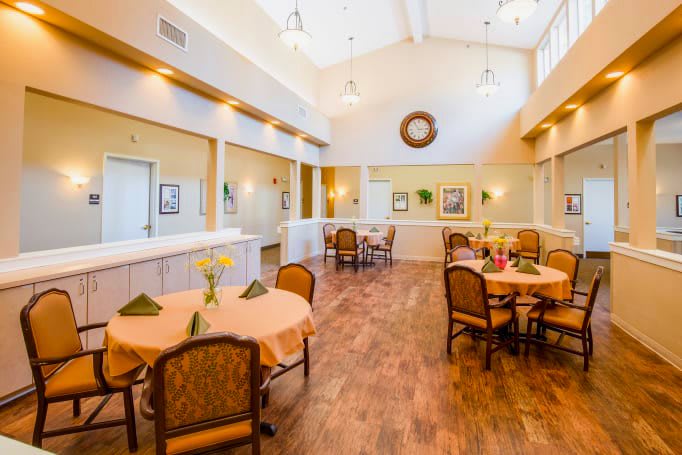
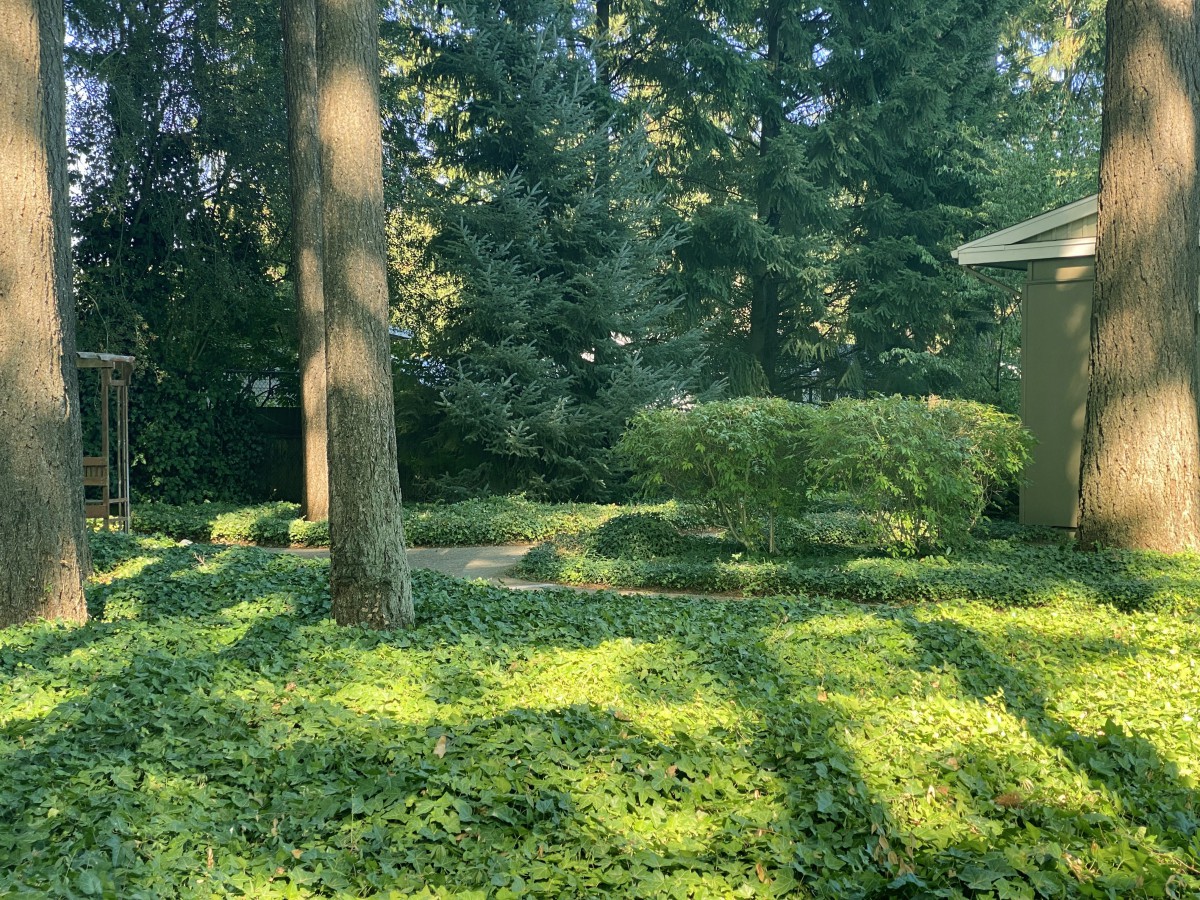
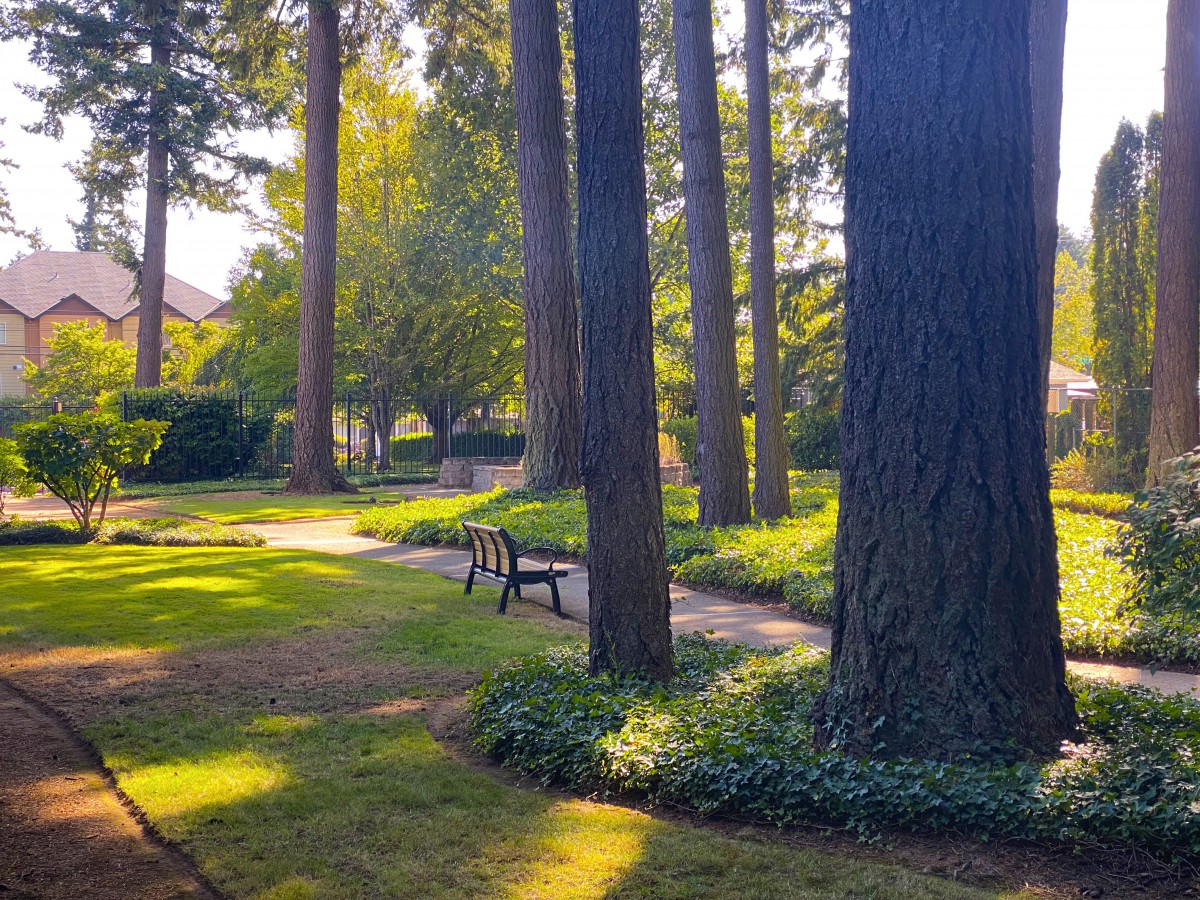
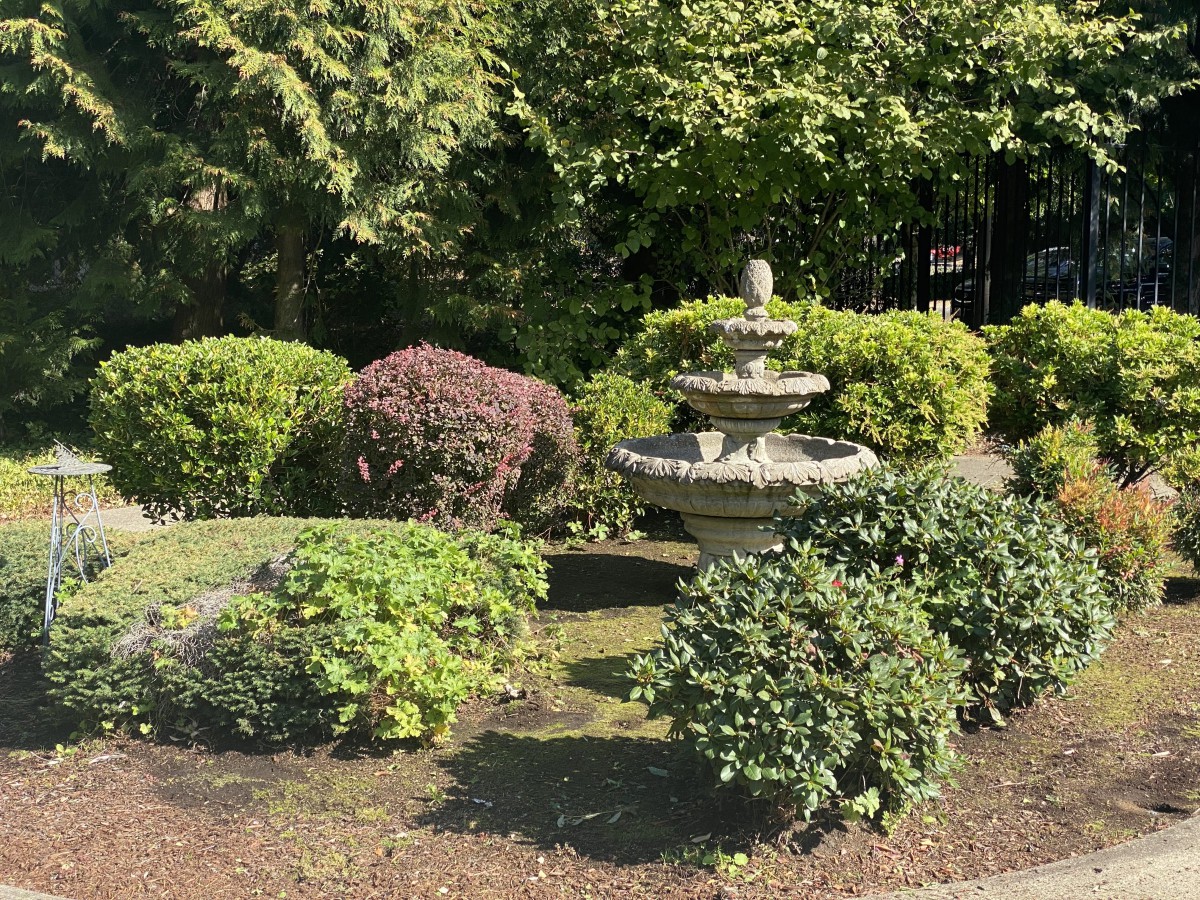
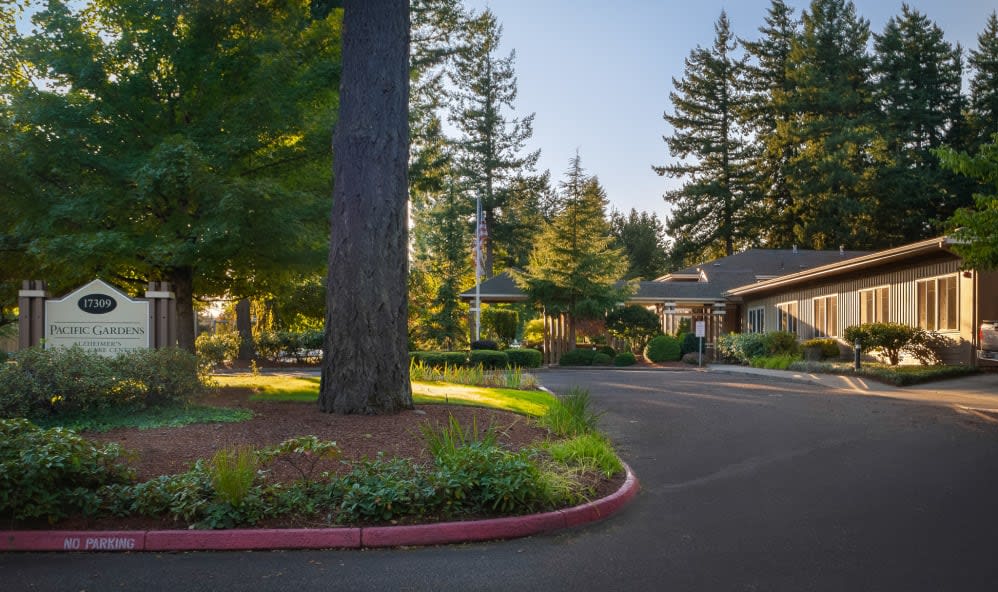
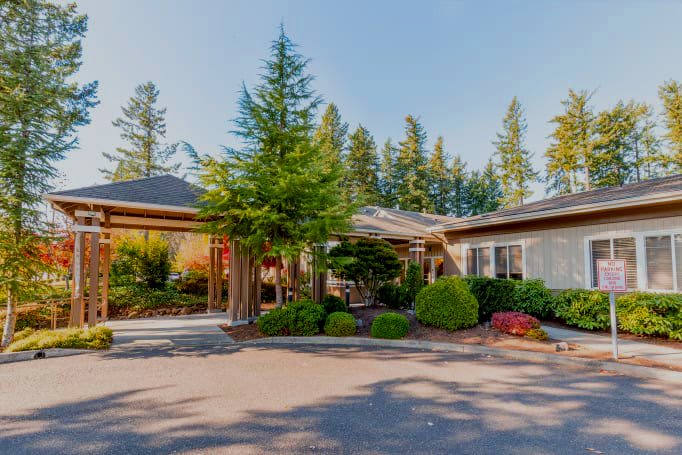
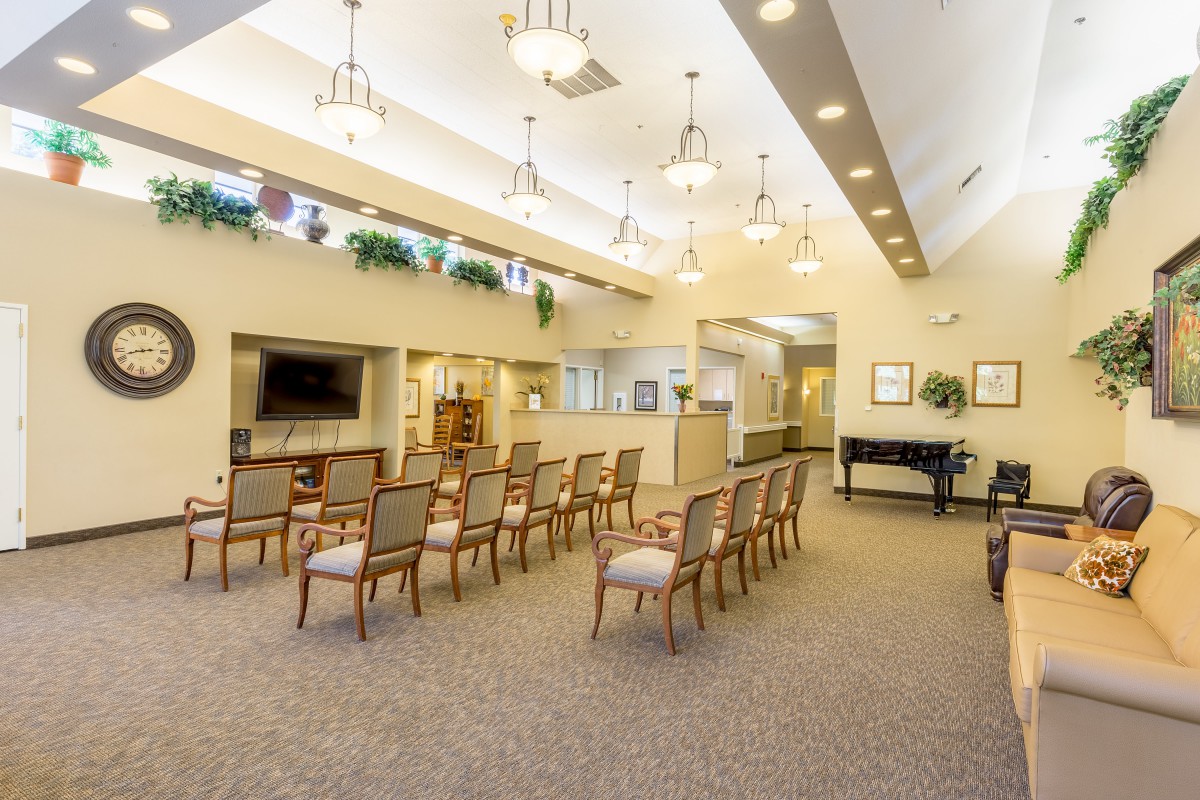
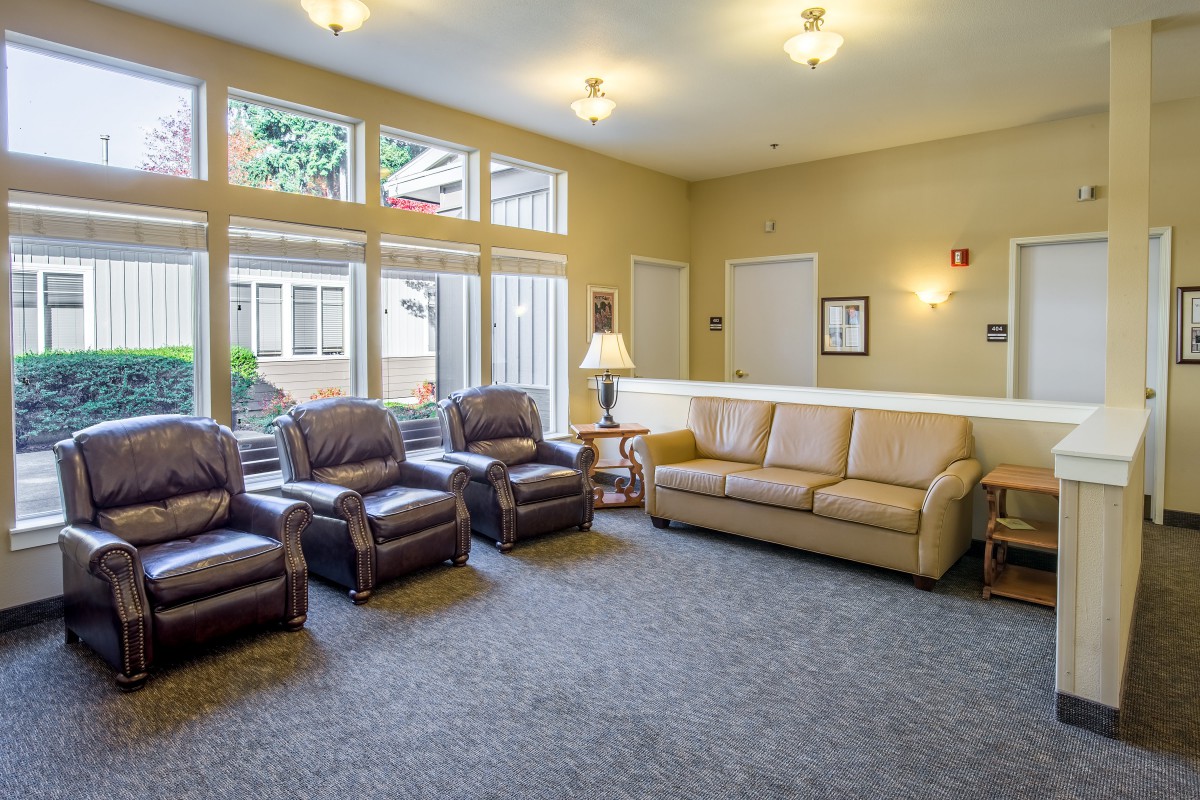
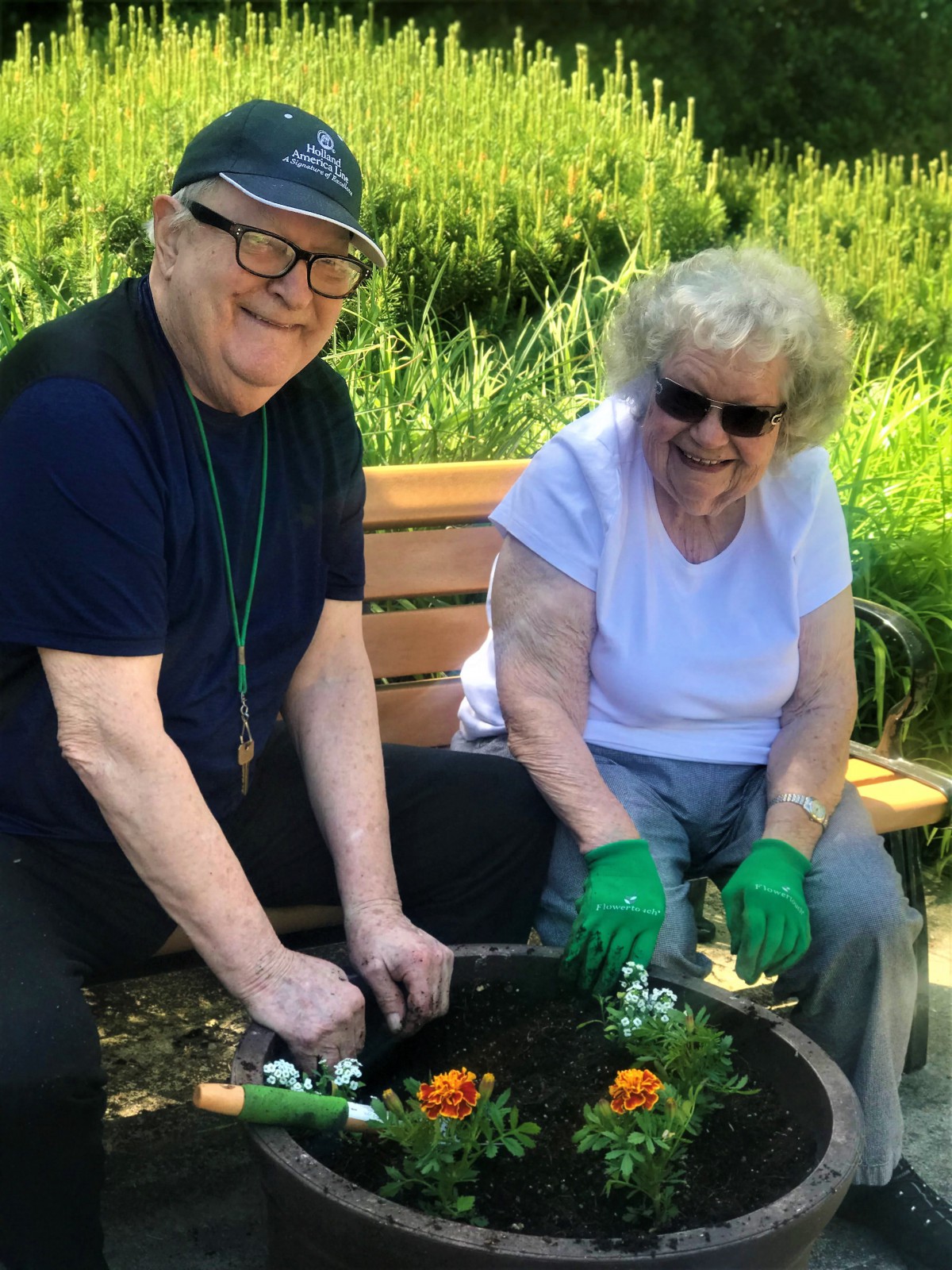
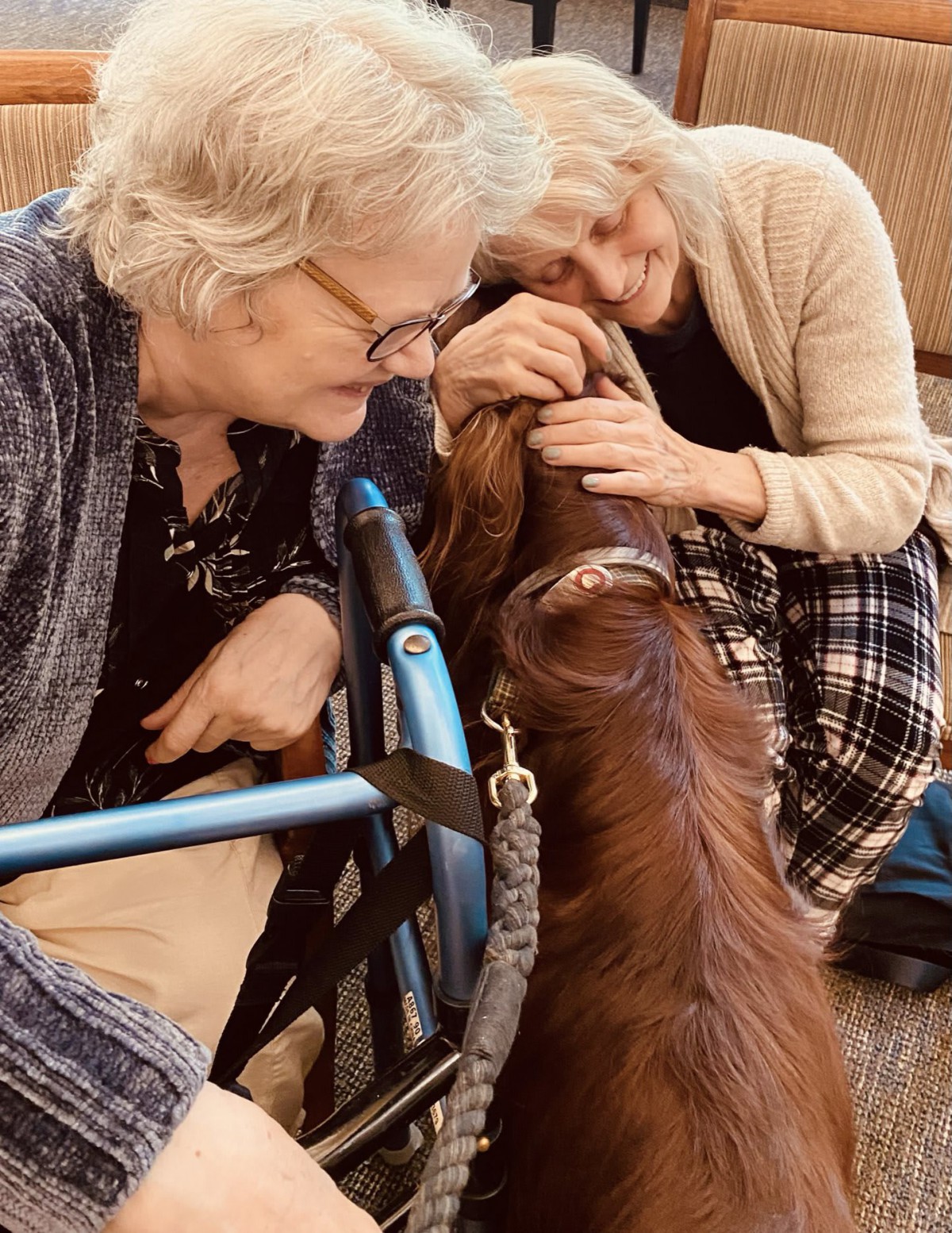
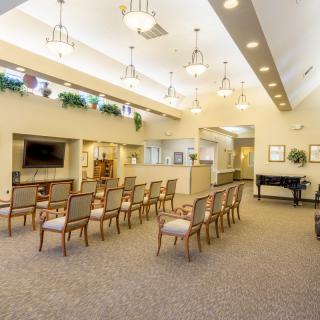
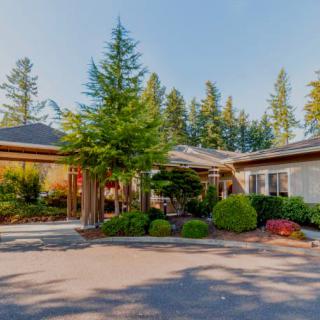
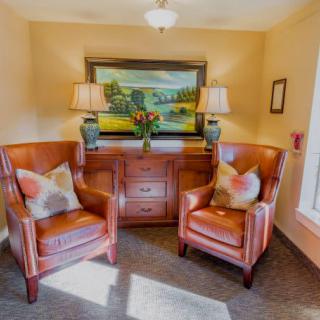
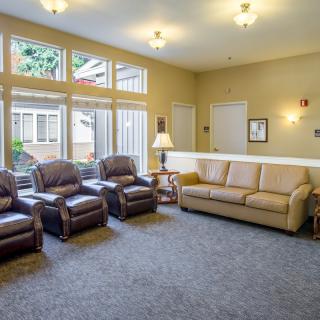
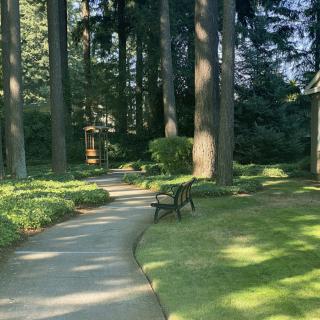
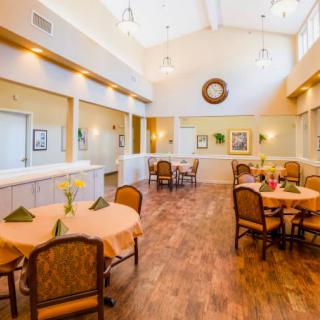
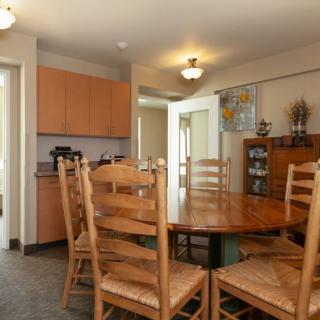
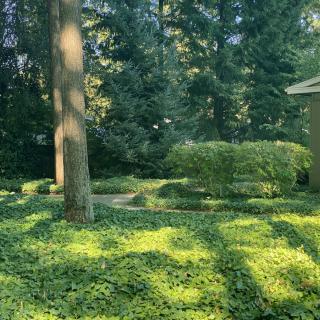
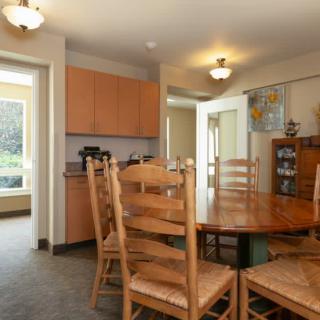
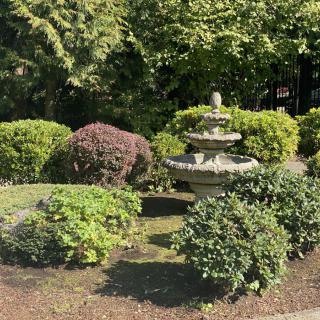
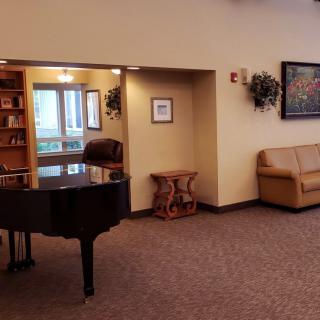
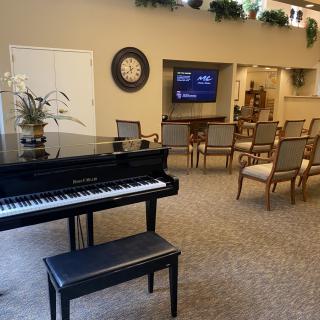
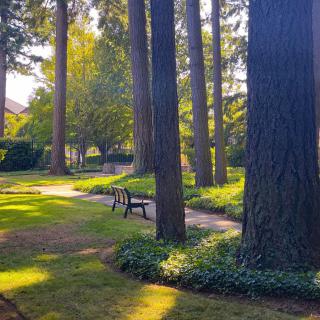
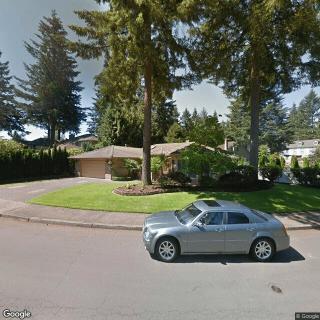
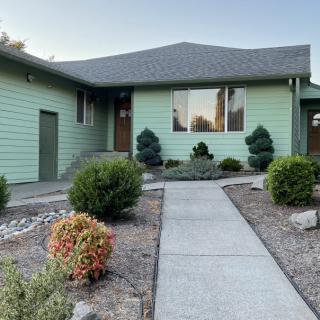
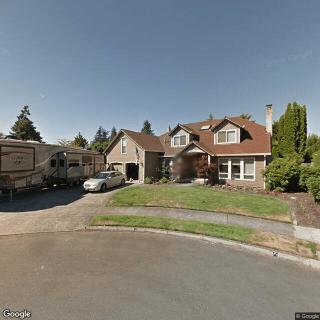
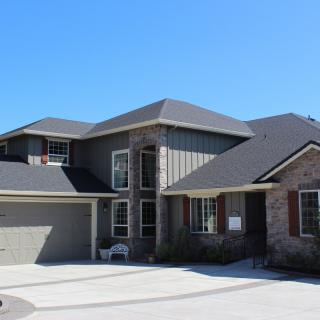
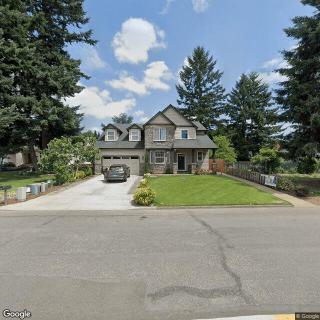
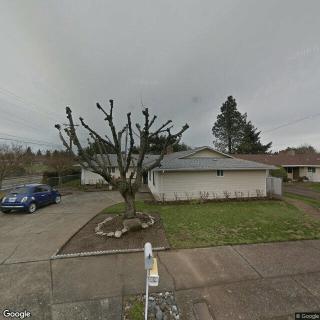
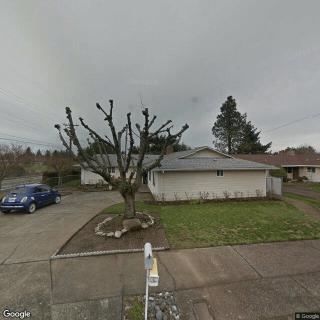
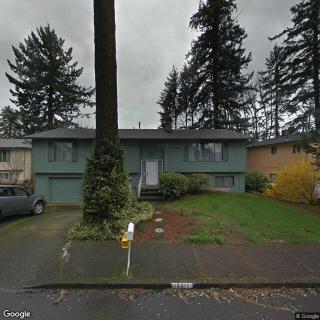
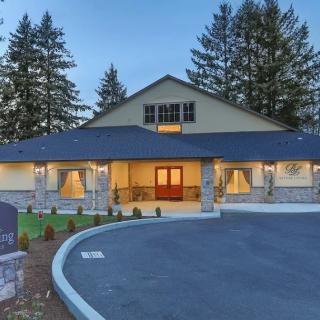
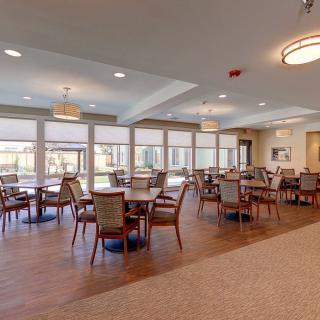
Pacific Gardens Alzheimer's Special Care Center on seniors.fyi includes 22 photos including images showing interior, landscaping, outdoors, trees, dining, nature, floor plan, piano, and more.
Nearby Communities
Pacific Gardens Alzheimer’s Special Care Center
Portland, OR
4.3 from 23 reviews
Maria Lupas Care Home
Portland, OR
4.7 from 13 reviews
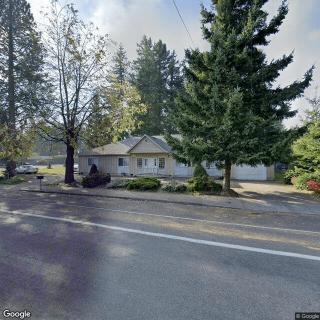
Excellent access to nearby amenities and healthcare.
Rica's Adult Care Home
Portland, OR
4.7 from 3 reviews
$2,500 / month
Affordable private rooms at $2,500/mo with high acuity care and private bathrooms.
Pop's Family Guest Home
Portland, OR
$2,200 / month
Affordable private room with convenient access to parks, pharmacies, clinics, and local services.
Ca-Dy's Adult Care Home
Portland, OR
4.7 from 3 reviews
$2,500 / month
Cost-effective option with comprehensive care (diabetic and high-acuity) and on-site activities.
Adult Care Home - Lenuta Ciornei
Portland, OR
5 from 1 review
$3,500 / month
Private rooms with wheelchair-accessible showers and on-site devotional services; personalized care and engaging activities.
Better Living Rcf
Portland, OR
5 from 2 reviews
Intimate 19-bed community with comprehensive care (ADL support, diabetes diet, medication management), plus on-site dining, housekeeping, and a garden.
Village Retirement Center
Gresham, OR
4.6 from 41 reviews
$565 to $782 / month
Well-maintained, clean facilities with friendly staff.
Sapphire at Firwood Gardens
Portland, OR
3.5 from 64 reviews
Friendly staff; clean, welcoming environment with engaging activities
The article differentiates between assisted living and memory care, explaining that assisted living supports seniors with daily activities while promoting independence, whereas memory care provides specialized services for individuals with dementia, focusing on secure environments and cognitive support. It also addresses staff training, safety considerations, costs, family involvement, and transition strategies for families navigating these care options.
The article outlines effective communication strategies for interacting with loved ones with dementia, highlighting the need for empathy, patience, and understanding while emphasizing supportive approaches like using simple language, minimizing distractions, and focusing on feelings over facts to maintain dignity and foster connection. It also suggests seeking professional guidance when needed as communication challenges evolve.
VA nursing homes, or Community Living Centers (CLCs), offer tailored long-term care for veterans, featuring medical attention and rehabilitation in a supportive environment. The guide covers facility types, eligibility criteria, financial assistance options, quality of care standards, and alternatives to full-time nursing home placement.
Pacific Gardens Alzheimer's Special Care Center photos
×
Interior
Outdoors
Decor
Living Room
Trees
Windows
Dining
Landscaping
Kitchen
Garden
Artwork
Seating Area
Floor Plan
Pathway
Interior
Decor and Painting
Bedroom, Floor Plan, and Bathroom
Dining
Living Room
Landscaping
Windows
Trees
Kitchen
Lighting
Garden
Artwork, Lobby, and Living Space
Television and Seating Area
Outdoors
Pathway
Nature
Healthcare and Nursing Home
Piano
Plant
Studio Apartment
Fountain
Bright Lighting and Decorative Plants
Closet
Park
Road
Lighting Fixtures
Table And Chairs
Gardening
Get PricingAsk A QuestionSchedule A TourContact Senior Advisor
By clicking submit, you agree to our Partner's Terms of Use. You
also consent to receive calls and texts, which may be autodialed, from our Partner. Your consent is not a condition to
using our Partner's service. Please visit our Partner's Privacy Policy for information about their privacy practices.

 Memory Care
 Activities off-site
 Air-conditioning
 Beautician on-site
 Devotional services off-site
 Garden view
 Ground floor units
 Handicap accessible
 Indoor common areas
 Outdoor common areas
 Respite or short term stays offered
 Wheelchair accessible showers
 Wi-Fi/high-speed internet available
 Portland International (7 miles away)
 Diabetic care
 High acuity care
 Incontinence care
 Medication management
 Gluten-free
 Art classes
 Catholic services
 Day trips and outings
 Educational speakers / life long learning
 Happy hour
 Karaoke
 Live dance or theater performances
 Live musical performances
 Live well programs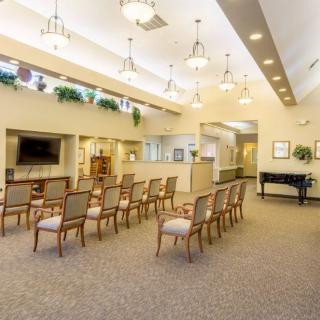
 Excellent access to nearby amenities and healthcare.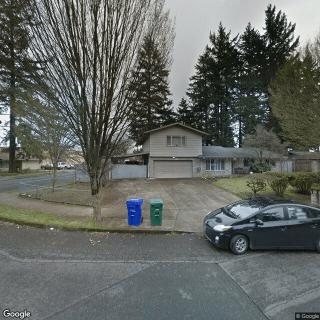
 Understanding the Distinctions: Assisted Living and Memory Care Explained
 How to Communicate with a Loved One Living with Dementia: 10 Supportive Strategies
 Comprehensive Guide to VA Nursing Homes: A Crucial Long-Term Care Resource for Veterans