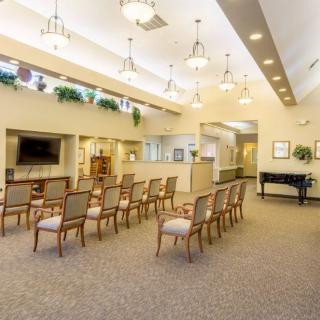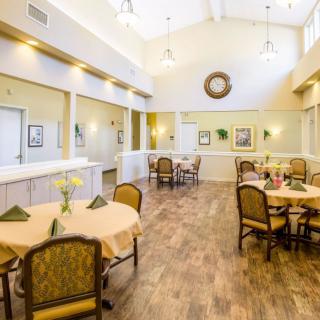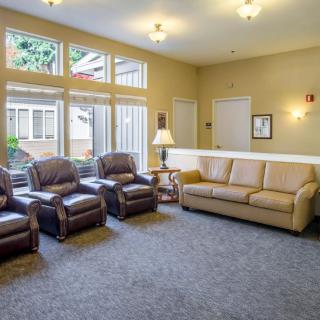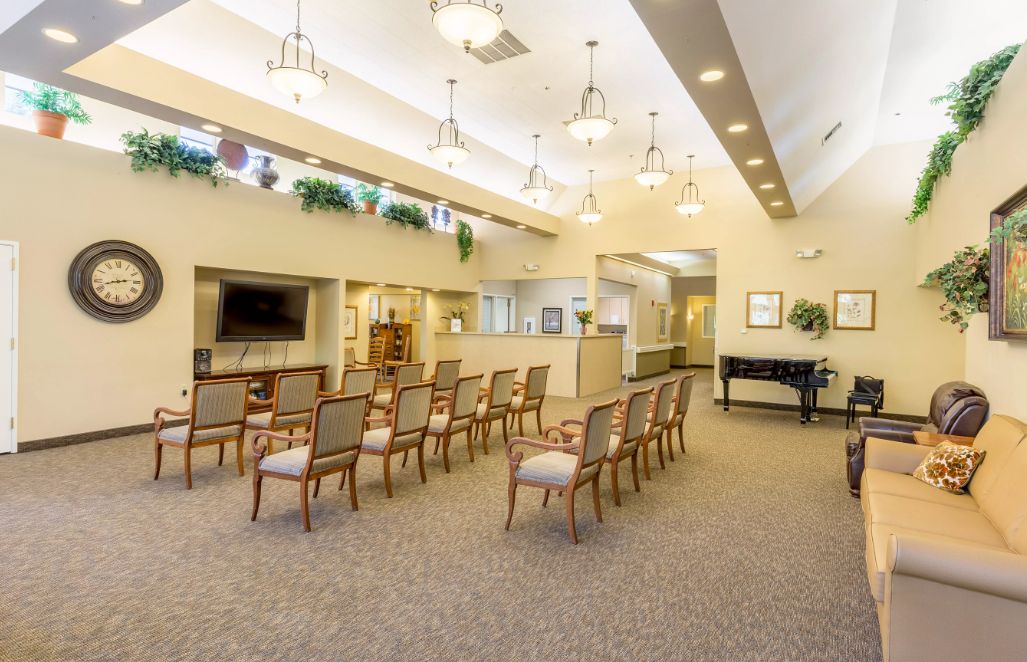
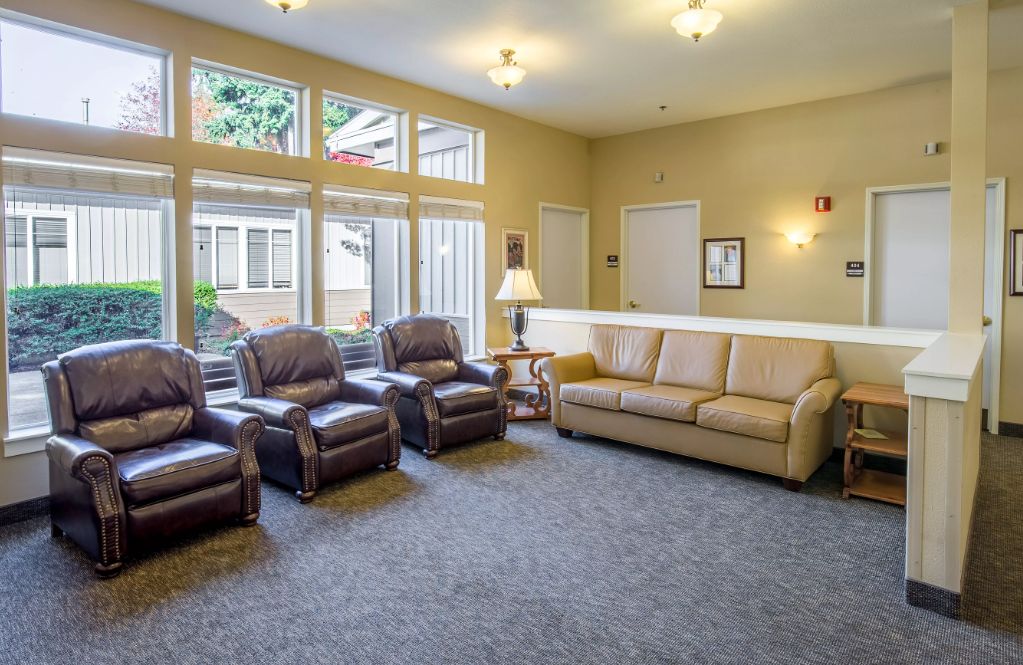
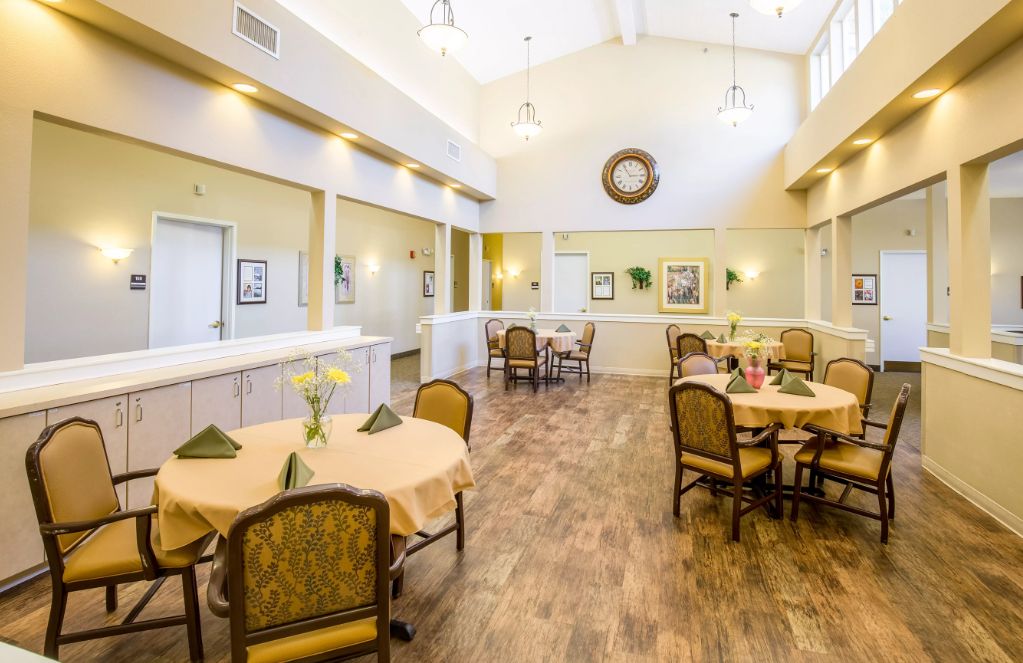
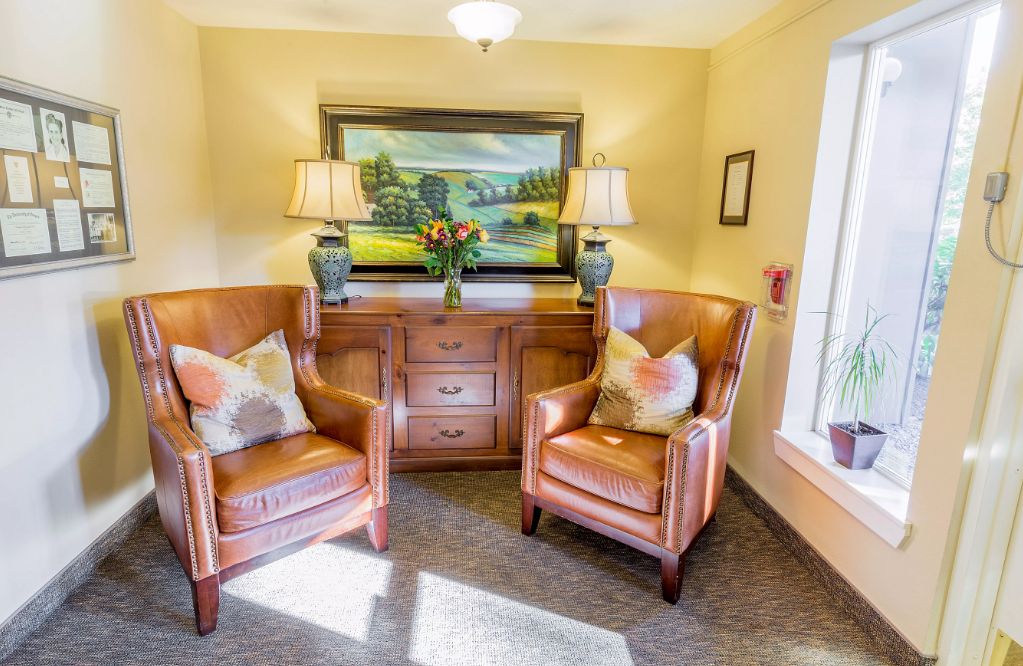
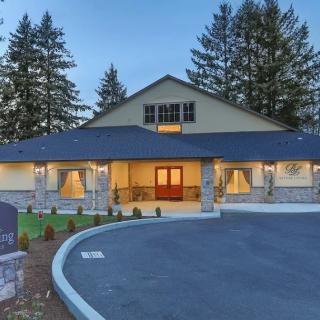
17309 North East Glisan Street, Portland, OR 97230
For more information about senior living options: (866) 208-4318
Overall Review of Pacific Gardens Alzheimer’s Special Care Center
Pros
 The staff are very nice and treat people like individuals, not just patients.
- They make guests feel welcomed and there is always someone available to help.
- They go out of their way to get things done and ensure they are done the right way.
- They help reduce stress by letting patients focus on healing and getting better.
- The care is attentive and the staff are caring and respectful.
- It is highly recommended by those who have received care there.
Cons
 This place specializes in neglect.
- This place needs to be shut down.
- The facility has roaches, and staff told the reviewer that their service animal wasn’t allowed.
Review
Pacific Gardens Alzheimer’s Special Care Center in Portland is best suited for families confronting memory-care needs who prize hands-on, attentive staff and a visibly person-centered approach. The strongest takeaway from multiple positive experiences is that residents are treated as people first, staff are described as warm, accessible, and willing to go the extra mile to keep care on track and reassure families during stressful transitions. For families seeking reassurance that a facility will mobilize help quickly and minimize their own burden during recovery or ongoing memory-care challenges, this center offers a compelling, practical fit.
Those weighing alternatives will want to scrutinize two big red flags that appear in several accounts. A subset of reviewers portrays the operation as neglectful or deficient in essential management, which is incompatible with high-stakes dementia care. Separate complaints cite pest issues and enforcement of service-animal policies that frustrate relatives and threaten trust in the environment. When safety, cleanliness, and predictable policy enforcement are non-negotiable, these reports may push families toward other memory-care providers with more consistently documented quality controls.
On the positive side, several reviewers emphasize genuine, patient-centered attention. When staff are praised for making residents feel welcomed and respected, the impact is clear: a calm, reassuring atmosphere that lowers family anxiety and supports healing or daily care routines. In post-acute contexts, one account highlights reduced caregiver stress because staff efficiently handles tasks and coordinates care, allowing loved ones to focus on recovery. These strengths, personalization, responsiveness, and a culture of courtesy, can materially offset routine care frictions for families that value relational care and steady advocacy from the team.
Yet the most troubling threads run parallel to those positives. The accusation that the facility specializes in neglect, whether accurate or extreme in wording, cannot be dismissed as inconsequential. The roach report underscores ongoing cleanliness and maintenance concerns that raise questions about infection control, housekeeping, and supervisor oversight. The service-animal dispute dramatizes how policy enforcement can affect trust and resident well-being. Taken together, these concerns suggest that experiences at this center are not uniformly reliable and that some families may encounter inconsistent quality or unmet expectations.
Practically, families should approach a commitment here with a rigorous, comparative vetting process. Arrange multiple, in-person visits at different times to observe staff interactions, response times, and how the environment actually feels for residents with memory-care needs. Request data on staff-to-resident ratios, turnover, and dementia-specific training, and examine state inspection reports and any recent corrective-action plans. If possible, seek conversations with the director of nursing, front-line caregivers, and families currently navigating memory-care routines, sanctions, or lift plans. A trial stay or a clearly defined transition plan can illuminate whether the overall tone aligns with promises.
In the end, Pacific Gardens Alzheimer’s Special Care Center presents a practical choice for families prioritizing warmth, accessibility, and personalized attention in a memory-care setting. However, the presence of serious concerns around neglect allegations, pest issues, and policy enforcement cannot be ignored. The decisive factor is whether these red flags reflect isolated incidents or a pattern requiring broader scrutiny. For families willing to conduct thorough due diligence, the center can deliver meaningful peace of mind through diligent staff engagement and a caregiving ethos that prioritizes residents as individuals. For those seeking a consistently flawless environment with uncompromising cleanliness and policy transparency, broader comparison is strongly advised.
 68 resident community capacity
 Memory Care
 Respite Care
 Air-conditioning
 Beauty salon
 Cable or satellite TV
 Computer center
 Dining room
 Family overnight stay rooms
 Fitness room
 Fully furnished
 Gaming room
 Garden
 Housekeeping services
 Kitchenette
 Move-in coordination
 Outdoor space
 Private bathrooms
 Restaurant-style dining
 Small library
 Telephone
 Wellness center
 Wi-Fi/high-speed internet available
 Portland International (7 miles away)
 Community operated transportation
 12-16 hour nursing
 24-hour call system
 Activities of daily living assistance
 Assistance with bathing
 Assistance with dressing
 Assistance with transfers
 Diabetes diet
 Hospice waiver
 Medication management
 Mental wellness program
 Special dietary restrictions
 Transportation arrangement (medical)
 Concierge services
 Planned day trips



 Understanding Dementia Behaviors: Practical Insights and Strategies for Caregivers
 When Dementia Sparks Anger and Aggression: Understanding the Connection and Ways to Cope
 Dementia Behaviors: In-Depth Understanding and Effective Coping Strategies