





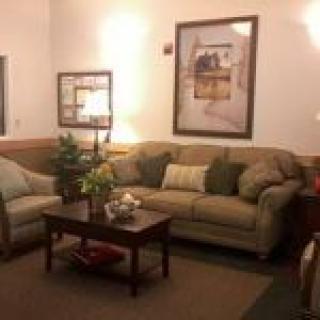
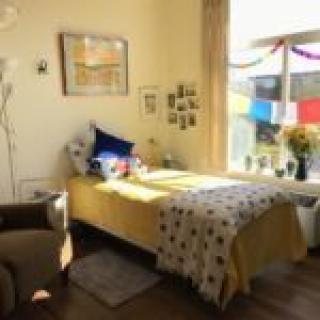



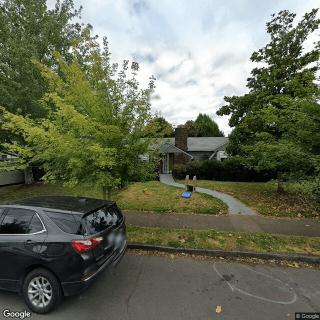
3577 South East Division, Portland, OR 97202
For more information about senior living options: (866) 208-4318
Overall Review of Emerson House Portland
Pros
 The facility is clean and well set up.
- The staff are thoughtful and caring.
- The head nurse is very nice.
- The building has three stages and is secure for residents, with attentive health care.
- The administration is wonderful, and residents can learn from the stories shared by others.
- The staff are the nicest you will ever meet, and residents receive good care.
- Emerson House provides loving care, a strong life-enrichment program, and emotional support from staff and management.
- Visitors are welcomed like family, and residents feel comfortable with the care they receive.
- The activity director Lindsey is fabulous.
Cons
 The facility is understaffed and cannot adequately care for residents.
- A staff member named Jordan is described as lousy at communicating, dishonest, and unreachable.
- Caregivers are perceived as uncaring, with incidents suggesting neglect.
- A med tech blamed the resident and showed a clear lack of concern.
- The facility did not reach out with condolences after a resident’s death, signaling a lack of compassion.
- One review suggests neglect and staff under the influence could occur at the facility.
- Another comment portrays the negative reviewer as a disgruntled ex-employee aiming to damage the facility’s reputation.
Review
Emerson House Portland is best suited for families seeking a dementia-focused memory-care environment that combines affectionate, resident-centered caregiving with a structured, security-conscious setting. The building’s three-stage layout and dedicated memory-care culture create a framework in which staff can tailor activities and supervision to different phases of dementia, while still inviting family involvement. Residents generally benefit from a culture of warmth and engagement, and multiple reviewers describe staff as thoughtful, patient, and genuinely devoted to life enrichment. For families prioritizing meaningful interaction and a home-like atmosphere within a formal memory-care program, Emerson House stands out as a compelling option.
Those who may want to consider alternatives include families needing consistently high clinical oversight or rigid, transparent administrative reliability. Several reviews flag concerns about staffing levels and care consistency, with specific criticism aimed at communication lapses and an instance of neglect described by a family. If the resident requires robust nursing ratios, acute medical management, or a fault-free accountability trail, other options, especially facilities with longer track records of clinical rigor, may fit better. Likewise, if the person is not in a dementia-focused stage and would benefit from a more generalized assisted-living environment, a different community could be a more appropriate match.
On the upside, Emerson House earns credibility through the human touch. Multiple accounts emphasize friendly, caring staff and strong relationships between residents and caregivers, with praise for the activity director and ongoing enrichment programs. The three-stage layout and secure design promote safety without sacrificing social engagement, and several families describe emotional support from management that helps caregivers cope with the disease’s strain. The main drawbacks center on staffing gaps and uneven care experiences: some caregivers appeared to lack compassion; there are reports of lapses in privacy and dignity, and one administrator’s communication failures damaged trust. Still, the positive daily interactions and structured engagement often outweighed these concerns, especially for families who can stay actively involved.
Practical steps help families decide: request a tour focused on the memory-care unit’s daily rhythm, observe how staff interact with residents, and gauge whether privacy and dignity are consistently upheld. Inquire about staff-to-resident ratios on different shifts, the training program for memory-care specialists, and the process for addressing concerns quickly. Ask to review the enrichment calendar and speak with current family members about responsiveness. Examine the facility’s procedures for medical emergencies, medication management, and communication after changes in a resident’s condition. A candid conversation with leadership about how past negative feedback is addressed can offer a clearer picture.
For families with a loved one who thrives on social engagement and a predictable routine, Emerson House can deliver a supportive, respectful community that makes daily life more manageable and emotionally sustainable. The presence of a dedicated life enrichment program and a reputation for caring staff adds tangible value for memory-care residents and their families. However, the model hinges on reliable staffing and consistent, compassionate care across shifts; if those elements are uncertain, the warmth may not fully translate into reliable outcomes. In short, Emerson House is a strong fit when the priority is a dementia-forward environment with active resident engagement and family-inclusive care.
Bottom line: Emerson House Portland is a solid choice for families who want a dementia-specific community where staff visibly invests in residents’ quality of life and where a secure, stage-based design supports daily routines. It is not the best pick for those who require unwavering clinical oversight, airtight administrative reliability, or a complaint-free record across the board. Prospects should plan a thorough visit, speak to multiple staff and families, and compare with a couple of other memory-care options in Portland to confirm that the balance of warmth, programming, and safety meets the resident’s needs. With careful due diligence, Emerson House can be the right home for a loved one navigating dementia.
 55 resident community capacity
 Memory Care
 Respite Care
 Air-conditioning
 Beauty salon
 Cable or satellite TV
 Computer center
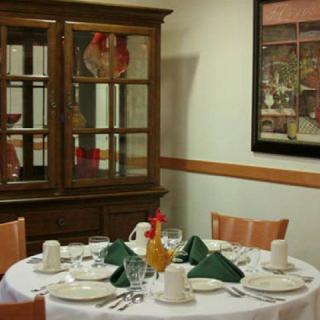
 Dining room
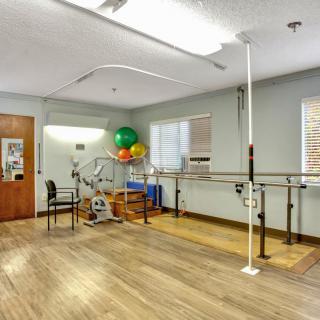
 Fitness room
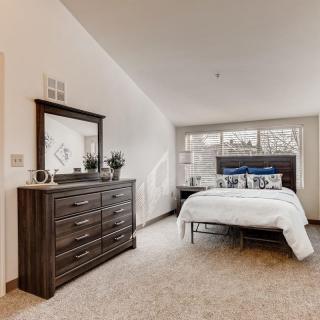
 Fully furnished
 Gaming room
 Garden
 Housekeeping services
 Kitchenette
 Move-in coordination
 Outdoor space
 Private bathrooms
 Restaurant-style dining
 Small library
 Telephone
 Wellness center
 Wi-Fi/high-speed internet available
 Portland International (6 miles away)
 Community operated transportation
 12-16 hour nursing
 24-hour call system
 Activities of daily living assistance
 Assistance with bathing
 Assistance with dressing
 Assistance with transfers
 Diabetes diet
 Medication management
 Mental wellness program
 Special dietary restrictions
 Concierge services
 Planned day trips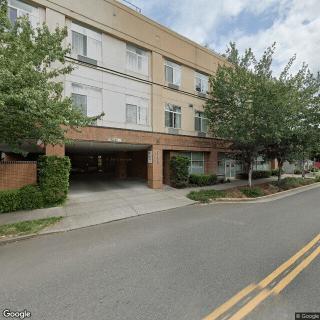


 Delirium and Dementia: Unraveling the Key Differences
 Are Dementia and Alzheimer's Disease Lethal? A Comprehensive Exploration
 Exploring the Power of Reminiscence Therapy for Individuals With Dementia