
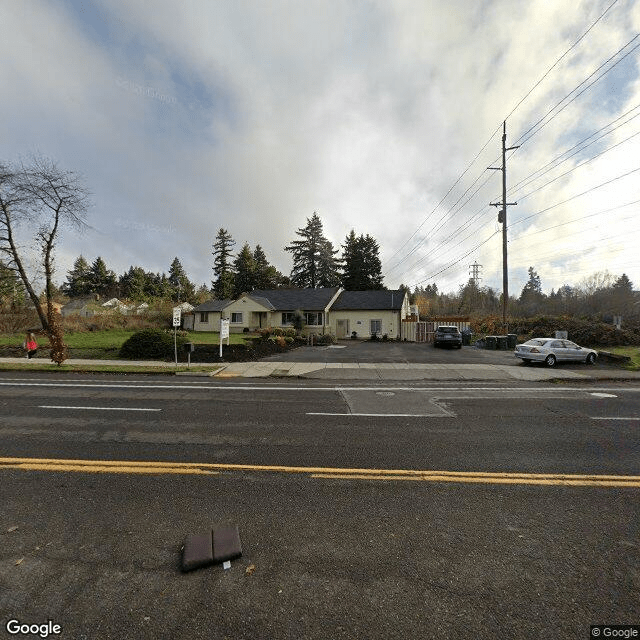
5732 SE 122nd Ave, Portland, OR 97236
To contact a resident: (503) 761-3434
For more information about senior living options: (866) 208-4318
Clarendon Court Costs & Pricing
Clarendon Court offers competitive pricing for its residential options, with a monthly cost of $3,900 for both studio and semi-private rooms. When compared to the broader market, Clarendon Court's studio rates are slightly higher than Multnomah County's average of $3,455 but remain in line with Oregon's state average of $3,815. For semi-private accommodations, Clarendon Court is positioned favorably against the county's rate of $4,011 and is more economical than the state's average of $4,457. Overall, while Clarendon Court's costs may reflect a premium for quality and services offered, they present a compelling value within the regional and state context.
| Floor plans | Clarendon Court | Multnomah County | Oregon |
|---|---|---|---|
| Studio | $3,900 | $3,455 | $3,815 |
| Semi-Private | $3,900 | $4,011 | $4,457 |
Memory care communities with a similar price nearby
-
from -$400 / mo
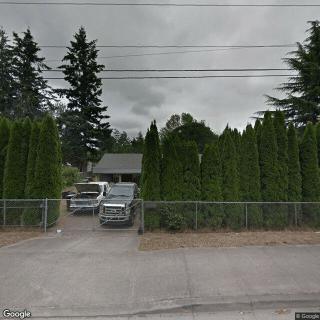
American Living Adult Family Home LLC
$3,500 / month12.9 miles away -
from -$400 / mo
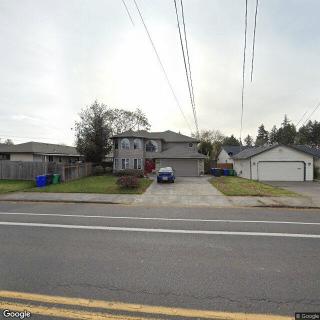
Northwest Home Health
$3,500 to $3,700 / month3.3 miles away -
About the same
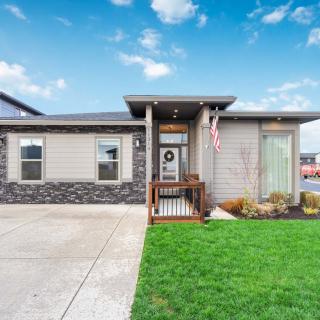
The Finest Care AFH, LLC
$4,000 to $5,500 / month11.4 miles away -
from -$400 / mo
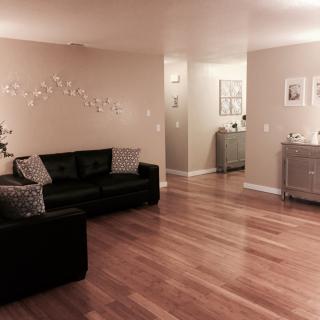
Grace Care Adult Foster Home
$3,500 / month6.6 miles away -
from -$400 / mo
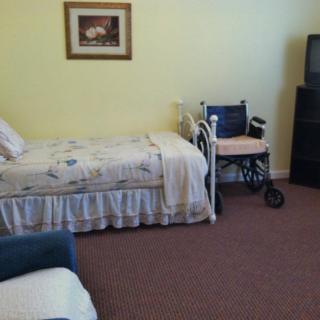
Blue Sky Adult Care Home
$3,500 / month10.8 miles away
Overall Review of Clarendon Court
Pros
 Calvin and Lourdes exceeded expectations in meeting the resident’s needs.
- During COVID, the staff sent weekly updates with photos, keeping the family connected.
- The resident’s nails were painted, hair styled, and outfits were cute and comfortable, reflecting attentive care.
- The resident was happy during conversations and FaceTime calls arranged by the owners.
- The resident loved Lourdes like a daughter, showing strong staff-resident bonds.
- The staff made the family feel welcome and created a warm, family-like atmosphere.
- The resident was kept clean, well cared for, and in good spirits; end-of-life care was loving and kind.
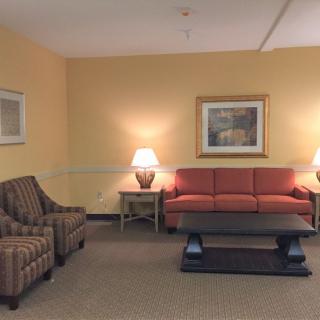
- The facility offers a calm atmosphere with friendly residents and a nice outdoor patio for comfortable, secure time outside.
Cons
 It was hard during COVID when families could not visit.
- She did not deal with change very well, was somewhat agoraphobic and took quite a while warming up to strangers.
- They were very concerned that she was working herself into a panic attack, ending up in emergency again.
Review
Clarendon Court in Portland, Oregon is best suited for families seeking an intimate, home‑like assisted living experience where care feels deeply personal and the daily rhythm stays calm and predictable. The community earns strong marks for attentiveness, warmth, and a culture that treats residents as part of a close‑knit family rather than as mere occupants. This is ideal for seniors who value consistent routines, dignified care, and meaningful social connection. The reviews portray residents who are well‑groomed, engaged, and cared for with courtesy, nails painted, hair styled, outfits chosen thoughtfully, and who benefit from regular touches that reinforce dignity. It suits those who want a steady hand guiding daily life, with staff who clearly connect with both residents and families, making visits feel welcome and reassuring even during challenging moments.
That said, Clarendon Court may be less appealing to families with higher medical needs or those seeking a large, bustling campus with expansive programming. The small, intimate setting emphasizes personalized attention and emotional well‑being, which can translate into a gentler pace that some residents and families prefer. For seniors requiring a higher level of clinical oversight, frequent therapy services, or a broader slate of on‑site amenities and activities, alternatives with bigger teams and more formal structures could feel better equipped to meet demanding schedules. The very strengths, home‑like atmosphere, staff accessibility, and a close‑knit community, also imply fewer formalized layers of administration and potentially fewer on‑site resources than larger facilities.
On the positive side, the strongest pros are unmistakable: a staff team that demonstrates consistent competence, genuine care, and a willingness to meet residents on their terms. The care philosophy shows up in real life, caregivers paint nails, style hair, and help residents dress with dignity; weekly updates and photos reassure families when visits are infrequent; and the atmosphere is described as calm and welcoming, with residents who mingle amicably on protected outdoor spaces. The sense of family is reinforced by owners who are involved and remembered by residents, creating trust that extends to relatives. There is clear attention to emotional well‑being, residents who were anxious or hesitant before joining the community often become more relaxed, participate in group settings, and report improved mood and stability.
These strengths offset most potential downsides because the core goal, felt safety, warmth, and personal attention, delivers tangible benefits. The small size can feel like a safety net: staff become familiar with individual histories, routines, and preferences, which reduces stress during transitions and fosters consistently responsive care. Family involvement is supported by visible, ongoing communication, making care plans easier to understand and adjust as needs evolve. The emphasis on social connection, group activities, a comfortable patio, and careful integration of new residents, translates into happier days and fewer behavioral challenges, especially for those who resist change. In short, the advantages of intimacy, trust, and proactive engagement often outweigh the trade‑offs inherent in a smaller operation.
From a decision perspective, these reviews illustrate a track record of meaningful outcomes: residents who arrive anxious or resistant settle into a steady daily rhythm, and families feel welcomed by a team that treats their loved ones with respect and warmth. A resident’s routine includes grooming and outfits that reflect dignity; family updates come regularly; and even when in‑person visits are limited, the staff’s communication bridges the gap. The facility’s outdoor space and overall calm environment offer a practical setting for safe, social time, and the presence of a cohesive caregiving team, named staff and owners, helps both residents and relatives feel that needs are understood and anticipated. Such dynamics are particularly compelling for those who want to minimize the emotional strain of aging transitions.
The bottom line is clear: Clarendon Court is a strong fit for families prioritizing warmth, personalized attention, and a serene, respectful community for aging in place. It excels where relationships matter most and where a resident’s emotional and social well‑being aligns with daily caregiving. Those who require robust medical programming, a large‑scale campus, or a busier social calendar should consider alternatives that deliver more extensive clinical services and options. Prospective families should visit, observe how staff interact with residents, and discuss how care plans adapt over time. When alignment exists, values, pace, and the desire for a family‑like atmosphere, Clarendon Court stands out as a reliable, compassionate choice in Portland’s assisted living landscape.
 Memory Care
 Activities off-site
 Devotional services on-site
 Indoor common areas
 Outdoor common areas
 Respite or short term stays offered
 Wheelchair accessible showers
 Portland International (8 miles away)
 Ambulatory care
 Diabetic care
 Incontinence care
 Medication management
 Meals provided

 Assisted Living and Memory Care: Understanding Their Core Differences
 Choosing the Right Senior Care: A Detailed Exploration of Assisted Living and Nursing Homes
 Safeguarding Your Memory Through the Golden Years: Eight Ways to Preserve Cognitive Health