

1071 Spring Street, Medford, OR 97504
To contact a resident: (541) 499-6362
For more information about senior living options: (866) 208-4318
Overall Review of Judy's Senior Foster Care
Pros
 Donna is very caring and knowledgeable.
- She runs the facility professionally.
- The care at Judy's Senior Foster Care is personal and feels like family.
- The staff at Judy's Senior Foster Care are friendly and caring.
- The facility provides peace of mind to families by taking good care of their loved ones.
- The end-of-life care at Judy's Senior Foster Care is compassionate and supportive.
Cons
 He was asked to be moved from the facility because he messed his pants too many times.
- He was left alone many times when caregivers went home.
- They threw away his pants and shoes when he went #2 in them.
- Donna would not replace his cell phone.
- The staff threw away his clothing without checking the pockets.
Review
This community is best suited for families seeking a true home-like environment where an elderly loved one can receive intimate, personalized care from a small team that feels more like family than staff. Judy’s Senior Foster Care works well for seniors who want daily living support, light rehabilitation, and assisted-living services wrapped in a warm, familial culture. It suits residents who thrive on strong relational bonds with caregivers, who value consistency, and who appreciate end-of-life care that honors personal preferences and familiar routines. For families prioritizing a tight-knit setting over a large campus, this option often delivers a sense of safety and belonging that larger communities struggle to match.
The strongest positives center on leadership and bedside care. Donna runs the operation with what reviewers describe as genuine care, professional standards, and a hands-on approach that makes residents feel seen and valued. The staff are repeatedly described as friendly and attentive, delivering care that feels personalized rather than scripted. Families report experiences that resemble “care with a caring touch,” including thoughtful, small such gestures that reflect the resident’s preferences and past routines. The facility’s ability to support hospice-level warmth and to accommodate farewell visits in the last days further underscores its strength in compassionate, person-centered care.
Yet there are notable cautions to weigh. One review recounts a difficult episode where a resident was moved due to incontinence issues and encountered restrictions that heightened concerns about safety and continuity of care. Another account highlights a troubling incident in which personal items were discarded, with a loss of a phone that became irrecoverable, and a caregiver’s handling of belongings that eroded trust. Additionally, a separate review flags “employment issues,” suggesting staffing stability and reliability may be variable. Taken together, these items signal that while the care environment can feel like family, operational gaps can surface in ways that matter to families.
The core pros, personalized, family-like care, attentive staff, and a leadership that appears engaged, largely offset the cons for families who value warmth and continuity over clinical rigidity. When caregivers know the resident’s routines, preferences, and medical history, risks such as being left unsupervised or disconnected from personal items can be mitigated by proactive communication and strong caregiver-resident relationships. The hospice-friendly culture, with caregivers visiting at significant moments, reinforces a humane approach to aging and end-of-life care. The question becomes whether the family accepts the reality of a smaller operation that may encounter occasional staffing or process gaps, trusting the overall day-to-day compassion and connection.
Who should consider alternatives? Families that require intensive, 24/7 licensed nursing oversight, highly structured memory-care environments, or robust, formalized incident reporting and risk management may want to look at larger assisted living communities or nursing homes. If the loved one has complex medical needs beyond assistance with daily activities, or if there is a persistent concern about staff stability and item handling, exploring options with more formal protocols and larger staffing pools could reduce risk. Similarly, families seeking highly consistent, protocol-driven care with near-immediate replacements for damaged items or more transparent accountability may prefer a setting with heavier administrative infrastructure.
In sum, Judy’s Senior Foster Care is a compelling choice for those who prize warmth, individualized attention, and a home-like atmosphere where care feels personal and emotionally supportive. The downsides, occasional staffing and process vulnerabilities, are real but often manageable with proactive engagement, clear expectations, and careful oversight. Prospective families should visit with questions about staffing ratios, incontinence care plans, item-handling policies, and how emergencies are managed, then weigh these against the overwhelmingly positive testimonies of families who valued the human connection and the dignified, compassionate tone of daily care. If the priority is a nurturing, nearly familial setting that treats a resident like a beloved relative, Judy’s Senior Foster Care stands out as a judicious, experience-tested match.
 Board and Care Home
 Memory Care
 Activities on-site
 Devotional services off-site
 Indoor common areas
 Outdoor common areas
 Rogue Valley International (3 miles away)
 Ambulatory care
 Diabetic care
 High acuity care
 Incontinence care
 Medication management
 Meals provided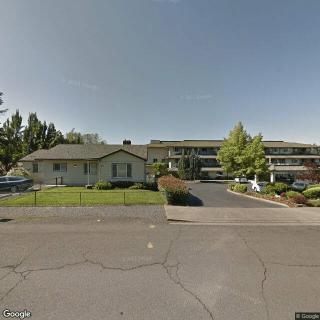






 Why Do Dementia Patients Sleep So Much? Understanding Oversleeping, Stages, and Care Approaches
 8 Key Indicators That Suggest It May Be Time to Transition from Assisted Living to Skilled Nursing Care
 Nourishing the Mind: Essential Dietary Approaches for Dementia