
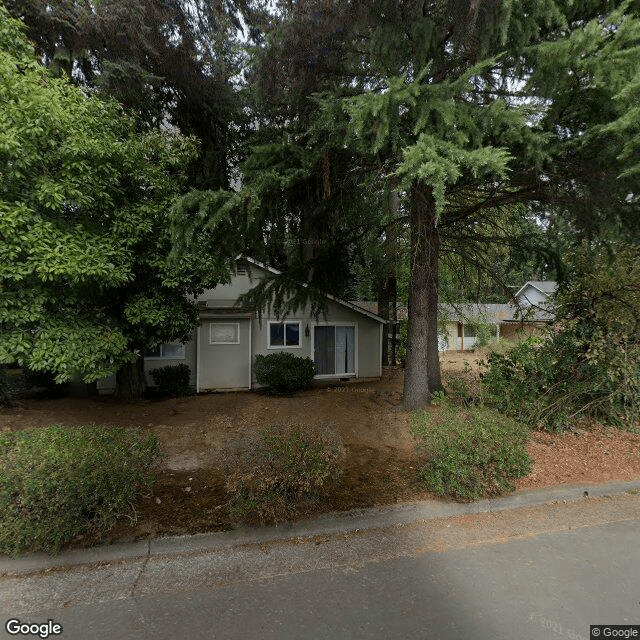
17880 Schalit Way, Lake Oswego, OR 97035
To contact a resident: (503) 675-1134
For more information about senior living options: (866) 208-4318
Lake Oswego Care Home Inc Costs & Pricing
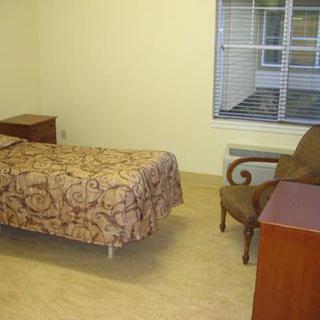
Lake Oswego Care Home Inc offers competitive pricing for its residential options, particularly in comparison to both Washington County and the broader state of Oregon. For a one-bedroom accommodation, residents can expect to pay $3,800 per month, which is notably lower than the county average of $4,082 and slightly below the state average of $3,904. When it comes to private rooms, Lake Oswego's rate of $4,000 stands out as higher than the county's more affordable rate of $3,261 but remains above the state average of $3,424. This positioning highlights Lake Oswego Care Home Inc as a viable option for those seeking quality care in a comfortable environment while still being mindful of budget considerations.
| Floor plans | Lake Oswego Care Home Inc | Washington County | Oregon |
|---|---|---|---|
| 1 Bedroom | $3,800 | $4,082 | $3,904 |
| Private | $4,000 | $3,261 | $3,424 |
Memory care communities with a similar price nearby
-
from -$300 / mo
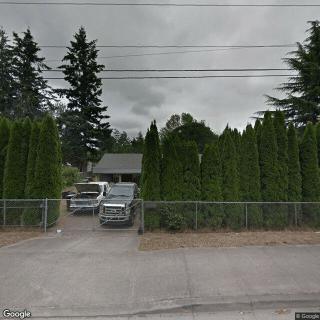
American Living Adult Family Home LLC
$3,500 / month21.5 miles away -
from -$300 / mo
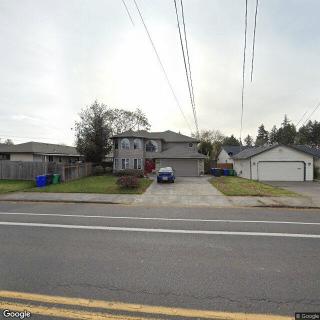
Northwest Home Health
$3,500 to $3,700 / month8.0 miles away -
from +$200 / mo
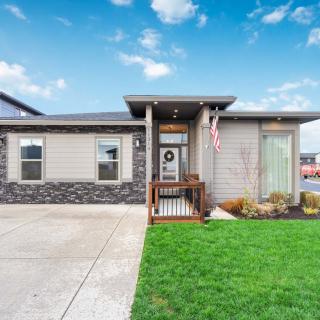
The Finest Care AFH, LLC
$4,000 to $5,500 / month19.8 miles away -
from -$300 / mo
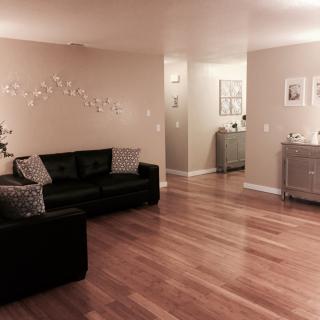
Grace Care Adult Foster Home
$3,500 / month17.3 miles away -
from -$300 / mo
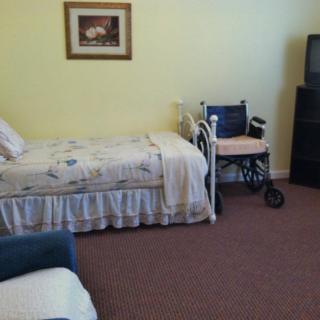
Blue Sky Adult Care Home
$3,500 / month4.2 miles away
Overall Review of Lake Oswego Care Home Inc
Pros
 Liviu and Gabe are regarded as god-sends for families when a loved one moves into Lake Oswego Care Home.
- They care about residents beyond what is expected, acting as huge advocates for their well-being.
- They are professional, honest, and run a loving home.
- They are deeply appreciated by families who value compassionate elder care.
- They come highly recommended to anyone with a loved one needing care.
Review
Lake Oswego Care Home Inc is best suited for families seeking a small, family-style setting where ownership and daily care feel intensely hands-on. In Lake Oswego, OR, the operation reads as a home rather than a campus, with a clear emphasis on treating residents as individuals. The two available reviews portray a level of caregiver involvement that goes beyond routine check-ins, anchored by advocates who stay focused on the resident’s overall well-being. For families prioritizing warmth, continuity, and the feeling that a senior is known and valued each day, this setting delivers a rare form of personal attention that larger facilities often struggle to match.
Those with mainly average care needs but a requirement for comprehensive medical oversight or robust, scheduled activities may want alternatives. The praise centers on character, integrity, and the home atmosphere, not on a wide menu of clinical services. If a loved one requires frequent nursing interventions, complex rehab, memory care with formal routines, or a large community calendar of events, a bigger facility may provide the structure and on-site specialists that this small home does not advertise.
The core strength is evident: Liviu and Gabe are described as lifelines for the resident, fierce advocates, professional, and genuinely loving. This kind of advocacy translates into faster responses, personalized care decisions, and a sense that the care plan hinges on the resident’s dignified day-to-day quality of life. In practice, that level of commitment can offset the potential downsides of a compact operation, less staff, fewer service lines, by delivering trust, reliability, and a stable emotional environment that resonated in every note from the reviewers.
Where the advantages meet reality, the home-style model shines for residents who crave predictable routines and familiar faces over institutional formality. The intimate setting tends to reduce confusion and anxiety and fosters close relationships with caregivers. Yet the trade-off is a smaller scope of on-site specialists, fewer therapy options, and less visibility into a broad continuum of care. For families, this means weighing the priceless comfort of advocacy against the potential need for timely access to diverse medical services in more expansive communities.
To determine fit, approach the decision with practical questions and a visit focused on behavior, communication, and safety. Inquire about daily staffing levels, how care plans are created and updated, and what after-hours support looks like. Ask for references beyond the two online notes to verify consistency over time. Observe interactions between staff and residents, are responses prompt, respectful, and proactive? Confirm licensing status and review any state inspections. The goal is to ensure the resident’s goals for independence, safety, and companionship align with how care is delivered day in and day out.
In sum, Lake Oswego Care Home Inc offers a compelling option for families seeking a deeply personal, advocate-driven home for an aging loved one who thrives on warmth and individual attention. It stands out where relationship-centered care and emotional security trump the appeal of a high-perimeter, high-activity campus. For those who require intensive medical oversight, a full spectrum of specialized services, or a more formal memory-care program, alternatives in larger communities should be pursued. When the priority is a trusted, compassionate home-with-heart, this Lake Oswego option deserves serious consideration.
 Board and Care Home
 Memory Care
 Private
 Portland International (15 miles away)
 Diabetic care
 Incontinence care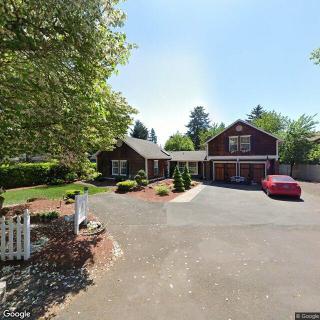
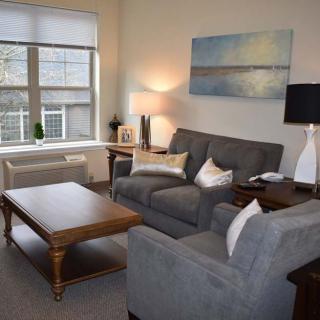

 Memory Care Pathways: A Holistic Guide to Dementia Support
 Comprehending Evening Confusion in Dementia: Causes, Manifestations, and Support
 Delirium and Dementia: Unraveling the Key Differences