
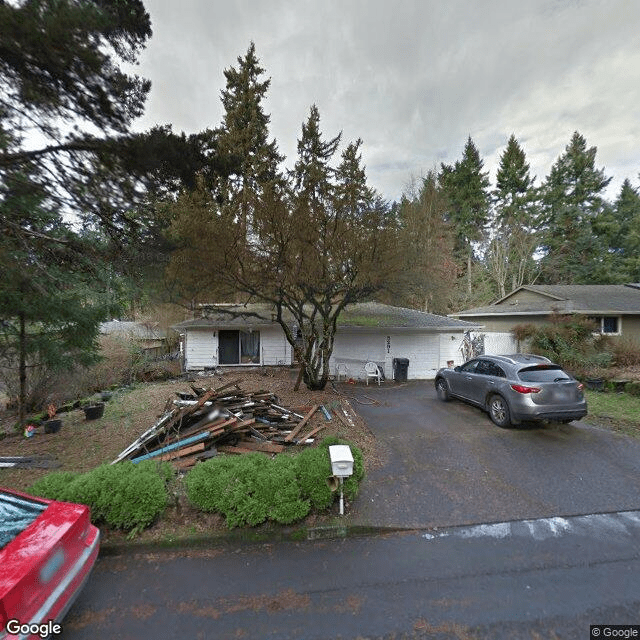
5291 SW Chinook St., Lake Oswego, OR 97035
To contact a resident: (503) 620-8689
For more information about senior living options: (866) 208-4318
Abby Adult Foster Care Costs & Pricing
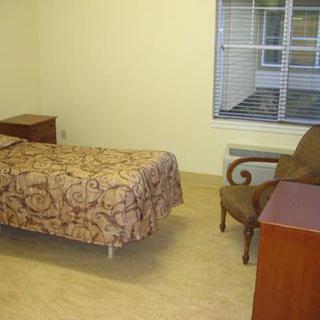
At Abby Adult Foster Care, the monthly cost for a private room is set at $2,700, which positions it as a more affordable option compared to the averages in Washington County and Oregon as a whole. In Washington County, the typical monthly rate for similar accommodations reaches approximately $3,261, while statewide costs soar to around $3,424. This pricing structure not only underscores Abby Adult Foster Care's commitment to providing quality care at competitive rates but also highlights its appeal for families seeking cost-effective alternatives without compromising on essential services and comfort.
| Floor plans | Abby Adult Foster Care | Washington County | Oregon |
|---|---|---|---|
| Private | $2,700 | $3,261 | $3,424 |
Senior living communities with a similar price nearby
-
from +$300 / mo
A Piece of Heaven
$3,000 / month6.7 miles away -
from -$200 / mo

Mapleview Manor, LLC
$2,500 / month7.2 miles away -
from -$500 / mo

The Peace and Joy Garden
$2,200 / month20.3 miles away -
from +$300 / mo
Yamhill Senior Care Home
$3,000 / month14.0 miles away -
from +$300 / mo
Peaceful Lighthouse Adult Care Home
$3,000 / month16.5 miles away
Overall Review of Abby Adult Foster Care
Pros
 The facilities are clean.
Cons
 She is not a medical doctor.
- She is abrasive, rude, and condescending toward care staff and other medical staff.
- She yells at people over the phone.
- The environment is stressful and the residents seem sad.
- The family member has been miserable there.
Review
Abby Adult Foster Care in Lake Oswego is best suited for seniors who are largely independent or have low to moderate care needs and can tolerate a direct, sometimes stern leadership style. The arrangement appears to emphasize a clean, home-like setting rather than a robust medical program, and there is no indication of board-certified medical oversight on site. Families should understand that this community does not promise clinical expertise or a consistently warm, encouraging atmosphere. For residents who require steady medical management, frequent staff building, or a consistently uplifting social environment, this option is unlikely to deliver.
Those evaluating alternatives should consider facilities that provide licensed medical direction on site, staff training focused on compassionate communication, and a culture that prioritizes resident mood and engagement. Individuals with complex health conditions, frequent need for monitoring, or sensitivity to a tense or abrasive environment will benefit from exploring other placements. In short, if medical oversight and a consistently supportive daily experience are non-negotiable, the search should continue beyond Abby Adult Foster Care.
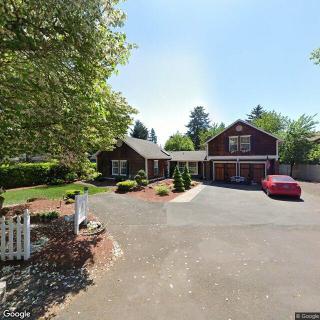
One tangible pro stands out: the cleanliness and upkeep of the facilities. A well-maintained space matters for comfort and basic safety, and it creates a baseline of trust that care can be performed in a tidy, orderly setting. In a small, foster-style operation, clean surroundings can read as a sign of attentiveness and routine. Yet cleanliness alone does not compensate for deeper gaps in care quality, staff culture, or medical governance, and it cannot conceal the climate that residents experience day to day.
The dominant cons overwhelm the potential upside. Reviewers describe the leader as not a medical doctor and not board-certified, coupled with a pattern of abrasive, rude behavior toward care staff and other medical professionals. Hearing staff spoken to harshly on the phone and witnessing a tense, stressful environment where residents appear sad point to a fundamental misalignment with the needs of vulnerable seniors. When the core environment feels stressful and residents seem miserable or disengaged, the daily quality of life suffers, and family members are left with ongoing concern about safety and well-being.
In practical terms, these dynamics mean the pros, clean facilities and a possibly intimate, low-traffic setting, do not meaningfully offset the risks tied to limited clinical oversight and a challenging interpersonal climate. Prospective families should expect to ask tough questions: Who manages medical needs, and how often? What is the staff-to-resident ratio on weekends and evenings? How are conflicts or emergencies handled, and what mechanisms exist for advocacy and feedback? Observing staff-resident interactions, requesting references, and verifying licensing should be non-negotiable steps before any commitment.
Ultimately, the recommendation is to treat Abby Adult Foster Care as a high-risk choice for anyone whose priority is compassionate, medically supervised daily care. For families needing reliable clinical oversight, emotional warmth, and a consistently positive mood among residents, alternatives are strongly advised. Consider larger assisted living communities with on-site clinicians, structured activity programs, and governance focused on resident dignity and morale. If a move is considered, pursue facilities that foreground respectful communication, transparent medical leadership, and measurable resident satisfaction, then let those criteria guide the final decision rather than proximity or price alone.
 Board and Care Home
 Cats allowed
 Dogs allowed
 Private
 Portland International (15 miles away)
 Diabetic care





 Understanding Hospice Care at Home: Comprehensive Services, Key Benefits, and Eligibility
 Understanding the Full Cost of 24/7 In-Home Care: A Detailed Overview
 Exploring the World of Home Health Nurses: Qualifications, Roles, and Hiring Tips