
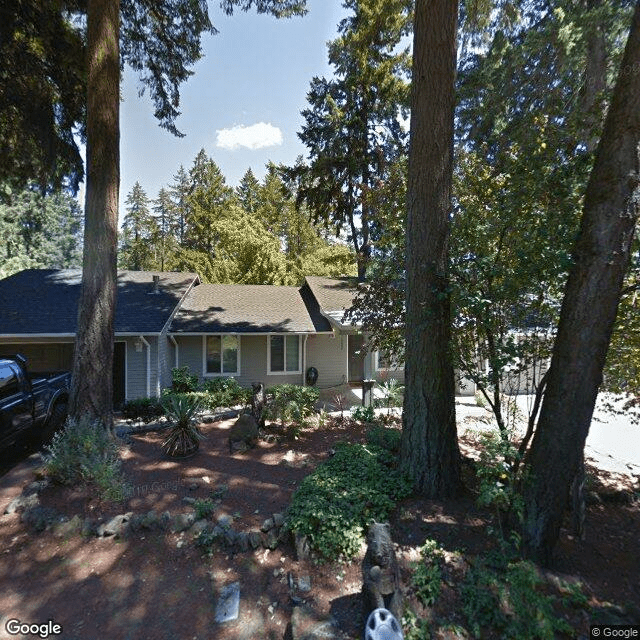
16064 SW Waluga Dr, Lake Oswego, OR 97034
To contact a resident: (503) 675-2853
For more information about senior living options: (866) 208-4318
Felicia's Adult Care Home Costs & Pricing
Felicia's Adult Care Home offers a competitive monthly rate for private rooms at $2,200, significantly lower than the averages in both Multnomah County and the state of Oregon, which stand at $3,227 and $3,424 respectively. This pricing structure not only reflects a commitment to affordability but also positions Felicia's as an attractive option for individuals seeking quality adult care without compromising on financial sustainability. By providing care at a lower cost compared to regional benchmarks, Felicia's Adult Care Home demonstrates its dedication to serving the community while ensuring residents receive the support they need.
| Floor plans | Felicia's Adult Care Home | Multnomah County | Oregon |
|---|---|---|---|
| Private | $2,200 | $3,227 | $3,424 |
Senior living communities with a similar price nearby
-
from +$300 / mo
Mapleview Manor, LLC
$2,500 / month6.6 miles away -
About the same
The Peace and Joy Garden
$2,200 / month19.2 miles away -
from -$200 / mo

Alliance Home Health
$2,000 / month8.3 miles away -
from +$300 / mo
A Gentle Care Home
$2,500 / month10.9 miles away -
from +$300 / mo
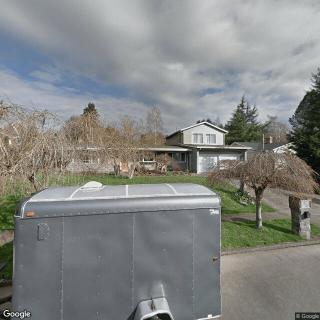
Sacred Heart Adult Foster Care
$2,500 / month8.2 miles away
Overall Review of Felicia's Adult Care Home
Pros
 Angela and Ninel are extraordinary caregivers who go above and beyond to create a safe, supportive environment for every resident.
- Their home overflows with love, dedication, and genuine care.
- They provide personalized attention, comfort, and dignity to residents.
- They are top-notch caregivers and great people.
- Their care made a loved one’s final days comfortable and happy, with attentive, compassionate service.
- They connect with families, communicate openly, and coordinate with nurses, doctors, and hospice to ensure the best possible care.
- They form meaningful bonds with guests and treat everyone with dignity and respect.
- This care home is no ordinary place; it is a truly special home.
- They accommodate visits with grace and respect, making families feel welcomed.
Cons
 They have limited bed space.
- The reviews note that the father wasn’t quite ready for the level of care provided.
Review
Felicia's Adult Care Home in Lake Oswego is best suited for families seeking a truly intimate, home-like environment where a small team delivers exceptionally high-touch, dignity-centered care to seniors who need steady daily support. This community shines when the priority is closeness, safety, and personalized attention, with caregivers who know residents’ routines, preferences, and medical needs inside and out. It is especially well-matched for families who want close caregiver-resident connections, transparent communication with relatives, and a facility that treats each resident as a cherished individual. Space is deliberately limited, so the setting is ideal for offering concentrated, consistent care rather than a broad, bustling campus atmosphere. Those who require a larger population, a wide array of on-site amenities, or a facility designed for independent living may want to weigh alternatives.
The strongest assets here are the people at the core. Angela and Ninel come through as extraordinary caregivers who consistently go beyond the basics to create a safe, loving, and respectful environment. Their attention to personal comfort, medication safety, and daily dignity is palpable, and their daily work ethic translates into a stable, comforting routine for residents. Families repeatedly note how they are kept informed, how they collaborate with nurses and doctors, and how they coordinate with Hospice when needed. The result is a living space where health and happiness are not afterthoughts but the top priority, and where residents feel seen, celebrated, and genuinely cared for on a day-to-day basis.
A key strength that amplifies these advantages is the facility’s culture of connection. The caregivers form bonds with residents that extend to families, inviting and accommodating visits with grace and respect. The environment is described as more than a caregiving arrangement; it feels like a loving community that earns trust through consistency and compassionate interaction. End-of-life care is handled with notable empathy and respect, as evidenced by families who recount how their loved ones were treated with dignity during their final days. In short, the emotional and relational dimensions of care here are unusually robust for a small foster-style home, and that relational depth often makes the experience considerably easier for families during challenging times.
The main limitation, however, centers on capacity. The home operates with limited bed space, which means availability can be sporadic and admission may hinge on timing and matching the current resident mix. This constraint can be a decisive factor for families needing immediate placement or those who prefer a facility with larger intake flexibility. It also subtly narrows the range of resident activities and social structures that a bigger community might offer. For seniors who require extensive on-site programming or a broader population to interact with, Felicia’s may feel more intimate than some families want. These realities point toward alternatives for those prioritizing breadth of services and a larger, more varied environment.
When weighing options, the pros here more than offset the cons for the right client: extraordinary, dependable caregivers; a vigilant, dignity-first approach to daily care; and a level of family involvement and transparency that is rare in small homes. The ability to tailor care to individual needs, coupled with meticulous medication handling and proactive medical coordination, creates a powerful argument for Felicia’s when the goal is steady, compassionate support rather than a generic, one-size-fits-all senior living experience. The small-house model delivers a warmth and attentiveness that can be transformative for residents who thrive on personal connection and consistent routines.
For families evaluating Felicia’s, practical next steps are essential. Confirm current bed availability and admission criteria, and discuss the specific health needs of the loved one to ensure compatibility with the level of care provided. Inquire about how medications are managed, what kind of medical oversight is available on a daily basis, and how Hospice or other healthcare providers are integrated into the plan of care. Understand the visitation policy, and set expectations for communication frequency and methods. Finally, obtain a clear picture of costs, length of stay expectations, and what happens if needs evolve. If these pieces align, Felicia’s Adult Care Home stands out as a premier, deeply humane option in Lake Oswego.
In conclusion, Felicia’s Adult Care Home is a standout choice for families who prioritize intimate, high-quality, relationship-driven care in a small, family-style setting. It excels where it counts: safety, dignity, and a level of personalized attention that makes residents feel truly cherished. The trade-off is simple, limited bed space means a more selective leasing process, but for those who gain admission, the payoff is considerable: a compassionate home where caregivers form real partnerships with families and where every day centers the resident’s health and happiness. For those who can align with its size, Felicia’s offers one of the strongest, most reassuring options in Lake Oswego.
 Board and Care Home
 Cats allowed
 Dogs allowed
 Private
 Portland International (14 miles away)




 9 Stimulating Memory Activities for Seniors: Puzzles, Cards, and Much More
 Managing Nursing Home Expenses After Medicare Coverage Ends
 Is a Geriatric Care Manager the Right Choice for Your Family?