

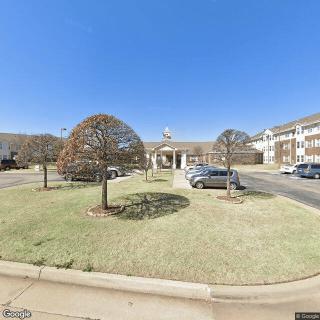
11012 Coachmen Road, Yukon, OK 73099
To contact a resident: (405) 301-0989
For more information about senior living options: (866) 208-4318
Carriage House Homes Costs & Pricing
At Carriage House Homes, the monthly costs for accommodations are notably higher than both Oklahoma County and the broader state of Oklahoma. For instance, the rates for studios and one-bedroom units stand at $5,500, significantly surpassing local averages of $3,717 in Oklahoma County and $3,467 statewide. Even in private and semi-private room offerings, which are priced at $5,500 each, they exceed county rates of $5,637 for private rooms and $4,278 for semi-private options. While these prices reflect the premium services and amenities that Carriage House Homes provides, they underscore a distinct market positioning compared to regional competitors. As such, potential residents should consider not only the financial implications but also the quality of care and lifestyle offered at this esteemed facility.
| Floor plans | Carriage House Homes | Oklahoma County | Oklahoma |
|---|---|---|---|
| Studio | $5,500 | $3,717 | $3,629 |
| 1 Bedroom | $5,500 | $3,467 | $3,565 |
| Private | $5,500 | $5,637 | $4,618 |
| Semi-Private | $5,500 | $4,278 | $4,053 |
Memory care communities with a similar price nearby
-
About the same
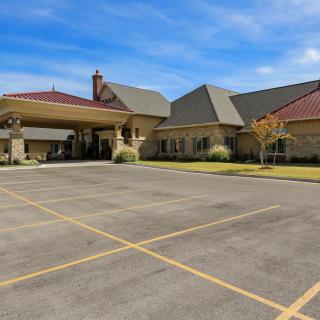
Legend at Rivendell Memory Care
$5,395 to $6,295 / month19.4 miles away -
from -$730 / mo

Legend at Council Road
$4,770 to $6,705 / month3.6 miles away -
from +$1000 / mo
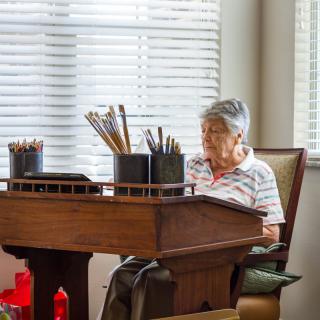
Iris Memory Care Northwest Oklahoma City
$6,500 / month5.6 miles away -
from -$705 / mo
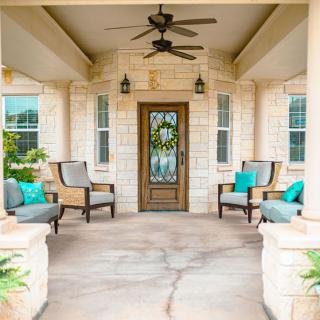
Jasmine Estates of Oklahoma City
$4,795 to $6,295 / month18.1 miles away -
from -$750 / mo
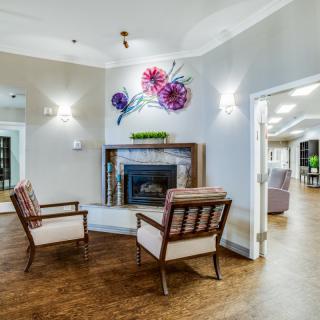
Iris Memory Care of Nichols Hills
$4,750 to $6,300 / month8.9 miles away
Overall Review of Carriage House Homes
Pros
 The owner and RN are described as the kindest and most caring people.
- The staff-to-patient ratio is great and allows for ample 1:1 care.
- The small setting with five residents creates a true family feeling.
- The low staff/resident ratio gives staff time to offer quality care.
- The place is wonderful.
- The staff are very compassionate and cater to residents.
- Residents can have breakfast whenever they wake up.
- The care home is clean and highly recommended.
- The director provided a helpful tour.
Review
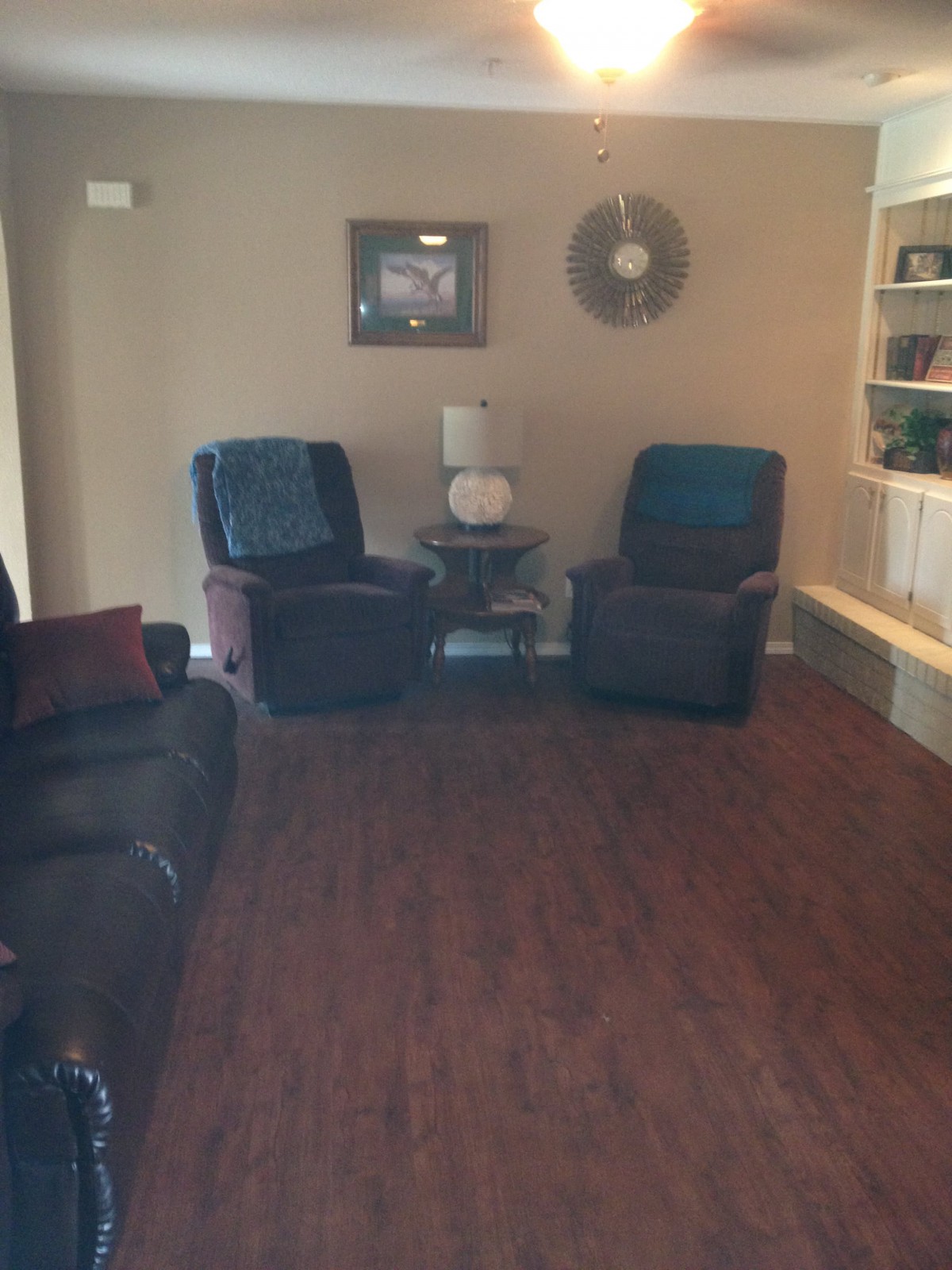
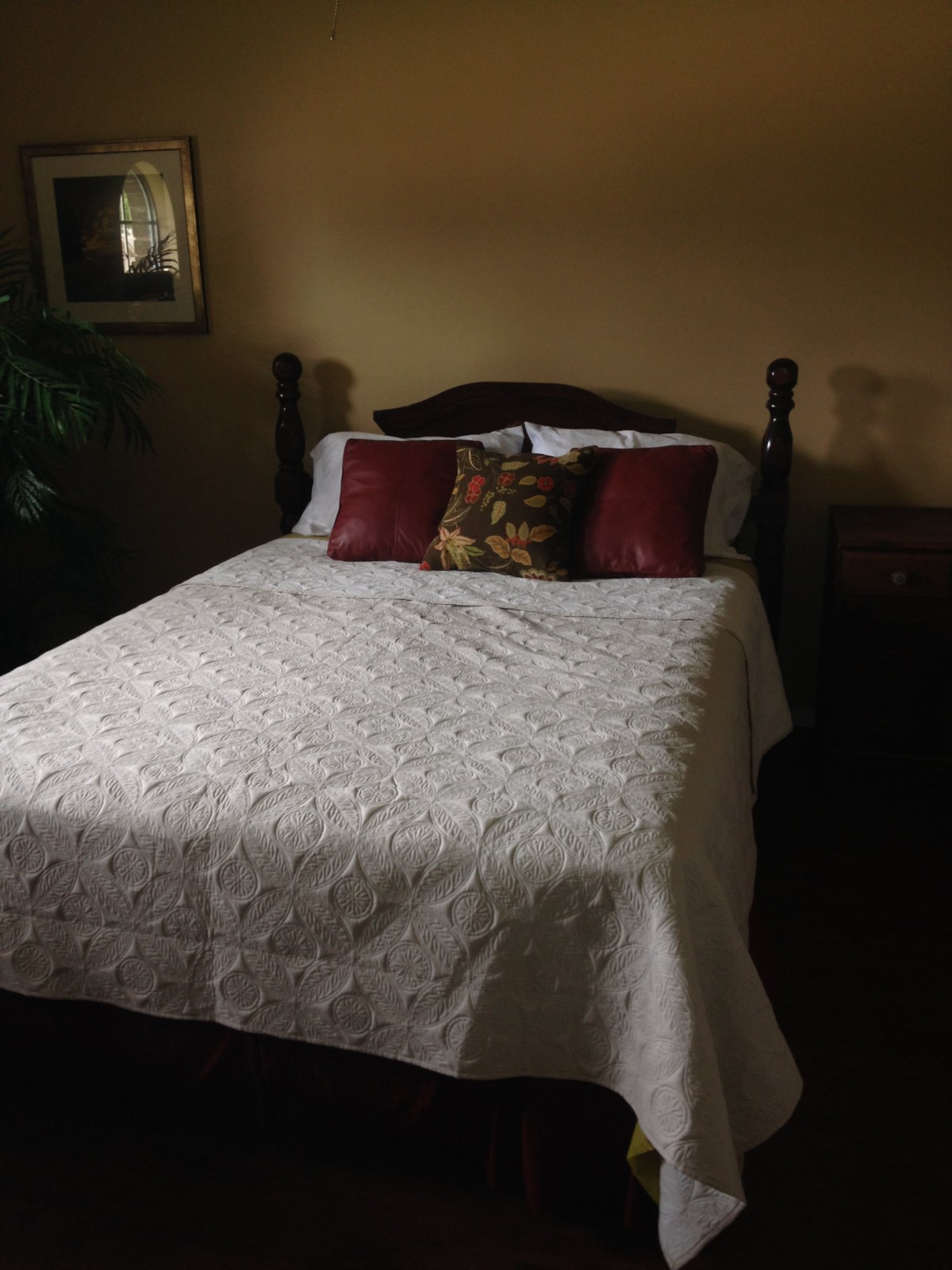
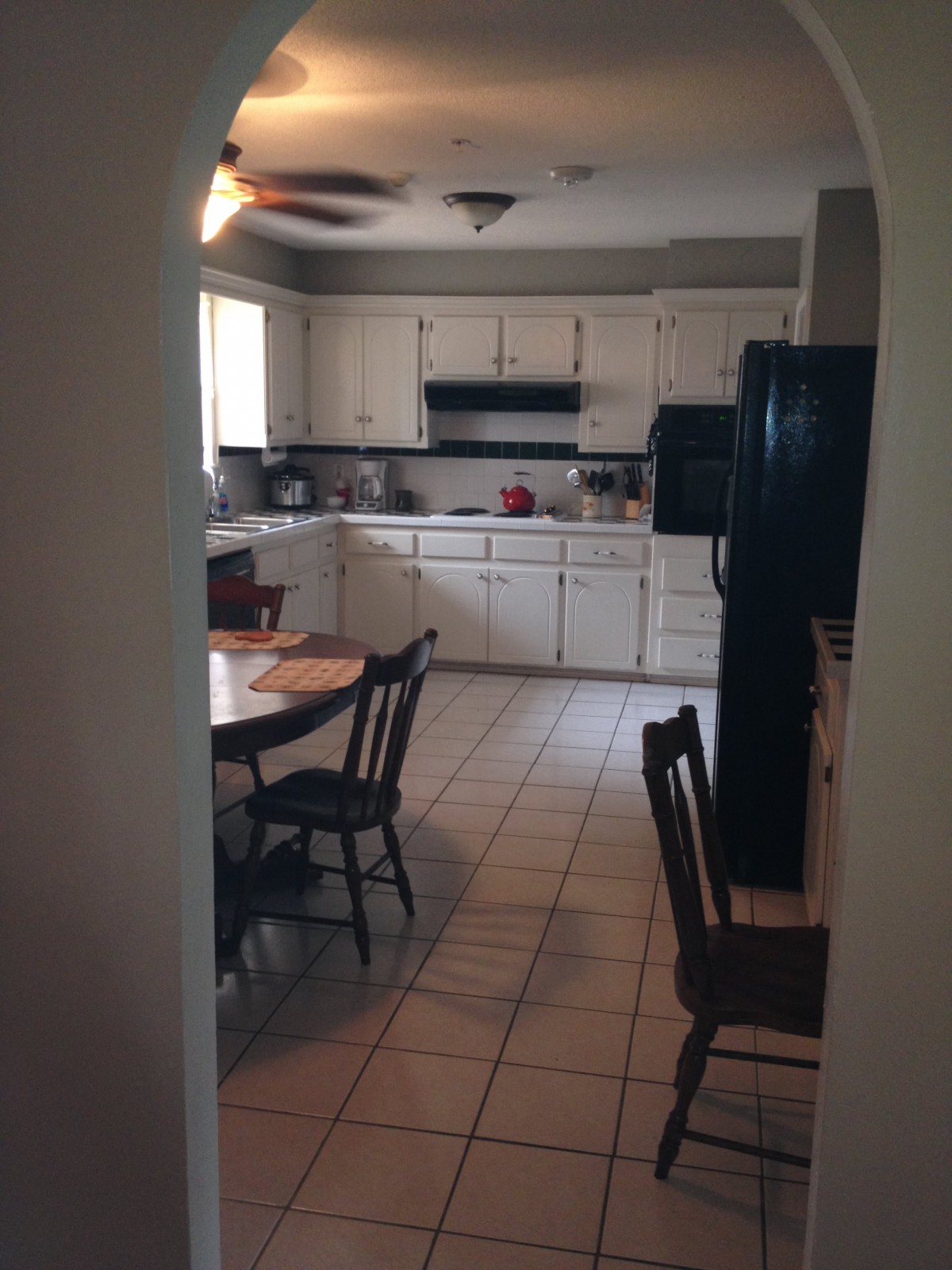
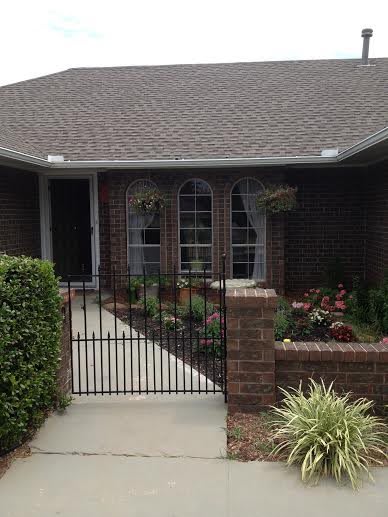
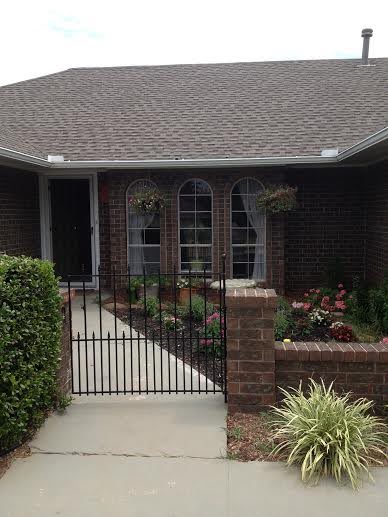
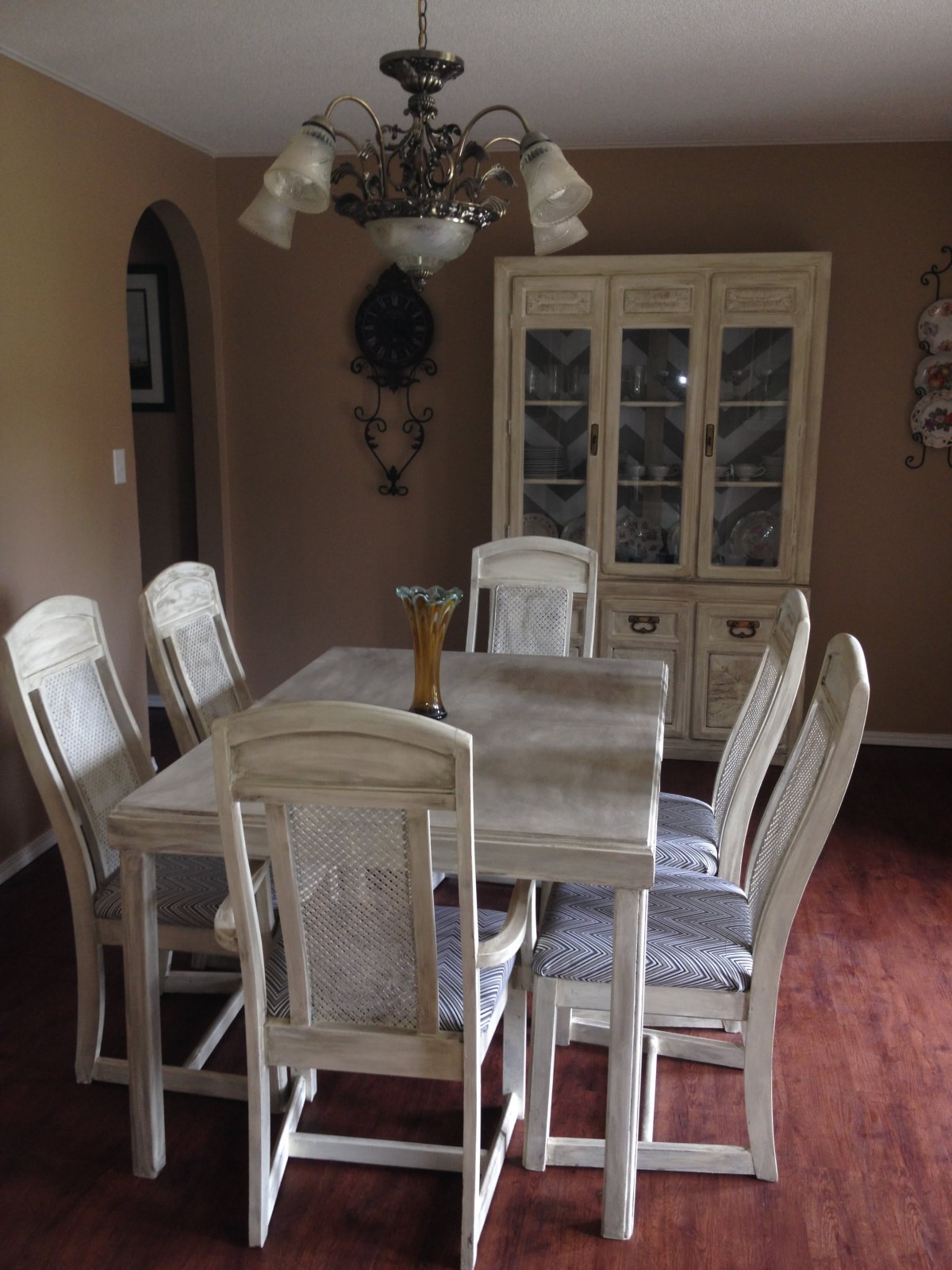
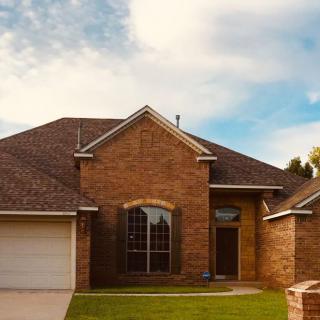
Carriage House Homes in Yukon, Oklahoma is best suited for families seeking a warm, intimate alternative to a larger assisted-living campus. This five-resident home setting delivers a strong, home-like atmosphere where care feels genuinely personal and every moment centers on the resident. It suits seniors who thrive on predictable routines, frequent one-on-one attention, and a true sense of belonging. With a leadership team that appears accessible and engaged, the environment offers consistency and trust, making it a compelling choice for those prioritizing dignity, safety, and a close-knit, family feel over the amenities of a bigger community.
Those evaluating alternatives should consider options for loved ones who require higher-acuity medical services, broader programming, or a more expansive community with a wider pool of activities. If a resident needs constant on-site skilled nursing, comprehensive therapy services, or easy access to a large network of specialists, a larger assisted-living campus or a skilled-nursing facility may deliver the depth of care and variety that a five-resident home cannot. Similarly, families seeking robust social calendars and diverse programming might find the smaller model less satisfying over time.
From the reviews, key strengths quickly emerge: an excellent caregiver-to-resident ratio enables strong 1:1 attention, and the five-person setting creates a true family vibe where staff know each resident’s preferences intimately. The owner and a registered nurse are consistently described as kind and deeply dedicated, setting a tone of compassionate leadership that permeates daily care. Meal routines reflect practical flexibility, breakfast can be taken when the resident rises, while group dinners retain a sense of shared rhythm. The facility’s cleanliness and orderly operation further reinforce a reassuring sense of control and safety.
These strengths offset the most plausible drawbacks of a tiny home in meaningful ways. The intimate setting means fewer moving parts, making medical needs easier to monitor and adjust on the fly, while staff availability translates into timely assistance and highly personalized adjustments. Families gain confidence from hands-on leadership, including direct interactions with the director, which helps sustain a consistent care philosophy over time. The result is a reliable, low-stress environment where a loved one’s evolving needs can be met with attentiveness and care that feels tailored rather than transactional.
That said, discerning families should probe for specifics about daily activities, available therapies, and escalation plans should medical needs intensify. While the five-resident model shines in personalized attention, it may offer fewer peers for social interaction on certain days, and programming may be less expansive than in larger communities. Asking pointed questions about after-hours coverage, the exact scope of on-site medical support, and how care plans adapt to changing acuity will clarify whether the model aligns with the loved one’s expectations and required level of medical oversight.
In sum, Carriage House Homes presents a pragmatic, high-touch option for families prioritizing intimate, attentive care in a home-like setting. For those whose criteria include a bustling community life or more extensive medical services, it’s wise to explore alternatives. A visit, guided by a director described as helpful and approachable, will reveal whether the balance of warmth, responsiveness, and manageable size aligns with the care goals. When belonging, consistent caregiving, and genuine compassion are the top priorities, this Yukon option should be high on the short list.
 Board and Care Home
 Memory Care
 Dogs allowed
 Activities on-site
 Air-conditioning
 Bath tubs
 Cable or satellite TV
 Devotional services on-site
 Ground floor units
 Handicap accessible
 Indoor common areas
 Outdoor common areas
 Private
 Respite or short term stays offered
 Swimming pool / hot tub
 Wheelchair accessible showers
 Wi-Fi/high-speed internet available
 Will Rogers World (15 miles away)
 Ambulatory care
 Diabetic care
 High acuity care
 Incontinence care
 Medication management
 Anytime dining
 Art classes
 Cooking classes
 Day trips and outings
 Educational speakers / life long learning
 Gardening club
 Karaoke
 Live musical performances
 Protestant services
 Stretching classes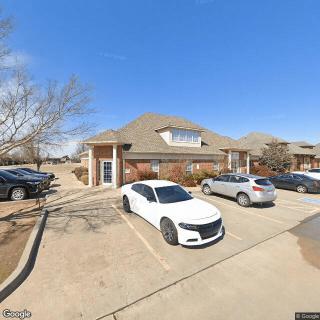



 Dementia, Paranoia, and Caregiver Guidance: Understanding the Connection
 Engaging Memory Care Activities That Enhance Quality of Life
 When to Transition from Assisted Living to Memory Care: Key Indicators, Steps, and Finding the Right Community