Monterey Rehabilitation Center Skilled Nursing and Memory Care Costs & Pricing
Monterey Rehabilitation Center Skilled Nursing and Memory Care offers competitive pricing for its services compared to broader market rates in Madison County, Ohio. For a semi-private room, residents can expect to pay $5,760 per month, which is notably higher than the county's average of $4,371 and the statewide average of $3,965. Private rooms at Monterey are priced at $6,510, again exceeding local and state figures - $4,696 and $4,771 respectively. Additionally, for those seeking a studio setup, the monthly fee is $7,740 - substantially above Madison County's median of $3,738 and Ohio's average of $3,727. While these costs reflect the specialized care and amenities provided at Monterey Rehabilitation Center, they do represent a premium compared to both local and state alternatives.
| Floor plans | Monterey Rehabilitation Center Skilled Nursing and Memory Care | Madison County | Ohio |
|---|
| Semi-Private | $5,760 | $4,371 | $3,965 |
| Private | $6,510 | $4,696 | $4,771 |
| Studio | $7,740 | $3,738 | $3,727 |
Skilled Nursing Facilities with a similar price nearby
-
from -$790 / mo
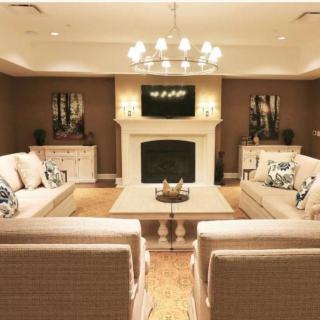
Cherry Blossom Senior Living
$4,970 to $6,645 / month
12.3 miles away
-
from -$810 / mo
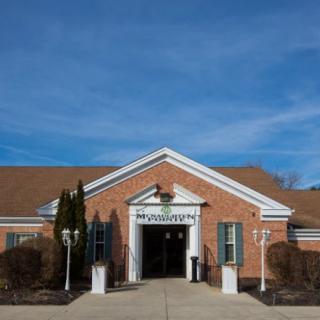
Mcnaughten Pointe Nursing And Rehab
$4,950 to $6,000 / month
12.8 miles away
-
from -$900 / mo
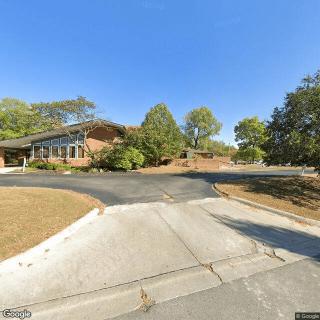
West Park Rehabilitation Center Skilled Nursing and Memory Care
$4,860 / month
2.6 miles away
-
from -$630 / mo
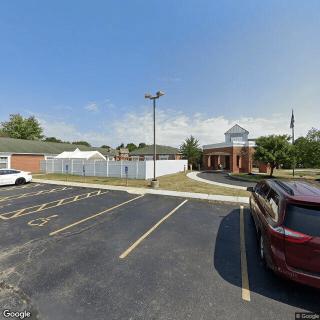
Columbus Alzheimer's Care Center
$5,130 to $6,300 / month
12.1 miles away
-
from +$471 / mo
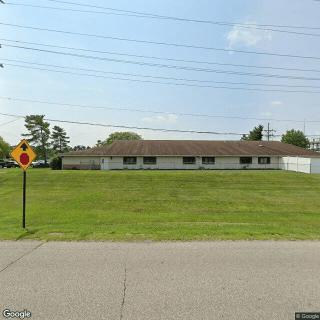
Highbanks Care Center
$6,231 to $7,223 / month
17.7 miles away
Overall Review of Monterey Rehabilitation Center Skilled Nursing and Memory Care
differentiator
14 reviews mention this
Physical and speech therapy praised
Rehabilitation therapy is a frequent reason residents and families mention improvement.
Many reviews describe strong rehabilitation support, especially physical therapy, with people recounting measurable progress over days to weeks. Several also mention occupational and speech therapy as part of a coordinated approach, along with staff who work with residents on specific goals. Even among more mixed experiences, therapy is referenced as an area where residents felt they were getting a “workout” or clear help toward mobility.
common
28 reviews mention this
Staff care is a mixed picture
Residents describe both very attentive care and serious lapses in day-to-day support.
On the positive side, multiple reviewers say nurses, aides, therapists, and housekeeping staff are kind, helpful, and responsive to concerns. On the negative side, other families describe neglect-related problems such as long waits to respond to call lights, delayed cleanup, aggressive interactions, and concerns about missing belongings or basic needs not being met. Taken together, residents and families don’t describe a consistently reliable experience across everyone or every shift.
common
16 reviews mention this
Cleanliness and smell come up often
Cleanliness stands out in reviews, with comments that range from very clean to foul-smelling.
Many reviewers praise the building for being clean, tidy rooms, and (in some cases) a smell that feels like cleaning products. Others strongly disagree, saying the smell is “foul” or “horrendous,” and linking that to neglect and poor conditions. This contrast suggests cleanliness is not experienced the same way by all residents.
caveat
9 reviews mention this
Communication and phone access issues
Several reviewers say they struggled to get through by phone or receive updates.
Some families report phone-related problems such as staff not answering, difficulty reaching a specific room, or room phone access not working at all. Others describe limited communication—messaging being left without replies or families feeling like they weren’t informed about issues or changes. Even when later updates improved for a reviewer, the initial communication gap is a recurring complaint.
common
6 reviews mention this
Dining gets specific praise
Food is sometimes described as home-cooked or better than expected.
Several reviews mention meals positively, including comments that food is warm or home cooked and that it can be better than other facilities. One review also notes dietary options via a menu they could order from when they were a picky eater. A smaller number of reviews, however, say the food could be better or doesn’t meet expectations.
caveat
6 reviews mention this
Memory care experiences vary
Memory care reviews include both strong satisfaction and concerns about unit standards.
Some reviewers describe the memory care unit positively, saying staff are kind and that the unit feels better than a previous stay. Others raise concerns about memory care standards and basic oversight, including reports about cleanliness on a floor, missing items, and getting needed help. Overall, memory care isn’t described uniformly well across reviews.
How we summarize
Counts show how many written reviews mention each theme; a review can touch several themes, and only frequently mentioned themes are displayed.

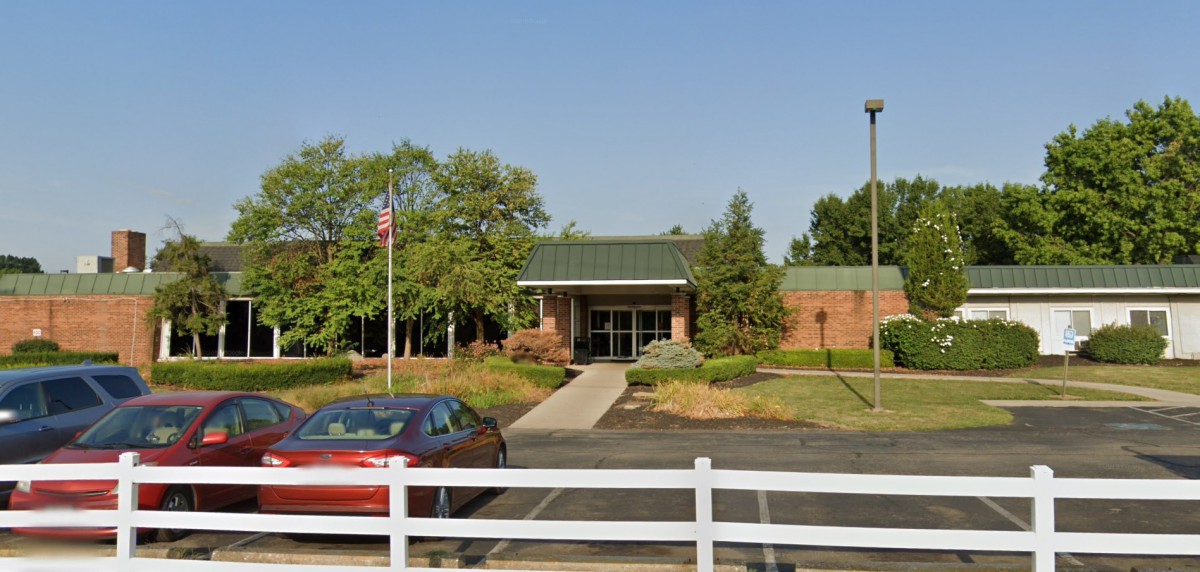
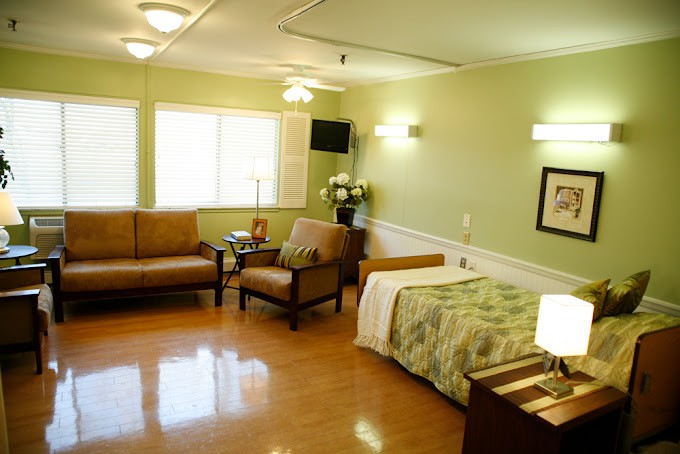
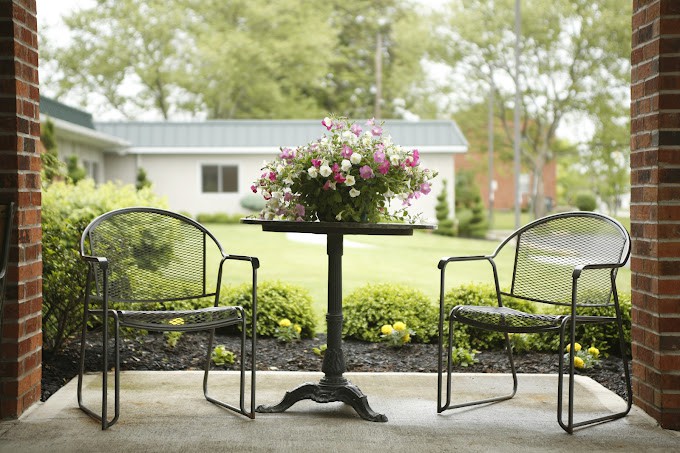
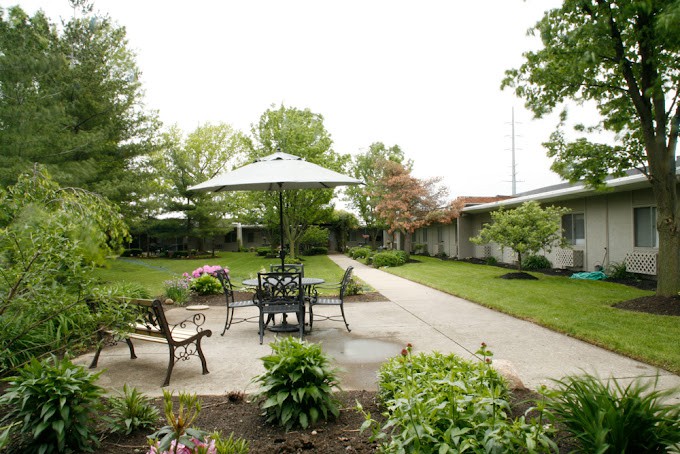

 Memory Care
 Skilled Nursing Facility
 Activities off-site
 Bath tubs
 Beautician on-site
 Devotional services off-site
 Indoor common areas
 Outdoor common areas
 Private
 Respite or short term stays offered
 Wheelchair accessible showers
 John Glenn Columbus International Airport (12 miles away)
 Diabetic care
 High acuity care
 Incontinence care
 Meals provided
 Compassionate, attentive staff with a strong therapy team focused on resident safety, comfort, and well-being.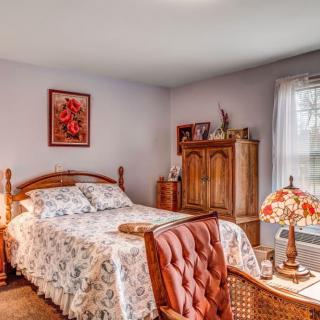



 Five Subtle Dementia Indicators to Observe: An In-Depth Guide to Understanding “Does My Mom Have Dementia?”
 Dementia, Paranoia, and Caregiver Guidance: Understanding the Connection
 Engaging Memory Care Activities That Enhance Quality of Life