For more information about senior living options: (866) 208-4318
4.4 from 38 reviews
5 stars
31
4 stars
1
3 stars
2
2 stars
0
1 stars
4
Hoover Haus Costs & Pricing
Hoover Haus offers a range of competitively priced accommodations that stand out when compared to both Madison County and state averages in Ohio. For those seeking a semi-private room, Hoover Haus charges $2,200 per month, significantly lower than the $4,371 typical in Madison County and even below the average statewide cost of $3,965. Studio and one-bedroom units are also attractively priced at $3,000 each, making them a cost-effective choice compared to the local average of approximately $3,738 and $3,712 respectively. Interestingly, for two-bedroom arrangements, Hoover Haus provides rates at $4,000 per month which are higher than the county's average of $3,215 but still favorable against the state's typical rate of $3,501. Overall, Hoover Haus presents an appealing option for potential residents looking for affordable living solutions within a supportive community environment.
Floor plans
Hoover Haus
Madison County
Ohio
Semi-Private
$2,200
$4,371
$3,965
Studio
$3,000
$3,738
$3,727
1 Bedroom
$3,000
$3,704
$3,712
2 Bedrooms
$4,000
$3,215
$3,501
Assisted Living communities with a similar price nearby
Residents and families describe staff who stay engaged and respond when needs come up.
Across reviews, families repeatedly say they feel secure because staff check in, call quickly, and handle concerns promptly. Several residents are described as being treated with respect and patience, with the owner often mentioned as responsive. There are also a few strongly negative reviews criticizing staffing levels and management follow-through, including concerns about medication handling and record keeping.
differentiator9 reviews mention this
Home-like setting and smaller community
Many reviewers like the small, home-like feel rather than a big-facility atmosphere.
Multiple reviews describe Hoover Haus as smaller and more home-like, with a quieter feel that supports relationships between residents and caregivers. Several families also mention that the staff know residents well and go the extra mile, which is part of why they felt their loved one was comfortable. A tour review also described a family-oriented atmosphere, while a separate review criticized activity levels after walking in.
common5 reviews mention this
Dining experience is a mix
Dining can be a positive routine, though a few reviewers flag meal service gaps.
On the positive side, several residents and families talk about meals they genuinely like, including home-cooked food and food that feels better than what they saw at a previous facility. That matches the way the community offers prepared meals and accommodates special dietary needs residents mention in reviews. At the same time, one detailed negative review says meal times can be lacking and that simple items run low or become repetitive, making dining less dependable for that reviewer.
caveat4 reviews mention this
Activities are not consistently visible
Activity programming looks inconsistent in residents’ daily experience.
Some reviews mention specific events and an activity person, and others describe having enough to do—like games and conversation—that helps residents feel settled. One review also credits the community with being able to support daily preferences, such as eating and watching TV without being “bothered.” But at least one reviewer felt the community did not have residents engaged during a visit, and they were looking for more consistent activity.
common2 reviews mention this
Pricing can feel affordable
Some families view the cost as affordable, but others warn about what lower pricing can mean.
One review says Hoover Haus is affordable, and another places value on the overall safety and care their family received. However, a strongly negative review directly links the lower price to staffing and care tradeoffs, claiming families may end up doing more work and raising concerns about care delivery. Pricing deltas reflect that the listed range is substantially below county and state benchmarks across unit types.
caveat2 reviews mention this
Medication and records raise concerns
A couple of reviews raise serious concerns about medication handling and documentation.
While other families describe their loved ones as being closely cared for, two reviews take a much harder stance on medication-related operations. One reviewer alleges false promises, missing record keeping, and lack of skilled help for medication distribution. Another claims medication administration is an extra charge and was not handled effectively, including an extreme accusation about what was happening to medication during their experience.
How we summarize
Counts show how many written reviews mention each theme; a review can touch several themes, and only frequently mentioned themes are displayed.
Features
Housing
22 resident community capacity
Types of Care
Assisted Living
Pets
Cats allowed
Dogs allowed
Amenities
Activities off-site
Activities on-site
Beauty salon
Cable or satellite TV
Devotional services off-site
Dining room
Fully furnished
Garden
Guest parking
Housekeeping services
Indoor common areas
Kitchenette
Laundry
Move-in coordination
Outdoor common areas
Outdoor space
Resident parking
Respite or short term stays offered
Restaurant-style dining
Small library
TV room
Telephone
Wheelchair accessible showers
Wi-Fi/high-speed internet available
Transportation
John Glenn Columbus International Airport (12 miles away)
Care Services
24-hour call system
24-hour supervision
Activities of daily living assistance
Assistance with bathing
Assistance with dressing
Assistance with transfers
Diabetes diet
Diabetic care
Incontinence care
Meal preparation and service
Medication management
Mental wellness program
Special dietary restrictions
Dining
Diabetes diet
Meals provided
Special dietary restrictions
Activities
Activities off-site
Activities on-site
Arts and crafts
Community-sponsored activities
Devotional activities offsite
Games
Live musical performances
Resident-run activities
Scheduled daily activities
Stories
Nearby Places of Interest
The area of Grove City, Ohio, offers convenient access to essential amenities and services for senior living. With multiple pharmacies nearby, including CVS and Walgreens, ensuring easy access to medications and healthcare supplies is simple. There are also several reputable physicians' offices and hospitals within a short distance for any medical needs. In terms of recreational activities, numerous parks provide opportunities for outdoor exercise and relaxation. Various dining options cater to different tastes, from fast food to local breweries and traditional restaurants. Transportation is easily accessible with Rickenbacker International Airport nearby for any travel needs. Overall, Grove City provides a well-rounded environment that combines convenience, healthcare services, recreational options, and transportation accessibility for seniors looking to settle in the area.
Pharmacies
CVS Pharmacy (0.8 miles)
Walgreens (0.8 miles)
CVS Pharmacy (3.2 miles)
Walgreens (3.3 miles)
Kroger Pharmacy (3.3 miles)
Solutions Care Pharmac (3.5 miles)
Walgreens (3.8 miles)
Parks
Stoneridge Park (1.2 miles)
Freedom Park (4.9 miles)
Schiller Park (5.5 miles)
Scioto Mile - Promenade/Riverfront (6 miles)
Goodale Park (6.9 miles)
Battelle Darby Creek Metro Park (7.6 miles)
Quarry Trails Metro Park (8.4 miles)
Physicians
Flowers Family Practice (1.3 miles)
Grove City Family (3.3 miles)
Ohio Ent & Allergy Physicians (3.4 miles)
Ohio Hospital for Psychiatry (4.5 miles)
Hilltop Family Health (4.6 miles)
West Side Health Center (4.7 miles)
Doctors Hospital (5.7 miles)
Restaurants
Roosters (1.4 miles)
McDonald's (3.4 miles)
Popeyes Louisiana Kitchen (5 miles)
Flyers Pizza & Subs (5.1 miles)
BrewDog Franklinton (5.6 miles)
Land-Grant Brewing Company (5.7 miles)
Schmidt's Restaurant und Sausage Haus (5.8 miles)
Hospitals
Mount Carmel Grove City (2.4 miles)
Nationwide Children's Hospital (6.7 miles)
Select Specialty Hospital (7.4 miles)
Richard M Ross Heart Hospital (7.8 miles)
OSU Harding Hospital (7.9 miles)
Ohio State University Hospital East (8 miles)
Cafes
Starbucks (3.4 miles)
One Line Coffee (5.6 miles)
Starbucks (7.3 miles)
Starbucks (7.6 miles)
Fox in the Snow Cafe (7.6 miles)
Panera Bread (7.9 miles)
Starbucks (8.7 miles)
Places of Worship
Trinity Evangelical Lutheran Church (6 miles)
St Christopher Church (6.9 miles)
Theaters
AMC Starplex Columbus 10 (7.8 miles)
Transportation
Rickenbacker International Airport (LCK) (8.5 miles)
Hoover Haus offers a range of competitively priced accommodations that stand out when compared to both Madison County and state averages in Ohio. For those seeking a semi-private room, Hoover Haus charges $2,200 per month, significantly lower than the $4,371 typical in Madison County and even below the average statewide cost of $3,965. Studio and one-bedroom units are also attractively priced at $3,000 each, making them a cost-effective choice compared to the local average of approximately $3,738 and $3,712 respectively. Interestingly, for two-bedroom arrangements, Hoover Haus provides rates at $4,000 per month which are higher than the county's average of $3,215 but still favorable against the state's typical rate of $3,501. Overall, Hoover Haus presents an appealing option for potential residents looking for affordable living solutions within a supportive community environment.
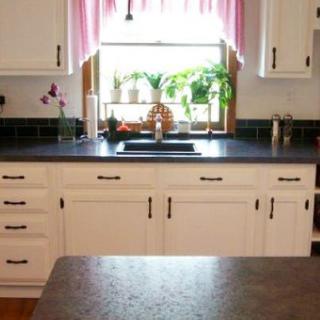
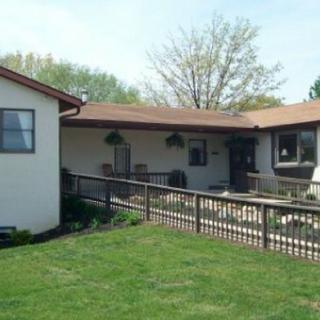
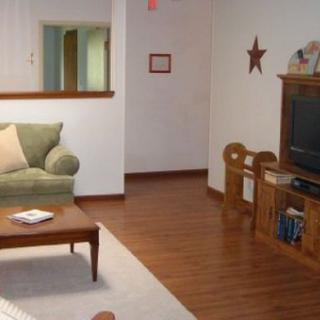
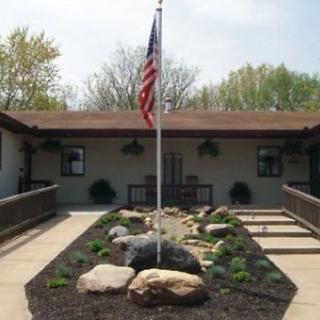
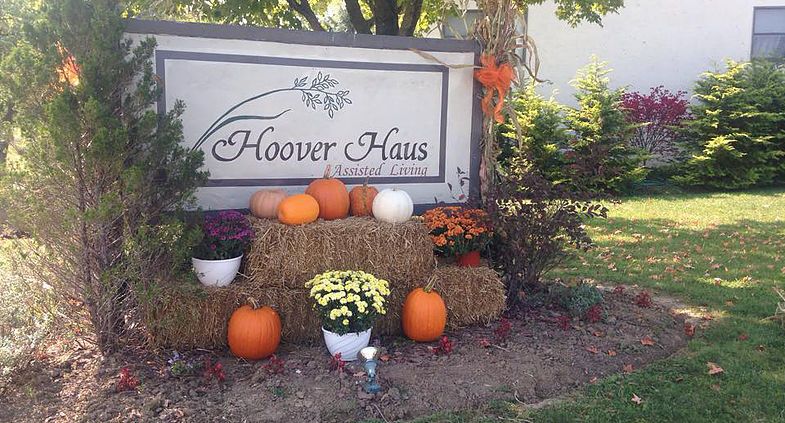
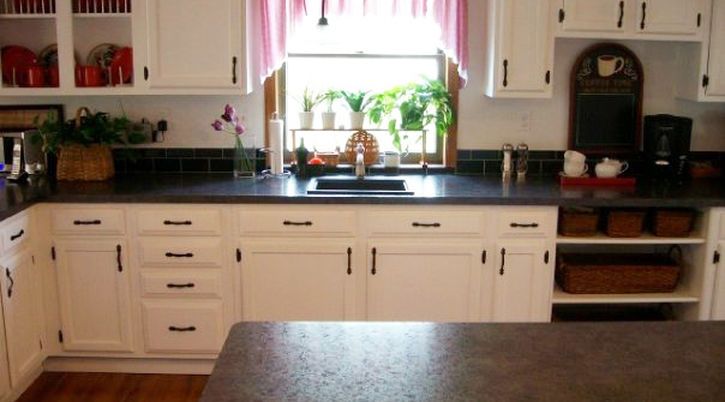
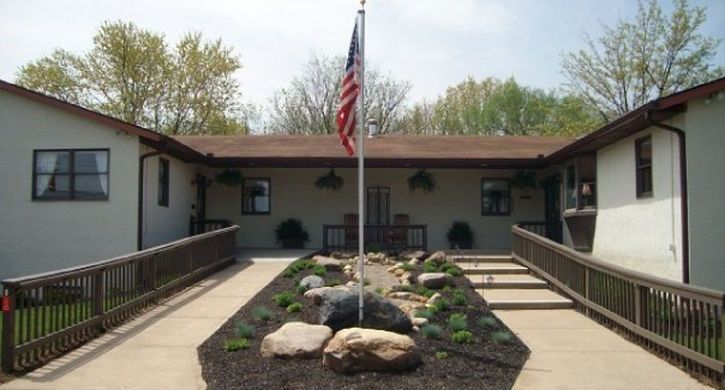
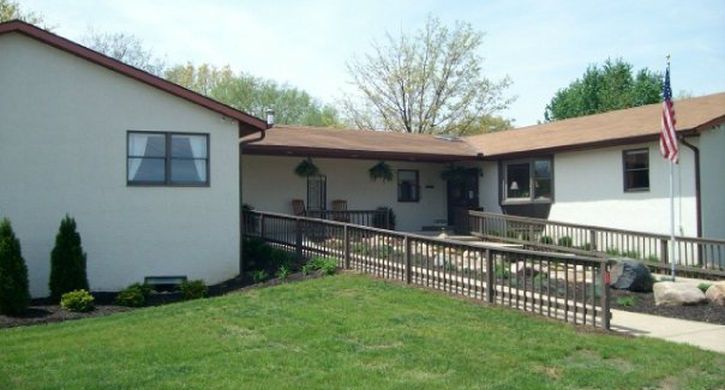
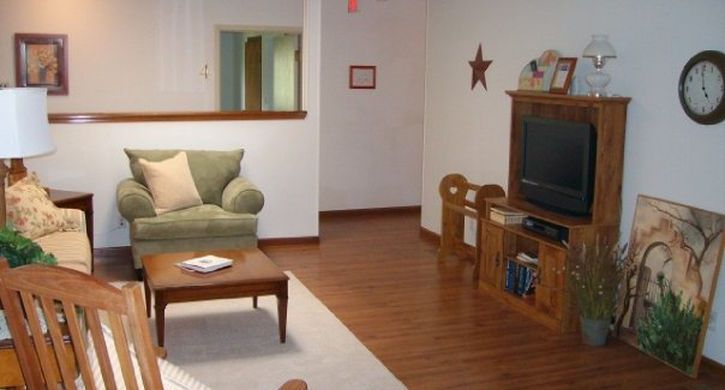
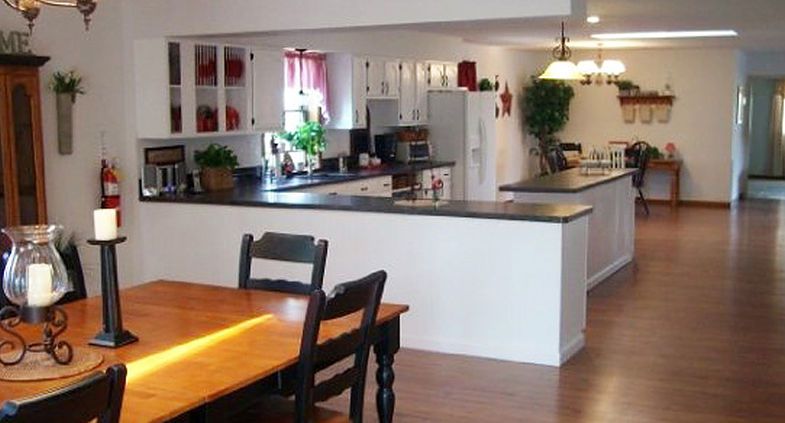
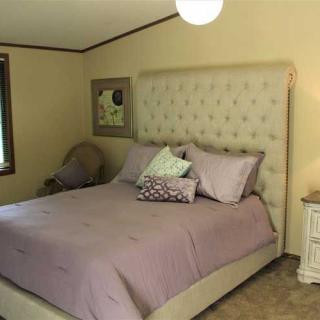
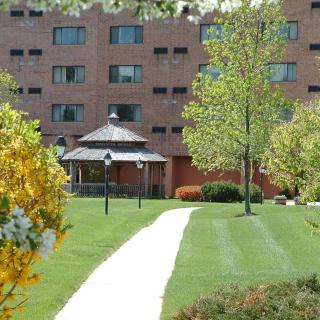
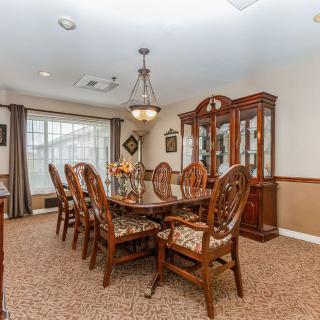
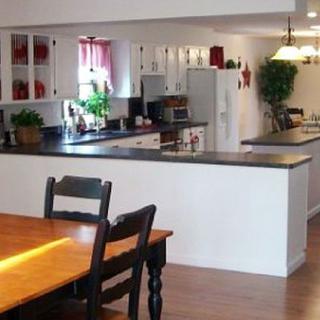
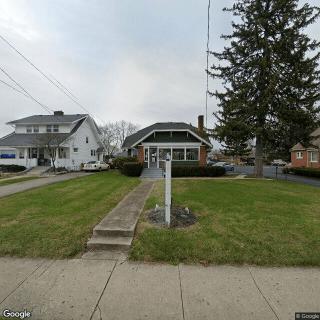
Hoover Haus on seniors.fyi includes 7 photos including images showing landscaping, interior, kitchen, decor, cabinets, windows, building, flag, and more.
Nearby Communities
Carriage Court Of Grove City
Grove City, OH
4.2 from 70 reviews
$3,700 to $4,715 / month
Friendly, attentive staff in a clean, engaging community.
Monterey Rehabilitation Center Skilled Nursing and Memory Care
Grove City, OH
3.5 from 113 reviews
$5,760 to $7,740 / month
Compassionate, tenured staff delivering personalized care and quality meals.
Monterey Care Center
Grove City, OH
3.5 from 90 reviews
Compassionate, attentive staff with a strong therapy team focused on resident safety, comfort, and well-being.
Ashford of Grove City
Grove City, OH
4.1 from 43 reviews
$3,500 / month
Specialized memory care with comprehensive amenities and support services.
Universal Medical Home Care Services
Grove City, OH
5 from 4 reviews
High-quality, personalized care with convenient access to nearby amenities (cafes, parks, pharmacies, physicians, restaurants, and a hospital).
Bending Brook
Grove City, OH
3.1 from 64 reviews
Excellent access to nearby amenities.
Visiting Angels
Grove City, OH
4.8 from 106 reviews
Convenient Grove City location with nearby amenities and healthcare access.
The Ashford of Grove City
Grove City, OH
4 from 48 reviews
$3,545 to $4,950 / month
Beautiful, clean facility with friendly staff and engaging activities.
Homestead Village
Grove City, OH
4.5 from 26 reviews
$1,171 to $1,419 / month
Friendly staff and a welcoming, amenity-rich community.
The article examines senior housing options, detailing the distinctions between independent living and assisted living, along with the emerging "independent assisted living" model that blends both approaches. It highlights the importance of assessing individual needs, preferences, and financial factors in making informed decisions about suitable living arrangements for seniors.
The deductibility of assisted living expenses on taxes hinges on factors like the individual's medical condition and service nature, typically requiring the resident to be "chronically ill" per IRS definitions. Taxpayers may deduct eligible medical expenses related to personal care services but generally not rent unless primarily for medical care, and they should maintain thorough documentation to support claims while considering itemizing versus standard deductions.
The guide highlights the importance of assisted living facilities for aging veterans needing daily support, discusses unique challenges they face, and outlines available financial assistance from the VA, including the Aid and Attendance program. It emphasizes understanding eligibility criteria and navigating the VA system to access necessary benefits effectively.
Get PricingAsk A QuestionSchedule A TourContact Senior Advisor
By clicking submit, you agree to our Partner's Terms of Use. You
also consent to receive calls and texts, which may be autodialed, from our Partner. Your consent is not a condition to
using our Partner's service. Please visit our Partner's Privacy Policy for information about their privacy practices.



 22 resident community capacity
 Assisted Living
 Cats allowed
 Dogs allowed
 Activities off-site
 Beauty salon
 Cable or satellite TV
 Devotional services off-site
 Dining room
 Fully furnished
 Garden
 Guest parking
 Housekeeping services
 Indoor common areas
 Kitchenette
 Laundry
 Move-in coordination
 Outdoor common areas
 Respite or short term stays offered
 Restaurant-style dining
 Small library
 Telephone
 Wheelchair accessible showers
 Wi-Fi/high-speed internet available
 John Glenn Columbus International Airport (12 miles away)
 24-hour call system
 Assistance with bathing
 Assistance with dressing
 Assistance with transfers
 Diabetes diet
 Diabetic care
 Incontinence care
 Medication management
 Mental wellness program
 Special dietary restrictions
 Arts and crafts
 Games
Games Live musical performances
 Stories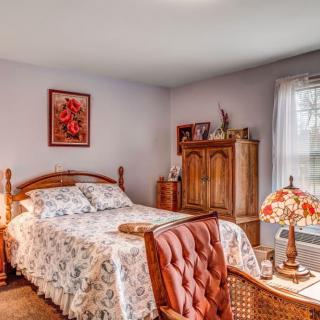
 Friendly, attentive staff in a clean, engaging community.





 Exploring the Path to Senior Living: A Comprehensive Look at Independent Living and Assisted Living
 Is Assisted Living Deductible on Your Taxes? Understanding the Complexities of Assisted Living Expenses and Deductions
 Assisted Living Support for Veterans: A Complete and Detailed Overview