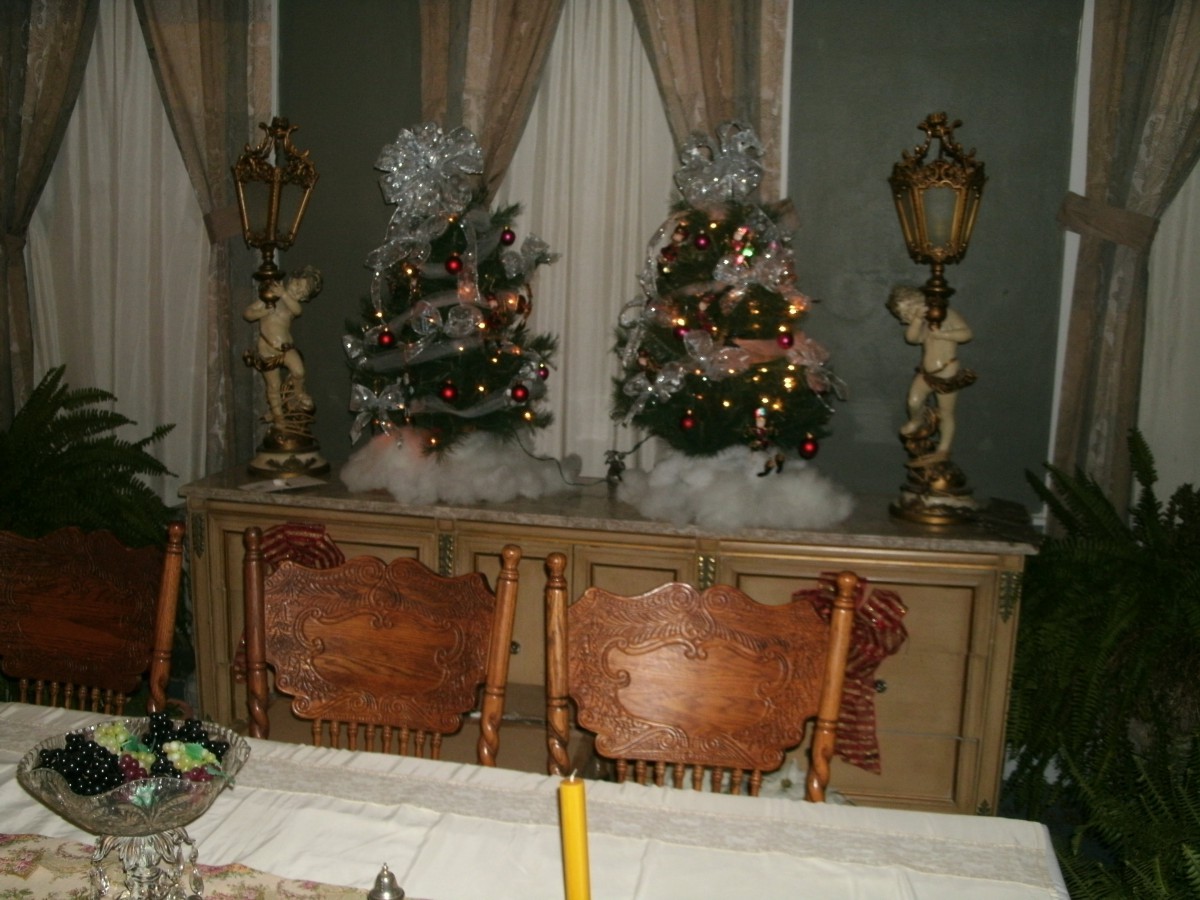
141 S Monmouth Street, Dayton, OH 45403
To contact a resident: (937) 291-0861
For more information about senior living options: (866) 208-4318
The Grand Victorian Rose Costs & Pricing
The Grand Victorian Rose offers a range of room types at competitive rates compared to the broader market in Montgomery County, Ohio. For those seeking semi-private accommodations, the cost is $2,000 per month, significantly lower than the county's average of $3,639 and the state's average of $3,965. Private rooms are available for $2,500, which again presents a substantial savings relative to Montgomery County's prevailing rate of $3,974 and Ohio's average of $4,771. Similarly, studio apartments are priced at $2,500, providing excellent value against the local benchmark of $3,476 and the state figure of $3,727. Overall, The Grand Victorian Rose positions itself as an attractive option for individuals seeking quality living spaces at more accessible prices.
| Floor plans | The Grand Victorian Rose | Montgomery County | Ohio |
|---|---|---|---|
| Semi-Private | $2,000 | $3,639 | $3,965 |
| Private | $2,500 | $3,974 | $4,771 |
| Studio | $2,500 | $3,476 | $3,727 |
Memory care communities with a similar price nearby
-
from +$295 / mo
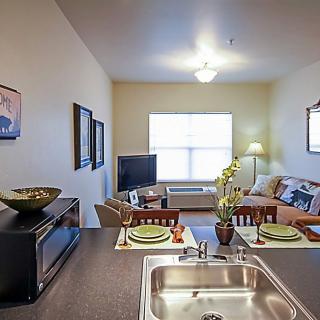
The Wellington at Dayton
$2,295 to $5,200 / month7.0 miles away -
from +$295 / mo
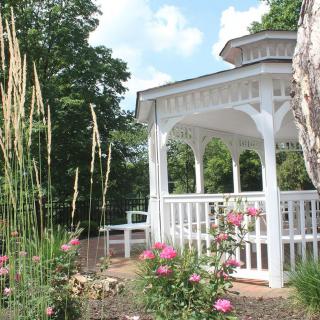
10 Wilmington Place
$2,295 to $6,000 / month1.8 miles away -
from -$308 / mo

Springfield Masonic Community
$1,692 to $2,979 / month19.3 miles away -
from -$364 / mo
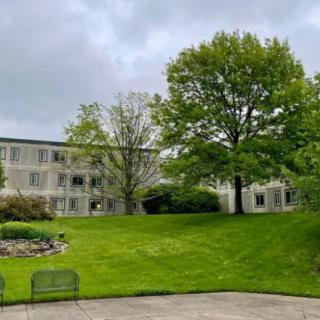
Friendship Village
$1,636 to $2,880 / month7.8 miles away -
from -$100 / mo
BrookHaven Retirement Community
$1,900 to $9,954 / month14.4 miles away
Overall Review of The Grand Victorian Rose
Pros
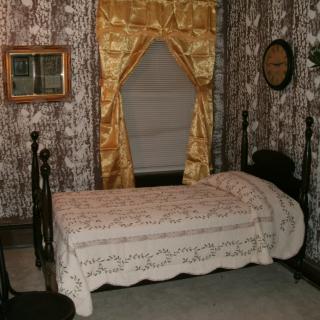
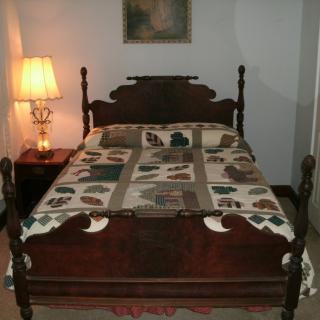
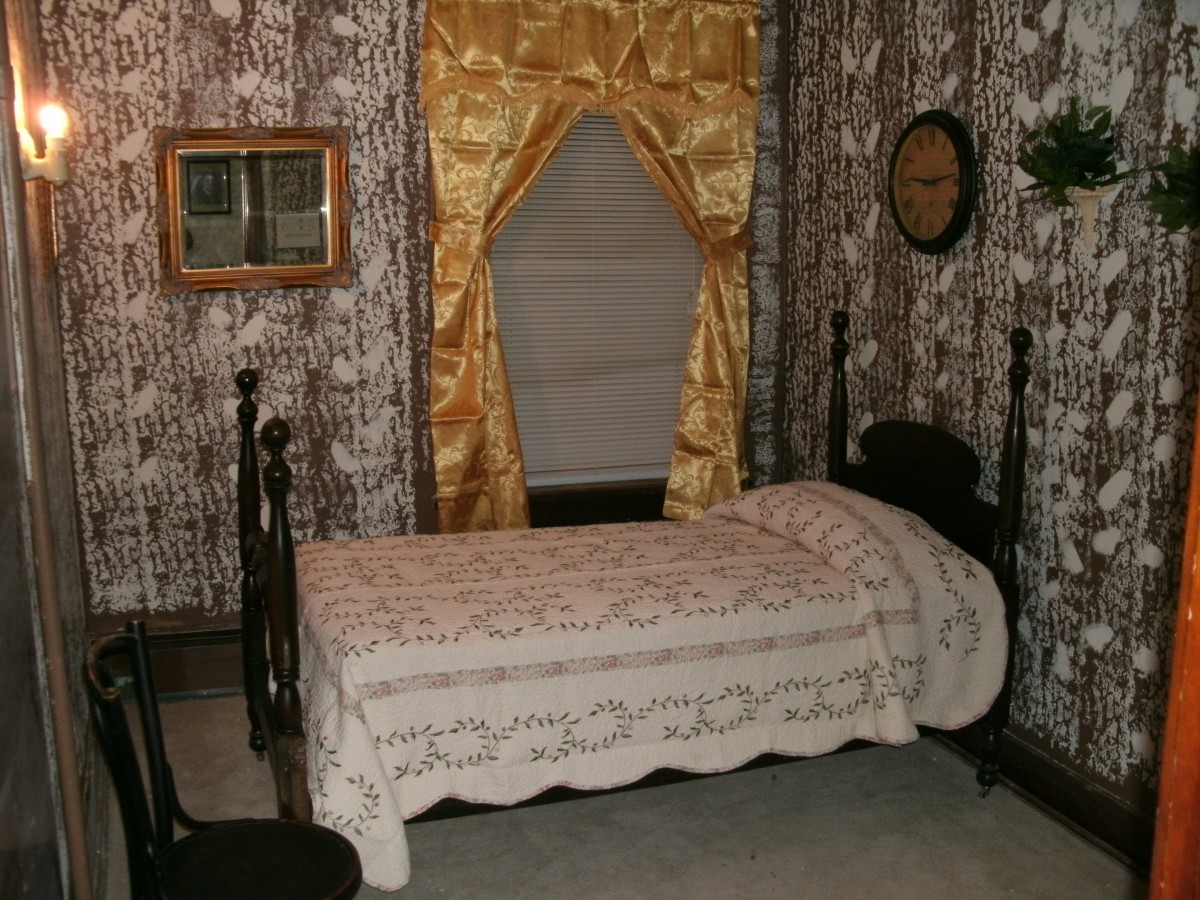
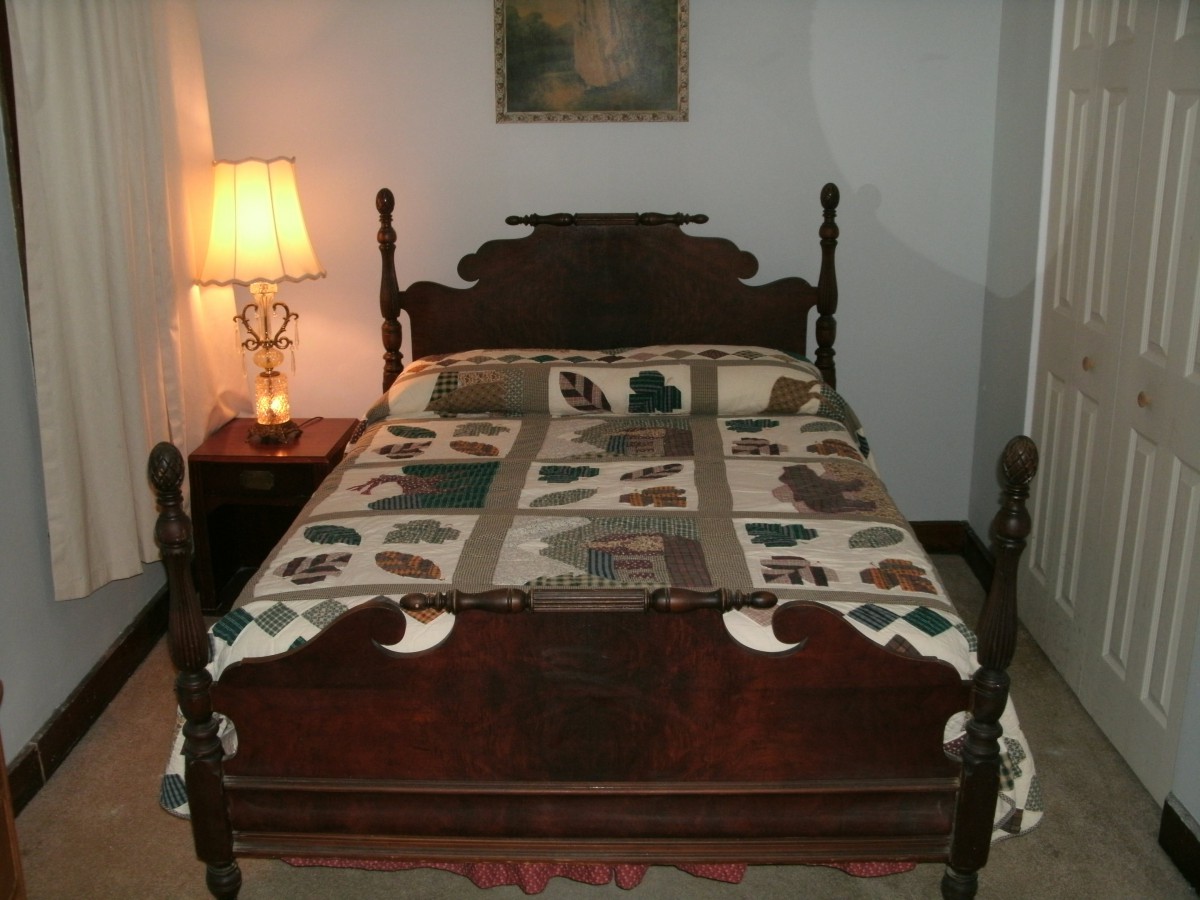
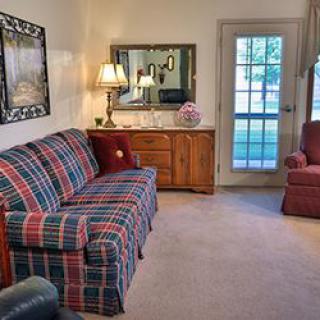
 The place is beautiful and has a Victorian atmosphere that appeals to older adults.
- It is a small residential home with a low resident-to-caregiver ratio.
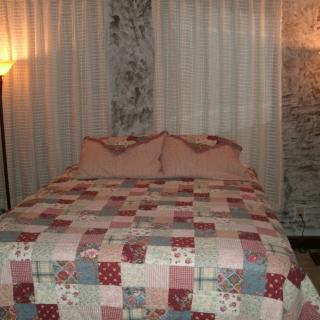
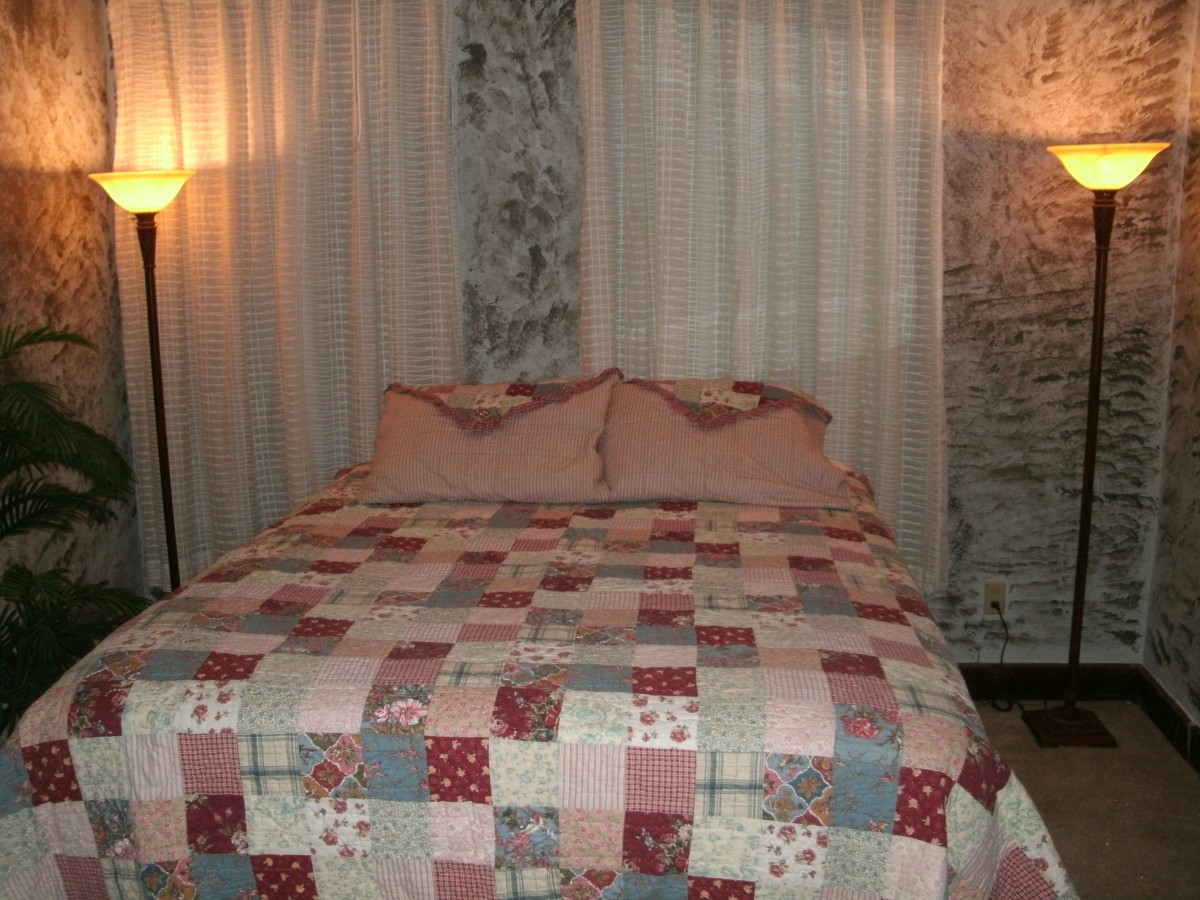
- The home is warm and comfortable, blending 20th-century charm with modern amenities.
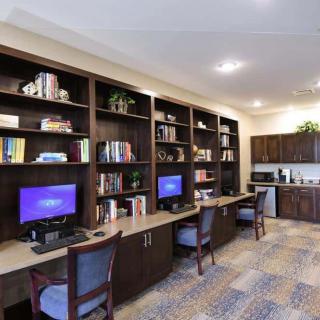
- There are large living areas and inviting spaces to sit and read or relax.
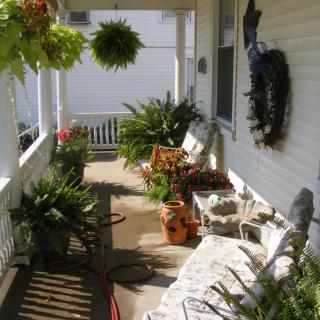
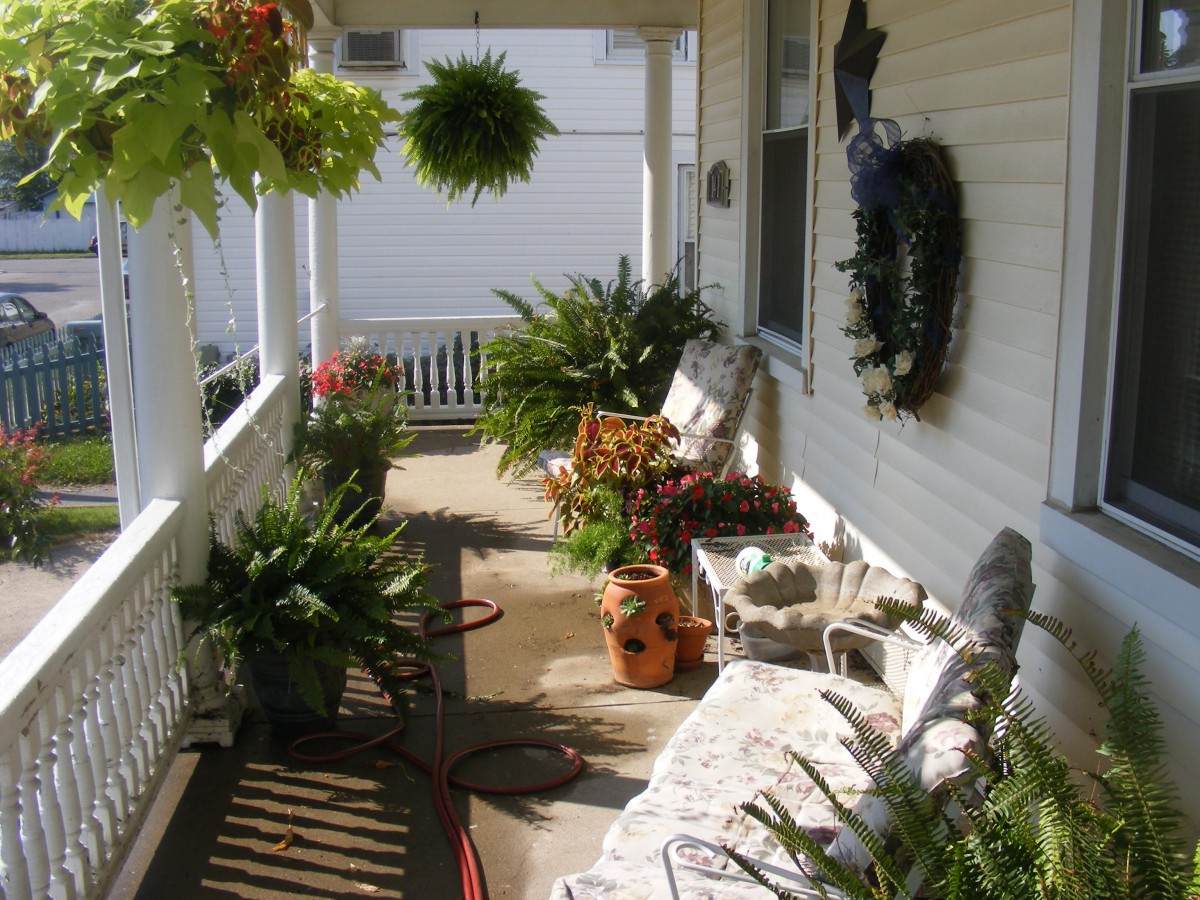
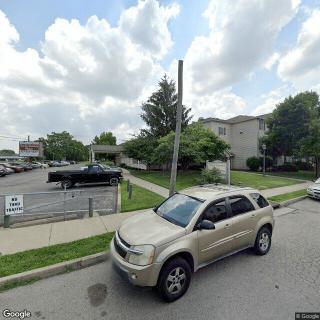
- The home feels very homey and is located in a familiar neighborhood.
- The resident takes pride in calling their residence a home.
- The home invites visits from loved ones.
Cons
 The resident dislikes using the word "Facility" to describe his residence.
- The resident objects to calling his living space a "Facility."
- The resident finds the term "Facility" inappropriate for his home.
Review
The Grand Victorian Rose in Dayton, Ohio is best suited for seniors who want a small, home-like residence with a warm, traditional atmosphere and genuinely attentive care. This community appeals to residents and families who prize a neighborhood feel, quiet living spaces, and the sense of residence rather than a large institutional setting. It is especially suitable for those who thrive on personalized attention, easy access to caregivers, and a recognizable, comfortable home environment that emphasizes charm over flash. Those seeking a bustling campus, extensive on-site medical specialties, or a wide-ranging, activity-forward calendar may find this setting too intimate to meet their needs.
Alternatives should be considered for residents with higher medical needs, memory-care requirements, or a desire for a larger, more program-driven community. A smaller house with a low resident-to-caregiver ratio is wonderful for daily reassurance and individualized support, but it may not deliver the breadth of services, specialized staff, or diverse programming found in bigger assisted-living campuses. Families evaluating care transitions for someone who requires frequent clinical oversight, intensive assistance, or a robust social calendar should compare The Grand Victorian Rose with larger facilities that offer comprehensive care options and more expansive activity offerings.
The strongest selling points are clear and consistent: a beautiful, warm setting that blends 20th-century charm with contemporary conveniences; intimate, home-like spaces that invite residents to settle in and relax; and a genuinely low-stress feel driven by a small-scale layout. Reviewers repeatedly highlight the property’s aesthetic appeal, the Victorian atmosphere, large living areas, and comfortable nooks for reading or quiet conversation. The best outcomes arise when residents value a serene, private environment and appreciate the pride residents take in calling the place a home. The combination of beauty and practicality creates an environment that can feel comforts-first, with everyday life organized around warmth and accessibility.
These advantages offset several potential drawbacks because the core experience is built on personal attention, not volume. The low resident-to-caregiver ratio translates into meaningful caregiver interactions and visible investment in daily routines, which is a powerful offset to the absence of the impersonal bustle that accompanies larger campuses. Large living areas prevent crowding and maintain a sense of calm, which supports independence within a supportive framework. The 21st-century amenities tucked into a 20th-century shell likely address basic modern needs without sacrificing the intimacy that makes this place feel like a home. For families prioritizing safety, familiarity, and consistent caregiver contact, the trade-offs feel reasonable and well-justified.
Nonetheless, a few caveats emerge from the mixed feedback. Some reviews hover around mid-range, signaling that while the setting is beloved by many, it may not satisfy every resident’s expectations for activity variety, social programming, or rapid escalation of care. The small scale, while a strength, can limit the breadth of on-site activities and the sense of “always something new to do” that larger communities advertise. For individuals who value a consistently bustling calendar, or who anticipate frequent need for specialized medical or memory-care services on site, The Grand Victorian Rose may feel restrictive. Potential residents should assess whether the lifestyle aligns with current routines, preferences, and anticipated future needs.
In the end, the decision comes down to priority: prioritize a hospitable, home-like atmosphere with intimate staff engagement, or seek a larger community with broader services and a wider social ecosystem. Prospective families should visit with their loved one, observe caregiver interactions across shifts, and inquire about the availability of medical support, memory-care options, and transportation for off-site activities. If independence, privacy, and a dignified, residence-style living experience hold the top spots on the care list, The Grand Victorian Rose stands out as a practical, confident choice. If those criteria shift toward more expansive programming or more intensive care, alternatives deserve careful comparison before deciding.
 Board and Care Home
 Memory Care
 Activities off-site
 Bath tubs
 Devotional services off-site
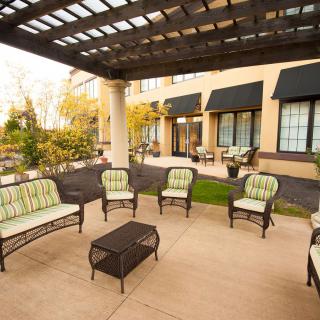
 Indoor common areas
 Outdoor common areas
 Private
 Respite or short term stays offered
 Wheelchair accessible showers
 James M Cox Dayton International (10 miles away)
 Ambulatory care
 Diabetic care
 Incontinence care
 Medication management
 Meals provided


 When to Transition from Assisted Living to Memory Care: Key Indicators, Steps, and Finding the Right Community
 Understanding the Distinctions: Assisted Living and Memory Care Explained
 How to Communicate with a Loved One Living with Dementia: 10 Supportive Strategies