Traditions of Beavercreek offers a range of living options with monthly costs that reflect its premium services and amenities. For a two-bedroom unit, residents can expect to pay $3,795, which is notably higher than the average cost in Montgomery County at $2,943 and the state average of $3,501. The studio option stands at $3,995 - also exceeding both county and state averages significantly. Similarly, the one-bedroom units are priced at $5,195, well above the local county average of $3,599 and Ohio's statewide figure of $3,712. While Traditions of Beavercreek does present a higher price point compared to regional norms, it likely reflects the enhanced lifestyle experience it promises its residents.
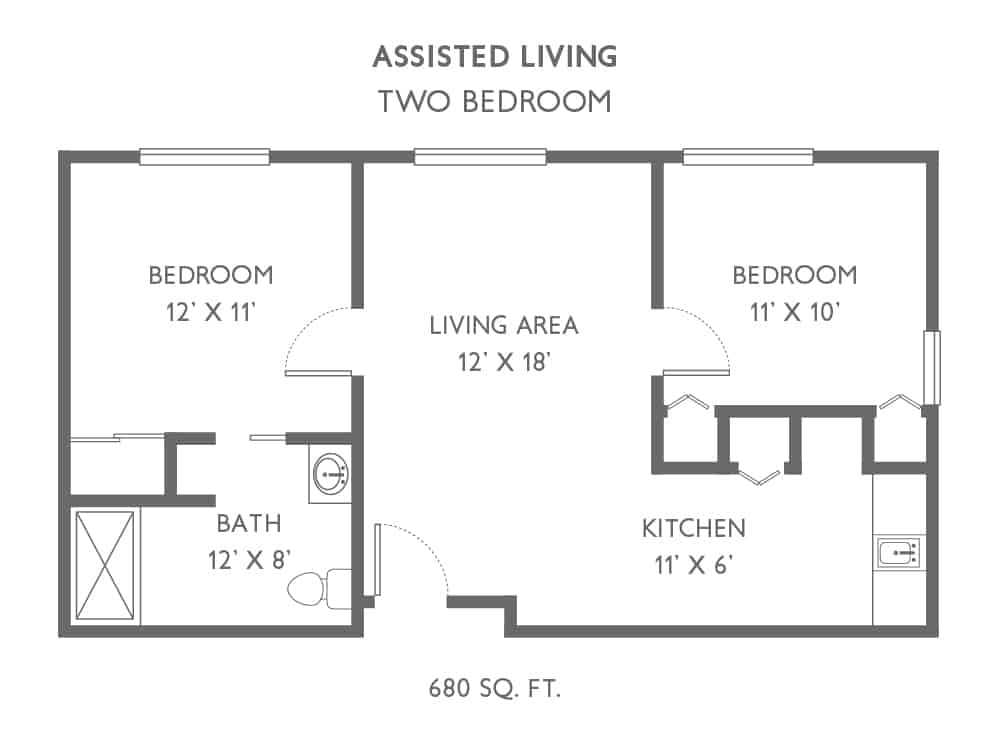
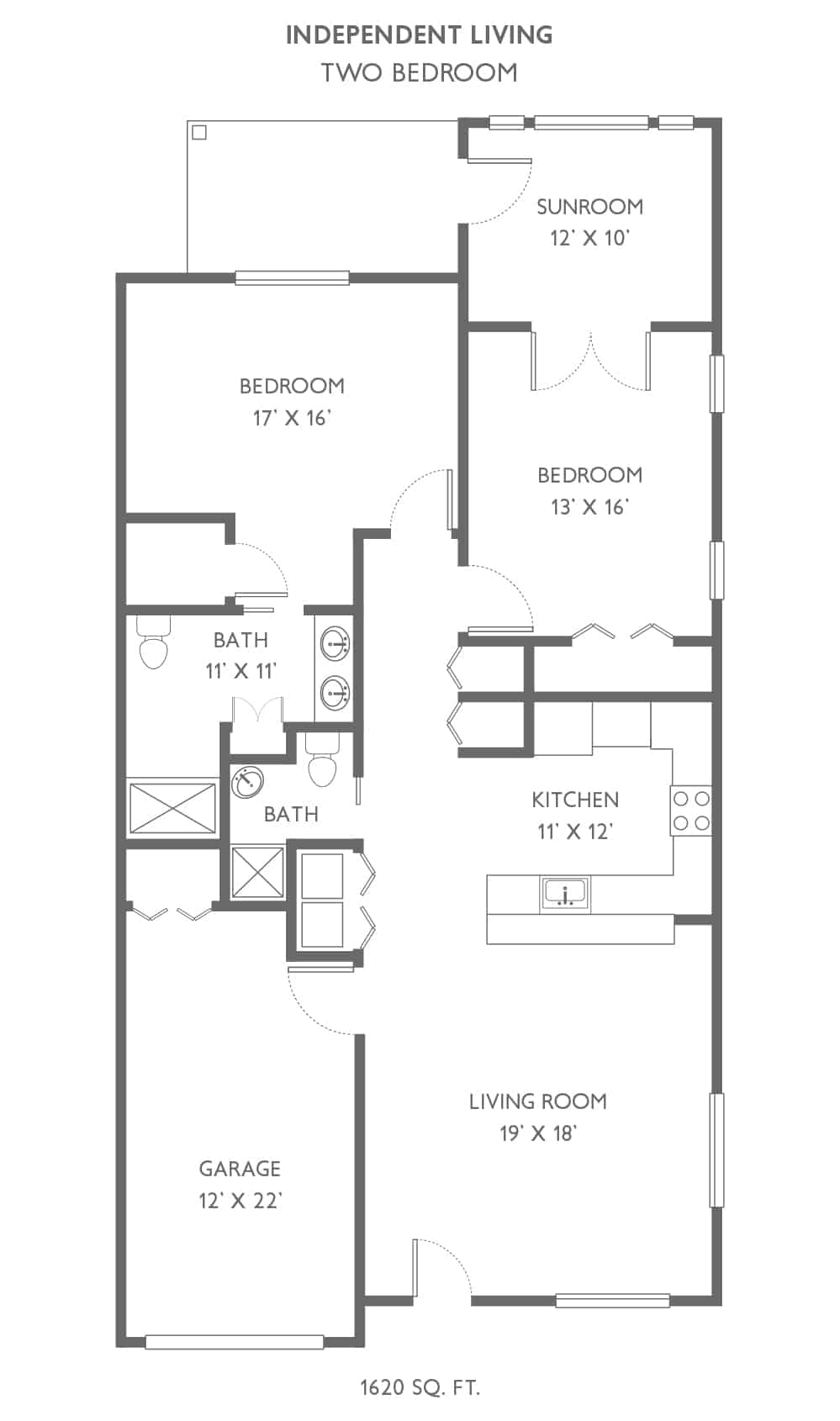
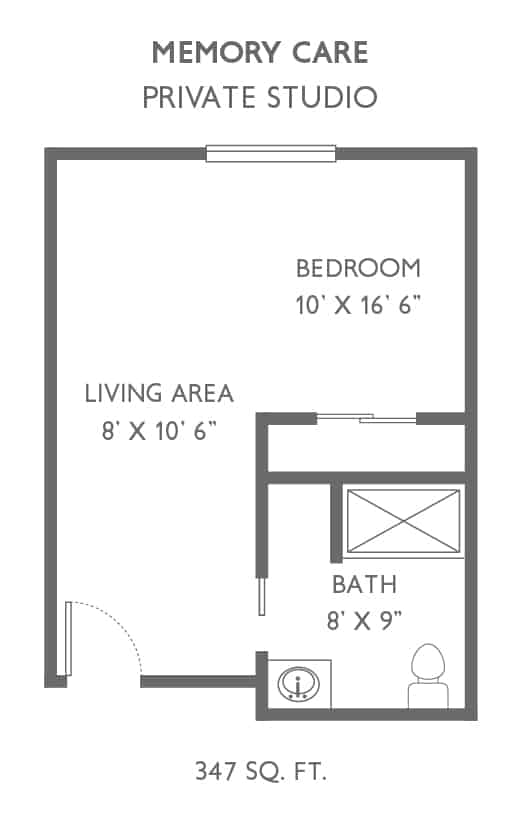
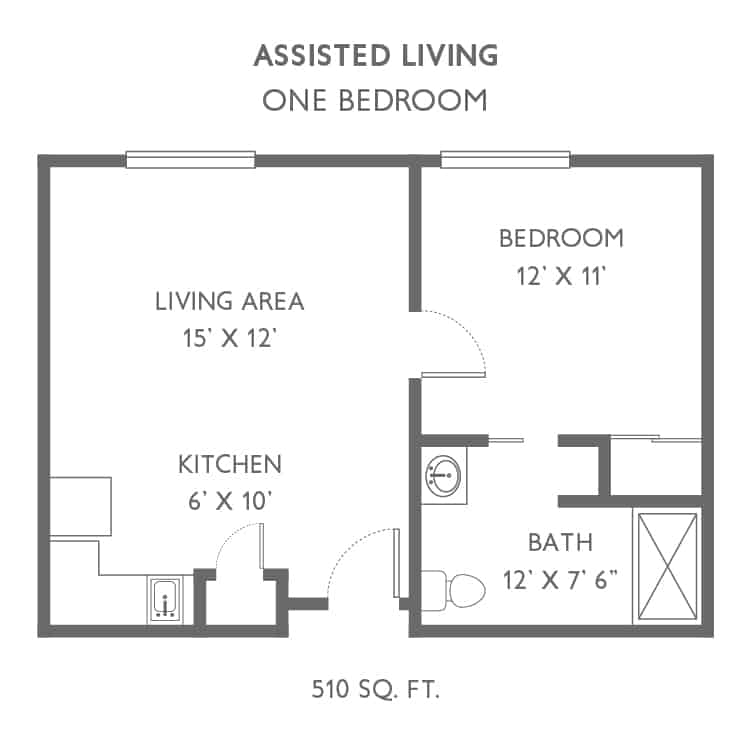
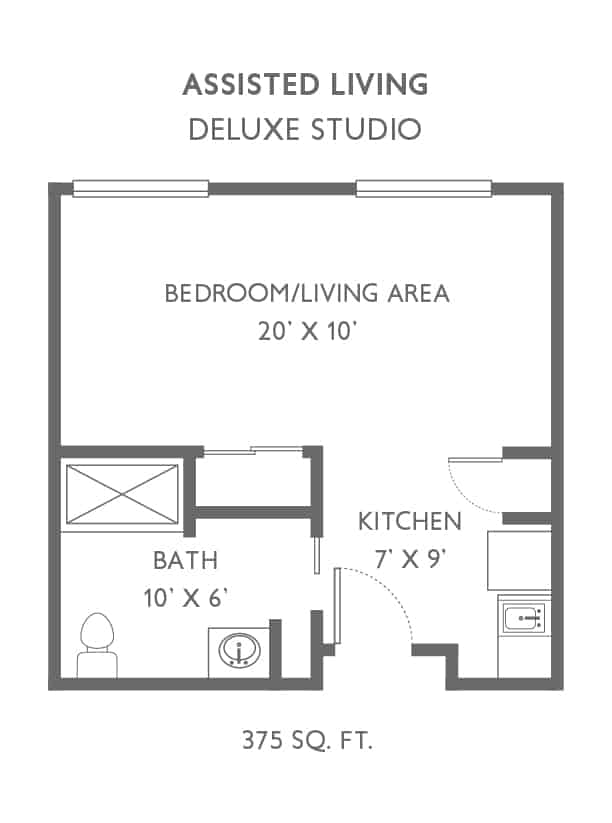
Floor plans
Traditions of Beavercreek
Montgomery County
Ohio
2 Bedrooms
$3,795
$2,943
$3,501
Studio
$3,995
$3,476
$3,727
1 Bedroom
$5,195
$3,599
$3,712
Assisted Living communities with a similar price nearby
Residents and families often describe staff as caring and responsive.
Multiple reviewers emphasize how staff treat residents with compassion, and they describe the team as friendly and easy to work with. Several families also mention responsiveness to questions or concerns, describing reassurance and follow-through after move-in or during care. Even in reviews that raise problems elsewhere, many still single out specific caregivers for kindness and attention.
common2 reviews mention this
Clean, well kept environment
Reviewers repeatedly mention a clean, well maintained setting.
Two reviewers explicitly call out cleanliness and ongoing upkeep, including a “nice and clean” environment and a facility that is clean and well maintained. Other positive comments about the appearance and maintenance of shared spaces echo that same overall impression. That said, a few critical reviews point to cleanliness and upkeep issues in memory care, so impressions can vary by area and timeframe.
common4 reviews mention this
Activities and trips keep people engaged
Residents and families describe lots of activities and outings.
Reviewers mention a steady stream of things to do, including planned activities and day-to-day programming designed to keep residents connected. Some highlight transportation and excursions, describing regular trips to local places. Others note that the activity calendar is full enough to support socializing, even when residents are not joining everything.
caveat3 reviews mention this
Dining hours and food quality vary
Dining feedback includes concerns about timing and food quality.
Several reviewers describe issues with meal timing or consistency, including dinner hours that do not feel long enough. A few also mention food quality problems, such as meals not arriving hot or not meeting expectations on certain days. While some reviews are positive about meals and dining options, the overall dining experience comes across as uneven.
caveat4 reviews mention this
Staffing levels are a recurring concern
Some families describe staffing shortages that can delay assistance.
Some critical reviews say there is not enough help available when residents need assistance, including long waits for help with daily needs. Others describe understaffing during weekends or holidays, and at least one mentions concerns about supervision and medication handling. Several of these comments focus on memory care or higher-need situations, while other reviewers describe the experience more positively overall.
How we summarize
Counts show how many written reviews mention each theme; a review can touch several themes, and only frequently mentioned themes are displayed.
Features
Housing
92 resident community capacity
1-bedroom apartments
2-bedroom apartments
Studio apartments
Types of Care
Assisted Living
Independent Living
Memory Care
Skilled Nursing Facility
Pets
Cats allowed
Dogs allowed
Amenities
Activities off-site
Activities on-site
Air-conditioning
Beautician on-site
Beauty salon
Cable or satellite TV
Computer center
Devotional services on-site
Dining room
Financing advice
Fitness room
Full kitchen
Fully furnished
Gaming room
Garden
Ground floor units
Guasts at mealtime
Guest parking
Handicap accessible
Housekeeping services
Indoor common areas
Kitchenette
Laundry
Move-in coordination
Outdoor common areas
Outdoor space
Party space
Private bathrooms
Private cleaning services
Resident parking
Respite or short term stays offered
Restaurant-style dining
Small library
TV room
Telephone
VA Benefits Consultation
Wellness center
Wheelchair accessible showers
Wi-Fi/high-speed internet available
Transportation
James M Cox Dayton International (15 miles away)
Community operated transportation
Transportation & parking
Transportation arrangement
Transportation arrangement (non-medical)
Transportation to doctors appointments
Care Services
12-16 hour nursing
24-hour call system
24-hour supervision
Activities of daily living assistance
Ambulatory care
Assistance with bathing
Assistance with dressing
Assistance with transfers
Coordination with health care providers
Dementia waiver
Diabetes diet
Diabetic care
Hospice care
Hospice waiver
Incontinence care
Meal preparation and service
Medication management
Mental wellness program
Mild cognitive impairment
Physical therapy
Special dietary restrictions
Specialized memory care programming
Transportation arrangement (medical)
Transportation to doctors appointments
Dining
Anytime dining
Diabetes diet
Guest meals
Low / no sodium
Meals provided
Professional chef
Restaurant style dining
Room service
Special dietary restrictions
Special dining programs
Activities
Activities off-site
Art classes
Arts and crafts
Book club
Catholic services
Community-sponsored activities
Concierge services
Cooking classes
Cooking club
Day trips and outings
Devotional activities on-site
Educational speakers / life long learning
Fitness programs
Games
Gardening club
Happy hour
Karaoke
Live musical performances
Other religious services
Planned day trips
Protestant services
Religious services
Resident-run activities
Scheduled daily activities
Stories
Visiting chaplain or priest
Wine tasting
Languages Spoken
English
Nearby Places of Interest
This part of Beavercreek, Ohio, offers a variety of amenities that cater to the needs of seniors. With several physicians' offices and pharmacies in close proximity, medical care is easily accessible. Additionally, there are numerous cafes and restaurants nearby for dining options. The presence of hospitals and places of worship provides added convenience and support for seniors. The nearby park also offers a peaceful outdoor space for relaxation and exercise. Overall, this area provides a well-rounded environment with essential services and recreational opportunities for senior living.
Traditions of Beavercreek offers a range of living options with monthly costs that reflect its premium services and amenities. For a two-bedroom unit, residents can expect to pay $3,795, which is notably higher than the average cost in Montgomery County at $2,943 and the state average of $3,501. The studio option stands at $3,995 - also exceeding both county and state averages significantly. Similarly, the one-bedroom units are priced at $5,195, well above the local county average of $3,599 and Ohio's statewide figure of $3,712. While Traditions of Beavercreek does present a higher price point compared to regional norms, it likely reflects the enhanced lifestyle experience it promises its residents.
The comprehensive features at Traditions of Beavercreek significantly enhance the quality of life for residents with dementia or Alzheimer's disease by providing a structured and supportive environment. The 24-hour supervision ensures safety and immediate assistance, while help with activities of daily living, including bathing, dressing, and transfers, fosters independence in personal care. Coordinating with health care providers and offering medication management ensures that residents receive consistent medical oversight tailored to their unique needs. Incontinence care and meal preparation address essential health and nutrition aspects, further contributing to comfort and well-being. The mental wellness program, specialized memory care programming, and physical therapy promote cognitive engagement and physical vitality, while transportation arrangements facilitate access to necessary medical appointments. Together, these services create a holistic approach that nurtures the dignity and health of those experiencing cognitive challenges.
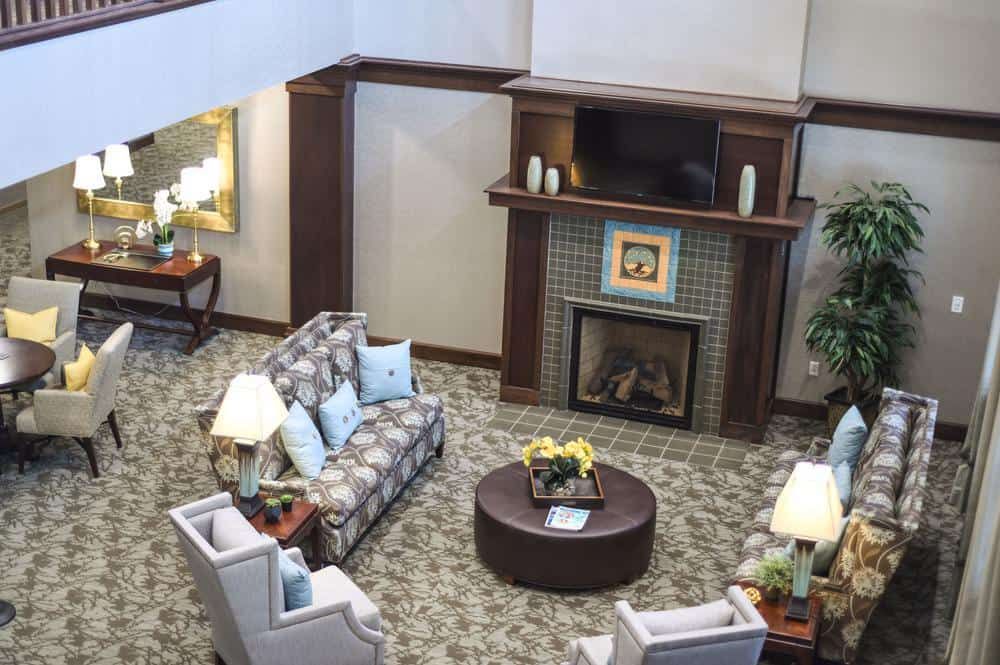
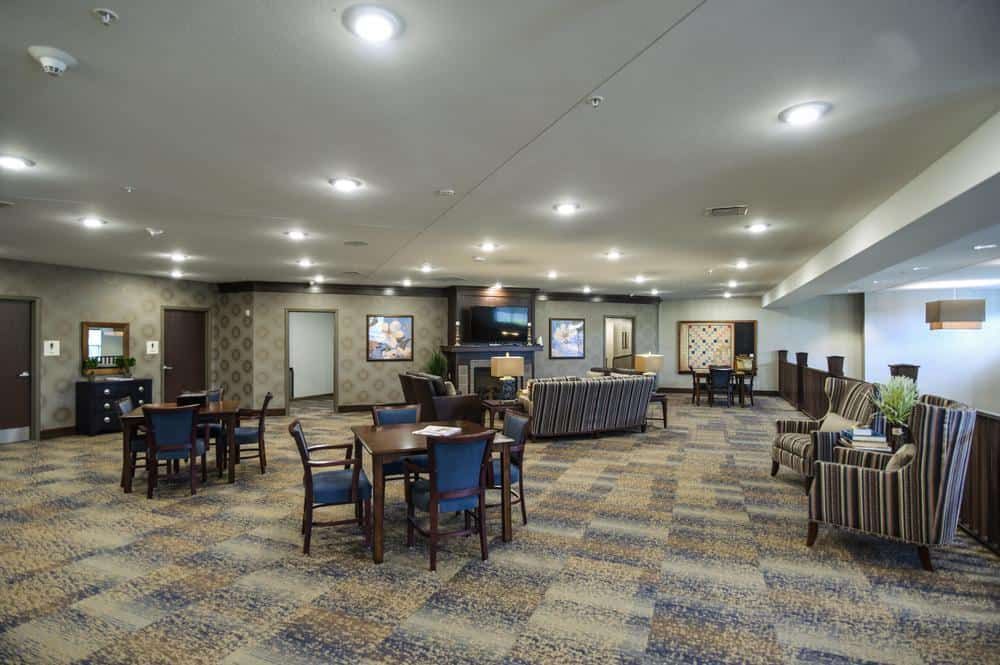
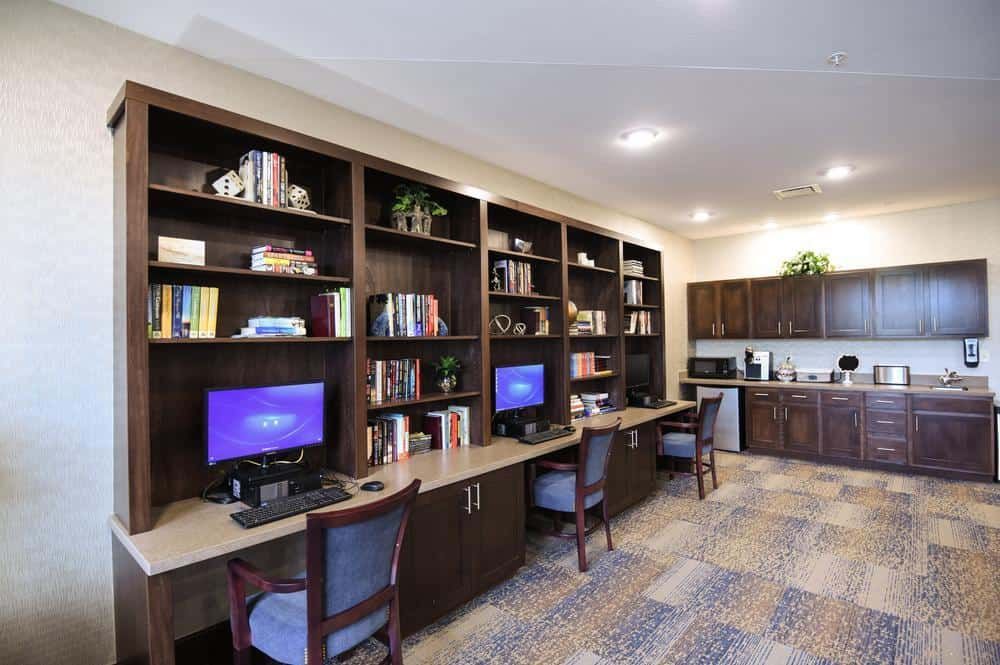
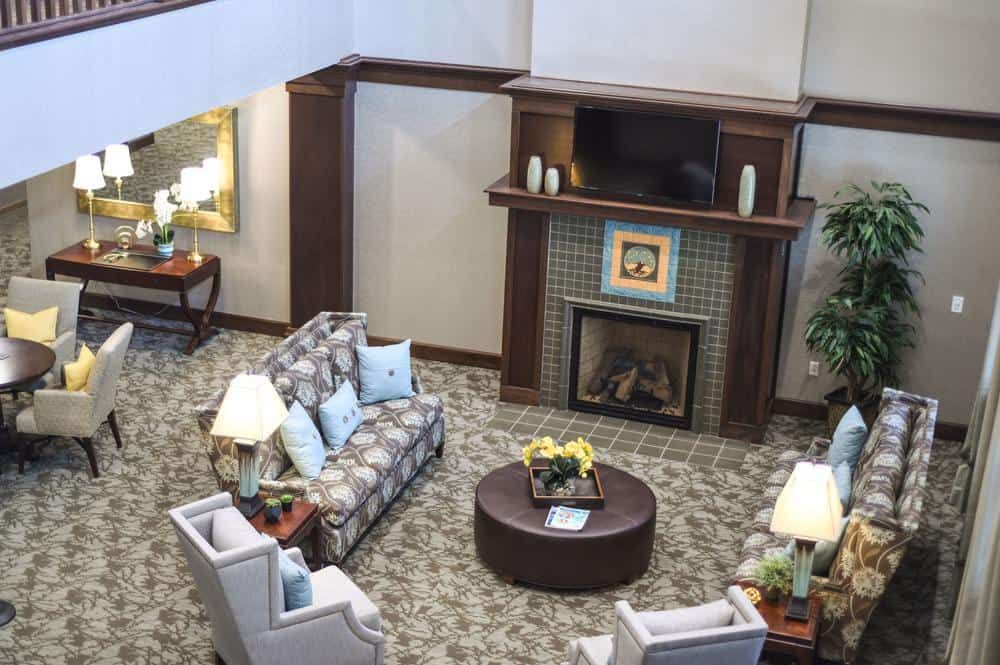
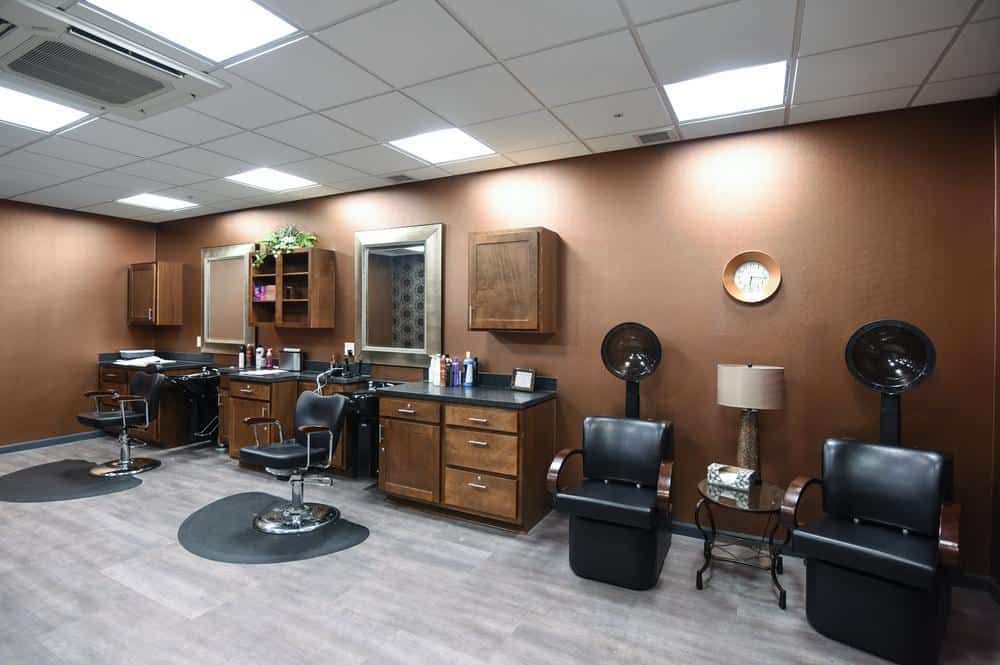
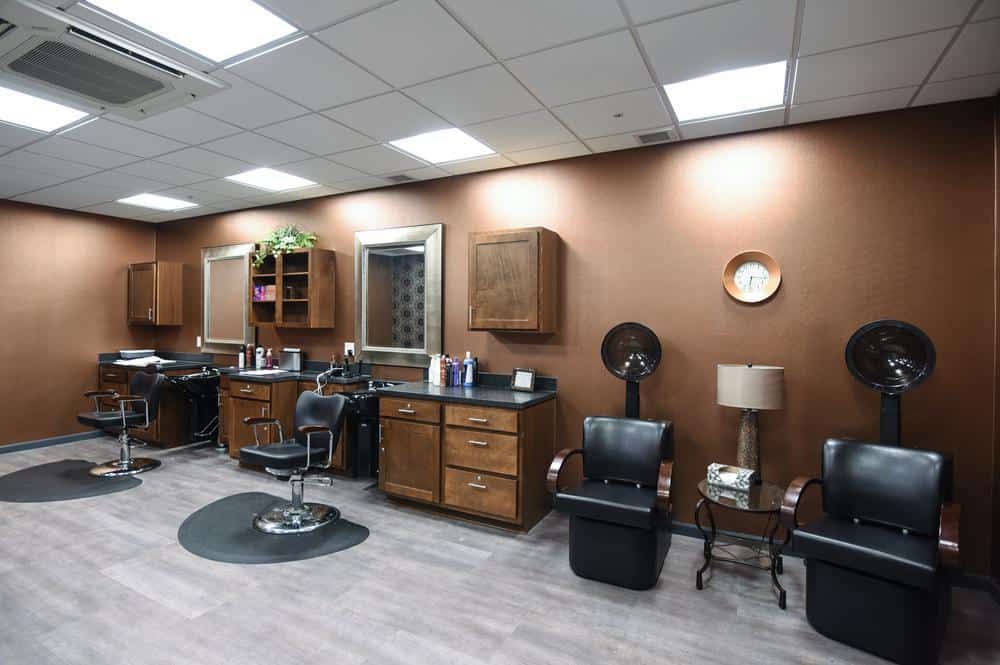
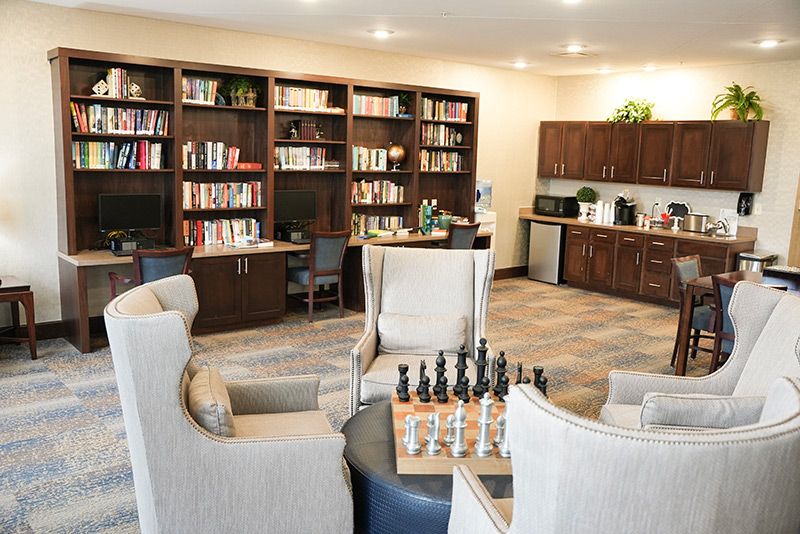
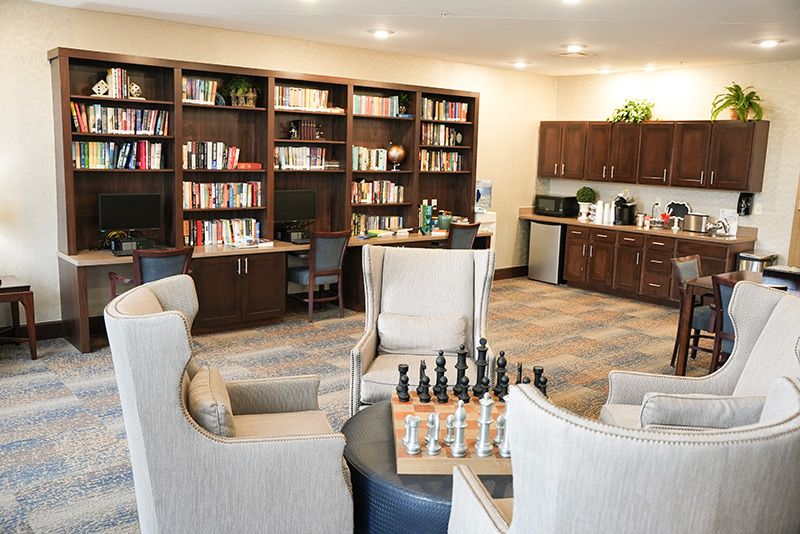
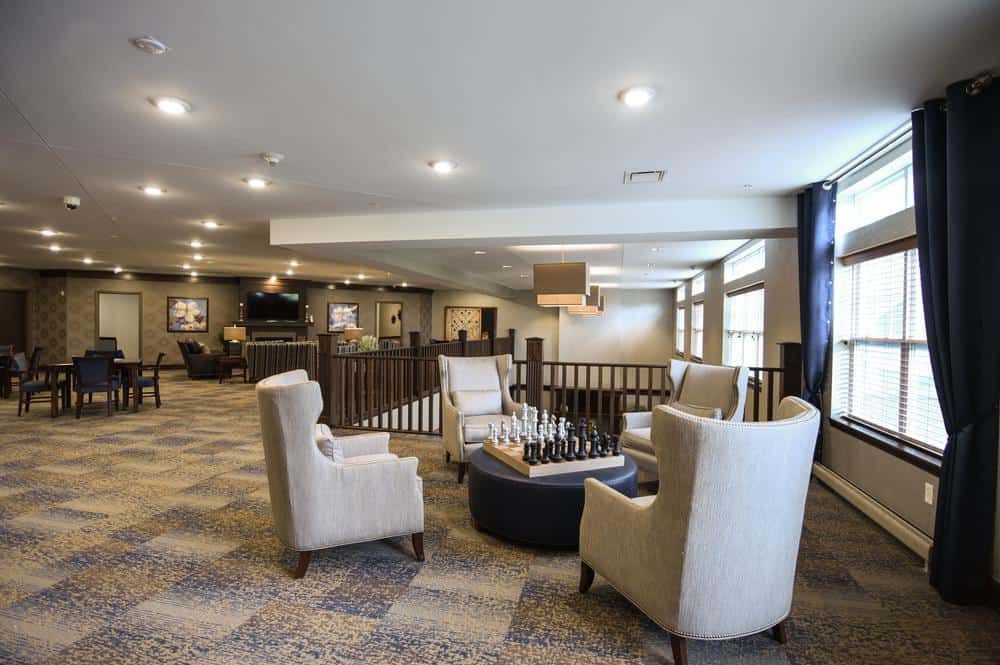
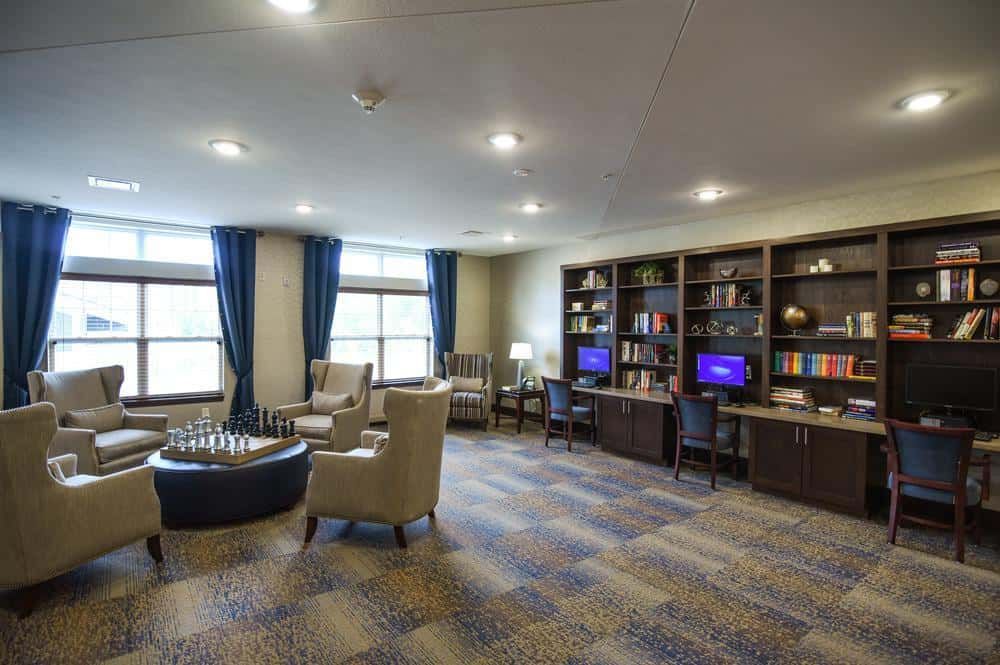
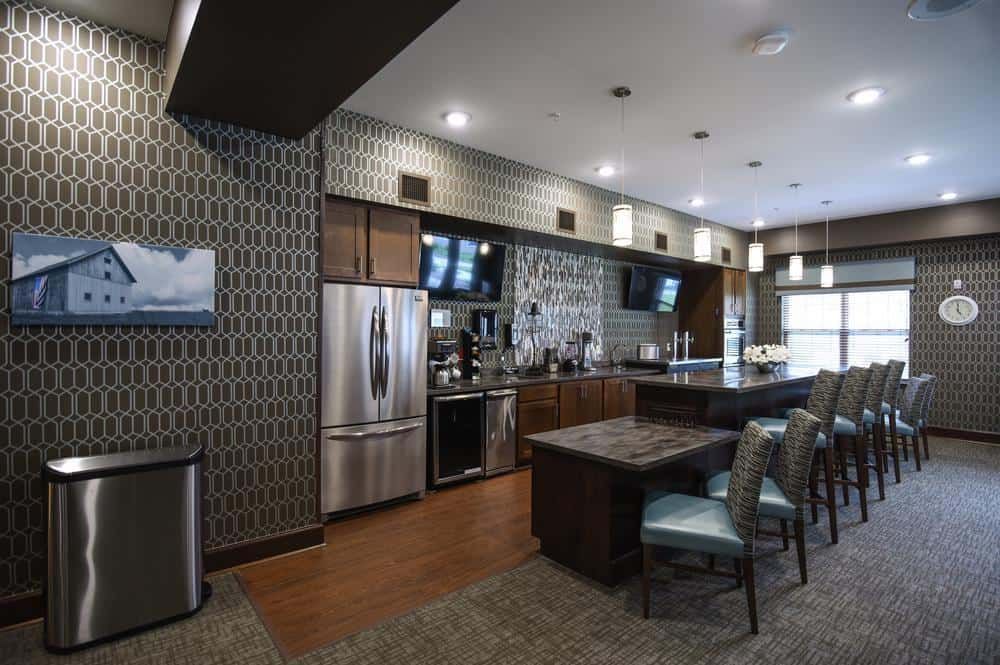
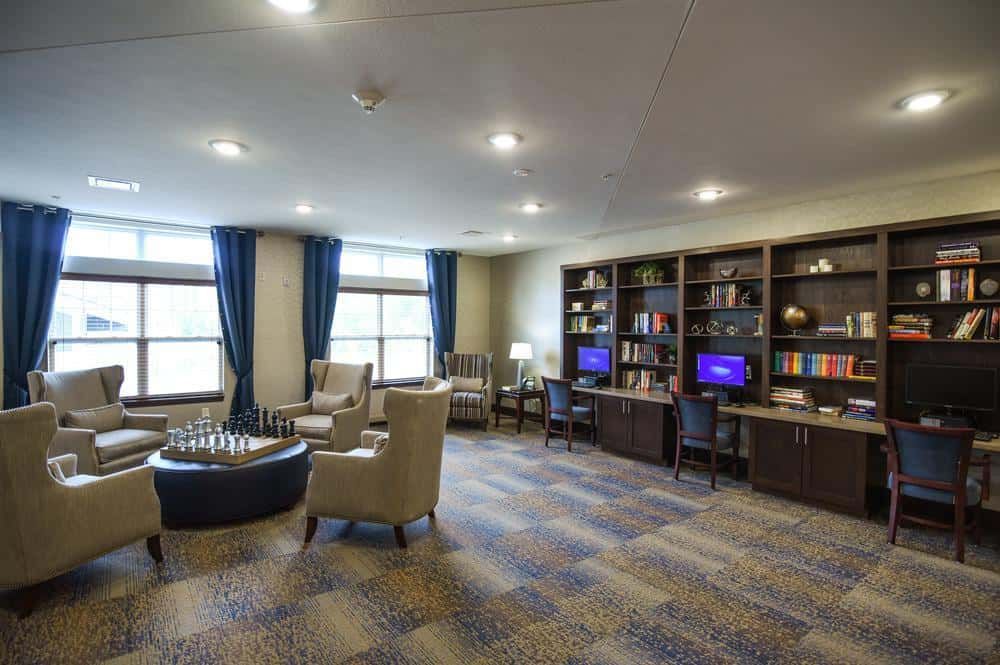
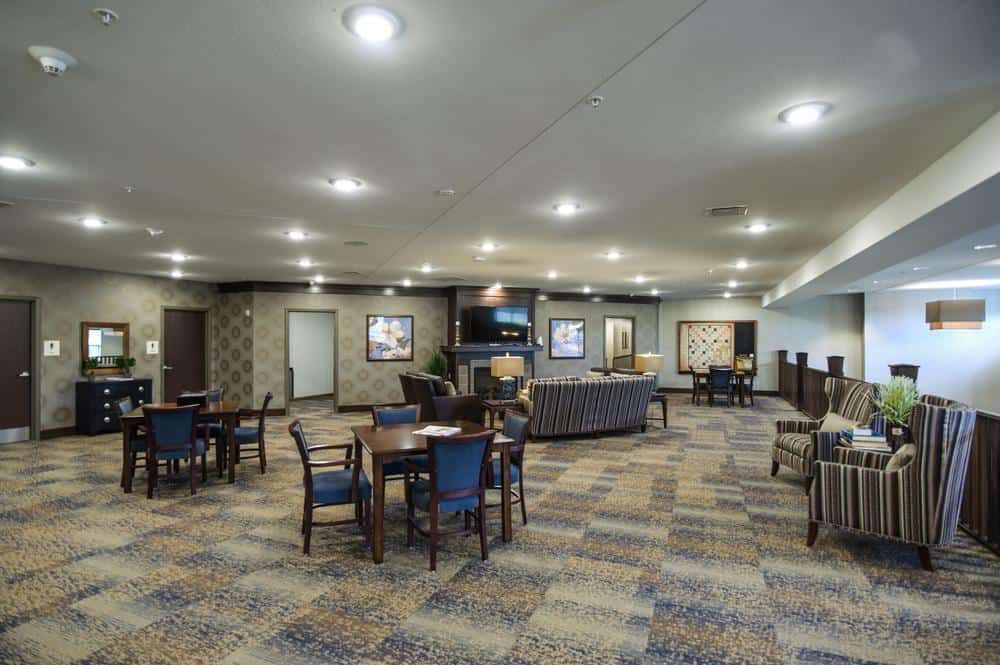
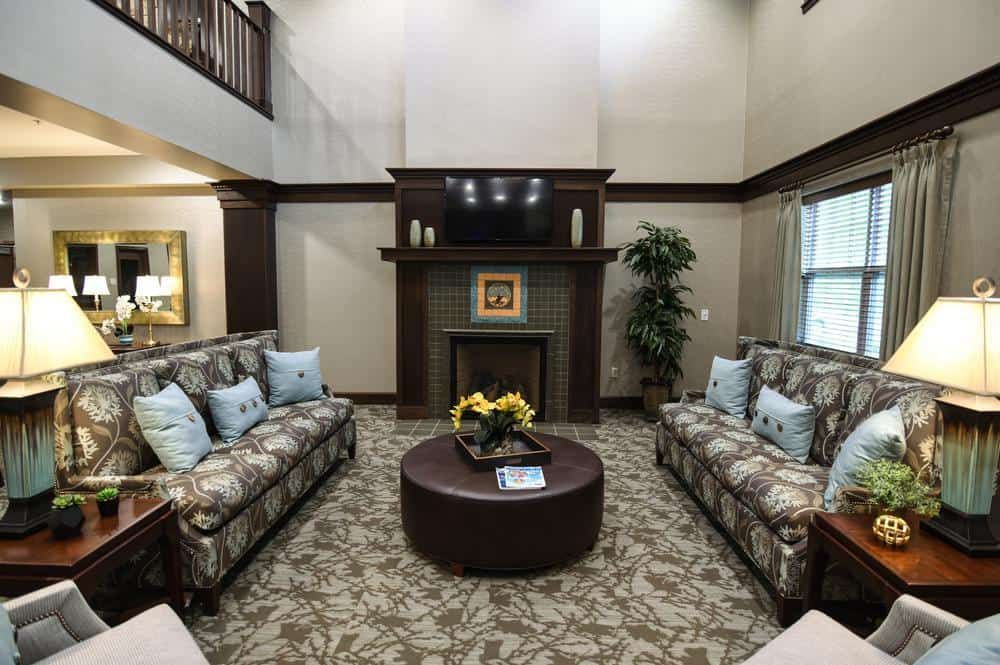
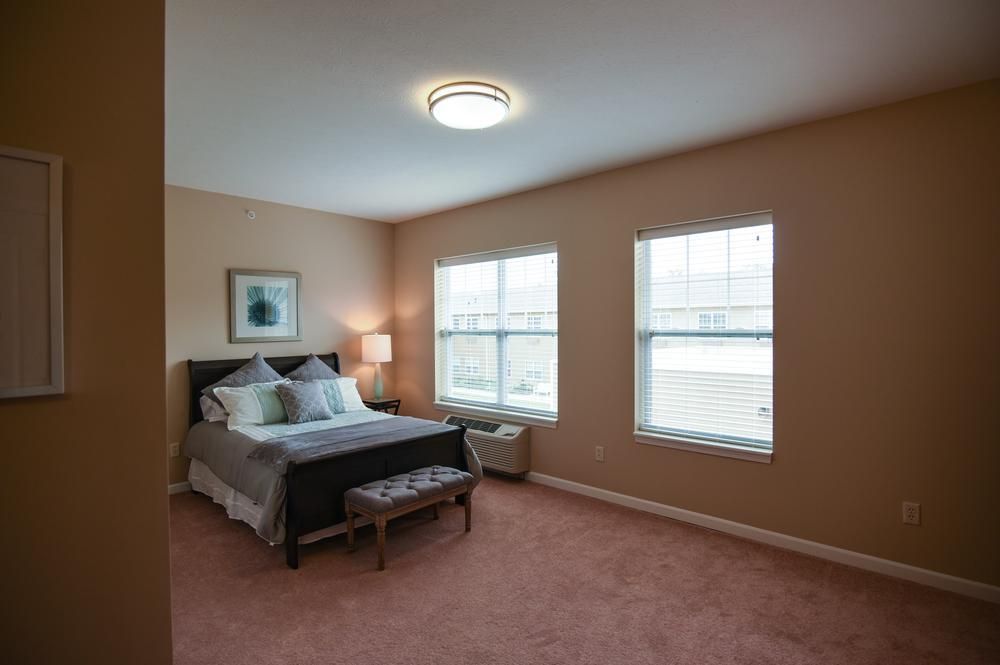
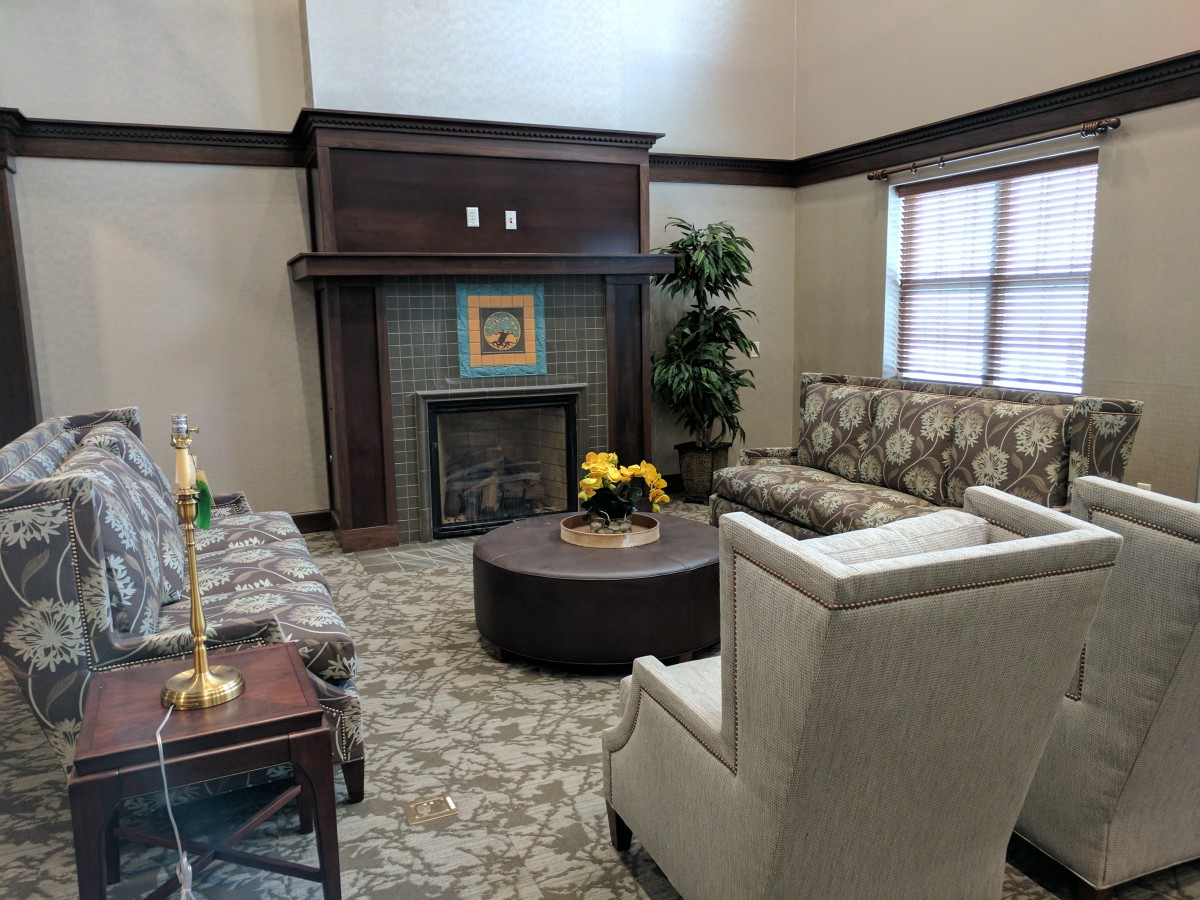
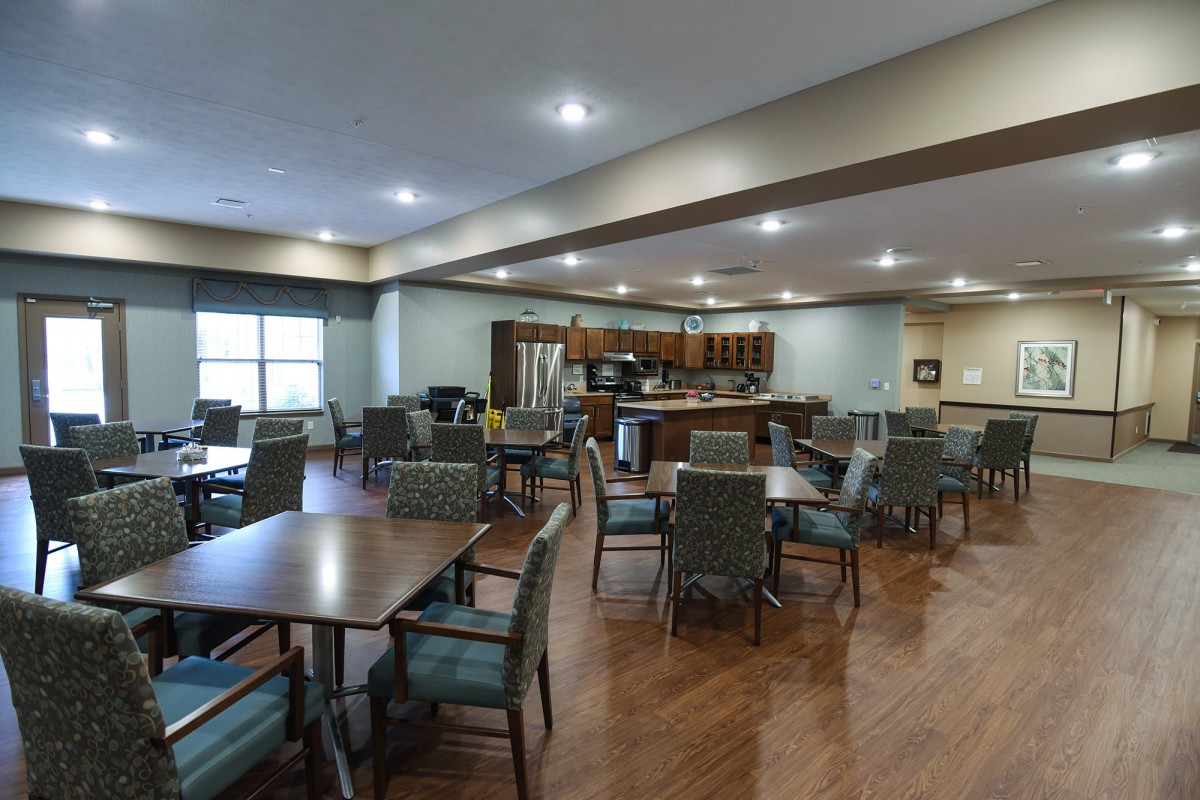
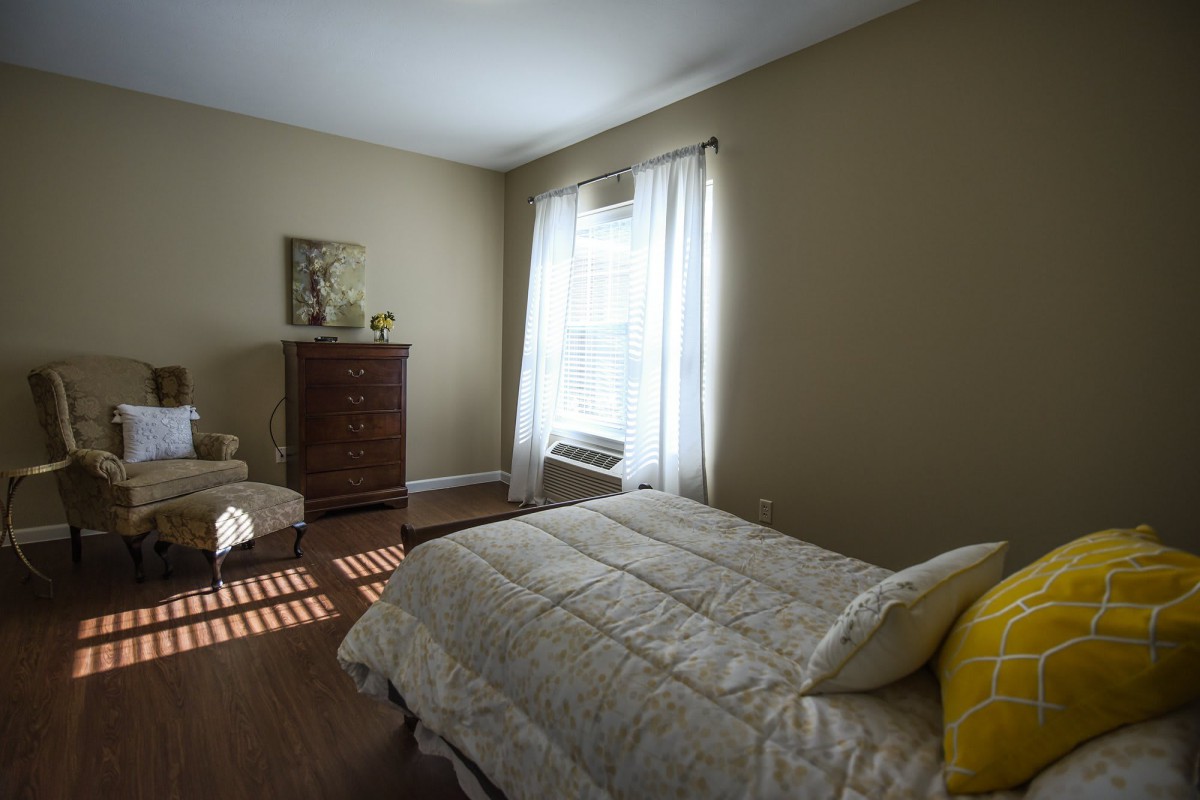
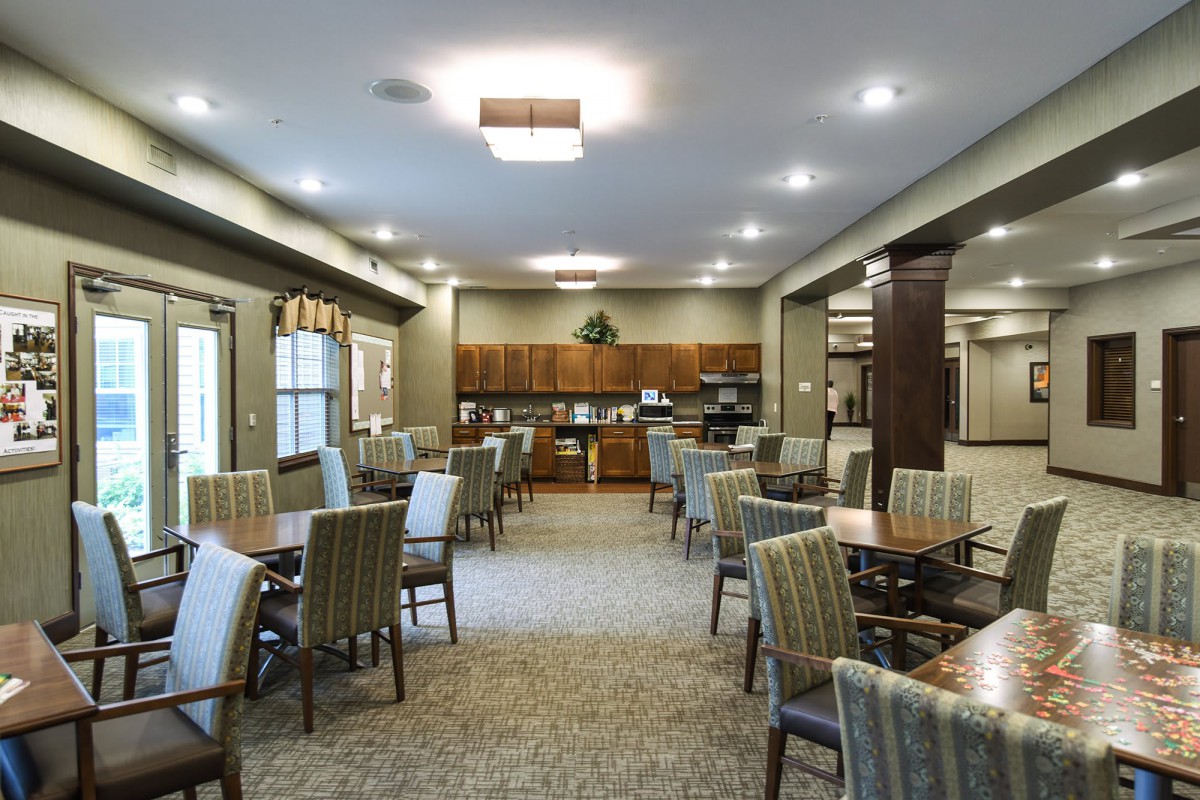
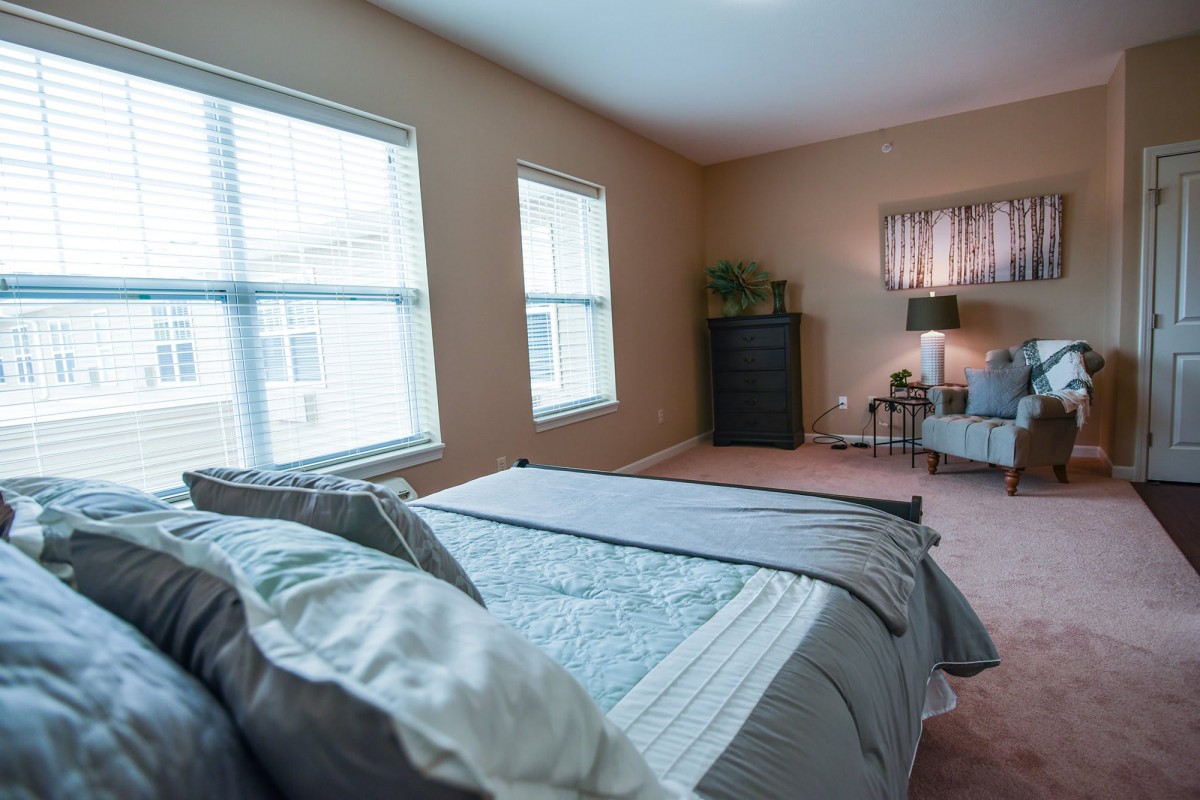
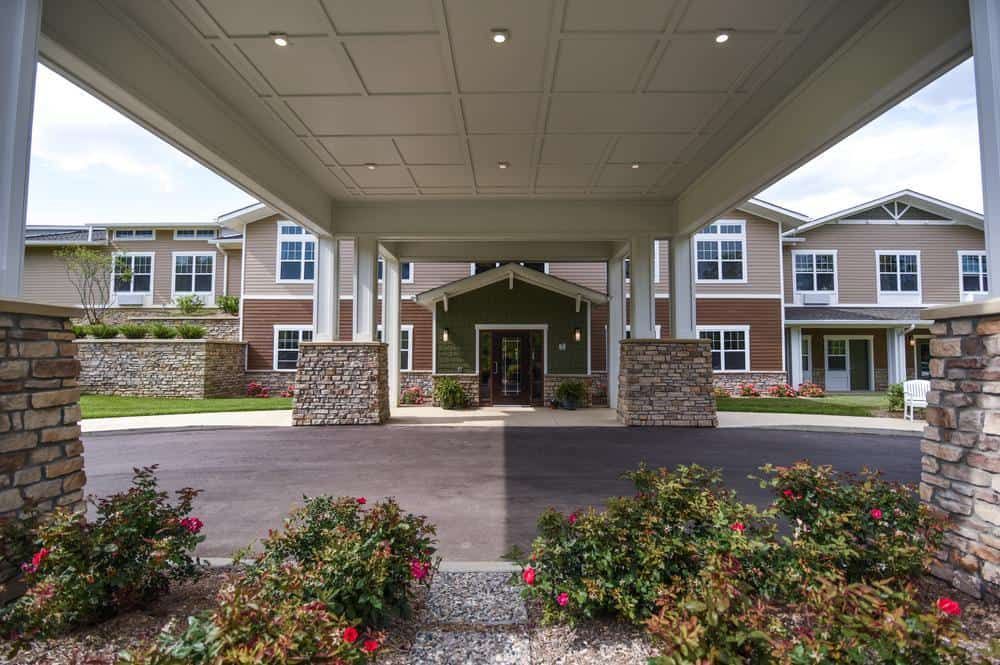
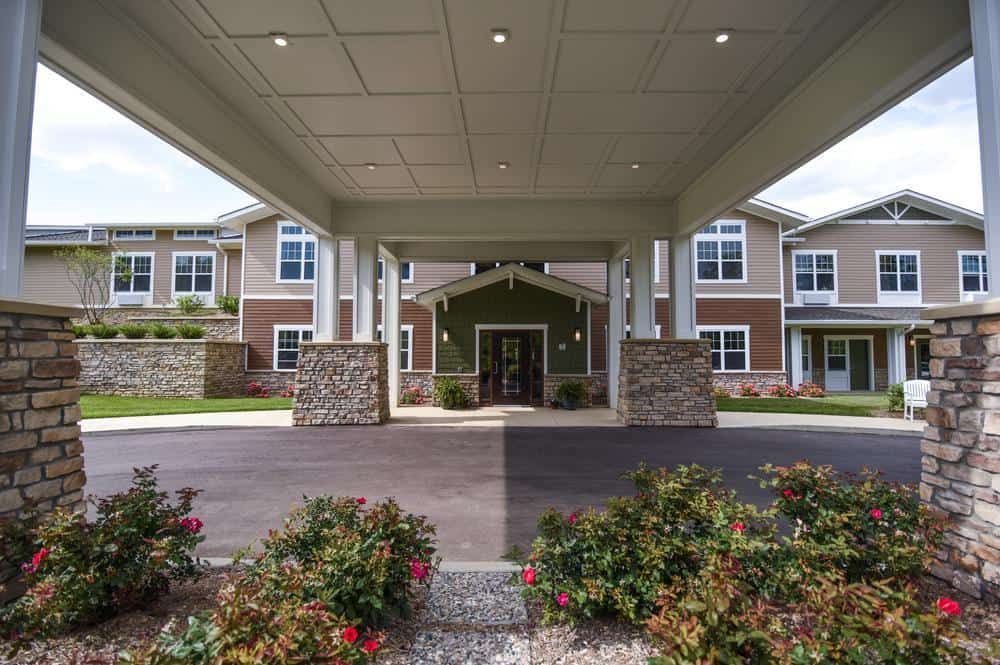
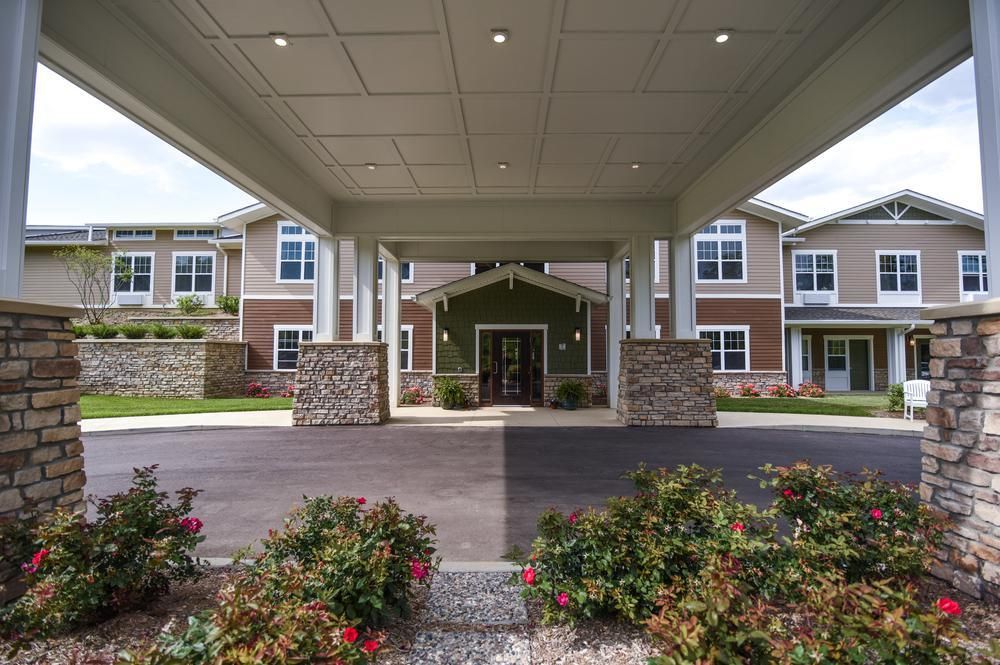
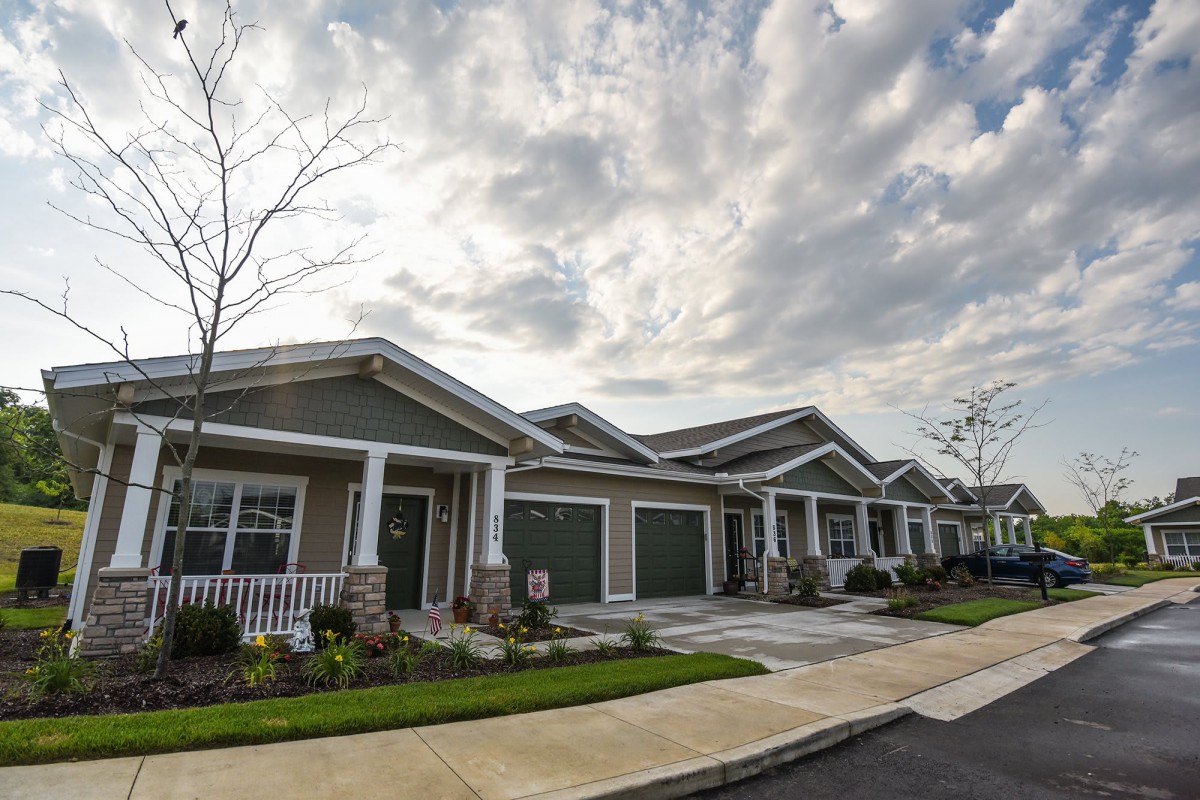
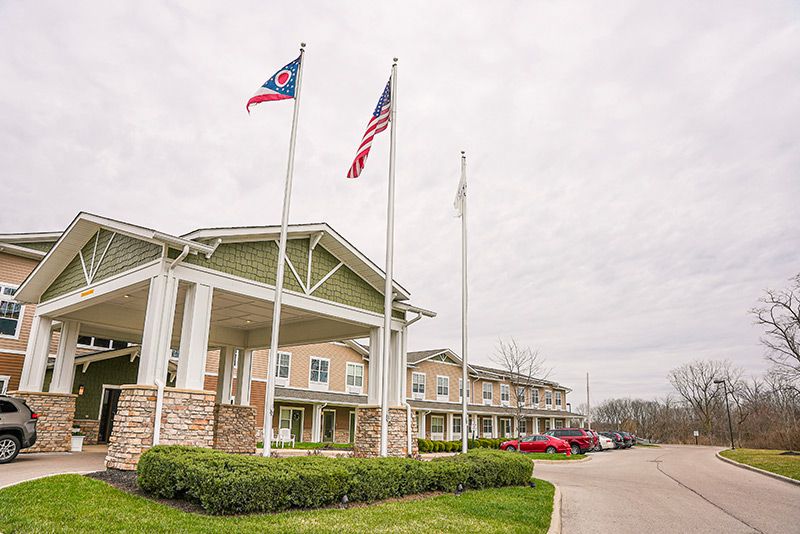
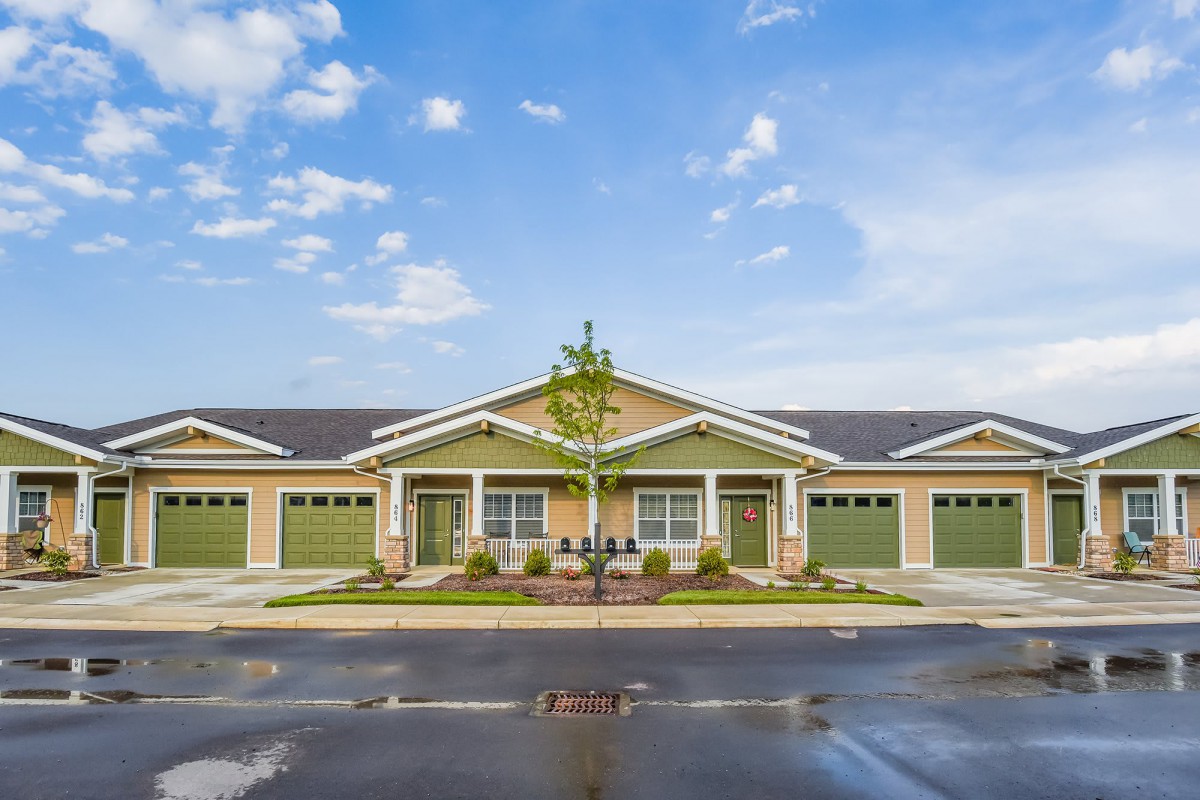
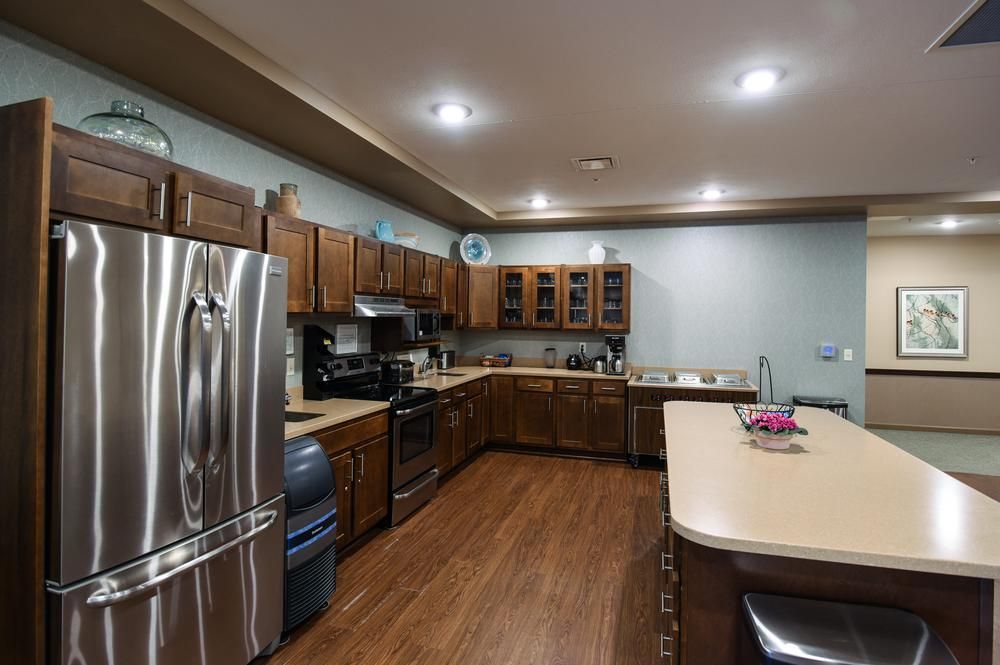
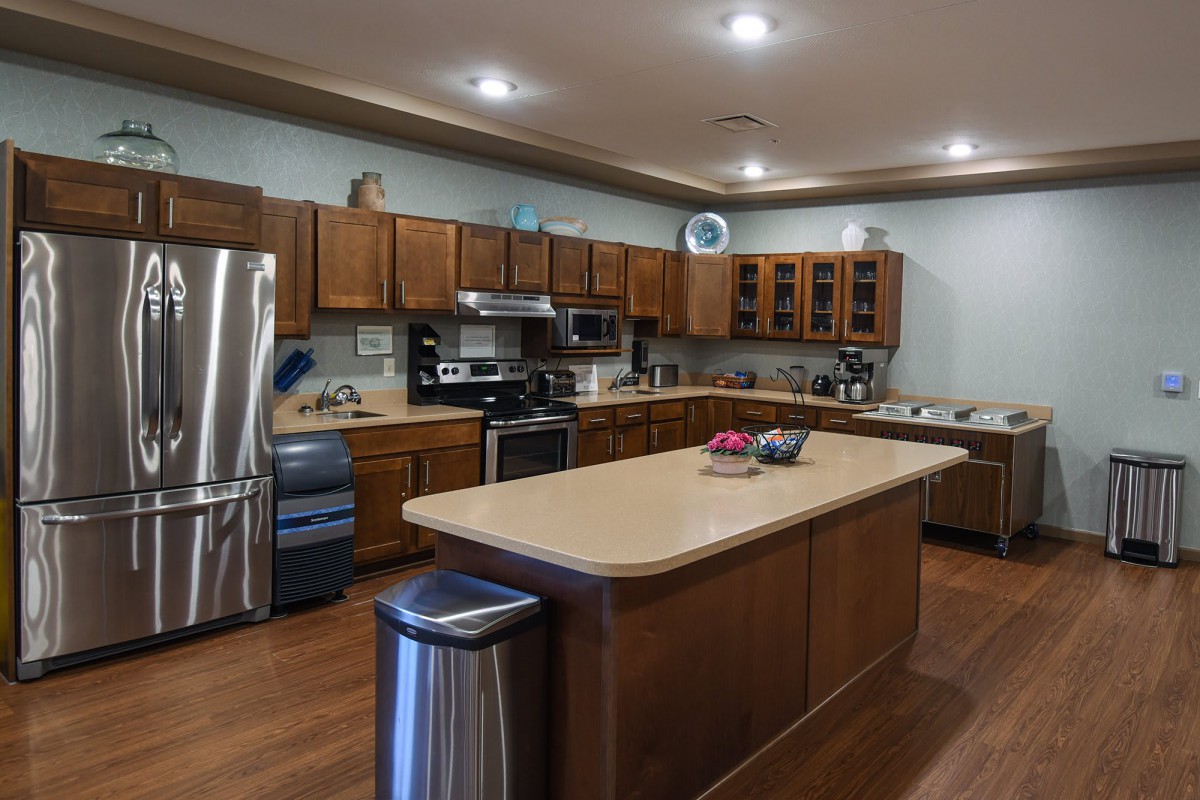
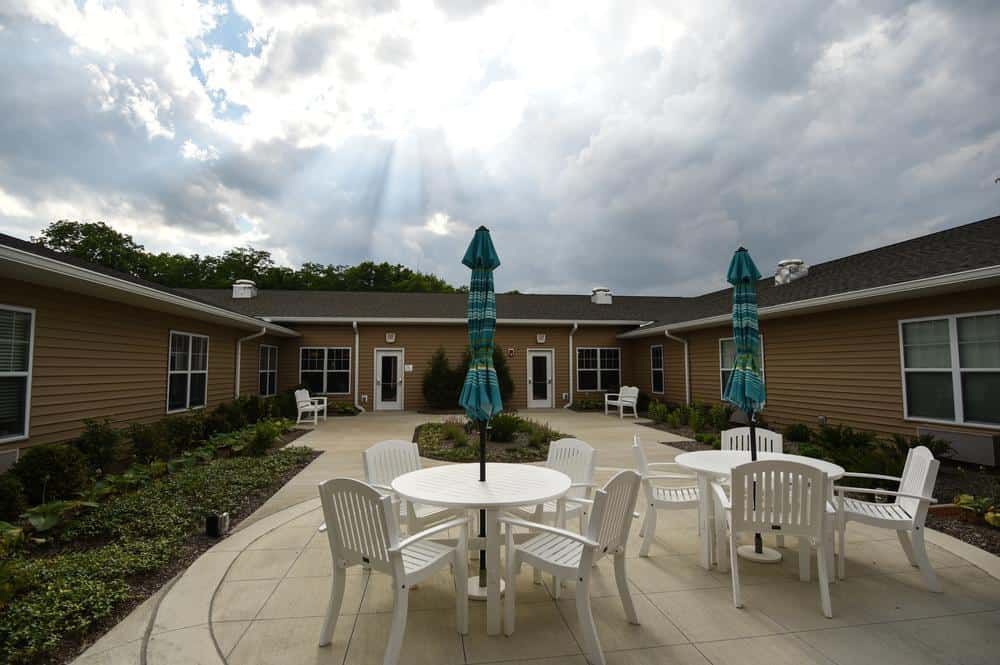
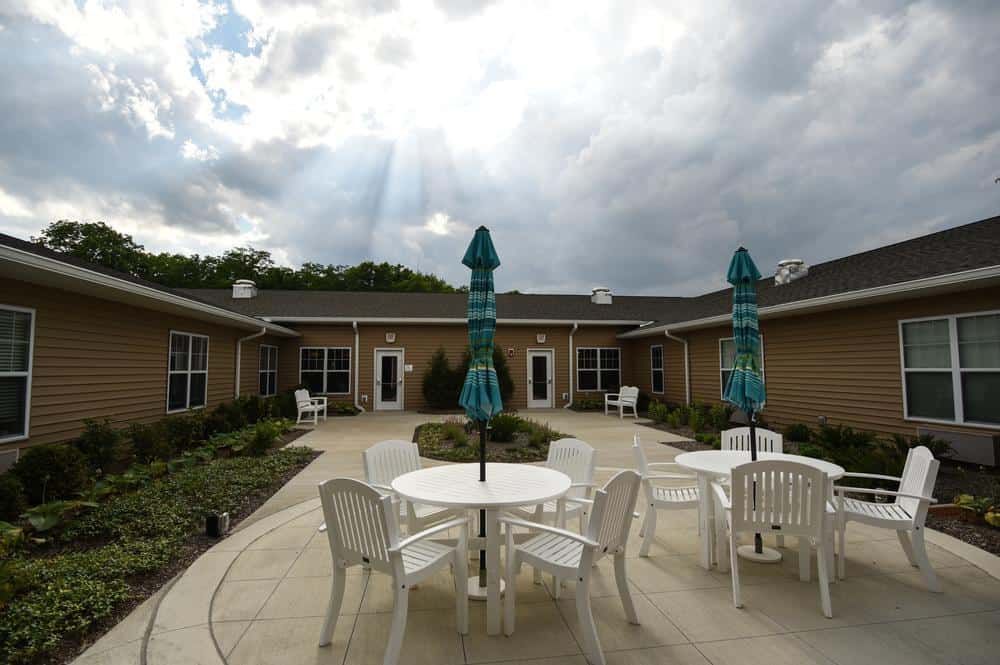
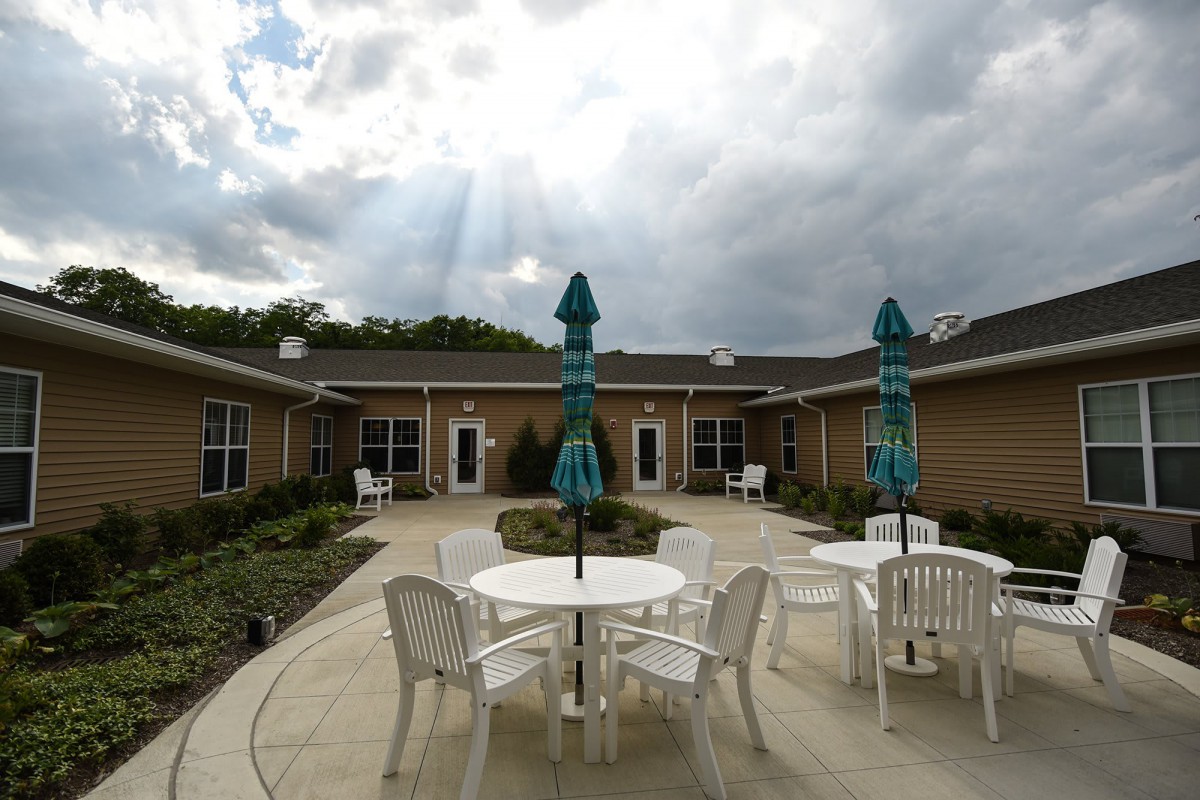
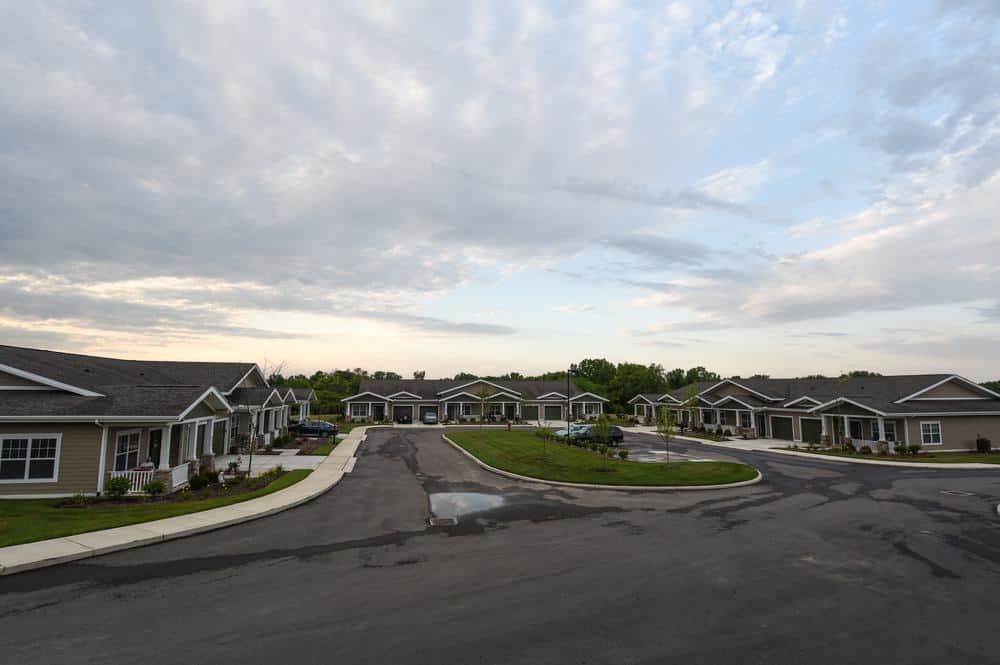
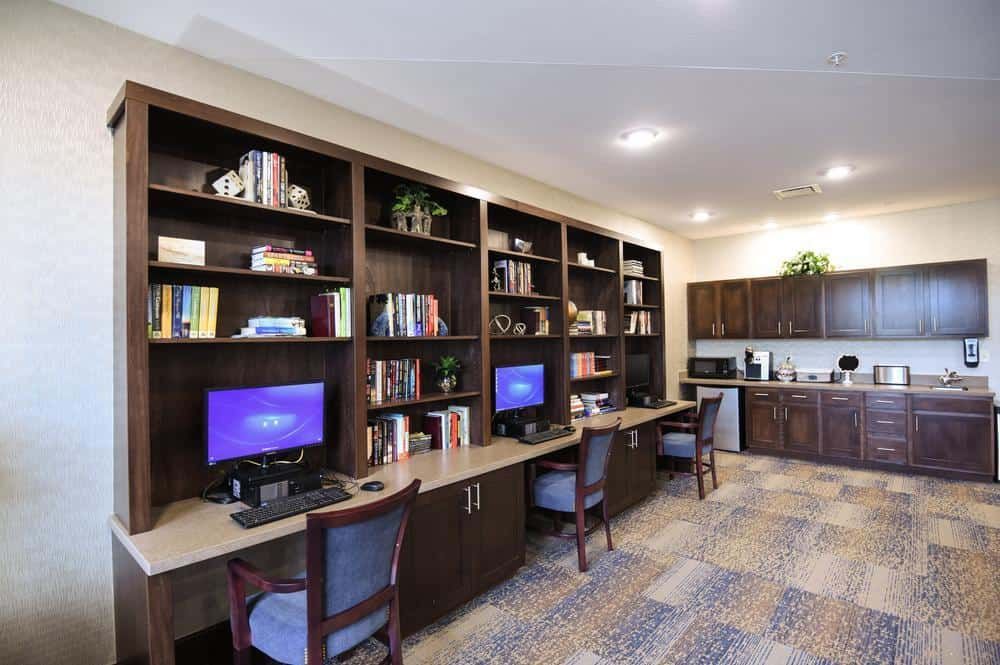
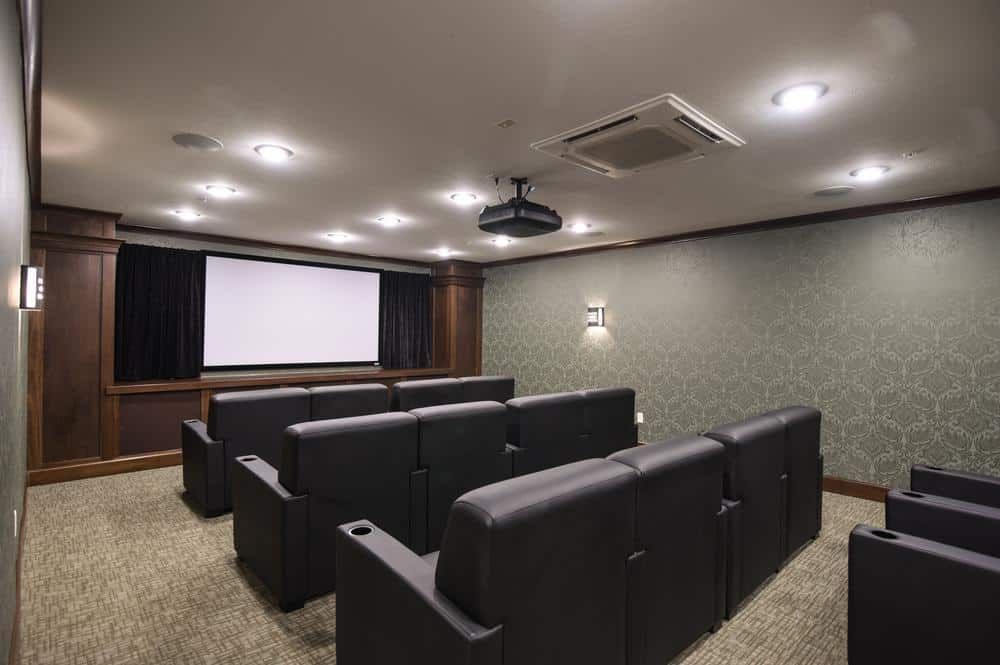
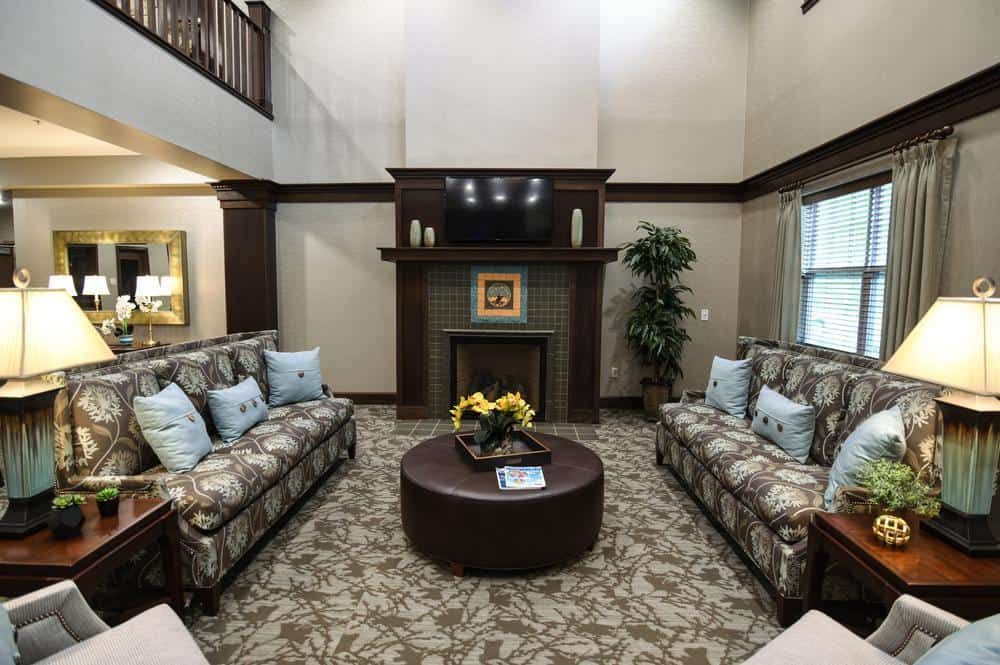
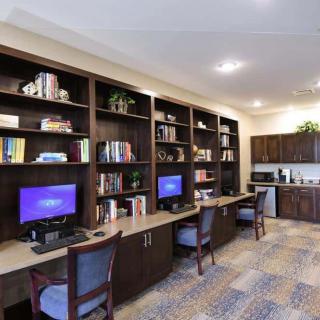
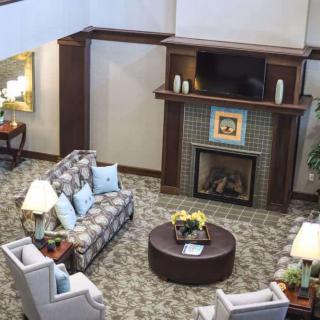
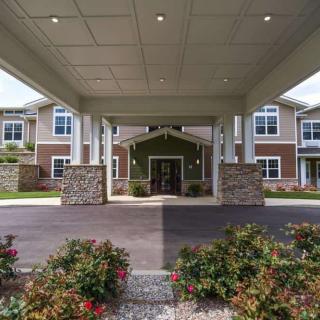
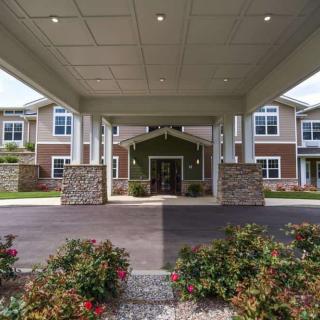
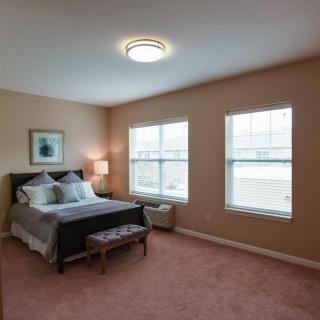
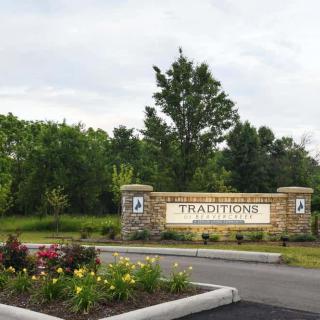
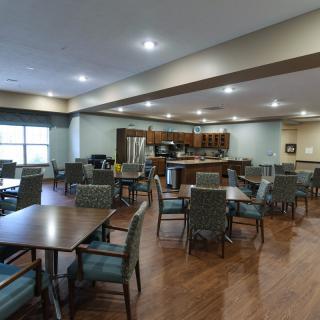
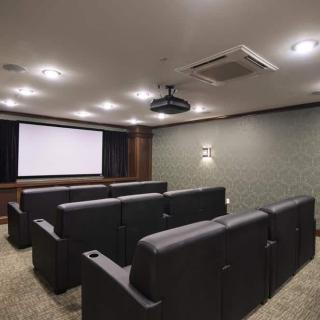
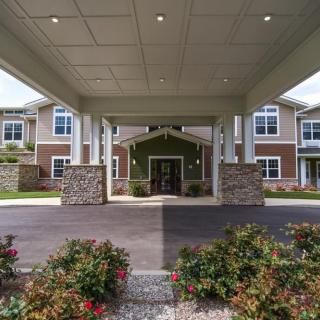
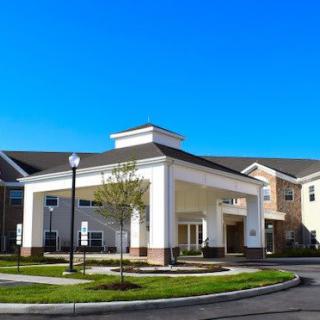
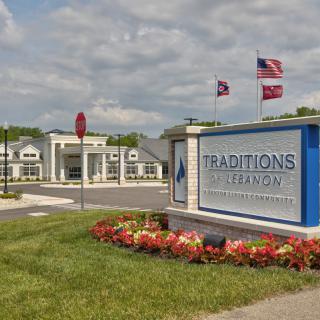
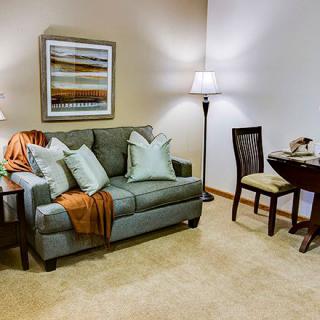
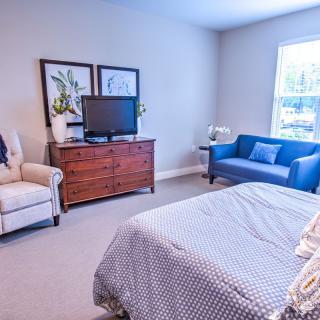
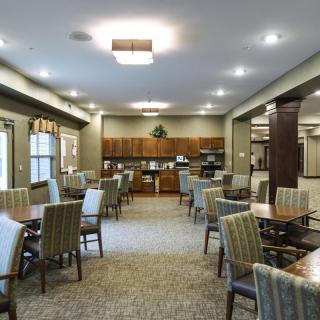
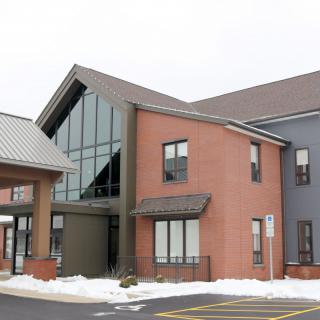
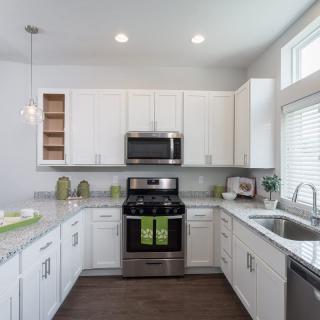
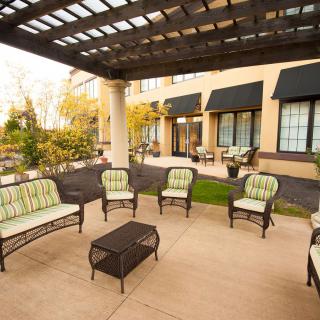
Traditions of Beavercreek on seniors.fyi includes 50 photos including images showing interior, floor plan, landscaping, bedroom, decor, lighting, living room, entrance, and more.
Nearby Communities
Ballymeade Village
Beavercreek, OH
Intimate setting with personalized care and strong nearby amenities.
Aberdeen Village
Beavercreek, OH
Comprehensive care services (meals, medication management, dressing) with dietary accommodations and Wi-Fi/phone access.
Brookdale Beavercreek
Beavercreek, OH
4.7 from 82 reviews
$3,445 to $3,855 / month
Friendly staff in a warm, home-like setting with engaging activities.
HarborChase Of Beavercreek
Beavercreek, OH
4.1 from 58 reviews
Beautiful, well-maintained facility with ample amenities and engaging activities.
HarborChase of Beavercreek
Beavercreek, OH
4 from 87 reviews
$3,800 to $6,825 / month
Beautiful, clean facility with resort-style dining and ample social spaces.
Village At The Greene
Dayton, OH
3.3 from 77 reviews
$4,950 to $5,820 / month
Beautiful, accessible, well-maintained with caring staff and engaging activities.
Trinity Community Beavercreek
Dayton, OH
4.3 from 142 reviews
$2,790 to $4,600 / month
Friendly, long-tenured staff with a comprehensive, multi-level care model and engaging activities.
Dogwood Commons
Centerville, OH
5 from 50 reviews
$2,264 to $2,620 / month
Friendly, accommodating staff and residents; spacious, well-equipped units.
The Carlyle House
Kettering, OH
4.2 from 34 reviews
$3,000 to $5,500 / month
Warm family atmosphere with caring staff and engaging activities.
The transition from assisted living to skilled nursing care is often prompted by complex medical needs that assisted living cannot meet, with key indicators including frequent health declines, increased falls, severe memory issues, and caregiver burnout. Families should recognize these signs early to discuss options with healthcare providers and prepare for the emotional and logistical aspects of moving to a facility that offers comprehensive medical support.
Dementia is characterized by cognitive decline, with nutrition playing a vital role in brain health; while no specific diet can prevent or reverse it, a nutrient-dense diet rich in antioxidants and healthy fats may support cognitive function. The MIND diet, which emphasizes beneficial foods and limits processed items, along with proper hydration and individualized meal strategies, can enhance the well-being of dementia patients.
Dementia affects memory and cognitive function in older adults, presenting challenges for caregivers due to behavioral changes such as confusion and mood swings. Compassionate, person-centered care that considers individual history and preferences, along with effective communication and environmental modifications, is essential for supporting both patients and their caregivers.
Get PricingAsk A QuestionSchedule A TourContact Senior Advisor
By clicking submit, you agree to our Partner's Terms of Use. You
also consent to receive calls and texts, which may be autodialed, from our Partner. Your consent is not a condition to
using our Partner's service. Please visit our Partner's Privacy Policy for information about their privacy practices.




 92 resident community capacity
 1-bedroom apartments
 Assisted Living
 Independent Living
 Memory Care
 Skilled Nursing Facility
 Cats allowed
 Dogs allowed
 Activities off-site
 Air-conditioning
 Beautician on-site
 Cable or satellite TV
 Computer center
 Devotional services on-site
 Dining room
 Financing advice
 Fitness room
 Full kitchen
 Fully furnished
 Gaming room
 Garden
 Ground floor units
 Guest parking
 Handicap accessible
 Housekeeping services
 Indoor common areas
 Laundry
 Move-in coordination
 Outdoor common areas
 Party space
 Private bathrooms
 Respite or short term stays offered
 Restaurant-style dining
 Small library
 Telephone
 Wellness center
 Wheelchair accessible showers
 Wi-Fi/high-speed internet available
 James M Cox Dayton International (15 miles away)
 Community operated transportation
 12-16 hour nursing
 24-hour call system
 Ambulatory care
 Assistance with bathing
 Assistance with dressing
 Assistance with transfers
 Diabetes diet
 Diabetic care
 Hospice care
 Incontinence care
 Medication management
 Mental wellness program
 Physical therapy
 Special dietary restrictions
 Transportation arrangement (medical)
 Art classes
 Book club
 Catholic services
 Concierge services
 Cooking classes
 Day trips and outings
 Educational speakers / life long learning
 Games
Games Happy hour
 Karaoke
 Live musical performances
 Wine tasting
 English
 Intimate setting with personalized care and strong nearby amenities.
 8 Key Indicators That Suggest It May Be Time to Transition from Assisted Living to Skilled Nursing Care
 Nourishing the Mind: Essential Dietary Approaches for Dementia
 Understanding Dementia Behaviors: Practical Insights and Strategies for Caregivers