



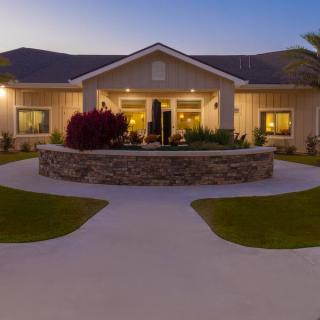

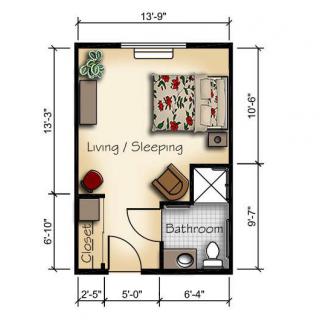
2580 Hibiscus Way, Beavercreek, OH 45431
For more information about senior living options: (866) 208-4318
Preserve At Beavercreek Costs & Pricing
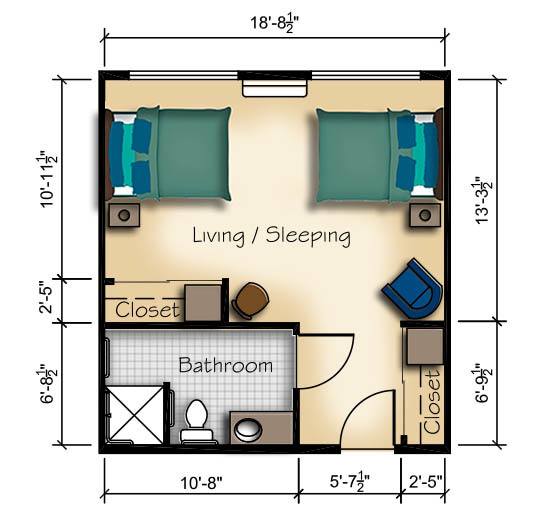
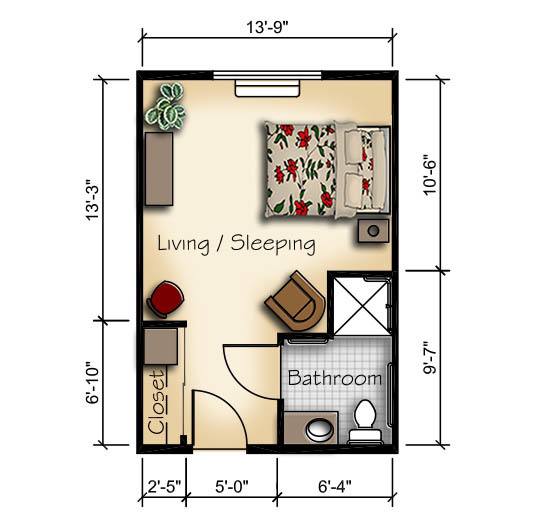
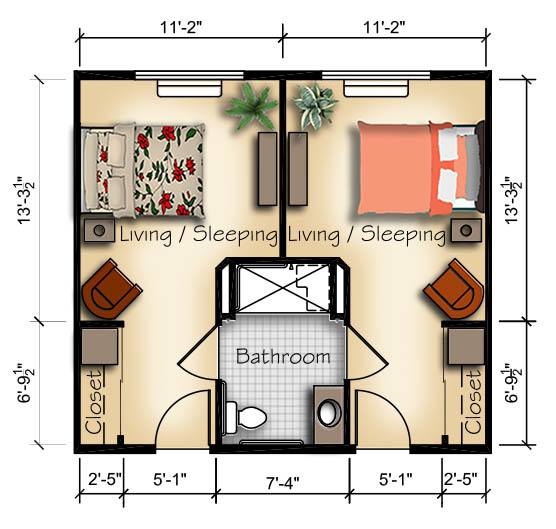
At Preserve At Beavercreek, the monthly costs for various room types reflect a premium compared to both Montgomery County and state averages in Ohio. The semi-private rooms are priced at $5,600, significantly higher than the county's average of $3,639 and the state's average of $3,965. Similarly, studio apartments at Preserve At Beavercreek come with a monthly cost of $6,200, exceeding both local and state averages ($3,476 and $3,727 respectively). The one-bedroom units represent the highest tier at $6,800, again surpassing regional and state norms ($3,599 and $3,712). This pricing structure highlights Preserve At Beavercreek's positioning as an upscale option in the area for those seeking quality care and amenities.
| Floor plans | Preserve At Beavercreek | Montgomery County | Ohio |
|---|---|---|---|
| Semi-Private | $5,600 | $3,639 | $3,965 |
| Studio | $6,200 | $3,476 | $3,727 |
| 1 Bedroom | $6,800 | $3,599 | $3,712 |
Memory care communities with a similar price nearby
-
from +$400 / mo
Close to Home
$6,000 / month24.3 miles away -
from -$800 / mo
Landings of Huber Heights
$4,800 / month5.5 miles away -
from -$1010 / mo
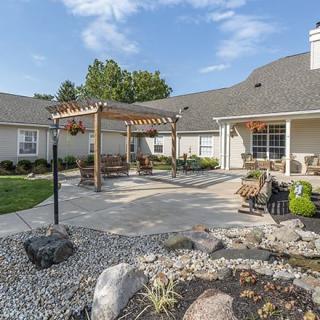
Brookdale Troy
$4,590 to $7,475 / month21.6 miles away -
from -$1050 / mo
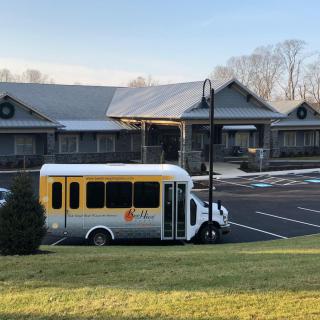
BeeHive Homes of Springboro
$4,550 / month16.6 miles away -
from -$845 / mo
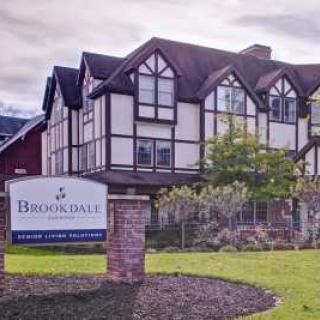
Brookdale Oakwood
$4,755 to $6,735 / month6.6 miles away
Overall Review of Preserve At Beavercreek
Pros
 The staff clearly have a passion for what they do.
- The Preserve is a wonderful facility, clean and comfortable with a warm atmosphere.
- The residents are well taken care of by caring and compassionate staff.
- Susie Dudley has a passion for providing the best care and upholds high standards.
- The director is wonderful, and their knowledge is amazing.
- The community is highly recommended for loved ones.
- The staff are very nice to residents.
- The facility provides comprehensive services including laundry, transportation, meals, housekeeping, and an in-house doctor.
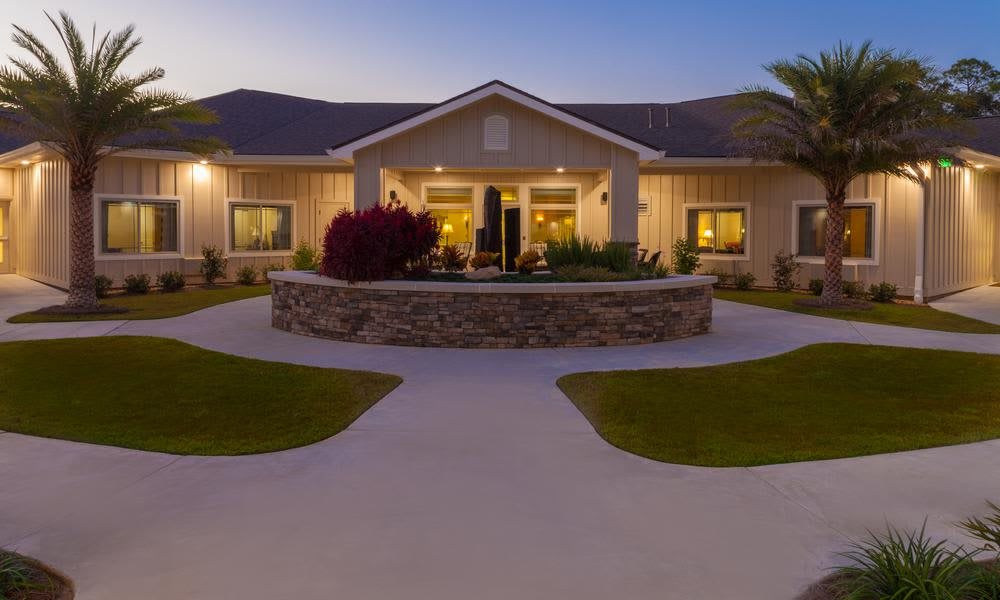
- There are two enclosed courtyards for residents to enjoy.
Cons
 The community felt dark.
- There is a need for more staff.
- The community is short-staffed due to the pandemic.
- It would be nice if staff engaged more residents in activities.
- There had been significant turnover in leadership roles in the few months.
Review
Preserve At Beavercreek is best suited for families seeking dementia-focused memory care in a warm, intimate setting where safety, routine, and consistently compassionate staff are the foundation of daily life. The community emphasizes individualized attention within a home-like atmosphere, with caregivers who approach residents with patience, dignity, and a genuine commitment to well-being. It is a fit for loved ones whose needs center on memory support, secure supervision, and daily structure crafted to reduce confusion and agitation while preserving a sense of familiarity.
Those evaluating alternatives should note that Preserve may not be ideal for every scenario. Families seeking a broader assisted living spectrum, non-memory-care residents, or a large campus with a busier social calendar may find other communities more aligned with those goals. A few observers described the setting as smaller and quieter, and leadership changes have been mentioned as a factor in how consistently programs and services are delivered. For families prioritizing expansive rehab services, aggressive social programming, or significant on-site medical specialty options, exploring larger providers could yield more variety.
On the positive side, the core strengths here are substantial and tightly aligned with dementia care. Staff members who truly care for residents are consistently praised for their kindness and steadiness, helping residents feel safe, known, and respected. The facility is clean, well maintained, and designed to minimize distress through predictable routines and a calm atmosphere. Dementia-specific training and a tight-knit team approach translate into reliable support for daily tasks such as eating, dressing, and hydration, while a stigma-free, family-friendly culture keeps relatives involved and informed of care plans. Amenities and services, from in-house hair care to regular meals and snacks, transportation, and a memory-focused activity slate, further reinforce a sense of normalcy and comfort for residents.
Nevertheless, the main cons warrant careful consideration. Staffing levels can feel stretched at busy times, and leadership turnover, while not uncommon in the industry, can disrupt continuity of care and day-to-day operations. The community’s size, while offering a homey feel, may limit the breadth of activities or the spontaneity of social opportunities compared with larger campuses. Some families also note the higher price point relative to peers, though many believe the value is justified by the specialized care, consistent safety, and the peace of mind it yields. These factors do not negate the strengths, but they do shape what families should weigh when deciding how Preserve fits into a broader care plan.
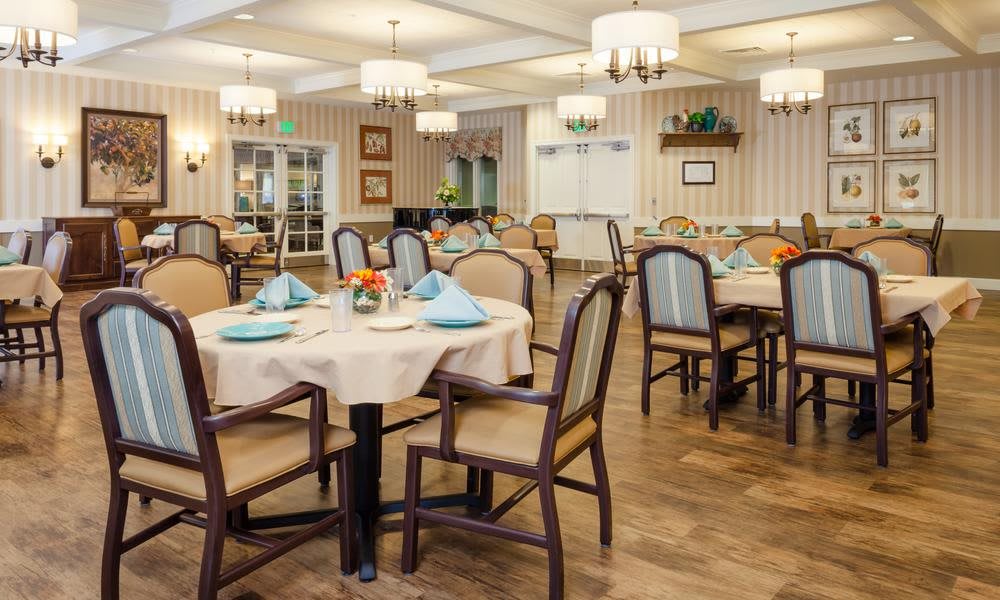
The offset is clear: for dementia care, the advantages tend to outweigh the drawbacks when the priority is safety, tailored memory care, and a nurturing environment. The staff’s dedication, combined with a focused care philosophy and transparent communication about changes in leadership or policy, creates a reliable safety net for residents who require constant supervision and a predictable routine. The inclusion of several services in the monthly rate and the ability to support family involvement, along with options for outside-time with loved ones and a dining area that feels like a restaurant, add practical value that reduces stress for families during transitions. The result is a practical balance where the emotional and medical needs of residents are met with warmth and competence.
For families making a decision, Preserve At Beavercreek stands out as a strong choice when memory care is the central need and a home-like, family-oriented environment is non-negotiable. It is less about a flashy, expansive campus and more about reliable, respectful, dementia-centered care delivered by people who treat residents as family. If that framework aligns with the loved one’s needs and a family’s capacity to engage with care plans, this community offers a compelling combination of safety, attentiveness, and everyday quality of life. If the situation calls for broader non-memory-care services, larger-scale programming, or more robust staffing on a day-to-day basis, alternatives should be explored with a clear checklist of staffing, activity breadth, and cost versus value.
 21 resident community capacity
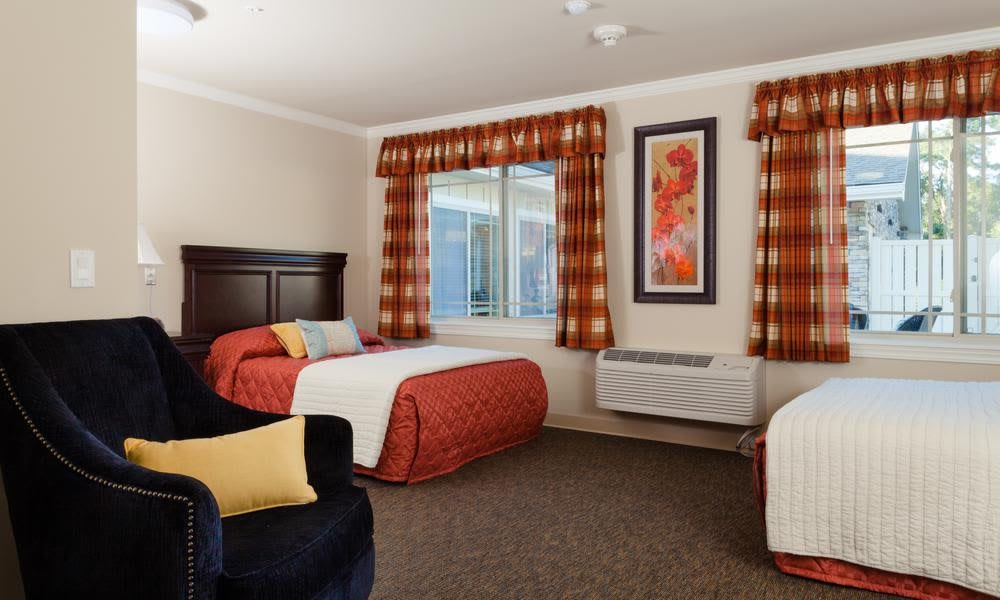
 Studio apartments
 Memory Care
 Activities off-site
 Air-conditioning
 Bath tubs
 Beautician on-site
 Cable or satellite TV
 Devotional services on-site
 Dining room
 Fully furnished
 Garden
 Ground floor units
 Guest parking
 Handicap accessible
 Housekeeping services
 Indoor common areas
 Kitchenette
 Laundry
 Move-in coordination
 Outdoor common areas
 Party space
 Respite or short term stays offered
 Telephone
 Wheelchair accessible showers
 Wi-Fi/high-speed internet available
 James M Cox Dayton International (12 miles away)
 24-hour call system
 Assistance with bathing
 Assistance with dressing
 Assistance with transfers
 Diabetes diet
 Diabetic care
 High acuity care
 Hospice care
 Incontinence care
 Meal preparation and service
 Medication management
 Mental wellness program
 Special dietary restrictions
 Transportation arrangement (medical)
 Transportation to doctors appointments
 Art classes
 Bible study group
 Cooking classes
 Day trips and outings
 Educational speakers / life long learning
 Games
Games Live dance or theater performances
 Live musical performances
 Live well programs
 Stories

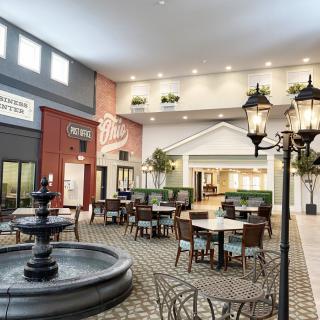

 Memory Care Pathways: A Holistic Guide to Dementia Support
 Comprehending Evening Confusion in Dementia: Causes, Manifestations, and Support
 Delirium and Dementia: Unraveling the Key Differences