For more information about senior living options: (866) 208-4318
3 from 35 reviews
5 stars
15
4 stars
1
3 stars
2
2 stars
3
1 stars
14
Overall Review of Heartland Of Beavercreek
caveat9 reviews mention this
Staffing and call response feel inconsistent
Some residents’ families describe delays in response, care tasks, and medication timing.
Several families report they struggled to reach the office or get prompt help when they used call lights. Others describe care being delayed—like hygiene not happening as expected—or medications and treatments not arriving on time. A few reviewers also link these gaps to understaffing and heavy workloads, including reliance on agency staff.
common15 reviews mention this
Therapy teams and aides get praise
Therapy staff and aides receive frequent praise for supportive, respectful care.
Many reviewers describe caring, friendly staff and say the therapy team helped them through exercises and recovery. Several people specifically mention respectful aides, encouragement during rehab, and good day-to-day support. A few also note improvement after communication started, while others highlight positive experiences from admissions through the end of their stay.
caveat6 reviews mention this
Cleanliness is a mixed picture
Reviews describe both clean conditions and rooms that needed more thorough attention.
Some residents and families say the facility was clean and that housekeeping staff helped keep things in order. Others describe problems like bathrooms not being cleaned before arrival, dirty floors, and concerns about room or restroom cleanliness. A few reviewers also mention general upkeep issues, including the building looking dated or needing a facelift.
caveat5 reviews mention this
Food quality comes up often
Food quality is a recurring point, with both positive mentions and strong complaints.
Some reviewers say meals looked good, that the food was acceptable, or that options varied during their stay. Other families report the food was not good or described it as institutionalized, and one review says they had to supply fresh fruit when food options ran out. Several comments focus less on variety and more on consistency and taste.
common3 reviews mention this
Residents seem to stay busy
Reviews mention ongoing social and scheduled activities.
A few reviewers describe time spent with community events like bingo and brunch, and one mentions enjoying a carnival. Others talk about resident-style activities during their stay, including group fun like karaoke and tie-dying. At minimum, multiple reviews suggest there are regular opportunities to be involved day to day.
How we summarize
Counts show how many written reviews mention each theme; a review can touch several themes, and only frequently mentioned themes are displayed.
Features
Housing
115 resident community capacity
Types of Care
Skilled Nursing Facility
Amenities
Air-conditioning
Beauty salon
Cable or satellite TV
Computer center
Dining room
Fitness room
Fully furnished
Gaming room
Garden
Housekeeping services
Kitchenette
Move-in coordination
Outdoor space
Private bathrooms
Restaurant-style dining
Small library
Telephone
Wellness center
Wi-Fi/high-speed internet available
Transportation
James M Cox Dayton International (14 miles away)
Community operated transportation
Transportation arrangement
Transportation arrangement (non-medical)
Transportation to doctors appointments
Care Services
12-16 hour nursing
24-hour call system
24-hour supervision
Activities of daily living assistance
Assistance with bathing
Assistance with dressing
Assistance with transfers
Diabetes diet
Meal preparation and service
Medication management
Mental wellness program
Special dietary restrictions
Dining
Diabetes diet
Special dietary restrictions
Activities
Community-sponsored activities
Concierge services
Fitness programs
Planned day trips
Resident-run activities
Scheduled daily activities
Nearby Places of Interest
Places of Worship
Beavercreek Church of the Nazarene (0.2 miles)
Saint Helen Catholic Church (3.4 miles)
Pharmacies
Walgreens (0.6 miles)
CVS Pharmacy (1.3 miles)
Kroger Pharmacy (1.5 miles)
Walmart Pharmacy (1.7 miles)
Zecchini, Michael E (3.5 miles)
CVS Pharmacy (3.7 miles)
Kroger Pharmacy (4.1 miles)
Restaurants
Milano's Pizza, Subs & Taps (0.6 miles)
Graeter's Ice Cream Beavercreek (0.7 miles)
Chick-Fil-A (0.8 miles)
El Toro Mexican Bar & Grill (0.9 miles)
Another Broken Egg Cafe (1 miles)
Osaka Japanese Steakhouse (1 miles)
Kings Table Billiards (1.3 miles)
Physicians
Kerchner Facial Aesthetic Center (0.8 miles)
Hahn, Holly Advanced Dermatology and Cosmetic Surgery Beavercreek (0.8 miles)
Or David DO (1 miles)
Pugar, Kenneth Dayton Center for Neurological Disorders (1.1 miles)
Oak Creek Ob.-Gyn (1.1 miles)
Pri Med Physicians Beavercreek (1.1 miles)
Beavercreek Family Physicians (1.5 miles)
Cafes
Panera Bread (1.4 miles)
Starbucks (1.4 miles)
Panera Bread (1.6 miles)
Winans Fine Chocolates & Coffee Wine (1.8 miles)
The Wandering Griffin (2 miles)
Starbucks (2.2 miles)
DiBella's Subs (2.3 miles)
Hospitals
Soin Medical Center (1.7 miles)
Wright-Patterson Medical Center (4.1 miles)
Alcohol Treatment Centers Dayton (4.5 miles)
Dayton Children's (6.3 miles)
Parks
Wedgewood Park (4.2 miles)
Lincoln Park (6.4 miles)
Transportation
Wright Patterson Air Force Base Airport Ffo (5.2 miles)
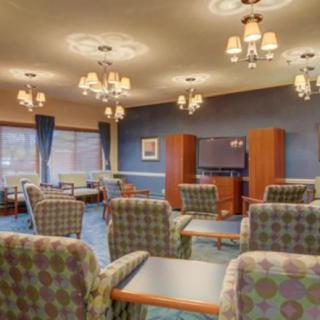
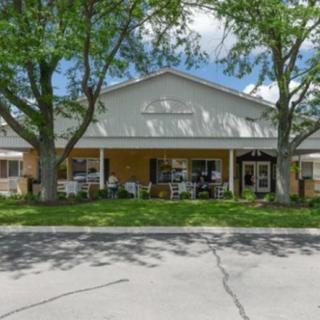
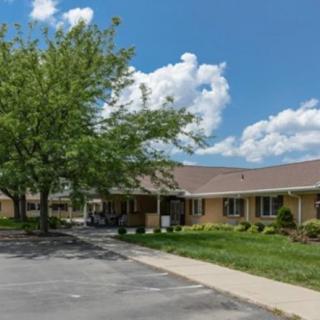
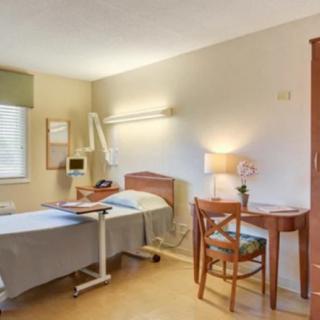
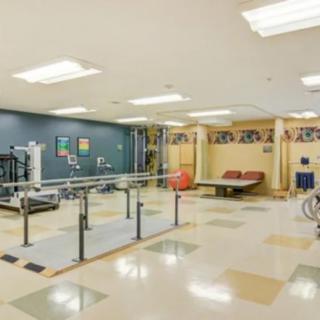
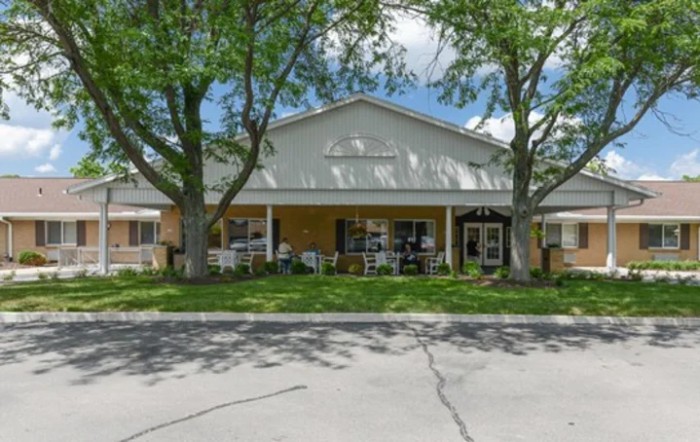
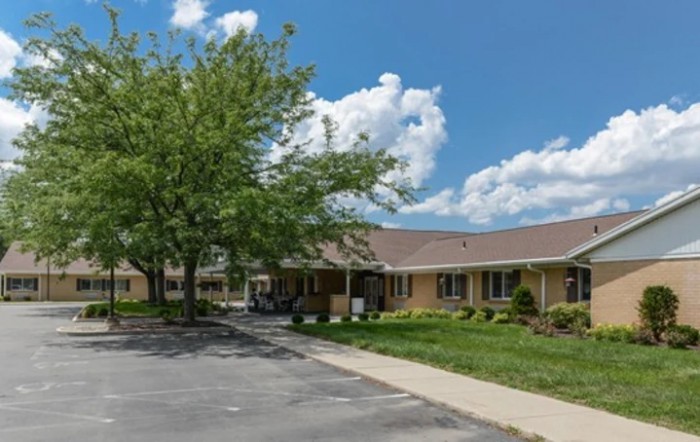
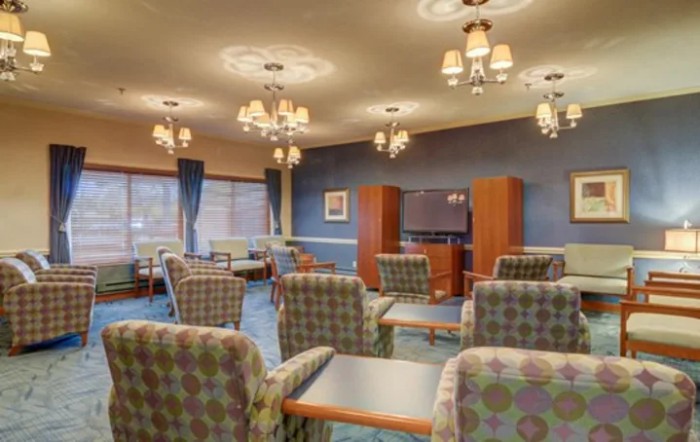
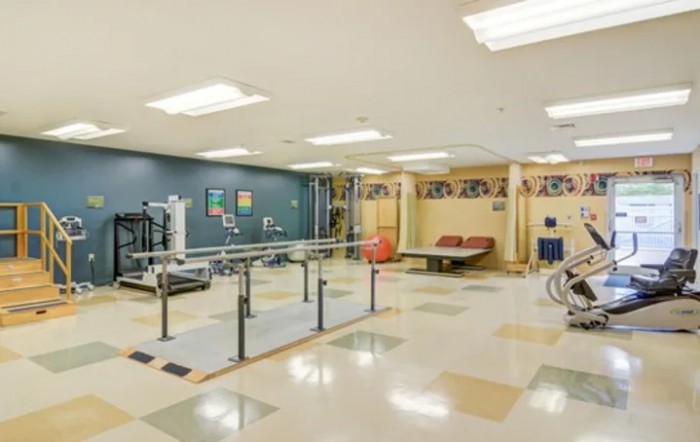
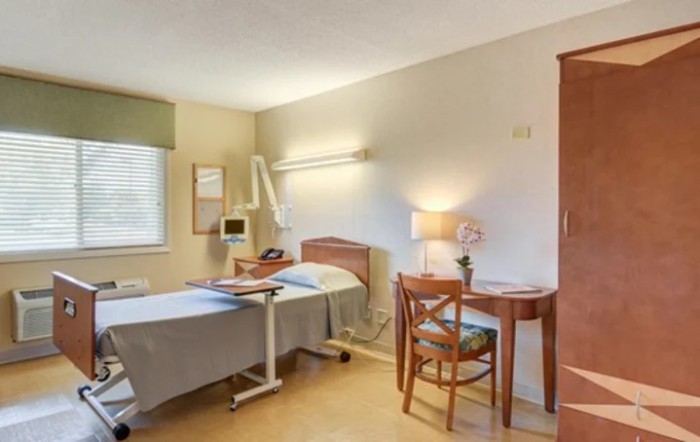
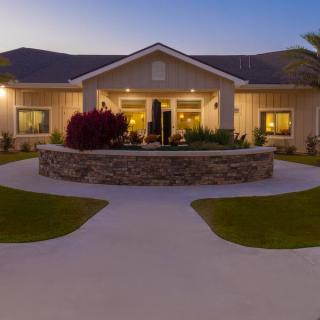
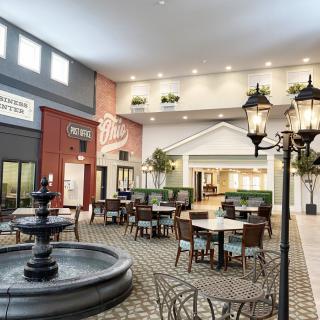
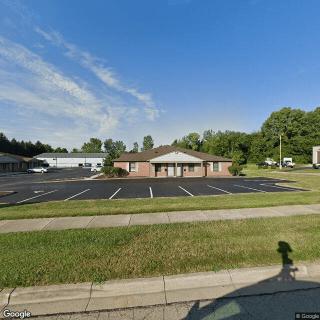
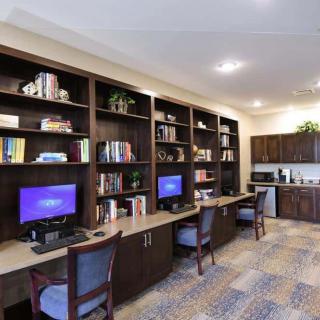
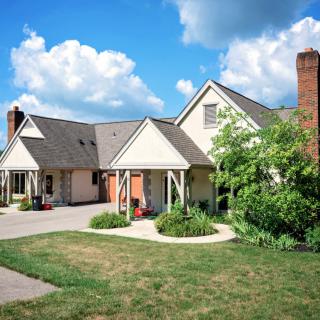
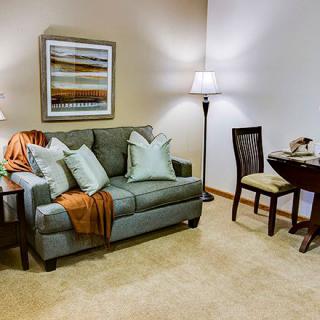
Heartland Of Beavercreek on seniors.fyi includes 5 photos including images showing building, trees, interior, exercise equipment, bedroom, healthcare, outdoors, parking, and more.
Nearby Communities
ProMedica Beavercreek
Dayton, OH
Convenient access to cafes, pharmacies, a nearby park, hospitals, physicians, restaurants, and places of worship.
Fairwood Village
Beavercreek, OH
3.7 from 18 reviews
Peaceful environment with easy access to healthcare and nearby amenities.
Dynamic Senior Solutions
Beavercreek, OH
5 from 6 reviews
Exceptional, personalized care with reliable transportation.
Preserve At Beavercreek
Beavercreek, OH
4.7 from 27 reviews
$5,600 to $6,800 / month
Caring, knowledgeable staff; clean, safe, engaging memory-care environment; good family communication.
Homestead Village Beavercreek
Beavercreek, OH
4.4 from 40 reviews
$1,144 to $1,434 / month
Friendly staff creating a welcoming, activity-rich community with on-site amenities.
Right at Home
Beavercreek, OH
2.8 from 4 reviews
Convenient location with abundant nearby amenities and healthcare options.
Traditions of Beavercreek
Beavercreek, OH
4.3 from 112 reviews
$3,795 to $5,195 / month
Beautiful, well-maintained facility with friendly staff and engaging activities.
Trinity Community Beavercreek
Dayton, OH
4.3 from 142 reviews
$2,790 to $4,600 / month
Friendly, long-tenured staff with a comprehensive, multi-level care model and engaging activities.
Brookdale Beavercreek
Beavercreek, OH
4.7 from 82 reviews
$3,445 to $3,855 / month
Friendly staff in a warm, home-like setting with engaging activities.
Caregiving for an aging parent entails emotional and financial responsibilities accompanied by significant tax implications, including potential benefits from claiming them as dependents and deductions for medical expenses and caregiving costs. Caregivers must understand eligibility requirements, maintain thorough documentation, and consider consulting a tax professional to navigate these complexities effectively.
Low-impact exercises are vital for seniors as they promote health, independence, and social interaction while reducing joint strain. These adaptable activities, guided by healthcare professionals, enhance strength, flexibility, and emotional well-being.
The guide details the tax deductibility of in-home healthcare expenses according to IRS guidelines, differentiating between medically necessary services and non-medical assistance, while emphasizing the need for proper documentation and itemization requirements. It also highlights state-level variations, the importance of record-keeping, and encourages seeking professional tax help to understand evolving regulations.
Living Room, Television, Seating Area, Lighting Fixtures, and Cozy Atmosphere
Building and Trees
Outdoors
Exercise Equipment, Rehabilitation, and Physical Therapy
Parking and Sidewalk
Get PricingAsk A QuestionSchedule A TourContact Senior Advisor
By clicking submit, you agree to our Partner's Terms of Use. You
also consent to receive calls and texts, which may be autodialed, from our Partner. Your consent is not a condition to
using our Partner's service. Please visit our Partner's Privacy Policy for information about their privacy practices.

 115 resident community capacity
 Skilled Nursing Facility
 Air-conditioning
 Beauty salon
 Cable or satellite TV
 Computer center
 Dining room
 Fitness room
 Fully furnished
 Gaming room
 Garden
 Housekeeping services
 Kitchenette
 Move-in coordination
 Outdoor space
 Private bathrooms
 Restaurant-style dining
 Small library
 Telephone
 Wellness center
 Wi-Fi/high-speed internet available
 James M Cox Dayton International (14 miles away)
 Community operated transportation
 12-16 hour nursing
 24-hour call system
 Activities of daily living assistance
 Assistance with bathing
 Assistance with dressing
 Assistance with transfers
 Diabetes diet
 Medication management
 Mental wellness program
 Special dietary restrictions
 Concierge services
 Planned day trips
 Convenient access to cafes, pharmacies, a nearby park, hospitals, physicians, restaurants, and places of worship.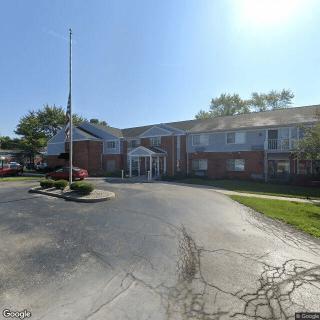
 Navigating the Tax Landscape of Caregiving: Credits, Deductions, and Beyond
 Highly Beneficial Low-Impact Exercises for Senior Living Residents
 Is In-Home Healthcare Tax Deductible? Your Comprehensive Guide