
3875 East Galbraith Road, Cincinnati, OH 45236
For more information about senior living options: (866) 208-4318
Overall Review of Wexford Care Center
Pros
 The clinical team at Parkview is highly helpful and goes above and beyond.
- The team at Parkview is wonderful.
- The Parkview clinical team is praised for their dedication and support.
Cons
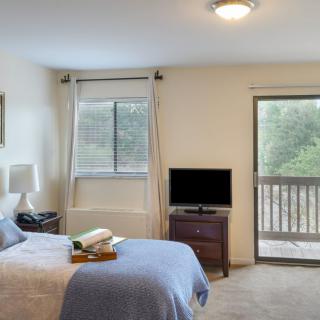
 The facility is dirty and the beds are worn out; they’re not proper hospital beds.
- It’s an old facility with few amenities or activities for residents.
- Four men share a single bathroom, indicating poor private facilities.
- The staff do not answer the phone; residents end up answering and hanging up.
- The staff performance is only halfway decent, at best.
Review
This community is best suited for families prioritizing strong clinical oversight and hands-on nursing care, even when the physical plant feels dated. The threads of praise in the reviews center on a clinical team that is described as extremely helpful and willing to go above and beyond, with conversations about care quality frequently highlighting attentive nurses and therapists. For residents with ongoing medical needs who rely on consistent nursing attention, the care ethos can be reassuring. However, this strength must be weighed against a facility that some observers find old-fashioned, undersized in amenities, and challenged by basic upkeep.
Alternatives should be seriously considered by families that expect cleanliness, privacy, and an engaging resident environment as nonnegotiables. If a modern look, private or semi-private rooms, reliable communication with the front desk, prompt responses to inquiries, and a robust calendar of activities are priorities, other options in Cincinnati will likely deliver a more satisfying daily experience. The decision hinges on whether medical safety and skilled care redeem the trade-offs in atmosphere and resident life.
The key pros, namely the clinical team’s dedication and the willingness of staff to “go above and beyond”, provide a real value: residents can receive steady medical attention and responsive nursing when needed. That clinical reliability is a meaningful counterweight to health-management concerns and can reduce anxiety for families when medical stability is central. In short, when the priority is skilled, attentive care, the strength of the staff can offset many questions about day-to-day life.
Yet the cons carry substantial weight. Communication gaps are a recurring frustration; reports that “phone calls aren’t answered” and that residents end up fielding inquiries for their families signal a disconnect between facility operations and family expectations. The physical environment compounds the risk: the facility is described as dirty at times, with beds that feel worn and not up to modern hospital-grade standards. Room configurations compound daily life friction, shared rooms and shared bathrooms, with as many as four residents using a single bath area, directly impact privacy, dignity, and comfort. Amenities and activities appear limited, leaving little to stimulate social engagement or personal growth beyond basic care.
These dynamics create a clear equation: top-tier clinical care can offset some risk, but not enough to sustain a high-quality daily living experience for all residents. For seniors who crave livelier social programming, private space, or a consistently pristine environment, the negatives outpace the benefits. The decision therefore hinges on personal priorities: if medical reliability is the hinge pin and the family is comfortable navigating a less-polished setting, the community can be a good fit. If daily life quality, privacy, and polished facilities are non-negotiable, alternatives are recommended.
For families weighing this choice, approach the decision with concrete criteria. Assess the cleanliness of common areas and rooms during a visit, observe how staff interact with residents, and verify whether calls and messages are answered promptly. Inquire about room options, including private or semi-private configurations, and request specifics on bathing facilities and accessibility. Probe the activity calendar, availability of outings, and opportunities for social engagement to gauge whether life beyond medical care will feel meaningful. Finally, compare costs and service levels with other nearby communities to determine whether the stronger clinical model justifies potential compromises in environment and daily life.
In the end, this community will suit families who place medical care and staff engagement at the top of their list and are comfortable accepting an older facility footprint and limited amenities. For those who prioritize pristine cleanliness, privacy, reliable communication, and a rich social program, alternatives likely offer a better match. A decisive visit should foreground cleanliness, room configuration, and responsiveness, with a clear judgment about whether the clinical team’s strengths compensate for the more pronounced drawbacks in atmosphere and resident life.
 73 resident community capacity
 Memory Care
 Skilled Nursing Facility
 Air-conditioning
 Beauty salon
 Cable or satellite TV
 Computer center
 Dining room
 Fitness room
 Fully furnished
 Gaming room
 Garden
 Housekeeping services
 Kitchenette
 Move-in coordination
 Outdoor space
 Private bathrooms
 Restaurant-style dining
 Small library
 Telephone
 Wellness center
 Wi-Fi/high-speed internet available
 Cincinnati Northern Kentucky International (18 miles away)
 Community operated transportation
 12-16 hour nursing
 24-hour call system
 Activities of daily living assistance
 Assistance with bathing
 Assistance with dressing
 Assistance with transfers
 Diabetes diet
 Medication management
 Mental wellness program
 Special dietary restrictions
 Concierge services
 Planned day trips



 8 Important Indicators That Memory Care May Be Necessary
 Delving into the Inner World of Dementia: Insights into Thoughts and Awareness
 Five Subtle Dementia Indicators to Observe: An In-Depth Guide to Understanding “Does My Mom Have Dementia?”