
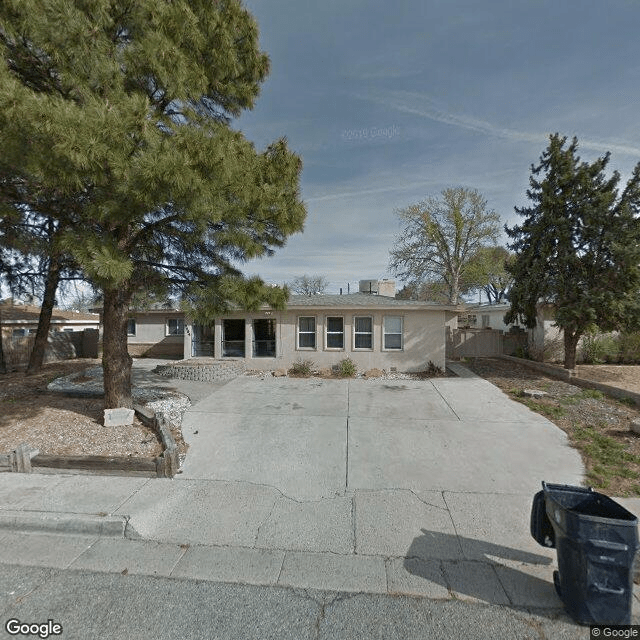
9909 Robin Ave. NE, Albuquerque, NM 87112
To contact a resident: (505) 269-4556
For more information about senior living options: (866) 208-4318
Robin House Assisted Living Costs & Pricing
Robin House Assisted Living offers competitive monthly rates, with both studio and semi-private room types priced at $2,800. This cost is significantly lower than the average rates in Bernalillo County, where similar accommodations run approximately $3,540 for studios and $3,285 for semi-private options. Likewise, when compared to state averages across New Mexico - $3,553 for studios and $3,324 for semi-private rooms - Robin House presents a more affordable choice for families seeking quality assisted living care. This pricing not only reflects a strong commitment to accessibility but also highlights the value of the services provided at Robin House.
| Floor plans | Robin House Assisted Living | Bernalillo County | New Mexico |
|---|---|---|---|
| Studio | $2,800 | $3,540 | $3,553 |
| Semi-Private | $2,800 | $3,285 | $3,324 |
Memory care communities with a similar price nearby
-
About the same
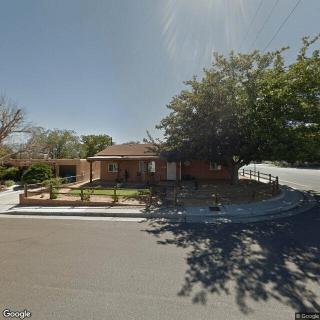
Home Sweet Home - Palomas Drive
$2,800 to $3,500 / month2.7 miles away -
from +$450 / mo
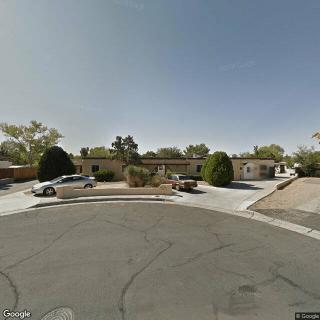
Harmony House
$3,250 to $3,600 / month12.0 miles away -
from +$550 / mo

MorningStar at North Ridge
$3,350 to $10,620 / month5.2 miles away -
About the same

Life Spire Assisted Living Of North Albuquerque Acres
$2,850 to $3,200 / month6.1 miles away -
from +$95 / mo

Neighborhood in Rio Rancho Life Plan Community
$2,895 to $4,410 / month14.2 miles away
Overall Review of Robin House Assisted Living
Pros
 The family is thrilled with the attention to detail at Robin House.
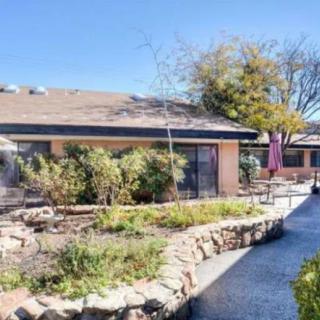
- Robin House offers a serene environment with a wall of windows, a meditation walk or circle, nice plants, and two hummingbird feeders.
- Two delightful house pets keep everyone laughing.
- The place is spotless and never has an odor.
- The home health workers have huge hearts, and the owner Andrew is super-attentive.
- They could not be happier with the care and surroundings.
Review
Robin House Assisted Living in Albuquerque is best suited for families seeking a small, home-like setting where meticulous attention to daily life and a personal touch define care. The atmosphere reads like a well-kept private residence rather than a clinical campus: a back wall of windows invites light, a meditation circle and thoughtful plantings create a calm rhythm to days, and two house pets contribute warmth and steady companionship. The environment is clearly designed to feel familiar, comfortable, and intimate, with cleanliness that is not optional but palpable. The owner’s hands-on involvement and a caregiving team characterized by genuine kindness come through as core strengths, signaling a level of personalized attention that larger facilities often struggle to sustain.
That intimate setup appeals most to residents who flourish under highly individualized attention and predictable routines. By design, Robin House prioritizes clean, quiet, and judgment-free living, which can dramatically reduce anxiety for both seniors and their families. Yet potential residents should explicitly consider whether the setting can meet more demanding medical or therapeutic needs. Those requiring around-the-clock nursing, extensive wound care, neurology-based oversight, or memory-care programming may encounter limits in a small home footprint. Families should also scrutinize whether the activity calendar and social programming will meet their loved one’s expectations for engagement and coordinated medical care.
The primary advantages, personalized service, spotless and odor-free surroundings, and a warm, low-stress daily life, do a lot to offset the typical drawbacks of a smaller operation. A compassionate home health team and an owner who remains highly engaged translate into rapid responses, consistent routines, and a sense of security that is hard to match in larger facilities. The serene setting, natural light, and welcoming ambiance help maintain mood stability and can support overall well-being, while the house pets add informal social interaction that reduces feelings of isolation. When care needs shift, the visible dedication of staff helps families feel confident that concerns will be addressed promptly, which is a meaningful offset to the absence of a full clinical services footprint.
Nonetheless, several practical gaps warrant careful verification before deciding. Pros do not automatically guarantee alignment with every clinical expectation. Important questions include exact staff-to-resident ratios on different shifts, availability of on-site nursing, and how medication management and emergency procedures are handled. Explore whether specialized memory-care options exist on-site, and if not, how the team coordinates with external providers. Transportation arrangements, menu variety, dietary accommodations, and the pace and scope of activities should be clarified. Finally, crystallize the financial picture: what is included in the monthly rate, what might be billed separately, and how costs could evolve if care needs increase.
From a decision-making standpoint, a structured approach is warranted. Prospective families should schedule a guided visit to observe real-time interactions between staff and residents, noting how requests are fulfilled and how residents express preferences. Engage with current residents or families to gauge consistency of care and whether routines feel genuinely stable. Compare Robin House against larger communities that offer more structured medical services, expanded activity calendars, or dedicated memory-care wings. Use a straightforward checklist addressing safety features, room configurations, pet policies, visiting hours, and escalation protocols for changing care needs.
In the end, Robin House Assisted Living emerges as a compelling option for seniors who want a high-touch, home-centered lifestyle with a level of attentiveness that is rare in bigger settings. The standout attributes, spotless, odor-free surroundings; a tranquil, light-filled environment; a caring staff and a highly engaged owner, collectively create a sense of reliability and comfort that matters deeply to families prioritizing dignity and daily quality of life. The potential trade-off is clear: a smaller scale may limit access to the breadth of medical services and expansive programming found in larger communities. For families whose top priority is warmth, personalization, and a calm, well-kept home, Robin House deserves serious consideration, with a focused visit to confirm fit for anticipated care needs and long-term goals.
 Board and Care Home
 Memory Care
 Albuquerque International (6 miles away)



 Nourishing the Mind: Essential Dietary Approaches for Dementia
 Understanding Dementia Behaviors: Practical Insights and Strategies for Caregivers
 When Dementia Sparks Anger and Aggression: Understanding the Connection and Ways to Cope