

143 Farview Avenue, Paramus, NJ 07652
For more information about senior living options: (866) 208-4318
Overall Review of Fox Trail Memory Care at Paramus
Pros
 Foxtrail shows compassionate and capable care for residents.
- The community has a small, home-like atmosphere that feels welcoming.
- The memory care is intimate and person-centered, helping residents with dementia thrive.
- Residents live comfortably with safe spaces to socialize and care that meets their individual needs.
- The staff adapt quickly to residents' changing needs, earning families' trust and peace of mind.
- The team provides excellent service and makes families feel their loved ones are valued.
- Family members appreciate the dignity and warmth shown to their loved ones in their final hours.
- Caregivers like Sherret and Katheryn are welcoming and build familiar, trusting relationships.
Review
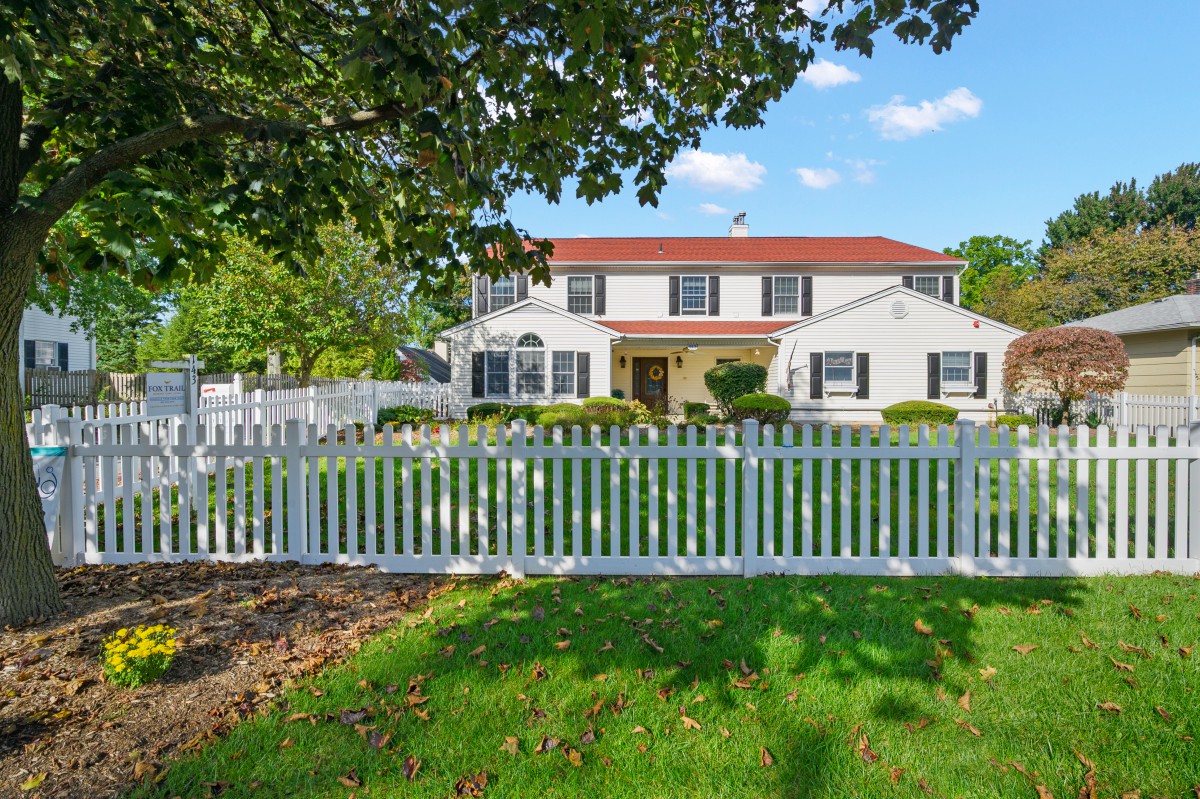
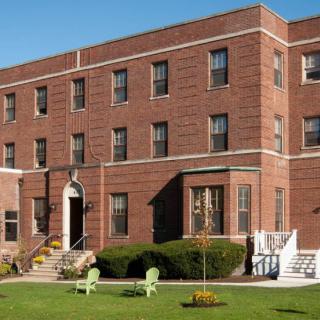
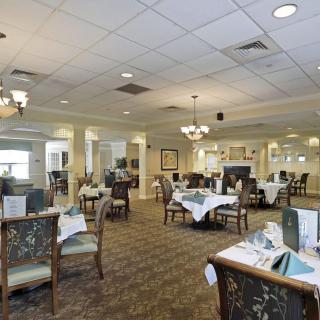
Fox Trail Memory Care at Paramus is best suited for families seeking a small, home-like memory-care setting where residents with dementia receive intensely personalized attention. With about 13 residents, the community operates more like a family-style home than a large campus, and that intimacy matters when trust and daily routines shape well-being. For seniors whose dementia benefits from close relationships with a dedicated caregiving team, and for families prioritizing hands-on communication, transparent care decisions, and meaningful social moments, Fox Trail Paramus delivers. The emphasis is on gentle supervision, predictable rhythms, and a setting where staff can learn residents’ histories, preferences, and triggers, creating a calmer, more predictable environment than larger facilities often provide.
On the positive side, the strongest signal across reviews is compassion and individualized attention. Residents are treated with dignity in a way that feels natural rather than ceremonial, and the small scale helps staff know each person’s idiosyncrasies, fears, and strengths. Families repeatedly highlight the depth of connection, one resident’s closeness with Felicia, another praising how the team adapted as health needs shifted, showing that care plans are not static but responsive. The setting itself reinforces this: a homelike, intimate environment where privacy is respected and opportunities to socialize exist without the bustle of a larger campus. Collaboration with family and with hospice providers is described as seamless and peace-inducing, underscoring a holistic approach to dementia care.
These strengths offset several practical limits that inevitably accompany a small, specialized home. The intimate staff-to-resident ratio promotes timely care, reduced confusion during transitions, and a culture of proactive engagement with each resident’s history and preferences. Yet the trade-off is that there may be fewer enrichment programs, fewer on-site clinical resources, and a more predictable schedule that may feel less expansive than bigger campuses. What matters most is that the care remains adaptable as dementia progresses; families note staff are willing to pivot care plans, adjust routines, and coordinate with hospice to maintain comfort and safety. In other words, the pros, the personal touch and quick responsiveness, compensate for the narrow footprint with real, tangible outcomes in residents’ daily lives.
That said, certain residents or families should consider alternatives. If a resident requires intensive medical oversight, frequent physician visits, or a broad calendar of activities and specialized therapies beyond what a small home can supply, a larger memory-care campus with more on-site services may be more suitable. For families prioritizing robust end-of-life programs or seeking broader social outlets and structured programming, exploring other communities could better align with expectations. Location and convenience also matter: Paramus offers a particular regional care ecosystem that works well for some, but may complicate access for others farther away. In short, Fox Trail Paramus excels where intimacy and responsive, person-centered care are paramount, and may be outmatched by larger facilities for those needs.
Stories from families emphasize not just care, but the emotional resonance of this setting. The sense of home, the welcoming staff, the warmth of conversations with Sherret and Katheryn, and the feeling that time slows to honor each person, translates into steadier daily life for people with dementia. The hospice partnership is described as collaborative and trust-filled, adding security during life’s final chapters. Residents socialize in a safe space that respects pace and preference, rather than pushing participation. The emphasis on dignity in the last hours, and the gratitude expressed by families, speaks to a culture that treats people with memory loss as beloved, whole individuals rather than a checklist of tasks.
Recommendation: Fox Trail Memory Care at Paramus is a compelling match for families prioritizing intimacy, personal connections, and a home-like atmosphere where caregivers know residents by name and history. It is less suited for those seeking aggressive programming, broad clinical services, or a campus-scale operation. The positives, compassion, adaptability, and a trusted family partnership, deliver meaningful benefits that often translate into calmer days and preserved dignity. To decide, prospective families should arrange a first-hand visit, meet the caregiving team, and specifically ask about staff turnover, daily routines, and how hospice is integrated into ongoing care. If the resident benefits from a tight-knit, attentive environment and a home-like setting, Fox Trail Paramus stands out as a practical, well-considered choice.
 Memory Care
 LaGuardia (15 miles away)

 Understanding Dementia Through Its Seven Stages: A Comprehensive Look at Progression and Expectations
 A Holistic Dementia Care Guide: Effective Strategies for Memory Support
 Memory Care Pathways: A Holistic Guide to Dementia Support