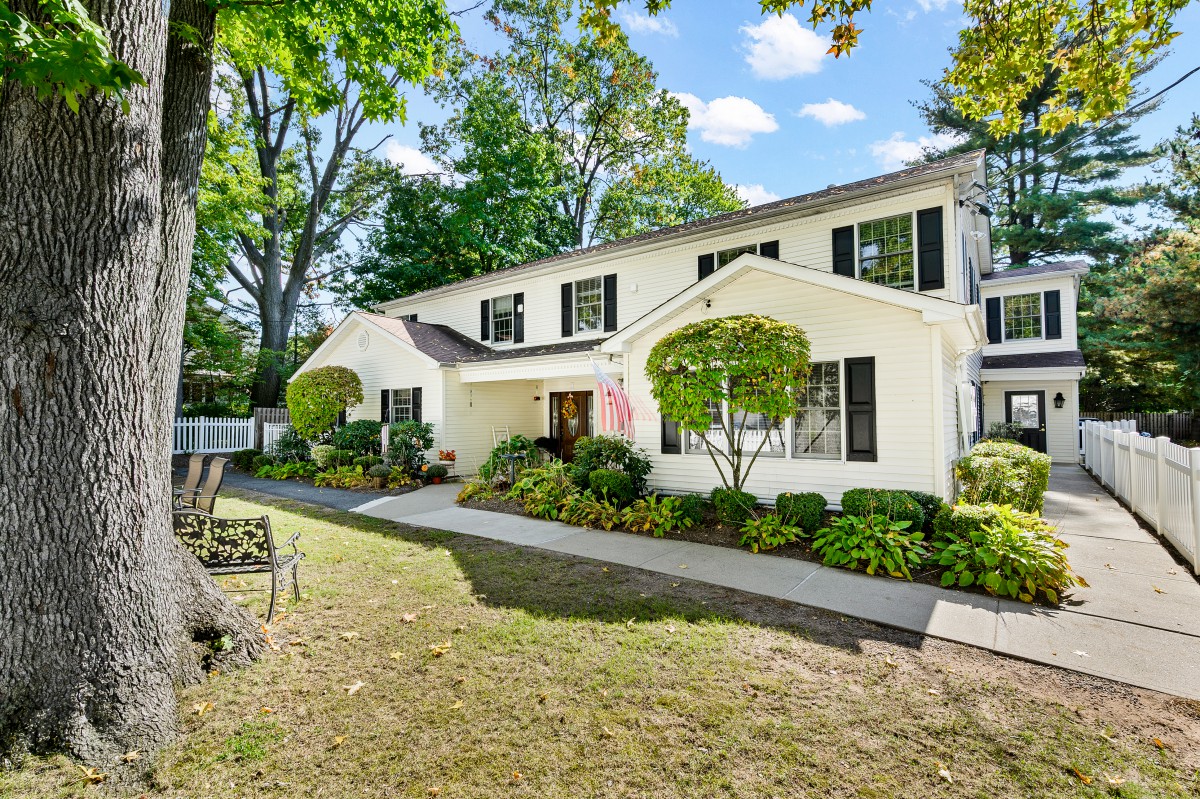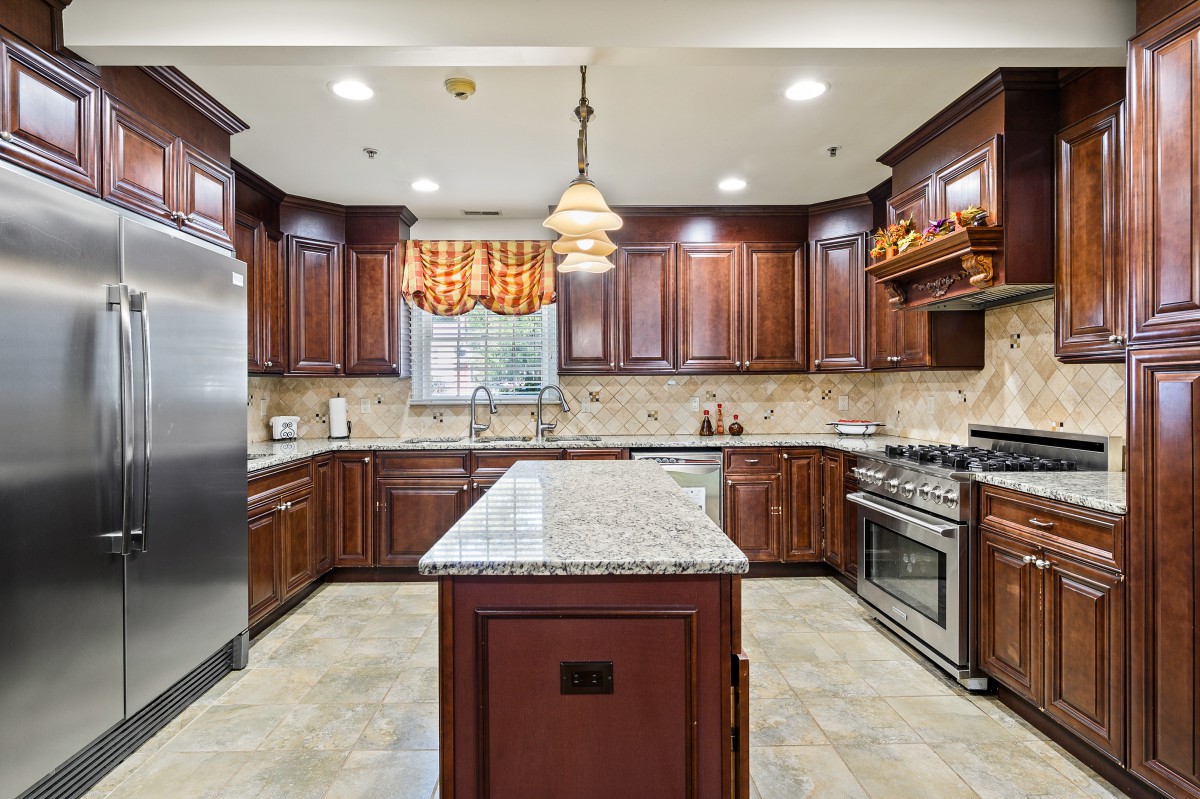
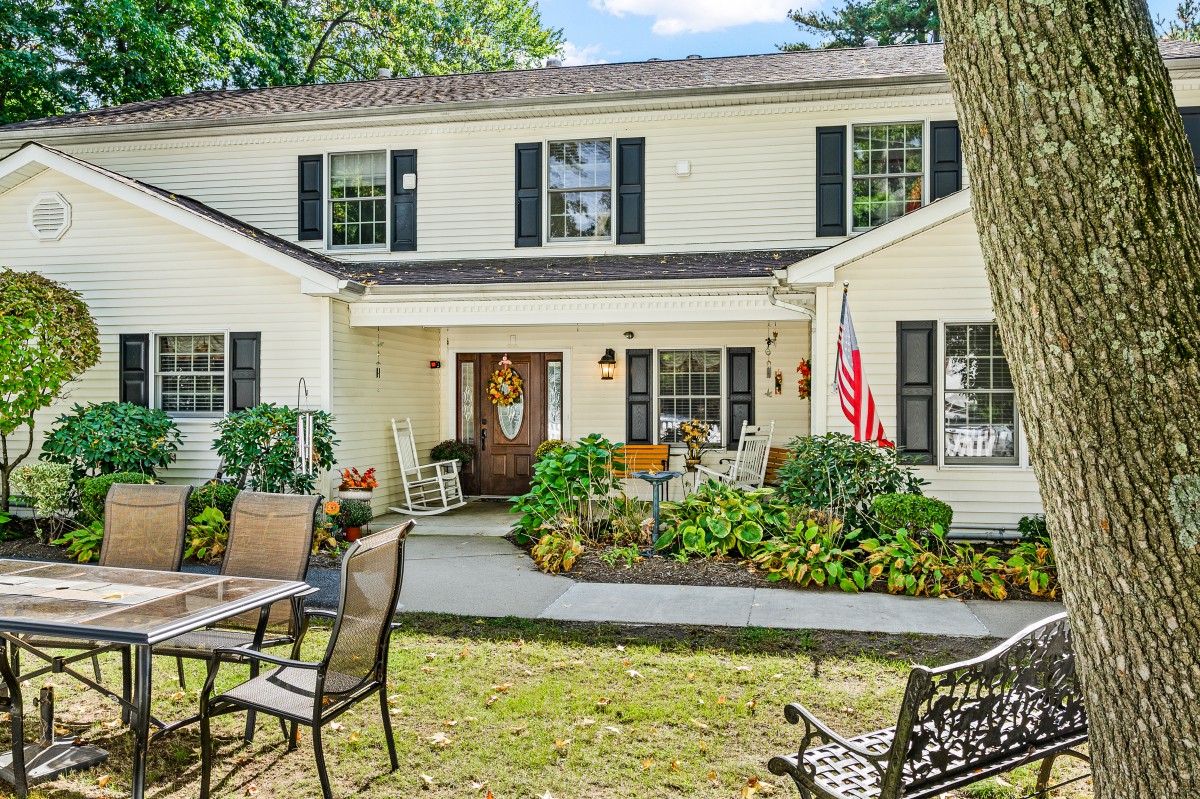
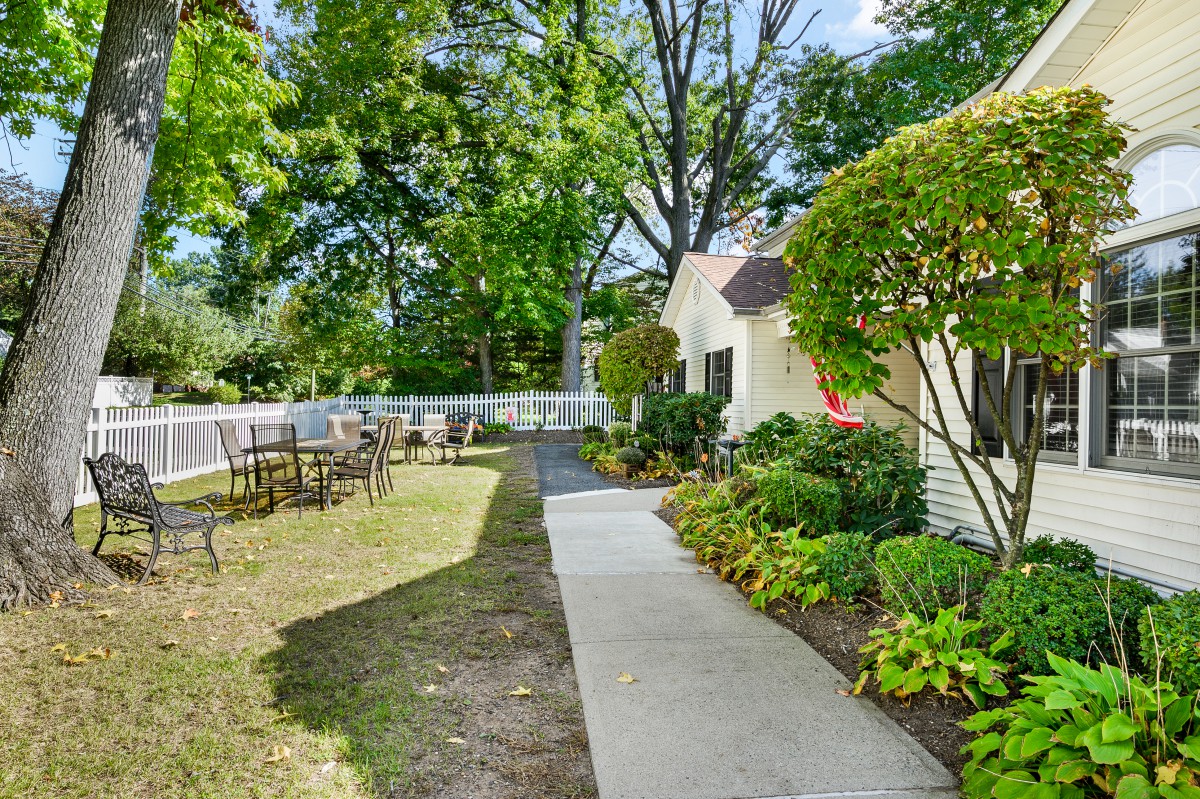

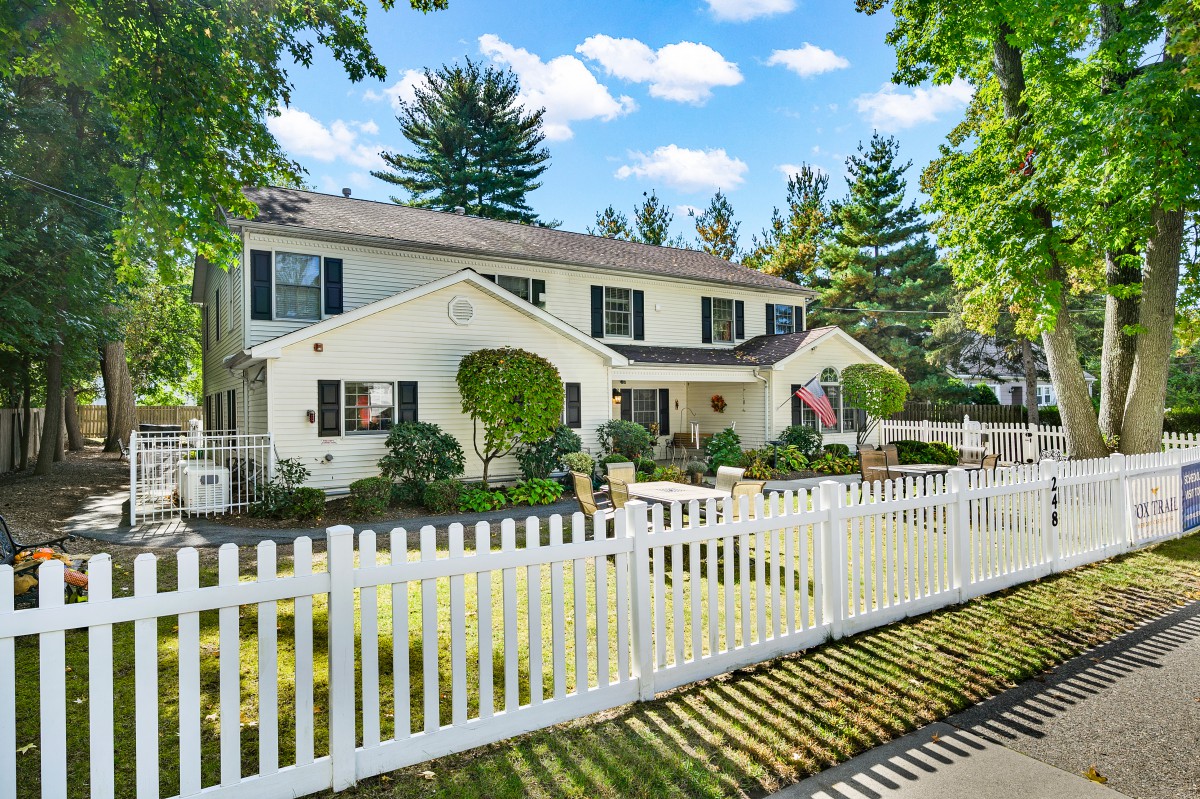



248 Madison Avenue, Cresskill, NJ 07626
For more information about senior living options: (866) 208-4318
Overall Review of Fox Trail Memory Care at Cresskill
Pros
 The memory care facility is excellent.
- The staff are kind, patient, and truly care for each resident.
- The place feels warm, clean, and full of compassion.
- They create a safe, nurturing environment where residents are treated with dignity and respect.
- The staff at Fox Trail are angels on earth.
- Nicola Khan is an exceptional manager, very involved with residents and families.
- The house manager and staff are professional, courteous, and caring.
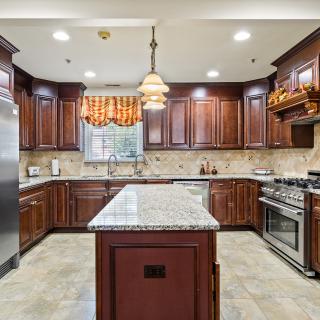
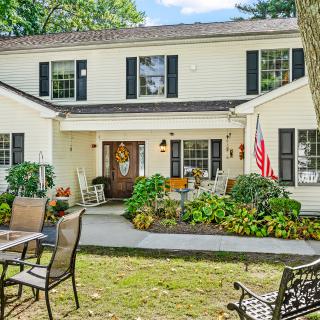
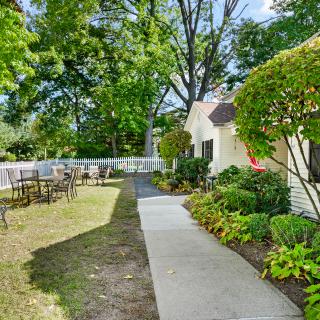
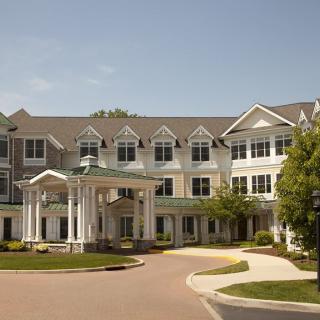
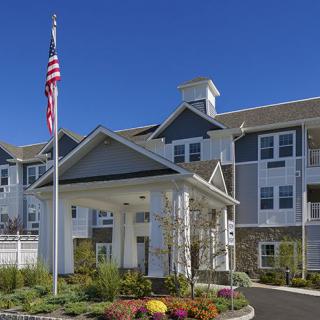
- The facility is cozy and home-like, not institutional.
Cons
 The facility deserves zero stars.
 - The staff were unprofessional, deceitful, and horrendous to work with, and their negligence and lack of communication led to fatal consequences.
- The staff mishandled medications and failed to address emergencies, resulting in anaphylactic shock and a life-threatening situation.
- The reviewer warns that people should not send a loved one there.
- The administration is incompetent, with an $8,500 overcharge and an incorrect final bill, plus repeated communication failures.
Review
Fox Trail Memory Care at Cresskill is best suited for families seeking a warm, home-like memory care environment where residents with dementia receive exceptionally hands-on, relationship-driven attention. The community shines for those who want a facility that treats residents with dignity and patience, where care is delivered with a genuine, almost familial commitment. Families prioritizing daily warmth, consistent routines, on-site dining, and meaningful engagement will find this setting notably compelling. The environment is described repeatedly as clean, inviting, and centered on personal connection, with staff who communicate in a way that reassures relatives. For dementia care that emphasizes kindness, stability, and a sense of belonging, this is a standout option in Cresskill.
Nevertheless, some families may want to consider alternatives. A subset of reviewers raised concerns about administration and billing practices, including difficulty obtaining final bills and instances of disputed charges. More seriously, one account described medication mismanagement and a delayed response to an emergency, framing a risk that cannot be dismissed without careful due diligence. While other families lauded leadership and reported positive resolutions in some billing disputes, these experiences underscore the importance of independent verification of financial processes and a clear, documented plan for crisis situations before committing. For families with heightened anxiety about administrative rigor, exploring other options may be prudent.
The strongest positives center on the staff’s extraordinary dedication and the home-like atmosphere. Reviewers repeatedly praise the team as kind, patient, and deeply committed to residents’ well-being, with Nicola Khan as a consistently visible and involved house manager who earns broad trust from families. The culture leans toward treating residents like family, with meals prepared on site and served in a family-style setting that reinforces comfort and normalcy. The facility’s cleanliness, safety measures, and the visible consistency of care, often with long-tenured caregivers, contribute to a sense of reliability that is hard to match in larger, more impersonal settings. The holistic approach, regular medical and supportive services integrated into daily life, adds a layer of reassurance for families.
Those strengths offset many of the notable concerns, but not in a blanket way. The staff’s long tenure and leadership continuity help reduce the chances of repeated missteps, and the strong emphasis on communication provides a direct channel for families to stay informed. In practice, this translates to calmer transitions for residents and fewer friction points for families during routine care, visits, and emergencies. However, the occasional administrative hiccup cited by reviewers, particularly around final billing and responsiveness, remains a real consideration. The risk of billing disputes and a perception of administrative opacity can undermine confidence, especially for families navigating estates or complex financial arrangements. Weighing these factors against the evident care quality is essential.
For decision-making, this community is especially compelling for families prioritizing interpersonal care, daily engagement, and a lived-in, respectful environment over strictly clinical oversight. Prospective residents should assess staffing ratios during peak hours, the exact medication management protocols, and how emergencies are escalated and documented. Demand transparent billing practices: request recent, itemized statements, a clear final bill process, and a point person for financial questions. If possible, speak with families who have loved ones with comparable needs to gauge consistency over time. Alternatives to consider include other memory-care-centric facilities with different governance structures, stronger external clinical oversight, or locations known for highly transparent accounting practices and more explicit Nurse Practitioner or physician coverage.
In the end, Fox Trail Memory Care at Cresskill presents a persuasive combination of compassionate, attentive caregiving and a home-like setting that many families will find deeply reassuring. The decisive factors are the staff ethos, the continuity of leadership, and the opportunity for frequent, meaningful family involvement. The notable caveat is the administration and billing variability cited by a minority of reviewers; this should be explored upfront with a candid tour and direct conversations about financial practices and crisis management. When those elements align with a family’s needs and comfort level, the overall care experience is likely to feel overwhelmingly positive, providing both residents and their loved ones meaningful space to thrive within a trusted, affectionate community.
 Memory Care
 LaGuardia (12 miles away)





 When to Transition from Assisted Living to Memory Care: Key Indicators, Steps, and Finding the Right Community
 Understanding the Distinctions: Assisted Living and Memory Care Explained
 How to Communicate with a Loved One Living with Dementia: 10 Supportive Strategies