At Benchmark at Rye, the monthly costs for various room types reflect a premium experience in comparison to both Rockingham County and the broader state of New Hampshire. For a semi-private room, residents can expect to pay $7,500, which is significantly higher than the county average of $5,895 and the state average of $4,881. Similarly, the studio option is priced at $8,870, outpacing Rockingham County's rate of $5,403 and New Hampshire's average of $5,346. The one-bedroom accommodation stands at $9,630, again surpassing local averages with Rockingham County at $5,528 and New Hampshire hitting $4,444. These figures underscore Benchmark at Rye's commitment to high-quality care and amenities that may justify the higher costs for prospective residents seeking an enriched living environment.
Floor plans
Benchmark at Rye
Rockingham County
New Hampshire
Semi-Private
$7,500
$5,895
$4,881
Studio
$8,870
$5,403
$5,346
1 Bedroom
$9,630
$5,528
$4,444
Memory care communities with a similar price nearby
Families consistently describe attentive, loving staff who communicate well.
Many reviewers say the aides, nurses, and other team members treat residents with kindness, respect, and personal attention. Several families also mention easy-to-reach communication and responsiveness to questions or concerns. A few negative reviews dispute that level of attention, describing issues with staffing, accountability, or neglect, but the majority of feedback focuses on genuine care.
differentiator
Memory-care focus feels individualized
Residents benefit from a memory-care approach aimed at keeping engagement and dignity.
Reviewers specifically seeking memory care describe an environment and staffing approach that supports people with Alzheimer’s and dementia. Multiple families mention that staff help residents feel safe while staying engaged, and some point to design elements meant to support independence rather than confinement. At least one reviewer also flags concerns about how dementia behaviors are managed and whether side activities are available for residents who don’t do well with group-only routines.
common
Dining is frequently praised
Food quality and dining support come up often in resident feedback.
Several reviewers describe dining as a strength, calling out the quality of the meals and a dining experience that feels thoughtfully handled by the dining team. Others mention special attention to dietary needs and preferences, including reduced-sodium and other restricted diets. A smaller number of reviews raise concerns about meal quality or changes to costs, which contrasts with the overall food praise.
caveat
Activities and engagement vary
Activities keep many residents engaged, but some families want more.
Many reviewers say activities help residents stay involved, with outings, music, art, and group programming mentioned across multiple accounts. Some families specifically appreciate creative or personalized engagement for residents with dementia. However, other reviewers report that there is not enough to do, or that activity formats don’t fully work for everyone, such as residents being bored or left without sufficient individualized options.
caveat
Pricing raises concerns for some
Some families report cost increases or billing surprises.
A few reviewers praise transparent pricing with no hidden fees, and describe a smooth transition when moving into the community. In contrast, multiple negative reviews complain about room fees rising quickly, additional charges, or increases without adequate notice. Even among generally positive reviews, pricing is sometimes characterized as on the expensive end.
How we summarize
We summarize when many written reviews mention each theme; a review can touch several themes, and only frequently mentioned themes are displayed.
Features
Housing
Studio apartments
Types of Care
Memory Care
Pets
Cats allowed
Dogs allowed
Amenities
Activities off-site
Activities on-site
Air-conditioning
Bath tubs
Beautician on-site
Cable or satellite TV
Devotional services on-site
Dining room
Financing advice
Garden
Garden view
Ground floor units
Guasts at mealtime
Guest parking
Handicap accessible
Home sale assistance
Housekeeping services
Indoor common areas
Laundry
Outdoor common areas
Private bathrooms
Resident parking
Respite or short term stays offered
TV room
VA Benefits Consultation
Wheelchair accessible showers
Wi-Fi/high-speed internet available
Transportation
Transportation & parking
Care Services
Diabetic care
High acuity care
Hospice care
Incontinence care
Medication management
Dining
Anytime dining
Gluten-free
Guest meals
International cuisine
Kosher
Low / no sodium
Low fat
Meals provided
No Sugar
Organic
Professional chef
Restaurant style dining
Room service
Special dietary restrictions
Special dining programs
Vegan
Vegetarian
Activities
Activities off-site
Art classes
Arts and crafts
Book club
Catholic services
Cooking classes
Cooking club
Day trips and outings
Devotional activities on-site
Educational speakers / life long learning
Games
Gardening club
Karaoke
Live musical performances
Live well programs
Other religious services
Protestant services
Religious services
Stories
Visiting chaplain or priest
Wii bowling
Nearby Places of Interest
Located in Rye, New Hampshire, this area offers a variety of amenities and services that may be appealing for seniors looking to relocate. With several restaurants and cafes within a few miles, residents have plenty of dining options to choose from. Additionally, there are pharmacies and physicians nearby, ensuring easy access to healthcare services. The proximity of hospitals and specialty healthcare facilities provides peace of mind for seniors who may require medical attention. For transportation, C & J Bus Lines and the Portsmouth International Airport at Pease offer convenient travel options. Parks like Portsmouth Plains and Prescott Park provide opportunities for outdoor recreation, while theaters such as Regal Fox Run & RPX offer entertainment options. Holy Trinity Lutheran Church is also located nearby for those seeking spiritual fulfillment. Overall, this area of Rye presents a well-rounded community with various resources to support senior living needs.
At Benchmark at Rye, the monthly costs for various room types reflect a premium experience in comparison to both Rockingham County and the broader state of New Hampshire. For a semi-private room, residents can expect to pay $7,500, which is significantly higher than the county average of $5,895 and the state average of $4,881. Similarly, the studio option is priced at $8,870, outpacing Rockingham County's rate of $5,403 and New Hampshire's average of $5,346. The one-bedroom accommodation stands at $9,630, again surpassing local averages with Rockingham County at $5,528 and New Hampshire hitting $4,444. These figures underscore Benchmark at Rye's commitment to high-quality care and amenities that may justify the higher costs for prospective residents seeking an enriched living environment.
Incontinence care is essential in memory care settings, as it ensures residents remain comfortable and dignified, minimizing potential distress associated with incontinence issues. Tailored support for personal hygiene fosters a sense of security and helps maintain residents' quality of life, allowing them to focus on social engagement and cognitive activities rather than physical discomfort. Additionally, medication management plays a critical role in memory care by ensuring that residents receive their prescribed medications accurately and on time, which is vital for managing symptoms of dementia and Alzheimer's disease. This structured approach not only mitigates the risk of confusion or missed doses but also promotes overall health stability, enabling residents to engage more fully with their environment and caregivers. Together, these features create a supportive atmosphere that addresses both the physical and emotional needs of individuals with cognitive impairments.
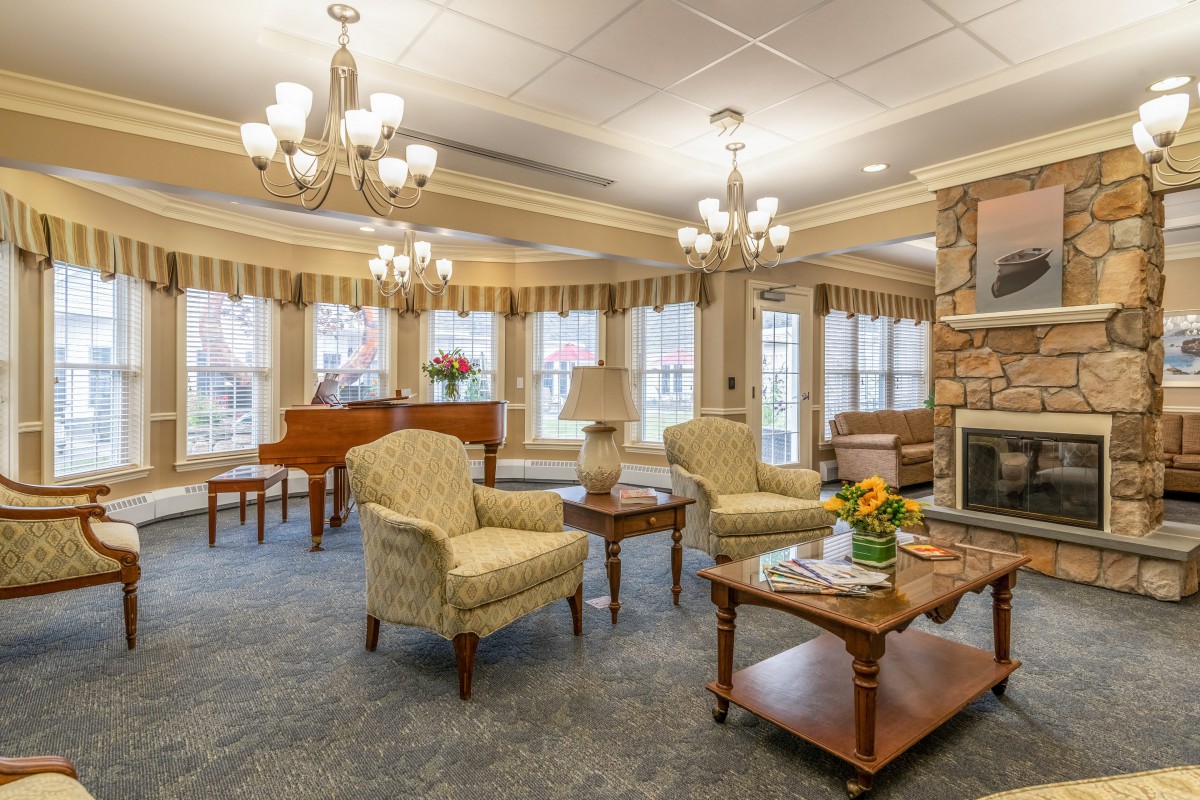
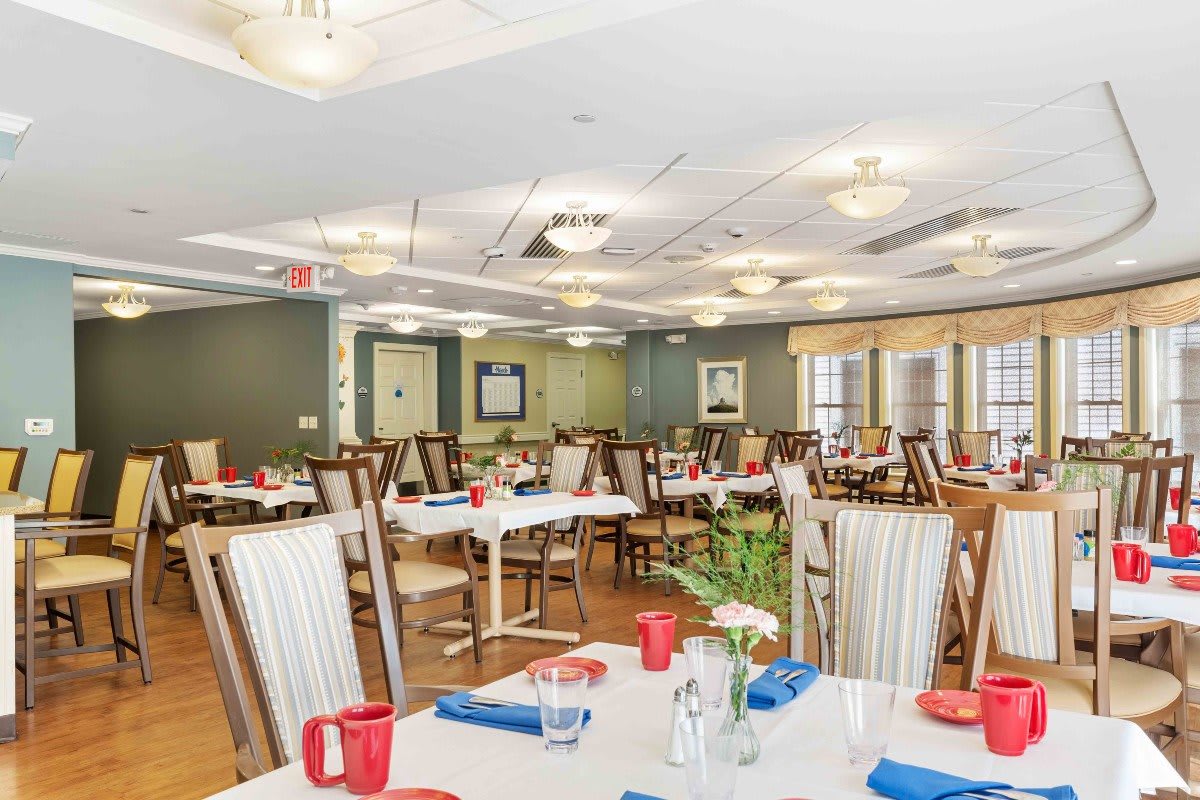
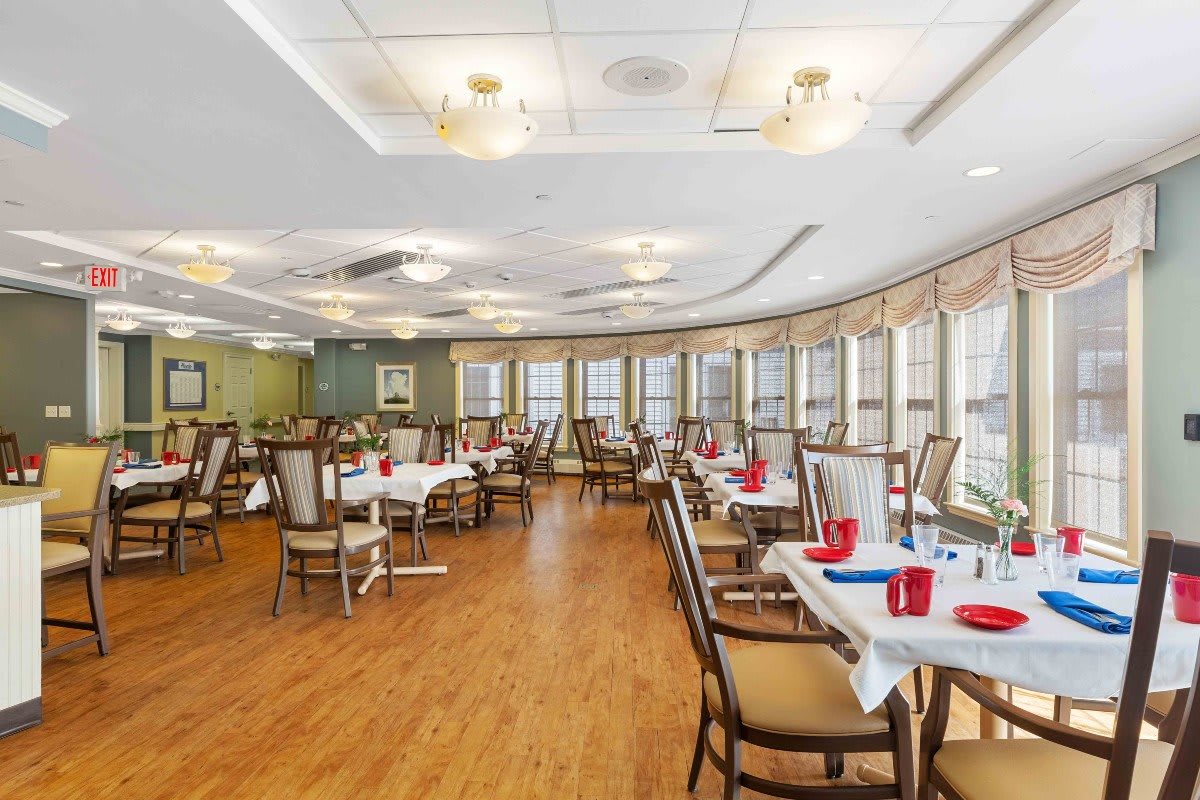
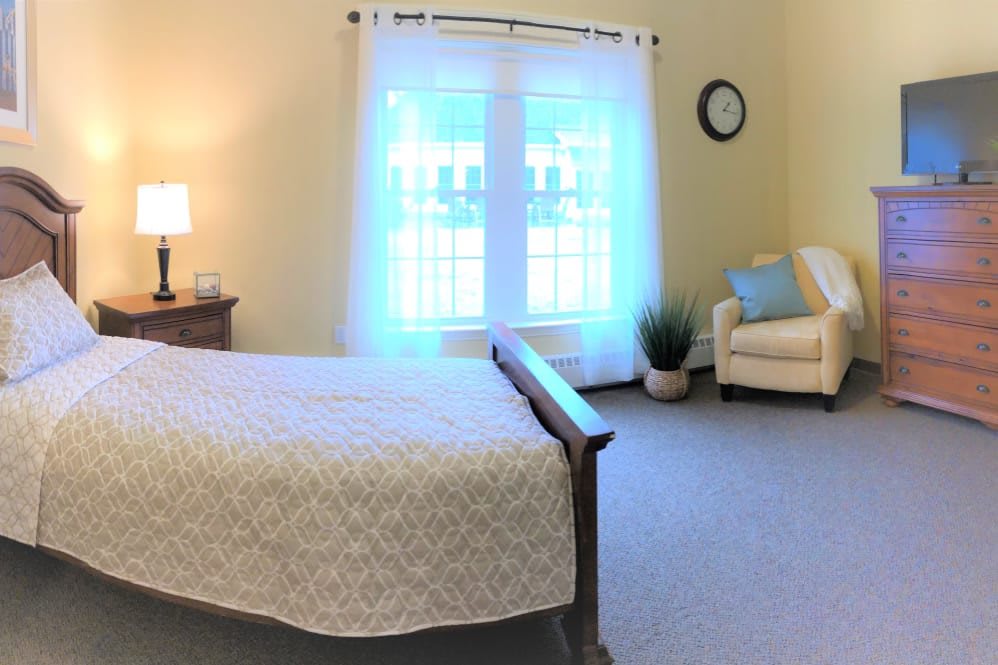
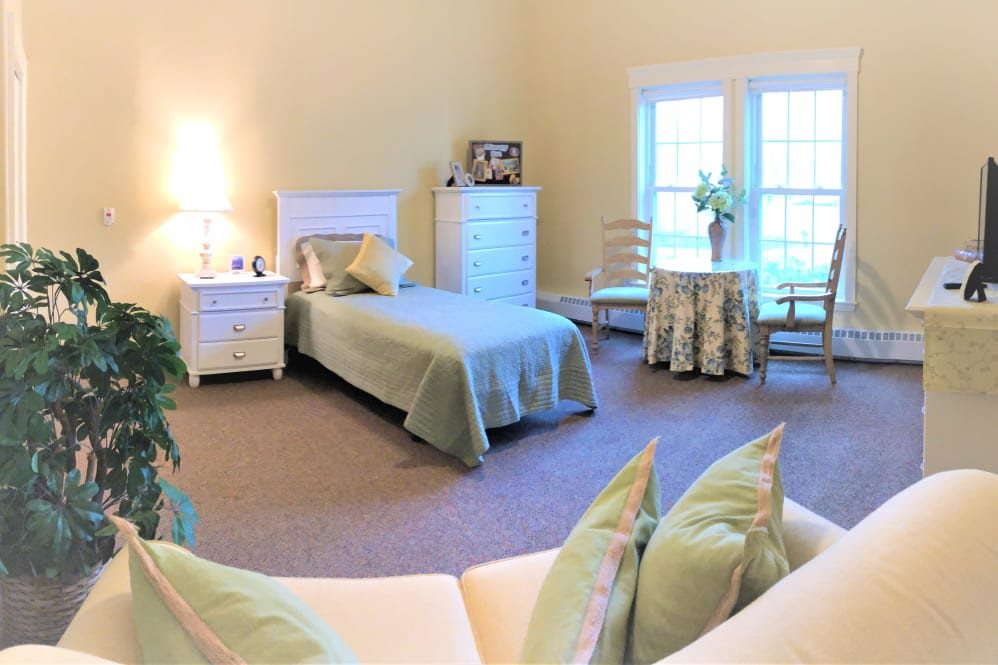
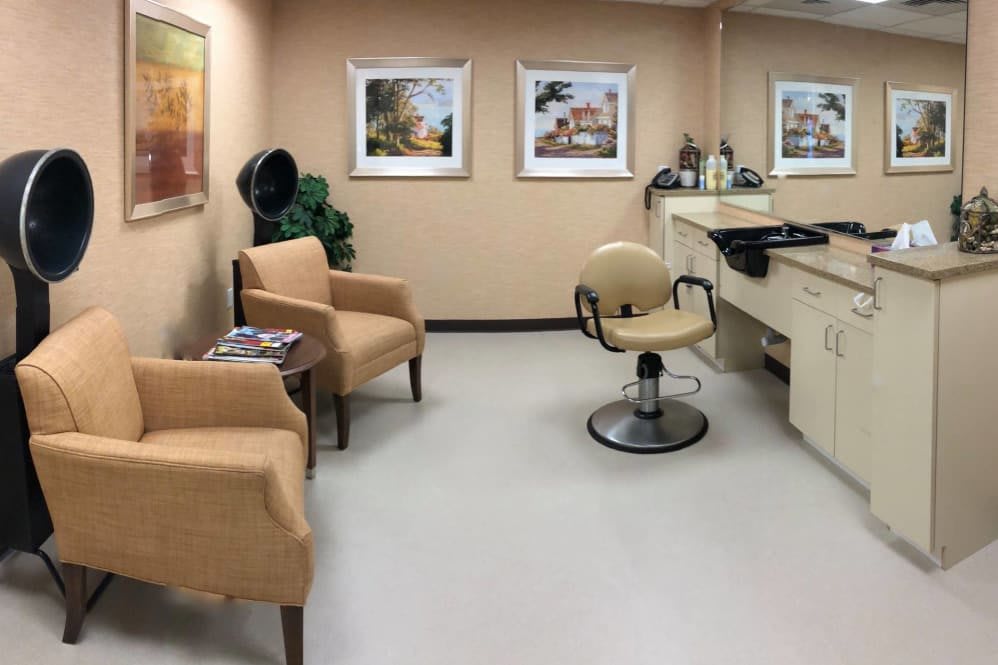
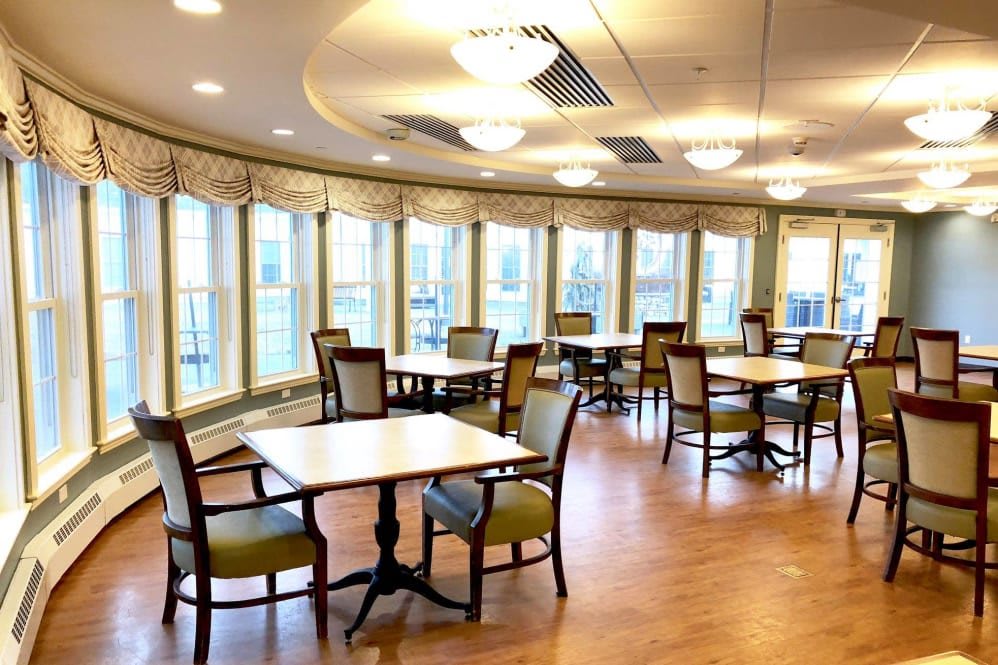
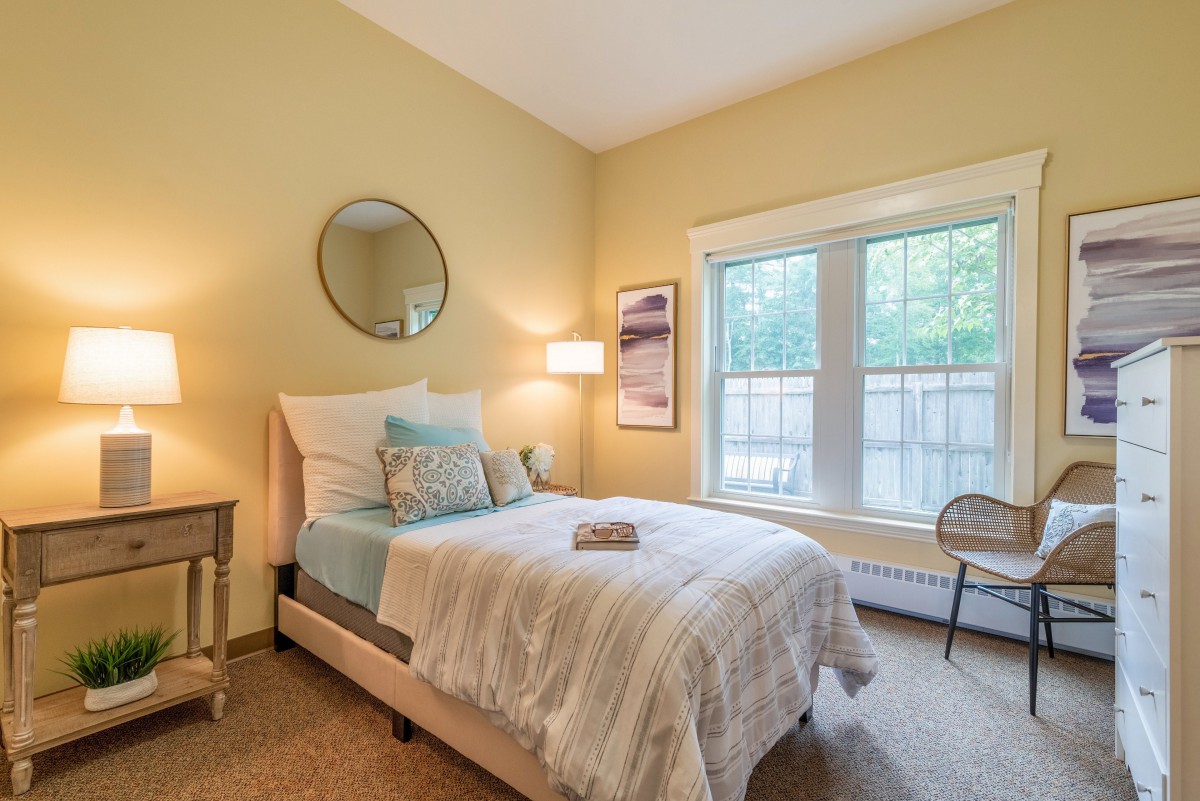
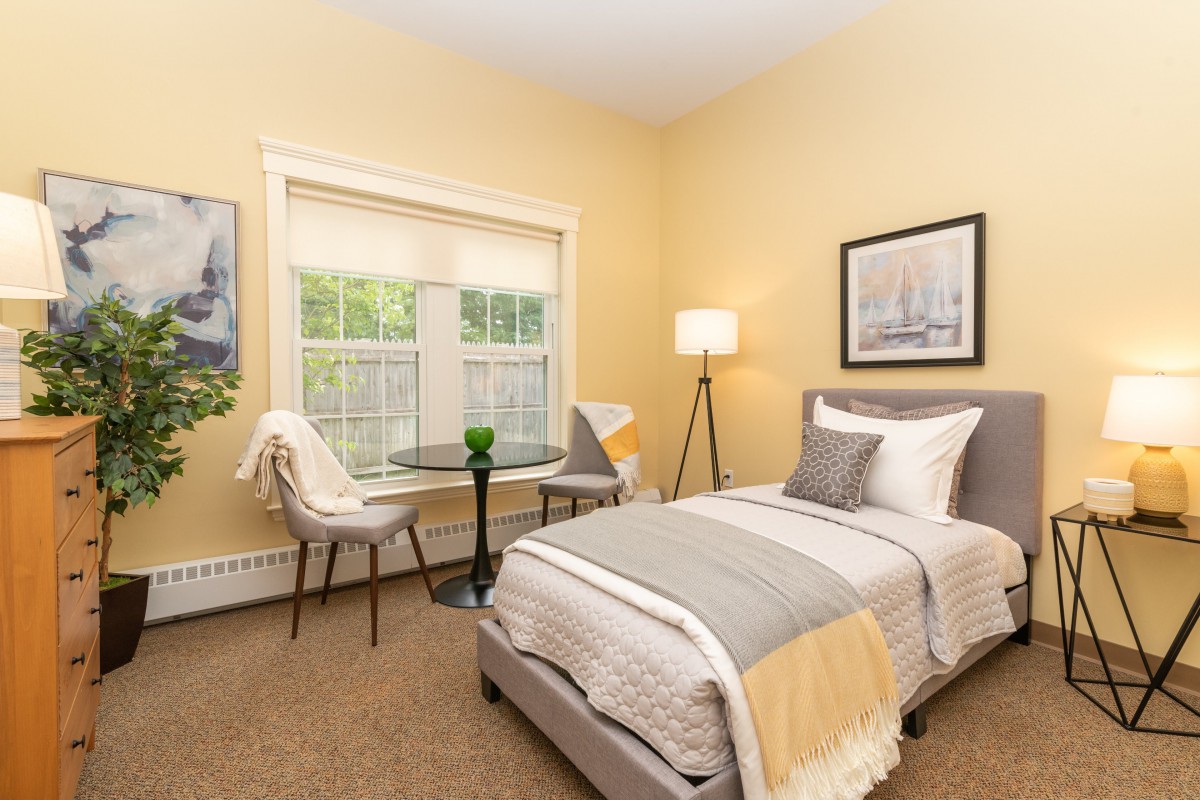
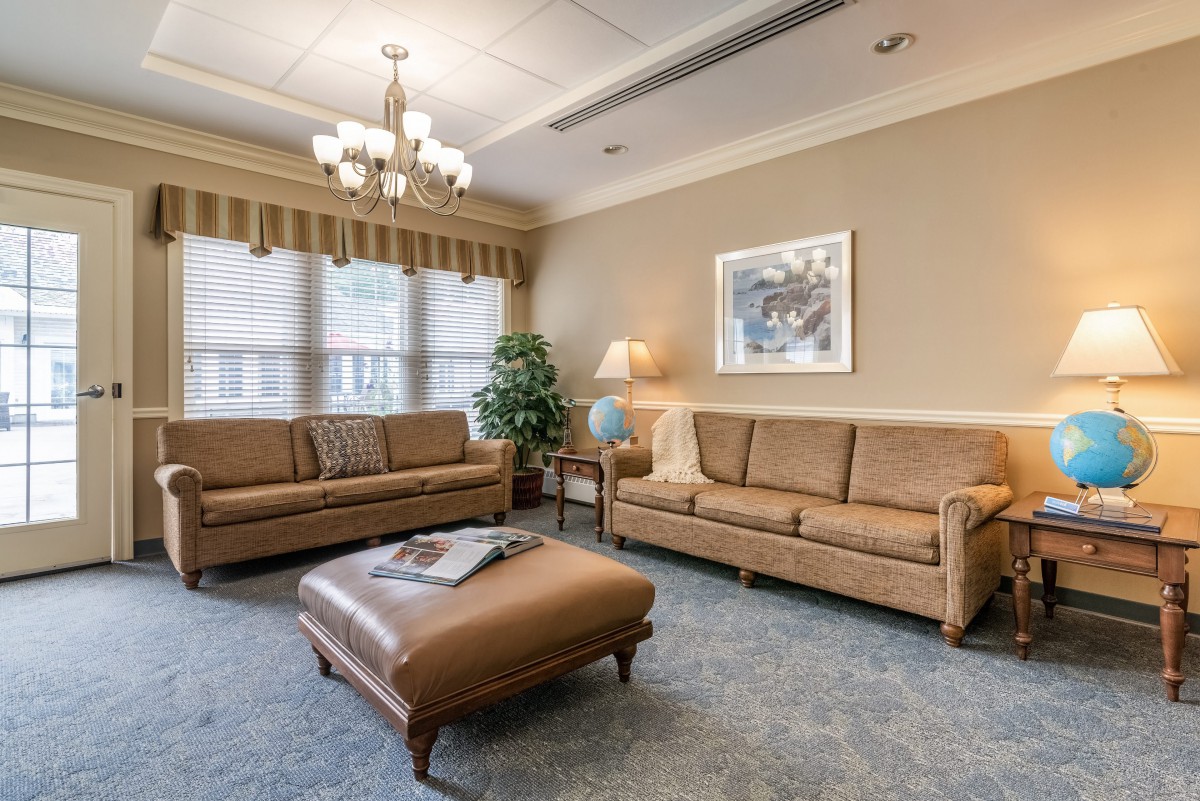
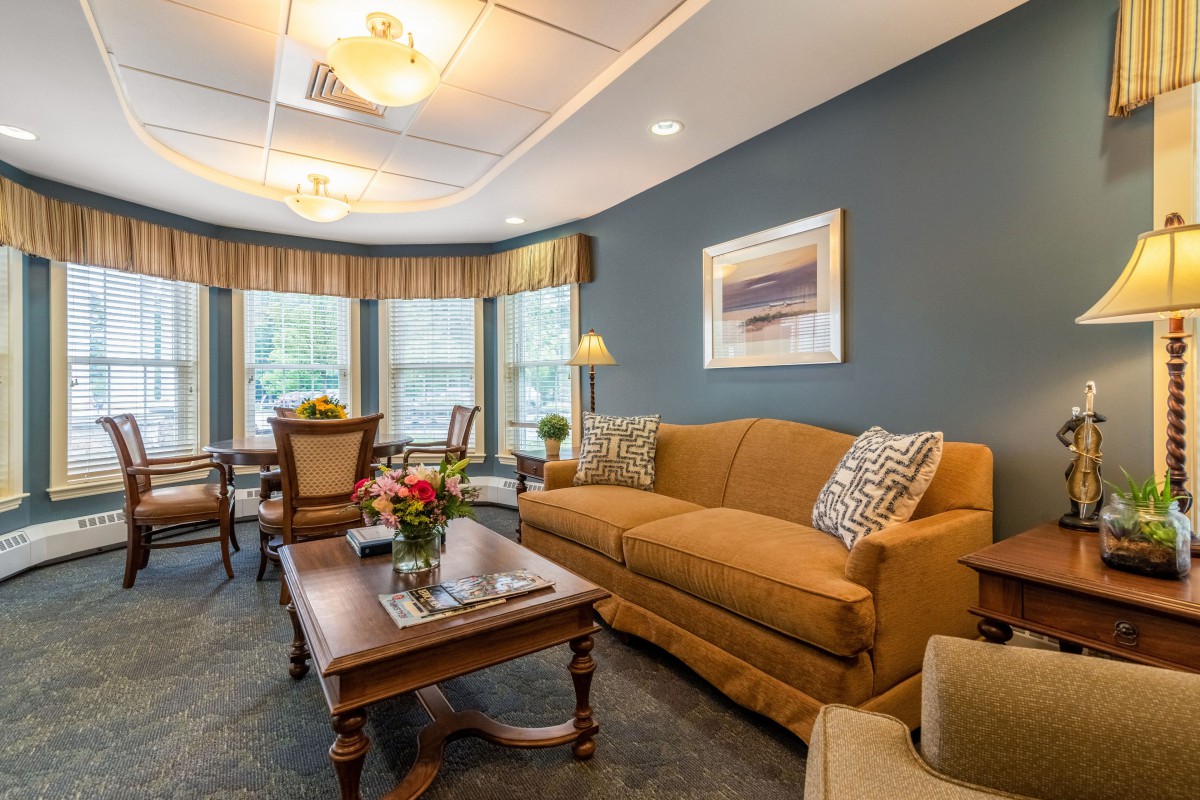
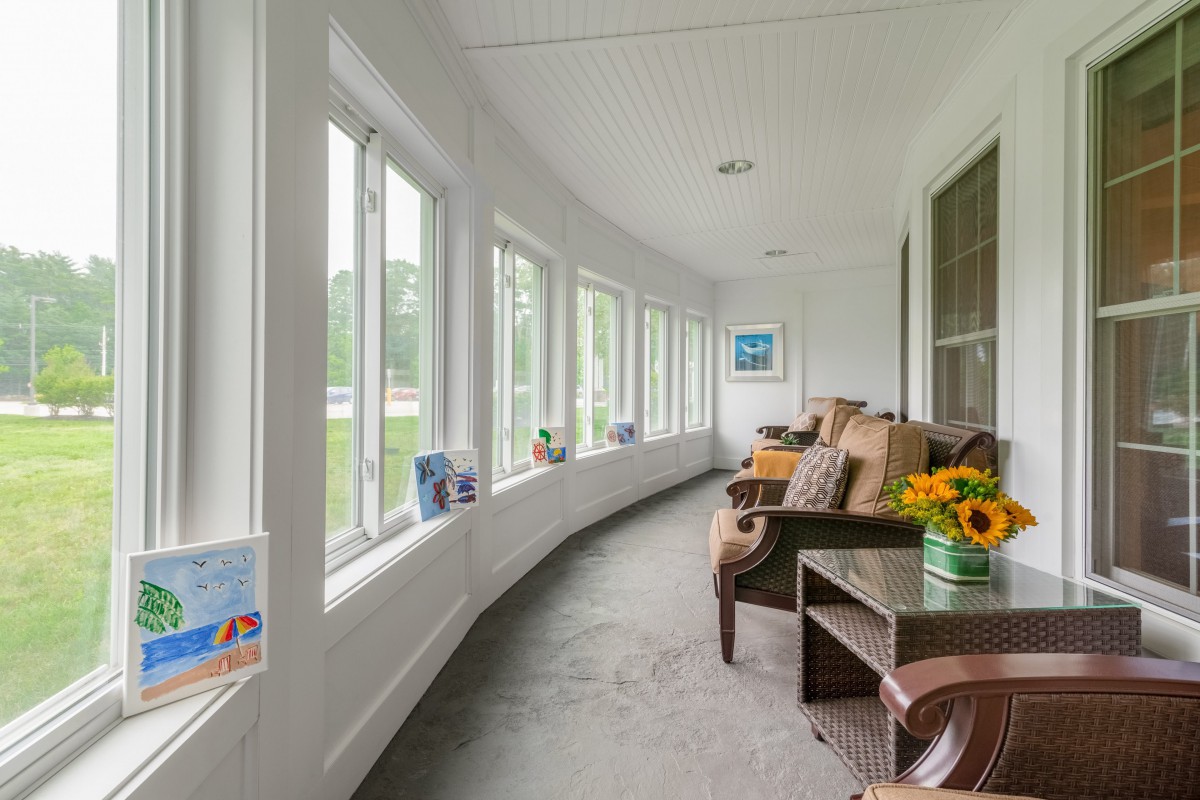
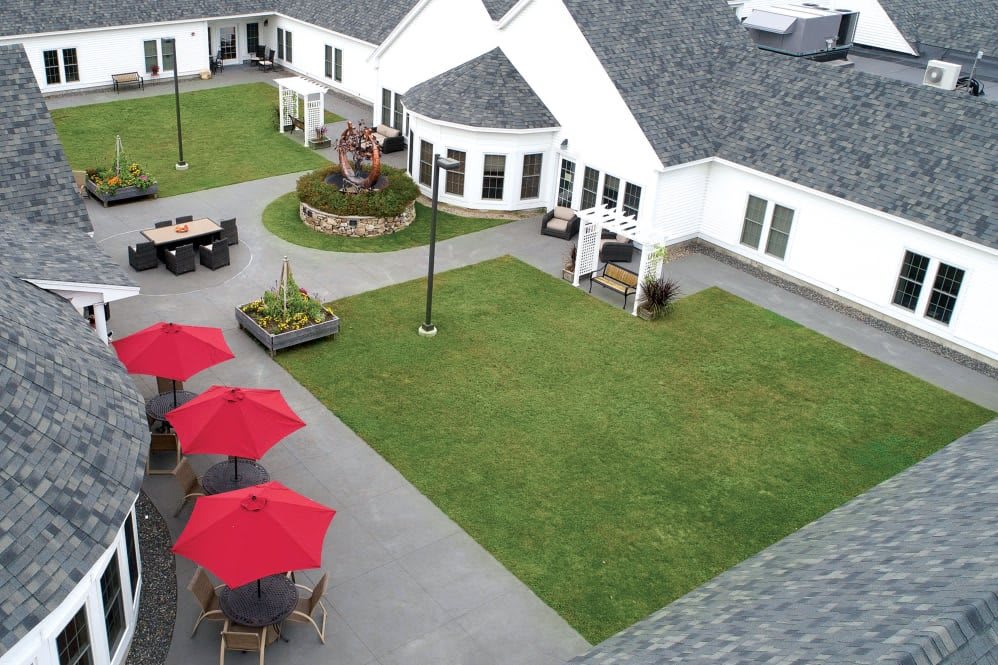
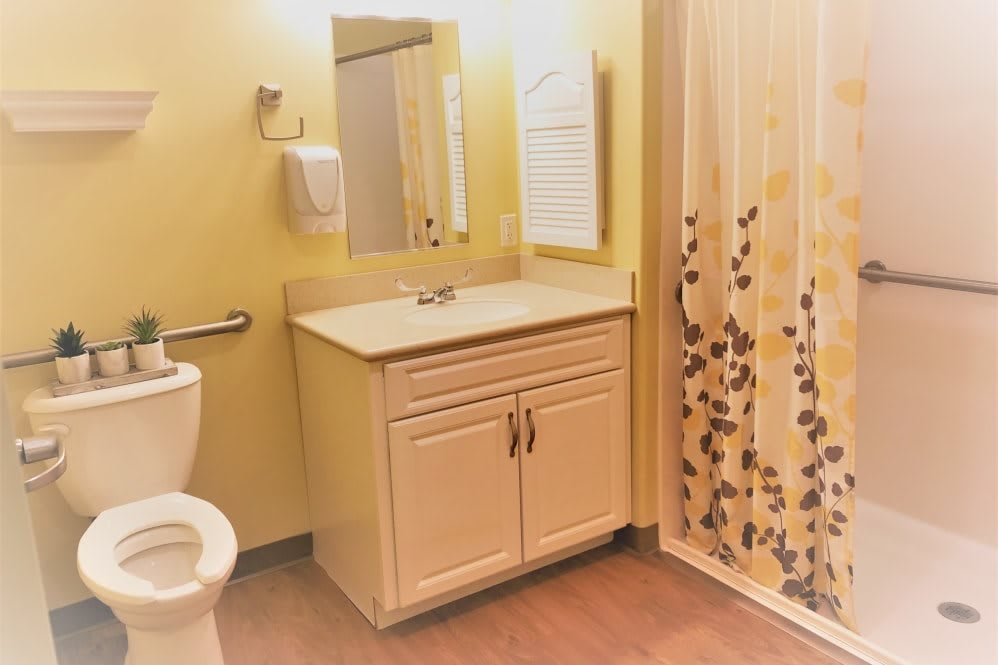
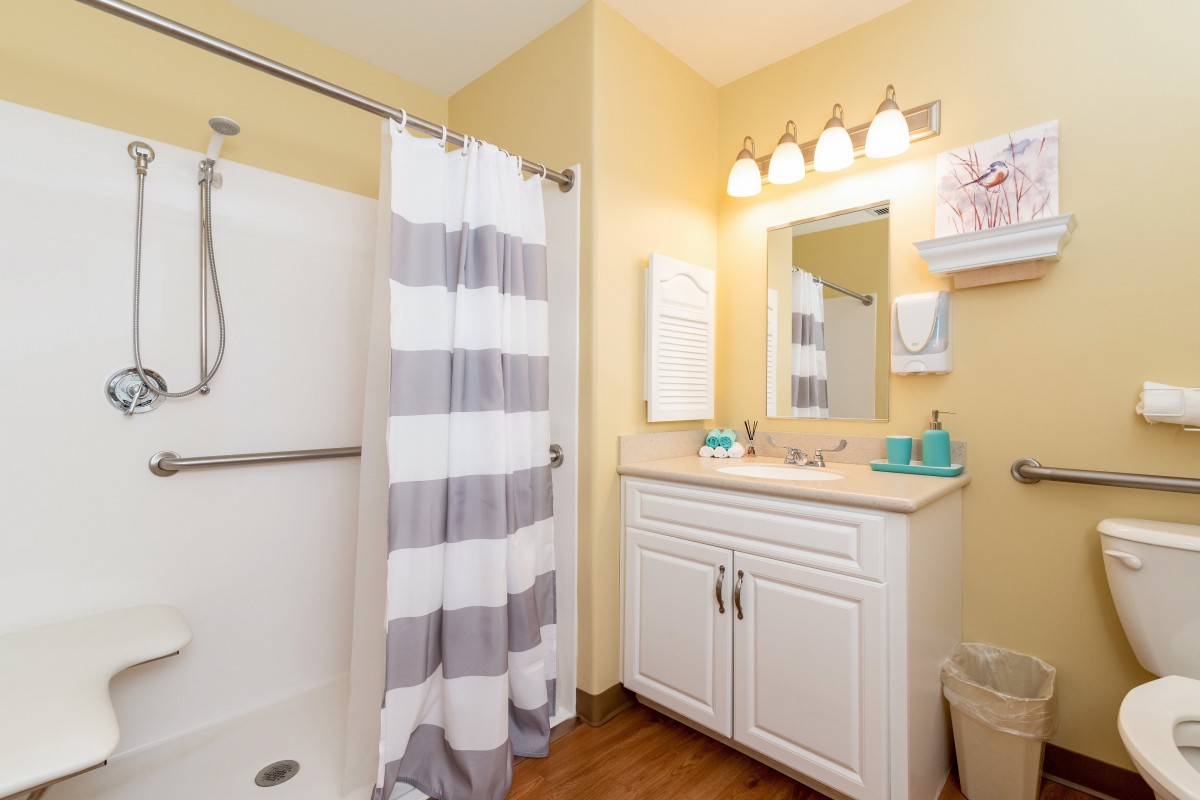
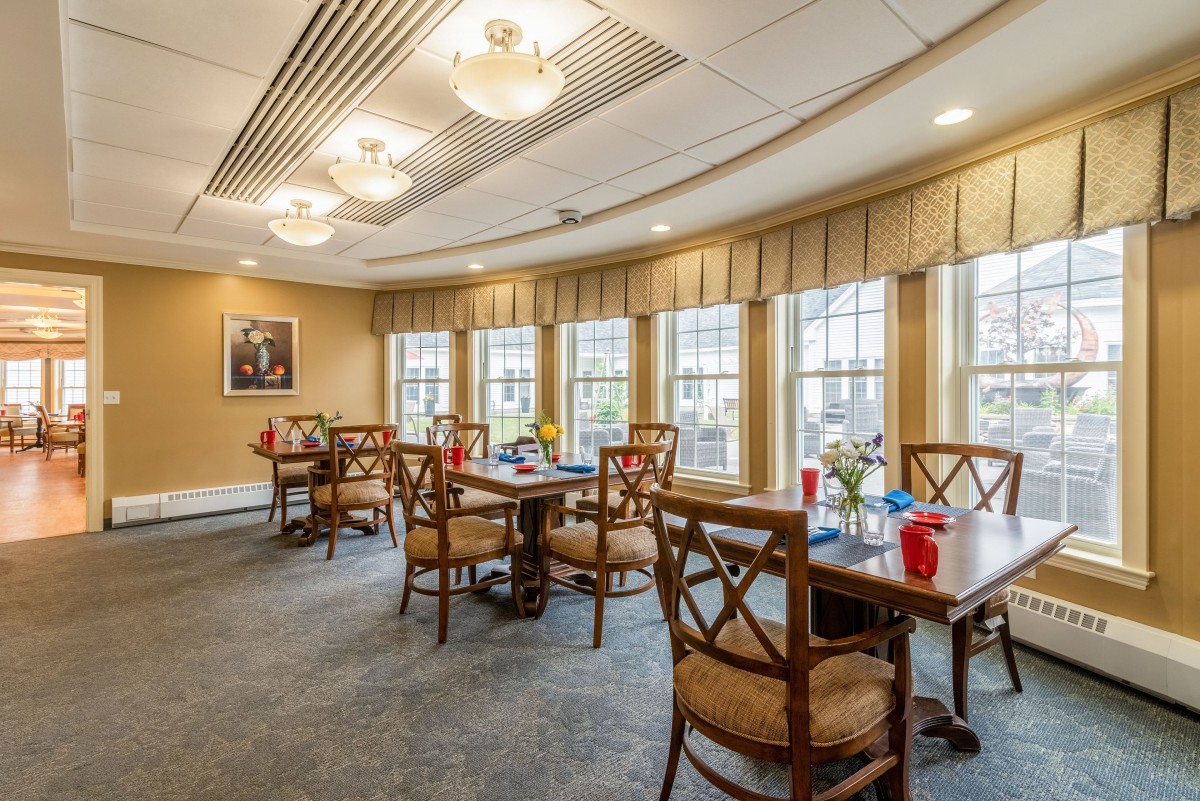
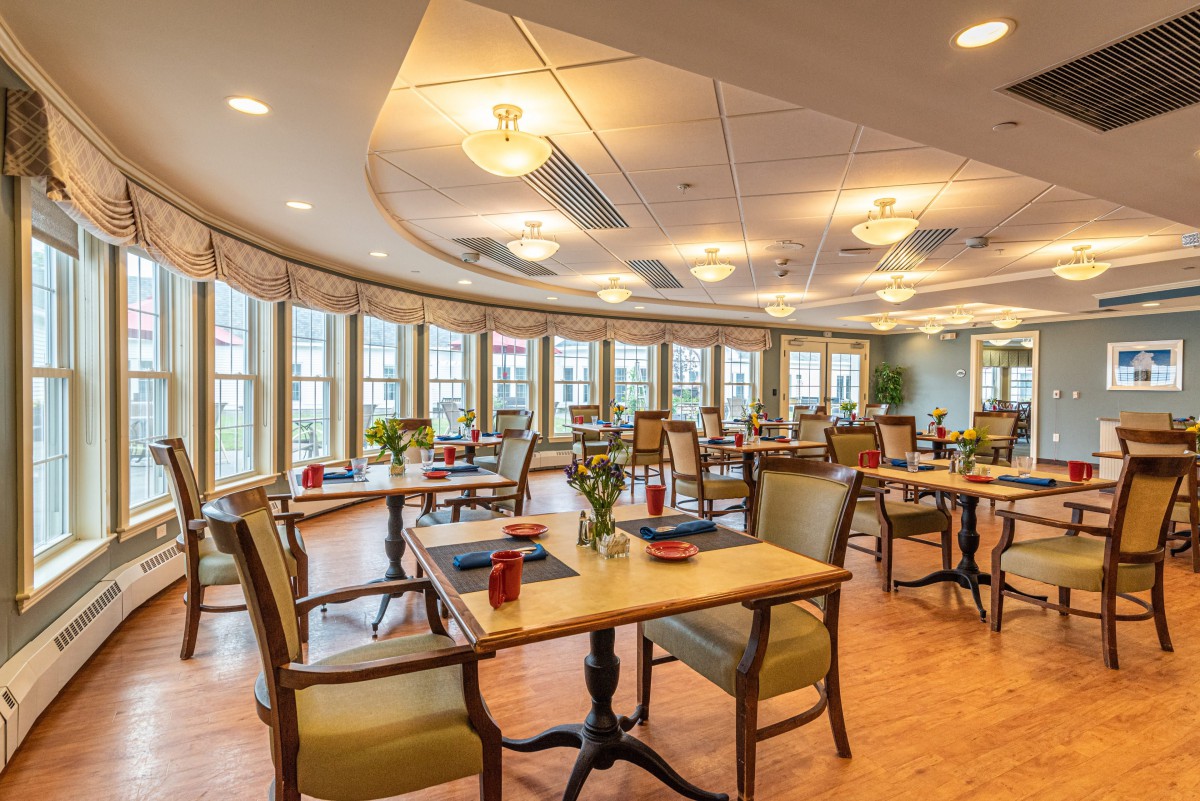
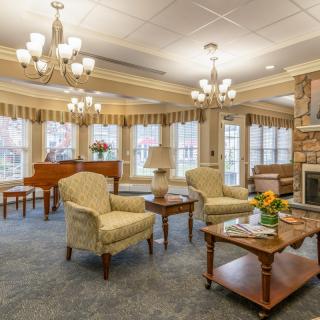
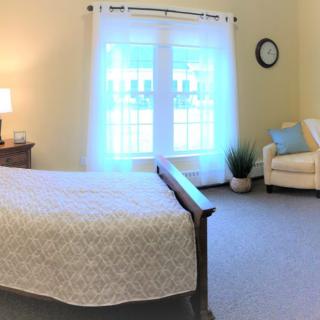
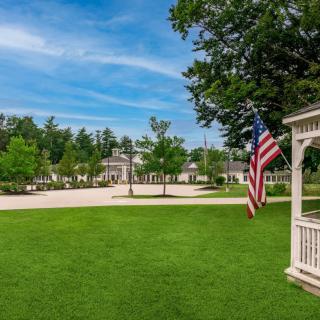
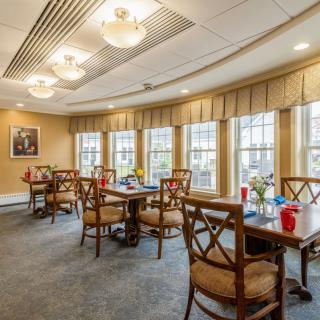
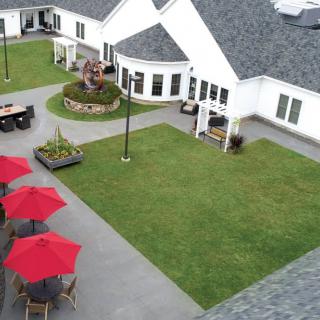
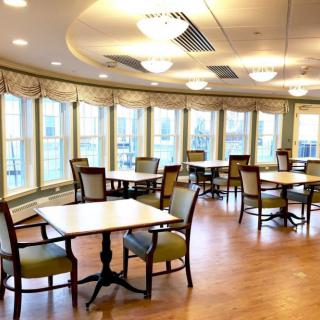
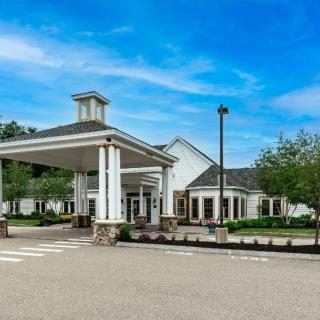
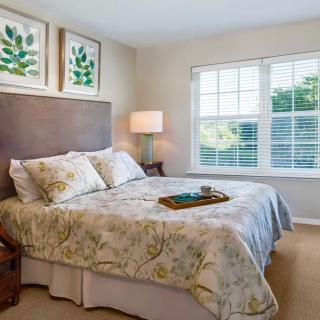
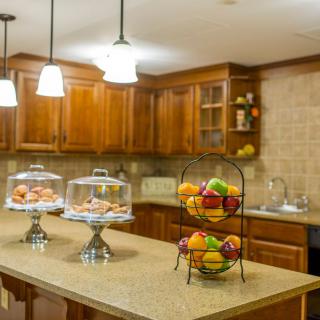
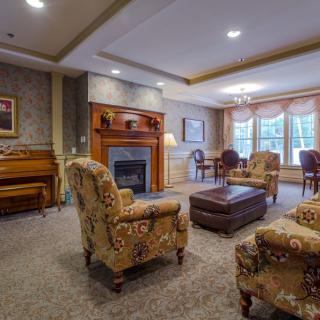
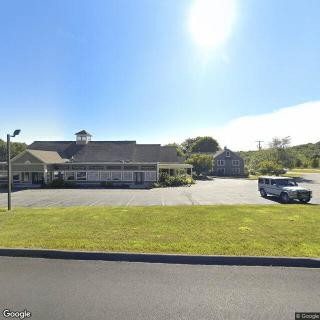
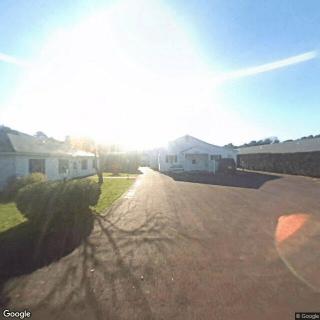
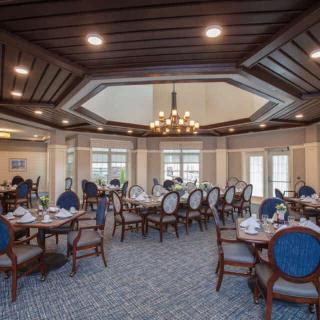
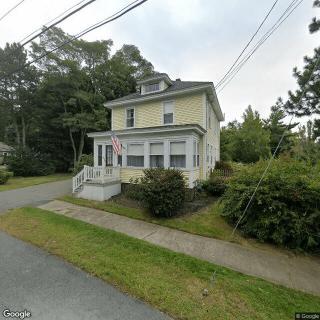
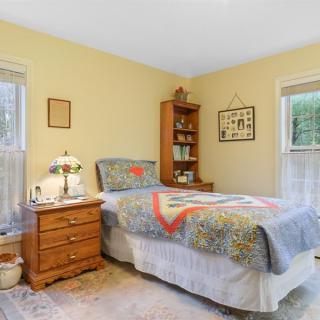
Benchmark at Rye on seniors.fyi includes 25 photos including images showing interior, windows, decor, bedroom, dining, building, bathroom, landscaping, and more.
Nearby Communities
Evolve At Rye
Rye, NH
4.6 from 40 reviews
Strong memory-care focus with extensive on-site amenities.
Dementia leads to cognitive impairment and can cause emotional and behavioral changes, including aggression that arises from frustration, confusion, or fear. Effective coping strategies for caregivers include understanding dementia's nature, recognizing triggers, using empathetic communication, and employing non-pharmacological interventions like music and art therapy.
Dementia causes cognitive decline and challenging behaviors that caregivers must manage, necessitating an understanding of the neurological basis of these issues. Effective strategies and self-care for caregivers can enhance support for those with dementia and improve their daily lives.
The content outlines five key early indicators of dementia, including significant memory loss and confusion about time and place, while emphasizing the need for professional evaluation and emotional support for both individuals showing symptoms and their caregivers. It encourages family members to monitor these signs closely and use online quizzes for initial awareness.
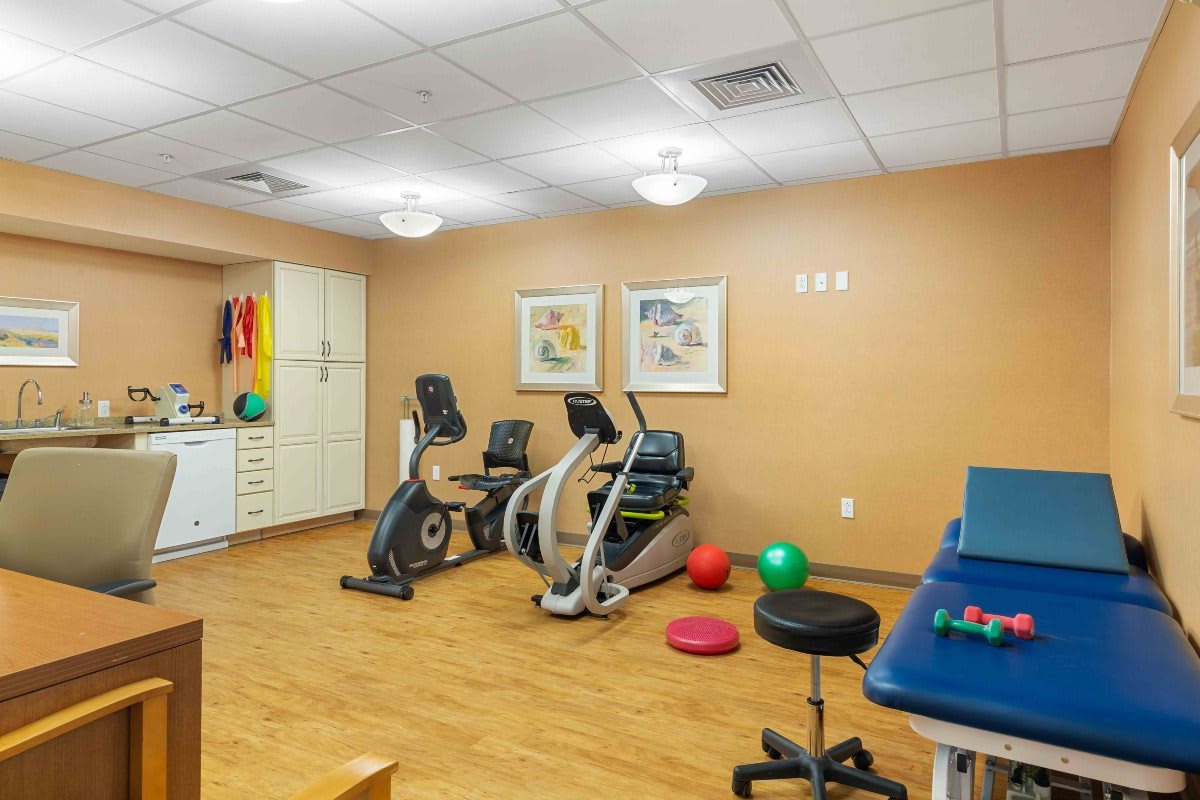
Exercise Equipment, Rehabilitation, and Exercise Room
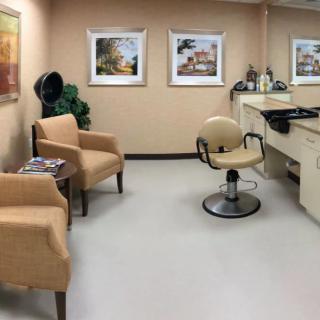
Salon, Waiting Area, and Mirrors
Natural Light, Indoor Plants, and Sunroom
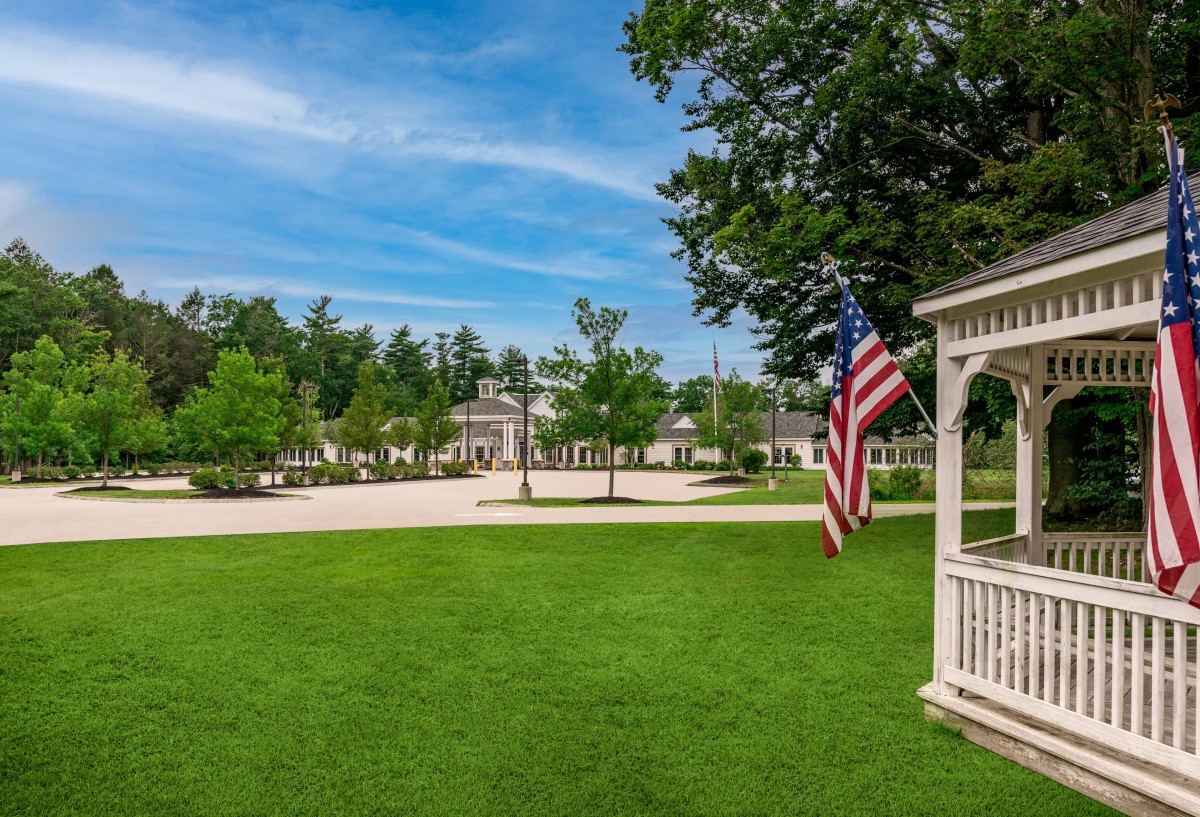
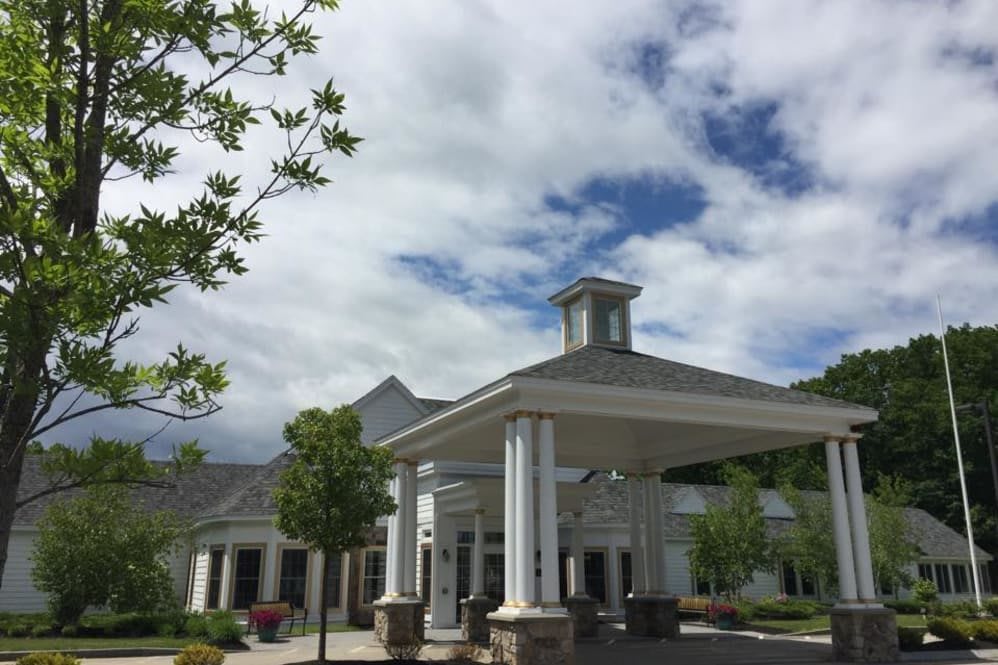
Flag and Gazebo
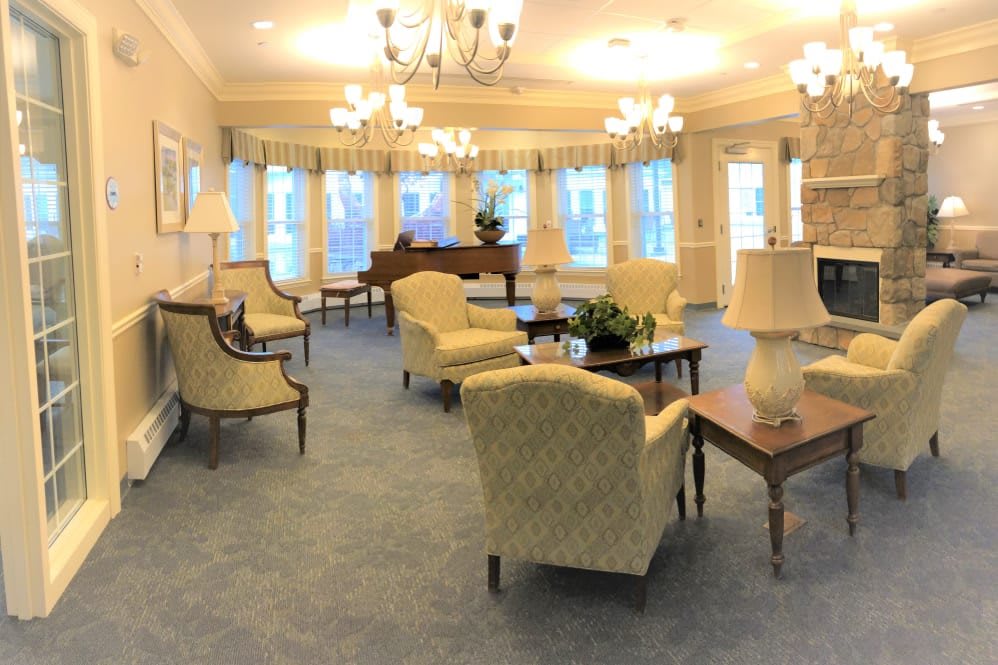
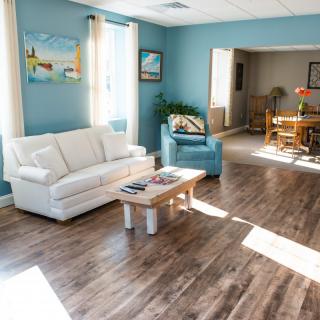
Piano and Lounge
Plant
Shower and Lighting Fixture
Clouds
Park
Table And Chairs
Place Settings
Get PricingAsk A QuestionSchedule A TourContact Senior Advisor
By clicking submit, you agree to our Partner's Terms of Use. You
also consent to receive calls and texts, which may be autodialed, from our Partner. Your consent is not a condition to
using our Partner's service. Please visit our Partner's Privacy Policy for information about their privacy practices.






 Studio apartments
 Memory Care
 Cats allowed
 Dogs allowed
 Activities off-site
 Air-conditioning
 Bath tubs
 Beautician on-site
 Cable or satellite TV
 Devotional services on-site
 Dining room
 Financing advice
 Garden
 Ground floor units
 Guest parking
 Handicap accessible
 Housekeeping services
 Indoor common areas
 Laundry
 Outdoor common areas
 Private bathrooms
 Respite or short term stays offered
 Wheelchair accessible showers
 Wi-Fi/high-speed internet available
 Transportation & parking
 Diabetic care
 High acuity care
 Hospice care
 Incontinence care
 Medication management
 Anytime dining
 Special dietary restrictions
 Art classes
 Book club
 Catholic services
 Cooking classes
 Day trips and outings
 Educational speakers / life long learning
 Games
Games Karaoke
 Live musical performances
 Live well programs
 Wii bowling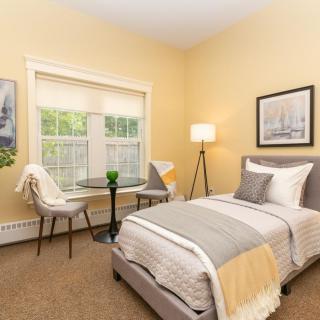
 Strong memory-care focus with extensive on-site amenities.

 When Dementia Sparks Anger and Aggression: Understanding the Connection and Ways to Cope
 Dementia Behaviors: In-Depth Understanding and Effective Coping Strategies
 5 Early Indicators of Dementia and What You Can Do