At Bridges by EPOCH at Nashua, the costs for care reflect both the quality of services provided and the local market dynamics. For a semi-private room, residents can expect to pay $9,975 per month, which is significantly higher than the averages in Hillsborough County at $5,712 and New Hampshire overall at $4,881. This trend continues with studio accommodations, priced at $11,630, compared to county and state averages of $6,057 and $5,346 respectively. These figures suggest that while Bridges by EPOCH offers a premium experience tailored to individual needs, prospective residents should consider how these rates align with their budget and the level of care they are seeking.
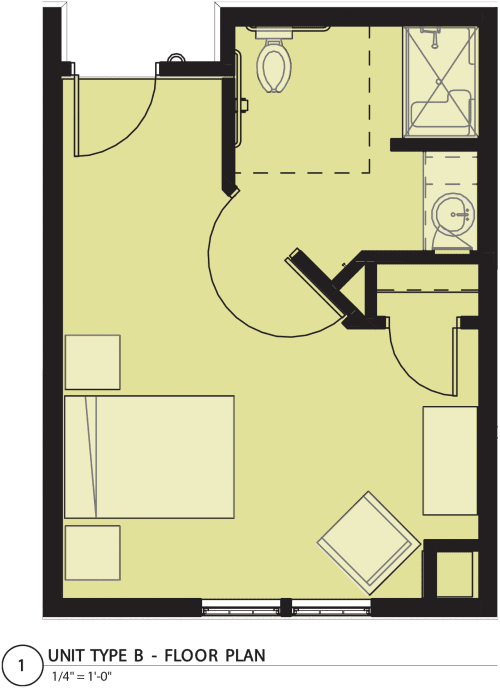
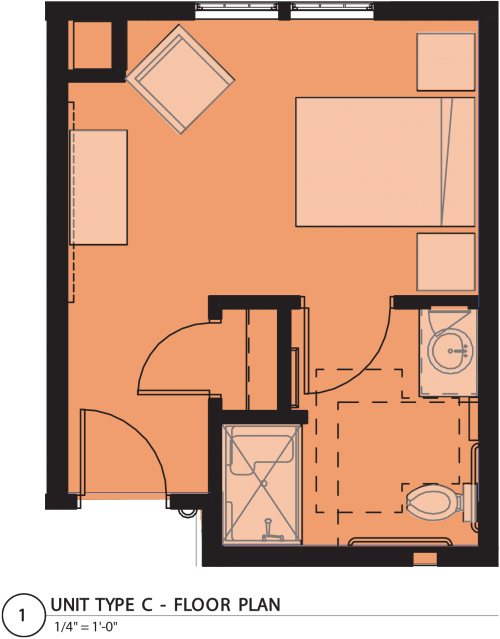
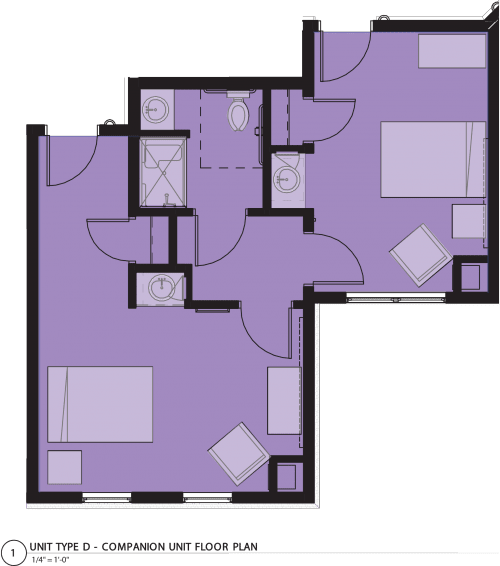
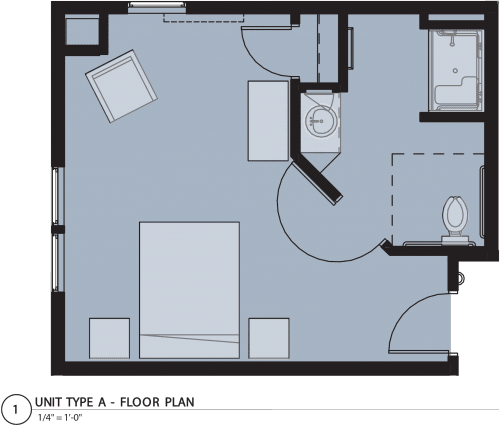
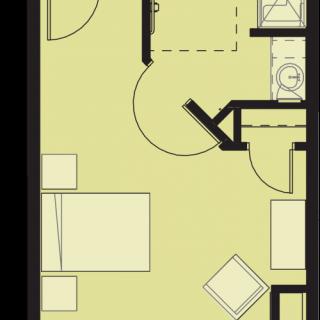
Floor plans
Bridges by EPOCH at Nashua
Hillsborough County
New Hampshire
Semi-Private
$9,975
$5,712
$4,881
Studio
$11,630
$6,057
$5,346
Memory care communities with a similar price nearby
The community is built and run around dementia and memory care needs.
Multiple residents and families describe Bridges as specifically designed for people living with dementia or Alzheimer’s, not a general senior setting. Reviewers mention the environment and routines helping residents feel more at ease, with activities and daily structure geared toward reduced reality. Several people also highlight dementia-specific familiarity, including how staff communicate with residents and manage day-to-day support.
differentiator15 reviews mention this
Dining and the on-site chef
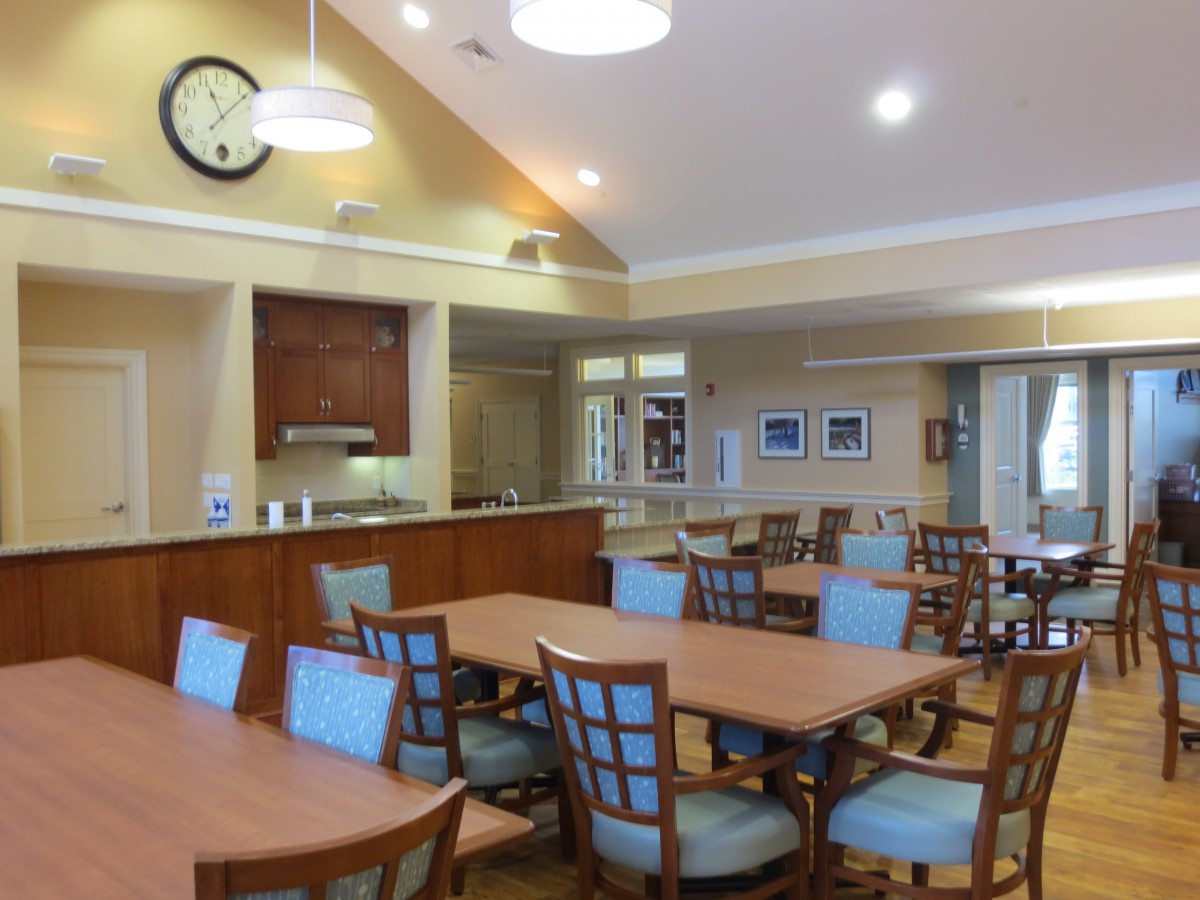
Meals stand out, with an on-site chef and restaurant-style dining.
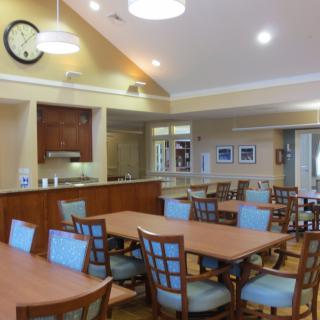
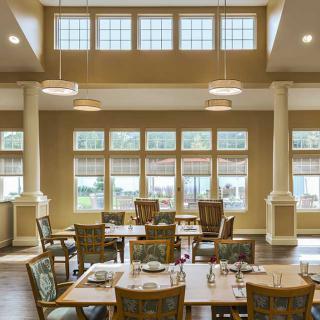
Food is a repeated bright spot, with reviews praising delicious meals and the chef as a key strength. Families also describe dining as a social, inviting space and note the menu variety (including choices at meals and snacks available). A smaller set of reviews raises problems with dining cleanliness, including reports of sticky dining surfaces and unclean dining rooms tied to serious health events.
common20 reviews mention this
Activities keep residents engaged
Residents are kept busy with frequent, varied activities.
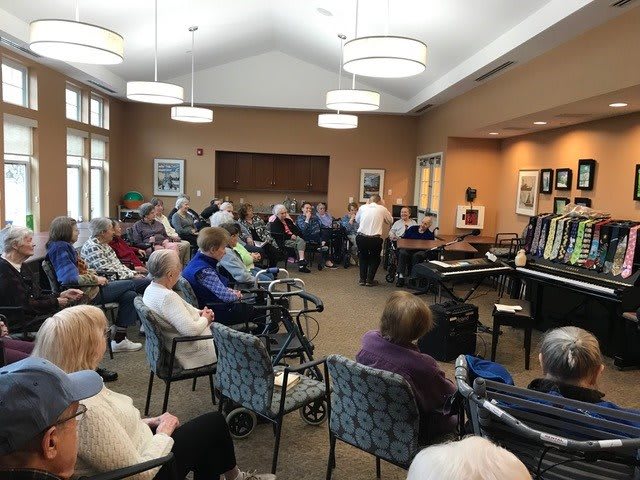
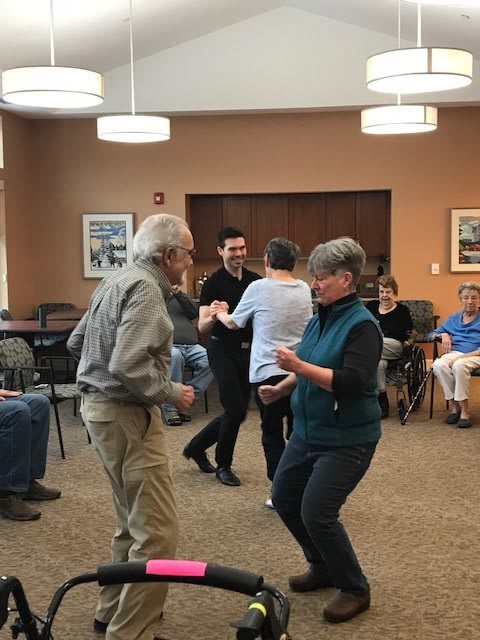
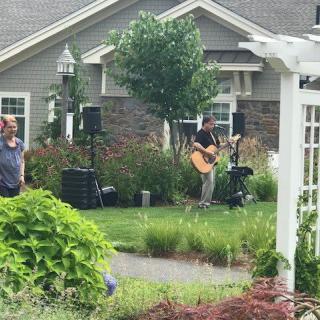
Reviews consistently describe an active schedule, including arts and crafts, music and live performances, cooking-style events, outings, and group entertainment. Several families say their loved ones stayed stimulated and involved all day, rather than sitting watching TV. Even visitors who focused on day-to-day experience mention the community does more than passively “fill time,” with calendars and ongoing programming referenced across stays.
differentiator3 reviews mention this
Support groups for caregivers
Caregiver support and educational meetings are a meaningful part of life here.
Residents’ family members describe a monthly outreach program for people caring for loved ones with cognitive issues. Others mention educational and support group meetings where staff-led information helps caregivers cope with daily responsibilities. Reviewers also highlight that these sessions feel practical and supportive rather than performative.
common37 reviews mention this
Caring, responsive staff
Residents and families describe staff as consistently caring and responsive.
Across many reviews, families praise staff warmth, attentiveness, and follow-through on concerns. Several mention staff who communicate regularly, help during transitions, and stay available to answer questions. Visitors also describe a welcoming atmosphere and describe residents appearing clean, well fed, and engaged, reinforcing how staff interactions shape day-to-day experiences.
caveat5 reviews mention this
Short-staffing and monitoring concerns
Some residents report staffing and monitoring gaps that affected safety and care.
Not all reviews are positive: a set of residents and families describe periods when staff felt too busy to monitor residents adequately. Concerns also include delayed communication and issues around care tasks, alongside reports of safety-related gaps like lack of alarms for unsteady residents. Reviews raising these issues contrast with the many accounts of caring staff, but they remain prominent cautions for families evaluating fit.
caveat7 reviews mention this
High cost versus expectations
Pricing is a frequent concern, including reports that it’s among the most expensive.
Multiple reviews call out cost as a major factor, with some describing Bridges as the most expensive option they saw. Others acknowledge the community delivers a lot for the price, but still note affordability limits over the long term. At the same time, there are reviews that argue the cost is not matched by care standards, including concerns about staffing levels and service consistency.
How we summarize
Counts show how many written reviews mention each theme; a review can touch several themes, and only frequently mentioned themes are displayed.
Features
Housing
Studio apartments
Types of Care
Memory Care
Pets
Cats allowed
Dogs allowed
Amenities
Activities off-site
Activities on-site
Beautician on-site
Devotional services off-site
Devotional services on-site
Ground floor units
Handicap accessible
Indoor common areas
Outdoor common areas
Respite or short term stays offered
Wi-Fi/high-speed internet available
Transportation
Manchester (11 miles away)
Care Services
Diabetic care
High acuity care
Incontinence care
Medication management
Dining
Guest meals
Low / no sodium
Meals provided
No Sugar
Professional chef
Restaurant style dining
Special dining programs
Activities
Art classes
Cooking classes
Day trips and outings
Devotional activities offsite
Devotional activities on-site
Educational speakers / life long learning
Live dance or theater performances
Live musical performances
Live well programs
Stretching classes
Nearby Places of Interest
This area of Nashua, New Hampshire offers a convenient and accessible location for senior living, with a variety of amenities nearby. There are several pharmacies in close proximity, including Walgreens and CVS Pharmacy, making it easy to access necessary medications. In terms of dining options, there are a range of restaurants such as Frontera Tacos & Tequila, Arby's, and Applebee's within a short distance. For healthcare needs, there are reputable hospitals like Northeast Rehabilitation Hospital and physicians like Jennifer Albert, MD located nearby. Additionally, there are cafes for socializing and parks for outdoor activities such as Greeley Park and Benson's Park. Overall, this area provides a mix of convenience and leisure opportunities for seniors looking to settle in Nashua.
Pharmacies
Walgreens (0 miles)
CVS Pharmacy (0.2 miles)
CVS Pharmacy (0.5 miles)
Rite Aid (3 miles)
CVS Pharmacy (4.7 miles)
Walgreens (4.7 miles)
CVS Pharmacy (4.9 miles)
Restaurants
Frontera Tacos & Tequila (0.2 miles)
Arby's (0.4 miles)
White Birch Brewing (1 miles)
Joey's Diner (1.5 miles)
Applebee's (1.5 miles)
Chen Yang Li (1.5 miles)
Chick-Fil-A (1.6 miles)
Hospitals
Northeast Rehabilitation Hospital (0.7 miles)
St Joseph Adult Day Health Center (0.9 miles)
Physicians
Joslin Diabetes Center (0.7 miles)
Jennifer Albert, MD (1.7 miles)
Parisa Jordan, MD, MS, MBA (2 miles)
Dartmouth-Hitchcock Nashua | Cardiovascular Medicine (2 miles)
At Bridges by EPOCH at Nashua, the costs for care reflect both the quality of services provided and the local market dynamics. For a semi-private room, residents can expect to pay $9,975 per month, which is significantly higher than the averages in Hillsborough County at $5,712 and New Hampshire overall at $4,881. This trend continues with studio accommodations, priced at $11,630, compared to county and state averages of $6,057 and $5,346 respectively. These figures suggest that while Bridges by EPOCH offers a premium experience tailored to individual needs, prospective residents should consider how these rates align with their budget and the level of care they are seeking.
Bridges by EPOCH at Nashua offers comprehensive medication management to ensure that residents receive the right medications at the correct times, which is crucial for maintaining their overall health and well-being. This structured approach reduces the risk of medication errors and helps manage symptoms associated with dementia and Alzheimer's disease, allowing residents to experience fewer disruptions in their daily routines. Additionally, incontinence care provides a dignified and compassionate solution for residents who may struggle with this issue due to their cognitive decline. By addressing incontinence sensitively, staff can help maintain personal hygiene and comfort, which not only enhances physical health but also supports emotional dignity, promoting a nurturing environment where residents feel secure and valued. Together, these features create an atmosphere conducive to better quality of life for individuals facing memory challenges.
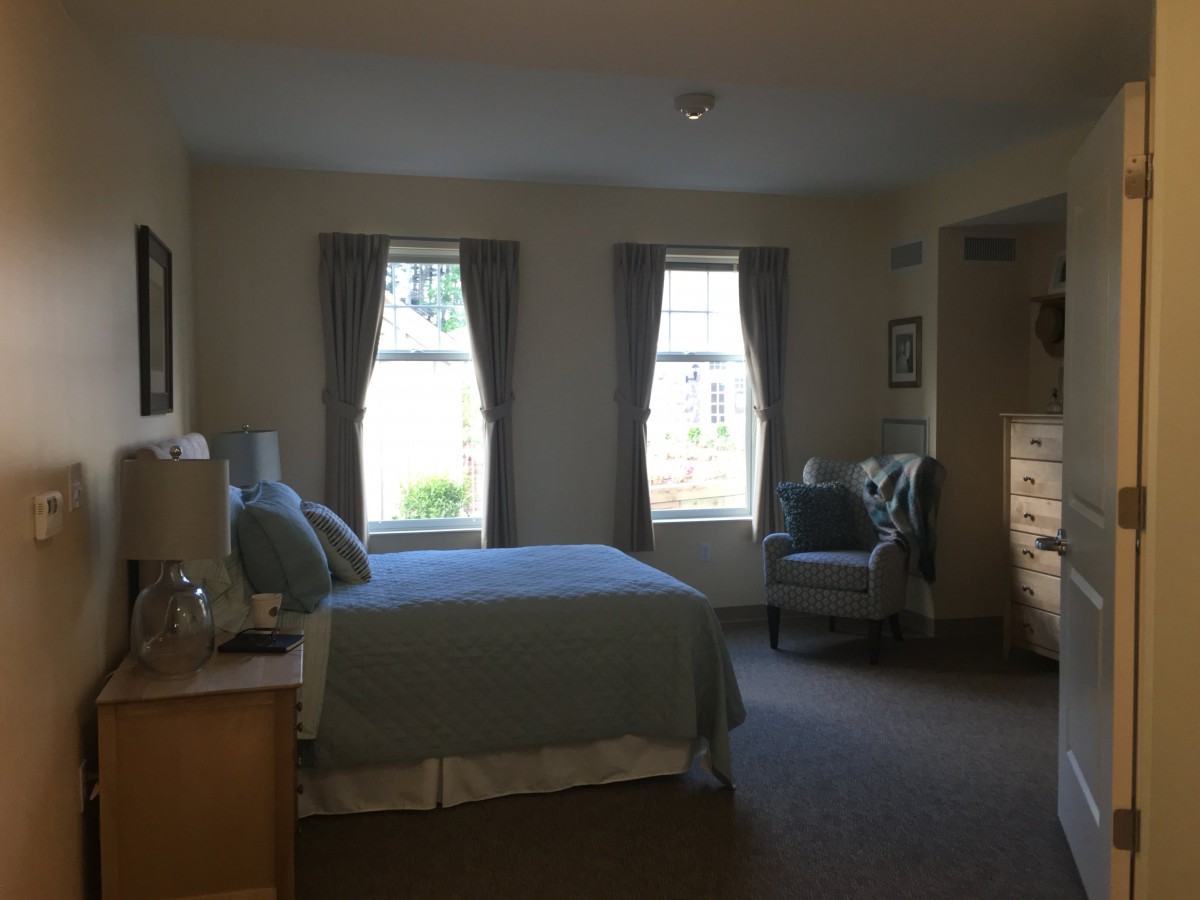
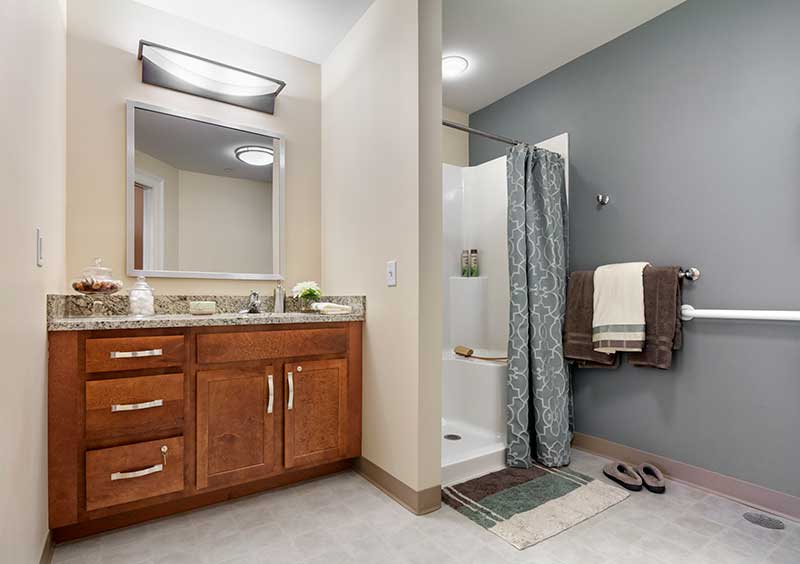
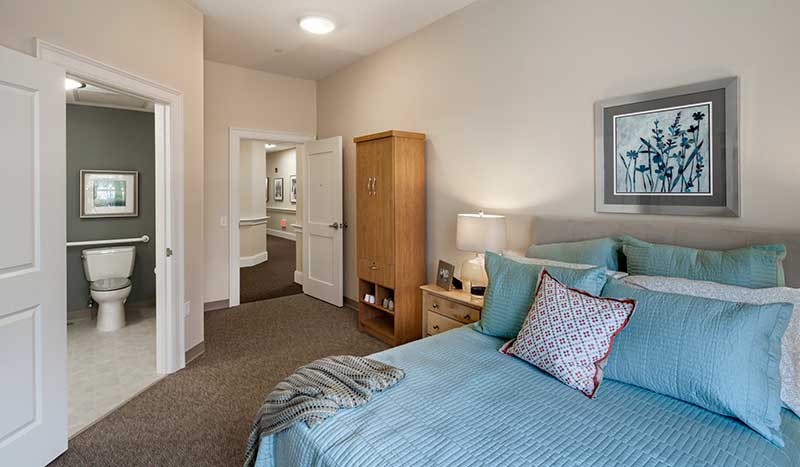
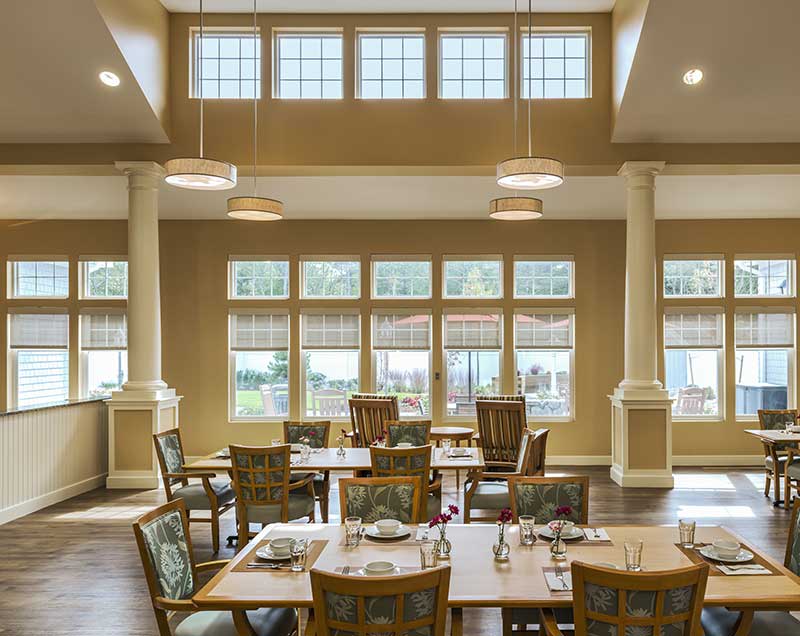
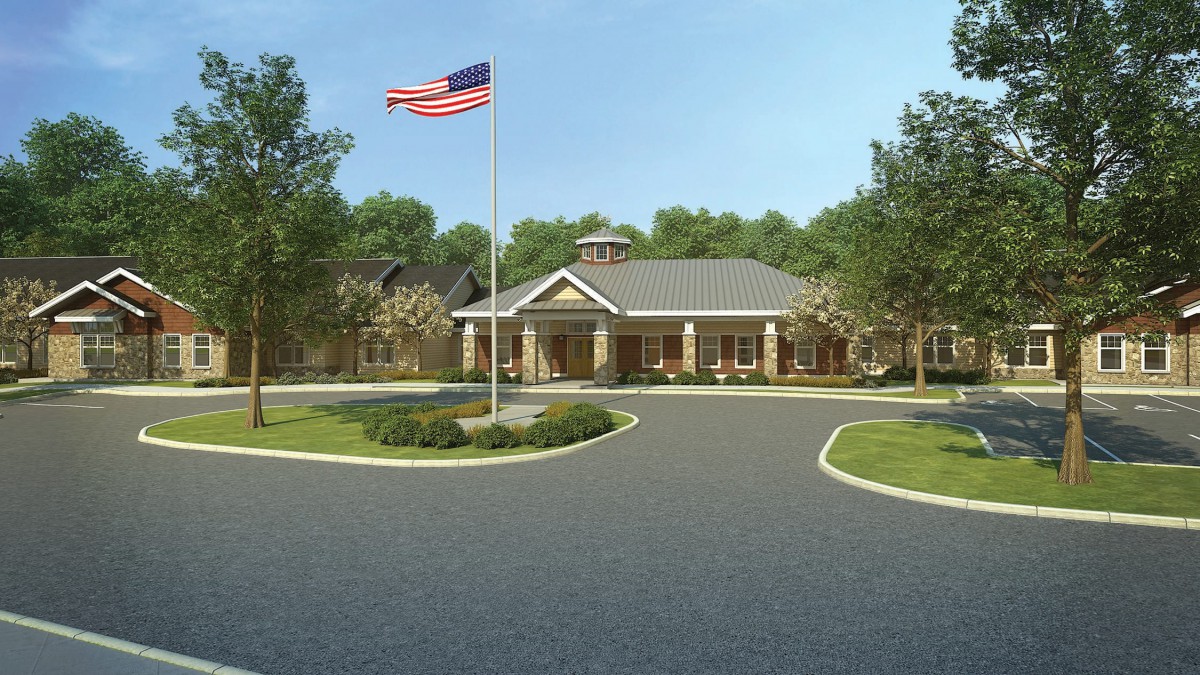
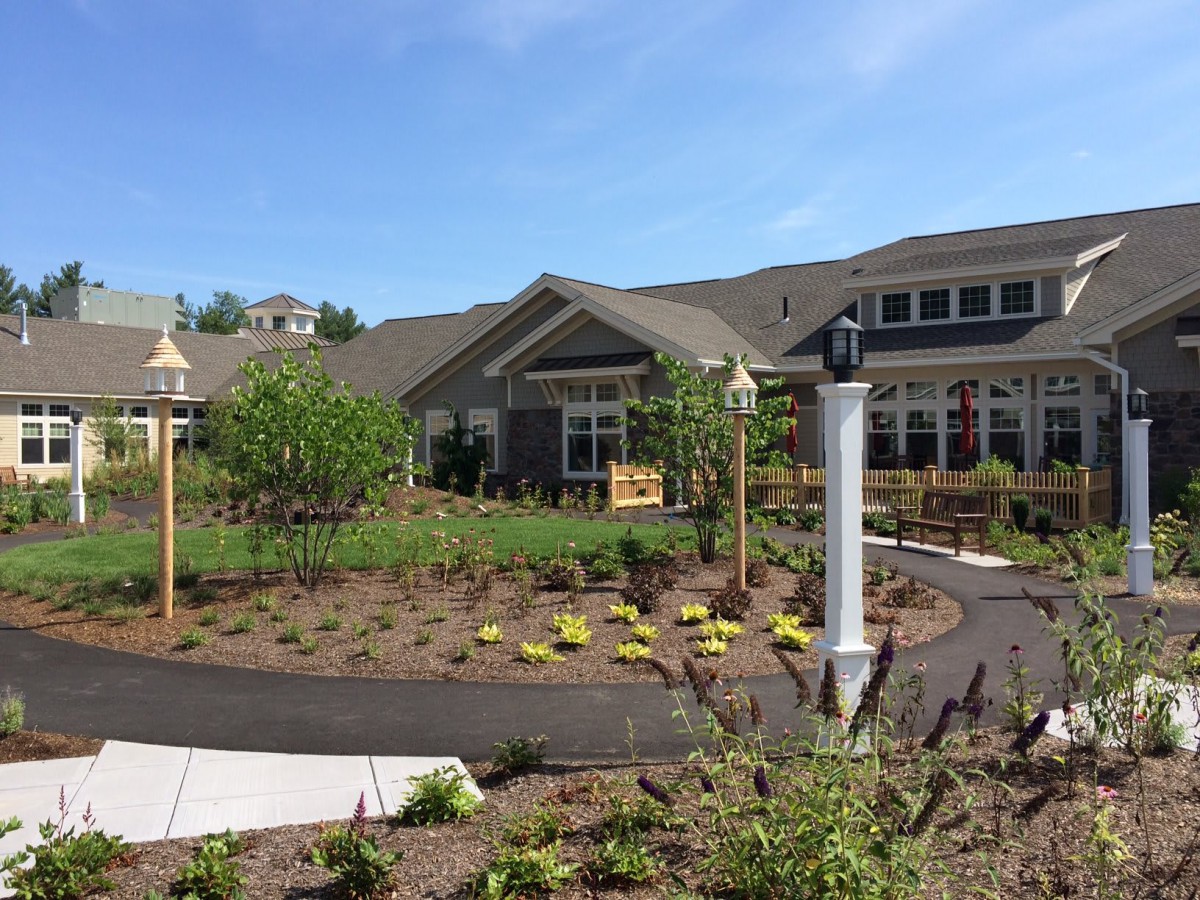
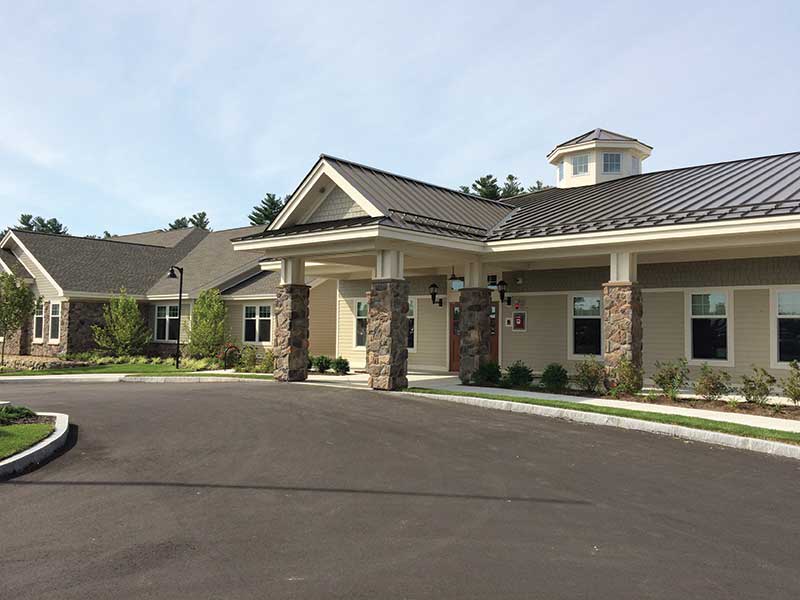
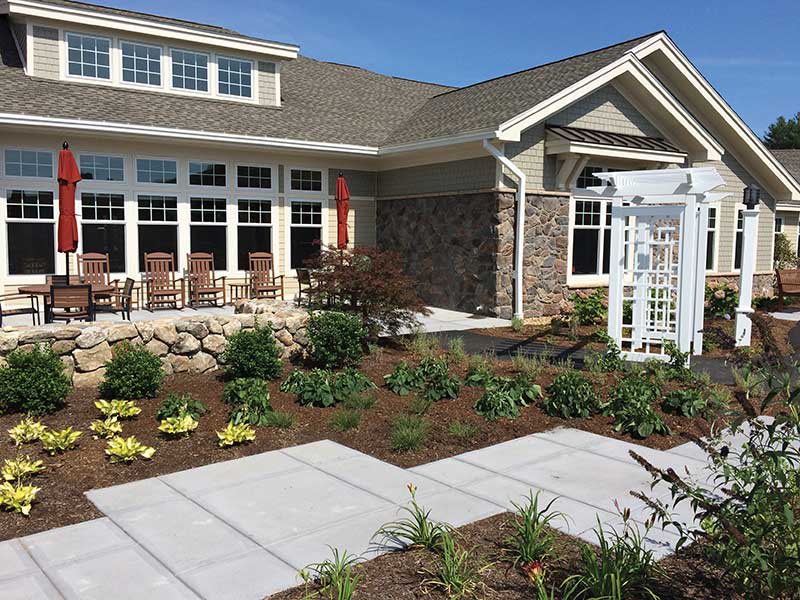
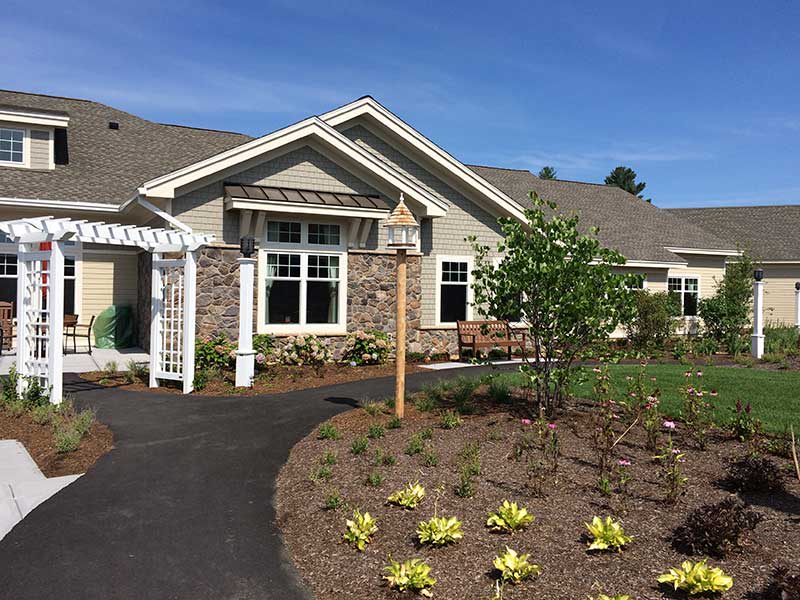
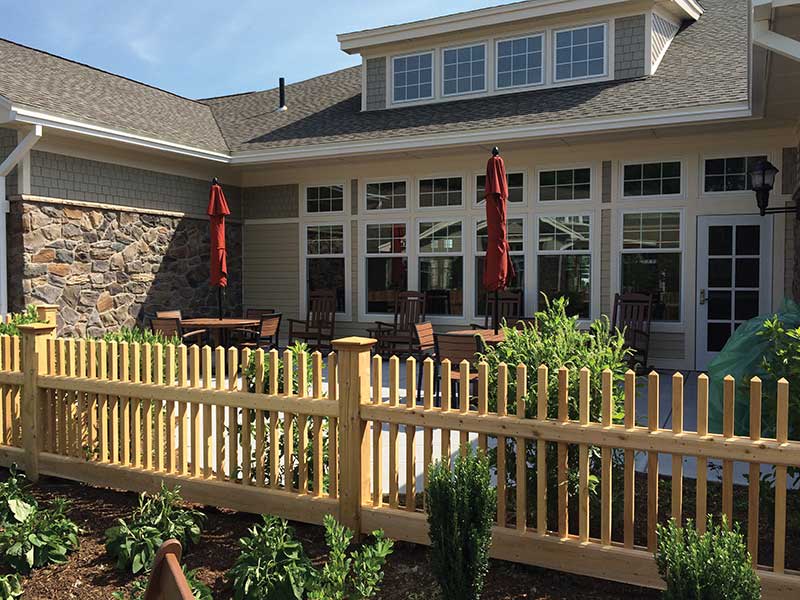
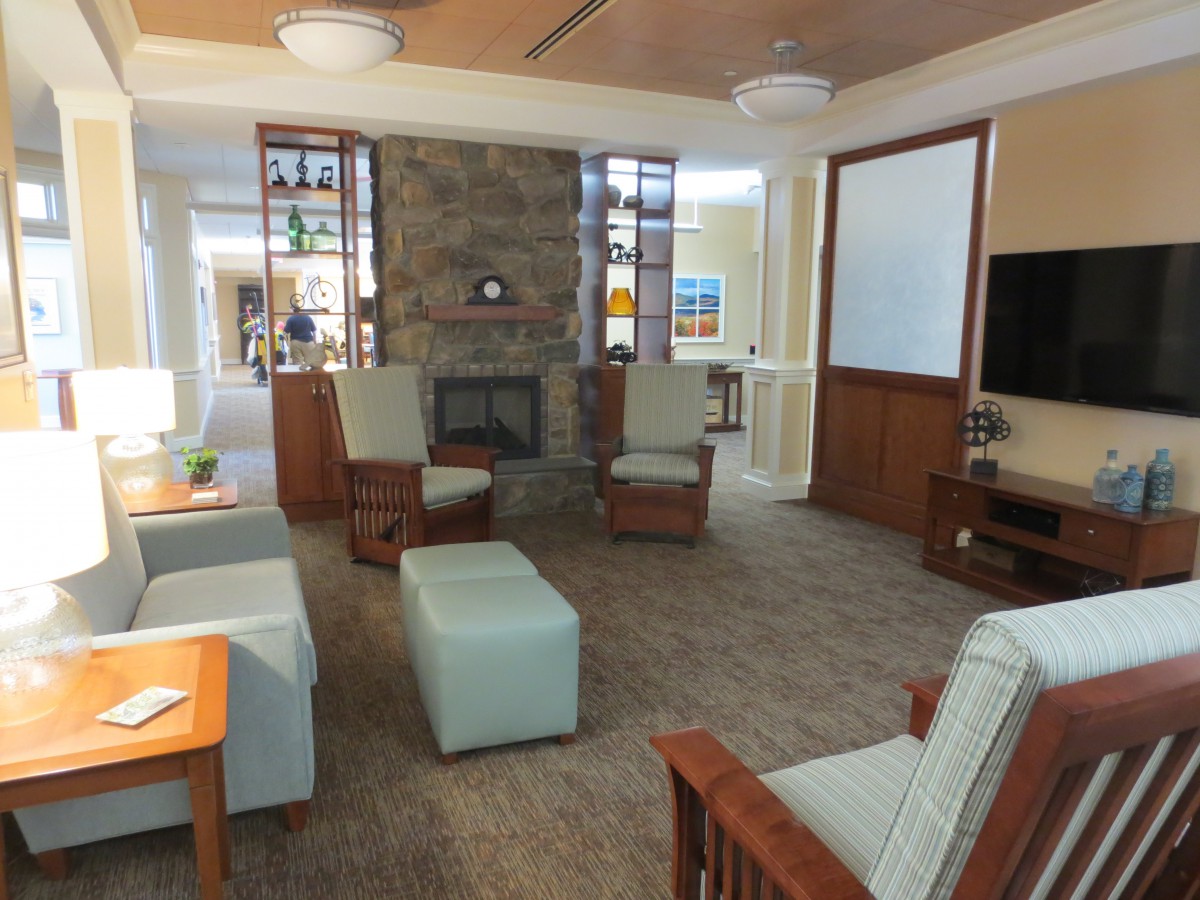
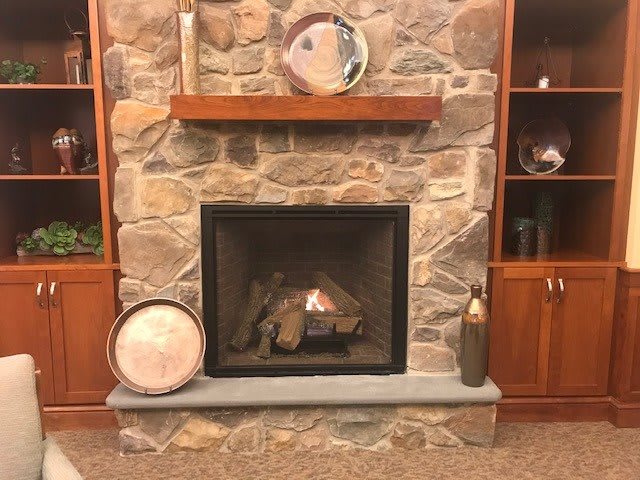
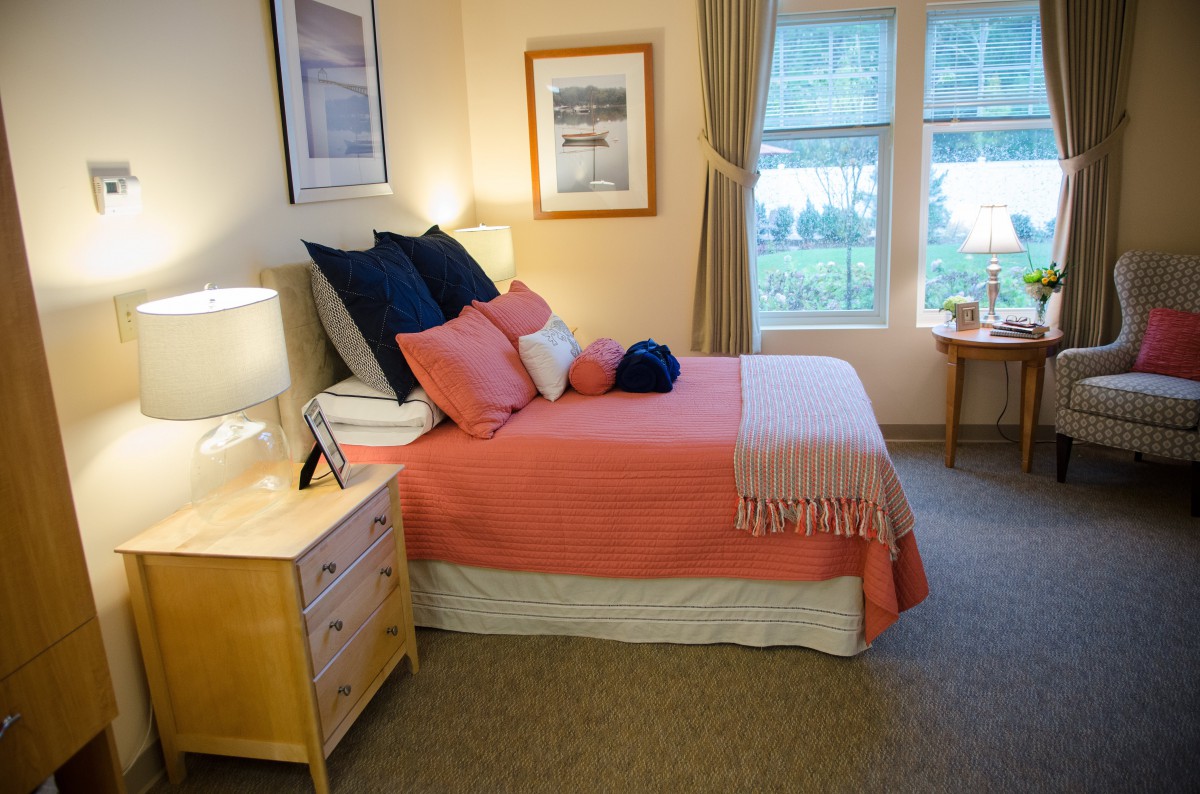
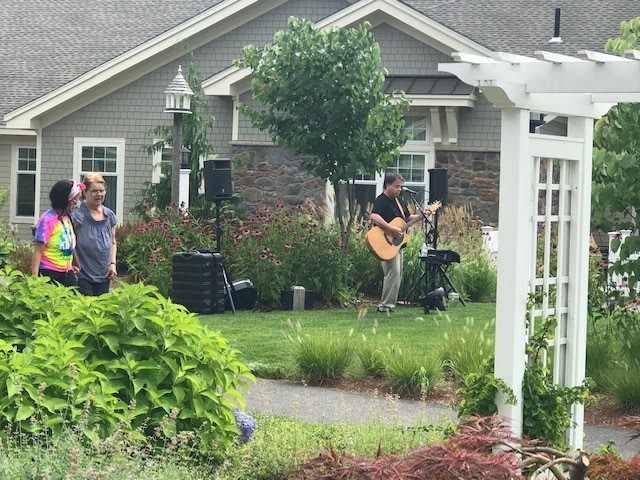
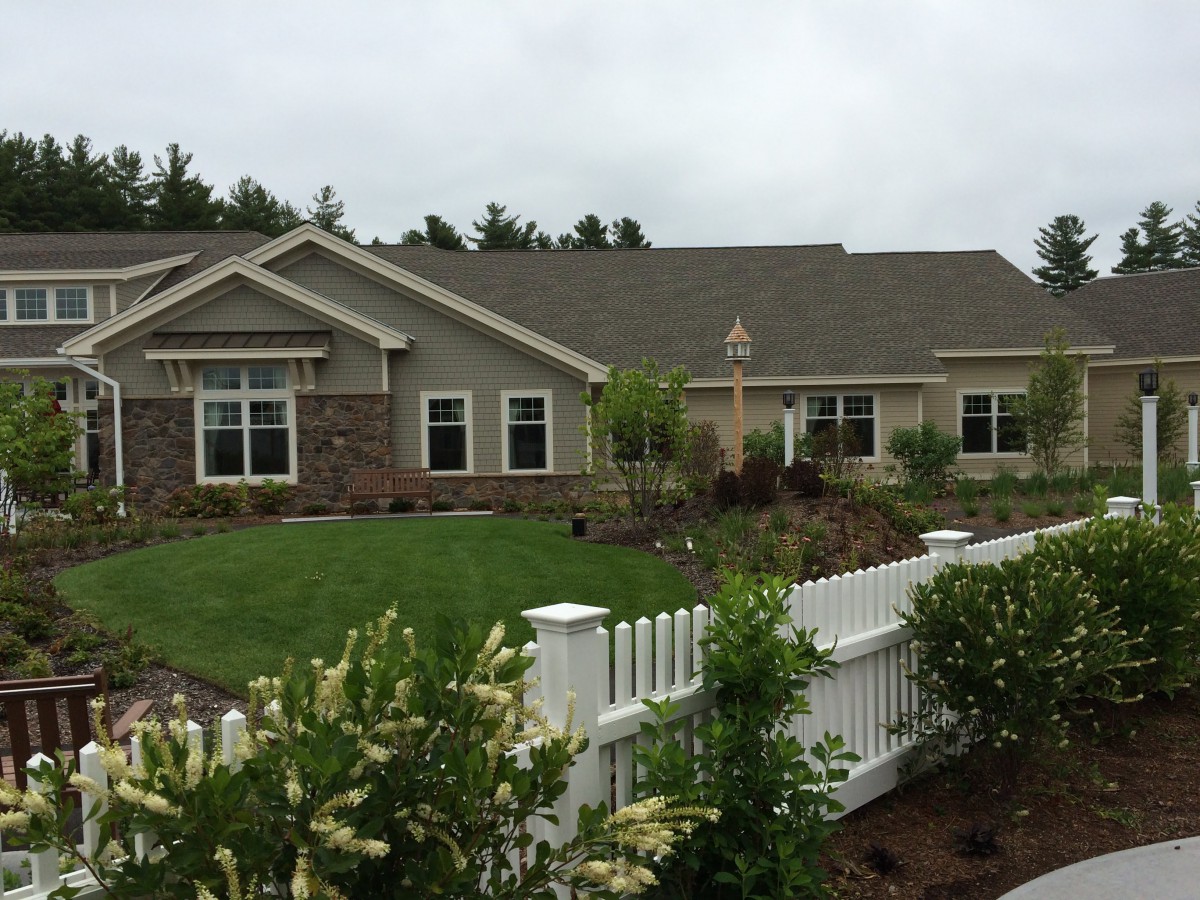
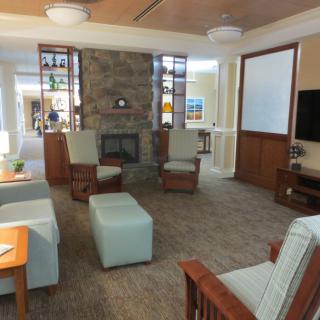
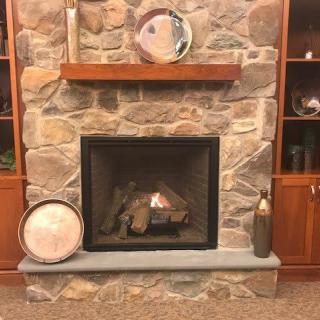
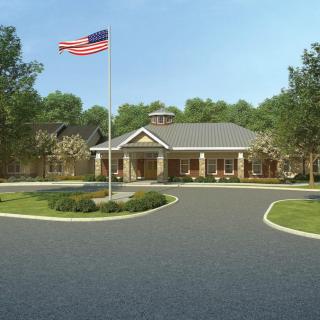
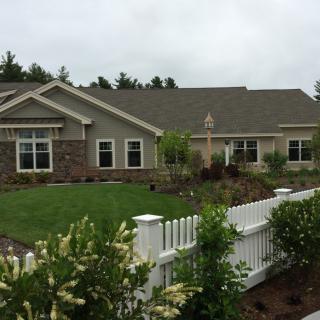
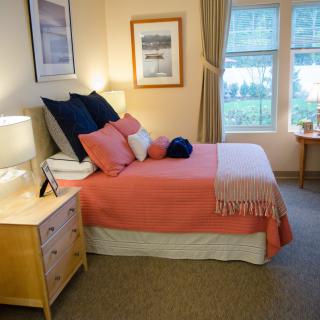
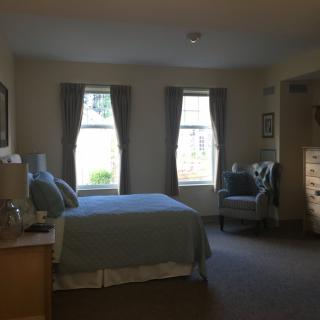
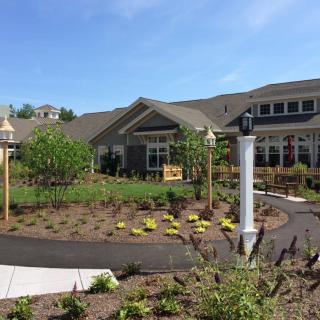
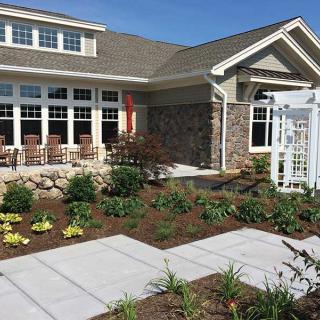
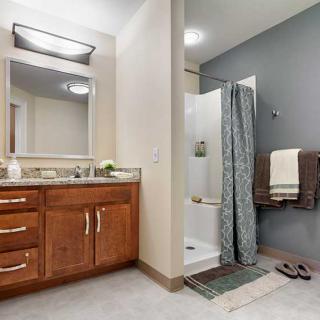
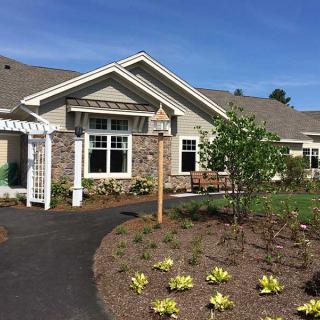
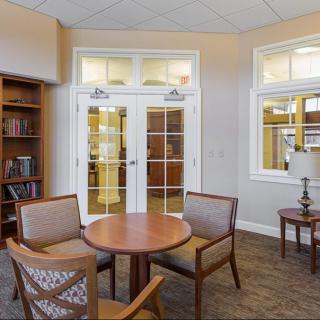
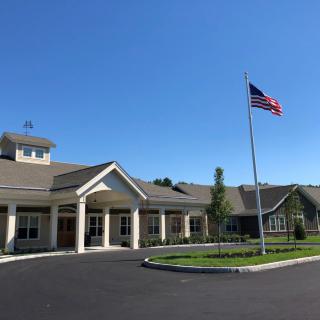
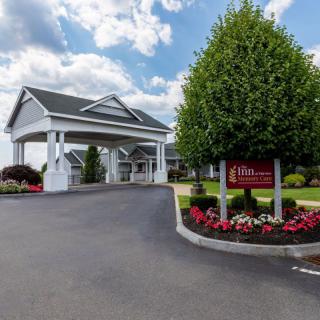
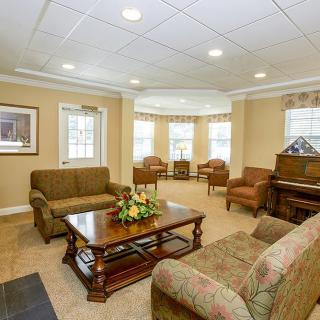
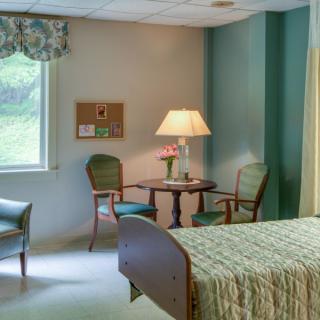
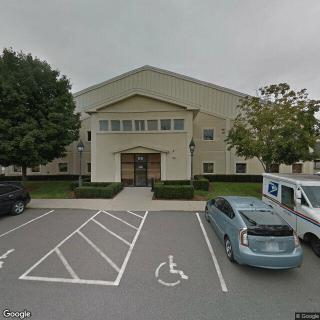
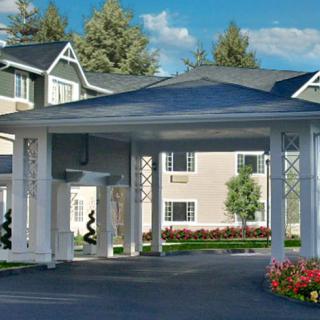
Bridges by EPOCH at Nashua on seniors.fyi includes 23 photos including images showing interior, architecture, landscaping, garden, bedroom, floor plan, dining, windows, and more.
Nearby Communities
Bridges® By Epoch At Nashua
Nashua, NH
4.7 from 21 reviews
Dementia-focused design with continuous activities and attentive staff.
Global Adult Day Care Health Center
Nashua, NH
4.8 from 16 reviews
Comprehensive amenities and personalized care.
Adult Day Care Of Nashua
Nashua, NH
Comprehensive on-site care and amenities (24/7 supervision, medication management, restaurant-style dining, mental wellness, housekeeping, outdoor space).
Bell Tower Home Health Care
Nashua, NH
4.5 from 8 reviews
Comprehensive care including diabetes management and a mental wellness program with 24-hour supervision.
Peaslee Road
Merrimack, NH
Personalized care in a small community.
TheKey of Nashua, NH
Nashua, NH
4.8 from 120 reviews
Excellent access to nearby health services, dining, parks, and theaters.
Aynsley Place
Nashua, NH
4.8 from 38 reviews
$3,186 to $9,300 / month
Warm, home-like environment with caring staff, strong dining, and engaging activities.
Ledgewood Bay At Milford
Milford, NH
4.4 from 73 reviews
Attentive staff, clean environment, engaging activities, and quality dining with spacious, well-appointed apartments.
Long Pond Woods
Pelham, NH
3.6 from 9 reviews
Small, intimate community (capacity 6) with personalized care, on-site meals, and Wi-Fi.
Memory care activities are essential for improving the quality of life of seniors with cognitive impairments, as they stimulate cognitive function, promote well-being, and encourage social interaction through tailored strategies. These activities combine structured exercises with spontaneous tasks, sensory engagement, physical workouts, creative pursuits, and intergenerational interactions to enhance emotional connection and a sense of purpose.
Transitioning from assisted living to memory care is driven by an individual's cognitive decline and specific needs, requiring careful evaluation of indicators like increased confusion and wandering. The process involves consulting medical professionals, researching suitable communities, considering financial and legal aspects, and ensuring effective communication for personalized care plans.
The article differentiates between assisted living and memory care, explaining that assisted living supports seniors with daily activities while promoting independence, whereas memory care provides specialized services for individuals with dementia, focusing on secure environments and cognitive support. It also addresses staff training, safety considerations, costs, family involvement, and transition strategies for families navigating these care options.
Get PricingAsk A QuestionSchedule A TourContact Senior Advisor
By clicking submit, you agree to our Partner's Terms of Use. You
also consent to receive calls and texts, which may be autodialed, from our Partner. Your consent is not a condition to
using our Partner's service. Please visit our Partner's Privacy Policy for information about their privacy practices.

 Studio apartments
 Memory Care
 Cats allowed
 Dogs allowed
 Activities off-site
 Beautician on-site
 Devotional services off-site
 Ground floor units
 Handicap accessible
 Indoor common areas
 Outdoor common areas
 Respite or short term stays offered
 Wi-Fi/high-speed internet available
 Manchester (11 miles away)
 Diabetic care
 High acuity care
 Incontinence care
 Medication management
 Guest meals
 Art classes
 Cooking classes
 Day trips and outings
 Educational speakers / life long learning
 Live dance or theater performances
 Live musical performances
 Live well programs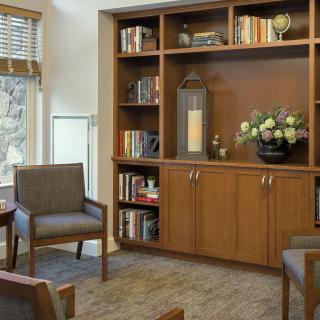
 Dementia-focused design with continuous activities and attentive staff.


 Engaging Memory Care Activities That Enhance Quality of Life
 When to Transition from Assisted Living to Memory Care: Key Indicators, Steps, and Finding the Right Community
 Understanding the Distinctions: Assisted Living and Memory Care Explained