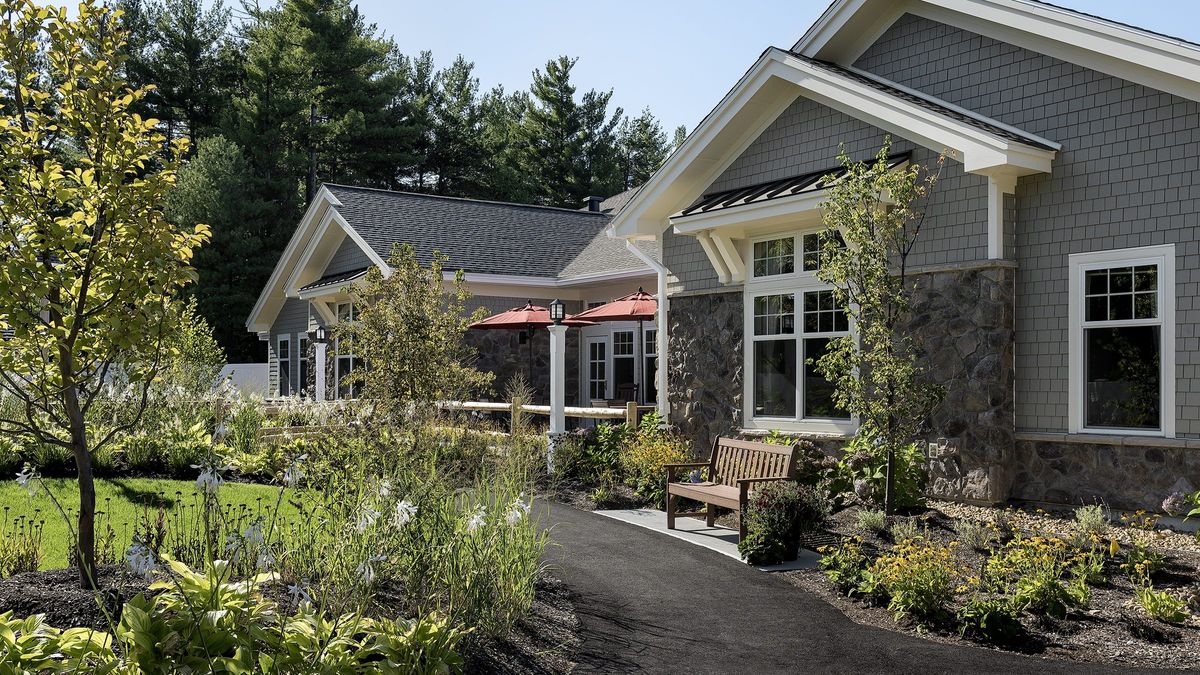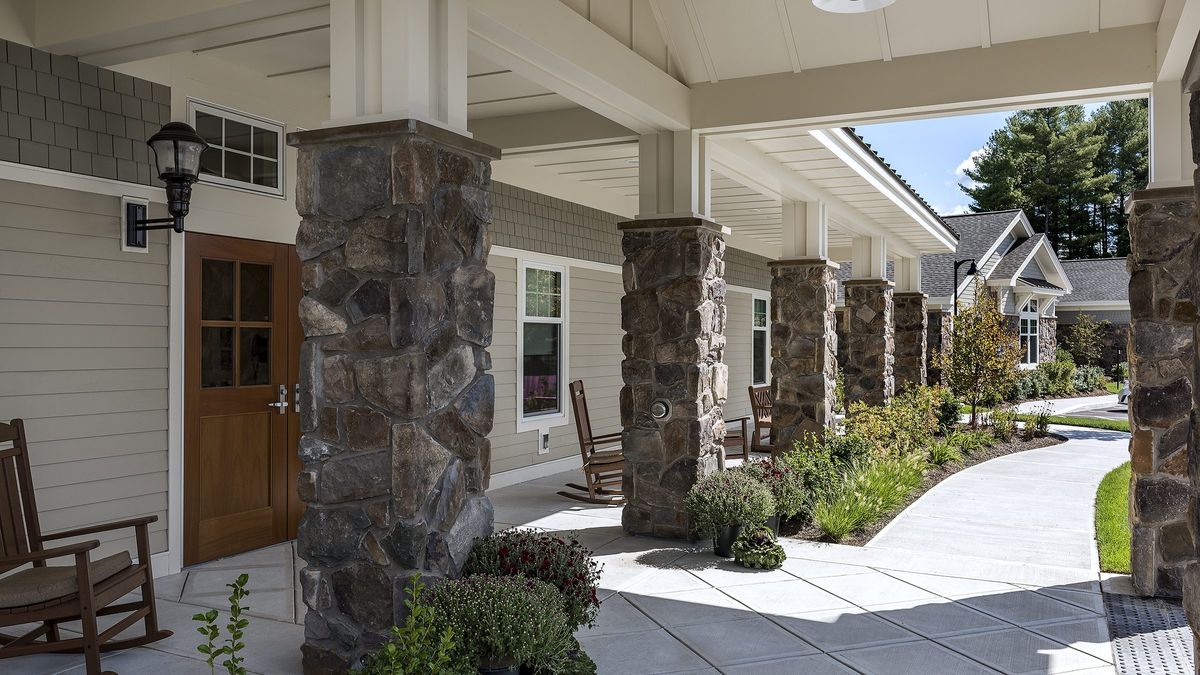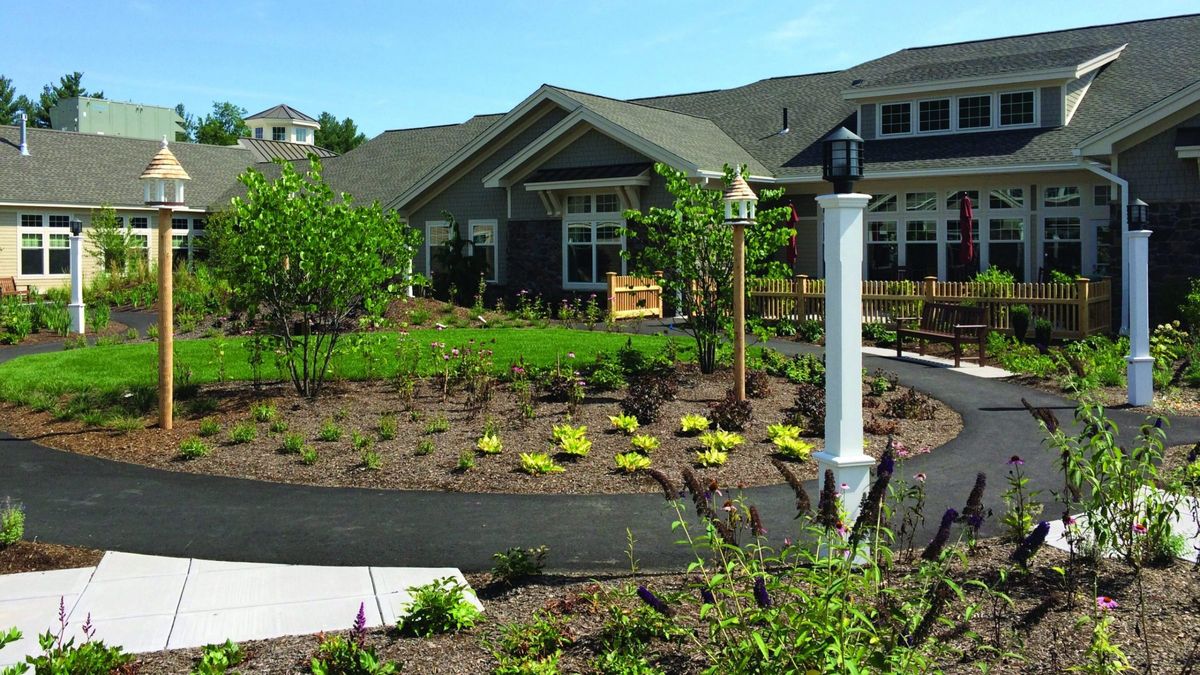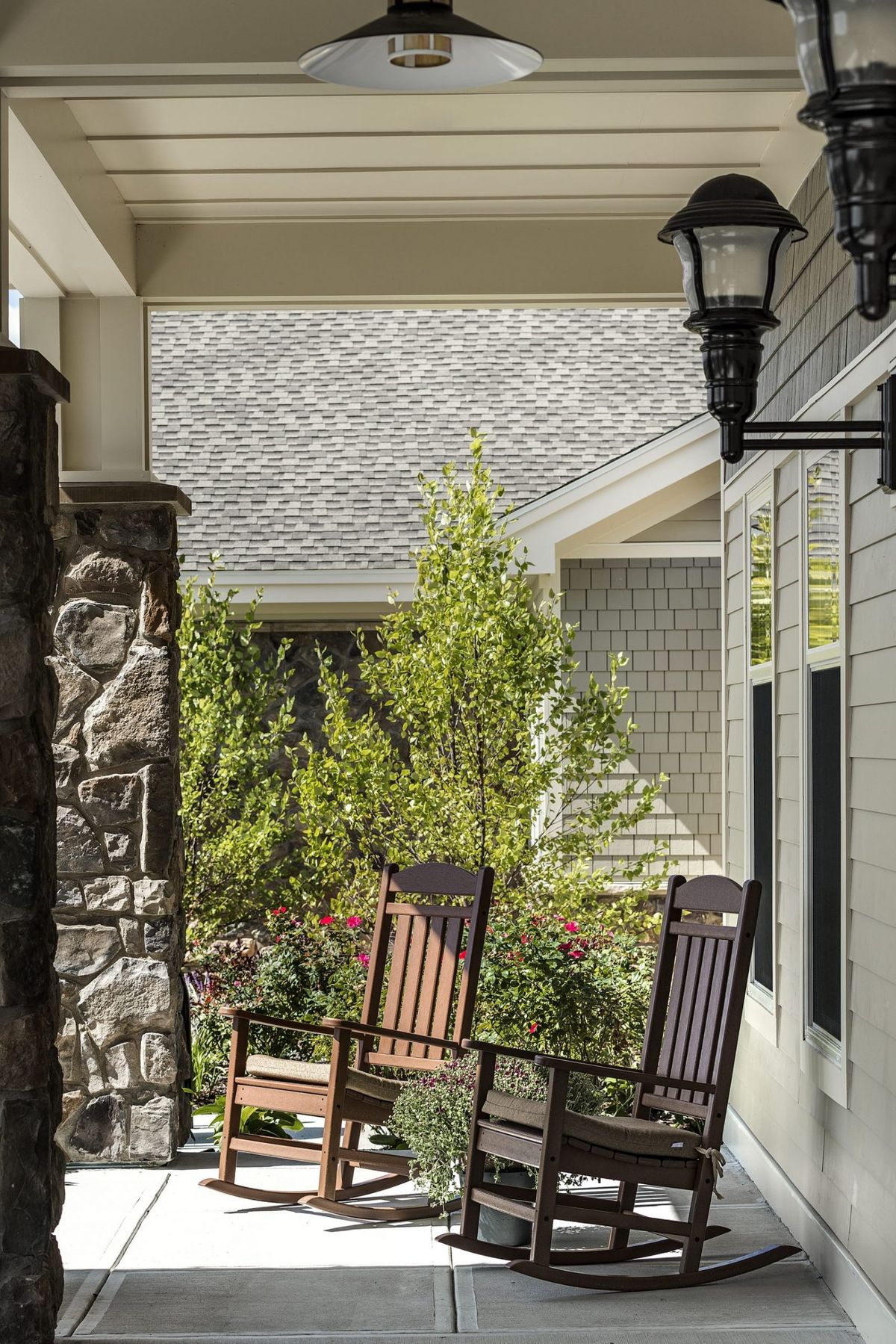
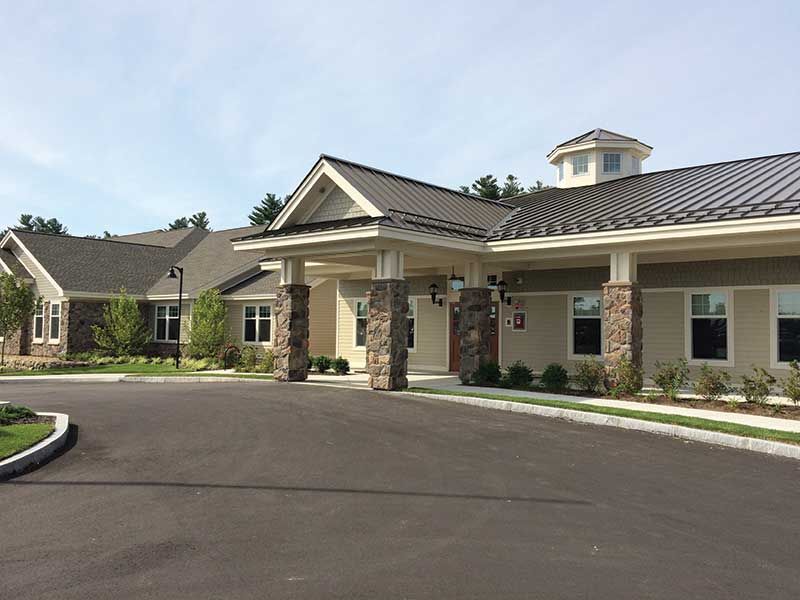
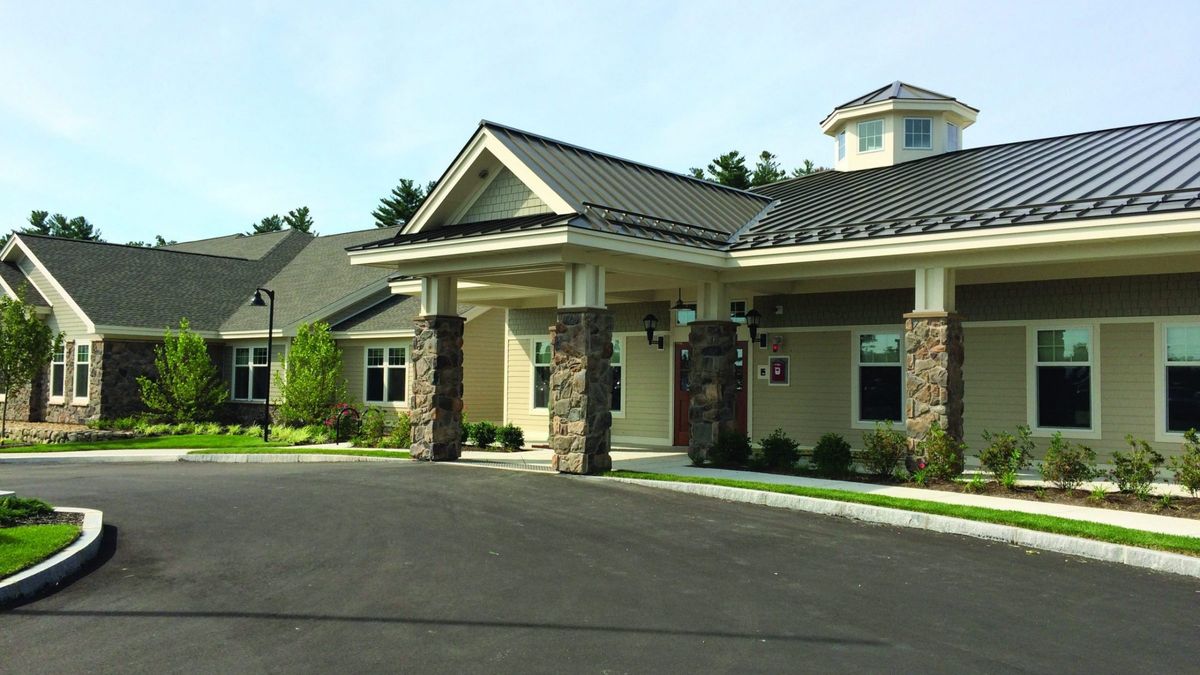
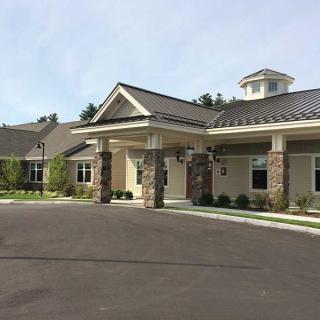
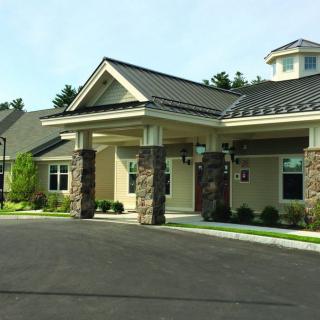
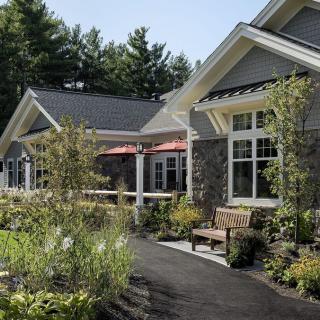

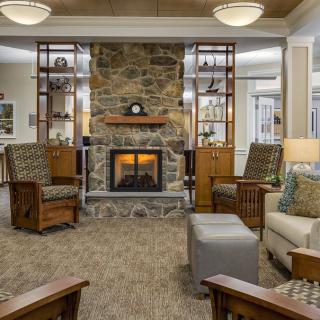
575 Amherst Street, Nashua, NH 03063
For more information about senior living options: (866) 208-4318
Overall Review of Bridges® By Epoch At Nashua
Pros
 Bridges provides a welcoming atmosphere with knowledgeable, caring, and compassionate staff who are always available to answer questions.
- The activities are fun and engaging for residents.
- Bridges truly feels like home for residents, especially for those needing a world of their own.
- Bridges by Epoch at Nashua is a wonderful place where compassionate nurses and caregivers treat residents as family.
- Staff get to know each resident personally, learning their preferences and what makes them happy.
- The wellness department plans activities that keep residents engaged and happy.
- From arrival to daily routines, residents are cared for as well as if by family.
- Bridges is the best option when living at home is no longer possible.
Cons
 The head of nursing Pat made the place a terrible environment for residents and staff.
 - The reviewer stated they had witnessed things firsthand that left them utterly sad.
- Bridges by Epoch at Nashua was described as expensive and not affordable for long-term care.
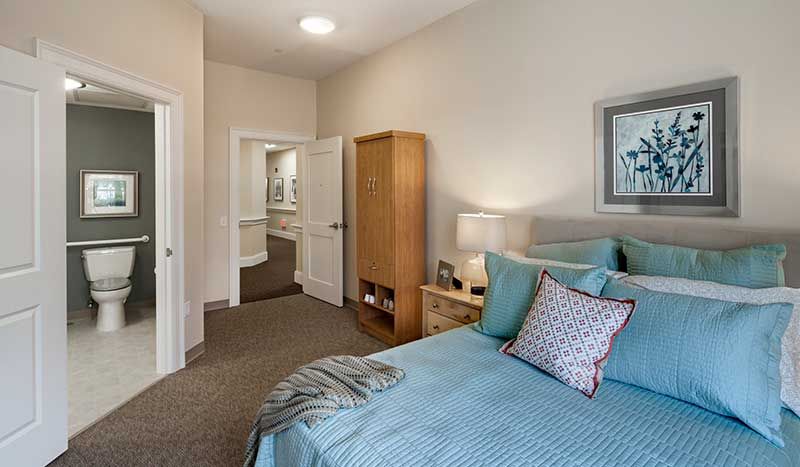
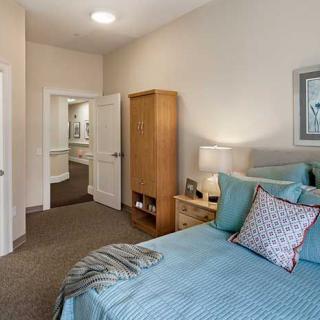
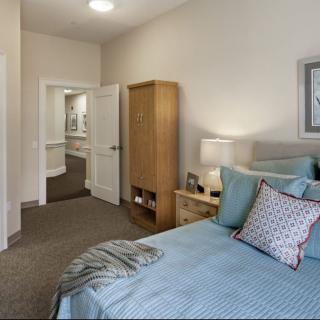
- The shared room setup was criticized, with a wish for smaller private rooms.
- The overall cost was considered high, implying it was not worth the expense for what was offered.
Review
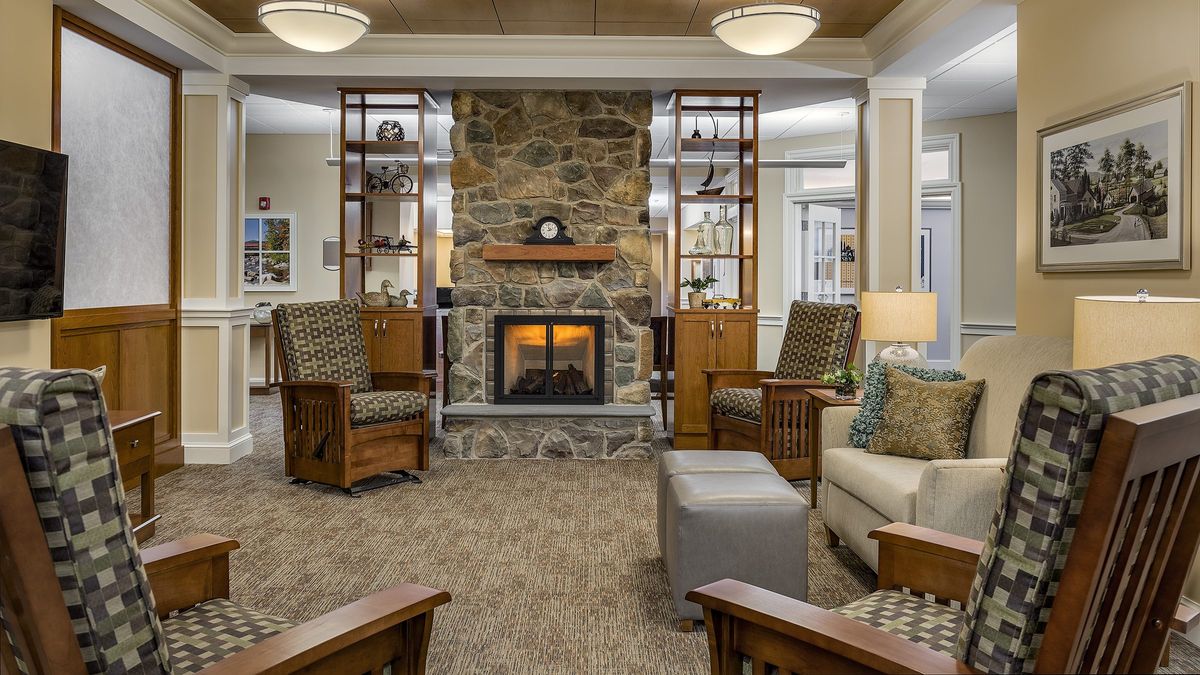
Bridges by Epoch at Nashua is best suited for families seeking a memory-care focused community where dementia-specific programming, constant social engagement, and a highly attentive staff define daily life. This is not an ordinary assisted-living setting; it is engineered around people with memory impairment who still crave meaningful activity, personal attention, and a lively, home-like atmosphere. The design, activities, and care approach are aimed at individuals who benefit from structured routines, individualized reminders, and a campus where staff know preferences, triggers, and histories. For families confronting progressive memory loss, the Nashua campus presents a compelling option that can feel like a supportive extension of home, and often much more capable than generic care environments.
Those considering alternatives should note that Bridges Nashua carries a premium price tag and a model that may not fit every budget or living preference. While several reviewers praise all-inclusive pricing and the absence of price-fee nickel-and-diming, others point to long-term affordability as a real constraint. For residents who prefer independent living, apartment-style settings, or non-dementia-focused care, other communities with lower cost structures or different design formats may be more appropriate. Additionally, those seeking very small private rooms or a campus without dementia-specific zoning might find the Nashua model less than ideal.
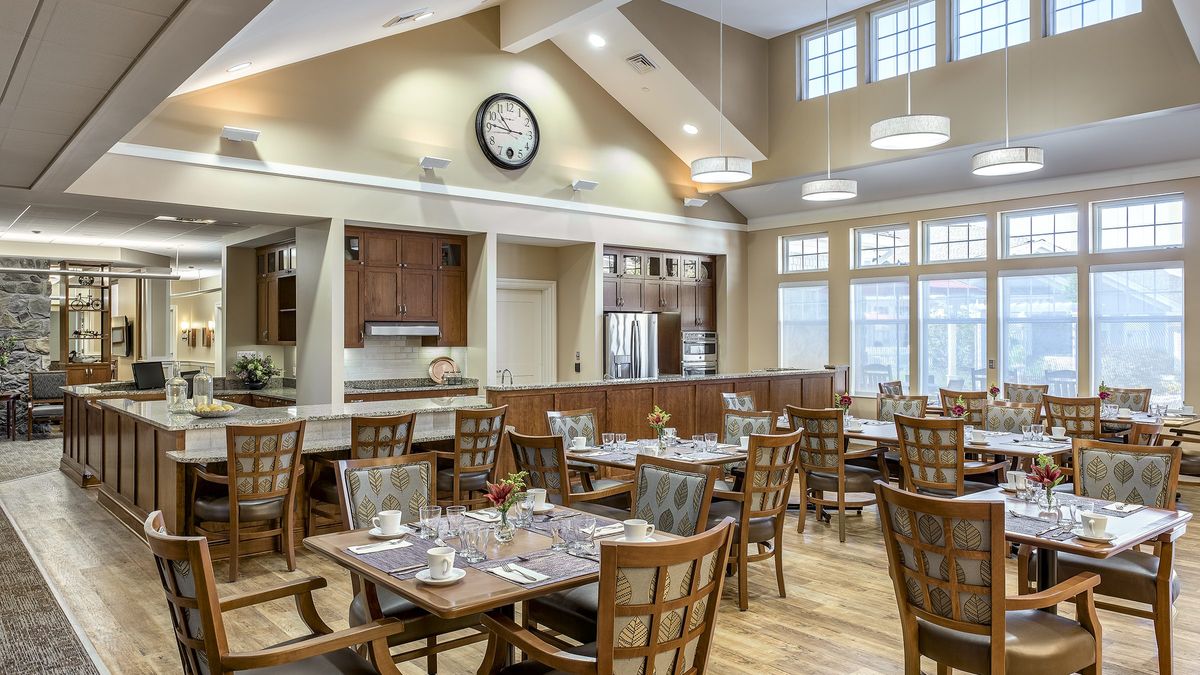
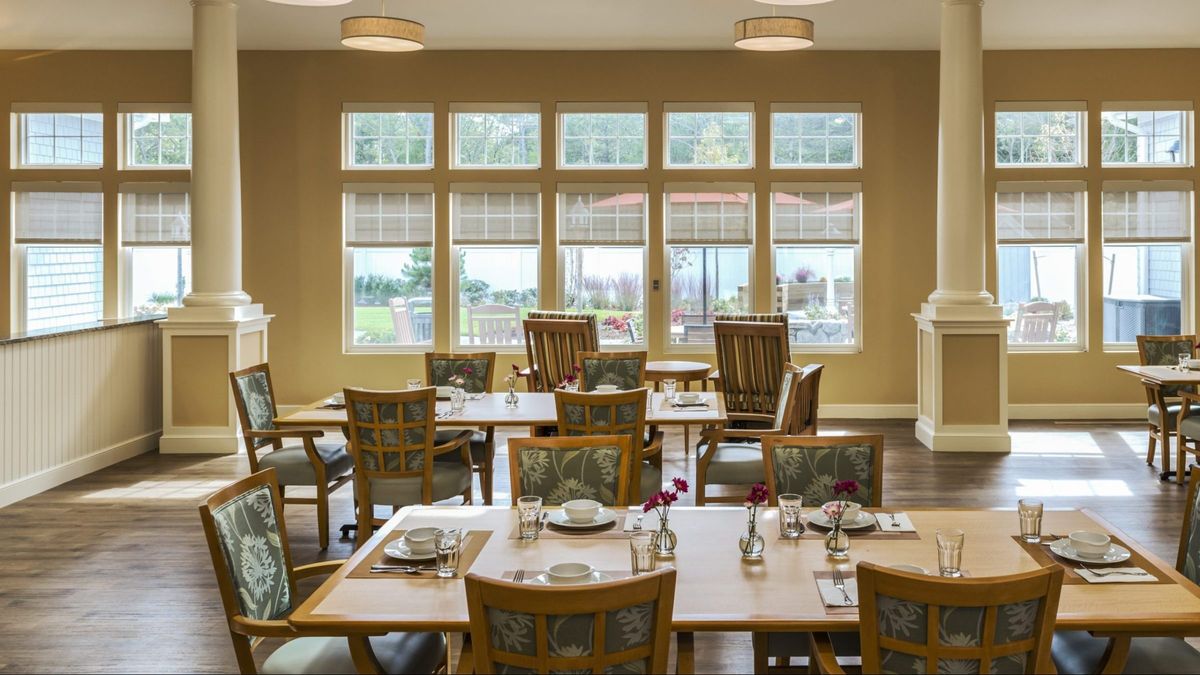
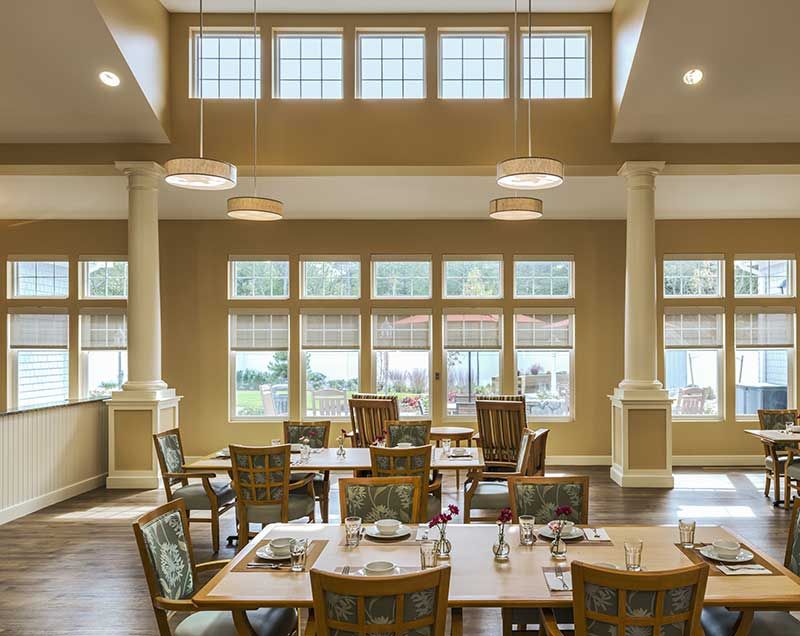
The strongest positives, the staff, the resident-centered care, and the programmatic depth, create a compelling case for Bridges. Caregivers and nurses are repeatedly described as compassionate, patient, and genuinely invested in each resident’s happiness and safety. The wellness team designs activities that feel purposeful and varied, from music and dance to arts, crafts, and off-site outings that provide real cognitive and social stimulation. Dining is regularly highlighted as a strength, with thoughtful menus and generous choices that contribute to overall well-being. In a dementia-focused environment, this level of engagement and personal connection can dramatically improve quality of life, making the extra cost feel more justifiable for families who prioritize meaningful daily experiences.
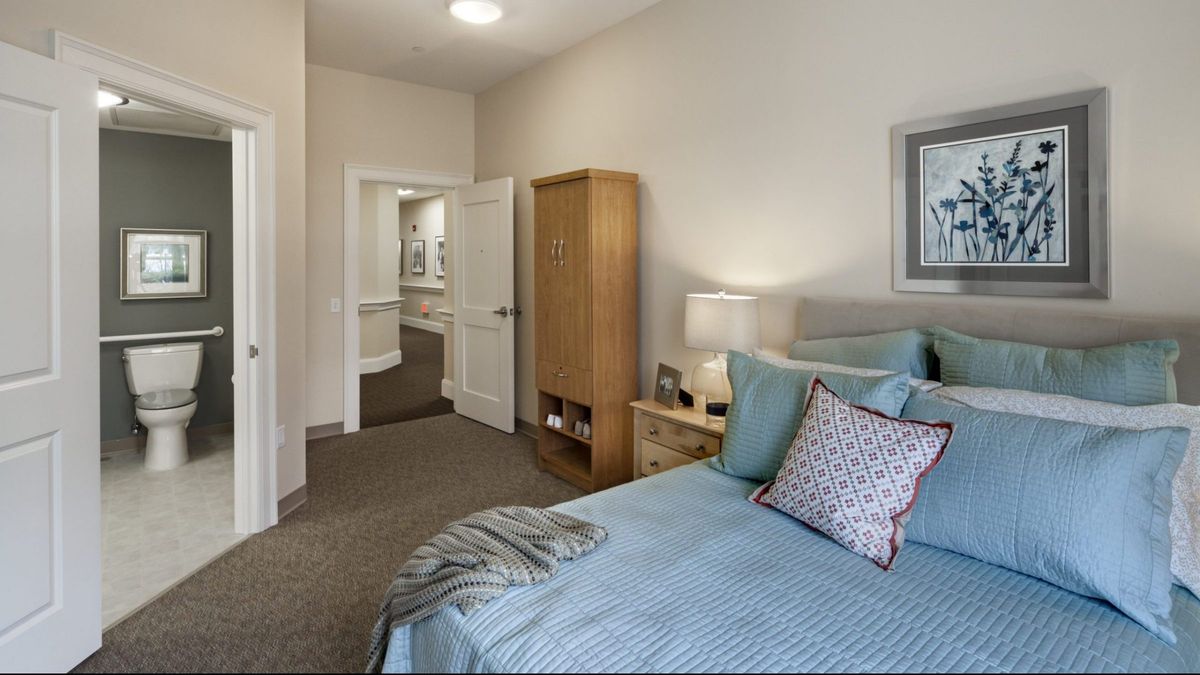
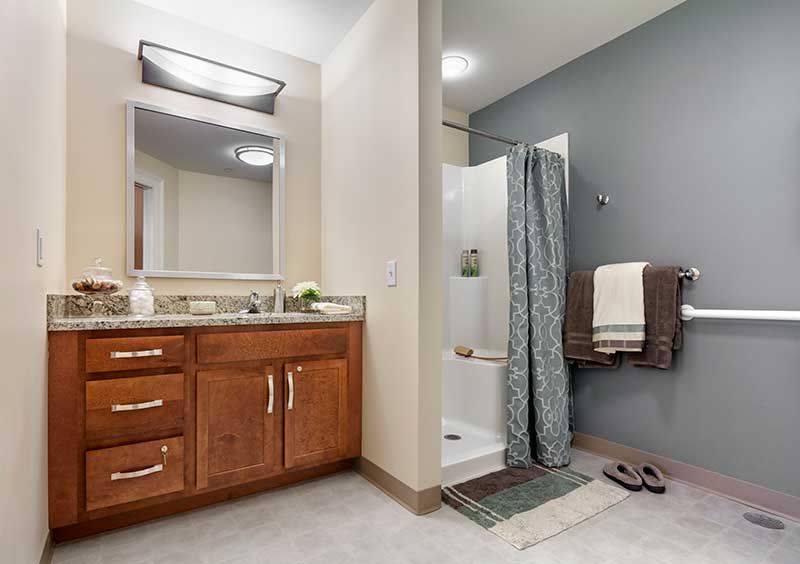
Yet no facility is without friction. A few reviews flag concerns with leadership and consistency in some operational areas, underscoring that experience can vary by unit and by staff shift. There are also practical constraints to weigh: the community is explicitly dementia-oriented, with a design that emphasizes shared public spaces and compartmentalized neighborhoods. While companion suites offer privacy within a thoughtfully structured layout, some residents may encounter less private or less flexible living arrangements than in other models. And although many families report strong outcomes, the up-front cost plus the cost structure, tushed toward all-inclusive pricing, can be a hurdle for buyers comparing value across communities.
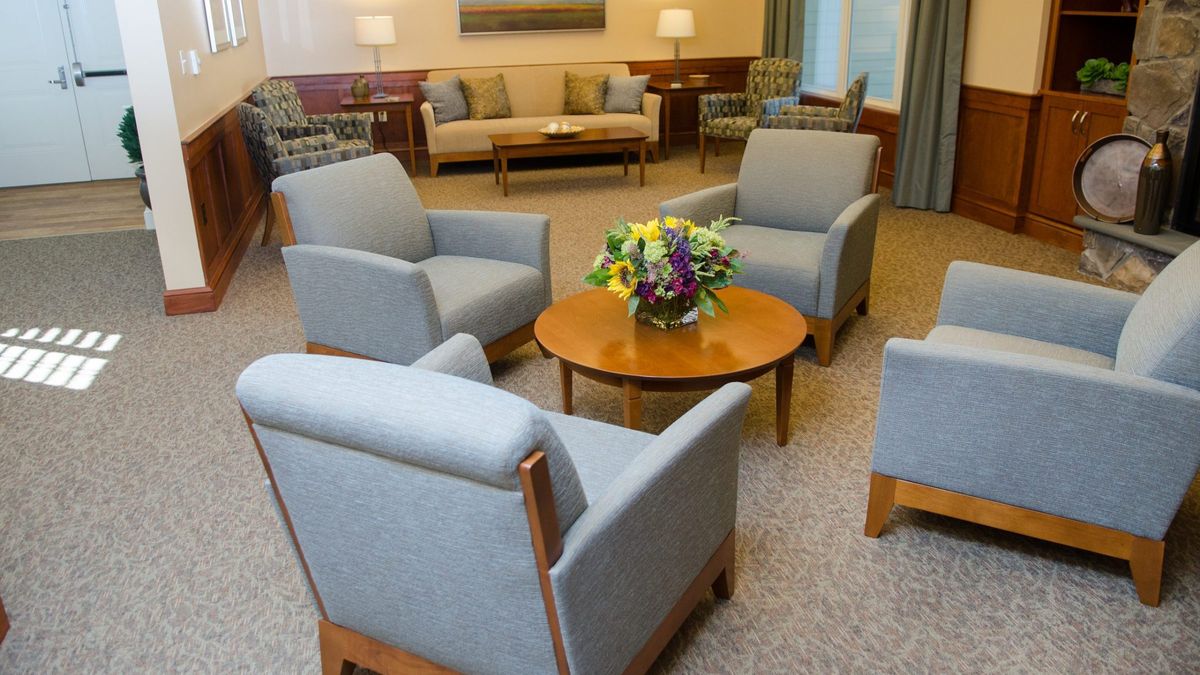
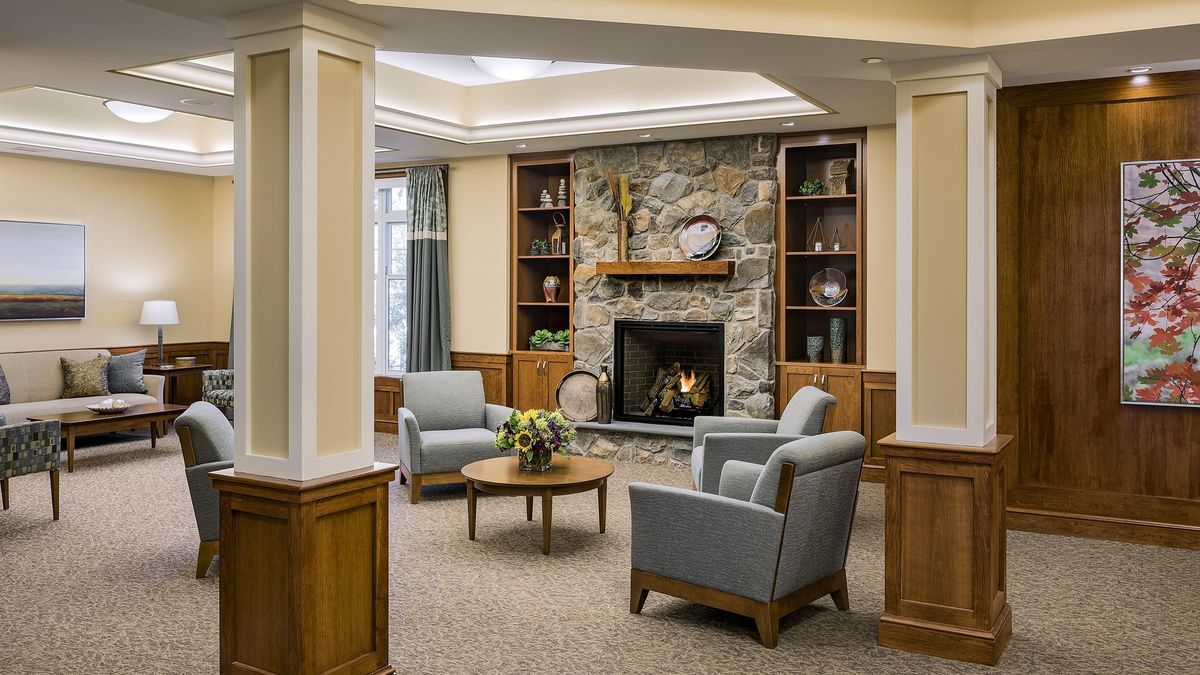
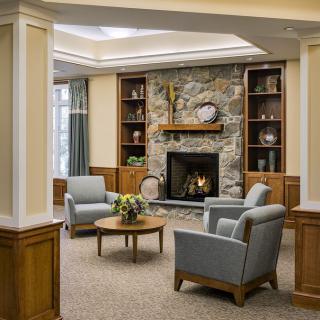
The key pros do offset the main cons when viewed through a practical lens. The depth of memory-care expertise means fewer days spent navigating unfamiliar or overwhelming routines, and more days filled with tailored activities that keep residents engaged and emotionally connected. A robust activity calendar, allied with a responsive dining program and a front-desk culture that treats families with ongoing respect, translates into visible improvements in mood and participation. The design elements, clear sightlines, inviting common areas, and a layout that minimizes confusion, help reduce anxiety for residents and ease for loved ones, which can indirectly justify higher ongoing costs by lowering stress and hospitalizations.
For families weighing Bridges Nashua, the practical path is clear: prioritize the resident’s level and type of cognitive needs, budget realities, and desired daily rhythm. If dementia-specific care, an active enrichment program, and a staff culture that treats residents like family are non-negotiable, Bridges Nashua should be high on the shortlist. If budget constraints are paramount, or if living arrangements need to lean toward independent apartments with flexible privacy and broader social options beyond a memory-care framework, alternatives deserve careful comparison. In any case, a thorough, multi-visit decision process is essential, specifically, observe activity flow, speak with front-line caregivers about daily routines, and review how each neighborhood manages transitions, privacy, and personalization. This approach ensures the balance between exceptional care and sustainable affordability is achieved for the loved one in question.
 54 resident community capacity
 Studio apartments
 Assisted Living
 Air-conditioning
 Beauty salon
 Cable or satellite TV
 Computer center
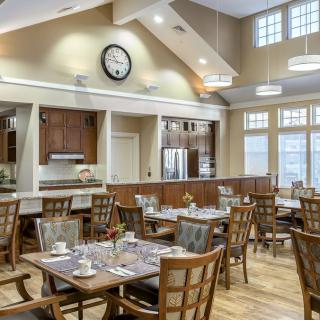
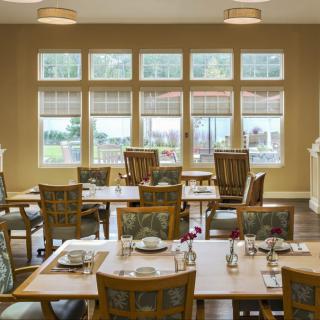
 Dining room
 Fitness room
 Fully furnished
 Gaming room
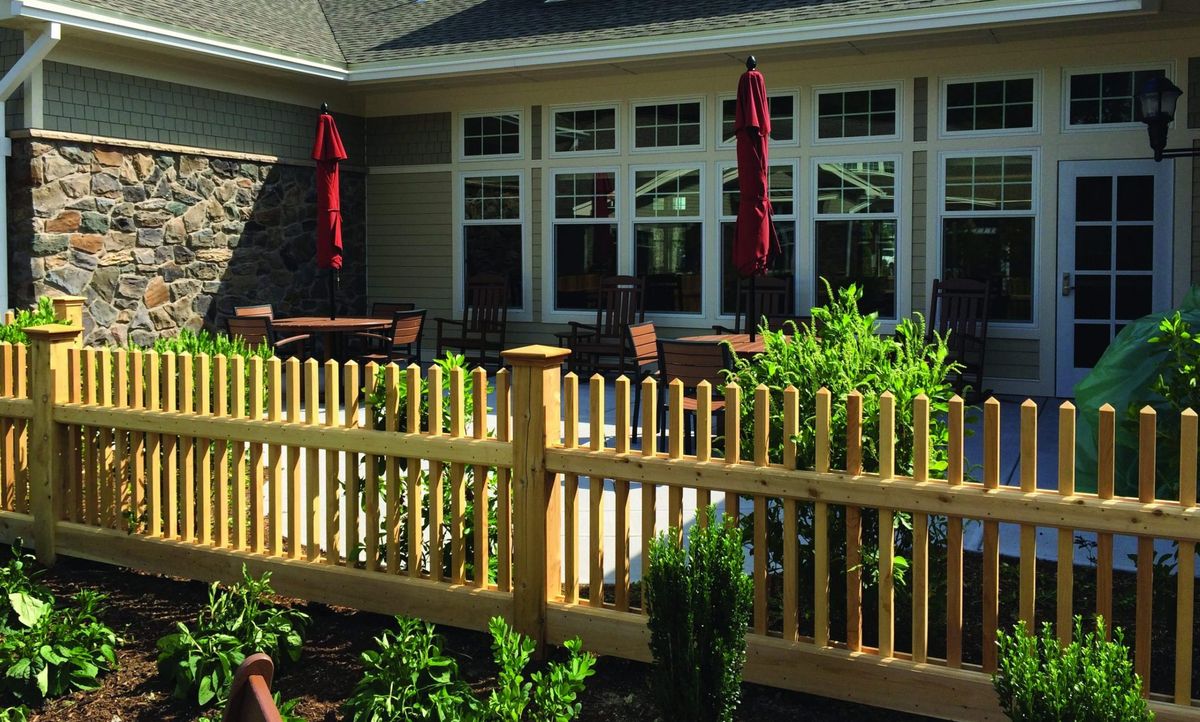
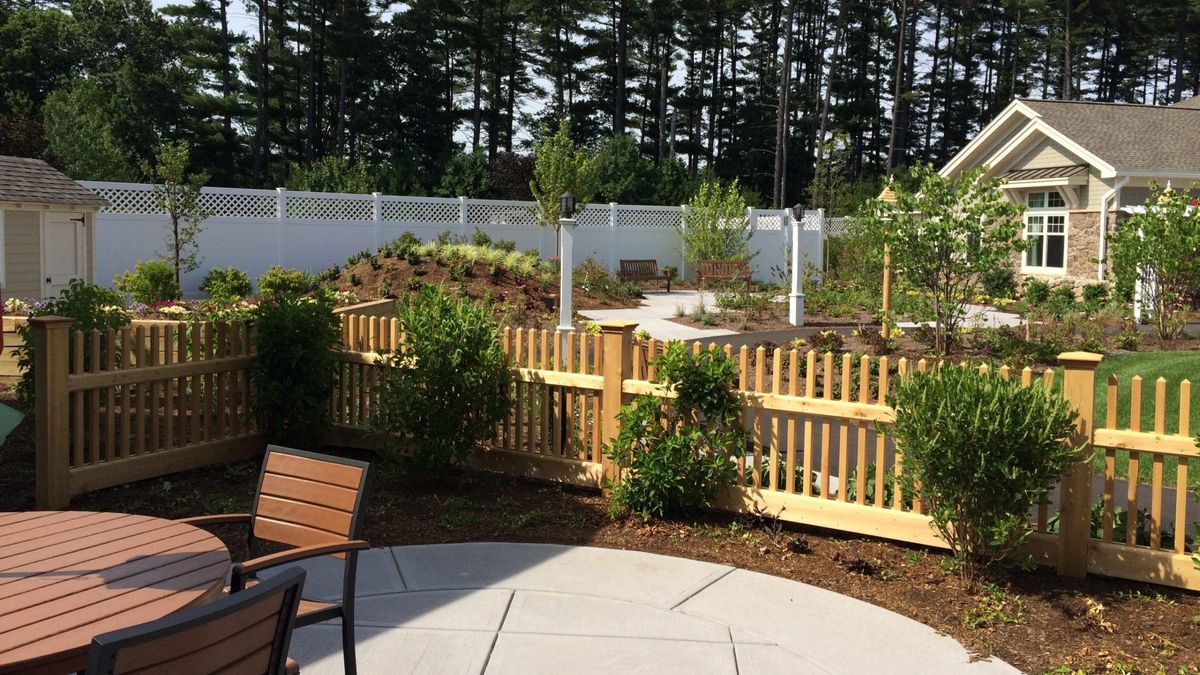
 Garden
 Housekeeping services
 Kitchenette
 Move-in coordination
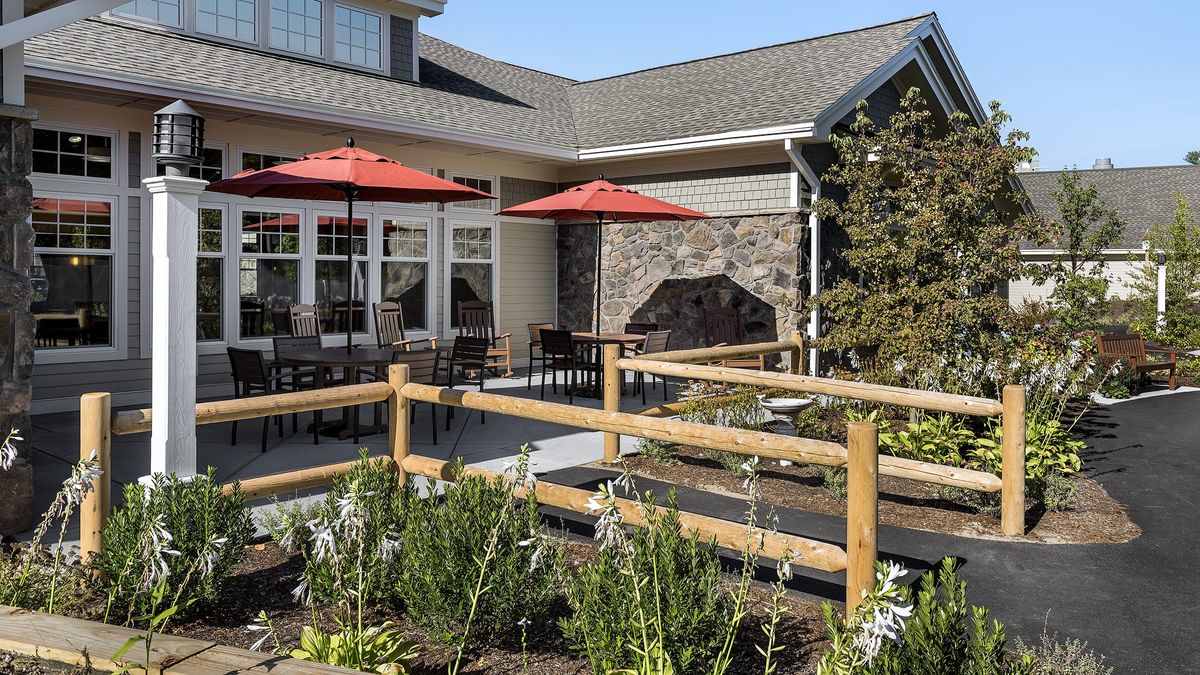
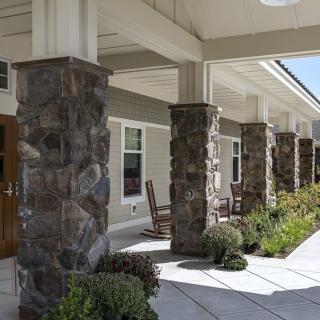
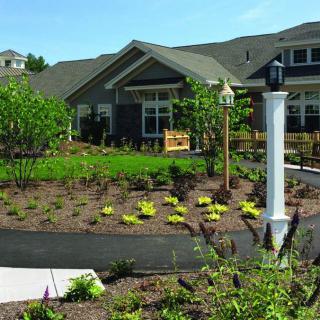
 Outdoor space
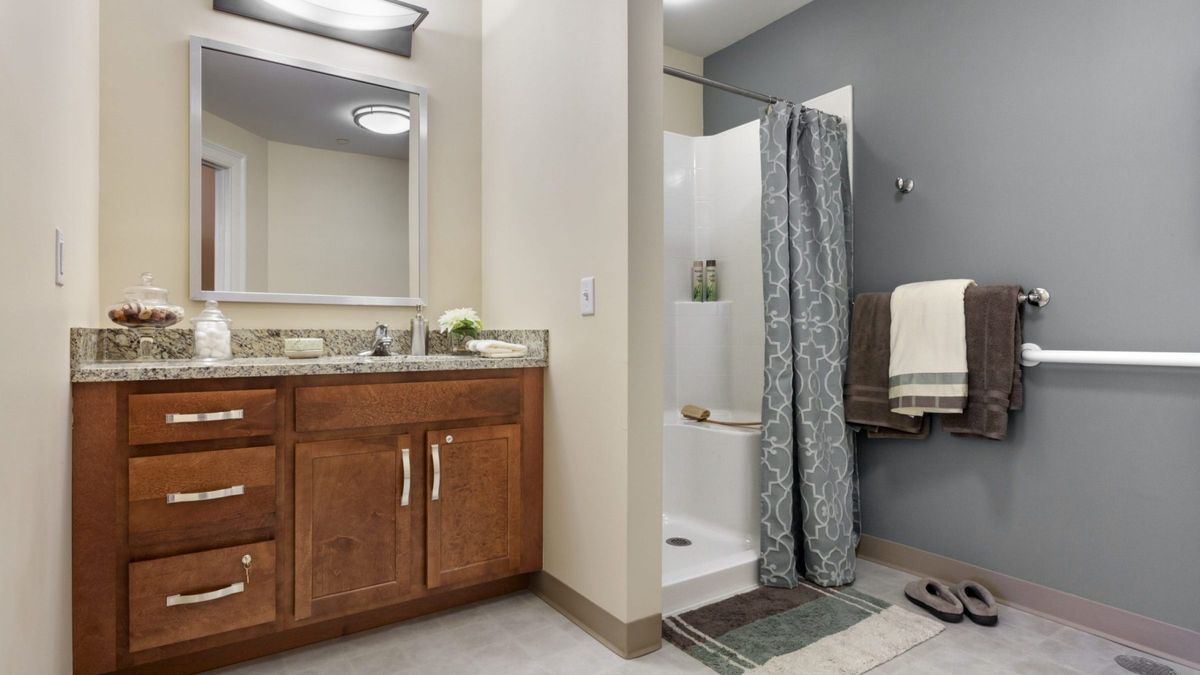
 Private bathrooms
 Restaurant-style dining
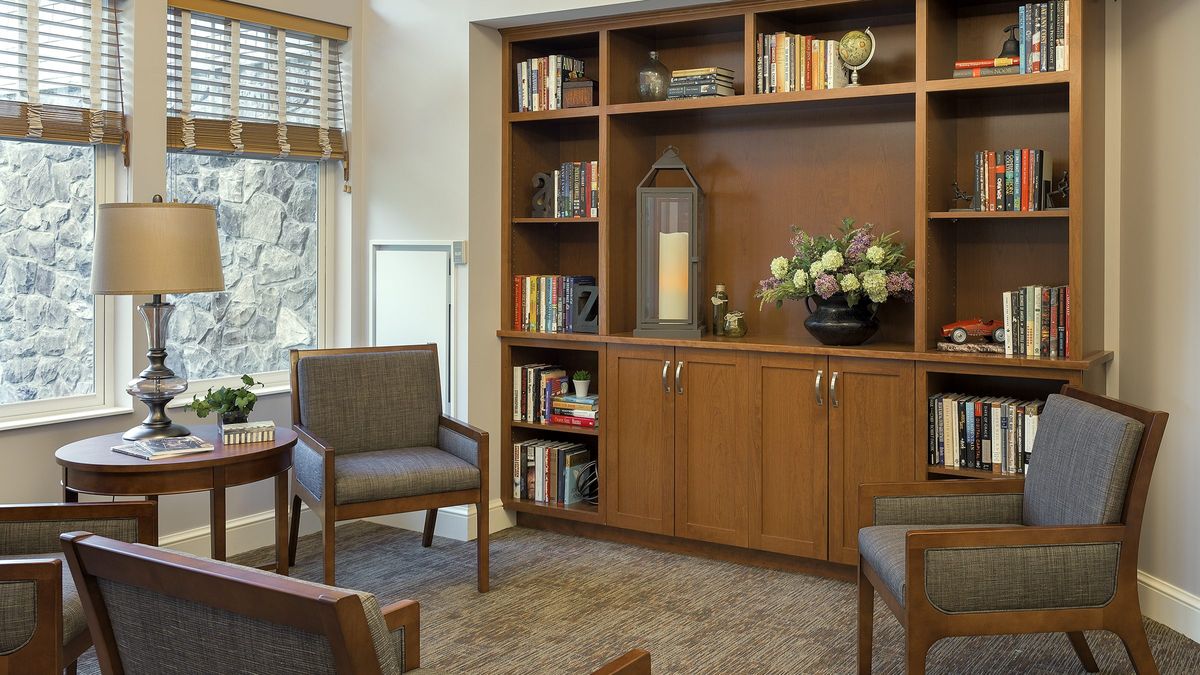
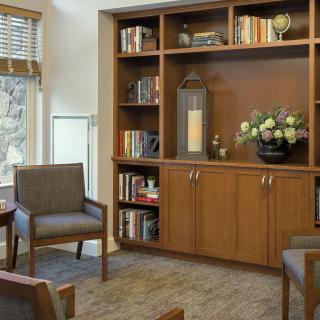
 Small library
 Telephone
 Wellness center
 Wi-Fi/high-speed internet available
 Manchester (10 miles away)
 Community operated transportation
 12-16 hour nursing
 24-hour call system
 Activities of daily living assistance
 Assistance with bathing
 Assistance with dressing
 Assistance with transfers
 Diabetes diet
 Medication management
 Mental wellness program
 Special dietary restrictions
 Transportation arrangement (medical)
 Concierge services
 Planned day trips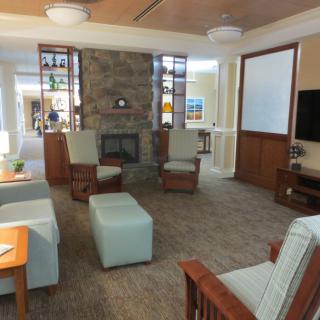



 Social Security Benefits and Assisted Living: Navigating Options Across the U.S.
 An Extensive Exploration of the VA Aid and Attendance Benefit
 Senior Transition Services: Understanding Their Role, Cost, and Importance