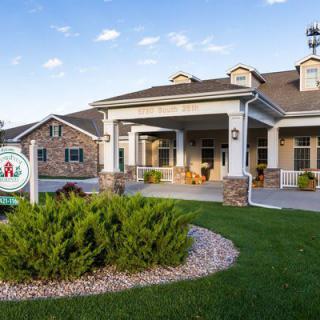
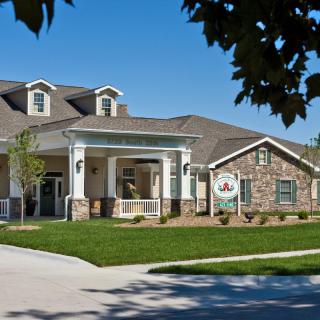
5720 S 25th St, Lincoln, NE 68512
To contact a resident: (402) 421-1160
For more information about senior living options: (866) 208-4318
CountryHouse on Old Cheney - Lincoln 1 Costs & Pricing
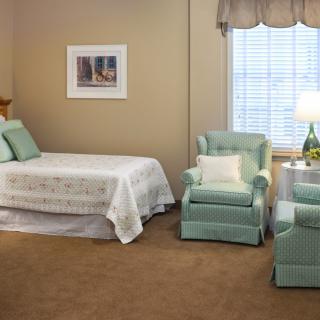
At CountryHouse on Old Cheney in Lincoln, the monthly costs for various room types reflect a premium compared to both Lancaster County and the broader state of Nebraska. For instance, the semi-private room is priced at $5,995, significantly higher than the county average of $4,923 and the state average of $4,123. Similarly, studio accommodations at CountryHouse are set at $7,495, which greatly exceeds both local and state averages of $4,599 and $3,728 respectively. The one-bedroom units also follow this trend with a cost of $7,995 - substantially above Lancaster County's average of $3,876 and Nebraska's statewide figure of $3,167. These figures suggest that while CountryHouse on Old Cheney offers unique services and amenities that justify the higher price point, prospective residents should carefully weigh these costs against what they value most in their living arrangements.
| Floor plans | CountryHouse on Old Cheney - Lincoln 1 | Lancaster County | Nebraska |
|---|---|---|---|
| Semi-Private | $5,995 | $4,923 | $4,123 |
| Studio | $7,495 | $4,599 | $3,728 |
| 1 Bedroom | $7,995 | $3,876 | $3,167 |
Memory care communities with a similar price nearby
-
About the same
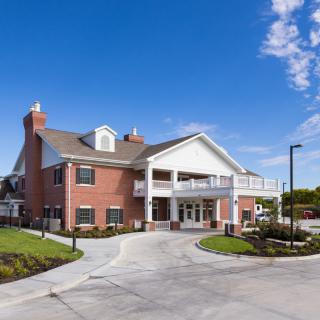
CountryHouse at 70th and O - Lincoln 3
$5,995 to $8,295 / month3.8 miles away -
About the same
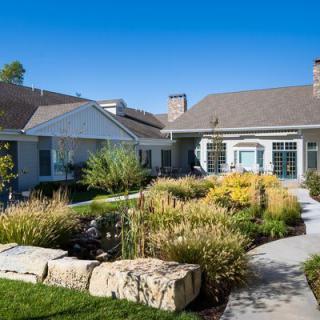
CountryHouse at Pine Lake - Lincoln 2
$5,995 to $7,995 / month4.2 miles away -
from -$325 / mo
Independence Houses of Northview
$5,670 / month7.0 miles away -
from -$955 / mo

Brookside Rehabilitation Center
$5,040 to $5,670 / month2.0 miles away
Overall Review of CountryHouse on Old Cheney - Lincoln 1
Pros
 They feel good about leaving their mother at Country House, where she receives excellent care and the staff are very responsive to their needs.
- CountryHouse is described as the best place for memory care, with staff training and a willingness to go beyond the average.
- The community offers many activities, such as cookies, floral arrangements, trips, and morning exercise classes, and residents enjoy them.
- The food is great and residents like it.
- The staff are caring and the environment is family-oriented, ensuring every person has an active and valuable life.
- Country House is a wonderful place for loved ones to live and to visit, with welcoming and attentive staff.
- Working at CountryHouse has been extremely rewarding for employees, who feel valued and supported.
- The team creates engaging experiences that keep residents happy, such as picnics in the park and fishing on the lake.
Cons
 There are only two Medicaid beds per Country House building, and those beds were full; beds in other Country House Residences cannot be used.
- The community is somewhat short-staffed for the number of residents.
- The community felt quiet and not very open.
- The food was plain and not very inventive, with too much starch.
- There is not near enough staff to support the number of residents.
- Some residents fell or wetted themselves due to staff shortages.
- The director and nurse were not friendly or helpful, and were sometimes dismissive and rude.
- The facility needs better management and more staff.
Review
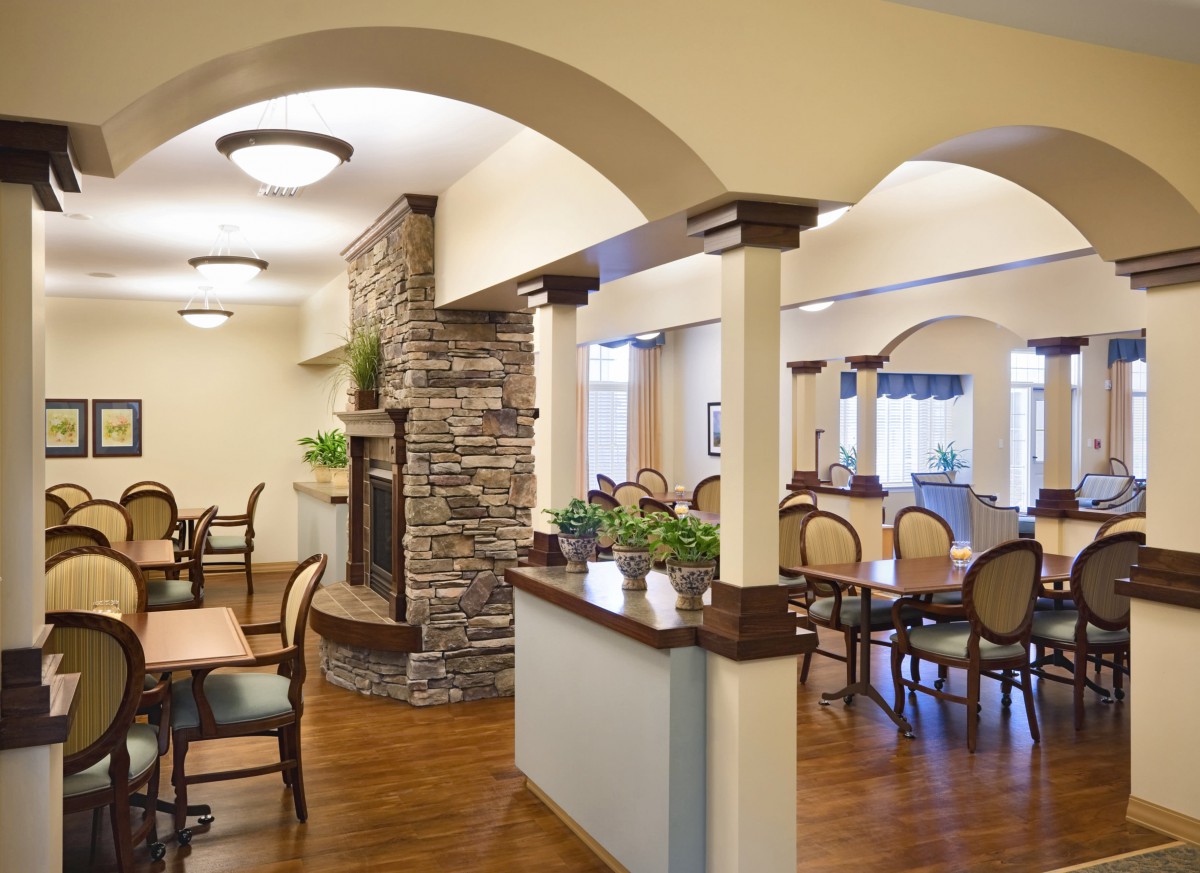
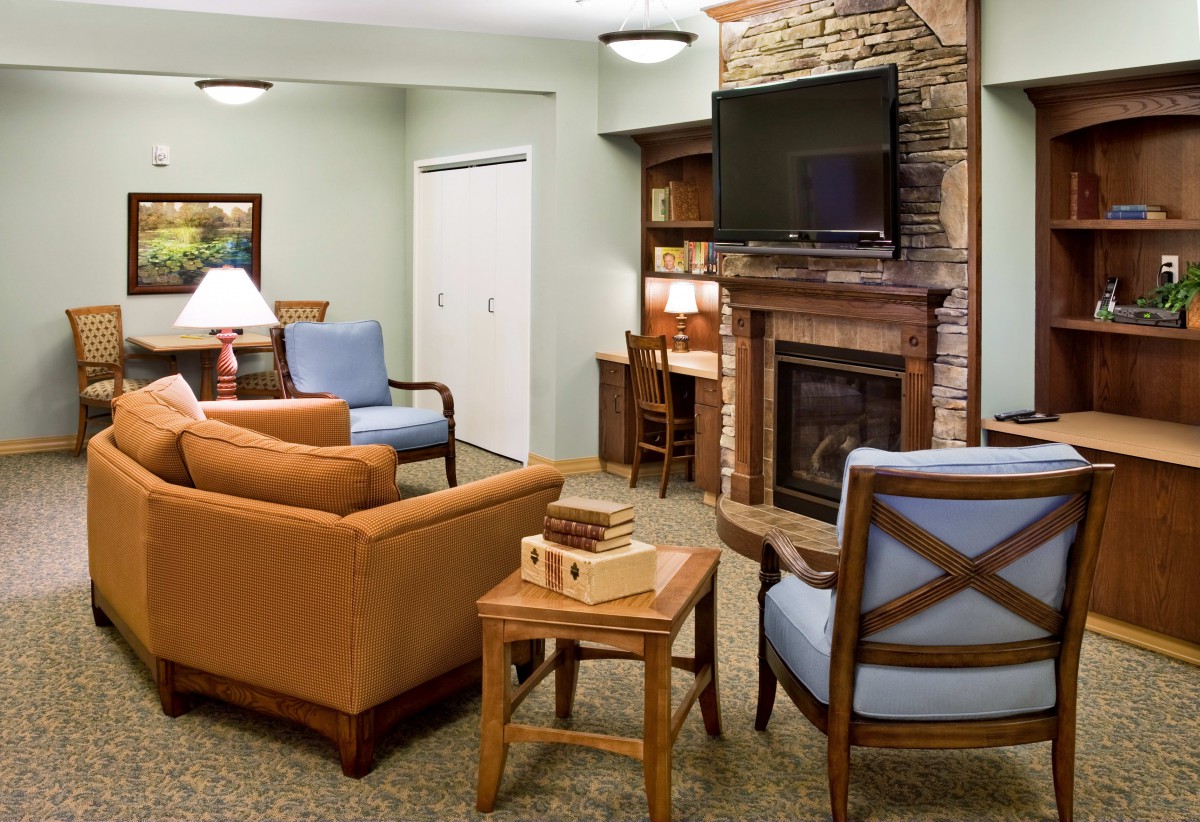
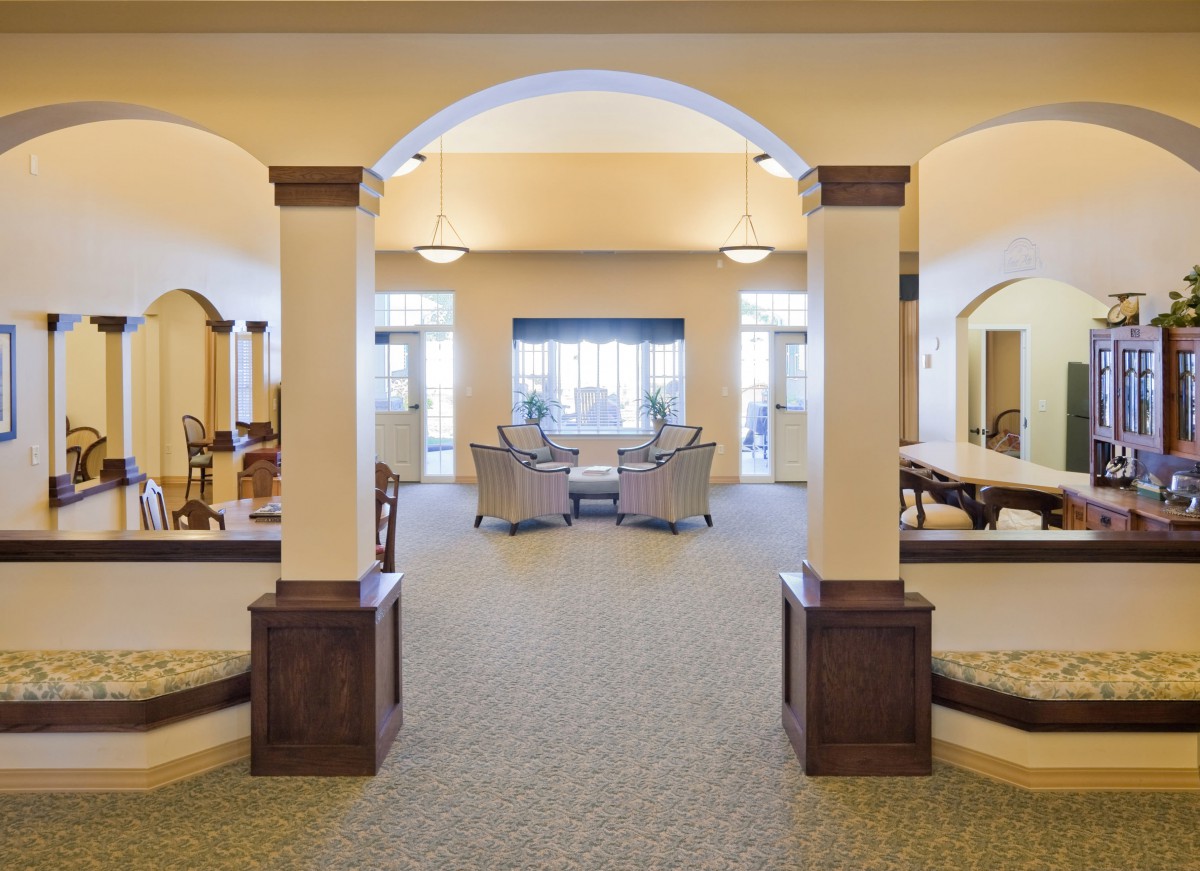
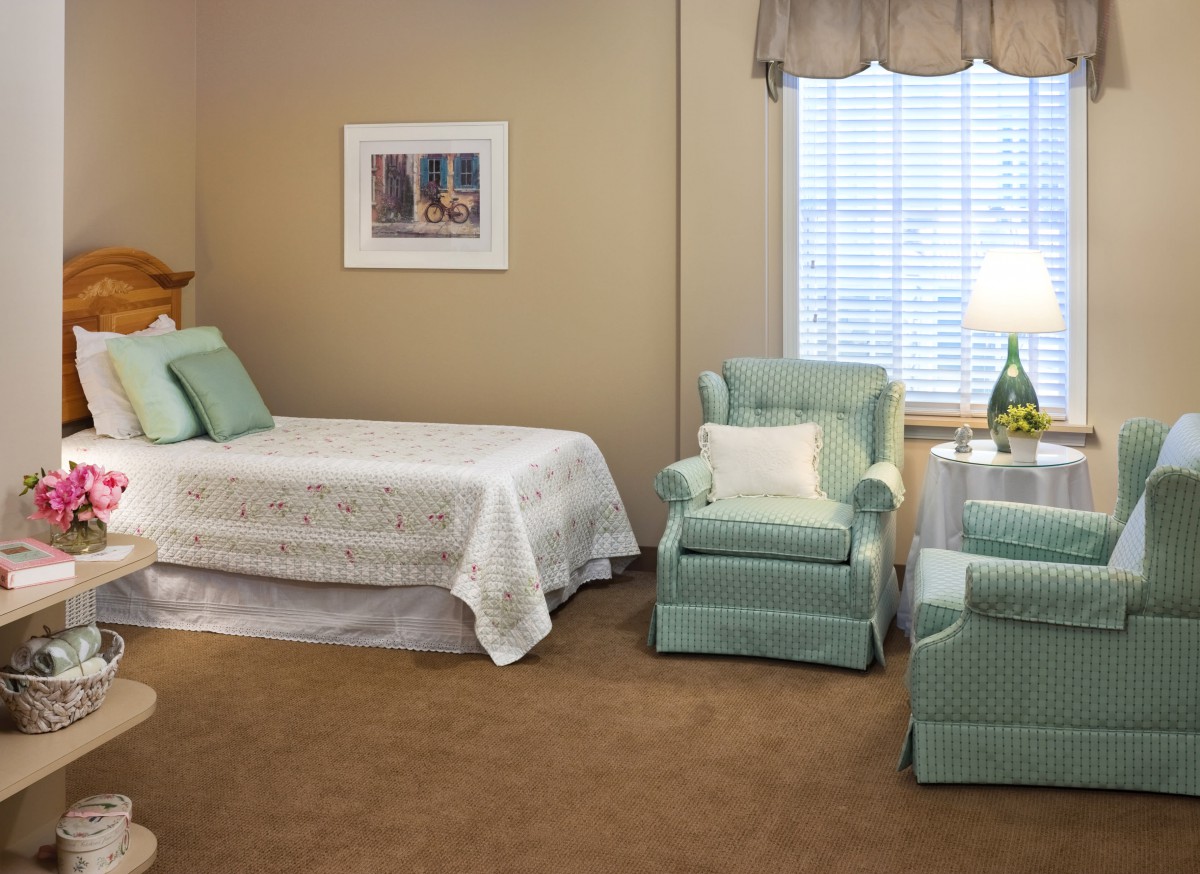
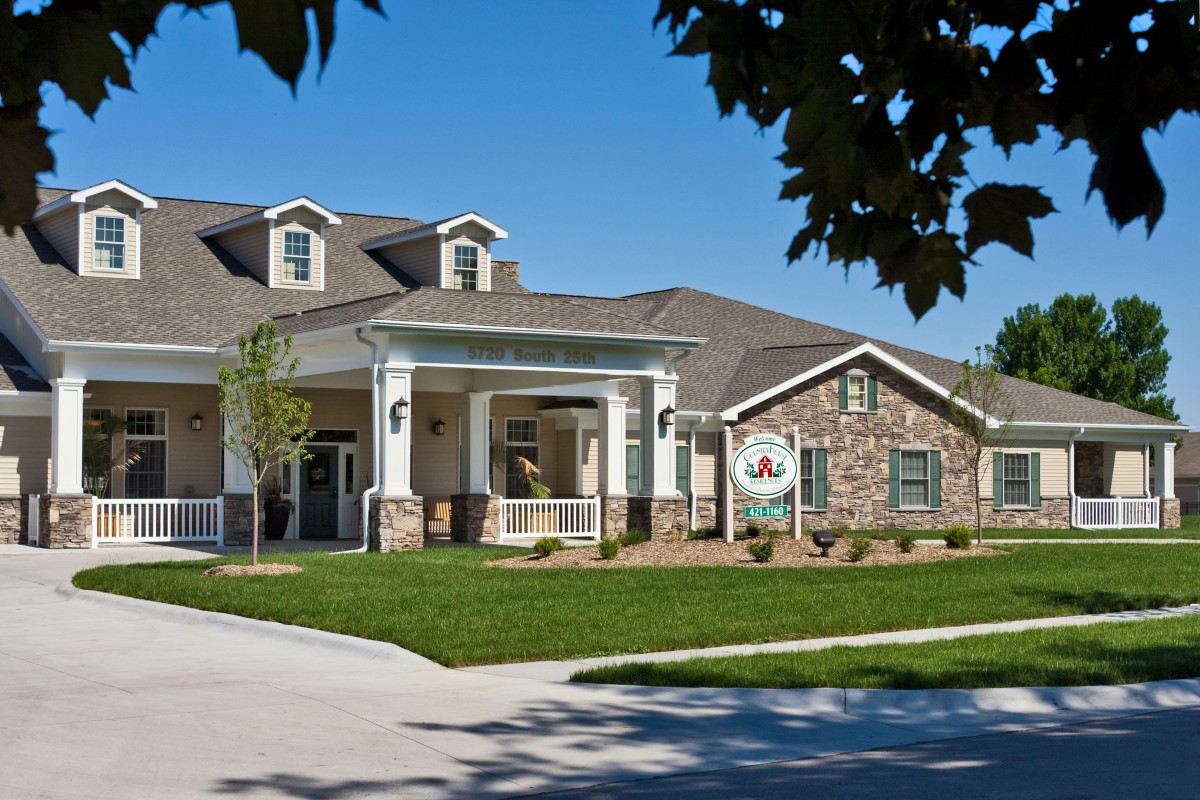
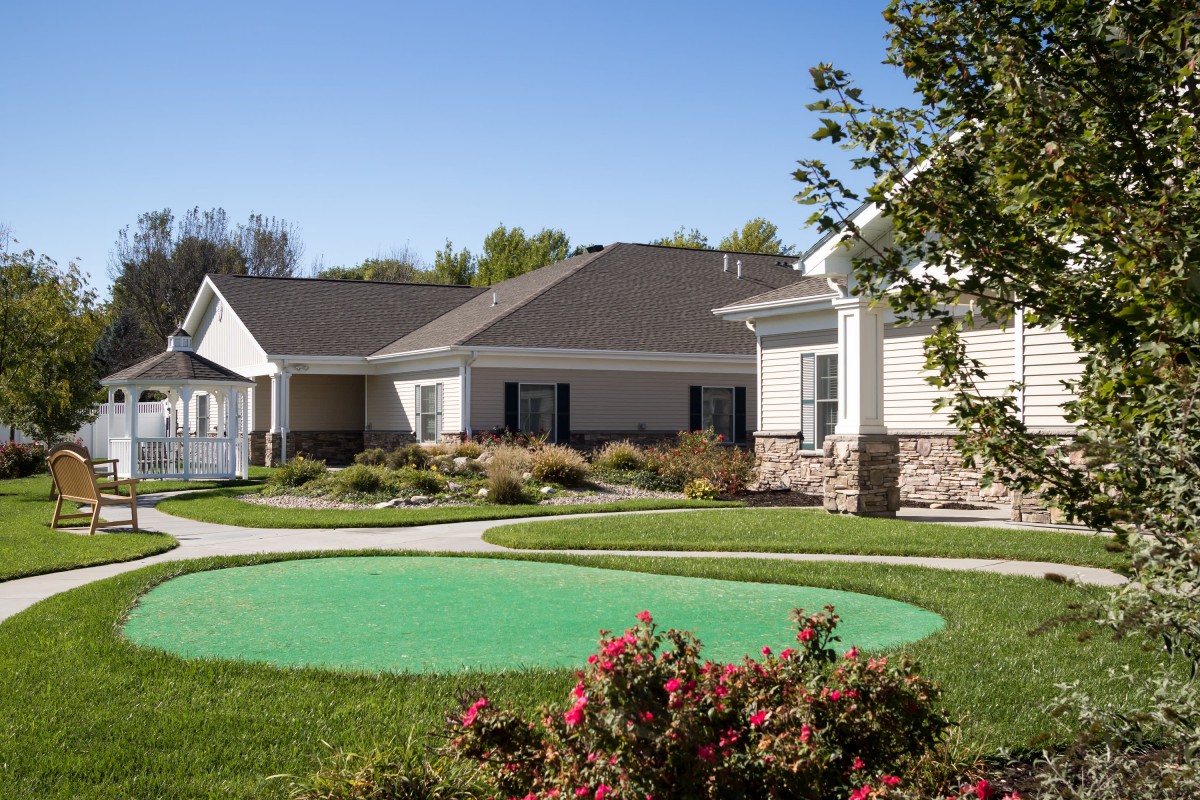
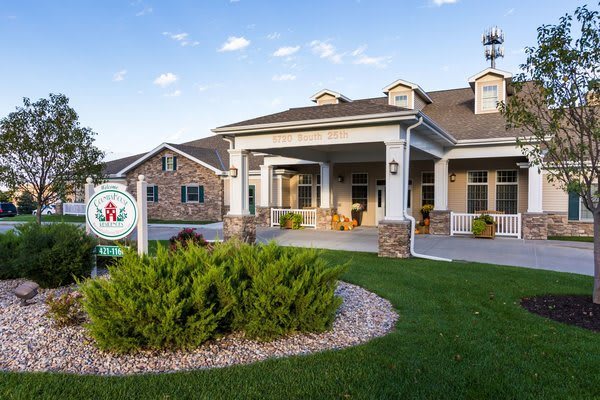
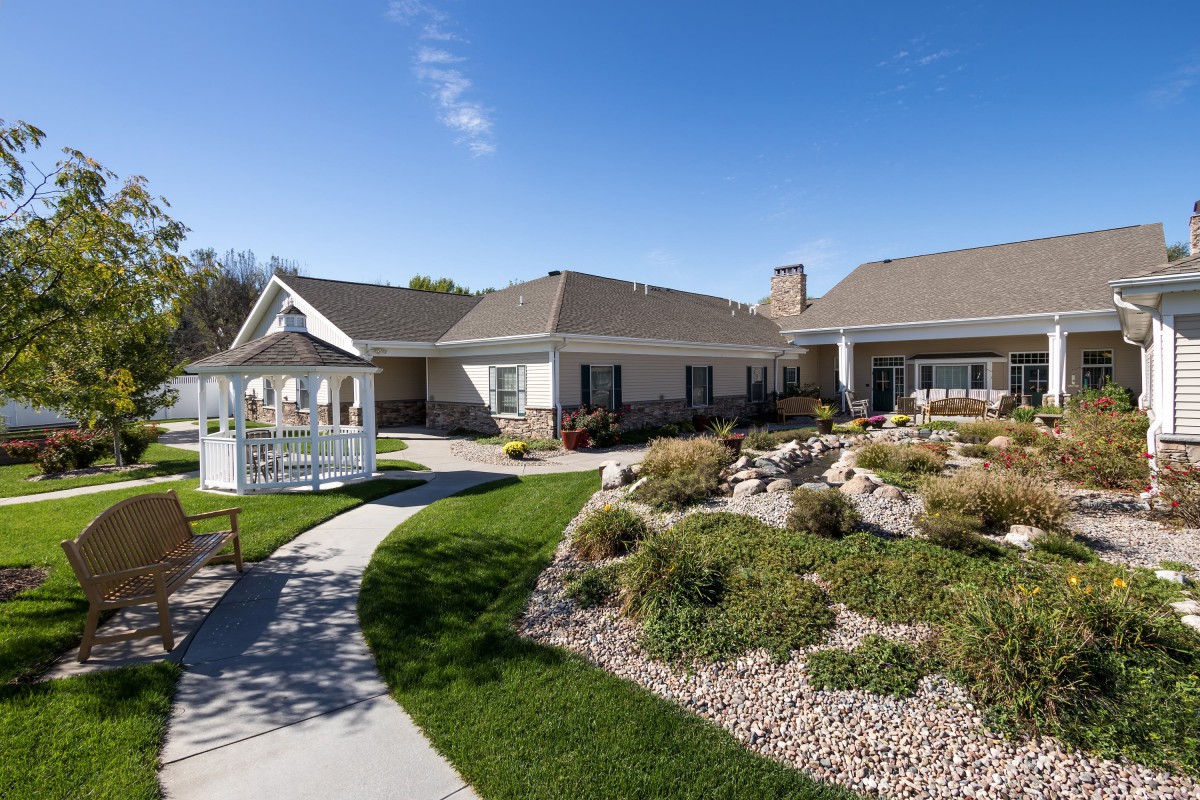
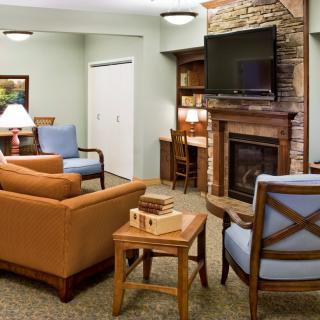
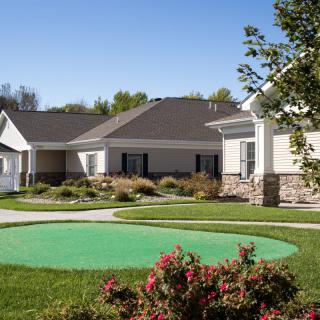
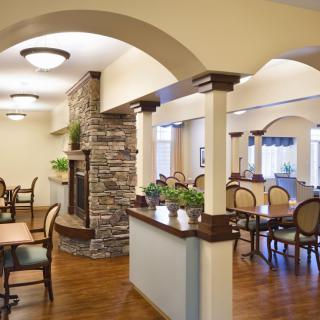
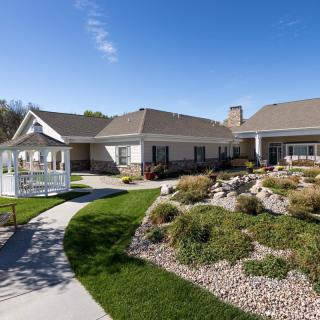
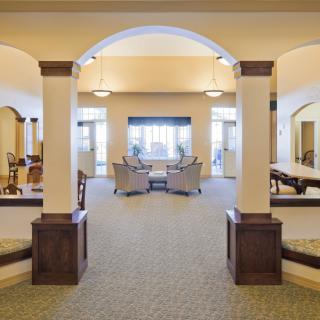
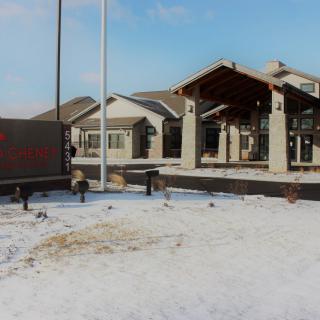
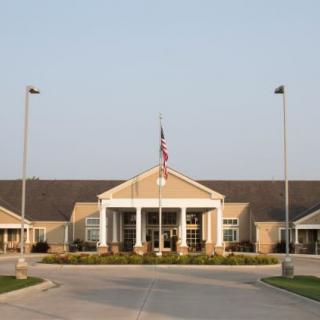
CountryHouse on Old Cheney in Lincoln, NE is best suited for memory-care focused seniors and families who value a warm, family-like atmosphere, strong daily engagement, and a mostly single-floor design that supports safer, easier living. Reviewers consistently point to a staff-driven culture where care feels personal, and the memory-care niche is highlighted as a strength due to targeted training and a willingness to go beyond the basics. For families prioritizing purposeful activities and a homey feel, this community offers a compelling match.
Those who should consider alternatives include families counting on abundant Medicaid-bed access or the flexibility to move between CountryHouse residences to secure a room. Lincoln’s three CountryHouse buildings each maintain only a couple of Medicaid beds, and those spaces tend to fill quickly; transfers across campuses are not allowed. For households that require guaranteed Medicaid access across multiple sites, or for those who want a broader, more open social environment that spans several campuses, other options may prove more reliable.
The positives are tangible and meaningful. Careful, responsive staff create a largely family-oriented atmosphere where residents are treated as valued individuals. The calendar is rich with activities, cookie making, floral arrangements, excursions, and daily exercise, that keep residents engaged on a mostly single-floor footprint, reducing navigation barriers and encouraging supervision. In memory care, staff training stands out, with a demonstrated willingness to individualized care that many families feel goes beyond the standard.
However, the downsides are real and worth weighing. Staffing can be stretched, described as moderately staffed for the resident load, which can lead to delays in assistance during busy times. That dynamic raises safety concerns for residents who need prompt help with mobility or incontinence. Some reviewers also report inconsistency in leadership dynamics, with a few noting frustrating or dismissive interactions from administrators or nursing leadership. Dining experiences appear mixed as well: while some praise the flavor and variety, others find the menu plain and heavy on starch, signaling variability in meal quality.
Despite these challenges, the core experience centers on genuine care and connection. Long-tenured staff repeatedly relay pride in serving a close-knit resident community, with many expressing how the environment feels like a family where patience, respect, and meaningful engagement guide daily life. This culture helps offset staffing gaps and turnover, creating a sense of stability for families who want a trusted, emotionally supportive setting for a loved one. The emphasis on relationship-building and resident-focused routines remains a defining strength.
In making a decision, CountryHouse on Old Cheney stands out for families seeking memory-care expertise within a practical, home-like setting that emphasizes activity, warmth, and a one-floor layout. It is less ideal for those who require guaranteed cross-building Medicaid access or a consistently high-staffing environment around the clock, or for families hoping for a consistently bustling social scene without quieter periods. The practical path is to verify current bed status with admissions, probe staffing patterns during tours, and assess how well the memory-care program, meal quality, and the house atmosphere align with the loved one’s needs. When alignment exists, there is real value here: a heartfelt, engaged environment that can meaningfully improve daily life and safety for residents.
 Memory Care
 Cats allowed
 Dogs allowed
 Activities off-site
 Air-conditioning
 Bath tubs
 Beautician on-site
 Cable or satellite TV
 Devotional services on-site
 Ground floor units
 Indoor common areas
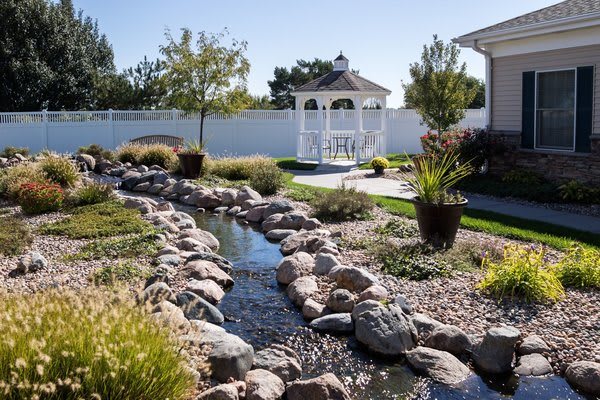
 Outdoor common areas
 Respite or short term stays offered
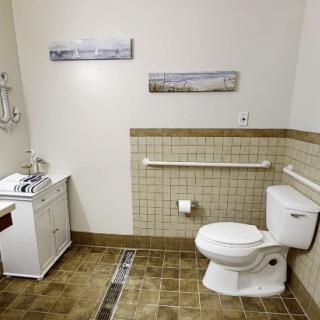
 Wheelchair accessible showers
 Wi-Fi/high-speed internet available
 Lincoln Municipal (8 miles away)
 Diabetic care
 Incontinence care
 Medication management
 Anytime dining
 Cooking club
 Current events club
 Day trips and outings
 Gardening club
 Happy hour
 Karaoke
 Live dance or theater performances
 Live musical performances
 Trivia games
 Visiting chaplain or priest
 Wii bowling
 Yoga / chair yoga

 When Dementia Sparks Anger and Aggression: Understanding the Connection and Ways to Cope
 Dementia Behaviors: In-Depth Understanding and Effective Coping Strategies
 5 Early Indicators of Dementia and What You Can Do