
5720 South 25 Street, Lincoln, NE 68512
For more information about senior living options: (866) 208-4318
Overall Review of CountryHouse at 25th & Old Cheney
Pros
 Country House provides excellent care and responsive staff.
 - The staff at Country House are very caring and focused on residents' needs.
- The facility has a family-oriented atmosphere where each person can have an active and valuable life.
- Country House is a wonderful place for residents to live and for families to visit.
- The staff are welcoming and attentive.
- The facility is awesome.
Cons
 The review states that claiming a room would be available after two years of private pay is a lie.
- It notes that only two Medicaid beds exist per Country House building, and those beds were full in Lincoln at the time.
- It says beds from other Country House Residences cannot be used; only the building where the loved one resides is allowed.
Review
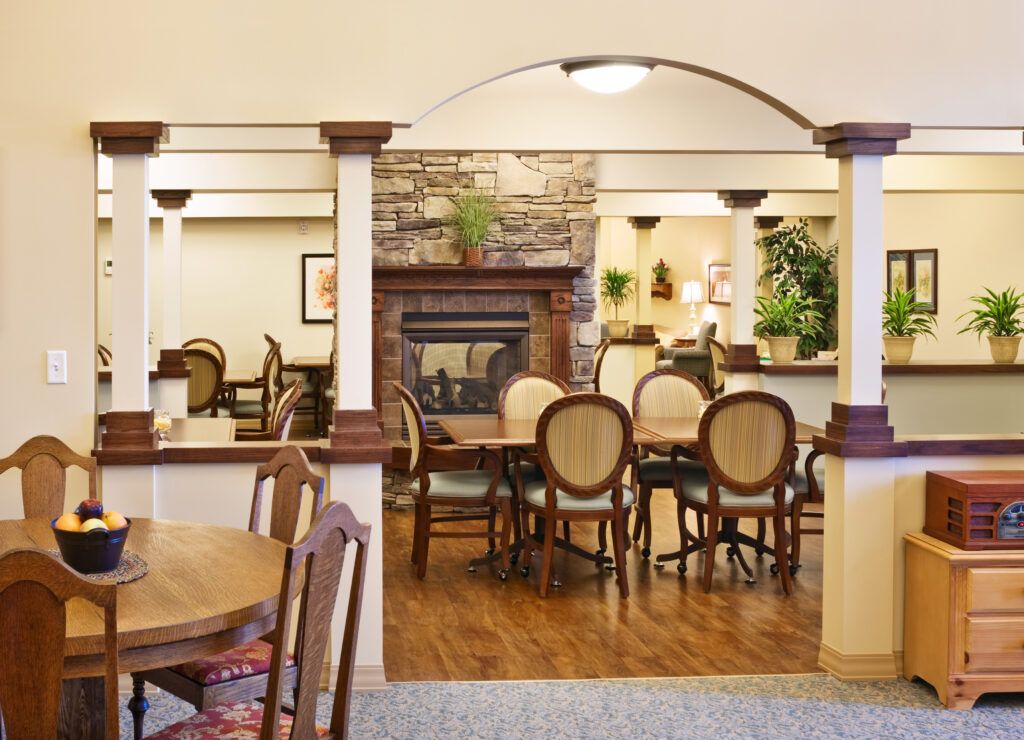
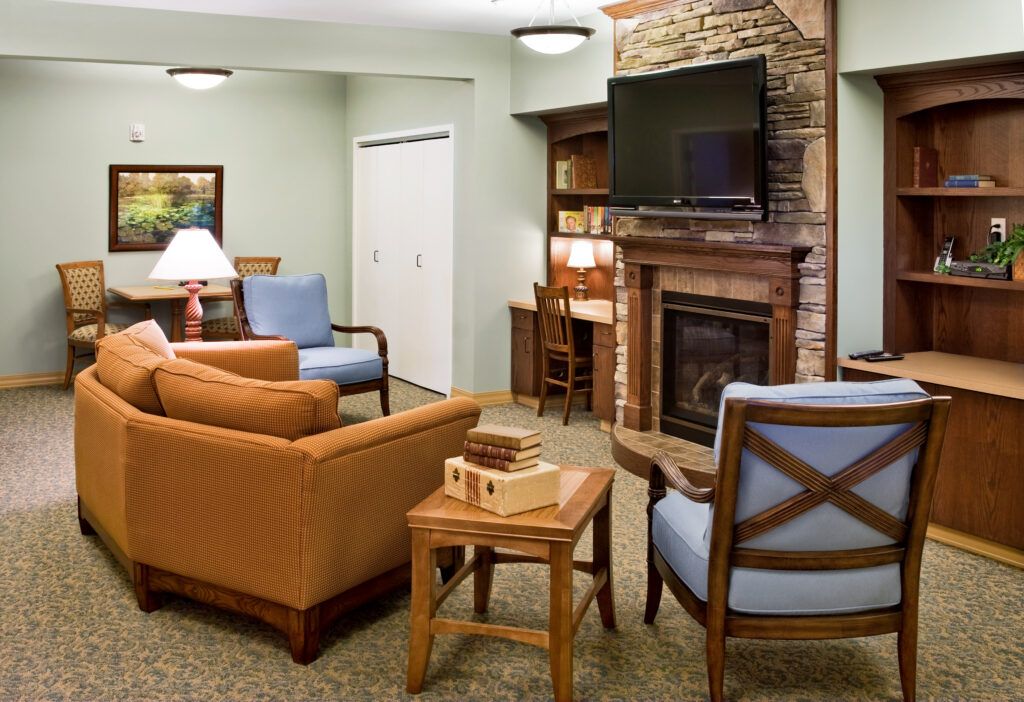
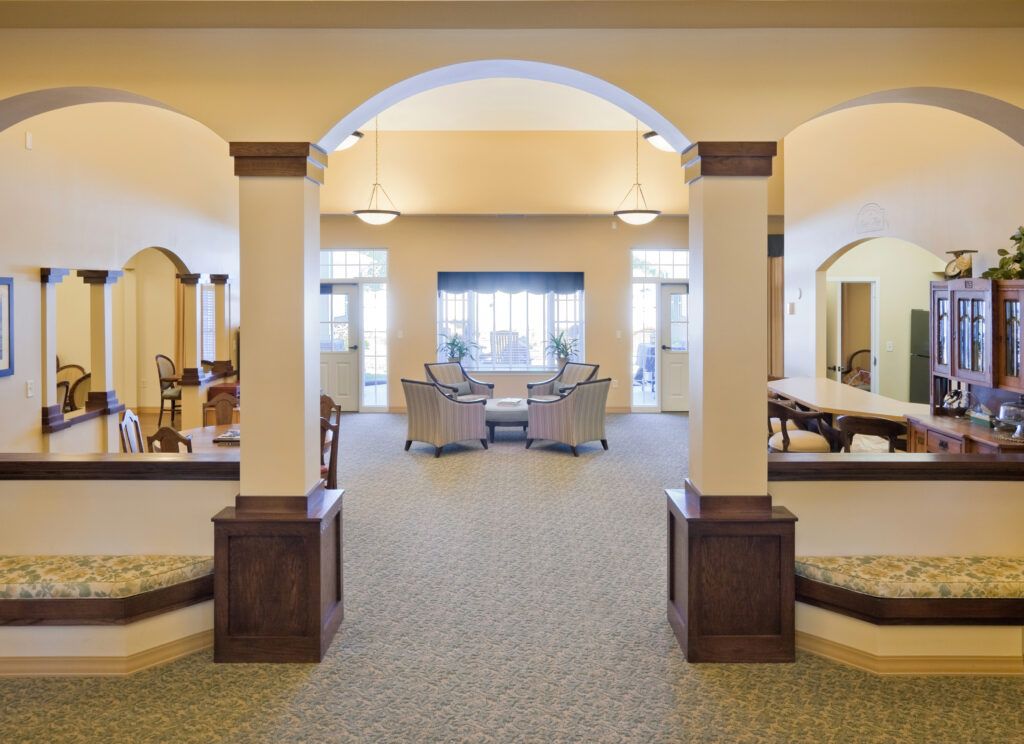
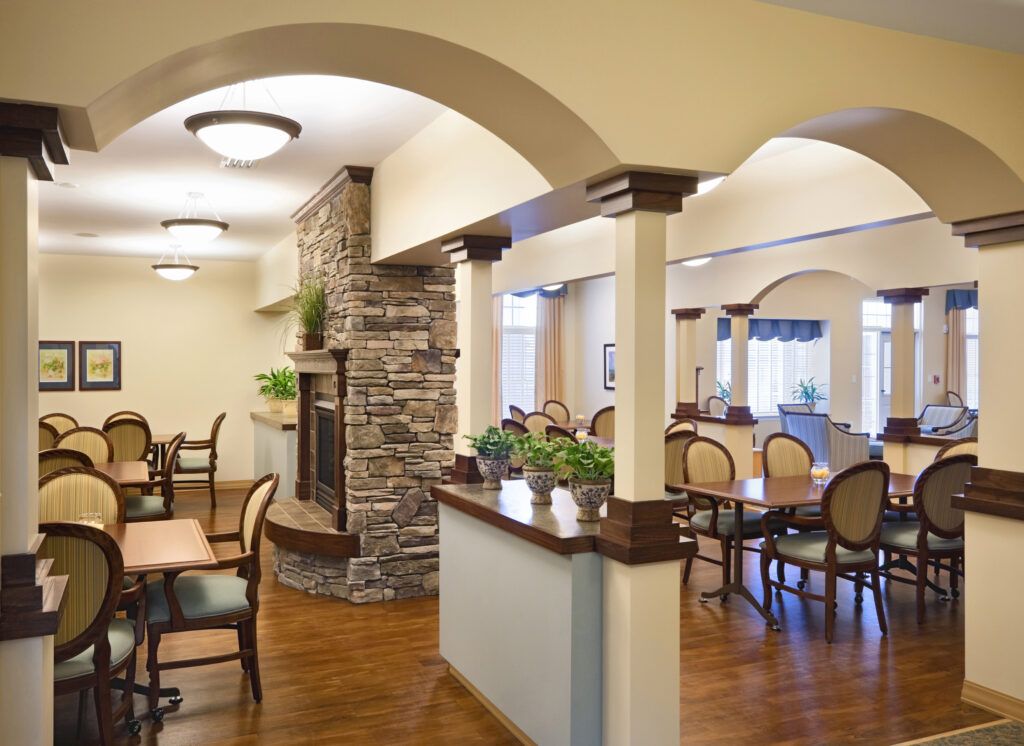
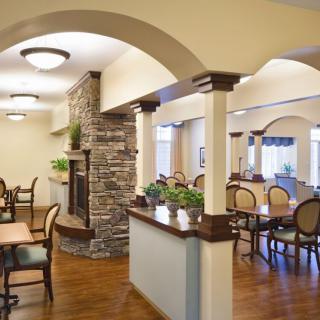
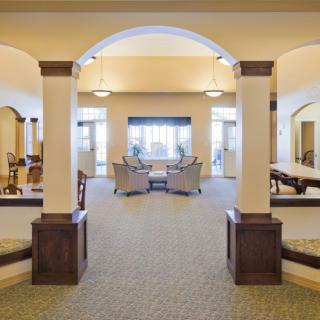
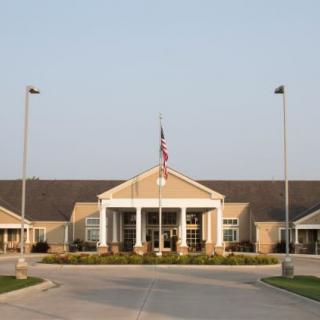
CountryHouse at 25th & Old Cheney in Lincoln, NE is best suited for families who want a warm, home-like setting where care feels personal and staff truly invest in residents’ daily lives. The community earns credibility through a consistently caring staff, a family-oriented atmosphere, and a clear commitment to keeping residents active and connected. Visitors repeatedly note that the team is responsive and attentive, treating each person as an individual with meaningful routines and opportunities. For families prioritizing easy visits, straightforward communication, and a practical environment that emphasizes doing life well together, this is a strong candidate.
Explicitly, however, needs that hinge on guaranteed bed access or broad Medicaid flexibility should prompt cautious consideration. Lincoln’s CountryHouse facilities operate with a limited pool of Medicaid beds, two per building, and current demand has the three Lincoln locations at capacity. Transfers between CountryHouse residences are not permitted, so a bed opened in one building cannot be used to address needs in another. In practical terms, this means relying on private-pay arrangements may still come with uncertainty about space down the line, and cross-building movement for loved ones isn’t an option. For families with tight timelines or ongoing Medicaid placement requirements, alternatives may prove more reliable.
The core strengths of the community help offset those supply constraints for many families. Caregivers are described as genuinely kind and capable, delivering a level of attentiveness that makes residents feel valued. The atmosphere is described as family-like, with staff who make purposeful efforts to ensure each person has an active, meaningful day. Residents’ daily lives are built around engagement, with visitors finding the environment welcoming and supportive. Taken together, these elements create a living experience where quality of life frequently eclipses logistical worries, especially for those who can work within the building’s existing bed framework or who secure private-pay arrangements with clear space planning.
There are caveats reflected in a minority of reviews, which keep the decision grounded in reality. A few families report frustration over perceived overpromising about room availability and the Medicaid bed cap, warning future residents not to count on long-term space guarantees. The small number of low-star evaluations suggests misalignment between expectations and policy for some families, underscoring the importance of obtaining precise, up-to-date confirmations about current bed status, which building is involved, and whether transfers across properties are possible. Even with these cautions, the prevailing narrative centers on compassionate care and a life-affirming community.
Practical steps for families evaluating CountryHouse include checking current bed availability directly with the facility, clarifying that the bed in question is in the correct building and not dependent on another location, and confirming the exact terms of private pay versus Medicaid access. Prospective residents should ask for a concrete plan if care needs evolve and observe staff-resident interactions during visits to gauge responsiveness and warmth. It is wise to interview multiple families in the community, inquire about daily routines, meals, and social programs, and compare with other options that offer broader Medicaid bed pools or easier inter-location transfers to determine which path best aligns with financial realities and care priorities.
Bottom line: CountryHouse at 25th & Old Cheney delivers a consistently caring, home-like environment with staff who invest in residents’ active, valuable lives. It is a compelling match for families who can navigate the bed landscape through private-pay flexibility or who are comfortable with a building-specific approach to space. For those prioritizing guaranteed bed access, or requiring easy cross-building placement within a broader network, exploring alternatives with more expansive Medicaid options may be the prudent move. In sum, this community provides meaningful quality of life for residents who can work within its bed framework while benefiting from genuine care, a welcoming culture, and a purposeful daily rhythm.
 21 resident community capacity
 Memory Care
 Beauty salon
 Cable or satellite TV
 Dining room
 Fully furnished
 Garden
 Housekeeping services
 Kitchenette
 Move-in coordination
 Outdoor space
 Telephone
 Wi-Fi/high-speed internet available
 Lincoln Municipal (8 miles away)
 24-hour call system
 Activities of daily living assistance
 Assistance with bathing
 Assistance with dressing
 Assistance with transfers
 Diabetes diet
 Meal preparation and service
 Medication management
 Mental wellness program
 Special dietary restrictions
 Transportation arrangement (medical)
 Transportation to doctors appointments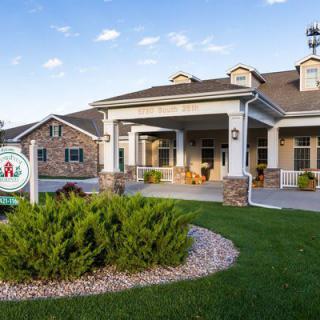


 Understanding Dementia Through Its Seven Stages: A Comprehensive Look at Progression and Expectations
 Safeguarding Your Memory Through the Golden Years: Eight Ways to Preserve Cognitive Health
 Comprehensive Insights into Activities of Daily Living (ADLs) and Their Assessment