Providence Place Memory Care

Save

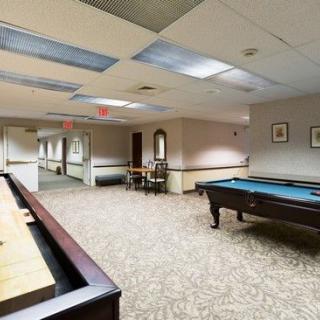
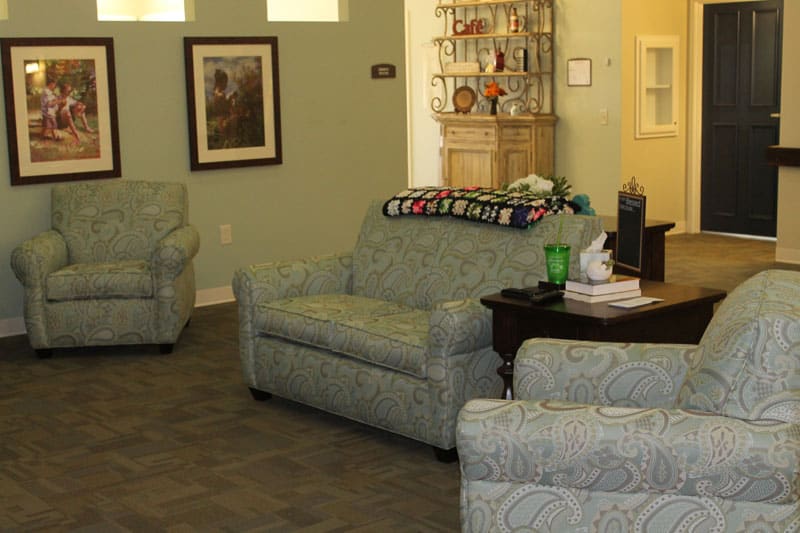
  • Interior

    A cozy living room with sofas and armchairs arranged around a coffee table.
  • Decor

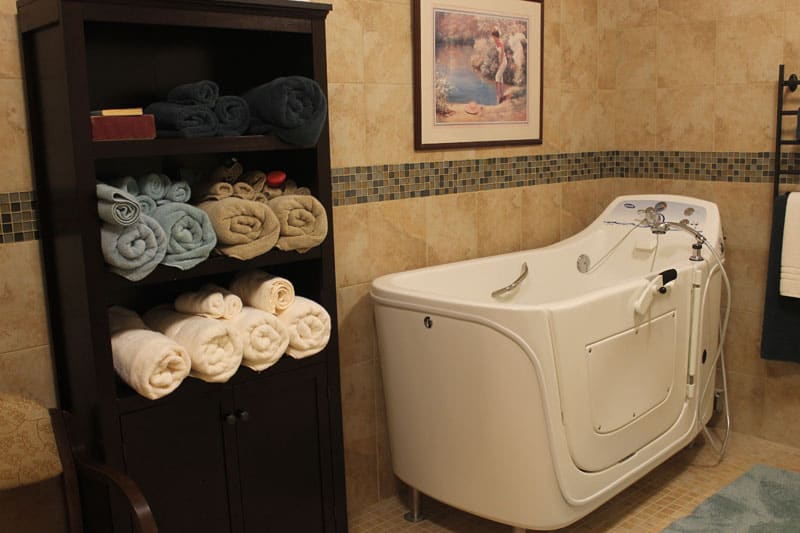
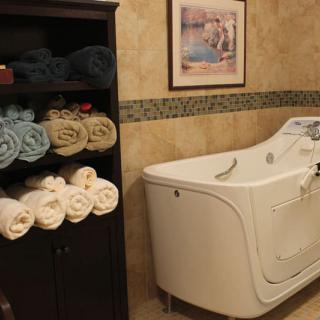
    A neatly organized bathroom with rolled towels and a modern bathtub.
  • Living Room

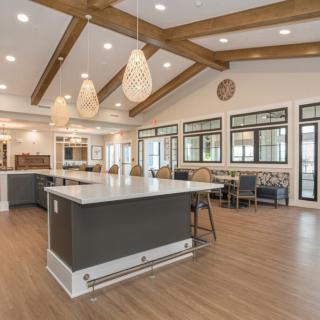
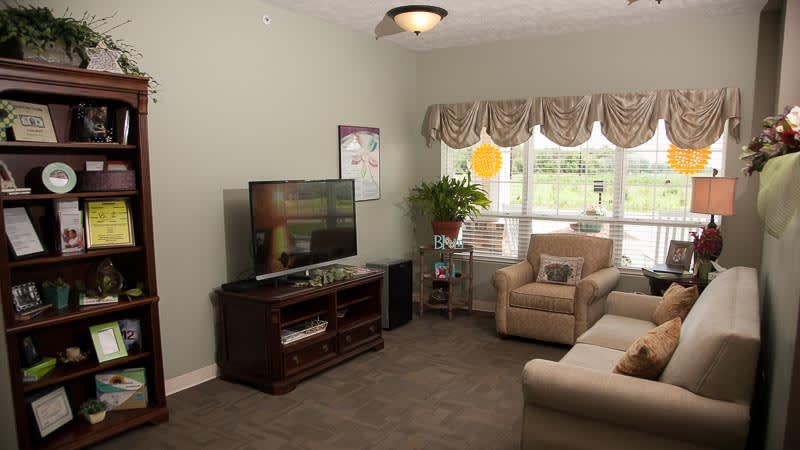
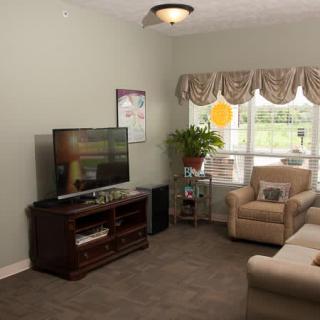
    A cozy living room with a television, comfortable seating, and a large window.
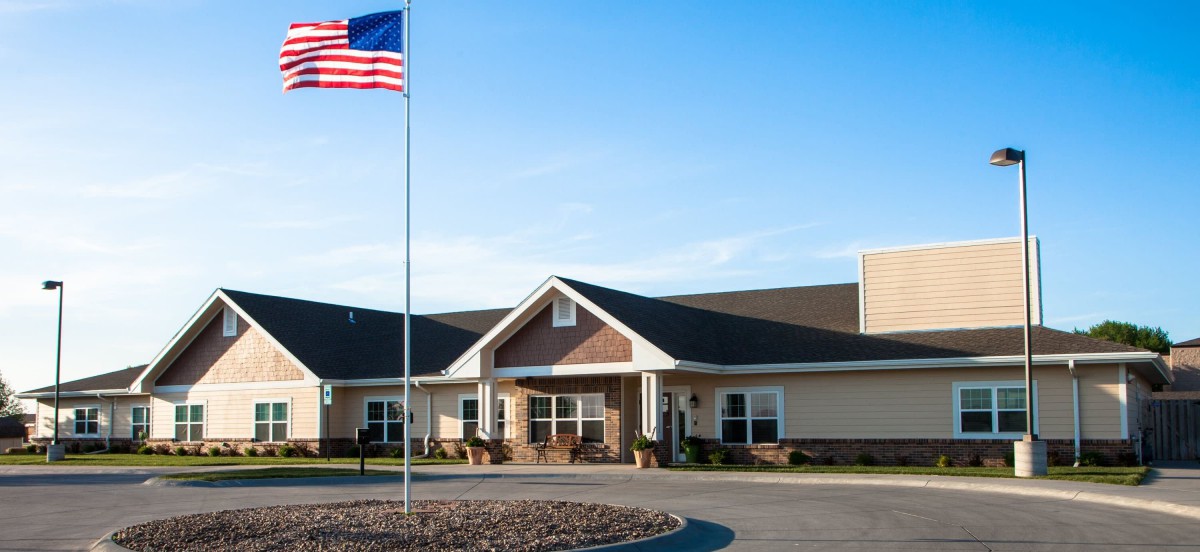
  • Building

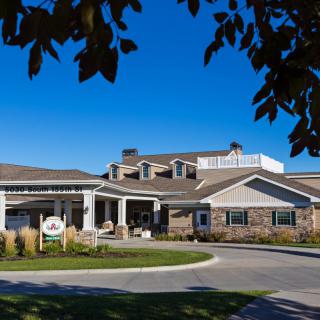
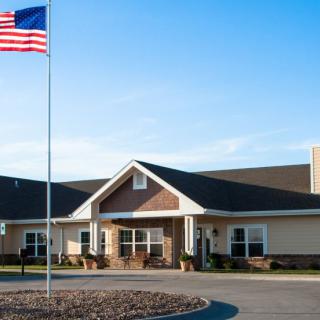
    A single-story building with an American flag on a flagpole under a clear blue sky.
  • Windows

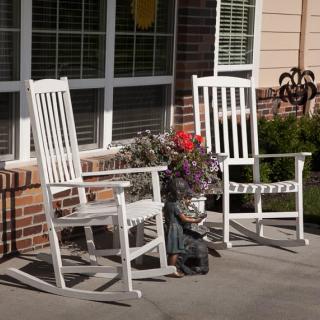
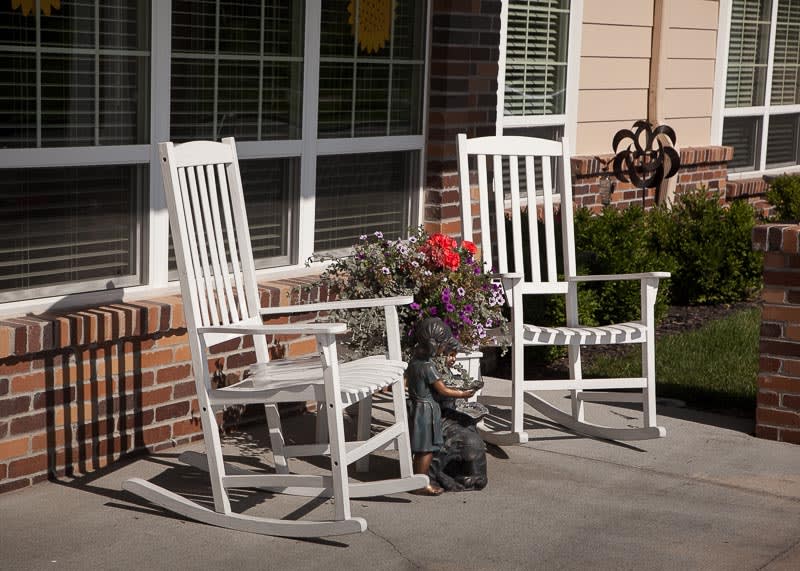
    Two white rocking chairs on a sunny porch with flowers and plants.
  • Exterior

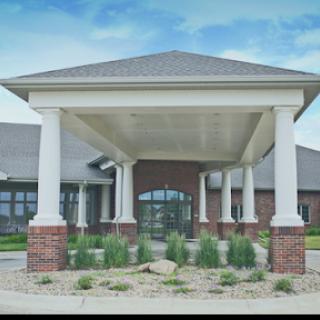
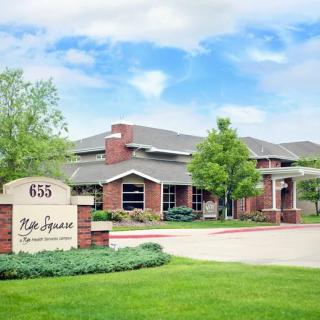
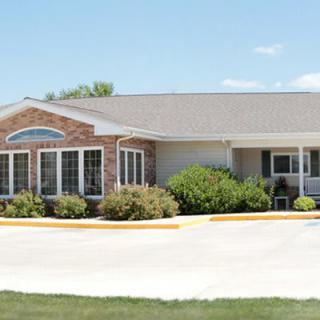
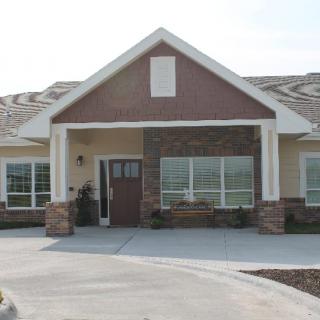
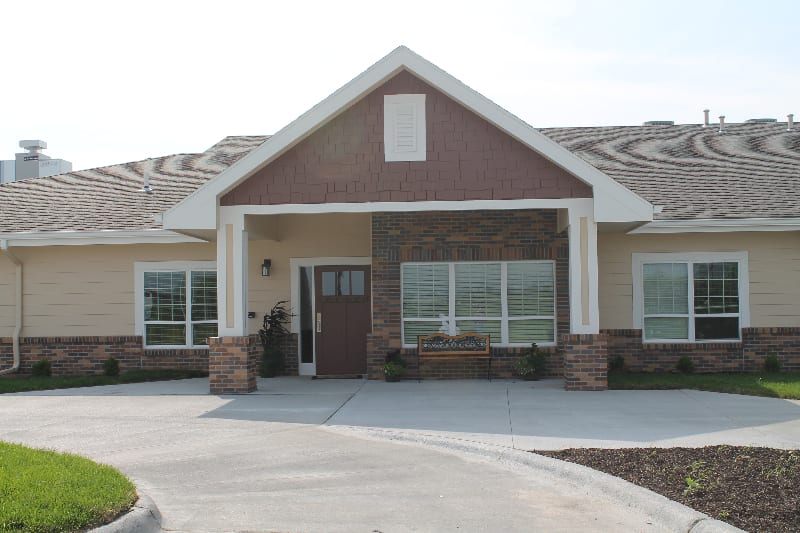
    A suburban house with a brick exterior and large windows.
  • Hallway

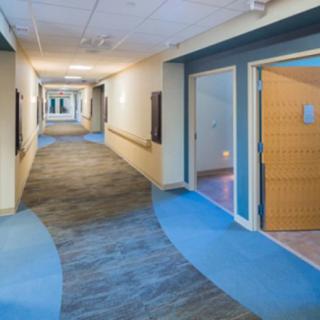
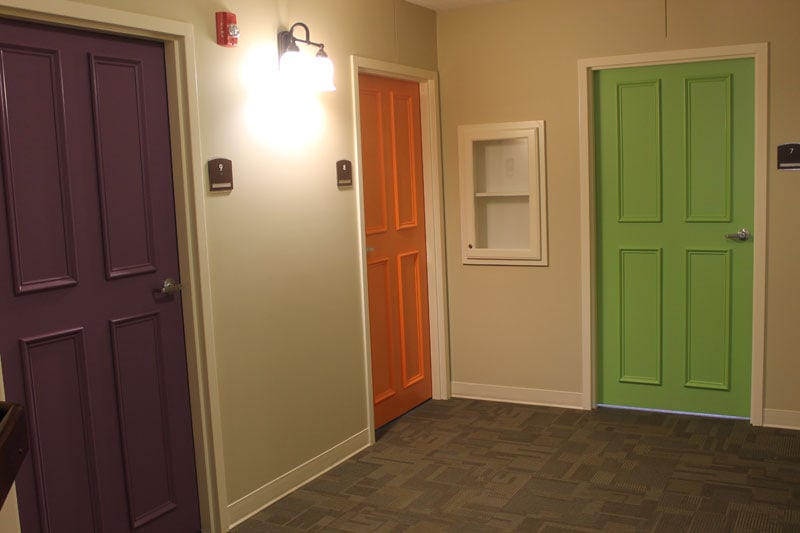
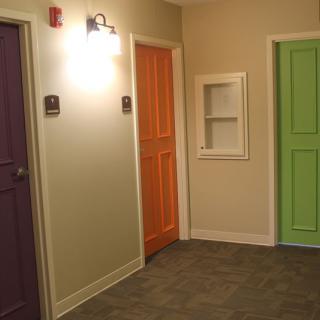
    A hallway featuring three colorful doors in purple, orange, and green.
  • Indoor Plants

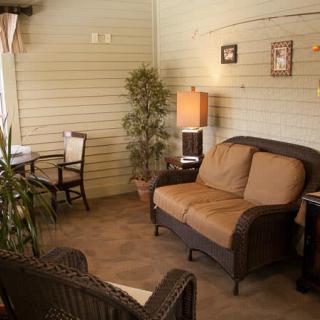
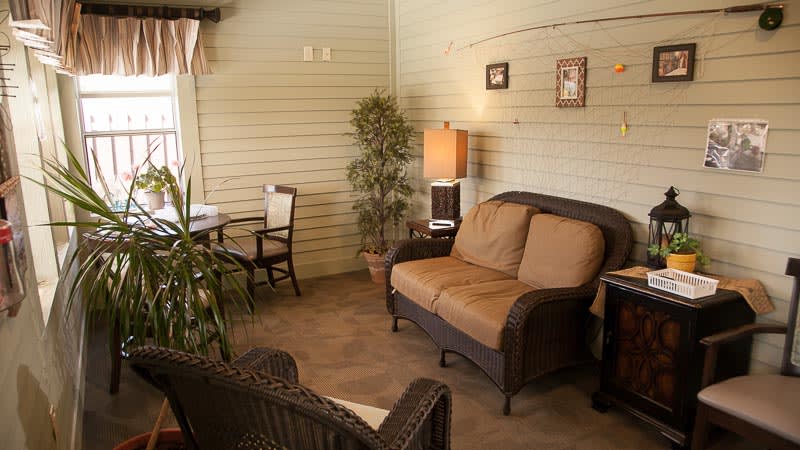
    A cozy living room with a sofa, lamp, table and chairs, adorned with an indoor plant and wall decor.

Providence Place Memory Care

749 E 32nd St, Fremont, NE 68025

For more information about senior living options: (844) 490-3973

4.2 from 23 reviews
5 stars
17
4 stars
1
3 stars
1
2 stars
0
1 stars
4

Memory Care

Providence Place Memory Care Costs & Pricing

At Providence Place Memory Care, the monthly cost for a studio room is $6,550, reflecting the specialized care and tailored support services provided to residents with memory-related challenges. This price stands in contrast to the average costs observed in Washington County and across Nebraska, which are significantly lower at approximately $3,623 and $3,728 per month, respectively. While these regional figures suggest more economical options, it's important to consider that Providence Place offers a comprehensive range of amenities and expert care that are designed specifically for individuals living with dementia or Alzheimer's disease. This investment not only ensures a safe and nurturing environment but also promotes the overall well-being of residents through personalized care plans and engaging activities.

Floor plansProvidence Place Memory CareWashington CountyNebraska
Studio$6,550$3,623$3,728

Overall Review of Providence Place Memory Care

Pros

  • pro Providence Place is described as easy to work with, with great communication and exceptional care for residents.
  • pro The staff across administration, nursing, kitchen, maintenance, and beautician are amazing, showing love, kindness, and genuine care.
  • pro Families feel reassured daily that their loved ones are doing well and adjusting to their new life.
  • pro Providence Place is well managed and maintained, with engaging activities and a top-notch kitchen staff.
  • pro Residents are treated like family, and the staff are patient, cheerful, and compassionate.
  • pro The facility is welcoming, with staff who know how to care for people with cognitive issues.
  • pro Care during emergencies and end-of-life moments is diligent and supportive.
  • pro Many families describe Providence Place as a godsend and would highly recommend it.

Cons

  • pro Unfortunately, over the last nearly two years my wife has experienced several hospital and rehab stays. Generally speaking they have not been good experiences.
  • pro The transition was difficult for her.
  • pro The one posted by Marie is heart breaking to me.

Review

Providence Place in Fremont has earned a glowing, almost unanimous chorus of praise from families who entrusted their loved ones to its care. Across several heartfelt accounts, the campus is described as a place where memory care is delivered with warmth, patience, and a genuine sense of family. The common thread among the stories is not just capable caregiving, but a culture of compassion that seems to touch every level of the operation - from administrators and nurses to cooks, maintenance staff, and beauticians.

One family's experience began with a difficult Christmas marked by Covid, yet it quickly evolved into a reassuring, well-orchestrated transition. After reaching out to A Place for Mom, they found a plan in place within a day, with a room reserved based on the positive impressions their dad had formed and, soon after, mom moving in once her quarantine ended. The narrator called Providence Place a "God's send," noting that everyone - from the top administration to the nursing team and beyond - performed with remarkable kindness and care. They highlighted daily reassurance about mom's progress and wellbeing, hands-on support during an emergency visit, and a steady stream of celebrations for anniversaries and milestones, all while continuing to express confidence and love for both mom and dad. The takeaway was a clear recommendation: this is a place you would trust and recommend "in a heartbeat."

Another reflective account centers on a wife facing ongoing hospital and rehab stays, with safety and compatibility as the major concerns when choosing a long-term memory care facility. Providence Place not only met those expectations but exceeded them. The staff's compassion and care stood out, and the facility's management and maintenance were described as strong and reliable. The kitchen was singled out as outstanding, and the overall environment was one that kept residents engaged and active. The family came away feeling grateful for discovering a place where their loved one could be treated like family - a theme that surfaces repeatedly in these testimonials.

A further testimony declares Providence Place to be "the best facility there is," with residents treated as family and staff who are exceptionally well trained in dementia care. The sense of warmth extends to daily life, where meals are described as great and the atmosphere is consistently kind, supportive, and welcoming. TheRepeated sentiment - that residents and families feel like part of a loving community - underpins the belief that Providence Place is the ideal setting for loved ones who need attentive, considerate care within a nurturing environment.

Other testimonials point to the facility's welcoming ethos and the staff's positive, patient demeanor when working with individuals with cognitive challenges. The staff's cheerful, patient approach seems to help both residents and families feel comfortable, and the consistently available activities help keep residents engaged and socially connected.

Several comments acknowledge the pandemic era's challenges and recognize Providence Place's responsiveness during lockdowns and other periods of intense stress. Families noted that staff were helpful to both the patient and the family during Covid, and that the value for money remained strong, especially when insurance considerations were part of the decision-making process. The overarching impression is that Providence Place not only delivers care but does so with a level of transparency and support that reassures families in difficult times.

Two particularly long testimonials offer a poignant, almost cinematic arc of a grandmother's time at Providence Place. The writer emphasizes that they would award "10 stars" if possible, expressing that Providence Place is the kind of place where a loved one experiences truly transformative care. The grandmother - who battled Alzheimer's for seven years - found at Providence Place not just a residence, but a home. The transition, while challenging due to dementia, was met with patient understanding from staff and a careful, compassionate approach to daily activities. The narrative captures how the grandmother began to engage with others, how she found joy in participating in routines, and how the staff maintained open channels of communication with the family throughout. Even in the hardest moments, including the final hours of life during the COVID period when families could not be physically present as they wished, the staff's dedication and the sense of community remained palpable. The writer describes the staff as loving, present, and deeply committed, delivering not only care but a sense of belonging that extended to the family's own experience of grief and remembrance. The conclusion from this account is a wholehearted endorsement: Providence Place offers a level of love and care that families would willingly recommend to anyone seeking a place where a loved one can feel secure, cherished, and truly valued.

Taken together, these narratives present a cohesive portrait of Providence Place in Fremont: a memory-care campus that blends strong clinical competence with sincere human warmth. Families repeatedly highlight the sense that staff know how to care for people with dementia, that they approach residents with patience and cheer, and that they are steadfast partners for families in navigating the challenges of aging, illness, and end-of-life moments. The community is described as well-managed and well-maintained, with engaging programming and an environment that feels like a family home rather than a clinical facility. For those seeking memory-care options, Providence Place emerges as a beacon of compassionate, comprehensive care that honors both residents and the families who love them.

Features

Types of Care

  • Memory Care Memory CareMemory care is crucial for seniors as it provides specialized support and services for individuals with dementia or Alzheimer's disease. These programs offer a safe and secure environment where residents receive personalized care, cognitive stimulation, and help with daily activities. Memory care helps seniors maintain their independence, quality of life, and dignity while also providing peace of mind for their families.

Pets

  • Cats allowed Cats allowed"Pet friendly" senior living communities are important for seniors because pets provide companionship, reduce feelings of loneliness and depression, promote physical activity and mental stimulation, and offer a sense of purpose and responsibility. Pets can improve overall well-being and quality of life for seniors in many ways.
  • Dogs allowed Dogs allowed"Pet friendly" senior living communities are important for seniors because pets provide companionship, reduce feelings of loneliness and depression, promote physical activity and mental stimulation, and offer a sense of purpose and responsibility. Pets can improve overall well-being and quality of life for seniors in many ways.

Amenities

  • Air-conditioning Air-conditioningAir conditioning is important for seniors as they are more vulnerable to heat-related illnesses and may have underlying health conditions that make it difficult for them to regulate their body temperature. It helps to keep them comfortable, safe, and healthy in hot weather.
  • Cable or satellite TV Cable or satellite TVCable or satellite TV is important for seniors because it provides entertainment, news, and companionship, helping to combat loneliness and boredom. It also offers a wide range of programming options tailored to different interests and preferences.
  • Full kitchen Full kitchenHaving a full kitchen in a senior living facility is important for seniors because it allows them to maintain their independence and prepare their own meals. This promotes healthy eating habits, saves money on dining out, and provides a sense of familiarity and comfort for residents.
  • Ground floor units Ground floor unitsGround floor units are important for seniors because they provide easy accessibility, reduced risk of falls and injuries, and convenience for those with mobility issues. Seniors can avoid climbing stairs or using elevators, making daily tasks and activities more manageable and enjoyable.
  • Handicap accessible Handicap accessible"Handicap accessible" amenities are crucial for seniors to ensure they can easily navigate and access facilities, services, and activities without barriers or limitations due to physical impairments. This promotes independence, safety, and inclusivity for seniors in senior living communities.
  • Respite or short term stays offered Respite or short term stays offeredRespite or short term stays provide seniors with a temporary solution when their regular caregiver is unavailable, offering them the opportunity to receive additional care and support during times of need, while also giving caregivers a chance to rest and recharge.
  • Wheelchair accessible showers Wheelchair accessible showersWheelchair accessible showers are crucial for seniors as they provide a safe and independent bathing option for those with mobility challenges. These showers help prevent falls and allow seniors to maintain their dignity and autonomy while ensuring they can bathe comfortably.
  • Wi-Fi/high-speed internet available Wi-Fi/high-speed internet availableWi-Fi/high-speed internet is important for seniors to stay connected with loved ones, access online resources, and participate in virtual activities to combat feelings of loneliness and isolation. It also allows them to easily manage healthcare needs, access entertainment, and engage in lifelong learning opportunities.

Care Services

  • Ambulatory care Ambulatory care"Ambulatory care services provide essential medical support and treatment to seniors without requiring hospitalization, allowing them to maintain their independence and quality of life while managing chronic conditions or receiving routine medical care."
  • Diabetic care Diabetic careDiabetic care is crucial for seniors as they are more susceptible to developing diabetes due to aging and other health conditions. Proper management of diabetes can help prevent complications such as heart disease, vision loss, and nerve damage, improving the overall quality of life for seniors in senior living communities.
  • High acuity care High acuity careHigh acuity care is important for seniors because it provides specialized medical attention and support for individuals with complex medical needs. This level of care ensures that seniors receive the appropriate treatment and assistance to maintain their health and quality of life as they age.
  • Incontinence care Incontinence careIncontinence care is essential for seniors to maintain their dignity, hygiene, and overall quality of life. By addressing incontinence issues promptly and effectively, seniors can enjoy a sense of independence and comfort in their daily activities.
  • Medication management Medication managementMedication management is crucial for seniors to ensure they are taking the right medications at the correct dosages and times. This helps prevent adverse drug interactions, reduces the risk of medication errors, and promotes overall health and well-being. Proactive management also allows for adjustments as needed based on changing health conditions or new prescriptions.

Dining

  • Anytime dining Anytime diningAnytime dining is important for seniors because it allows them the flexibility to eat when they are hungry, rather than being restricted to set meal times. This can be especially beneficial for those with medical conditions or medications that affect their appetite, as well as those who may have difficulty adhering to a strict dining schedule. Overall, anytime dining promotes independence and overall well-being for seniors in senior living communities.
  • Guest meals Guest mealsGuest meals are important for seniors living in senior living communities because they provide an opportunity for socialization and companionship. Sharing a meal with friends, family, or new acquaintances can help combat feelings of loneliness and isolation, promote a sense of community, and enhance overall well-being. Additionally, guest meals allow seniors to enjoy delicious food in a comfortable setting without the hassle of cooking or cleaning up, making dining a pleasurable and stress-free experience.
  • Low / no sodium Low / no sodiumLow/no sodium options are important for seniors because excessive sodium intake can lead to high blood pressure, heart disease, and other health issues commonly experienced by older adults. By choosing low/no sodium foods, seniors can better manage their health and reduce their risk of developing these conditions.
  • Meals provided Meals provided"Meals provided" are crucial for seniors in assisted living communities as it ensures they have access to nutritious, balanced meals without the stress of meal planning and preparation. This can help promote overall health and well-being for seniors who may have limited mobility or cognitive abilities.
  • Professional chef Professional chefProfessional chefs are important for seniors living in senior living communities because they provide nutritious and delicious meals that cater to their dietary needs and preferences. A professional chef can ensure that seniors are receiving balanced, flavorful meals that support their overall health and well-being.
  • Restaurant style dining Restaurant style diningRestaurant style dining is important for seniors as it offers them a social and enjoyable dining experience, promotes healthy eating habits, and provides personalized menu options to cater to their dietary needs and preferences. This type of dining setting can enhance their overall quality of life and create a sense of community within the senior living facility.
  • Room service Room serviceRoom service is important for seniors in a senior living community because it provides convenience and allows them to have their meals delivered directly to their room. This can be especially beneficial for seniors who may have mobility issues or difficulty accessing the dining area. Room service ensures that seniors are able to receive nutritious meals without having to navigate through the facility, allowing them to maintain their independence and overall well-being.
  • Special dining programs Special dining programsSpecial dining programs are important for seniors because they provide nutritious meals tailored to their dietary needs and preferences. These programs also offer socialization opportunities, promote overall health and well-being, and can help prevent malnutrition.
  • Vegetarian VegetarianA vegetarian diet is important for seniors because it can help lower the risk of chronic diseases, maintain a healthy weight, and provide essential nutrients needed for aging bodies. Additionally, plant-based diets are often easier on digestive systems and can contribute to overall well-being in older adults.

Activities

  • Art classes Art classesArt classes are important for seniors because they provide a creative outlet, improve cognitive function, reduce stress and anxiety, promote socialization, and enhance overall well-being and quality of life.
  • Bible study group Bible study groupBible study groups provide seniors with a sense of community, spiritual growth, and support during their later years. It helps them stay connected to their faith, find comfort in difficult times, and build meaningful relationships with others.
  • Catholic services Catholic servicesCatholic services are important for seniors because they provide spiritual support, a sense of community, and opportunities for social interaction that can enhance overall well-being and quality of life in their later years.
  • Cooking classes Cooking classesCooking classes are important for seniors as they provide opportunities for social interaction, enhance cognitive skills, promote healthy eating habits, and boost confidence in the kitchen.
  • Day trips and outings Day trips and outingsDay trips and outings are important for seniors as they provide opportunities for socialization, mental stimulation, physical activity, and a break from daily routines. These experiences can enhance overall well-being and quality of life for older adults living in senior communities.
  • Devotional activities on-site Devotional activities on-siteDevotional activities on-site provide seniors with a sense of community, spiritual fulfillment, and emotional support, promoting overall well-being and a positive sense of purpose in their lives.
  • Educational speakers / life long learning Educational speakers / life long learningEducational speakers and lifelong learning opportunities are crucial for seniors as they provide mental stimulation, promote social engagement, and contribute to overall well-being. Continuous learning helps seniors stay mentally sharp, build new skills, and maintain a sense of purpose and fulfillment in their lives. It also allows them to stay connected to the world around them and fosters a sense of community within senior living facilities.
  • Forever fit Forever fit"Forever fit" programs are crucial for seniors as they promote physical activity, social engagement, and overall well-being. These programs help seniors maintain their independence, improve their strength and flexibility, and reduce the risk of chronic diseases. By participating in these activities, seniors can enjoy a higher quality of life and live independently for longer.
  • Karaoke KaraokeKaraoke provides seniors with a fun and social activity that can boost mood, confidence, and cognitive function. It encourages social interaction, physical movement, and creative expression, making it an important form of entertainment for senior living communities.
  • Live musical performances Live musical performancesLive musical performances can provide seniors with a sense of joy, nostalgia, and connection. Music has the power to evoke emotions and memories, improve mood and cognitive function, and foster social interaction among seniors. It can also serve as a form of therapy and stress relief for older adults, making it an important activity to include in senior living communities.
  • Live well programs Live well programs"Live well programs are essential for seniors as they provide opportunities for physical activity, social engagement, and mental stimulation, ultimately promoting overall health and well-being in later years."
  • Visiting chaplain or priest Visiting chaplain or priestHaving a visiting chaplain or priest at a senior living community is important for seniors because it provides spiritual support, comfort, and guidance during a time of life that can be challenging and uncertain. Their presence can help seniors feel connected to their faith, find peace of mind, and cope with the emotional and mental struggles they may face in their later years.

Description

Providence Place Memory Care in Fremont, NE is a vibrant and welcoming assisted living community designed to provide exceptional care and support for individuals with memory impairment. Our community offers a range of amenities and services to enhance the lives of our residents.

Our spacious and comfortable apartments feature cable or satellite TV, full kitchens, ground floor units, and are handicap accessible. The bathrooms are equipped with wheelchair accessible showers to ensure safety and convenience for all residents. Additionally, we offer Wi-Fi/high-speed internet connectivity throughout the community.

We pride ourselves on providing specialized care services for those with specific needs. Our trained staff is experienced in diabetic care, high acuity care, incontinence care, and medication management. Residents can feel confident that their health needs will be well attended to.

Dining at Providence Place Memory Care is truly exceptional. With our professional chef leading the way, we offer delicious meals prepared with a focus on low/no sodium options. Residents can enjoy restaurant-style dining experiences or opt for room service if they prefer. Special dining programs cater to various dietary preferences including vegetarian options.

To keep our residents engaged and stimulated, we offer a variety of activities tailored to individual interests and abilities. From bible study groups and devotional activities to cooking classes and day trips, there is always something exciting happening within our community. Educational speakers and lifelong learning opportunities allow residents to continue growing intellectually while Forever Fit programs promote physical wellness. Live musical performances add joyous moments while visiting chaplains or priests provide spiritual guidance.

Conveniently located nearby are parks, pharmacies, physicians' offices, restaurants, transportation services, places of worship, and hospitals ensuring easy access to essential resources for both residents and their families.

At Providence Place Memory Care in Fremont, NE, we strive to create an environment that promotes independence while also providing compassionate care tailored to each resident's unique needs. We invite you to come visit us and experience the warm community atmosphere that our residents enjoy every day.

Nearby Places of Interest

This area of Fremont, Nebraska is conveniently located near several hospitals and medical facilities, making it an ideal location for seniors looking for easy access to healthcare services. There are also a variety of physicians' offices nearby, providing convenient medical care options. In terms of amenities, there are a few restaurants and pharmacies within close proximity for added convenience. Additionally, there are several places of worship in the area for those who value spirituality and community involvement. The nearby parks offer opportunities for outdoor recreation and relaxation, while the cafes provide cozy spots for socializing with friends or enjoying a cup of coffee. Overall, this neighborhood offers a combination of healthcare resources, amenities, and recreational options that cater to the needs and interests of seniors looking to settle down in a welcoming community.

Hospitals

  • Fremont Surgical Center (0.1 miles)
  • Fremont Health Surgery Center (0.1 miles)
  • A J Merrick Manor (0.4 miles)
  • Fremont Area Medical Center (0.4 miles)
  • Fremont Area Medical CTR (0.5 miles)
  • Memorial Hospital of Dodge County (0.6 miles)
  • Arbor Manor (0.8 miles)

Physicians

  • Pediatric Partners (0.1 miles)
  • Health Care For Women (0.1 miles)
  • Bloom Optical (0.2 miles)
  • The Surgical Group (0.2 miles)
  • Fremont Eye Associates (0.2 miles)
  • Fremont Family Care (0.3 miles)
  • OrthoNebraska (0.3 miles)

Restaurants

  • Raising Cane's Chicken Fingers (0.5 miles)
  • McDonald's (0.6 miles)
  • Burger King (0.7 miles)
  • Valentino's (0.7 miles)
  • Pizza Hut (0.8 miles)
  • Burger King (1 miles)
  • Runza (1.7 miles)

Transportation

  • U-Haul Neighborhood Dealer (0.6 miles)
  • Hertz Lcoal Edition (0.7 miles)
  • Scribner State Airfield (12.5 miles)
  • U-Haul Neighborhood Dealer (16.9 miles)

Pharmacies

  • Miller Pharmacy (0.6 miles)
  • Walgreens (0.7 miles)
  • Kubat Pharmacy (0.8 miles)
  • A & A Drug (1 miles)
  • Baker's Pharmacy (1.1 miles)
  • Walmart Pharmacy (1.6 miles)
  • Fremont Drug Store (1.8 miles)

Places of Worship

  • First Congregational Church (1.1 miles)
  • Community of Christ (1.2 miles)
  • St Timothy Lutheran Church Elca (1.3 miles)
  • Presbyterian Church (1.4 miles)
  • Living Word Fcf (1.4 miles)
  • Fremont Church of God (1.5 miles)
  • Full Life Church (1.7 miles)

Parks

  • Memorial Park (1.7 miles)
  • Lake Wanahoo State Recreation Area (16.7 miles)
  • Dead Timber State Recreation Area (17.1 miles)
  • Cooks Park (17.7 miles)
  • Two Rivers State Recreation Area (18 miles)

Cafes

  • Colon Coffee Shop (12.8 miles)

Frequently Asked Questions

How much does it cost to live at Providence Place Memory Care in Fremont, NE?
Where is Providence Place Memory Care?
Does Providence Place Memory Care provide care for residents with dementia or Alzheimer's disease?
Does Providence Place Memory Care allow residents to have pets?
What photos are available for Providence Place Memory Care in Fremont, Nebraska?

Nearby Communities

Memory care in Nearby Cities

Related Resources

  • list of drugs linked to dementiaA Thorough Discussion of Medications Potentially Linked to Dementia Risk

    Dementia, influenced by aging and certain medications, may be exacerbated by drug classes such as anticholinergics, benzodiazepines, and antipsychotics, which are associated with cognitive impairment. Regular medication reviews by healthcare professionals are crucial for older adults to manage risks and optimize cognitive health.

  • do dementia patients sleep a lotWhy Do Dementia Patients Sleep So Much? Understanding Oversleeping, Stages, and Care Approaches

    Dementia often results in disrupted sleep patterns, leading to excessive daytime sleeping due to factors like brain damage affecting circadian rhythms, medication side effects, and lack of structure in daily activities. Caregivers must monitor these changes closely, as oversleeping can increase risks such as malnutrition or dehydration, and provide necessary support and routines to enhance patient engagement and well-being.

  • when to move from assisted living to nursing home8 Key Indicators That Suggest It May Be Time to Transition from Assisted Living to Skilled Nursing Care
    The transition from assisted living to skilled nursing care is often prompted by complex medical needs that assisted living cannot meet, with key indicators including frequent health declines, increased falls, severe memory issues, and caregiver burnout. Families should recognize these signs early to discuss options with healthcare providers and prepare for the emotional and logistical aspects of moving to a facility that offers comprehensive medical support.