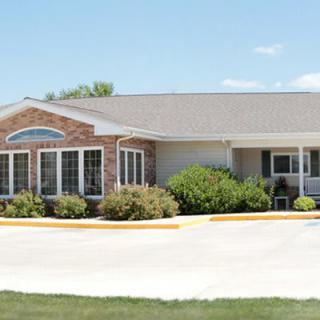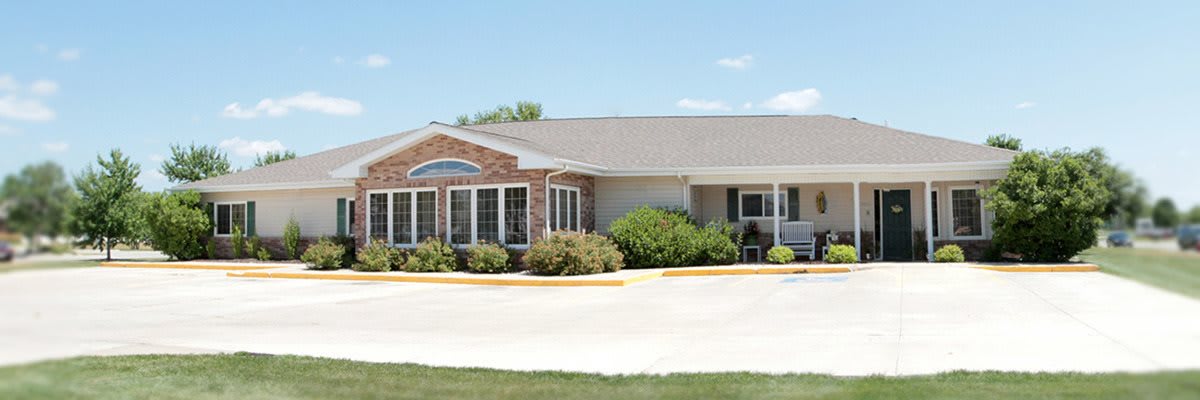
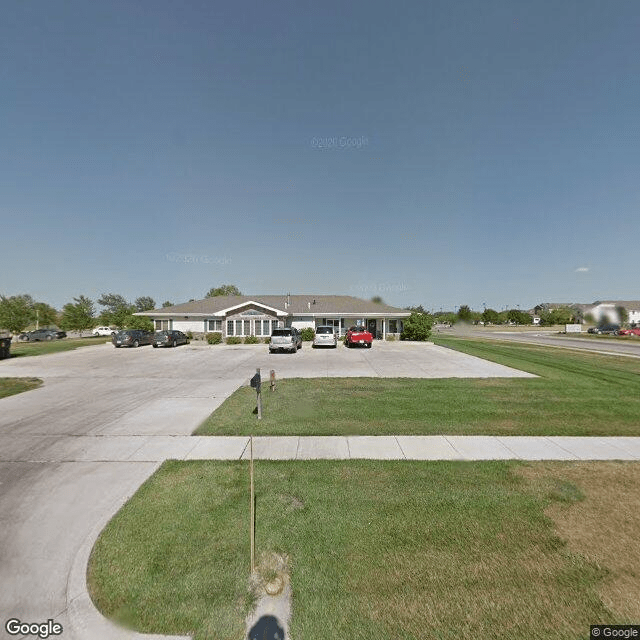
2910 N Clarkston Street, Fremont, NE 68025
To contact a resident: (402) 753-8800
For more information about senior living options: (866) 208-4318
Edgewood Vista of Fremont Costs & Pricing
At Edgewood Vista of Fremont, the monthly costs for residential accommodations reflect the unique offerings and amenities provided by the facility. For a semi-private room, residents can expect to invest $4,375 per month, which is slightly above the average cost in Washington County at $4,010 and also higher than the state average in Nebraska at $4,123. Meanwhile, those interested in a studio suite will find the monthly rate of $4,975 surpassing both local and state averages significantly; Washington County's average for similar accommodations stands at $3,623, while Nebraska's overall average is $3,728. These figures suggest that Edgewood Vista is positioned as a premium option within the region, prioritizing quality care and an enriching environment for its residents.
| Floor plans | Edgewood Vista of Fremont | Washington County | Nebraska |
|---|---|---|---|
| Semi-Private | $4,375 | $4,010 | $4,123 |
| Studio | $4,975 | $3,623 | $3,728 |
Memory care communities with a similar price nearby
-
from +$325 / mo
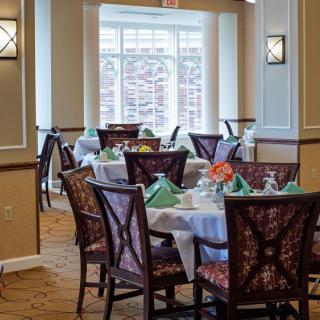
Lakeside Village
$4,700 / month21.7 miles away -
from +$846 / mo
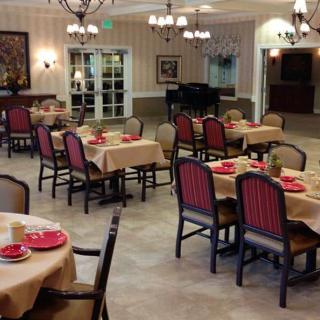
Prairie Meadows Alzheimers Special Care Center
$5,221 to $5,789 / month22.0 miles away -
from -$573 / mo
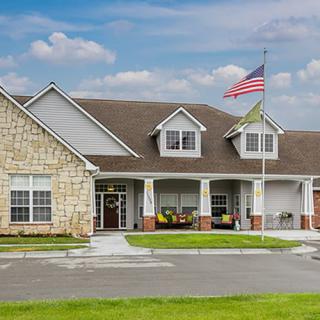
Bickford of Omaha - Blondo
$3,802 to $4,106 / month24.2 miles away -
from -$825 / mo
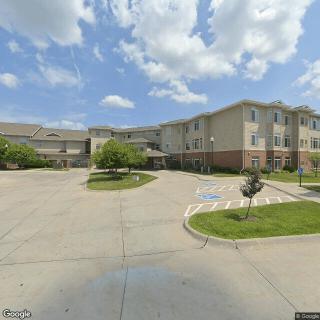
Ridgewood Senior Living
$3,550 to $4,240 / month18.8 miles away -
from -$255 / mo
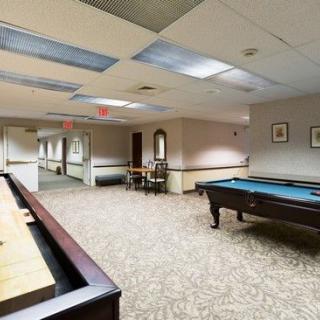
Marquis Place Of Elkhorn
$4,120 to $5,380 / month17.2 miles away
Overall Review of Edgewood Vista of Fremont
Pros
 Edgewood Vista is a one-of-a-kind place to send loved ones with memory issues.
- The staff at Edgewood Vista are patient and well trained in handling Alzheimer's behaviors.
- Edgewood Vista in Fremont, NE is described as an awesome home for loved ones with memory issues.
- The facility is highly recommended for memory care.
Review
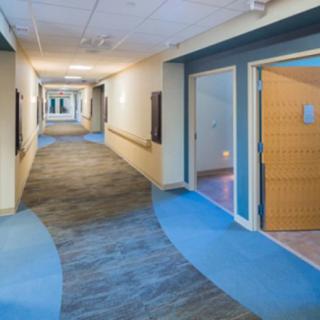
Edgewood Vista of Fremont is best suited for families seeking a memory-care focused option delivered in a warm, home-like assisted-living setting. In Fremont, Nebraska, the community stands out for its emphasis on dementia care, with residents who have memory issues thriving under staff who are described as patient and well trained to handle Alzheimer’s behaviors. For families prioritizing a calm daily rhythm, predictable routines, and a caregiving team that understands dementia-specific challenges, this is a compelling fit. The positive sentiment from the two reviews centers on a unique capacity to provide a specialized, compassionate home for loved ones navigating memory decline.
Those weighing alternatives should consider whether the care needs extend beyond memory care. If medical complexity requires more robust on-site nursing, rehabilitation, or round-the-clock clinical oversight, a facility with broader skilled-nursing services or a larger campus might be a better match. Similarly, households seeking a broader array of medical therapies, more intensive medical monitoring, or a different care model beyond dementia-focused programming may benefit from exploring traditional nursing homes or other assisted-living communities that advertise comprehensive medical support. In short, Edgewood Vista shines for memory-care fluency; for non-memory-care priorities, alternatives deserve evaluation.
The strongest advantages pivot on staff quality and the care environment. The reviews describe a staff that is patient, consistently attentive, and specifically trained to manage Alzheimer’s behaviors, which translates into calmer days, safer routines, and better handling of agitation or distress. The memory-care orientation appears to empower staff to tailor daily activities, redirection, and cues to residents’ cognitive realities, reducing frustration for both residents and families. The home-like atmosphere, rather than a clinical or impersonal setting, further supports meaningful engagement and reduces the sense of displacement that often accompanies memory-care transitions.
Given the reported strengths, the main trade-off to scrutinize is whether Edgewood Vista’s model can accommodate evolving medical needs beyond memory care. A facility that concentrates on dementia care may not automatically offer the breadth of on-site medical services some families expect as conditions change. However, the offset is substantial: with trained staff who understand dementia behaviors in a familiar home environment, many families find the day-to-day stability, consistent communication, and reduced behavioral challenges well worth any narrower clinical scope. Where Edgewood Vista truly delivers is in translating expertise into predictability and comfort on a resident-by-resident basis.
Families evaluating Edgewood Vista Fremont should verify practical details that align with these strengths. Key questions include staff-to-resident ratios during peak and off-peak hours, the specific dementia-focused training curricula, and the types of daily programming designed for memory care. Clarify what medical oversight looks like on-site, the process for physician visits, medication management, and how crises are escalated. Assess safety features, mobility support, and the degree of family involvement in care planning. Finally, obtain a transparent understanding of cost, what is included versus add-ons, and the typical length of stay expectations for memory-care residents.
Ultimately, Edgewood Vista of Fremont serves as a strong recommendation for families prioritizing memory-care expertise within a home-like assisted-living setting. It is the clear choice for residents who need patient, well-trained dementia care and who benefit from a calm, familiar daily routine. Those whose loved ones require broader medical services, rehabilitation, or a setting with extensive clinical resources should consider alternatives. For memory care done with intent, compassion, and practical results, Edgewood Vista Fremont deserves serious consideration and, when aligned with the resident’s needs and budget, a strong likelihood of a favorable outcome.
 Day Program
 Memory Care
 Bath tubs
 Beautician on-site
 Devotional services on-site
 Indoor common areas
 Outdoor common areas
 Respite or short term stays offered
 Wheelchair accessible showers
 Ambulatory care
 Diabetic care
 Incontinence care
 Medication management
 Meals provided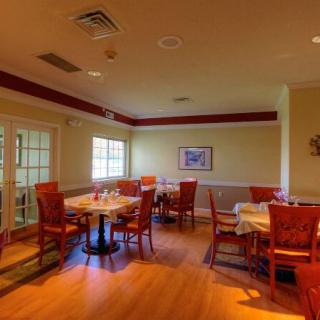


 Five Subtle Dementia Indicators to Observe: An In-Depth Guide to Understanding “Does My Mom Have Dementia?”
 Dementia, Paranoia, and Caregiver Guidance: Understanding the Connection
 Engaging Memory Care Activities That Enhance Quality of Life