450 East 23Rd Street, Fremont, NE 68025
For more information about senior living options: (866) 208-4318
Overall Review of Dunklau Gardens
Pros
 The staff are great, helpful, and knowledgeable.
- They are very thorough and keep families informed about the resident’s progress.
- The therapists are great and the resident is improving greatly.
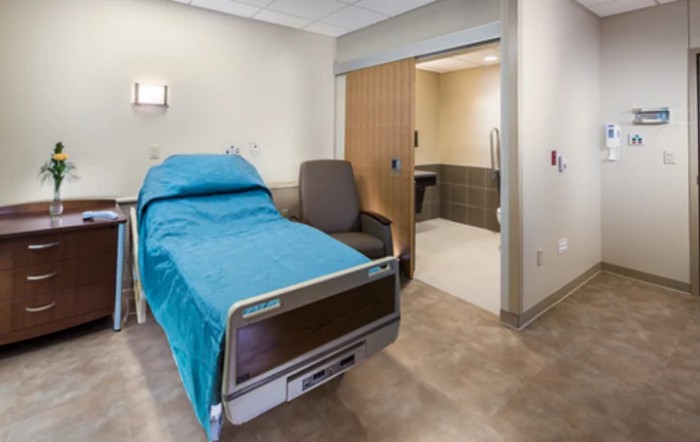
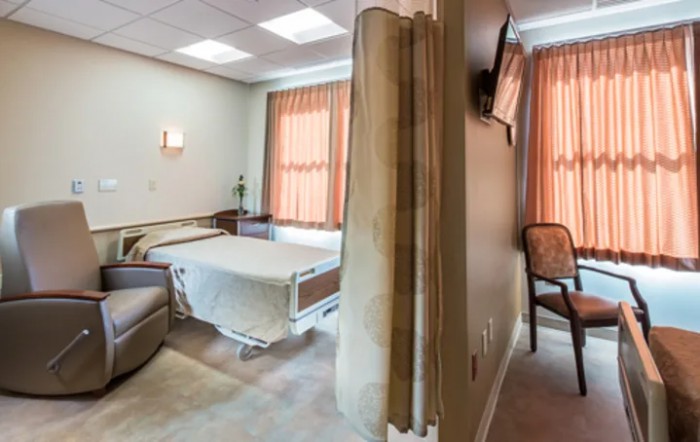
- The facility is great, with each wing offering different levels of care.
- The staff are very understanding and accommodating.
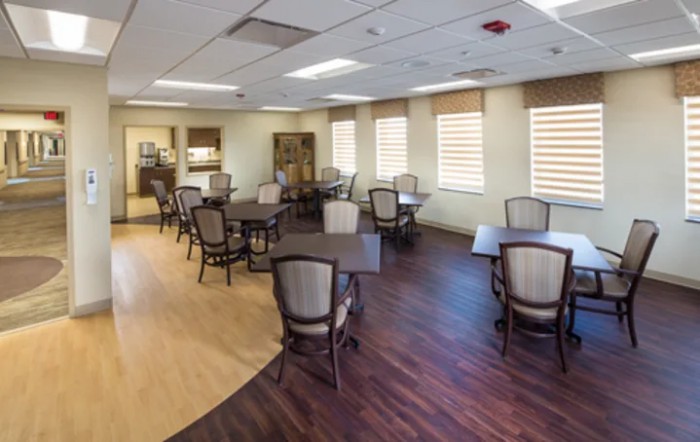
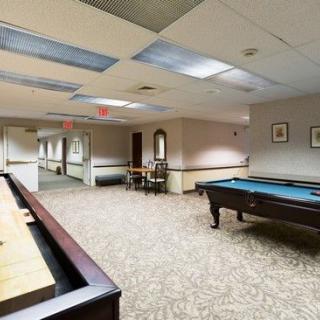
- There are lots of activities and programs for residents.
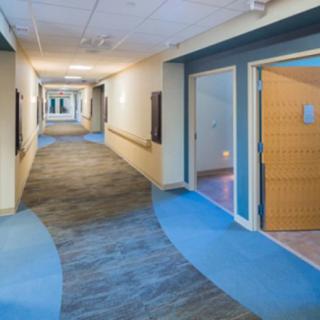
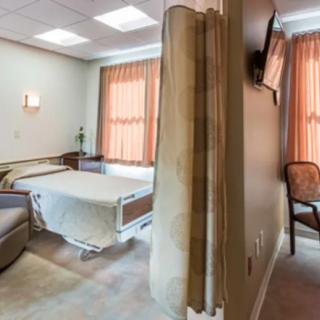
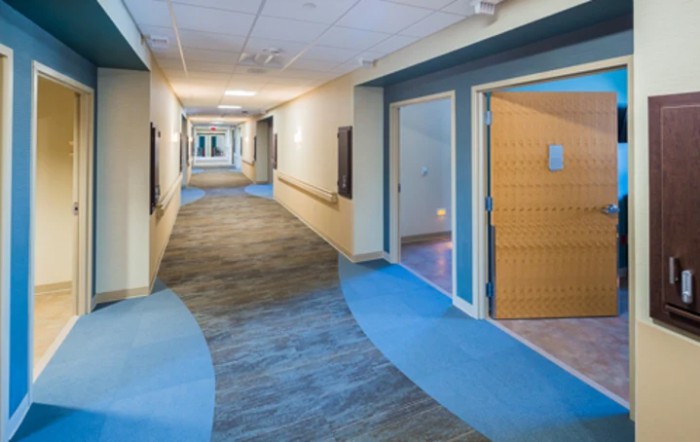
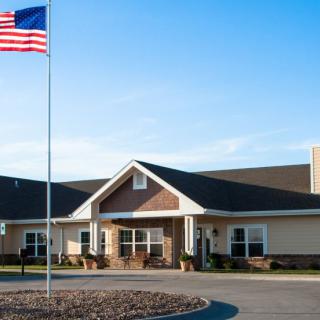
- The facility is very clean and well maintained.
- It is attached to the hospital.
Cons
 They would not send their parent there again for rehab.
- They described a wasted month as the dropped foot was not caught and the brace was delayed.
- They stated that no one answered when they called, with multiple attempts going unanswered.
- They described the staff and head administrator as horrible in how they dealt with their father-in-law.
- They described the experience with their mom there as horrible.
Review
This community is best suited for families pursuing aggressive rehabilitation in a hospital-adjacent setting, where therapists shine and daily progress is clearly monitored. Dunklau Gardens earns its strongest recommendation for stroke or post-surgical rehab, where the care team is described as helpful, knowledgeable, and thorough, and where family members can expect regular updates on progress. The therapy staff is praised for effectiveness, and stories of real improvement are common when milestones are hit. The facility itself projects cleanliness and maintenance, and its campus linkage to a hospital provides a practical safety net if acute care is ever required. For families with high emphasis on transparent, hands-on rehab, this is a strong fit.
Those who should consider alternatives include families prioritizing uniform care across all wings and rock-solid administrative responsiveness. Several reviews highlight dramatic gaps in communication and leadership, including instances where calls go unanswered and where front-line staff appear unable to field urgent questions. Additional concern arises from the observation that each wing can operate at a different level of care, creating potential inconsistencies in how residents are managed as needs change. When a parent is navigating post-hip surgery or complex dementia considerations, that lack of predictable oversight can translate into missed cues and frustration. In short, if steady, proactive administration matters, explore other options.
The strongest pros are tangible: capable therapists, a thorough and engaged staff, and meaningful progress in rehab that justifies the attention promised. Daily or near-daily updates help families stay aligned with treatment plans, and the recovery narrative is often positive when therapy is working. The environment is described as clean, well maintained, and patient-friendly, and the winged layout can help families choose a level of care per resident. Also, the campus’s hospital connection can shorten transitions to inpatient care if a health issue escalates. These advantages can offset some administrative irritations by delivering dependable, skill-driven care.
Yet the main cons cannot be ignored. Rehab missteps and delays have real consequences: a dropped foot that goes undetected for weeks, a brace that arrives late, and explanations that reframe problems as dementia rather than a physical deficit. Staff responsiveness at critical moments has been questioned, and several families report feeling blamed or dismissed in difficult situations. The perception that leadership or the main admin handles problems poorly magnifies frustrations when care issues occur. These factors erode confidence and make continuous risk management harder, especially for families with loved ones who depend on timely interventions.
To make this choice practical, prospective residents should pursue concrete assurances before admission. Insist on a clear care plan with measurable rehab milestones and a single point of contact for daily progress. Request a tour of the rehab wing during a typical day and meet with the rehab director to understand how evaluations are coordinated with nursing, therapy, and any orthotics services. Confirm response times for calls and the process for escalating concerns, and clarify how transitions between wings are managed to maintain continuity of care. Collect patient-specific expectations in writing and verify that staffing levels align with the needs of the intended resident.
Bottom line: Dunklau Gardens offers a compelling rehab-forward option with standout therapy teams, meaningful activity options, and the security of hospital adjacency. It will serve families well when the priority is measurable functional improvement and frequent progress updates, provided that administration can be relied upon and care is consistently coordinated across wings. If the priority is unwavering administrative responsiveness, uniform care standards, and a predictable care trajectory, it is prudent to explore alternatives or demand strong assurances on communication, escalation protocols, and wing-to-wing consistency before committing.
 106 resident community capacity
 Skilled Nursing Facility
 Air-conditioning
 Beauty salon
 Cable or satellite TV
 Computer center
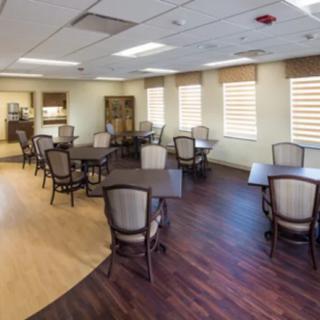
 Dining room
 Fitness room
 Fully furnished
 Gaming room
 Garden
 Housekeeping services
 Kitchenette
 Move-in coordination
 Outdoor space
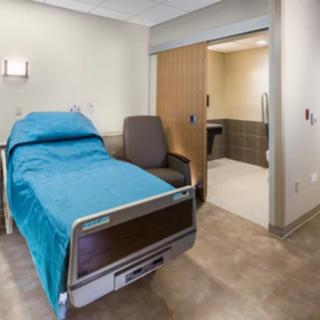
 Private bathrooms
 Restaurant-style dining
 Small library
 Telephone
 Wellness center
 Wi-Fi/high-speed internet available
 Community operated transportation
 12-16 hour nursing
 24-hour call system
 Activities of daily living assistance
 Assistance with bathing
 Assistance with dressing
 Assistance with transfers
 Diabetes diet
 Medication management
 Mental wellness program
 Special dietary restrictions
 Concierge services
 Planned day trips


 Weight Training for Seniors: Building Strength and Vitality
 Understanding the Sandwich Generation: Stress and Responsibilities for Multigenerational Caregivers
 8 Essential Assistive Devices for Older Adults