Overall Review of Tobacco Root Mountains Care Center
common18 reviews mention this
Staff care stands out
Residents and families repeatedly describe staff who are kind, attentive, and responsive.
Across reviews, families describe staff as caring, patient, and welcoming to both residents and visitors. Multiple reviewers also mention being impressed by professionalism and responsiveness during day-to-day support. A few comments add that staff treat people with compassion and help residents feel comfortable and well cared for.
common6 reviews mention this
Facility cleanliness is consistent
Several residents describe a consistently clean, well-maintained environment.
Cleanliness comes up in multiple reviews, with comments highlighting that the facility is kept very clean and well maintained. Reviewers also connect the clean environment with attentive care—describing residents as clean and taken care of. One reviewer specifically mentions a recently remodeled, improved setting.
common3 reviews mention this
Activities help residents stay engaged
Reviews describe regular activities that take residents out and keep them involved.
Reviews mention structured engagement such as bingo, Yahtzee, arts and crafts, and resident outings. One reviewer also describes visits involving a therapy dog as part of the resident experience. Another notes that residents spend time in a shared day room rather than being limited to their rooms.
common2 reviews mention this
Small, comfortable feel
Residents describe a smaller setting that feels comfortable and homelike.
At least a couple of reviews characterize the community as small, with a layout that supports a more personal day-to-day feel. One reviewer also describes the environment as comfortable and homelike, with residents able to socialize in common spaces. This aligns with how some families describe their loved ones being well settled after moving in.
How we summarize
Counts show how many written reviews mention each theme; a review can touch several themes, and only frequently mentioned themes are displayed.
Features
Housing
39 resident community capacity
Types of Care
Memory Care
Skilled Nursing Facility
Amenities
Beauty salon
Cable or satellite TV
Dining room
Fully furnished
Garden
Housekeeping services
Kitchenette
Move-in coordination
Outdoor space
Restaurant-style dining
Small library
Telephone
Wi-Fi/high-speed internet available
Care Services
24-hour call system
24-hour supervision
Activities of daily living assistance
Assistance with bathing
Assistance with dressing
Assistance with transfers
Diabetes diet
Meal preparation and service
Medication management
Mental wellness program
Special dietary restrictions
Dining
Diabetes diet
Special dietary restrictions
Activities
Community-sponsored activities
Resident-run activities
Scheduled daily activities
Nearby Places of Interest
Hospitals
Tobacco Root Mtn Care Center (0 miles)
Ruby Valley Hospital (0.1 miles)
Madison Valley Hosp Foundation (23.3 miles)
Madison Valley Medical Center (23.4 miles)
Pharmacies
Mac's CHC Pharmacy (0.1 miles)
Ennis Pharmacy (23.5 miles)
Physicians
Sheridan Community Health Center (0.1 miles)
Restaurants
Prospector (0.2 miles)
Rockys Roadhouse (0.4 miles)
Fritts Dream Bean Cafe (0.4 miles)
Stockman Bar (0.4 miles)
Booze & Buns (0.4 miles)
Candlelight Cafe and Gifts (0.4 miles)
The Tasting Room (7.7 miles)
Places of Worship
Kingdom Hall of Jehovah's Witnesses (0.3 miles)
Bethel United Methodist Church Sheridan (0.3 miles)
Tobacco Root Mountains Care Center's comprehensive range of features is designed to support residents with dementia or Alzheimer's disease in various essential aspects of daily life, promoting their well-being and dignity. Assistance with dressing and bathing helps maintain personal hygiene and self-esteem, while meal preparation and service ensure that residents receive nutritious food tailored to their dietary needs. Medication management provides crucial oversight to prevent errors and promote adherence to prescribed regimens, reducing anxiety around health care routines. Support for activities of daily living fosters independence within a safe environment, while assistance with transfers helps prevent falls and injuries. The 24-hour supervision offers peace of mind for both residents and their families, ensuring prompt response to any emerging needs or emergencies. Lastly, the mental wellness program engages residents in cognitive stimulation activities that enhance memory recall and social interaction, contributing positively to their overall mental health and quality of life.
Nearby Communities
Home Park Assisted Living
Sheridan, MT
5 from 1 review
Comprehensive care and engaging activities in a comfortable, well-equipped setting.
Madison Valley Manor
Ennis, MT
3 from 2 reviews
Intimate 32-bed community with 24/7 supervision and personalized care.
The Legacy Assisted Living-Dillon
Dillon, MT
5 from 5 reviews
Comprehensive care and amenities in an intimate 10-bed setting
Pioneer Care And Rehabilitation
Dillon, MT
3.4 from 14 reviews
Strong on-site amenities (dining, beauty/fitness centers) and transport options.
Renaissance Senior Care-Dillon Center Street
Dillon, MT
3.8 from 4 reviews
Homelike assisted living with restaurant-style dining and resident-run activities.
Parkview Acres Care and Rehabilitation Center
Dillon, MT
3.2 from 15 reviews
$4,347 / month
Private room at a competitive rate with nearby amenities (parks, cafes, restaurants, worship sites, hospitals).
The article differentiates between assisted living and memory care, explaining that assisted living supports seniors with daily activities while promoting independence, whereas memory care provides specialized services for individuals with dementia, focusing on secure environments and cognitive support. It also addresses staff training, safety considerations, costs, family involvement, and transition strategies for families navigating these care options.
The article outlines effective communication strategies for interacting with loved ones with dementia, highlighting the need for empathy, patience, and understanding while emphasizing supportive approaches like using simple language, minimizing distractions, and focusing on feelings over facts to maintain dignity and foster connection. It also suggests seeking professional guidance when needed as communication challenges evolve.
VA nursing homes, or Community Living Centers (CLCs), offer tailored long-term care for veterans, featuring medical attention and rehabilitation in a supportive environment. The guide covers facility types, eligibility criteria, financial assistance options, quality of care standards, and alternatives to full-time nursing home placement.
Get PricingAsk A QuestionSchedule A TourContact Senior Advisor
By clicking submit, you agree to our Partner's Terms of Use. You
also consent to receive calls and texts, which may be autodialed, from our Partner. Your consent is not a condition to
using our Partner's service. Please visit our Partner's Privacy Policy for information about their privacy practices.

 39 resident community capacity
 Memory Care
 Skilled Nursing Facility
 Beauty salon
 Cable or satellite TV
 Dining room
 Fully furnished
 Garden
 Housekeeping services
 Kitchenette
 Move-in coordination
 Outdoor space
 Restaurant-style dining
 Small library
 Telephone
 Wi-Fi/high-speed internet available
 24-hour call system
 Activities of daily living assistance
 Assistance with bathing
 Assistance with dressing
 Assistance with transfers
 Diabetes diet
 Medication management
 Mental wellness program
 Special dietary restrictions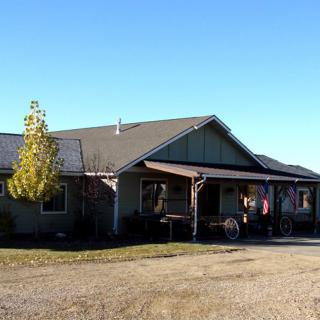
 Comprehensive care and engaging activities in a comfortable, well-equipped setting.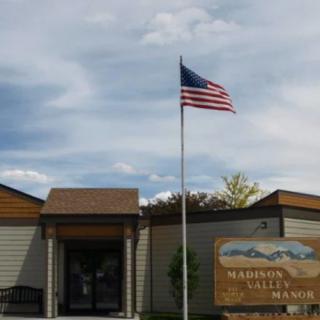


 Understanding the Distinctions: Assisted Living and Memory Care Explained
 How to Communicate with a Loved One Living with Dementia: 10 Supportive Strategies
 Comprehensive Guide to VA Nursing Homes: A Crucial Long-Term Care Resource for Veterans