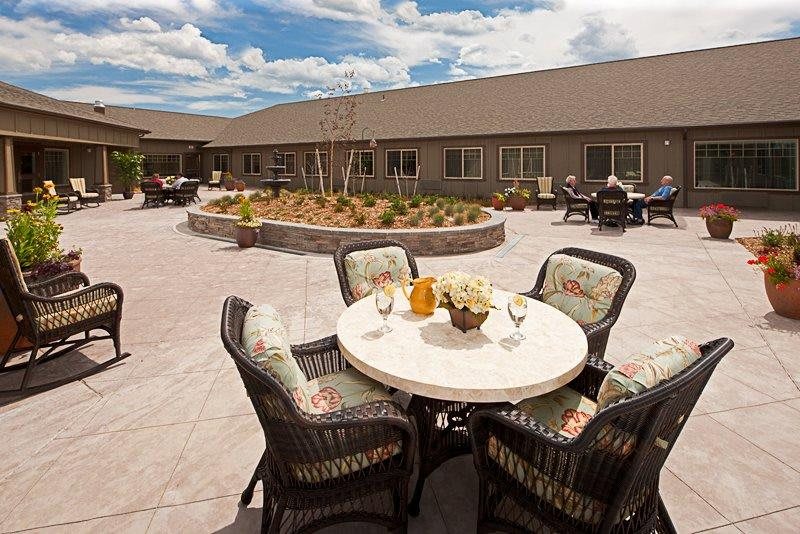
Canyon Creek offers a range of accommodation options that reflect both its premium services and amenities. For those considering semi-private rooms, the monthly cost is set at $6,600, which significantly exceeds the averages for both Yellowstone County at $4,544 and the wider state of Montana at $3,874. Similarly, studio apartments at Canyon Creek are priced at $8,600, higher than the county average of $4,105 and the state average of $3,729. This pricing suggests that Canyon Creek positions itself as a higher-end option in the region, likely promising enhanced care and a more enriched living experience compared to other facilities in Yellowstone County and across Montana.
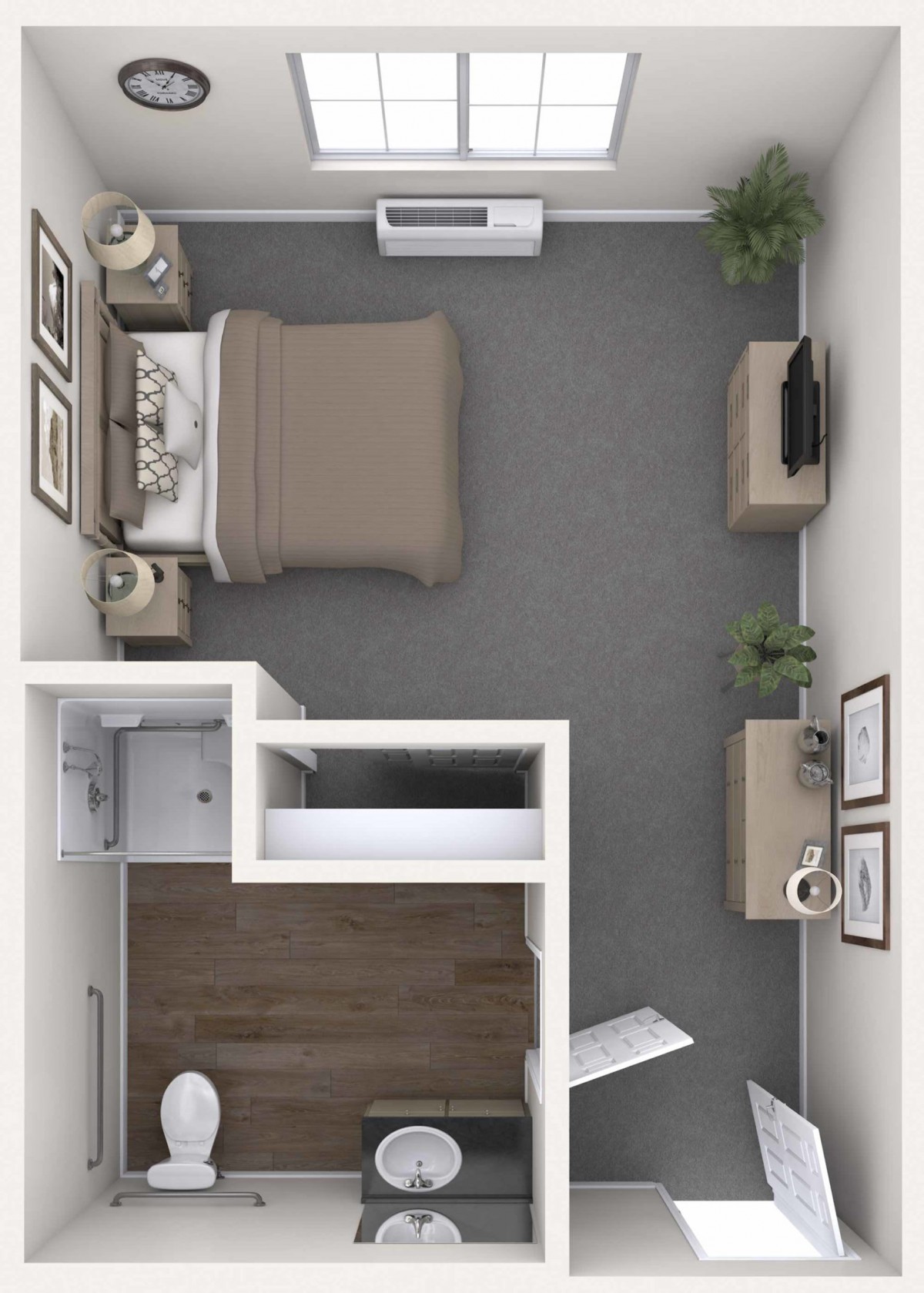
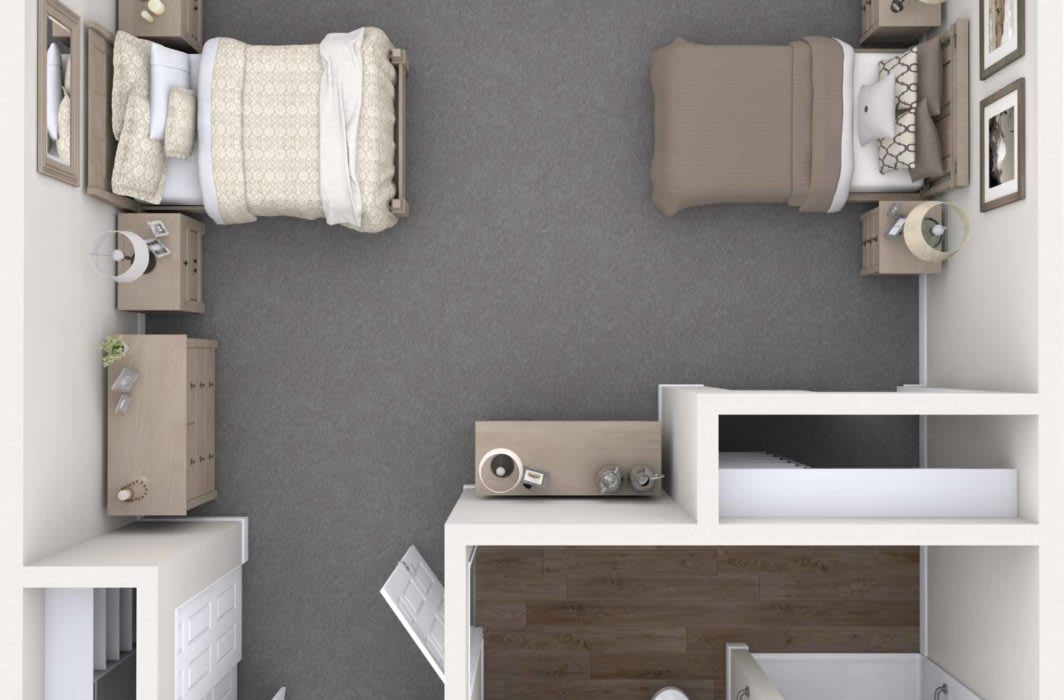
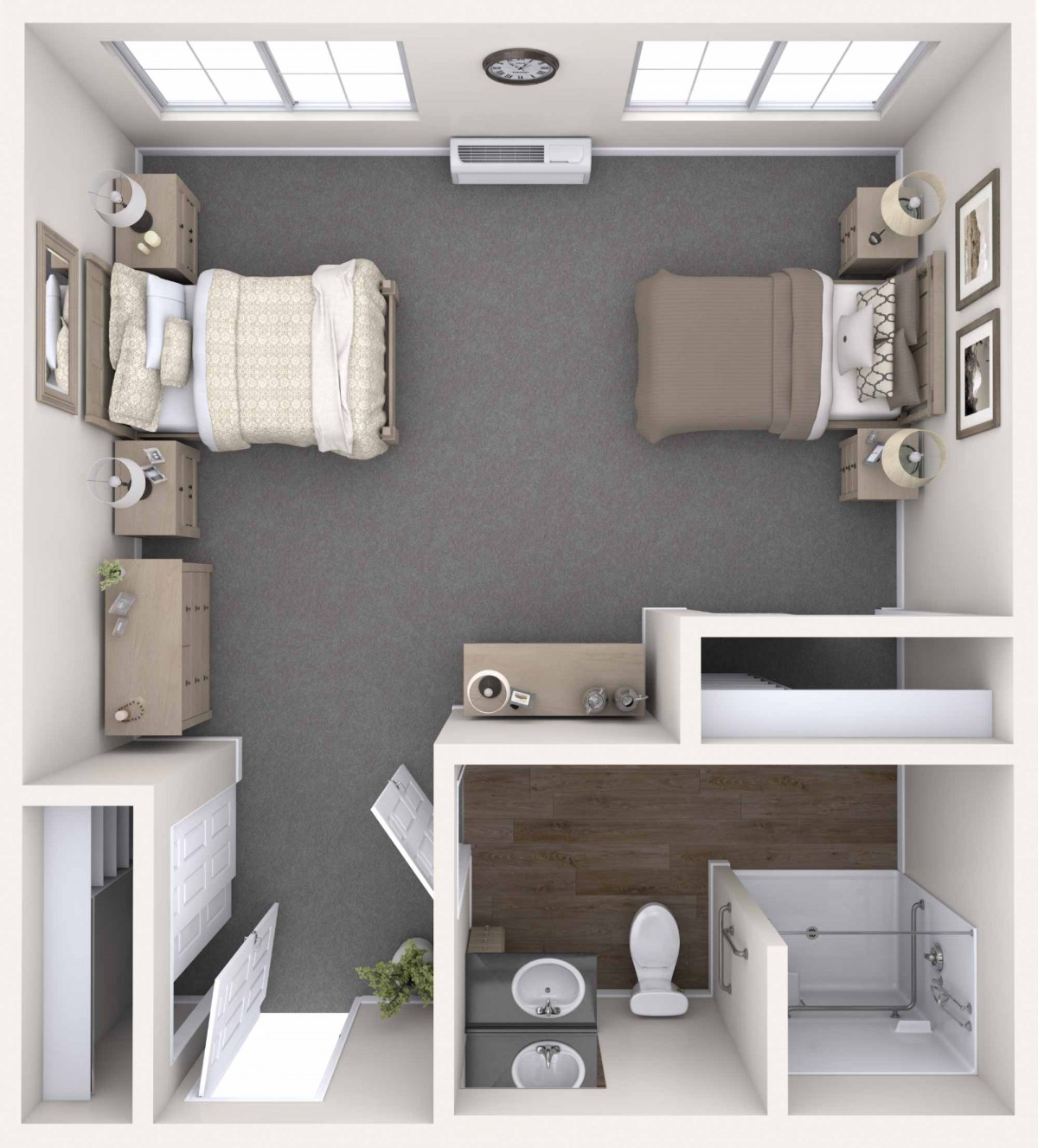
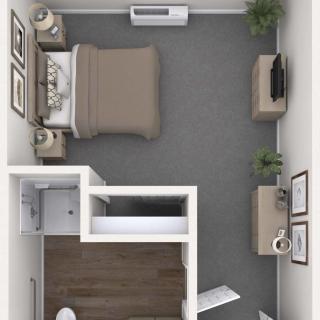
Floor plans
Canyon Creek
Yellowstone County
Montana
Semi-Private
$6,600
$4,544
$3,874
Studio
$8,600
$4,105
$3,729
Overall Review of Canyon Creek
common52 reviews mention this
Staff kindness and communication stand out
Residents and families consistently describe staff as kind, attentive, and responsive.
Across many reviews, families say the staff knows residents by name and treats them with patience and respect. Several reviewers also mention communication around care needs and medication changes, along with caregivers who respond when questions or concerns come up. A number of reviews describe staff supporting families emotionally during the transition into memory care.
common28 reviews mention this
Activities keep residents engaged daily
Reviews frequently highlight busy, structured activities for residents.
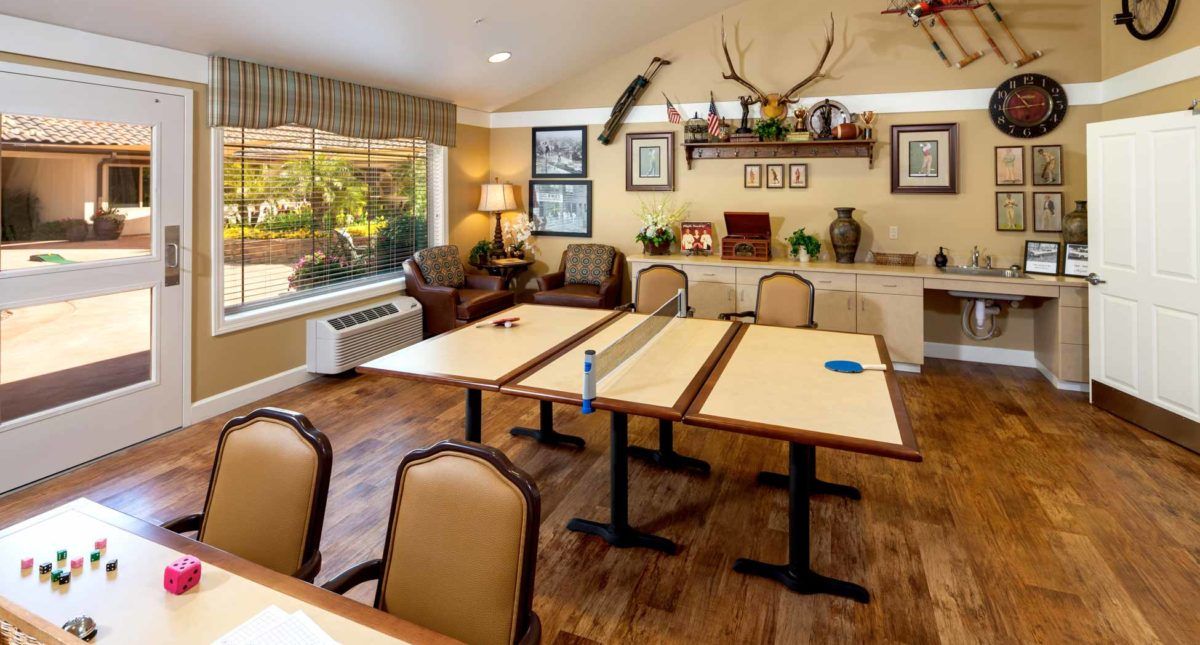
Many residents are described as having frequent activities that fill the day, including group sessions and scheduled programming. Reviewers mention that activities are used to support engagement and can be adjusted to residents’ abilities, which helps reduce restlessness. The community’s activity-focused approach is also reflected in the on-site program and variety of daily options.
common30 reviews mention this
Clean, home-like setting and layout
Residents and families often describe the environment as clean, comfortable, and not institutional.
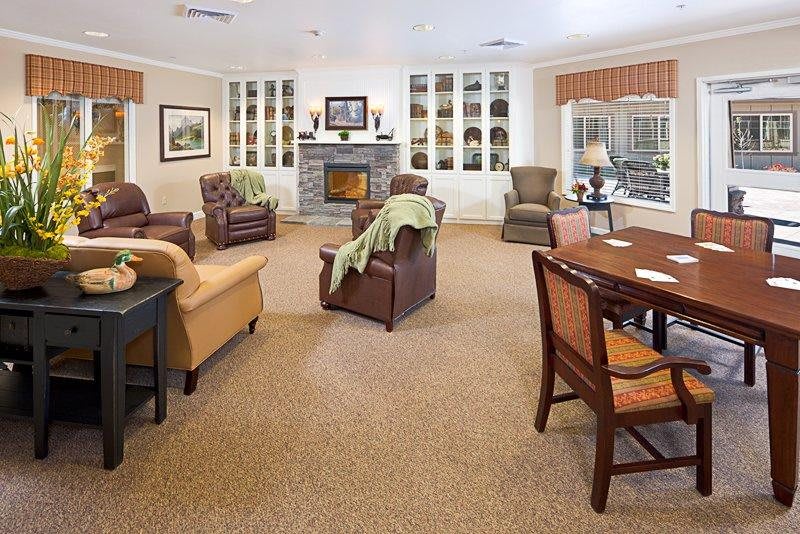
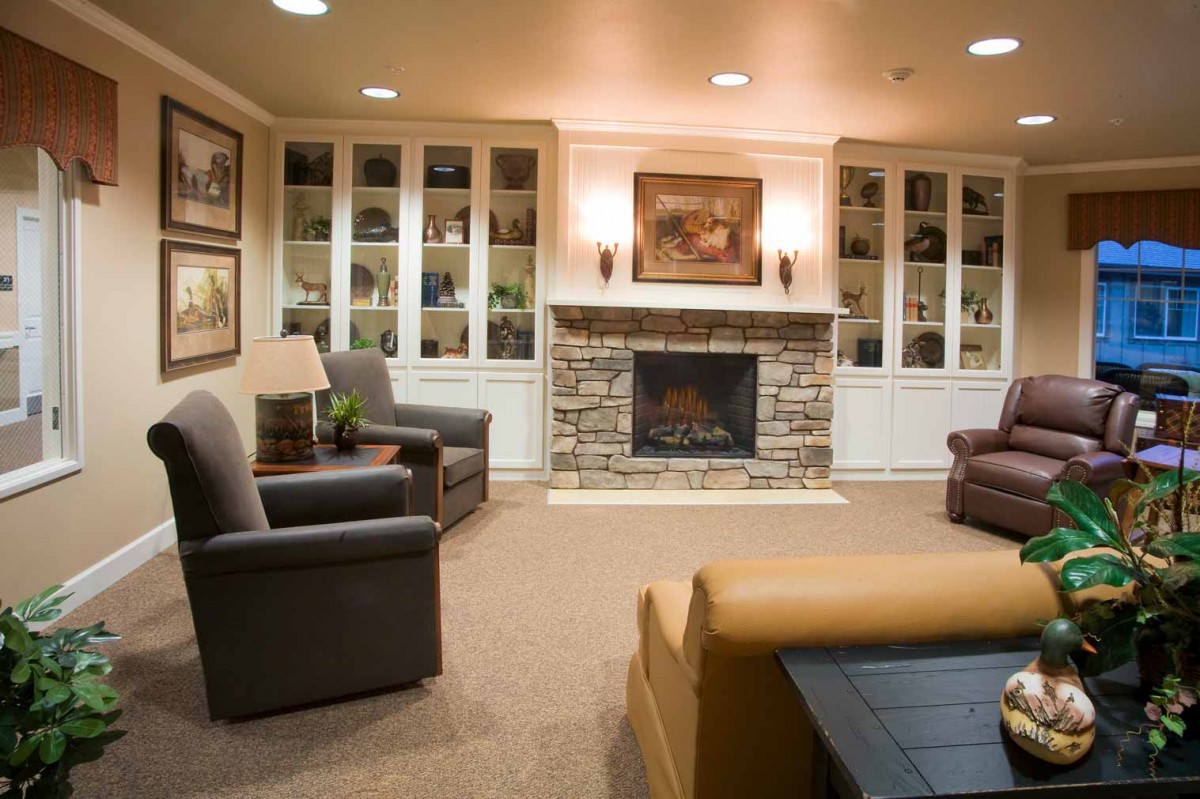
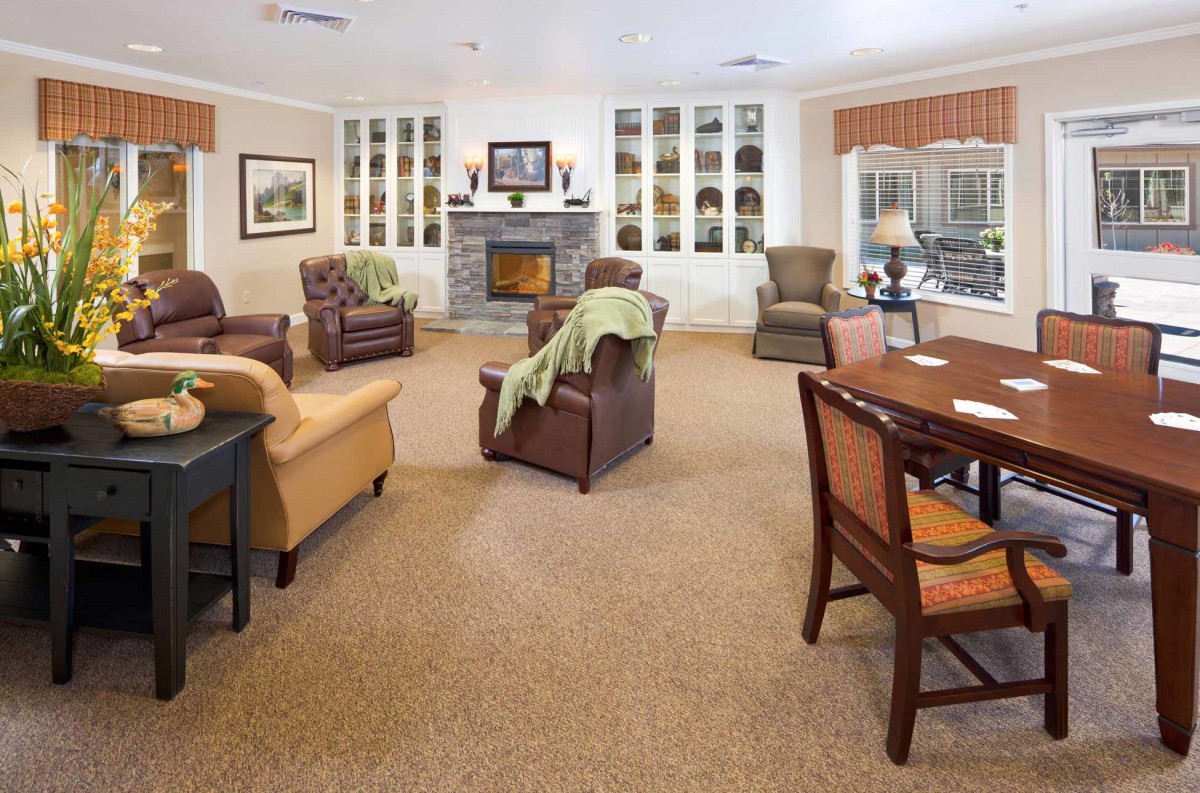
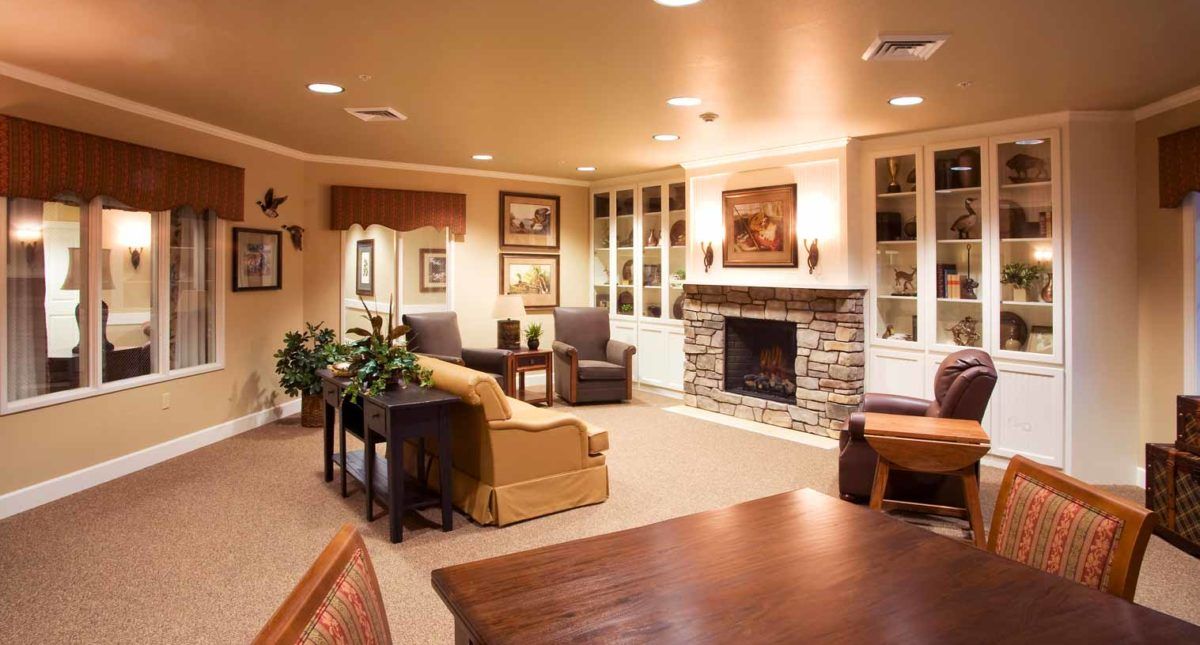
Multiple reviews call out cleanliness and a comfortable, “homelike” feel, with attention to residents’ dignity (for example, neatness and grooming). Several reviewers also describe the physical layout as supporting comfort and movement, including indoor walking space. One review contrasts this with an expectation of a more hospital-like feel, describing the decor and atmosphere differently.
common22 reviews mention this
Food is repeatedly praised
Dining and the quality of meals are mentioned positively in many reviews.
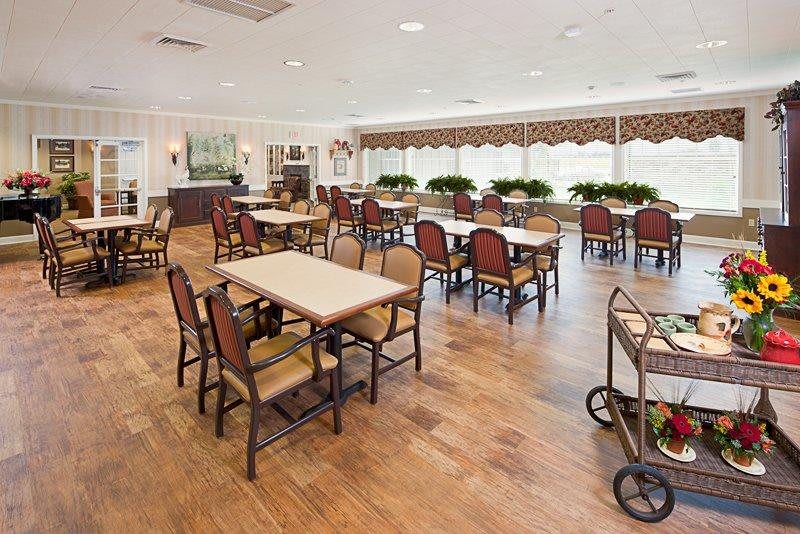
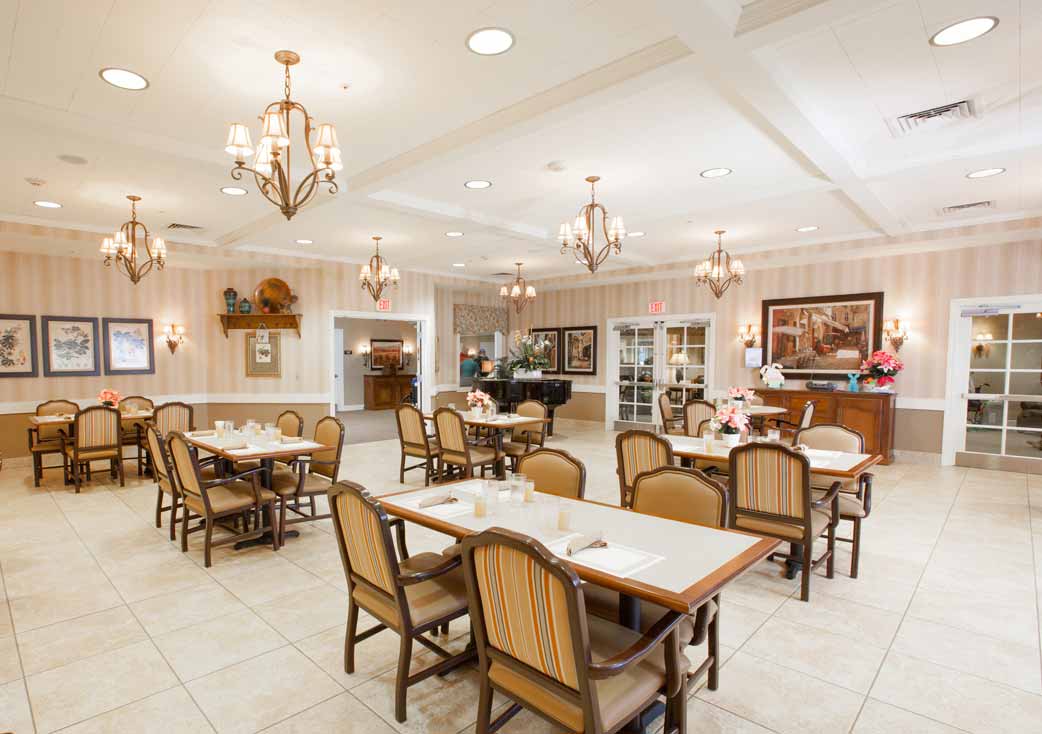
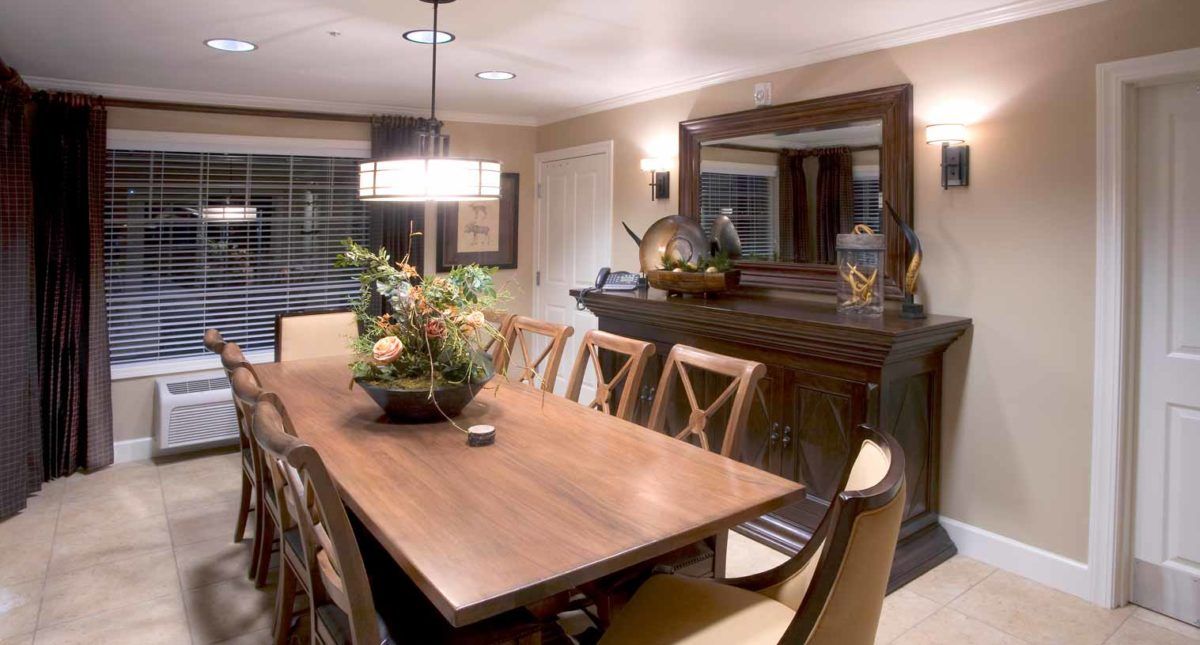
A recurring theme in the reviews is that residents receive good food, and some reviewers say meals feel like home cooking. Others mention the dining room as a pleasant place and describe snacks and meals as a part of overall care. The community also offers restaurant-style dining and includes meals and special dining supports related to dietary needs.
caveat5 reviews mention this
Care quality and monitoring concerns
A small set of reviews raises serious concerns about monitoring and staffing.
While most reviews are strongly positive, a few describe incidents such as falls, insufficient monitoring, or medication/order problems. These reviewers attribute the issues to understaffing or a lack of follow-through and express disappointment with how outcomes were handled. This stands out against the much larger volume of positive accounts of organized daily care and responsive communication.
How we summarize
Counts show how many written reviews mention each theme; a review can touch several themes, and only frequently mentioned themes are displayed.
Features
Housing
21 resident community capacity
Types of Care
Memory Care
Pets
Dogs allowed
Amenities
Activities on-site
Air-conditioning
Bath tubs
Beautician on-site
Beauty salon
Cable or satellite TV
Dining room
Fully furnished
Garden
Garden view
Ground floor units
Handicap accessible
Housekeeping services
Indoor common areas
Kitchenette
Move-in coordination
Outdoor common areas
Outdoor space
Party space
Respite or short term stays offered
Restaurant-style dining
Small library
Telephone
Wheelchair accessible showers
Wi-Fi/high-speed internet available
Transportation
Billings Logan International (6 miles away)
Care Services
24-hour call system
24-hour supervision
Activities of daily living assistance
Ambulatory care
Assistance with bathing
Assistance with dressing
Assistance with transfers
Coordination with health care providers
Diabetes diet
Diabetic care
High acuity care
Incontinence care
Meal preparation and service
Medication management
Mental wellness program
Mild cognitive impairment
Special dietary restrictions
Specialized memory care programming
Transportation arrangement (medical)
Transportation to doctors appointments
Dining
Diabetes diet
Meals provided
Special dietary restrictions
Special dining programs
Activities
Art classes
Bible study group
Brain fitness
Community-sponsored activities
Cooking classes
Devotional activities on-site
Educational speakers / life long learning
Live musical performances
Live well programs
Protestant services
Resident-run activities
Scheduled daily activities
Stretching classes
Visiting chaplain or priest
Nearby Places of Interest
This part of Billings, Montana offers a variety of amenities that cater to different needs for senior living. The area is home to several dining options such as City Brew Coffee, McDonald's, and The Divide Bar & Grill, providing convenient choices for meals. Additionally, residents have access to various healthcare services including pharmacies like Omnicare and Mirx, as well as physicians like Summit Oral Surgery and Larson Chiropractic. Places of worship such as Emmanuel Baptist Church and St Pius X Church offer opportunities for spiritual growth. For recreational activities, there are parks like Terry Park and Rose park pool nearby. Transportation options are also available with U-Haul Moving & Storage located within a reasonable distance. Overall, this part of Billings provides a well-rounded community with essential services and facilities for seniors looking to settle in the area.
Restaurants
City Brew Coffee (0.6 miles)
McDonald's (1.3 miles)
The Divide Bar & Grill (1.3 miles)
Jimmy John's (1.4 miles)
Rio Sabinas (1.4 miles)
Firehouse Subs (1.4 miles)
By All Means Brewing (1.5 miles)
Theaters
AMC CLASSIC Shiloh 14 (1.2 miles)
Pharmacies
Omnicare (1.3 miles)
Mirx (1.7 miles)
Chemicals Lab - Research Chemicals for Sale - Buy Bath Salts Online - Pain Pills - Steroids (2.2 miles)
Morgan Creek Compounding Pharmacy (2.4 miles)
Albertsons Pharmacy (2.6 miles)
Morgan Creek Compounding Pharmacy (2.6 miles)
Walgreens (3.3 miles)
Cafes
City Brew Coffee (1.4 miles)
Moav Coffee House West End (1.5 miles)
Starbucks (2.2 miles)
Panera Bread (2.5 miles)
Bull Mountain Brew (3.4 miles)
Black Dog Coffee House (3.7 miles)
Expresso Brake (5.4 miles)
Physicians
Summit Oral Surgery (1.7 miles)
Oliver, Kynzie Billings Dermatology and Aesthetics (1.8 miles)
Larson Chiropractic (1.9 miles)
Montana Foot Clinic P.C. (2.3 miles)
Billings Vision & Contact Lens Clinic (2.5 miles)
Horizon Eye Care (2.5 miles)
Frontier Cancer Center (3.3 miles)
Places of Worship
Emmanuel Baptist Church (2.1 miles)
Christian & Missionary Alliance Rocky Mountain Dist (2.7 miles)
Canyon Creek offers a range of accommodation options that reflect both its premium services and amenities. For those considering semi-private rooms, the monthly cost is set at $6,600, which significantly exceeds the averages for both Yellowstone County at $4,544 and the wider state of Montana at $3,874. Similarly, studio apartments at Canyon Creek are priced at $8,600, higher than the county average of $4,105 and the state average of $3,729. This pricing suggests that Canyon Creek positions itself as a higher-end option in the region, likely promising enhanced care and a more enriched living experience compared to other facilities in Yellowstone County and across Montana.
Canyon Creek's array of features is meticulously designed to support residents with dementia or Alzheimer's disease, addressing their specific needs and enhancing their quality of life. The 24-hour supervision ensures that trained staff are always available to respond swiftly to any emergencies or concerns, promoting a safe environment. Assistance with activities of daily living, including bathing, dressing, and transfers, helps maintain personal hygiene and dignity while fostering independence where possible. Brain fitness programs and specialized memory care programming provide stimulating activities tailored to the cognitive abilities of each resident, promoting mental engagement and slowing cognitive decline. Coordination with healthcare providers facilitates personalized medical care, while medication management ensures proper adherence to prescribed regimens. Incontinence care takes into account the unique challenges faced by residents, ensuring comfort and dignity. Meal preparation emphasizes nutritional needs tailored for individuals with mild cognitive impairment, while transportation arrangements for medical appointments ensure access to necessary healthcare services. Altogether, these features create a holistic approach that caters comprehensively to the physical and emotional well-being of those experiencing memory loss.
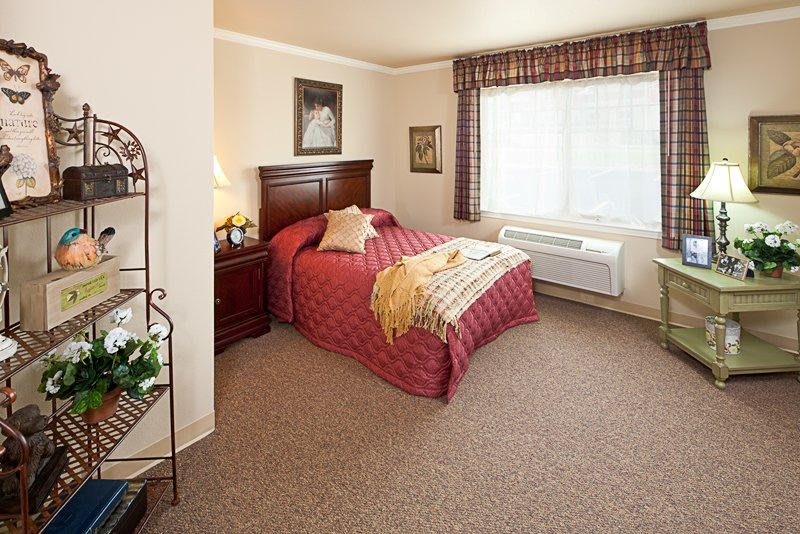
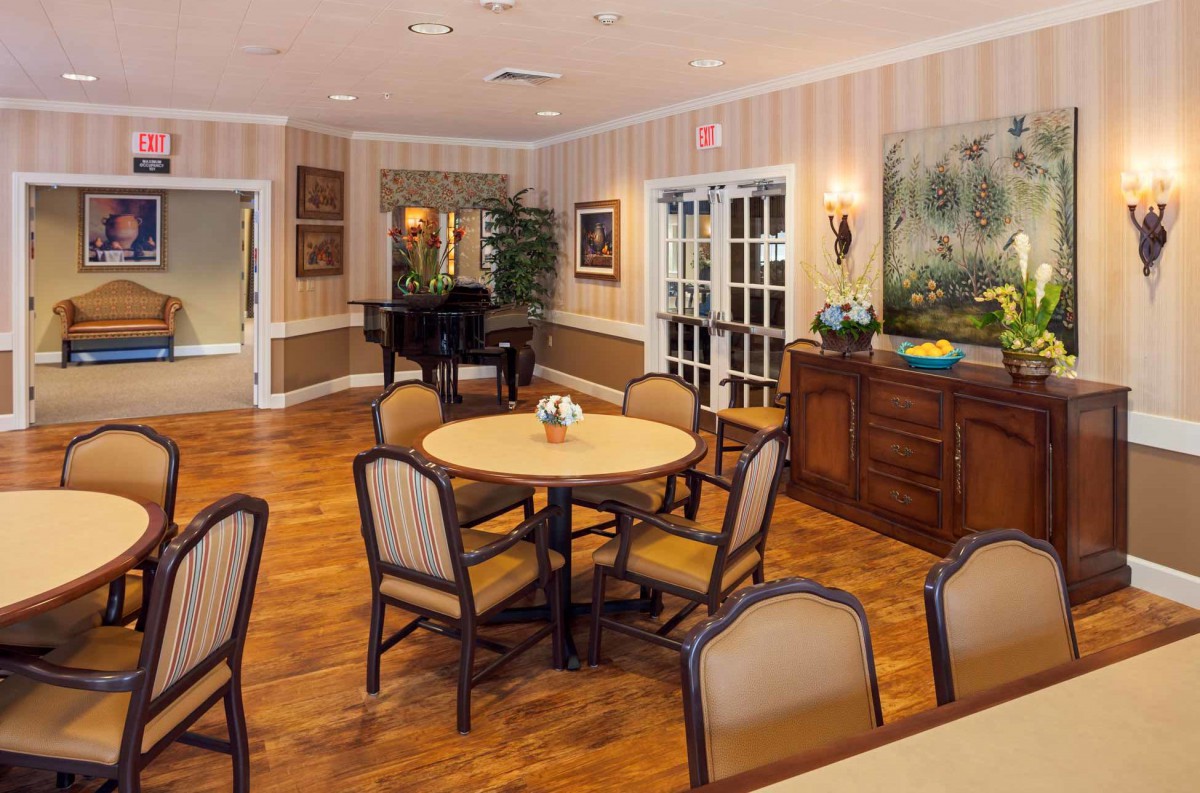
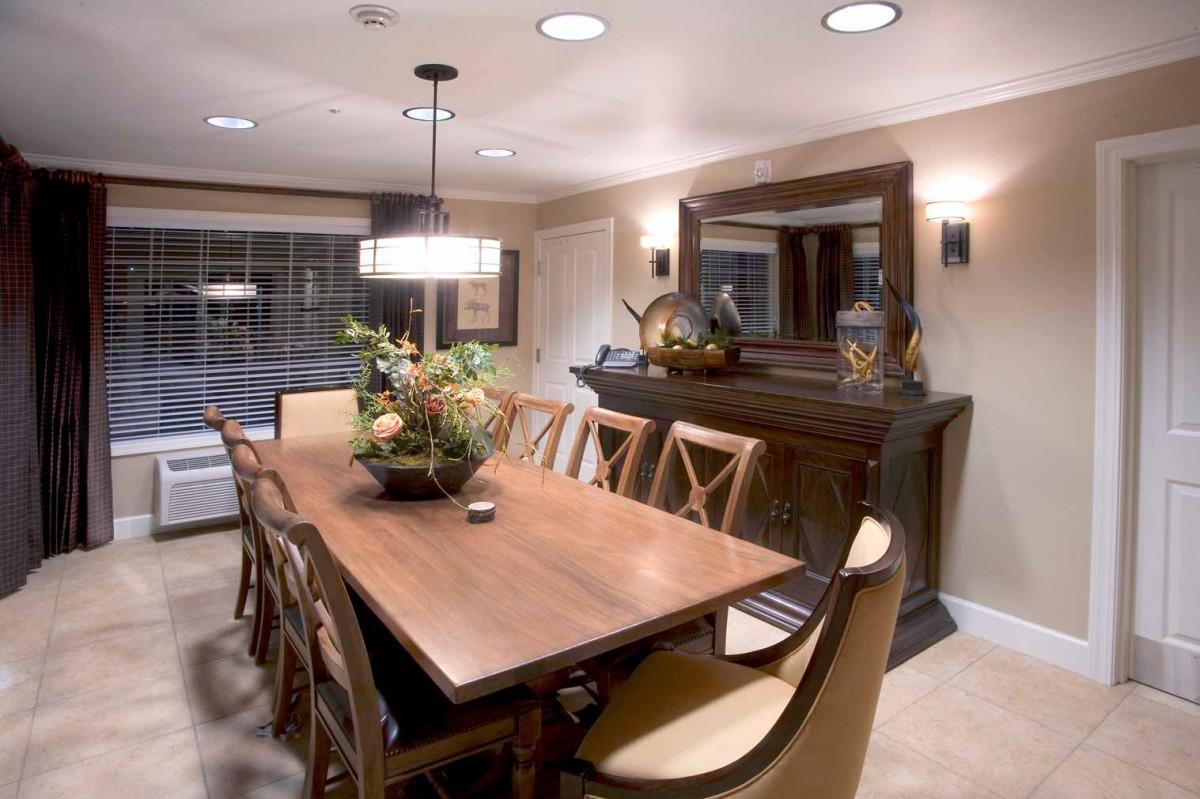
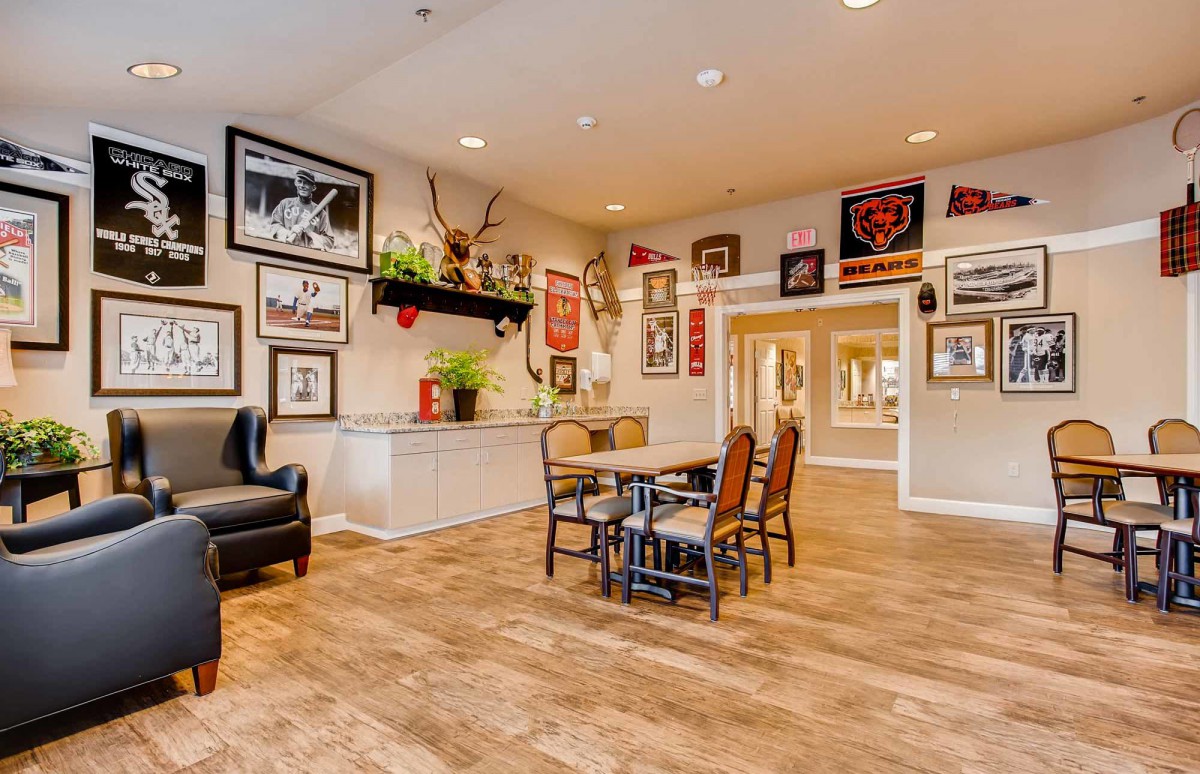
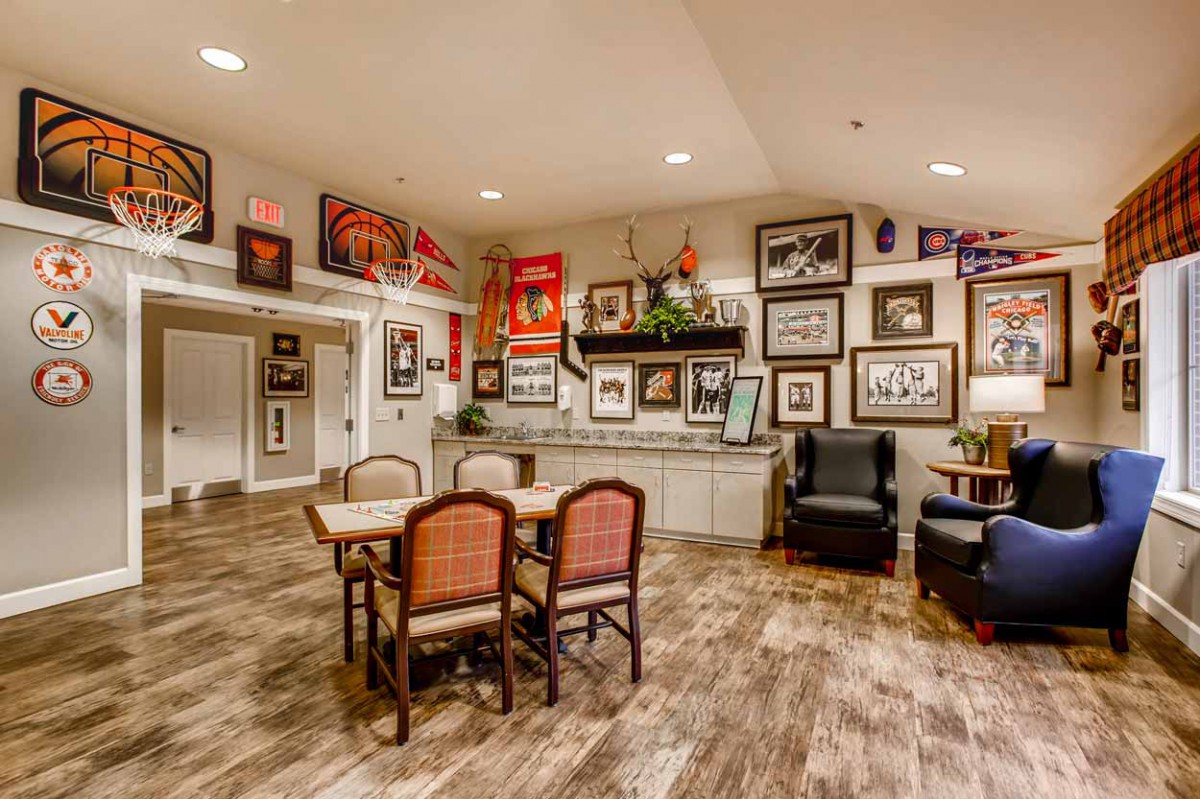
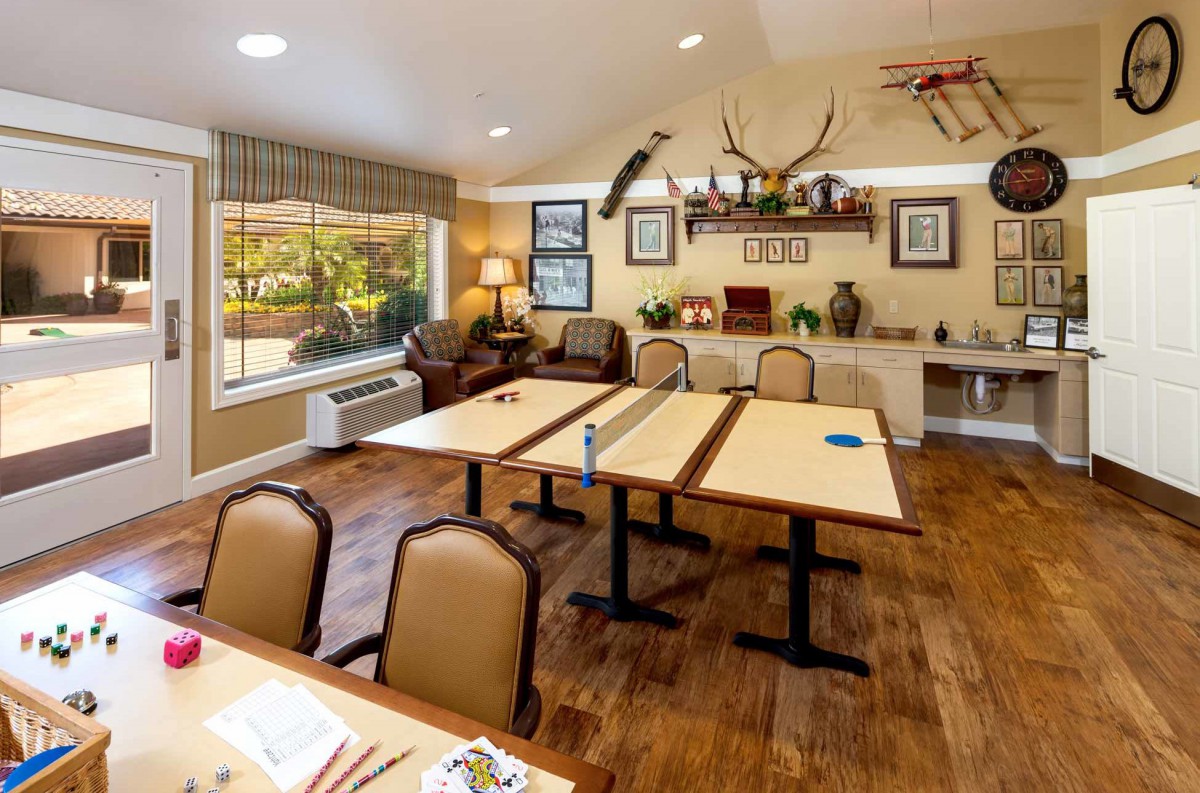
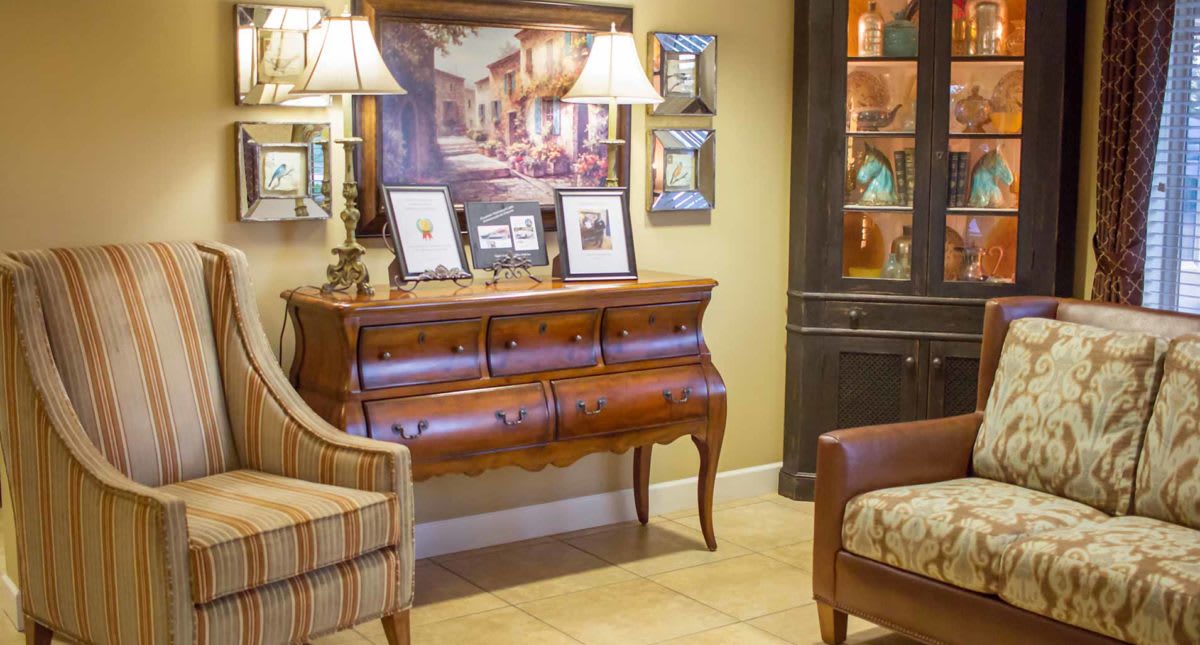
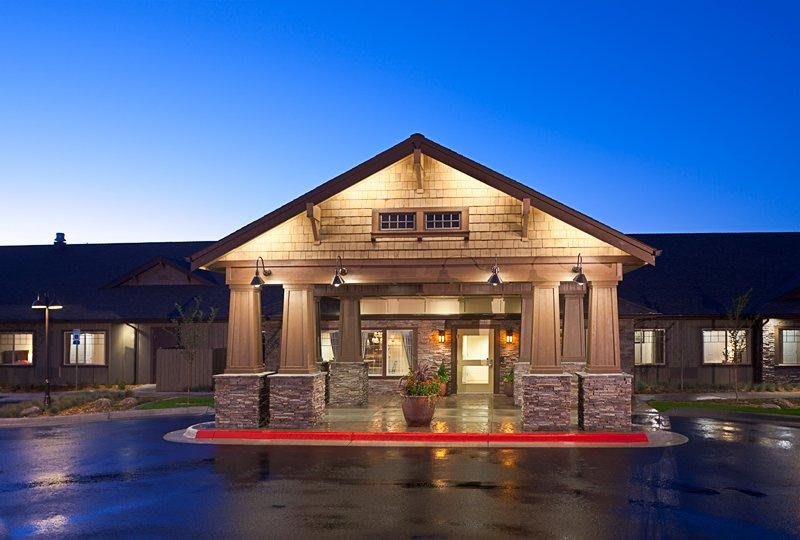
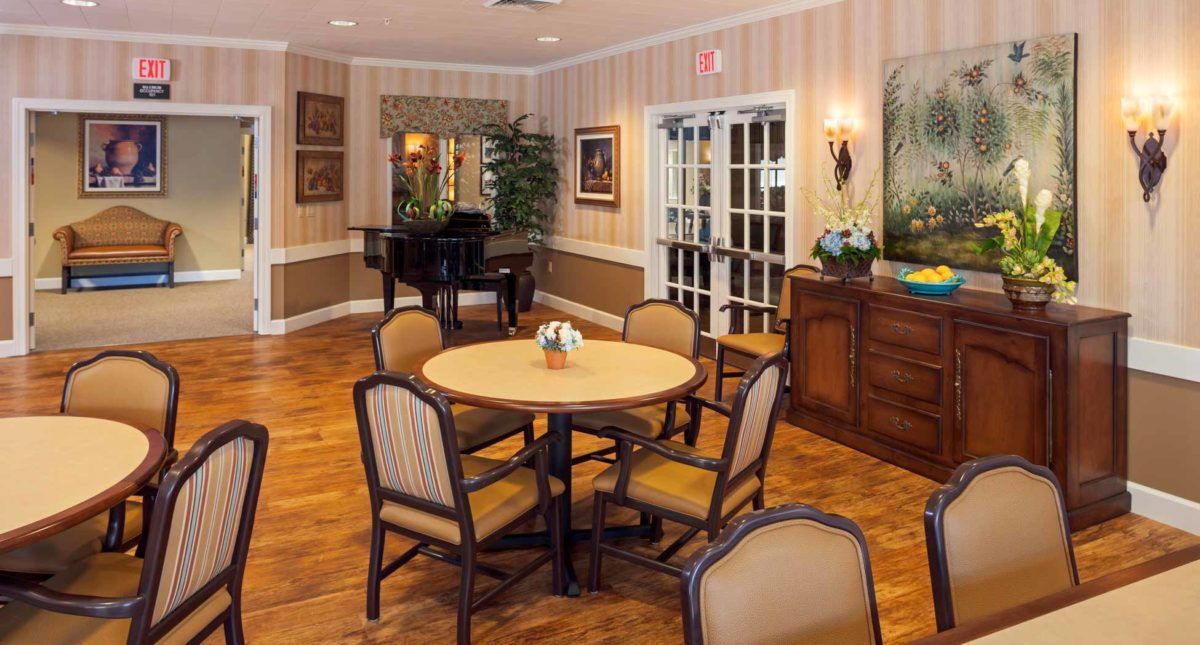
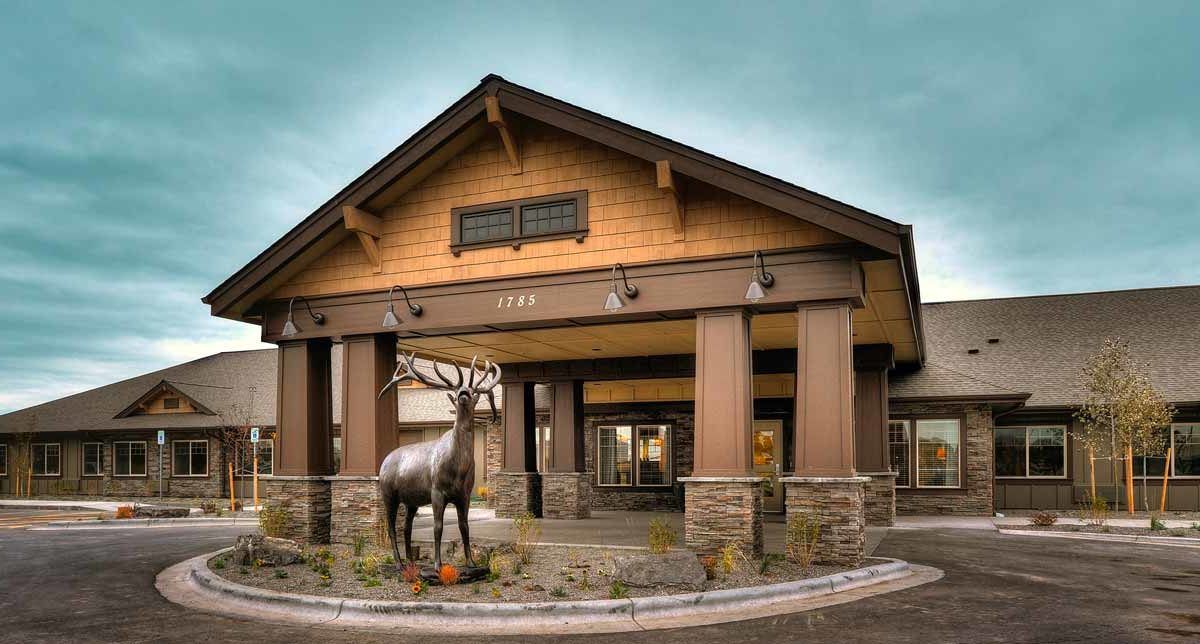
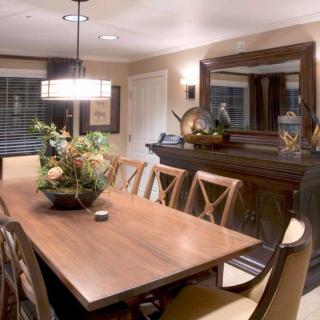
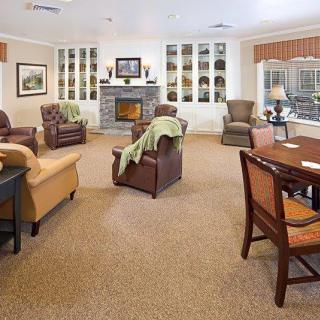
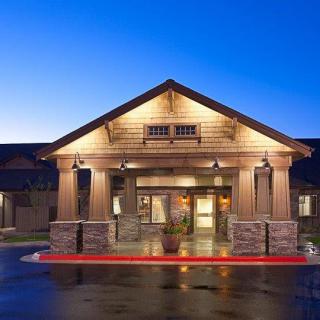
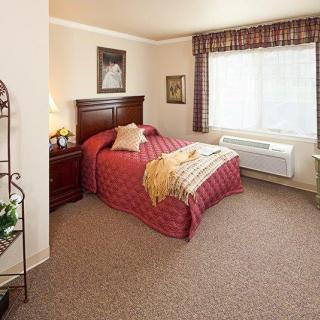
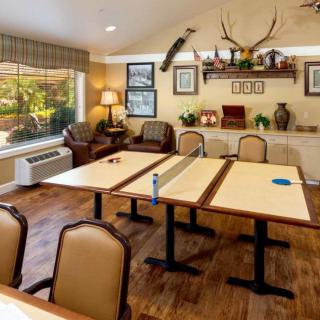
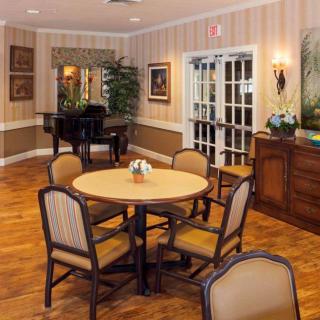
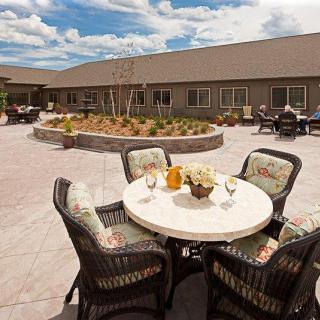
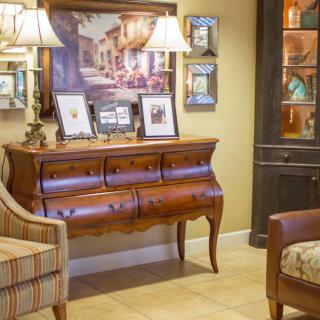
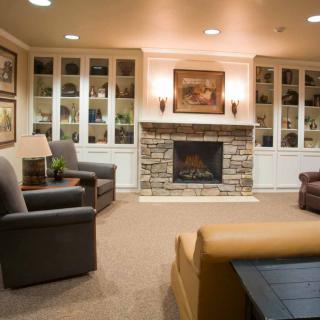
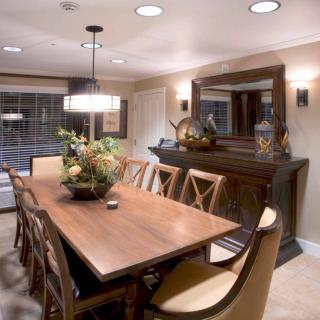
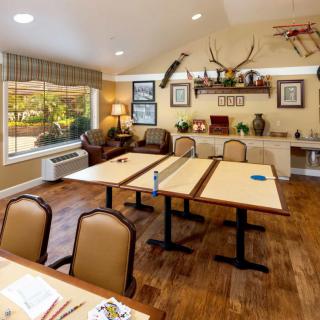
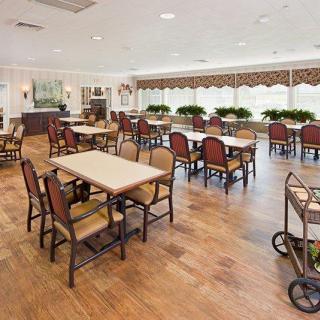
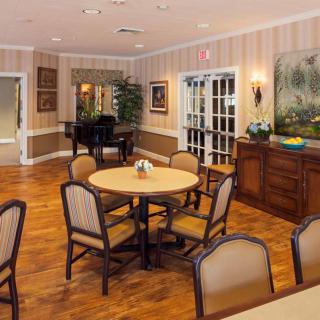
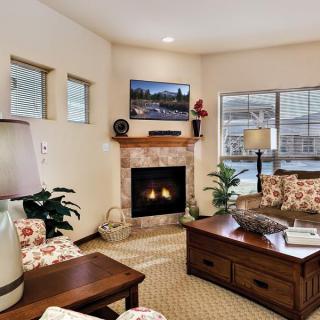
Canyon Creek on seniors.fyi includes 23 photos including images showing interior, decor, dining, bedroom, living room, fireplace, artwork, windows, and more.
Nearby Communities
Affinity at Billings
Billings, MT
4.6 from 103 reviews
$1,564 to $1,884 / month
Responsive staff in a welcoming, active independent living community.
Autumn Care Center II
Billings, MT
5 from 1 review
$3,200 / month
Affordable pricing with memory/high-acuity care and medication management.
Sweetwater Retirement Community
Billings, MT
4.7 from 47 reviews
$2,470 to $2,925 / month
Excellent amenities, friendly staff, and generally good value for the area.
MorningStar Of Billings
Billings, MT
4.2 from 74 reviews
$3,670 to $6,365 / month
Caring staff with strong safety measures and memory-care capability in a well-appointed community.
Canyon Ridge*Phone disc.
Billings, MT
4.8 from 92 reviews
Warm atmosphere with social spaces and specialized diabetic care.
Ginny Wanner's Personal Care
Billings, MT
4.8 from 8 reviews
Convenient location with nearby parks, pharmacies, hospitals, dining, and transit.
Aspen Meadows Assisted Living
Billings, MT
2.7 from 3 reviews
$3,359 to $5,995 / month
Great meals and engaging activities, with responsive staff.
Eagle Cliff Manor
Billings, MT
Wide range of amenities and comprehensive care with restaurant-style dining and transportation.
Alzheimer’s disease is a progressive neurological disorder that significantly impacts memory and cognitive functions, accounting for 60-80% of dementia cases, with early diagnosis being crucial yet challenging. It involves brain changes like beta-amyloid plaques and tau tangles, influenced by genetic and lifestyle factors, and while there is no cure, symptom management and support for caregivers are essential.
Dementia, influenced by aging and certain medications, may be exacerbated by drug classes such as anticholinergics, benzodiazepines, and antipsychotics, which are associated with cognitive impairment. Regular medication reviews by healthcare professionals are crucial for older adults to manage risks and optimize cognitive health.
Dementia often results in disrupted sleep patterns, leading to excessive daytime sleeping due to factors like brain damage affecting circadian rhythms, medication side effects, and lack of structure in daily activities. Caregivers must monitor these changes closely, as oversleeping can increase risks such as malnutrition or dehydration, and provide necessary support and routines to enhance patient engagement and well-being.
Get PricingAsk A QuestionSchedule A TourContact Senior Advisor
By clicking submit, you agree to our Partner's Terms of Use. You
also consent to receive calls and texts, which may be autodialed, from our Partner. Your consent is not a condition to
using our Partner's service. Please visit our Partner's Privacy Policy for information about their privacy practices.

 21 resident community capacity
 Memory Care
 Dogs allowed
 Activities on-site
 Air-conditioning
 Bath tubs
 Beautician on-site
 Cable or satellite TV
 Dining room
 Fully furnished
 Garden
 Ground floor units
 Handicap accessible
 Housekeeping services
 Indoor common areas
 Kitchenette
 Move-in coordination
 Outdoor common areas
 Party space
 Respite or short term stays offered
 Restaurant-style dining
 Small library
 Telephone
 Wheelchair accessible showers
 Wi-Fi/high-speed internet available
 Billings Logan International (6 miles away)
 24-hour call system
 Ambulatory care
 Assistance with bathing
 Assistance with dressing
 Assistance with transfers
 Diabetes diet
 Diabetic care
 High acuity care
 Incontinence care
 Medication management
 Mental wellness program
 Special dietary restrictions
 Transportation arrangement (medical)
 Transportation to doctors appointments
 Art classes
 Bible study group
 Brain fitness
 Cooking classes
 Devotional activities on-site
 Educational speakers / life long learning
 Live musical performances
 Live well programs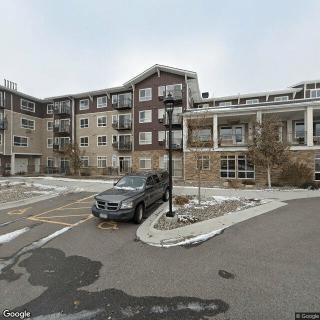
 Responsive staff in a welcoming, active independent living community.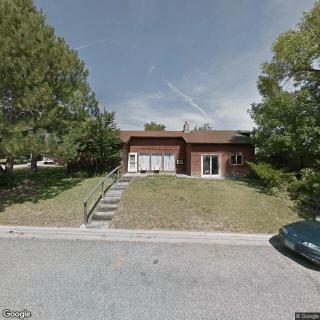


 Illuminating Insights About Alzheimer's Disease: Ten Crucial Realities
 A Thorough Discussion of Medications Potentially Linked to Dementia Risk
 Why Do Dementia Patients Sleep So Much? Understanding Oversleeping, Stages, and Care Approaches