Avalon Memory Care - St. Louis in Saint Louis, MO

Save

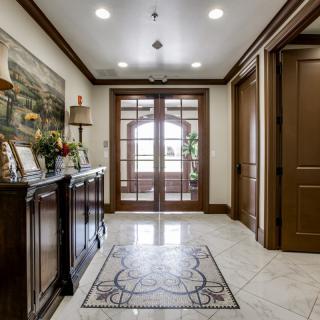
  • Interior

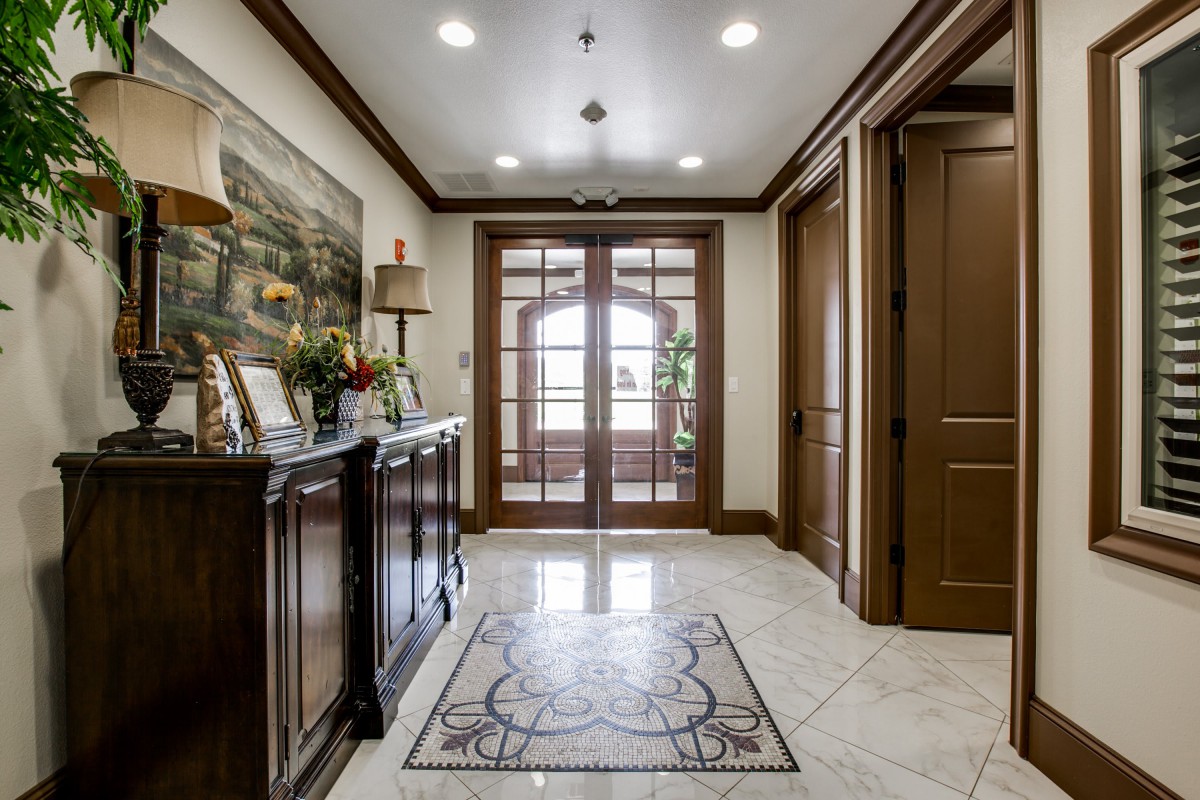
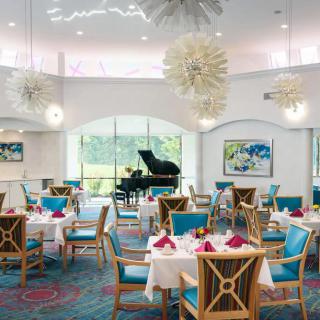
    A traditionally decorated foyer with elegant wooden doors and furniture.
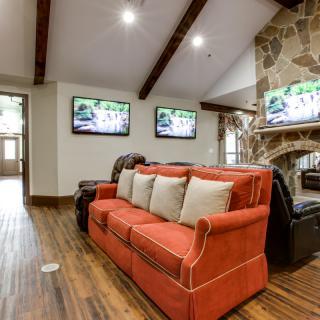
  • Living Room

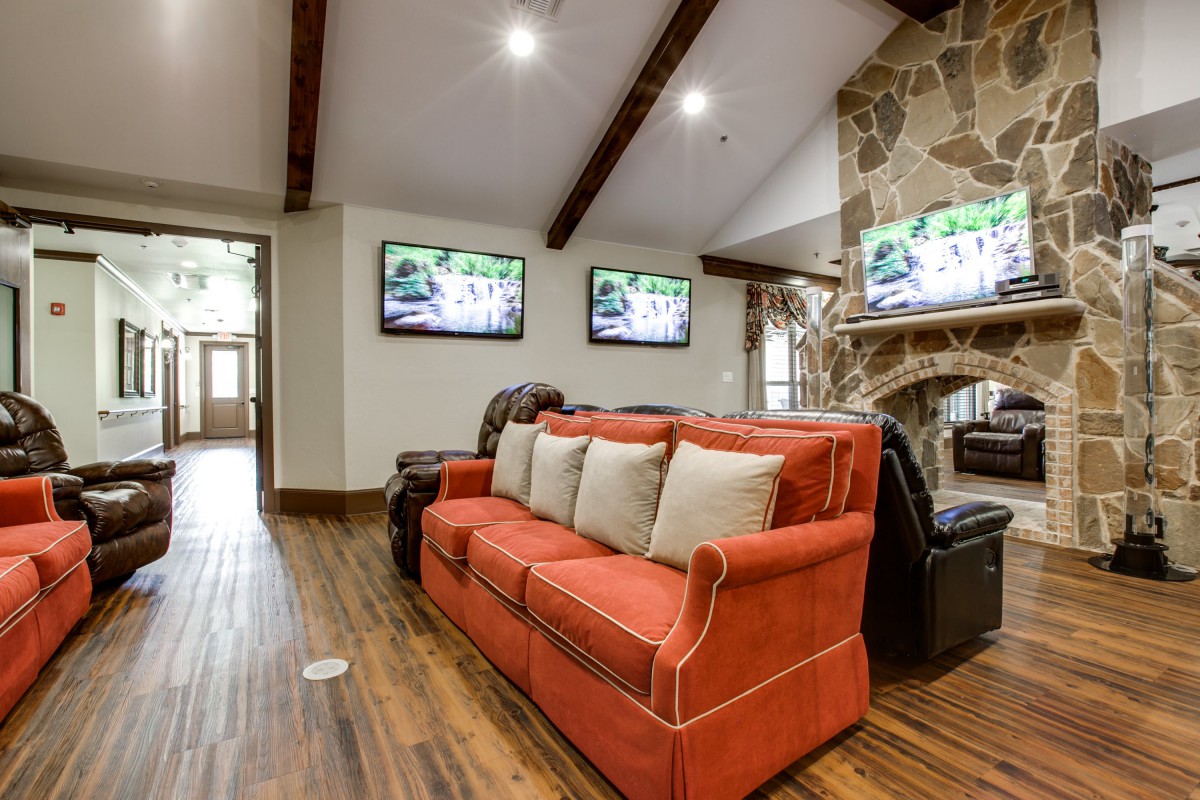
    A cozy living room with a red couch, multiple wall-mounted televisions, and a stone fireplace.
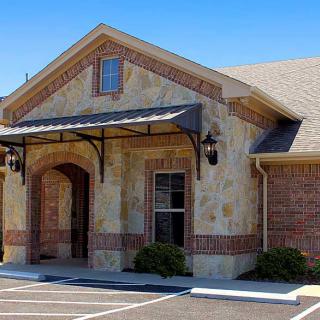
  • Building

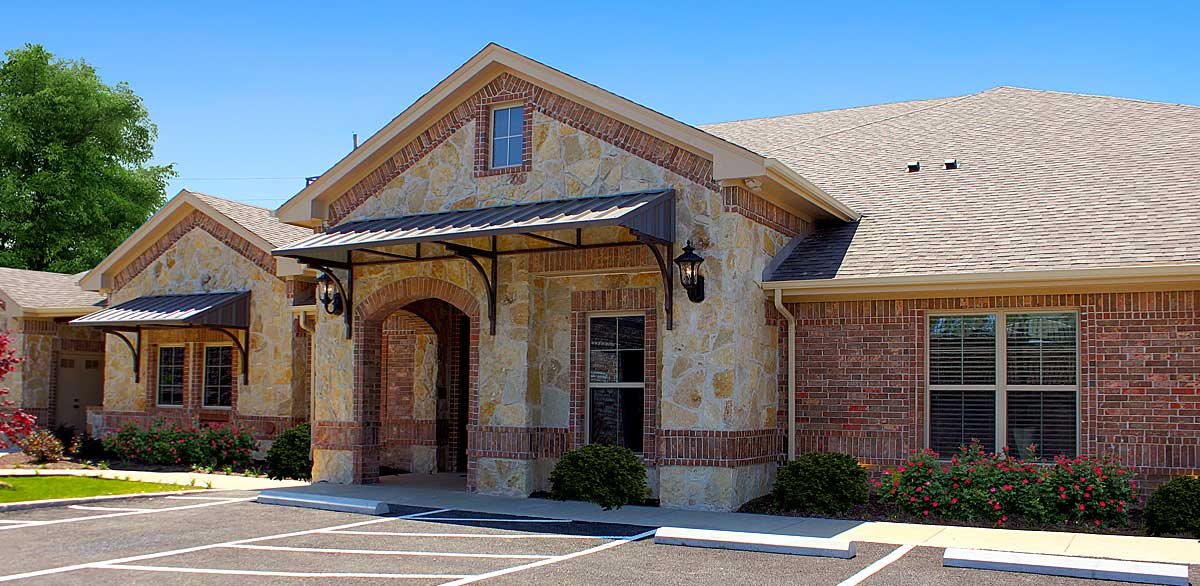
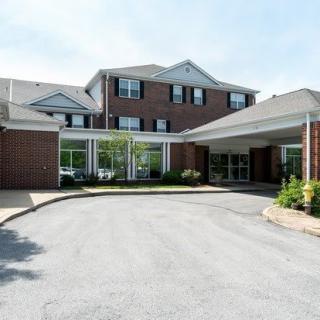
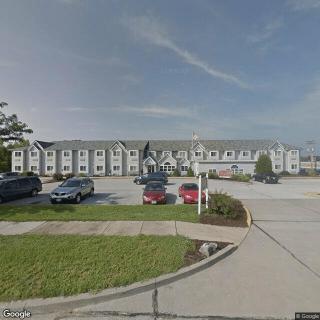
    A brick building with a covered entrance and arched doorway.
  • Floor Plan

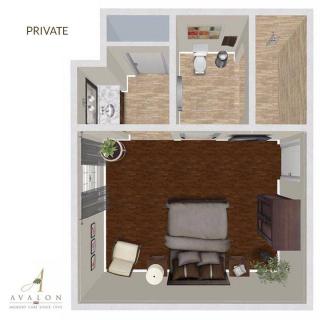
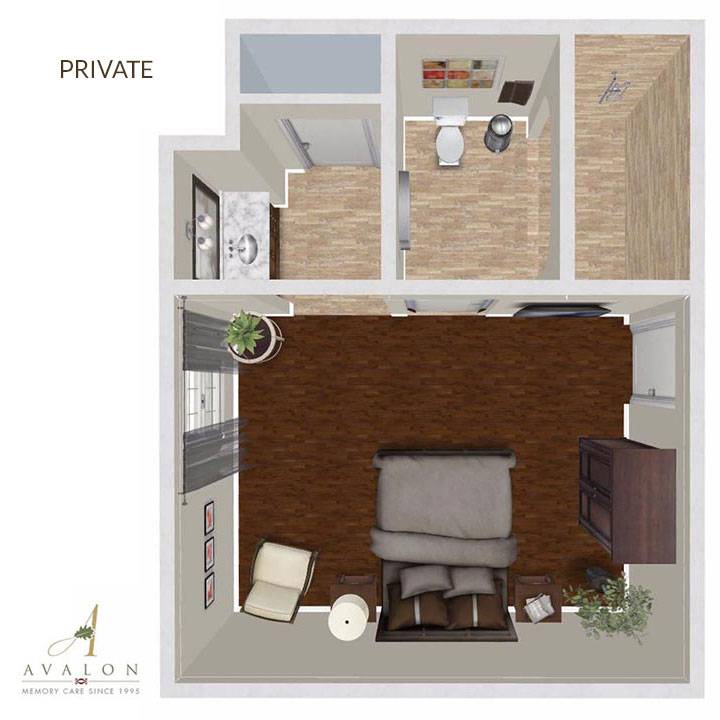
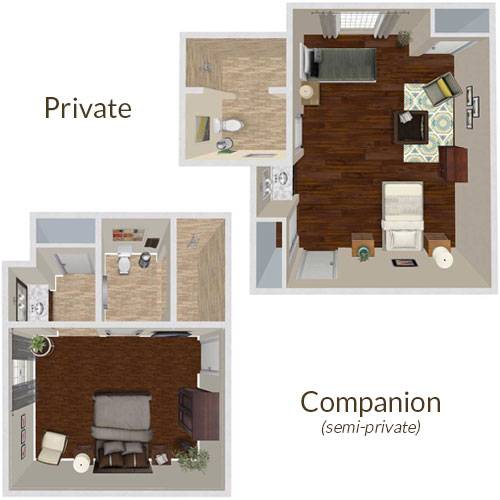
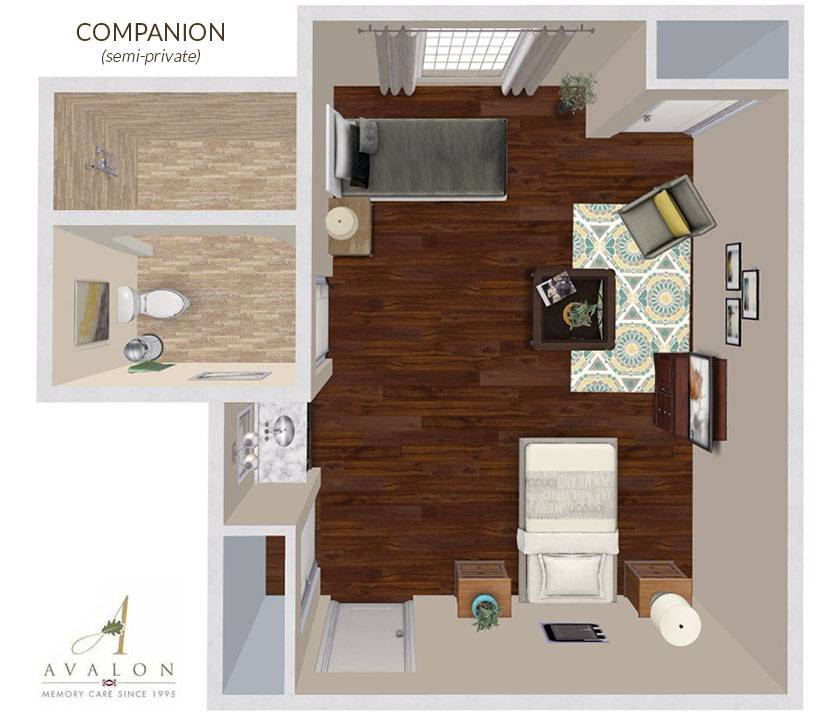
    A 3D floor plan of a private bedroom with attached bathroom.
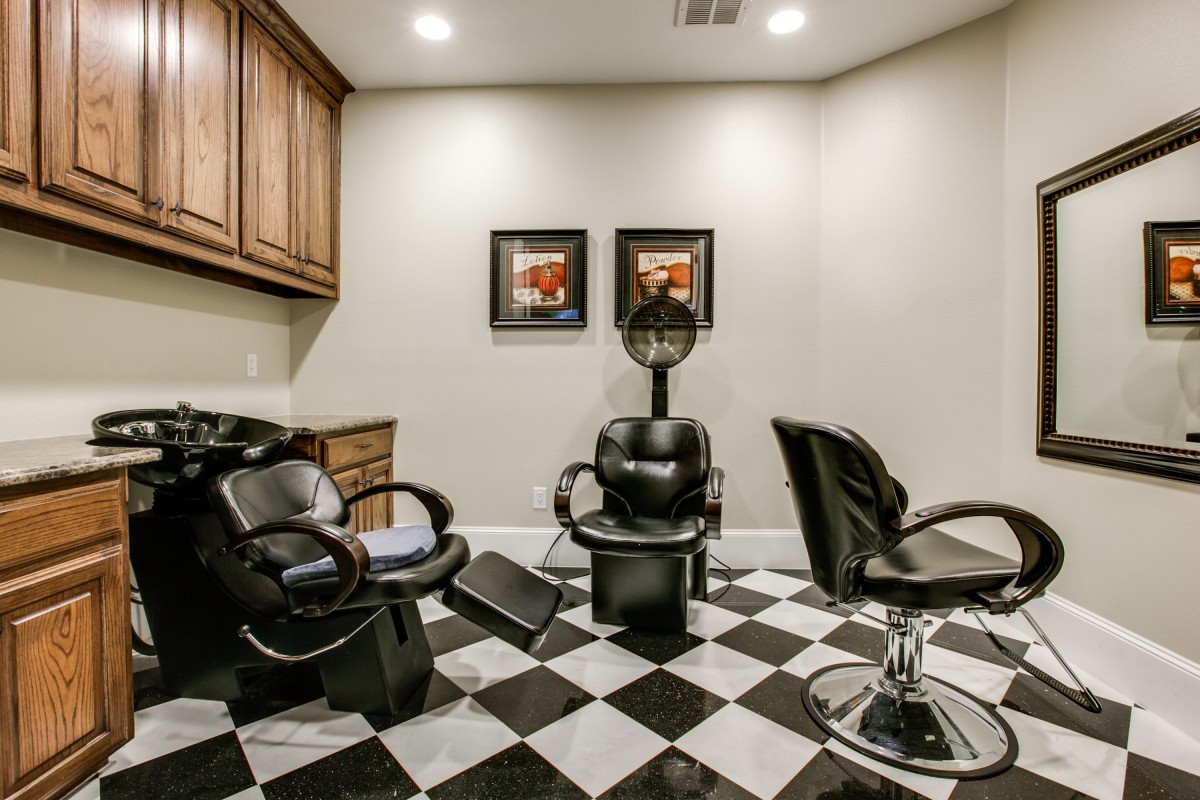
  • Wall Art

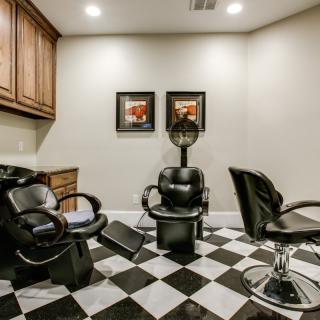
    A cozy barbershop with black chairs and a checkered floor, decorated with wall art.
  • Theater

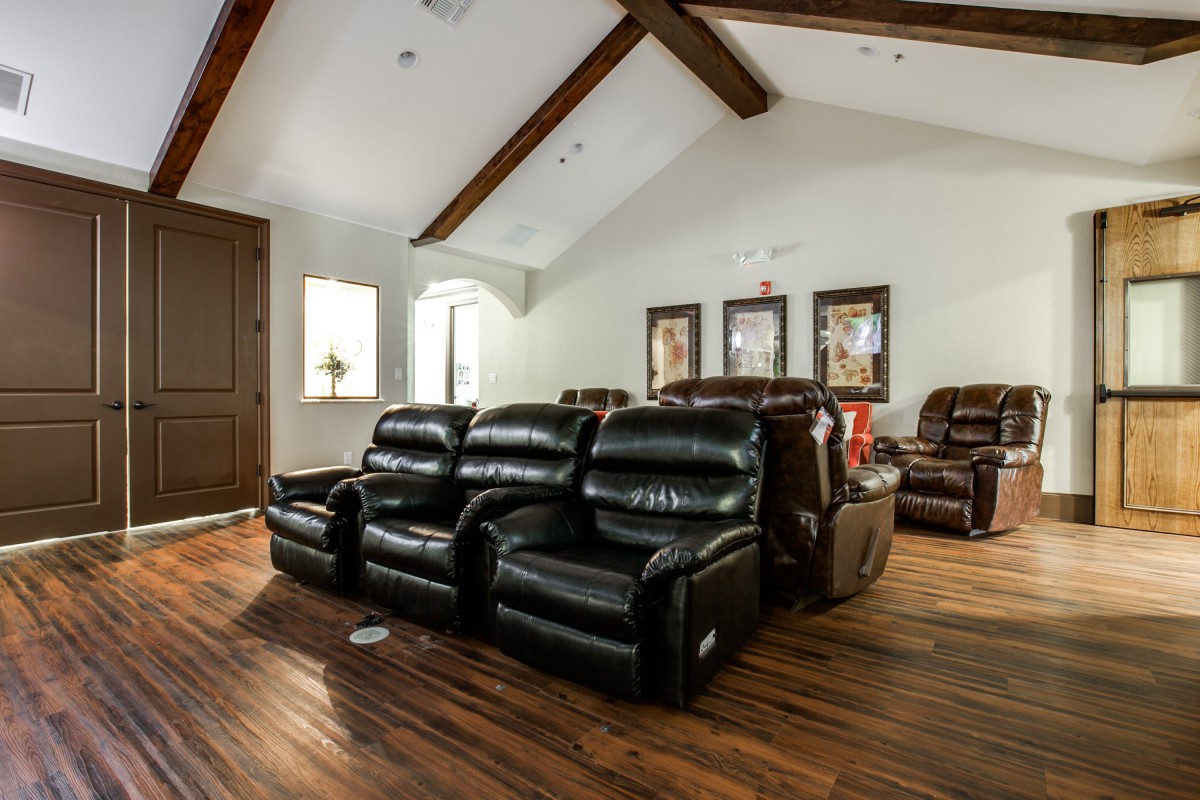
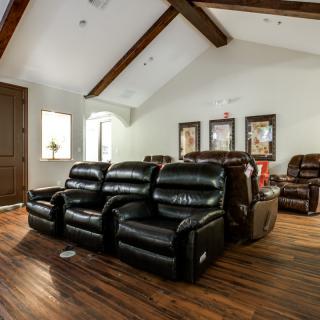
    A cozy home theater with leather reclining chairs and a beamed ceiling.

Avalon Memory Care - St. Louis in Saint Louis, MO

5342 Butler Hill Rd, Saint Louis, MO 63128

For more information about senior living options: (844) 490-3973

4.4 from 58 reviews
5 stars
42
4 stars
5
3 stars
6
2 stars
1
1 stars
4

Memory Care Skilled Nursing Facility

Avalon Memory Care - St. Louis Costs & Pricing

At Avalon Memory Care - St. Louis, the monthly costs for care reflect the specialized services and environment offered to residents with memory impairments. For a semi-private room, residents can expect to pay $6,775 per month, which significantly exceeds the average rates in St. Louis County at $4,438 and throughout Missouri at $3,772. Similarly, a studio room at Avalon comes with a monthly fee of $8,275, again surpassing both local and state averages - $4,203 in St. Louis County and $3,418 statewide. These higher costs underscore Avalon's commitment to providing tailored care and dedicated support within a secure community designed to enhance the quality of life for those living with dementia or Alzheimer's disease.

Floor plansAvalon Memory Care - St. LouisSt. Louis CountyMissouri
Semi-Private$6,775$4,438$3,772
Studio$8,275$4,203$3,418

What level of care are you interested in?

Assisted Living

Memory Care

Independent Living

Skilled Nursing Facility

Continuing Care Retirement Community (CCRC)CCRC

Other


Request a tour at Avalon Memory Care - St. Louis

    Overall Review of Avalon Memory Care - St. Louis

    Pros

    • pro Avalon Memory Care has exceptionally caring staff who treat residents and their families as family.
    • pro The team handles the most complex dementia issues with expertise, providing peace of mind to families.
    • pro The community feels like a home, is kept clean, and is noted for a lack of unpleasant odors.
    • pro The staff are loving, attentive, and consistently go above and beyond expectations.
    • pro The meals are wonderful and served in a family-style, home-like setting.
    • pro Residents are described as friendly and happy, in a calm, secure environment.
    • pro The favorable resident-to-staff ratio allows more personalized care.
    • pro The facility's open, home-like design and open kitchen create a welcoming, interactive atmosphere.
    • pro Management is responsive and communicates quickly and effectively with families.
    • pro Avalon is a family-owned, specialized memory care community that genuinely cares for its residents.

    Cons

    • pro They had a horrible experience there in 2020 and would not recommend Avalon.
    • pro The management was accused of lying and gaslighting during a rocky start.
    • pro Communication was lacking.
    • pro There was significant staff turnover.
    • pro A trusted caregiver left due to poor management.
    • pro The facility was very expensive with no justification for the cost.
    • pro The layout with rows of recliners hindered interaction and socialization.
    • pro The dining area was not clean during a tour.

    Review

    Avalon Memory Care - St. Louis is best suited for families seeking an intimate, dementia-focused living option where caregivers form real connections with residents and families. The community's strength is a small, home-like atmosphere that prioritizes personalized attention, with staff levels that enable meaningful interaction and hands-on care. Residents benefit from a ranch-style, open-layout environment, where a dining area, kitchen, and living spaces feel connected and away from a sterile, institutional vibe. The overall impression across many reviews is a place where staff genuinely treats residents like family and where the care team's familiarity with each person translates into calmer days and fewer behavioral triggers for those living with memory impairment.

    Careful families should also understand who may want to consider alternatives. Avalon works best for those who value a true memory-care focus delivered in a compact setting rather than a large campus with extensive programming. For families seeking the most upscale amenities, a broader array of services, or a stricter, 24/7 clinical footprint, other options may offer a better fit. A handful of reviewers raised concerns about management consistency, staffing turnover, and some lapses in cleanliness or routine during transitions, suggesting that facilities with more standardized corporate oversight or longer demonstrated stability could be preferable in those situations. Those needing very high-level, hospital-like oversight or robust weekend staffing without any risk of shifts thinning out may want to compare alternatives.

    The core positives of Avalon tend to offset the main drawbacks for most families. The caregiver-to-resident ratio - perceived as roughly 1:3 to 1:5 - translates into frequent checks, timely assistance, and a level of 1:1 responsiveness that is especially meaningful for advanced memory care. Families repeatedly note that the staff is warm, patient, and genuinely invested, with many stories of going above and beyond during transitions from home to memory care and again in handling crises or end-of-life care. Cleanliness, a bright, homey feel, and a dining environment that feels less institutional than expected are consistently cited as strengths. When leadership is accessible and communication is proactive, families feel informed and involved, which amplifies trust in a setting that demands close collaboration.

    Situational downsides do surface in some reviews. A few families describe periods of staff turnover that coincided with lapses in laundry, housekeeping, or front-office responsiveness, and others point to variance in care quality across shifts or evenings. Some guests perceive the facility as more nursing-house than pure memory care, with residents who require substantial 1:1 attention, and a few reports emphasize concerns about safety protocols and elopement management. Price sensitivity also emerges in several accounts; Avalon may not be the least expensive option, and for some families the value hinges on the perceived depth of personalized care rather than on lavish amenities. Taken together, these issues are not universal, but they underscore the importance of confirming stable staffing patterns and clear, ongoing family communication before move-in.

    For decision-makers weighing options, Avalon's strongest case rests on its distinctive combination of memory-care specialization and a small, neighborly culture. It is a solid choice for families who want a facility where staff can know residents' routines, preferences, and triggers by name, with meals and activities designed to feel like a family kitchen and living room rather than a campus canteen. The open kitchen, open-floor-plan layout, and the calm, home-like atmosphere support residents who need steady, compassionate supervision and frequent engagement. However, the trade-offs - potential staffing fluctuations, episodic consistency challenges across shifts, and considerations around cost - mean this facility shines best when there is alignment between family expectations and the care philosophy of a small, closely managed community.

    In practical terms, the next step is a careful visit with a focused checklist. Prospective families should verify current staffing stability, ask for recent staffing ratios and turnover data, and request direct conversations with the director or RN on staff. It is essential to tour during different times of day to gauge consistency in care, cleanliness, and meal quality, and to ask for recent state or independent inspections to confirm safety and maintenance standards. Finally, request first-hand references from families in similar situations to understand how Avalon handles transitions, ongoing care planning, and after-hours questions. When these factors align, Avalon Memory Care - St. Louis delivers a compelling, purpose-built memory-care environment where meaningful connections and peace of mind become the central promise to families navigating dementia care.

    Features

    Types of Care

    • Memory Care Memory CareMemory care is crucial for seniors as it provides specialized support and services for individuals with dementia or Alzheimer's disease. These programs offer a safe and secure environment where residents receive personalized care, cognitive stimulation, and help with daily activities. Memory care helps seniors maintain their independence, quality of life, and dignity while also providing peace of mind for their families.
    • Skilled Nursing Facility Skilled Nursing FacilitySkilled Nursing Facilities are crucial for seniors as they provide round-the-clock medical care, rehabilitation services, and assistance with daily activities. These facilities ensure that seniors receive the specialized care they need to maintain their health and well-being as they age.

    Amenities

    • Activities on-site Activities on-siteActivities on-site are important for seniors because they provide opportunities for socialization, mental stimulation, physical activity, and overall well-being. Engaging in activities can help seniors stay active, maintain their independence, and improve their quality of life.
    • Air-conditioning Air-conditioningAir conditioning is important for seniors as they are more vulnerable to heat-related illnesses and may have underlying health conditions that make it difficult for them to regulate their body temperature. It helps to keep them comfortable, safe, and healthy in hot weather.
    • Beautician on-site Beautician on-siteHaving a beautician on-site at a senior living community is important for seniors as it allows them to easily access grooming and personal care services, boosting their self-esteem and overall well-being. It also provides convenience and helps seniors maintain their sense of independence and personal style.
    • Devotional services on-site Devotional services on-siteDevotional services on-site provide seniors with spiritual support and a sense of community, as well as an opportunity for reflection and guidance during their senior living experience. This can promote emotional well-being and connection to others, leading to a more fulfilling and enriching lifestyle in their later years.
    • Dining room Dining roomDining rooms are important for seniors as they provide a space for socialization, connection, and nutritious meals. They offer opportunities for residents to bond over shared meals, foster a sense of community, and promote healthy eating habits. Dining rooms also ensure that seniors have access to well-balanced meals tailored to their dietary needs and preferences.
    • Garden GardenGardens are important for seniors as they provide a peaceful and therapeutic environment for relaxation, physical activity, and socialization. Being in nature has been shown to reduce stress, improve mood, and promote overall well-being. Gardens also offer opportunities for seniors to engage in gardening activities, which can improve mobility, flexibility, and cognitive function. Additionally, gardens create a sense of community and connection with others who share a passion for plants and outdoor spaces.
    • Ground floor units Ground floor unitsGround floor units are important for seniors because they provide easy accessibility, reduced risk of falls and injuries, and convenience for those with mobility issues. Seniors can avoid climbing stairs or using elevators, making daily tasks and activities more manageable and enjoyable.
    • Guasts at mealtime Guasts at mealtime"Guests at mealtime" offer seniors the opportunity for social interaction, companionship, and a sense of community during meals, which can help combat feelings of loneliness and isolation commonly experienced in senior living environments. It can also enhance their overall dining experience and improve their mental and emotional well-being.
    • Guest parking Guest parkingGuest parking is important for seniors because it allows their friends and family members to visit them easily and safely. Having convenient parking options can help combat feelings of isolation and loneliness, promote regular social interaction, and improve overall mental and emotional well-being for seniors in senior living communities.
    • Handicap accessible Handicap accessible"Handicap accessible" amenities are crucial for seniors to ensure they can easily navigate and access facilities, services, and activities without barriers or limitations due to physical impairments. This promotes independence, safety, and inclusivity for seniors in senior living communities.
    • Indoor common areas Indoor common areasIndoor common areas are crucial for seniors as they provide a space for socialization, recreation, and community engagement, promoting overall well-being and reducing feelings of isolation and loneliness.
    • Laundry LaundryLaundry services are important for seniors as they may have difficulty with physical tasks such as bending, lifting, or carrying heavy loads. Having access to laundry services can help seniors maintain personal hygiene, cleanliness, and independence in their daily lives.
    • Outdoor common areas Outdoor common areasOutdoor common areas are important for seniors as they provide a space for socialization, physical activity, and relaxation. Being outside in nature can improve mood and overall well-being, while also encouraging movement and engagement with others. These spaces can help combat feelings of isolation and promote a sense of community among residents.
    • Party space Party spaceHaving access to party space is important for seniors as it provides opportunities for socialization, connection, and enjoyment. These spaces allow seniors to celebrate special occasions, host gatherings with friends and family, and participate in community events, enhancing their overall well-being and quality of life.
    • Respite or short term stays offered Respite or short term stays offeredRespite or short term stays provide seniors with a temporary solution when their regular caregiver is unavailable, offering them the opportunity to receive additional care and support during times of need, while also giving caregivers a chance to rest and recharge.
    • TV room TV roomTV rooms are important for seniors in senior living communities because they provide a space for social interaction, entertainment, and relaxation. Watching TV can help reduce feelings of loneliness and boredom, and create a sense of community among residents. Additionally, TV rooms offer a break from daily routines and can be a source of comfort and familiarity for seniors.
    • Wheelchair accessible showers Wheelchair accessible showersWheelchair accessible showers are crucial for seniors as they provide a safe and independent bathing option for those with mobility challenges. These showers help prevent falls and allow seniors to maintain their dignity and autonomy while ensuring they can bathe comfortably.

    Transportation

    • Lambert-St Louis International (19 miles away) Lambert-St Louis International (19 miles away)
    • Transportation & parking Transportation & parkingTransportation and parking are vital for seniors as they offer access to essential services, activities, and social interactions. Reliable transportation options can help seniors maintain independence, stay connected within their community, and enjoy a higher quality of life. Additionally, convenient parking facilities ensure that seniors can easily access necessary resources and amenities without added stress or difficulty.

    Care Services

    • Ambulatory care Ambulatory care"Ambulatory care services provide essential medical support and treatment to seniors without requiring hospitalization, allowing them to maintain their independence and quality of life while managing chronic conditions or receiving routine medical care."
    • Diabetic care Diabetic careDiabetic care is crucial for seniors as they are more susceptible to developing diabetes due to aging and other health conditions. Proper management of diabetes can help prevent complications such as heart disease, vision loss, and nerve damage, improving the overall quality of life for seniors in senior living communities.
    • Hospice care Hospice careHospice care is important for seniors as it provides specialized end-of-life support, pain management, and emotional comfort for both the senior and their loved ones. It allows seniors to maintain dignity, receive personalized care, and spend their remaining time in a peaceful and comfortable environment.
    • Incontinence care Incontinence careIncontinence care is essential for seniors to maintain their dignity, hygiene, and overall quality of life. By addressing incontinence issues promptly and effectively, seniors can enjoy a sense of independence and comfort in their daily activities.
    • Medication management Medication managementMedication management is crucial for seniors to ensure they are taking the right medications at the correct dosages and times. This helps prevent adverse drug interactions, reduces the risk of medication errors, and promotes overall health and well-being. Proactive management also allows for adjustments as needed based on changing health conditions or new prescriptions.
    • Physical therapy Physical therapyPhysical therapy is essential for seniors to maintain and improve their mobility, strength, and overall quality of life. It helps reduce pain, prevent falls, and enhance independence in daily activities. By promoting movement and function, physical therapy can help seniors stay active, healthy, and engaged in their communities.

    Dining

    • Anytime dining Anytime diningAnytime dining is important for seniors because it allows them the flexibility to eat when they are hungry, rather than being restricted to set meal times. This can be especially beneficial for those with medical conditions or medications that affect their appetite, as well as those who may have difficulty adhering to a strict dining schedule. Overall, anytime dining promotes independence and overall well-being for seniors in senior living communities.
    • Gluten-free Gluten-freeGluten-free options are important for seniors as they are more prone to digestive issues and dietary sensitivities. Offering gluten-free meal choices in senior living communities can help improve their overall health and well-being.
    • Guest meals Guest mealsGuest meals are important for seniors living in senior living communities because they provide an opportunity for socialization and companionship. Sharing a meal with friends, family, or new acquaintances can help combat feelings of loneliness and isolation, promote a sense of community, and enhance overall well-being. Additionally, guest meals allow seniors to enjoy delicious food in a comfortable setting without the hassle of cooking or cleaning up, making dining a pleasurable and stress-free experience.
    • Kosher KosherKosher options are important for seniors because they adhere to dietary laws that are significant to many Jewish individuals, providing them with peace of mind and an opportunity to maintain their cultural traditions and beliefs while living in a senior living community.
    • Low / no sodium Low / no sodiumLow/no sodium options are important for seniors because excessive sodium intake can lead to high blood pressure, heart disease, and other health issues commonly experienced by older adults. By choosing low/no sodium foods, seniors can better manage their health and reduce their risk of developing these conditions.
    • Meals provided Meals provided"Meals provided" are crucial for seniors in assisted living communities as it ensures they have access to nutritious, balanced meals without the stress of meal planning and preparation. This can help promote overall health and well-being for seniors who may have limited mobility or cognitive abilities.
    • No Sugar No SugarNo sugar diets are important for seniors because they can help prevent or manage chronic conditions such as diabetes, heart disease, and obesity. Sugar can also contribute to cognitive decline and inflammation in the body, so reducing sugar intake can lead to overall improved health and well-being in older adults.
    • Organic OrganicOrganic foods are important for seniors because they contain fewer chemicals and pesticides, which can be harmful to aging bodies. Additionally, organic foods often have higher nutrient levels, making them a healthier choice for maintaining overall well-being in older adults.
    • Room service Room serviceRoom service is important for seniors in a senior living community because it provides convenience and allows them to have their meals delivered directly to their room. This can be especially beneficial for seniors who may have mobility issues or difficulty accessing the dining area. Room service ensures that seniors are able to receive nutritious meals without having to navigate through the facility, allowing them to maintain their independence and overall well-being.
    • Special dining programs Special dining programsSpecial dining programs are important for seniors because they provide nutritious meals tailored to their dietary needs and preferences. These programs also offer socialization opportunities, promote overall health and well-being, and can help prevent malnutrition.
    • Vegan VeganVegan diets can provide numerous health benefits for seniors, including lower risk of chronic diseases, improved digestion, and increased energy levels. Additionally, plant-based diets are often rich in essential nutrients that can support overall well-being and longevity in older adults.
    • Vegetarian VegetarianA vegetarian diet is important for seniors because it can help lower the risk of chronic diseases, maintain a healthy weight, and provide essential nutrients needed for aging bodies. Additionally, plant-based diets are often easier on digestive systems and can contribute to overall well-being in older adults.

    Activities

    • Activities on-site Activities on-siteActivities on-site are important for seniors because they provide opportunities for socialization, mental stimulation, physical activity, and overall well-being. Engaging in activities can help seniors stay active, maintain their independence, and improve their quality of life.
    • Arts and crafts Arts and craftsEngaging in arts and crafts activities provides seniors with a creative outlet, promotes cognitive function, enhances dexterity and fine motor skills, fosters social interaction, and boosts overall well-being and mental health.
    • Birthday parties Birthday partiesBirthday parties are important for seniors as they provide an opportunity for celebration, socialization, and joy. They allow seniors to feel special and appreciated, boosting their mood and overall well-being. Additionally, birthday parties can help combat feelings of isolation and loneliness by fostering connections with friends, family, and community members.
    • Devotional activities on-site Devotional activities on-siteDevotional activities on-site provide seniors with a sense of community, spiritual fulfillment, and emotional support, promoting overall well-being and a positive sense of purpose in their lives.
    • Fitness programs Fitness programsFitness programs are crucial for seniors as they help improve strength, flexibility, balance, and overall well-being. Staying active can reduce the risk of chronic diseases, improve mental health, and enhance quality of life in older adults.
    • Games GamesGames are an essential part of senior living as they help promote cognitive function, social interaction, and overall well-being. Playing games can improve memory, concentration, and decision-making skills while also providing a fun and engaging way to connect with others. Seniors who participate in games regularly tend to experience higher levels of satisfaction and happiness in their daily lives.
    • Gardening club Gardening clubGardening clubs are important for seniors because they provide a sense of community, promote physical activity and mental well-being, and offer opportunities for socialization and connection with nature. Gardening can also improve cognitive function and overall quality of life for seniors.
    • Holiday parties Holiday partiesHoliday parties are important for seniors because they provide opportunities for socialization, community involvement, and mental stimulation. These festive events offer a sense of belonging and connection during a time that can be lonely for many older adults. Additionally, participating in holiday celebrations can boost mood and overall well-being for seniors living in senior living communities.
    • Live musical performances Live musical performancesLive musical performances can provide seniors with a sense of joy, nostalgia, and connection. Music has the power to evoke emotions and memories, improve mood and cognitive function, and foster social interaction among seniors. It can also serve as a form of therapy and stress relief for older adults, making it an important activity to include in senior living communities.
    • Religious services Religious servicesReligious services provide seniors with a sense of community, support, and spiritual fulfillment, which can improve their overall well-being and mental health. It also offers them opportunities for socialization and connection with others who share their beliefs.
    • Reminiscence programs Reminiscence programsReminiscence programs are vital for seniors as they provide opportunities for them to reflect on their life experiences, share memories with others, and maintain cognitive function. These programs can improve mood, stimulate social interaction, and enhance overall well-being for older adults.
    • Stories StoriesStories are important for seniors because they provide a sense of connection, stimulate memory and cognitive function, and offer entertainment and emotional engagement. Sharing stories can foster social interaction and create a sense of community among seniors, enhancing their overall well-being and quality of life.

    Description

    Avalon Memory Care - St. Louis in Saint Louis, MO, is a skilled nursing facility that offers a range of care services for its residents. The community provides a comfortable and secure environment for individuals who require assistance with their daily activities.

    The community offers numerous amenities to ensure the well-being and convenience of its residents. These include air-conditioning to keep everyone comfortable, an on-site beautician for personal grooming needs, and devotional services for spiritual support. Residents can enjoy their meals in the dining room or take advantage of the beautiful garden area. Ground floor units are available for ease of access, and guest parking is provided for visitors.

    The community features indoor common areas where residents can socialize and relax. Laundry facilities are conveniently located on-site, and outdoor common areas provide additional space for recreation and enjoyment. A party space is available for special occasions, and there is also a TV room where residents can gather to watch their favorite shows or movies.

    Transportation services are provided to ensure that residents can easily get around as needed, and wheelchair accessible showers make bathing safe and convenient for those with limited mobility.

    In terms of care services, Avalon Memory Care - St. Louis focuses on meeting the specific needs of each resident. This includes diabetic care, hospice care for end-of-life support, incontinence care, medication management, and physical therapy to help individuals maintain their mobility and independence.

    Dining options at the community cater to various dietary preferences and restrictions. Residents can choose from gluten-free, kosher, low/no sodium, sugar-free, organic, vegan, vegetarian meals. Guest meals are also available should family or friends wish to join for a meal together.

    Engaging activities are an integral part of life at Avalon Memory Care - St. Louis. Residents can participate in arts and crafts projects or celebrate birthdays with parties organized by the staff. Fitness programs promote physical health while games foster social interaction among peers. A gardening club allows residents to indulge in their love for plants, and holiday parties and live musical performances create a joyful atmosphere. Religious services are available, and reminiscence programs help residents reflect on their cherished memories. Stories are shared to keep residents entertained and engaged.

    The community benefits from its convenient location, with two cafes, two parks, 18 pharmacies, five physicians' offices, 27 restaurants, two places of worship, and a theater all situated nearby. This makes it easy for residents to access additional amenities or engage in activities within the broader community.

    Avalon Memory Care - St. Louis is committed to providing personalized care in a comfortable and supportive environment, ensuring that residents receive the assistance they need while enjoying a fulfilling lifestyle.

    Nearby Places of Interest

    This part of Saint Louis, Missouri offers a variety of amenities that cater to senior living. With several parks nearby such as Suson County Park and Jefferson Barracks County Park, residents have easy access to outdoor recreational activities and natural surroundings. In terms of healthcare services, there are multiple physicians' offices including Esse Health and Mercy South Breast Cancer Center, ensuring quality medical care close by. Additionally, there are several pharmacies in the area such as Walgreens and Dierbergs for convenient access to medications. A selection of restaurants like Cracker Barrel and Tequila Mexican Restaurant offer delicious dining options, while cafes like Starbucks provide a cozy spot for a coffee break. For entertainment, there is a Marcus Theatres nearby for movie enthusiasts. Furthermore, places of worship such as Peace Lutheran Church are easily accessible for spiritual support. Overall, this part of Saint Louis provides a well-rounded community with essential services and leisure opportunities perfect for seniors looking to settle down in the area.

    Parks

    • Suson County Park (0.7 miles)
    • Fenton Missouri (3.3 miles)
    • Cliff Cave County Park (5.5 miles)
    • Spellman Park (5.7 miles)
    • Jefferson Barracks County Park (6.4 miles)
    • Grant's Trail (6.6 miles)
    • Mastodon playground (7 miles)

    Physicians

    • Esse Health (0.9 miles)
    • Mercy South Breast Csncer (2.1 miles)
    • Signature Medical Group (2.3 miles)
    • Kebler, Robert Suburban Pediatrics (3.5 miles)
    • Crown Vision Center Oa (4.8 miles)
    • Timber Ridge Dentistry (7.2 miles)

    Restaurants

    • Cracker Barrel (1.6 miles)
    • Tequila Mexican Restaurant (2.2 miles)
    • Dave's Diner (2.4 miles)
    • Lee's Famous Recipe Chicken (2.6 miles)
    • Captain D's (2.6 miles)
    • Syberg's Arnold (2.6 miles)
    • Chick-Fil-A (2.7 miles)

    Pharmacies

    • Walgreens (2 miles)
    • Dierbergs (2.1 miles)
    • Walgreens (2.4 miles)
    • Walgreens (2.6 miles)
    • CVS Pharmacy (2.7 miles)
    • Schnucks (3 miles)
    • Dierbergs (3 miles)

    Cafes

    • Starbucks (2.7 miles)
    • First Watch - Oakville (4.7 miles)
    • Starbucks (5.3 miles)

    Theaters

    • Marcus Theatres (3.6 miles)

    Places of Worship

    • Peace Lutheran Church & Preschool (4.7 miles)
    • St Matthias Catholic Church (4.9 miles)
    • Queen of All Saints Church (5.1 miles)
    • Christ the King Church (6.7 miles)

    Hospitals

    • Jefferson Barracks VA Medical Center (5.9 miles)

    Frequently Asked Questions

    How much does it cost to live at Avalon Memory Care - St. Louis in Saint Louis, MO?
    Where is Avalon Memory Care - St. Louis?
    Does Avalon Memory Care - St. Louis provide care for residents with dementia or Alzheimer's disease?
    What photos are available for Avalon Memory Care - St. Louis in Saint Louis, Missouri?

    Nearby Communities

    • Avalon Memory Care – St. Louis

      Avalon Memory Care – St. Louis

      St. Louis, MO


    • Delmar Gardens South

      Delmar Gardens South

      Saint Louis, MO

      3.1 from 107 reviews
      $4,740 to $5,070 / month

      pro Friendly staff in a bright, well-maintained facility with engaging activities.
    • Garden Villas South

      Garden Villas South

      St. Louis, MO

      4.4 from 48 reviews
      $2,615 to $4,800 / month

      pro Friendly staff, engaging activities, and well-maintained, spacious apartments.

    • Holiday Orchid Terrace

      Holiday Orchid Terrace

      St. Louis, MO

      4.3 from 132 reviews
      $2,849 to $5,419 / month

      pro Welcoming atmosphere with a strong sense of community and engaging activities.

    • Senior Helpers - St. Louis,  MO

      Senior Helpers - St. Louis, MO

      Saint Louis, MO

      4.4 from 28 reviews
       

      pro Responsive management and attentive, proactive caregivers.

    • Mattis Pointe Senior Living

      Mattis Pointe Senior Living

      Saint Louis, MO

      3.9 from 27 reviews
       

      pro Flexible care levels in a resort-like setting with spacious, accessible apartments and robust amenities.

    • Cedarhurst of Tesson Heights

      Cedarhurst of Tesson Heights

      Saint Louis, MO

      4.3 from 145 reviews
      $2,550 to $3,750 / month

      pro Clean, well-decorated community with friendly, caring staff and an active activities calendar.

    • Cori Manor Healthcare & Rehabilitation Center

      Cori Manor Healthcare & Rehabilitation Center

      Fenton, MO

      2.8 from 33 reviews
       

      pro Comprehensive amenities and 24-hour supervision.

    • Rosemont Senior Living Centre

      Rosemont Senior Living Centre

      Arnold, MO

      4 from 21 reviews
      $1,050 to $2,500 / month

      pro Friendly, attentive staff; clean, active community; affordable pricing.

    Related Resources

    • when should someone with dementia go into a care home8 Important Indicators That Memory Care May Be Necessary

      The article highlights eight indicators that a loved one with dementia may require specialized memory care, emphasizing the emotional and logistical challenges families encounter in this decision. It discusses signs such as difficulties with daily tasks, safety concerns, and caregiver burnout, suggesting that memory care facilities can provide the necessary support and structured environments for those experiencing cognitive decline.

    • what do dementia patients think aboutDelving into the Inner World of Dementia: Insights into Thoughts and Awareness

      Dementia, primarily caused by Alzheimer's disease but also linked to other conditions, leads to cognitive decline impacting memory and daily functioning, with individuals experiencing varied awareness of their impairments. Despite memory loss, emotional connections persist, enabling responses to familiar stimuli, highlighting the need for caregivers to provide compassionate support that recognizes both limitations and retained emotional depth.

    • does my mom have dementia quizFive Subtle Dementia Indicators to Observe: An In-Depth Guide to Understanding “Does My Mom Have Dementia?”
      The article presents five subtle indicators of dementia, such as memory lapses and mood swings, to help families assess cognitive decline in loved ones. It emphasizes early detection, open communication, and seeking professional help while providing practical support steps.


    Get Pricing Ask A Question Schedule A Tour Contact Senior Advisor